
- Shop Shop
-
Desktop
Desktop
MSLA series

High accuracy Lens-s pro
Large build volume Lens-m pro
- Industrial Industrial
-
Material
Material

Resin series

Dental DM100/TC100/ etc.

Jewelry Jewelry Resin

Generic PW100

Industry High Temp Resin

Garage Kit Red wax
-
Expanded
Expanded
Laser Engraver/CNC

TS4030(class1) Laser engraver & cutter 400*300mm
Pixi(class1) Laser engraver & cutter 100*100mm
3D scanner
Mole Highest accuracy 0.05mm
- Industries & Applications Industries & Applications
- Support Support
- About Us About Us
- Contact Us Contact Us
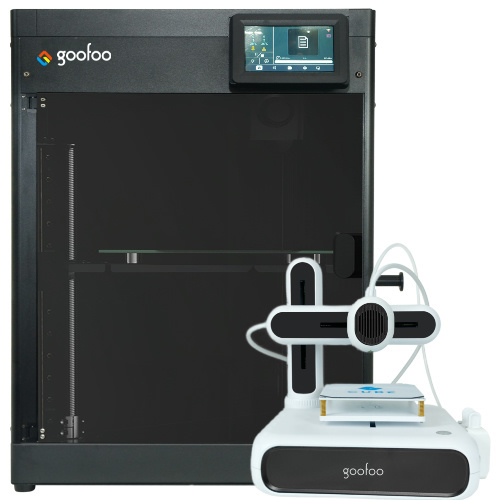


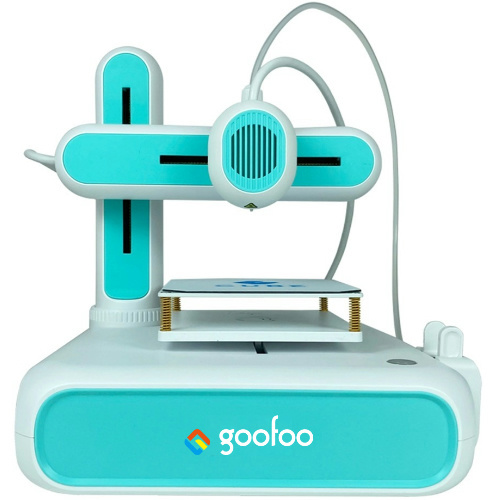
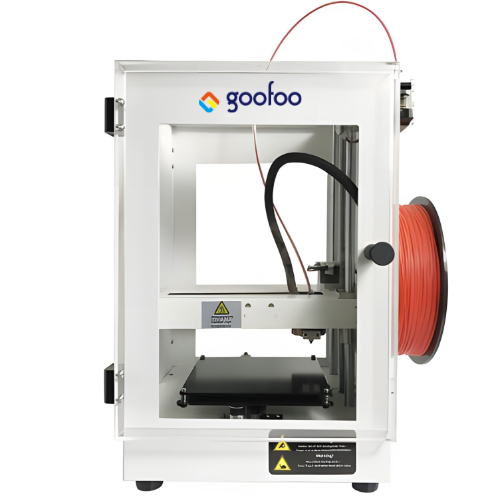
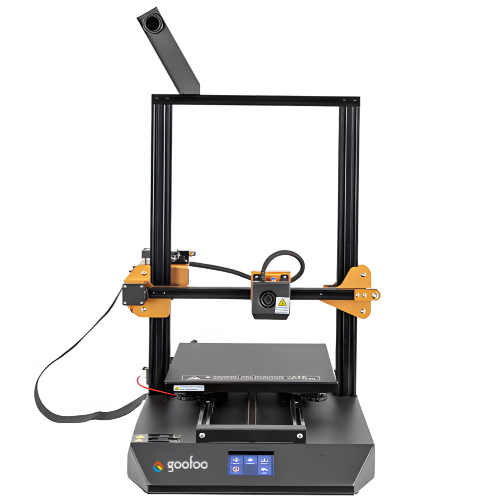
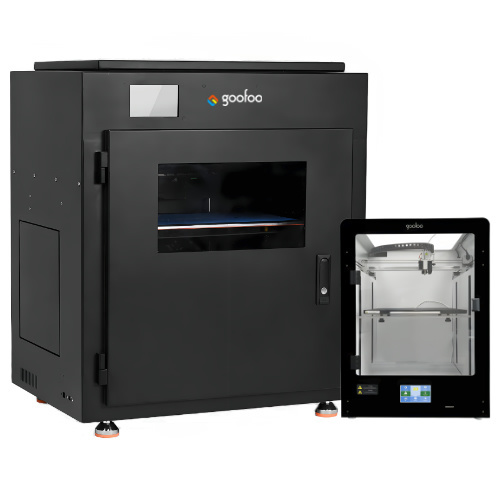
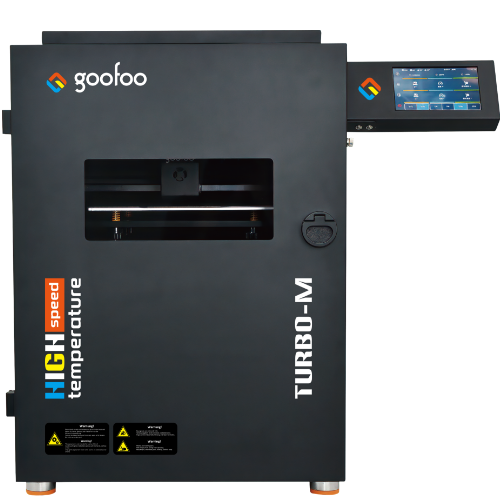
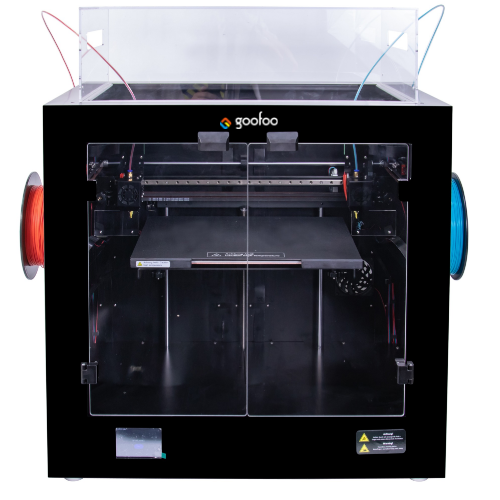
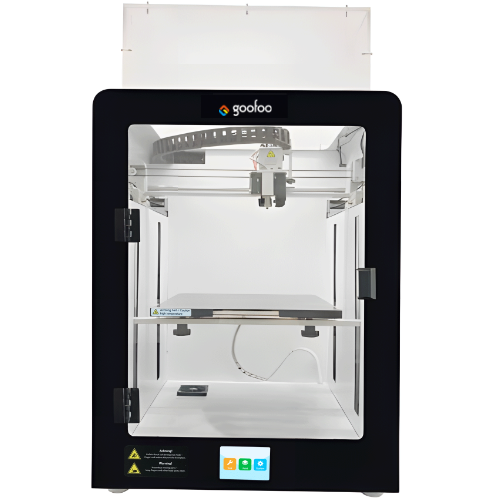
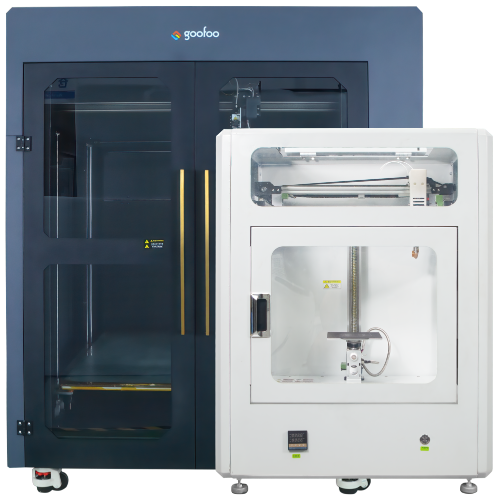

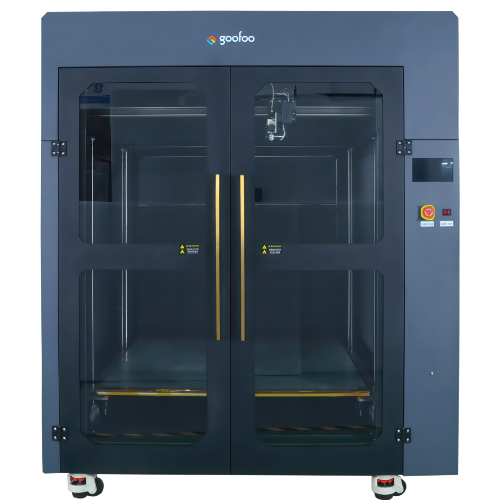
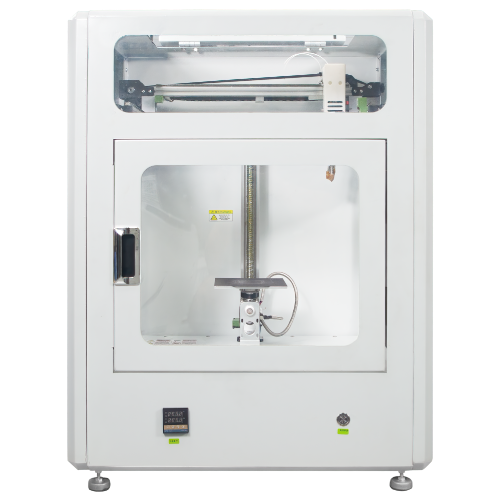
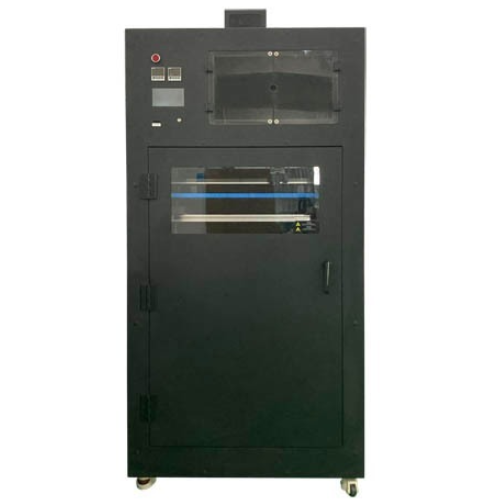
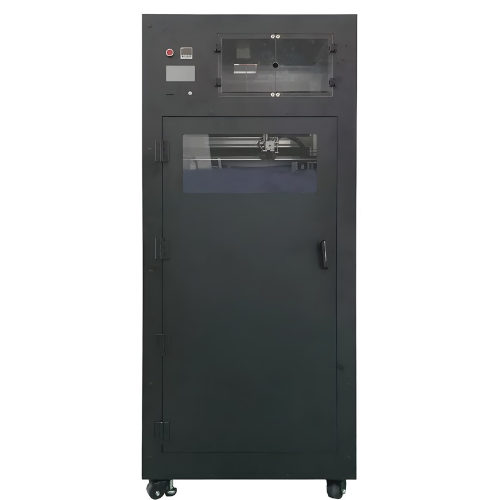
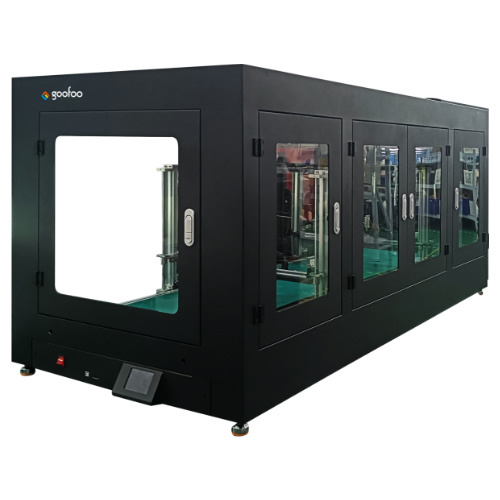
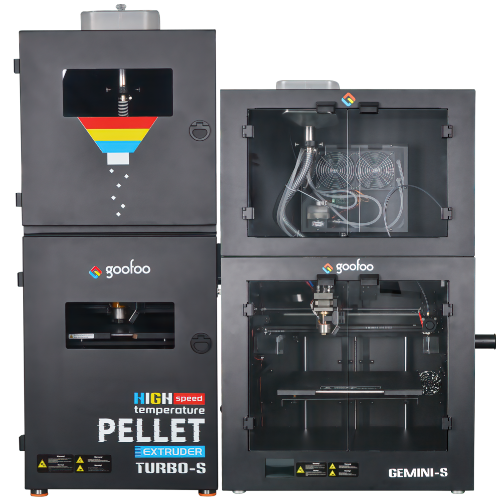

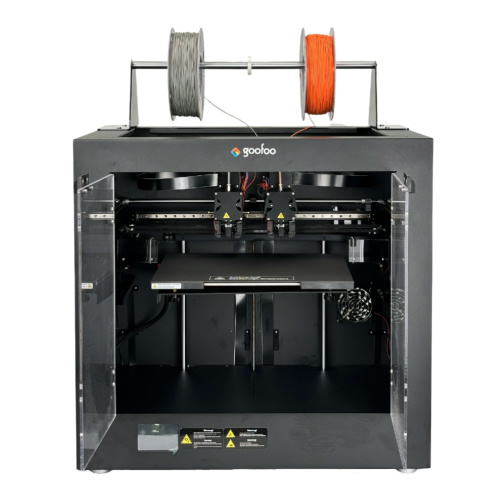
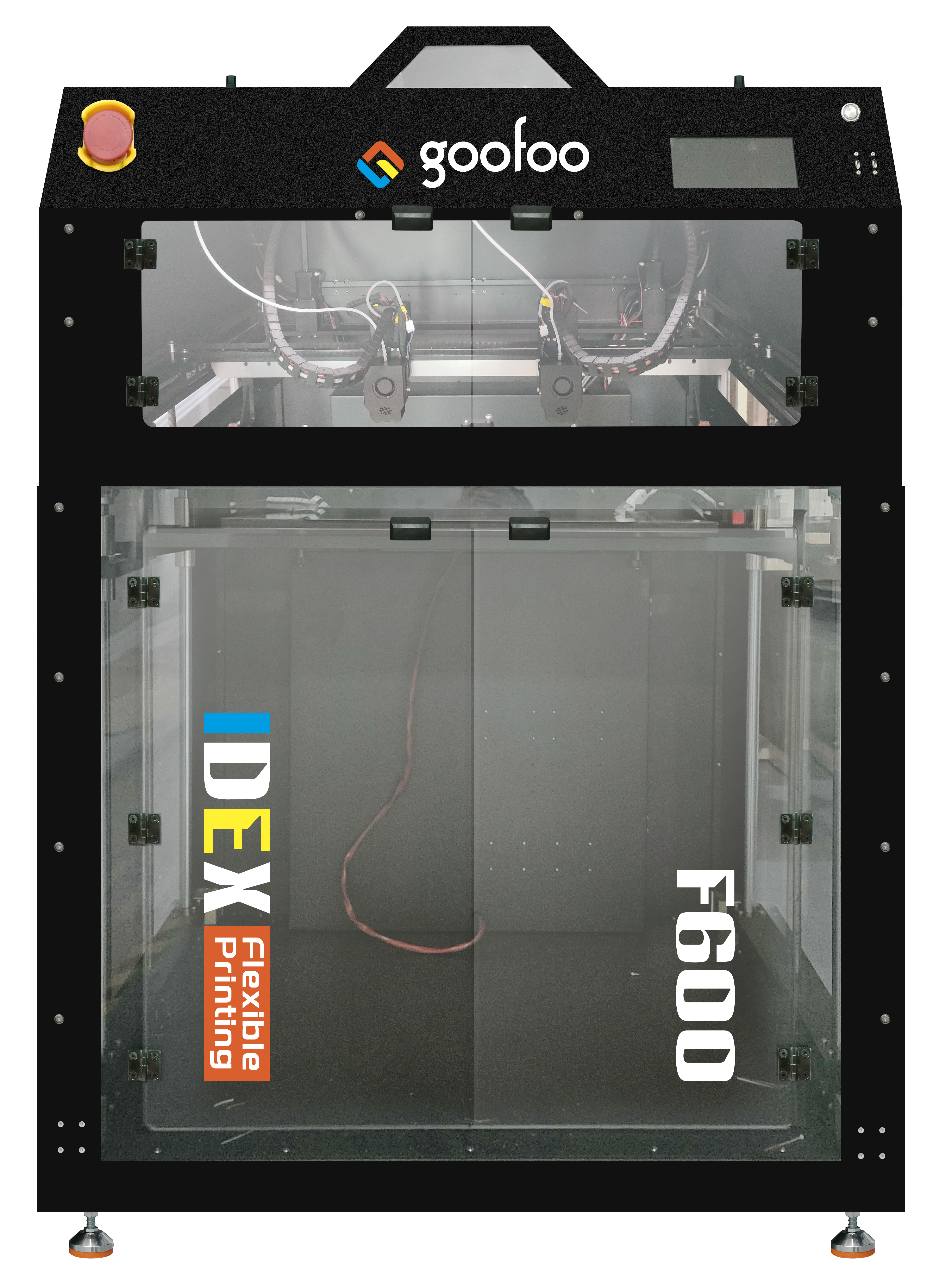


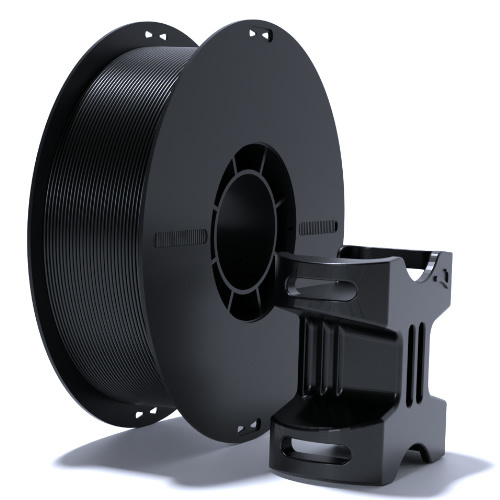
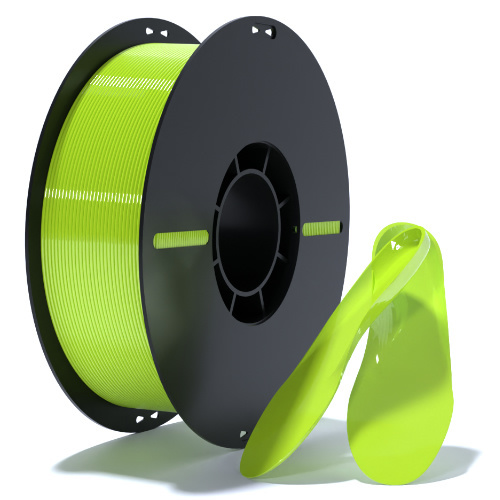





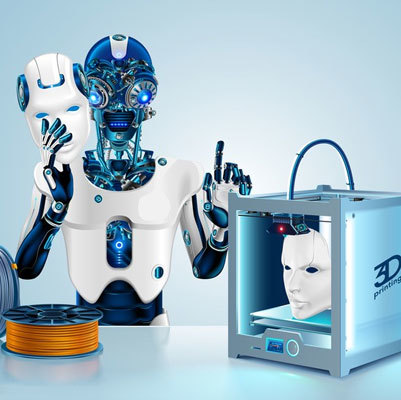





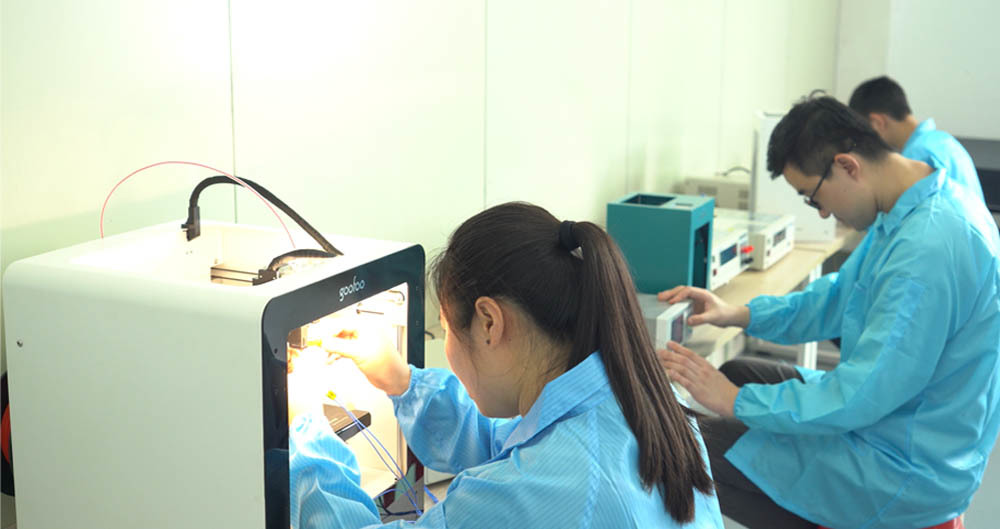




Understanding 3D Printer Extruders: The Heart of Additive Manufacturing
2026-01-06 15:50
At its core, a 3D printer extruder consists of two main parts: the drive mechanism and the hot end. The drive mechanism, often referred to as the feeder, pushes the filament into the hot end where the magic happens. The hot end contains a heating element and a nozzle, which melts the filament at precise temperatures, allowing it to flow smoothly onto the print bed. The quality of the extruder plays a pivotal role in determining the consistency and accuracy of prints.
There are several types of extruders in the market, primarily divided into two categories: direct drive and Bowden. Direct drive extruders are mounted directly on the print head, providing greater control over the filament feed and reducing the risk of jams. This configuration is particularly beneficial when printing with flexible materials. On the other hand, Bowden extruders are located away from the print head and use a PTFE tube to guide the filament. While this setup reduces the weight on the print head, it can lead to a slight delay in filament movement, which may impact print quality.
Choosing the right 3D printer extruder for your needs involves considering factors such as the type of materials you plan to use, your preferred printing speed, and the level of precision required for your projects. For example, if you are working with materials that require high flow rates, investing in a high-performance extruder can yield better results.
To ensure optimal performance, regular maintenance of the 3D printer extruder is crucial. This includes cleaning the nozzle to prevent clogs, inspecting the drive gears for wear, and checking the temperature settings to match the filament specifications. A well-maintained extruder not only enhances the quality of your prints but also prolongs the lifespan of your 3D printer.
In conclusion, the 3D printer extruder is a vital component that directly impacts your printing outcomes. By understanding its function, types, and maintenance practices, you can make informed decisions that elevate your 3D printing endeavors. Whether you're a hobbyist or a professional, mastering the intricacies of the extruder can lead to more successful and rewarding printing experiences.
3d printer extruder
Recommended News
 Esperanto
 Shqiptare
 Euskara
 Zulu
Zulu
 Latinus
 Cymraeg
 தமிழ்
தமிழ்
 Slovak
 Slovak
 Afrikaans
Join us
Subscribe to get the latest news


Skype / WhatsApp: +86 592-5713513 / +86-13860126490
No.88-3, North Tongji Road, Xike County, Tong'an District, Xiamen, Fujian China
Xiamen Goofoo Technology Co., Ltd. All Rights Reserved 闽ICP备2022008070号-1 SEO 300.cn
Phone:+0086 592-5713513
Address: No.88-3, North Tongji Road, Xike County, Tong’an District, Xiamen, Fujian China
Email: sales@goofoo3d.com
We will give you feedback in time