
- Shop Shop
-
Desktop
Desktop
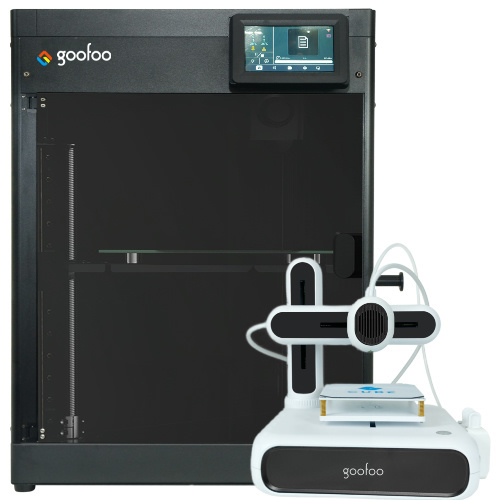
FDM / FGF

High speed GP1

colorful GP4/GP4-C
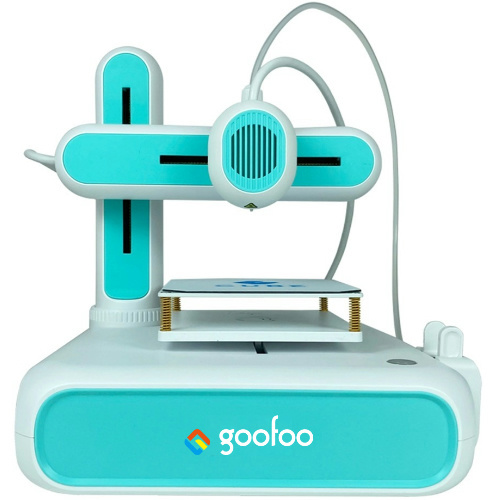
Kids Cube/3D Pen
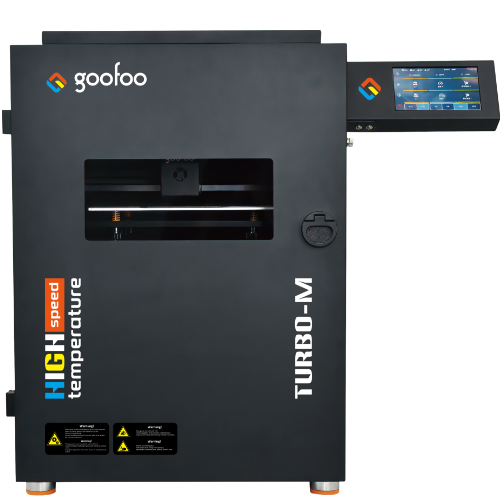
High speed&temp Turbo-m
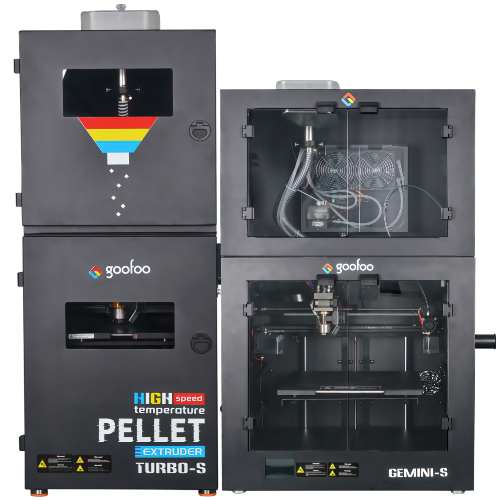
Pellet Gemini-s/Turbo-s
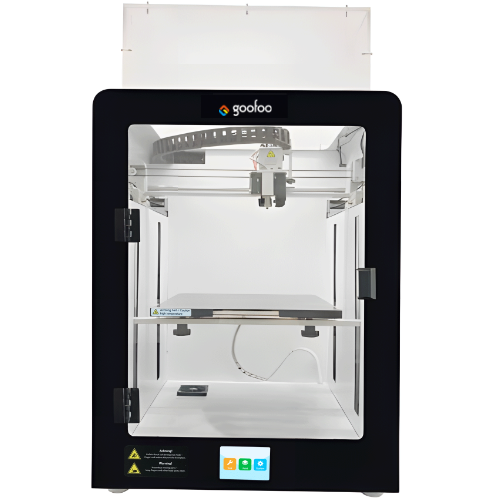
Classic+ Mido/Nova/Plus
- Industrial Industrial
-
Material
Material

Resin series

Dental DM100/TC100/ etc.

Jewelry Jewelry Resin

Generic PW100

Industry High Temp Resin

Garage Kit Red wax
-
Expanded
Expanded
Laser/CNC/3D scanner

TS4030(class1) Laser engraver & cutter 400*300mm
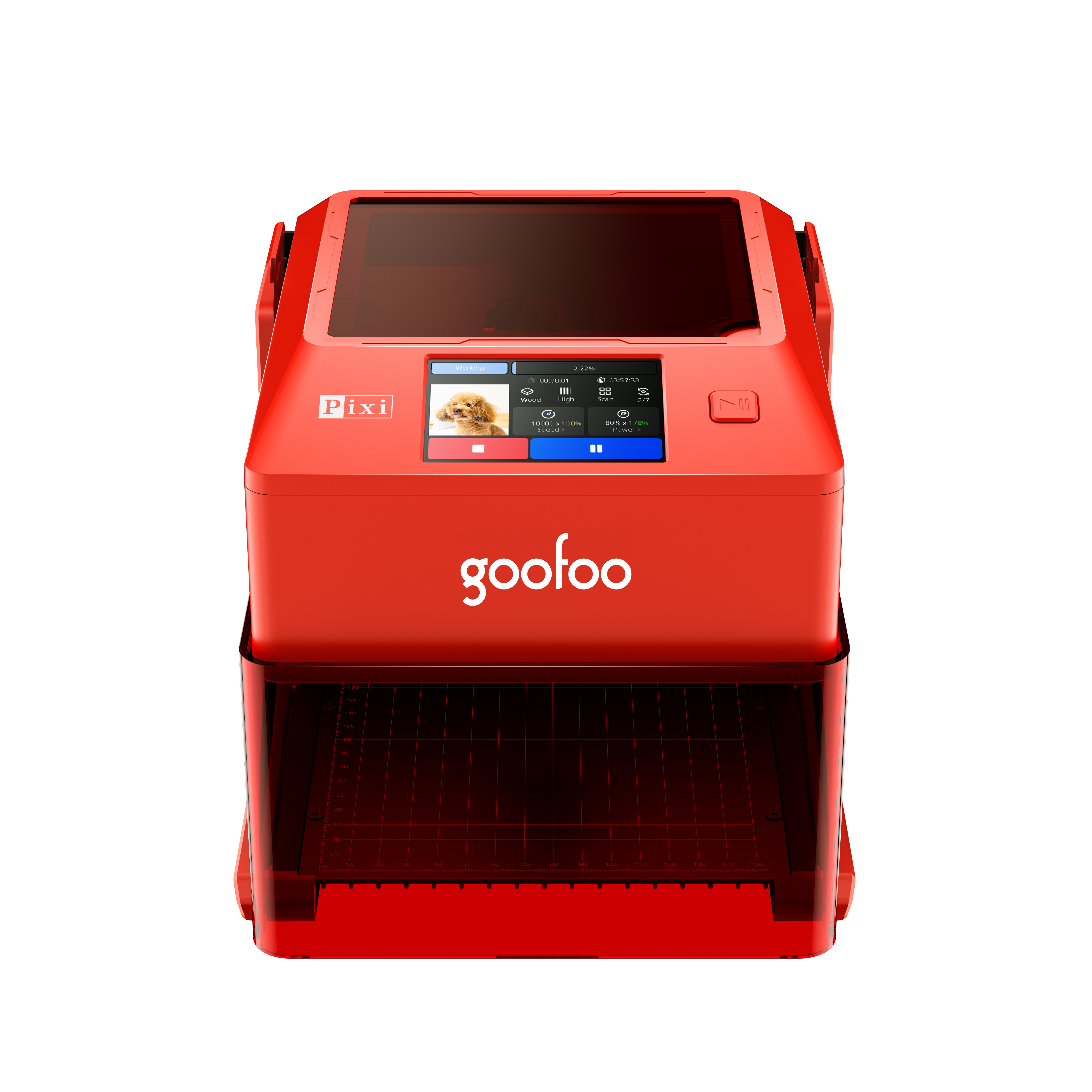
Pixi(class1) Laser engraver & cutter 100*100mm
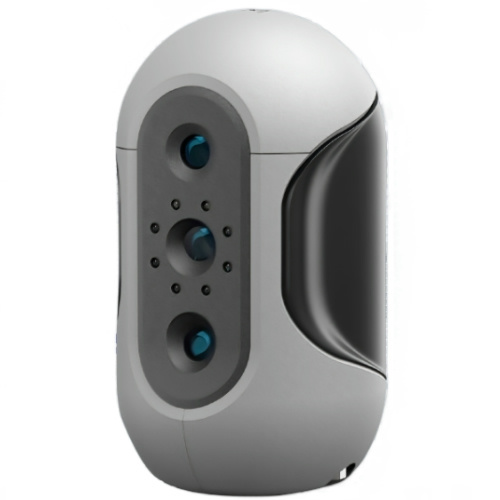
Mole Highest accuracy 0.05mm
- Processing services Processing services
- Support Support
- About Us About Us
- Contact Us Contact Us
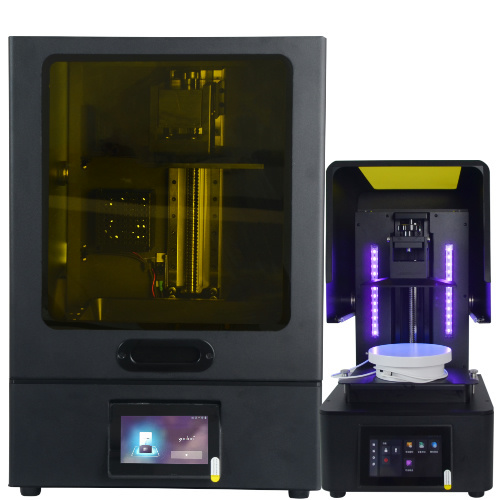







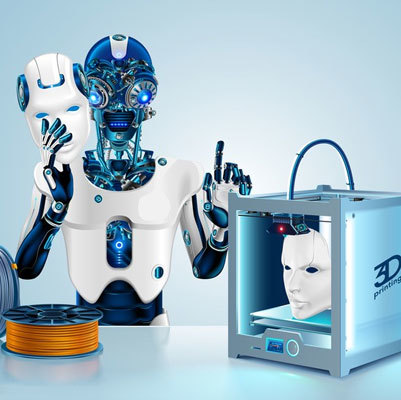





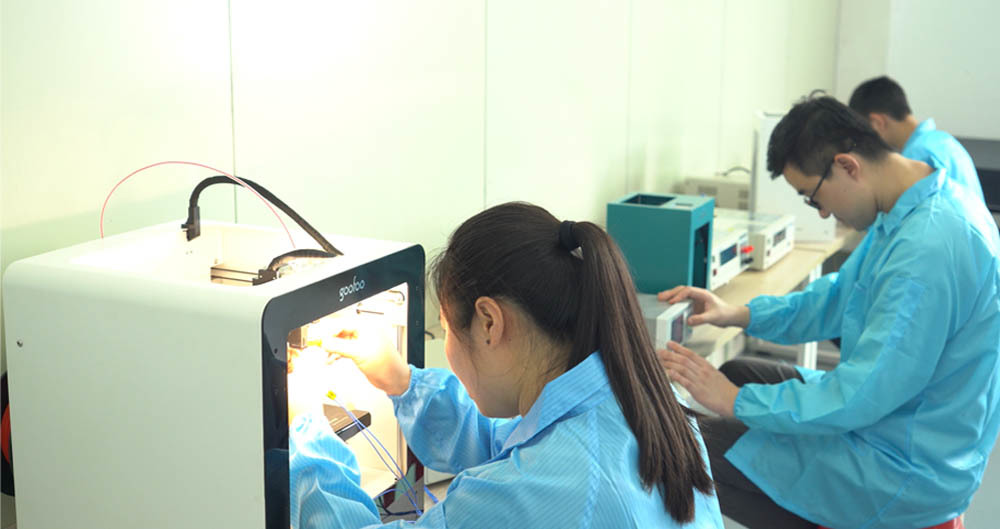




3D Printing for Dental
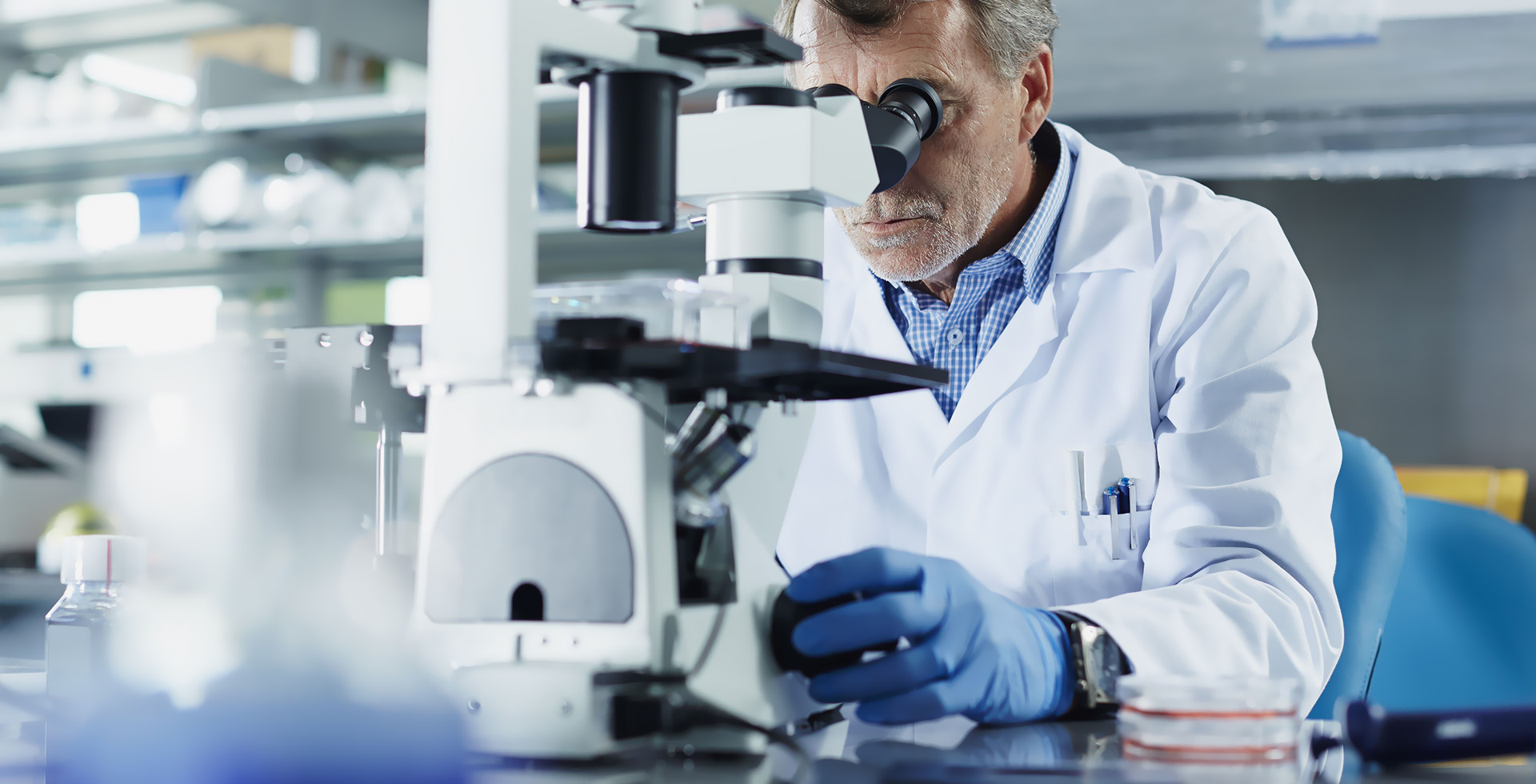
Goofoo technology are pushing the possibilities of 3D Printing in the dental industry. Helping businesses like yours unlock growth.
Our additive technologies mean you can master the most important aspects of dental manufacturing using 3D Printing. Meeting expectations without exception, with the highest quality, monolithic, full-color dental appliances, consistently accurate surgical guides, and economic models - on time and at scale.
3D printing has a wide range of applications in dentistry, including personalized dental restoration, applications in oral and maxillofacial surgery, innovations in dental implants, and innovations in orthodontic treatment.
1.Personalized dental restoration: 3D printing technology can accurately manufacture crowns, bridges, dentures and other restorations according to the patient's oral scanning data. This technology not only improves the fit and comfort of restorations, but also significantly reduces fabrication time. Patients can have their dental restorations designed and printed in a single visit, significantly reducing waiting time and the number of visits. For example, temporary, high-precision, and aesthetically pleasing crowns and bridges can be fabricated through 3D printing to meet patients' individual needs.
2.Applications in Oral and Maxillofacial Surgery: In oral and maxillofacial surgery, 3D printing technology is used to create jawbone models and surgical guides to help doctors perform precise surgical planning and simulation before surgery. In addition, 3D printing technology allows for the direct fabrication of metal implants, such as titanium mandibles, for the reconstruction of jawbone defects. This increased customization and precision provides better treatment options for oral and maxillofacial surgery.
3.Innovations in Dental Implants: The application of 3D printing technology in the field of dental implants is equally remarkable. It allows for the fabrication of personalized root-shaped implants and implant surgical guides, improving the success and precision of implants. Personalized implants are better adapted to the patient's oral anatomy, while implant guides ensure precise implant placement, thus improving the quality and efficiency of the entire implant process.
4.Revolutionizing orthodontic treatment: 3D printing technology also plays an important role in orthodontic treatment. By scanning a patient's dental data, personalized aligners, such as invisible braces, can be created. These aligners are able to fit closely to the patient's teeth, achieving more precise and effective orthodontic results. At the same time, 3D printing technology also shortens the production cycle of aligners and improves the efficiency of orthodontic treatment.
In addition, 3D printing in dentistry has the advantages of customization and high precision, improved efficiency and shorter cycle time, material diversity and cost control, and the ability to fabricate complex structures. These advantages make 3D printing an indispensable and important technology in dentistry, providing patients with more personalized, precise and efficient treatment solutions.
The main materials used in 3D printing in dentistry include resin materials, metal materials and ceramic materials.
1. Resin material: resin is one of the most commonly used materials in dental 3D printing, with good plasticity and molding accuracy, high transparency, suitable for making a variety of dental models and restorations, such as dentures, braces, and temporary crowns, bridges, orthodontic models and so on. Dental products made of resin materials are not only aesthetically pleasing, but also adaptable to a wide range of dental conditions. In particular, photosensitive resins, which are printed by light-curing technologies such as SLA (Stereolithography), DLP (Digital Light Processing), or LCD (Liquid Crystal Display), have the advantages of high precision, smooth surface, and high detail reproduction. In addition, there are some special resin materials, such as zirconium fluorine barium glass, being used to print permanent crowns with higher biocompatibility, mechanical properties and wear resistance.
2. Metallic materials: Metallic materials are increasingly used in oral 3D printing, especially in the fabrication of dental bridges, implants, and complex oral restorations and implants. Metal materials have excellent durability and stability, and the teeth made are less susceptible to wear and have a longer service life. Common metal raw materials include cobalt chromium alloy and titanium alloy powders, which should be characterized by high purity, good sphericity, and a reasonable and controllable particle size distribution. The printing process of metal materials is relatively complex, requiring the support of special machines and equipment, and the cost is high.
3. Ceramic material: ceramic material occupies an important position in oral 3D printing due to its good biocompatibility and aesthetics. It is suitable for the production of crowns, veneers and other restorative materials, and can achieve long-term use of restorative effects. Ceramic dental molds are usually printed using ceramic powder materials, such as zirconia, alumina, silicon nitride, etc., through techniques such as SLS (selective laser sintering) or SLM (selective laser melting). Dental products made of ceramic materials are characterized by high strength, wear resistance, and good aesthetics.
In summary, 3D printing in dentistry uses a variety of materials, each with its own unique advantages and scope of application, and the doctor will choose the appropriate material for printing based on the patient's specific needs and dental condition.
The future trend of 3D printing in dentistry will be characterized by personalization, high precision, material innovation, market expansion, and technology integration.
First, personalized treatment will become the core development direction of 3D printing in dentistry. Through accurate 3D scanning and printing technology, doctors are able to customize perfectly fitting dental restorations, orthodontic appliances, etc., to meet the personalized needs of patients. This personalized manufacturing not only improves the comfort and effectiveness of treatment, but also greatly reduces treatment time and enhances patient satisfaction.
Second, with the continuous progress of technology, 3D printing in dentistry will become more and more precise. Precision 3D printing technology is able to achieve micron-level accuracy, ensuring that dental restorations and orthodontic appliances fit perfectly with the patient's oral structure and meet the needs of complex details in the mouth. This high-precision manufacturing will further enhance the effectiveness of dental treatment and patient experience.
In terms of materials, the use of 3D printing in dentistry will drive the development and innovation of new dental materials. Researchers are exploring the use of better biocompatible materials, such as bioceramics, biodegradable polymers, and high-performance metal alloys, to improve the safety and functionality of dental devices. The application of these new materials will provide more options and possibilities for dental treatments to fulfill patients' needs for aesthetics, durability, and comfort.
On the market front, the global dental 3D printing market is expected to show explosive growth in the coming years as it continues to grow. North America, especially the U.S., will be the center of the market, but other regions will gradually keep up with this technological trend. The growth of the market will be driven by multiple factors such as technological advancements, material innovations, decreasing costs, and growing demand for customization.
Lastly, 3D printing technology will be deeply integrated with other technologies in the dental field, resulting in more integrated and efficient treatment options. For example, combined with digital diagnosis and treatment system, genetic testing technology, etc., it can realize more accurate and personalized oral health management; combined with surgical navigation system, it can improve the success rate and safety of dental surgery; combined with telemedicine technology, it can provide patients with more convenient and efficient dental treatment services.
In summary, the future trend of 3D printing in dentistry will be characterized by diversification, personalization, high precision, material innovation and market expansion, which will bring revolutionary changes and development opportunities for the dental industry.
The use cases of 3D printing in dentistry are rich and varied, here are some specific cases to share:
Contagion optimizes denture fabrication with the help of 3D printing technology:
Contagion has utilized Stratasys' 3D printing technology to achieve significant results in denture fabrication.
Through 3D printing, Contagion has been able to improve customer satisfaction and provide patients with more accurate and comfortable denture solutions.
The Department of Stomatology of Qilu Hospital in China implemented digital 3D printing titanium plate mandibular reconstruction surgery:
A team from the Department of Stomatology at Qilu Hospital of Shandong University in China successfully performed mandibular reconstruction surgery for a patient with an oral tumor by using a domestic self-developed 3D-printed patient-matched maxillofacial bone grafting plate (3D-printed titanium plate).
The surgery is the first of its kind in China, marking a major breakthrough in 3D printing technology in the field of mandibular reconstruction, providing a more efficient, precise and stronger reconstruction method for patients with jaw defects.
Amnovis' 3D printed titanium implants:
Amnovis was one of the first companies to produce titanium implants using laser powder bed fusion (LPBF) technology.
The 3D printed titanium implants it offers require no heat treatment, providing customers with a faster, more cost-effective solution while maintaining the highest quality standards.
Amnovis' titanium 3D printing process has been cleared by the U.S. Food and Drug Administration (FDA), accelerating the time to market for 3D printed implants.
3D printing in crown and bridge fabrication:
Dental crowns and bridges are the most common products used in dental treatments, and 3D printing technology is increasingly being used in this regard.
Temporary, high-precision, aesthetically pleasing crowns and bridges can be fabricated using resin 3D printing technology, which is more cost-effective and faster to produce than traditional milling processes.
China's Guangzhou Ruitong leads the 3D printing technology revolution in the dental industry:
China Guangzhou Ruitong Additive Technology Co., Ltd. is one of the first companies in China to apply metal 3D printing technology to the dental industry.
Its metal 3D printing equipment is in the leading position in the denture industry, and has established in-depth cooperation with more than 1,000 domestic denture factories.
3D printing technology has rapidly captured the market in Guangzhou Ruitong's application due to its features of precise and close fitting, safety and comfort, and reliable materials, realizing the real private customization.
These cases fully demonstrate the wide application and significant advantages of 3D printing in the field of dentistry, from denture making and jawbone reconstruction to the production of crowns and bridges, to the overall technological revolution in the dental industry.
 Esperanto
 Shqiptare
 Euskara
 Zulu
Zulu
 Latinus
 Cymraeg
 தமிழ்
தமிழ்
 Slovak
 Slovak
 Afrikaans
Join us
Subscribe to get the latest news


Skype / WhatsApp: +86 592-5713513 / +86-13860126490
No.88-3, North Tongji Road, Xike County, Tong'an District, Xiamen, Fujian China
Xiamen Goofoo Technology Co., Ltd. All Rights Reserved 闽ICP备2022008070号-1 SEO 300.cn
Phone:+0086 592-5713513
Address: No.88-3, North Tongji Road, Xike County, Tong’an District, Xiamen, Fujian China
Email: sales@goofoo3d.com
We will give you feedback in time