
- Shop Shop
-
Desktop
Desktop
MSLA series

High accuracy Lens-s pro
Large build volume Lens-m pro
- Industrial Industrial
-
Material
Material

Resin series

Dental DM100/TC100/ etc.

Jewelry Jewelry Resin

Generic PW100

Industry High Temp Resin

Garage Kit Red wax
-
Expanded
Expanded
Laser Engraver/CNC

TS4030(class1) Laser engraver & cutter 400*300mm
Pixi(class1) Laser engraver & cutter 100*100mm
3D scanner

Mole Highest accuracy 0.05mm
- Industries & Applications Industries & Applications
- Support Support
- About Us About Us
- Contact Us Contact Us


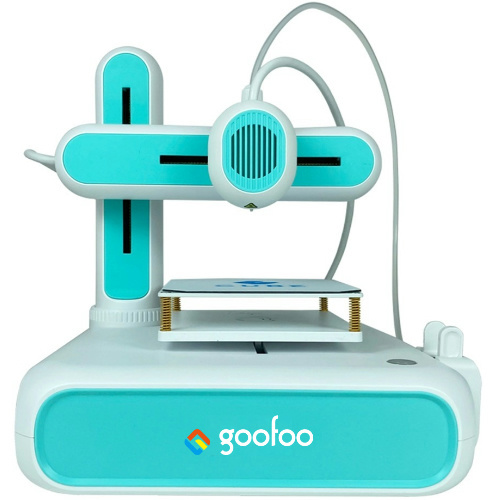
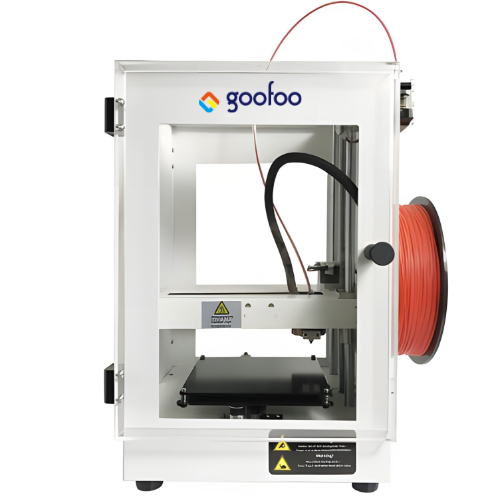
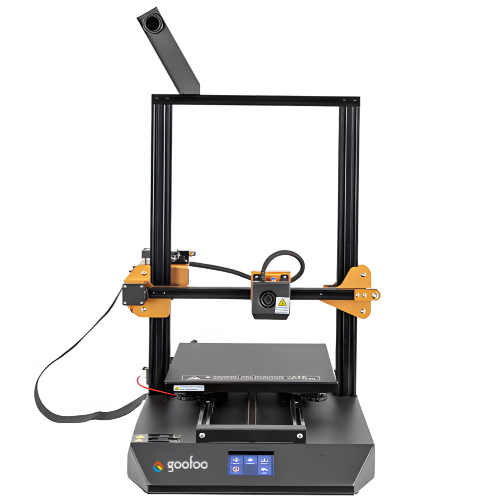
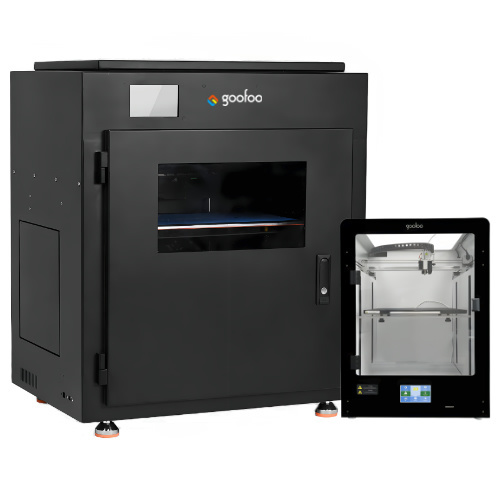




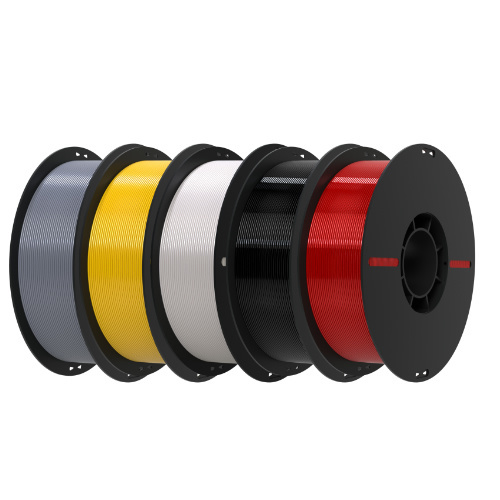
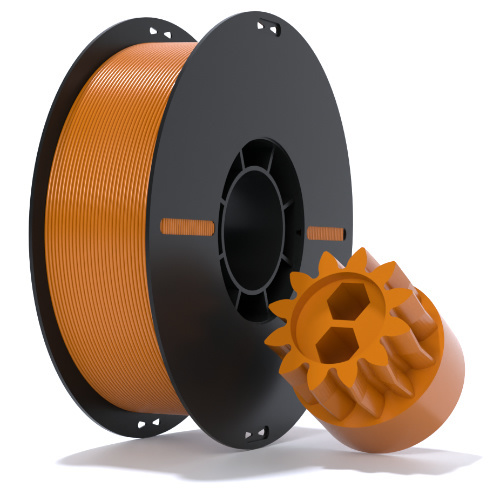
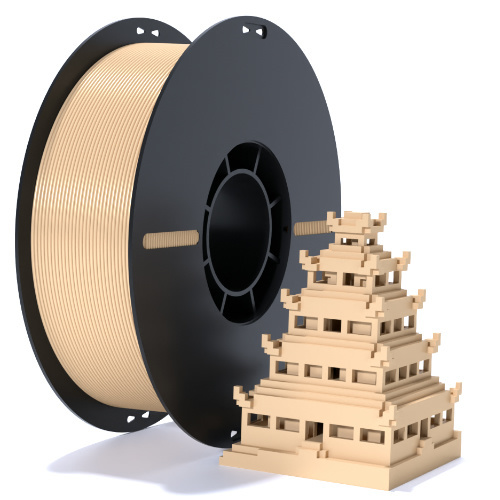
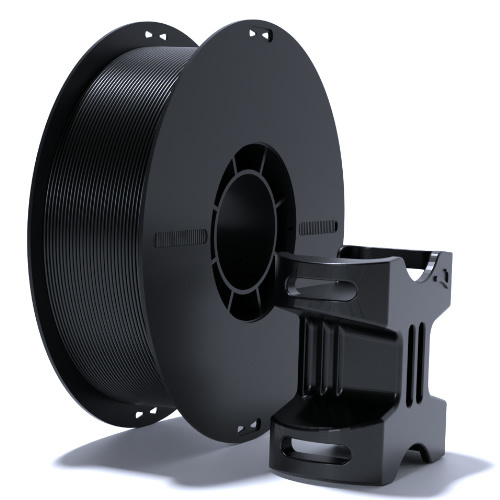
















Exploring the Diverse World of 3D Printer Materials
2025-12-18 12:10
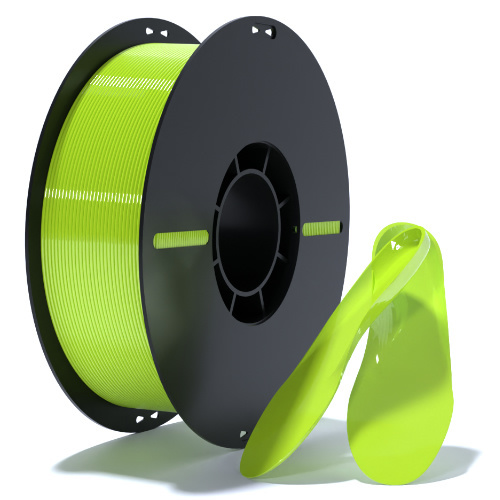
One of the most common materials in 3D printing is PLA (Polylactic Acid). This biodegradable plastic is derived from renewable resources like corn starch or sugarcane, making it an eco-friendly option. PLA is known for its ease of use, making it ideal for beginners. It adheres well to the print bed and emits a sweet smell when heated. However, while PLA is suitable for a wide array of applications, it may not be the best choice for items requiring high strength or heat resistance, as it can warp at elevated temperatures.
Another widely used material is ABS (Acrylonitrile Butadiene Styrene). ABS is renowned for its toughness and impact resistance, making it a preferred choice for functional parts and prototypes. While ABS can be more challenging to work with due to its tendency to warp and emit fumes during printing, it can be smoothed using acetone, which gives it a glossy finish. Its durability makes it suitable for parts that will endure stress or wear.
For projects needing flexibility, TPU (Thermoplastic Polyurethane) is an excellent choice. This material is rubber-like and provides high elasticity, making it perfect for items like phone cases, wearable devices, and other applications that require a degree of stretchability. TPU can be more complex to print due to its flexible nature, but with the right settings, it can yield impressive results.
Another innovative material gaining popularity is PETG (Polyethylene Terephthalate Glycol-Modified). PETG combines the best features of PLA and ABS, offering ease of printing and excellent layer adhesion. It boasts good chemical resistance and is less prone to warping, making it suitable for a variety of applications, including food containers and mechanical parts.
For specialized applications, materials such as Nylon, Carbon Fiber, and Metal Filaments are also available. Nylon is known for its strength and flexibility, while carbon fiber-infused filaments enhance stiffness and durability, making them suitable for high-performance applications. Metal filaments, like stainless steel or bronze, can create stunning and robust parts, often requiring post-processing to achieve a polished finish.
In summary, the choice of 3D printer materials can dramatically affect the outcome of your projects. By understanding the unique properties and applications of different materials, you can select the best option tailored to your specific needs. Whether you're a beginner or an experienced printer, exploring the diverse world of 3D printer materials will help you achieve the best results in your 3D printing endeavors.
3d printer material
Recommended News
 Esperanto
 Shqiptare
 Euskara
 Zulu
Zulu
 Latinus
 Cymraeg
 தமிழ்
தமிழ்
 Slovak
 Slovak
 Afrikaans
Join us
Subscribe to get the latest news


Skype / WhatsApp: +86 592-5713513 / +86-13860126490
No.88-3, North Tongji Road, Xike County, Tong'an District, Xiamen, Fujian China
Xiamen Goofoo Technology Co., Ltd. All Rights Reserved 闽ICP备2022008070号-1 SEO 300.cn
Phone:+0086 592-5713513
Address: No.88-3, North Tongji Road, Xike County, Tong’an District, Xiamen, Fujian China
Email: sales@goofoo3d.com
We will give you feedback in time