
- Shop Shop
-
Desktop
Desktop
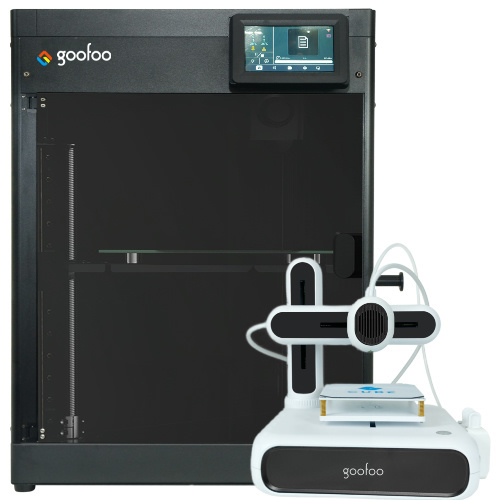
FDM / FGF

High speed GP1

colorful GP4/GP4-C
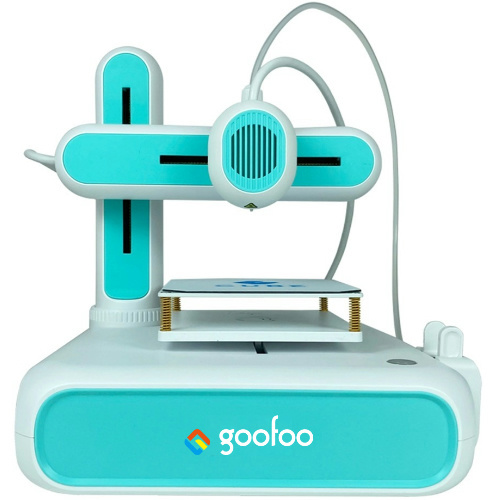
Kids Cube/3D Pen
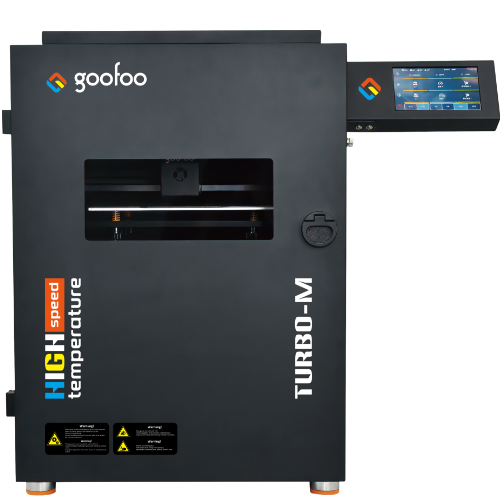
High speed&temp Turbo-m
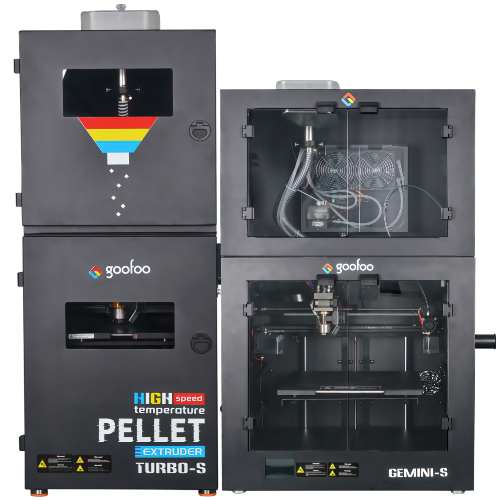
Pellet Gemini-s/Turbo-s
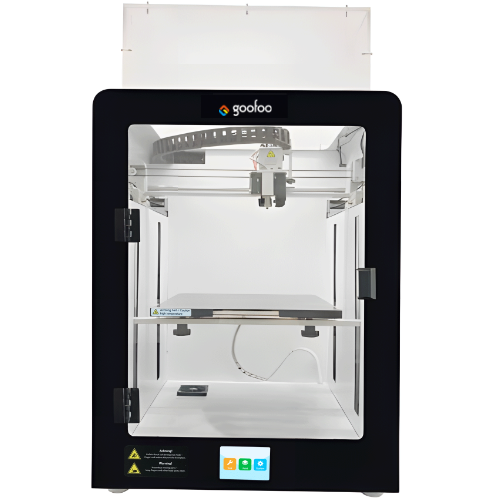
Classic+ Mido/Nova/Plus
- Industrial Industrial
-
Material
Material

Resin series

Dental DM100/TC100/ etc.

Jewelry Jewelry Resin

Generic PW100

Industry High Temp Resin

Garage Kit Red wax
-
Expanded
Expanded
Laser/CNC/3D scanner

TS4030(class1) Laser engraver & cutter 400*300mm
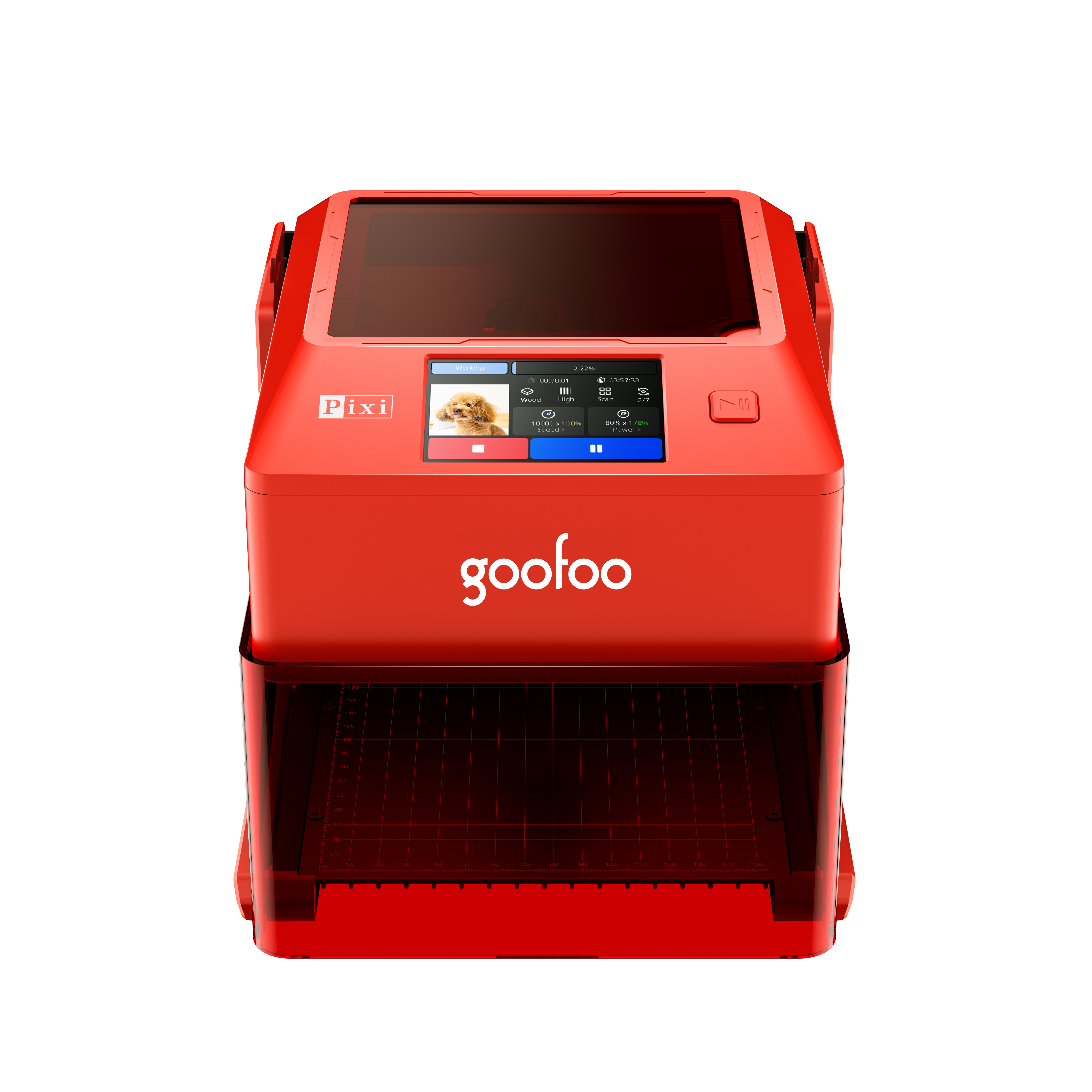
Pixi(class1) Laser engraver & cutter 100*100mm

Mole Highest accuracy 0.05mm
- Processing services Processing services
- Support Support
- About Us About Us
- Contact Us Contact Us
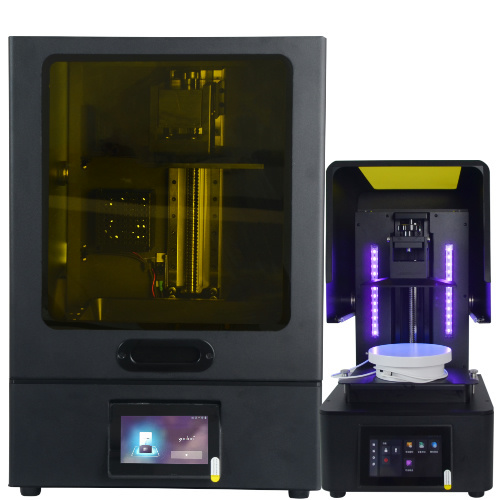


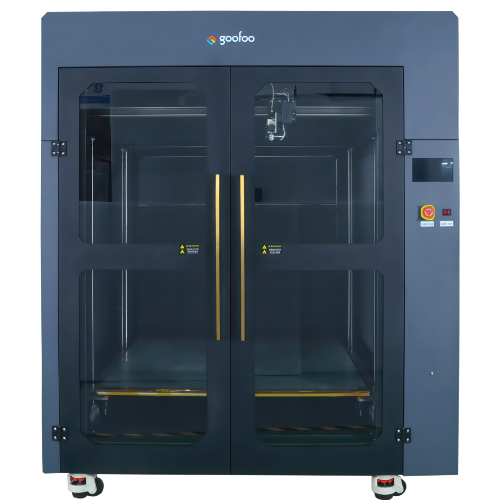


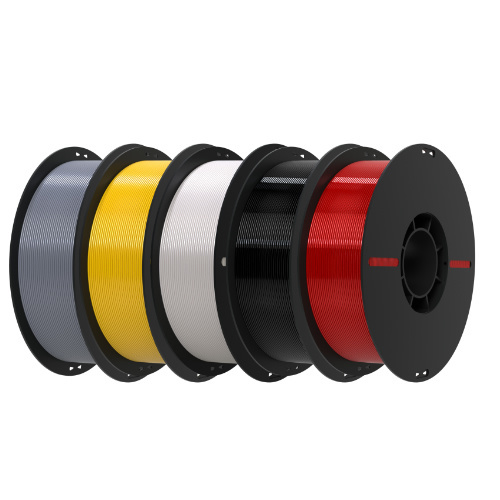
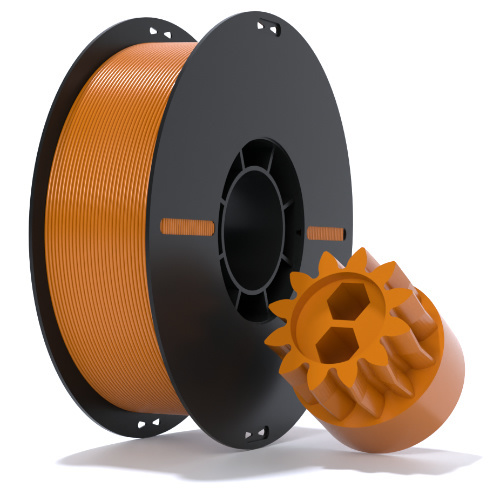
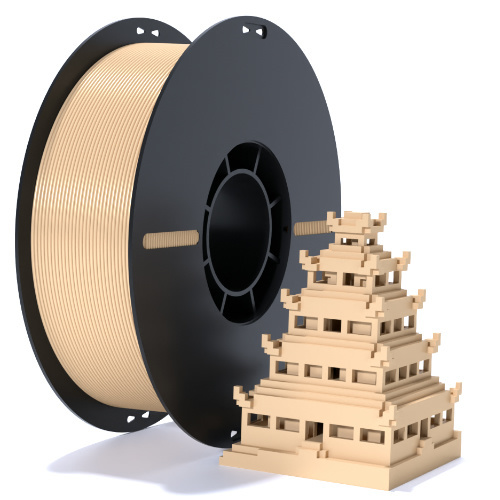
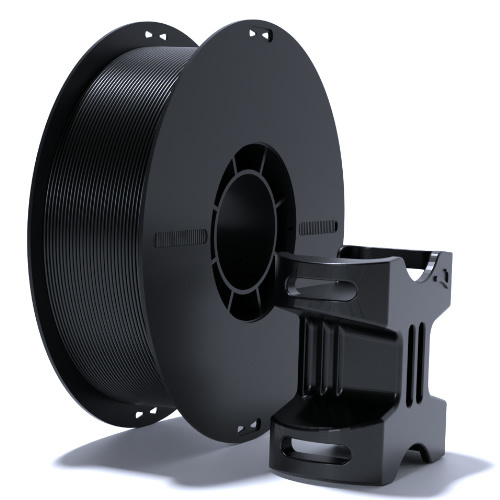
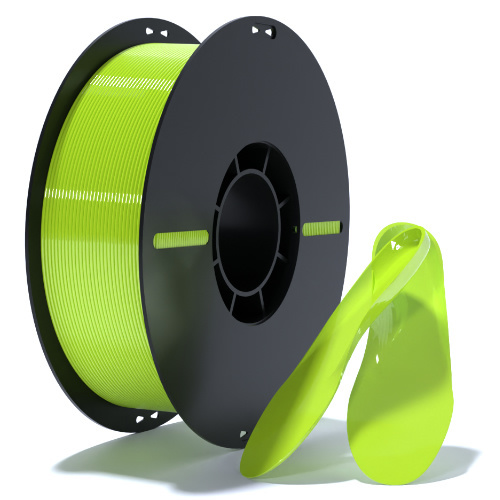




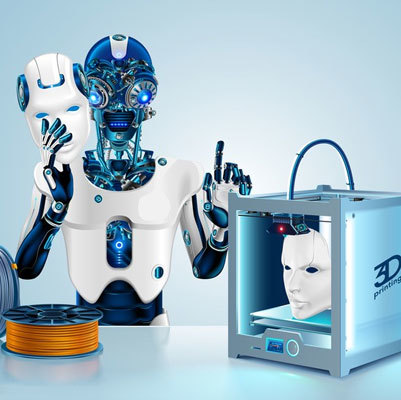





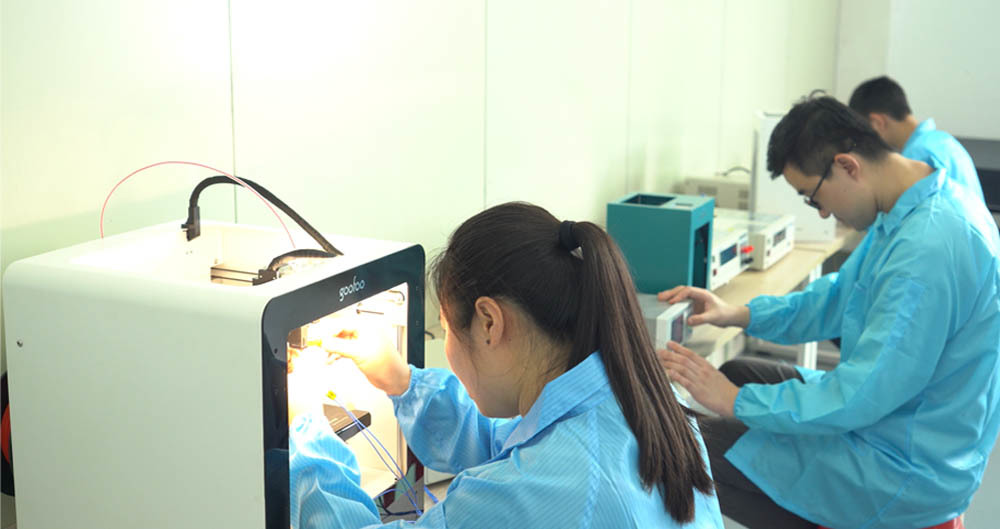




Eco-Friendly Solutions: Advancements in PLA 3D Printing Technology
2026-01-02 13:00
Eco-Friendly Solutions: Advancements in PLA 3D Printing Technology
Introduction to PLA 3D Printing and Its Environmental Impact
In recent years, the demand for sustainable practices within the tech and manufacturing industries has surged. With increasing awareness of environmental issues, many companies are seeking eco-friendly solutions to reduce their carbon footprint. One of the most promising innovations in this arena is Polyactic Acid (PLA) 3D printing. Derived from renewable resources like corn starch and sugarcane, PLA stands out as a biodegradable and compostable alternative to conventional plastics. This article delves into the advancements in PLA 3D printing technology and its potential to revolutionize the industry.
Understanding PLA: What Sets It Apart?
PLA is a thermoplastic made from renewable resources, making it a favorite among environmentally conscious manufacturers and consumers. Its unique characteristics set it apart from traditional petroleum-based plastics.
1. Biodegradability and Compostability
One of the most significant advantages of PLA is its biodegradability. Under the right conditions, PLA can decompose in commercial composting facilities within 90 to 180 days. Unlike traditional plastics, which can take centuries to decompose, PLA poses a reduced threat to landfills and marine environments.
2. Low Emissions During Production
The production of PLA generates significantly lower greenhouse gas emissions compared to conventional plastics. This is primarily due to its renewable origins and less energy-intensive manufacturing processes.
3. Safety and Non-Toxicity
PLA is non-toxic and safe for food contact, making it an ideal choice for applications in food packaging and medical devices. Its safety profile further enhances its appeal as a sustainable material.
Recent Advancements in PLA 3D Printing Technology
The evolution of 3D printing technology has led to new innovations in PLA filament, improving its performance and applicability. This section discusses the latest advancements that are making PLA 3D printing more efficient and versatile.
1. Improved Filament Quality
Recent developments in filament production have resulted in PLA filaments with enhanced strength, flexibility, and printability. These improvements allow for more complex designs and applications without compromising quality.
2. Multi-Material Printing
Advancements in multi-material printing technology enable the use of PLA in conjunction with other materials. This allows for the creation of intricate designs that leverage the unique properties of each material, broadening the range of possible applications.
3. Enhanced Printing Techniques
New printing techniques, such as Fused Deposition Modeling (FDM) and Stereolithography (SLA), are enabling more precise and detailed 3D prints. These techniques minimize errors during the printing process and improve overall quality while reducing waste.
4. Recycling and Reusability of PLA Prints
Innovations in PLA recycling methods allow manufacturers to repurpose failed prints and waste material, further promoting sustainability. By integrating recycling systems into the production workflow, the industry can significantly reduce its environmental impact.
Applications of PLA 3D Printing Across Various Industries
PLA 3D printing technology has found applications across a multitude of industries, demonstrating its versatility and sustainability.
1. Automotive Industry
Automotive manufacturers are harnessing PLA 3D printing to create lightweight prototypes and components. The use of PLA reduces vehicle weight, which can enhance fuel efficiency and decrease emissions.
2. Aerospace Sector
In the aerospace industry, PLA's low weight and high strength make it an appealing choice for creating intricate prototypes and parts. Additionally, the ability to print complex geometries enables innovations in aerodynamics.
3. Healthcare and Medical Devices
The medical field is increasingly utilizing PLA for creating custom prosthetics, surgical models, and dental applications. The material's biocompatibility ensures safety for patients while offering customizable solutions.
4. Consumer Products
From toys to household items, PLA 3D printing is used to produce eco-friendly consumer goods. These products appeal to environmentally conscious consumers looking for sustainable alternatives.
5. Fashion and Wearables
The fashion industry is embracing PLA 3D printing for creating unique accessories and garments. Designers can experiment with innovative forms and structures, leading to the development of sustainable fashion solutions.
The Role of Education and Awareness in Promoting PLA 3D Printing
As advancements in PLA 3D printing technology continue to unfold, educating manufacturers, consumers, and policymakers about its benefits becomes increasingly important.
1. Integrating Sustainability into Curricula
Educational institutions should incorporate sustainability and eco-friendly materials into their curricula. This will prepare future generations to prioritize sustainable practices in design and manufacturing.
2. Industry Partnerships and Collaborations
Collaborations between educational institutions and industry leaders can foster innovation in PLA 3D printing. By working together, stakeholders can share knowledge and resources to accelerate advancements in sustainable technology.
3. Public Awareness Campaigns
Raising public awareness about the benefits of PLA 3D printing is crucial for driving consumer demand. Campaigns that highlight the environmental advantages can motivate individuals and businesses to adopt sustainable practices.
Challenges Facing PLA 3D Printing Adoption
Despite its numerous advantages, the adoption of PLA 3D printing technology faces several challenges that need to be addressed.
1. Limited Temperature Resistance
PLA has a lower melting point compared to other plastics, which may limit its use in high-temperature applications. Manufacturers need to innovate to create high-temperature resistant PLA formulations.
2. Moisture Sensitivity
PLA is susceptible to moisture, which can affect its print quality and mechanical properties. Proper storage and handling practices are crucial to mitigate this issue.
3. Cost of Raw Materials
Although PLA offers many benefits, the cost of raw materials can be higher than conventional plastics. Continued research and development may help lower production costs over time.
Future Trends in PLA 3D Printing Technology
The future of PLA 3D printing technology looks promising, with several trends poised to shape its advancement.
1. Biodegradable Composites
Research into blending PLA with other biodegradable materials could enhance its properties while maintaining its eco-friendliness. This advancement could lead to new applications and greater acceptance in various industries.
2. Enhanced Print Speeds
As technology evolves, we can expect improvements in print speeds, allowing for faster production times. This efficiency will make PLA 3D printing more viable for large-scale manufacturing.
3. Smart Materials Integration
The integration of smart materials into PLA 3D printing opens up new possibilities in creating responsive and adaptive products. This innovation could revolutionize various applications, from consumer goods to medical devices.
4. Regulations and Standards Development
As the demand for sustainable materials increases, there will likely be a push for regulations and standards governing the use of PLA in manufacturing. Establishing clear guidelines will help ensure consistency and safety.
Conclusion
The advancements in PLA 3D printing technology signify a shift towards more sustainable practices in manufacturing. As we continue to explore the capabilities of this eco-friendly material, it becomes evident that PLA holds the potential to revolutionize various industries while addressing environmental concerns. By embracing these innovations, we can forge a path toward a greener future, balancing technological progress with ecological responsibility.
FAQs about PLA 3D Printing Technology
1. What is PLA, and why is it considered eco-friendly?
PLA, or Polyactic Acid, is a biodegradable thermoplastic made from renewable resources. Its eco-friendliness stems from its ability to decompose and its low emissions during production.
2. How does PLA compare to traditional plastics?
PLA is biodegradable, compostable, and derived from renewable resources, while traditional plastics are petroleum-based and take much longer to decompose, contributing to environmental pollution.
3. Can PLA be recycled?
Yes, PLA can be recycled through specialized facilities. Innovations in recycling methods are helping to repurpose PLA waste into new products.
4. What industries are using PLA 3D printing technology?
PLA 3D printing is being adopted in various industries, including automotive, aerospace, healthcare, consumer goods, and fashion.
5. What are some challenges associated with PLA 3D printing?
Challenges include limited temperature resistance, moisture sensitivity, and the higher cost of raw materials compared to conventional plastics. Addressing these issues is essential for broader adoption.
This comprehensive exploration of PLA 3D printing advancements underscores its vital role in fostering sustainable practices within the manufacturing sector. As technology continues to evolve, embracing eco-friendly solutions will not only enhance product quality but also contribute to a healthier planet.
pla 3d printer
Recommended News
 Esperanto
 Shqiptare
 Euskara
 Zulu
Zulu
 Latinus
 Cymraeg
 தமிழ்
தமிழ்
 Slovak
 Slovak
 Afrikaans
Join us
Subscribe to get the latest news


Skype / WhatsApp: +86 592-5713513 / +86-13860126490
No.88-3, North Tongji Road, Xike County, Tong'an District, Xiamen, Fujian China
Xiamen Goofoo Technology Co., Ltd. All Rights Reserved 闽ICP备2022008070号-1 SEO 300.cn
Phone:+0086 592-5713513
Address: No.88-3, North Tongji Road, Xike County, Tong’an District, Xiamen, Fujian China
Email: sales@goofoo3d.com
We will give you feedback in time