
- Shop Shop
-
Desktop
Desktop
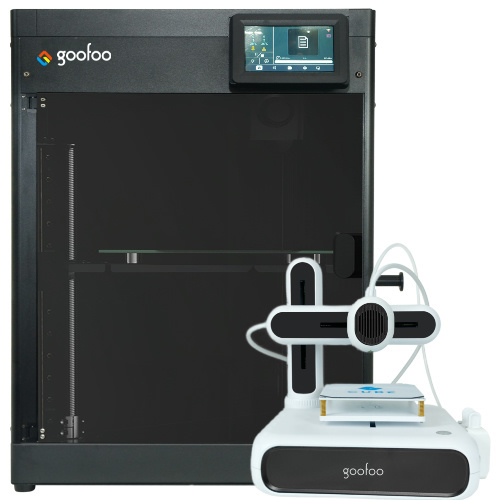
FDM / FGF

High speed GP1

colorful GP4/GP4-C
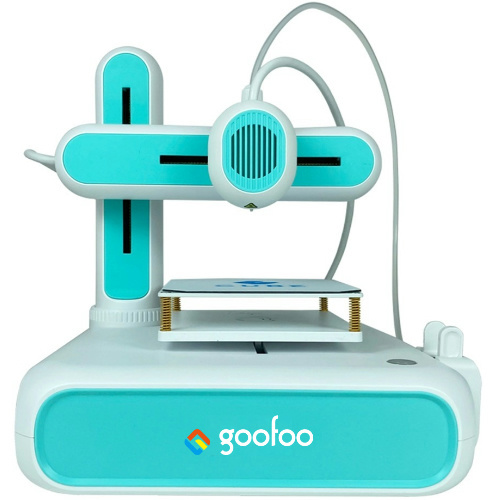
Kids Cube/3D Pen
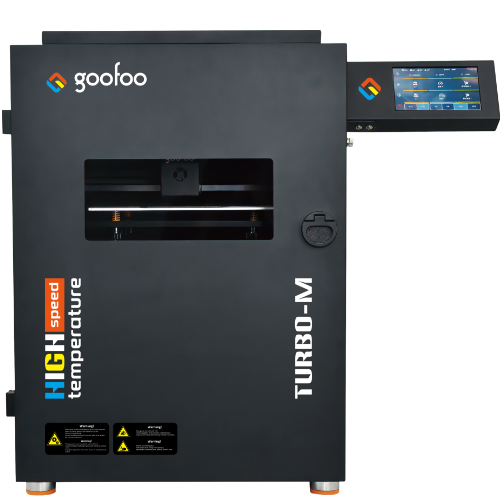
High speed&temp Turbo-m
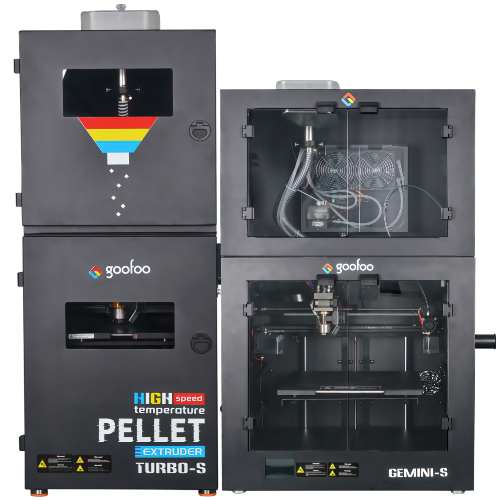
Pellet Gemini-s/Turbo-s
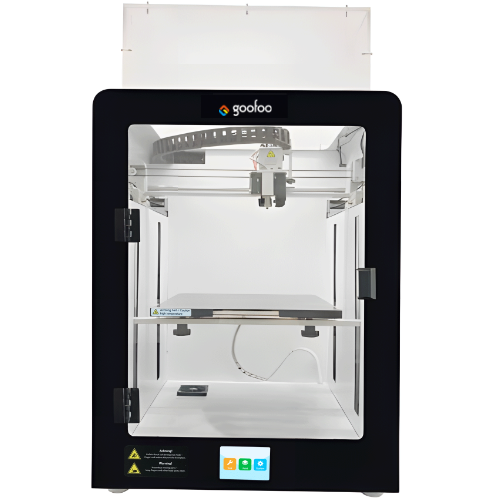
Classic+ Mido/Nova/Plus
- Industrial Industrial
-
Material
Material

Resin series

Dental DM100/TC100/ etc.

Jewelry Jewelry Resin

Generic PW100

Industry High Temp Resin

Garage Kit Red wax
-
Expanded
Expanded
Laser/CNC/3D scanner

TS4030(class1) Laser engraver & cutter 400*300mm
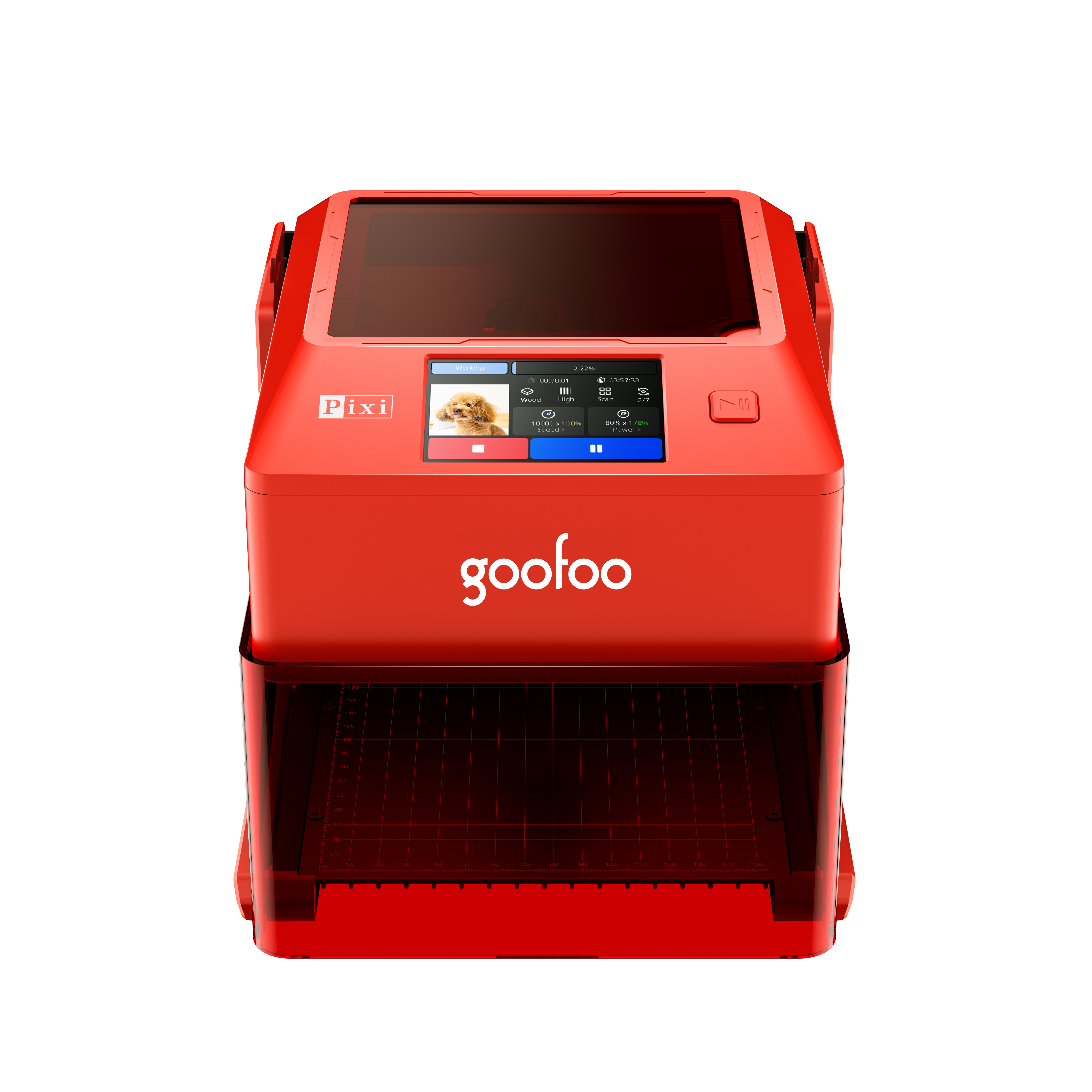
Pixi(class1) Laser engraver & cutter 100*100mm
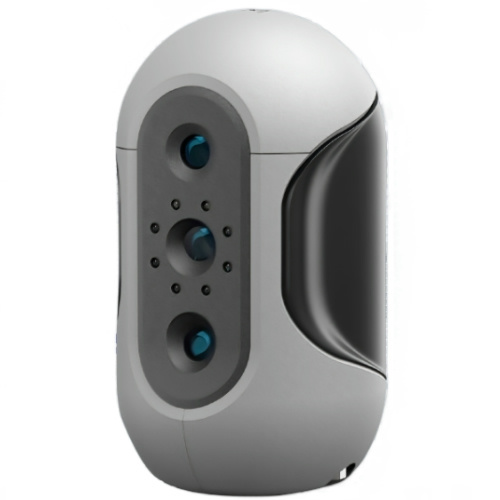
Mole Highest accuracy 0.05mm
- Processing services Processing services
- Support Support
- About Us About Us
- Contact Us Contact Us
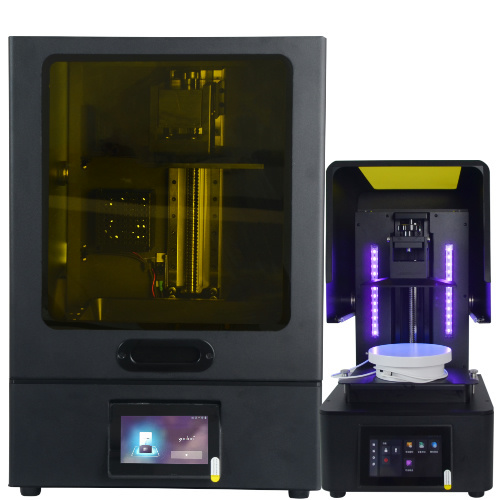


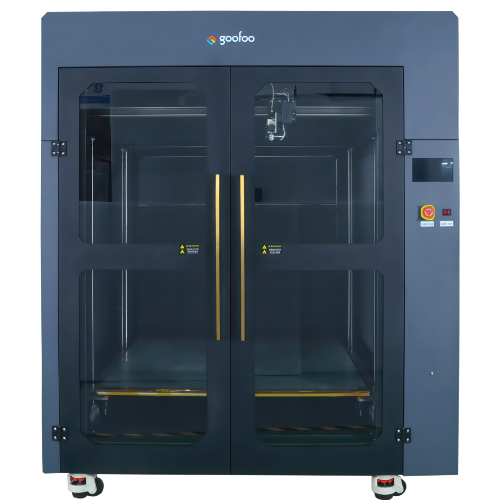












Understanding the Mechanics and Benefits of 3D Printer Machines
2025-12-29 18:10
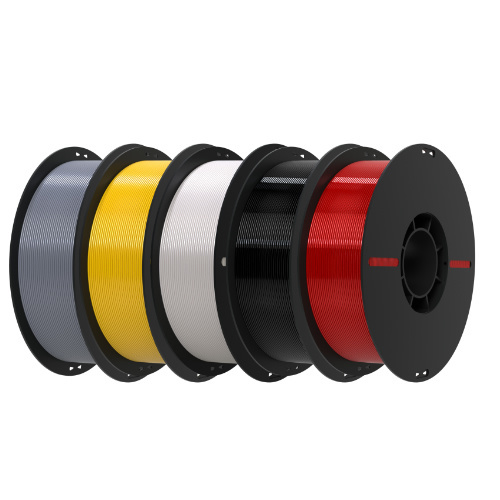
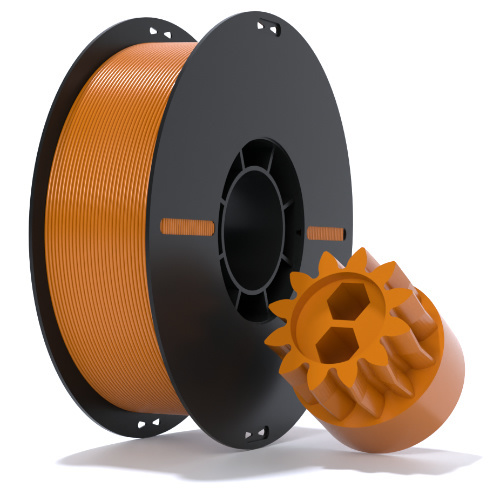
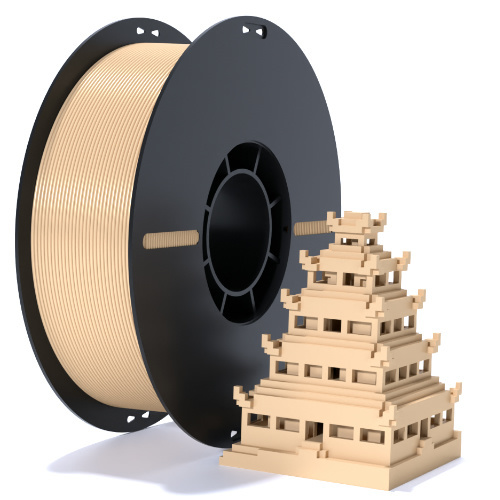
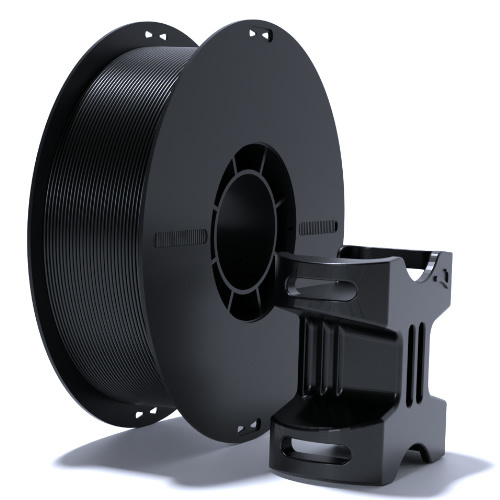
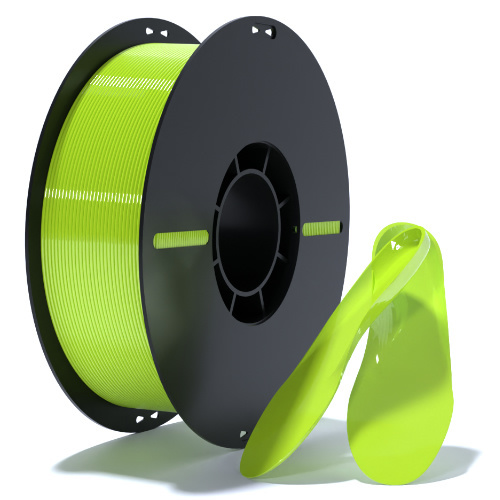
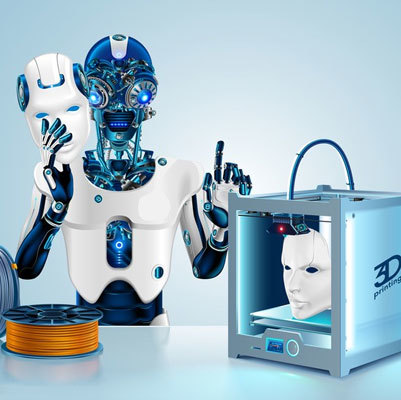
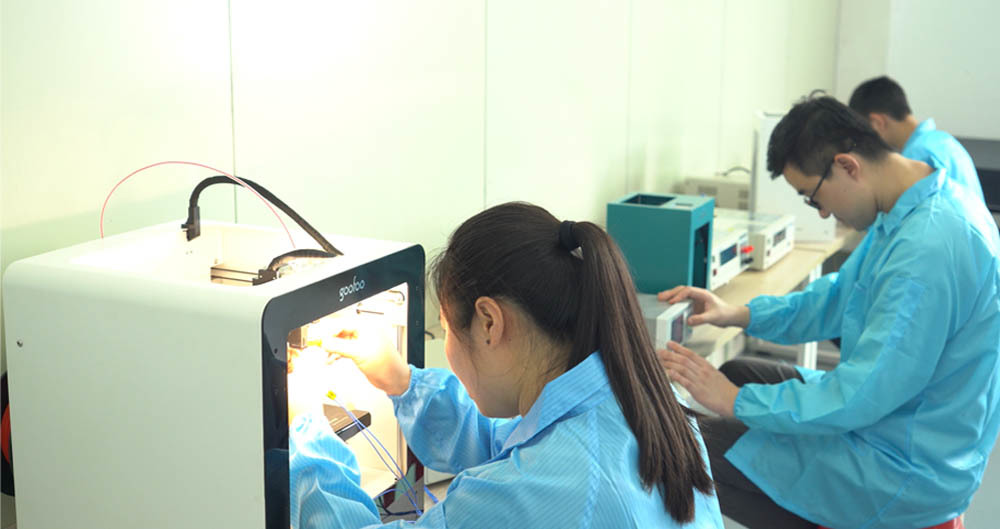
The process begins with a 3D model, often created using Computer-Aided Design (CAD) software. This digital model is then sliced into thin horizontal layers using slicing software, which transforms the design into instructions that the 3D printer can understand. The printer then deposits material layer by layer, gradually forming the final object. Common materials used in 3D printing include thermoplastics, resins, metal powders, and even bio-materials, each offering unique properties suitable for various applications.
One of the primary benefits of 3D printer machines is their ability to reduce waste. Since these machines only use the material required to create an object, they contribute to a more sustainable manufacturing process. This efficiency not only minimizes costs but also appeals to eco-conscious consumers and businesses striving to reduce their environmental footprints.
Moreover, 3D printing technology fosters rapid prototyping. Designers and engineers can quickly iterate on their designs, producing prototypes in a fraction of the time it would take using traditional methods. This capability accelerates the product development cycle, allowing companies to bring their ideas to market faster. Industries ranging from automotive to healthcare are leveraging 3D printing to create custom parts, medical implants, and even complex machinery components tailored to specific needs.
The versatility of 3D printer machines extends beyond prototyping; they are increasingly used for production runs, especially for customized or low-volume items. This adaptability is particularly advantageous in a rapidly changing market, where consumer preferences can shift quickly. Businesses can respond efficiently by adjusting their production processes without the need for extensive tooling changes.
Additionally, 3D printing opens up new avenues for creativity and innovation. Artists and designers are utilizing these machines to produce intricate artwork and unique designs that challenge traditional notions of craftsmanship. The collaborative nature of 3D printing also encourages innovation, as individuals can share designs online, allowing others to recreate or modify them.
In conclusion, 3D printer machines represent a significant advancement in manufacturing and design technology. With their ability to create complex objects efficiently and sustainably, they are reshaping the landscape of various industries. As this technology continues to evolve, its impact on how we create and produce will only grow, making it an exciting area to watch for future developments.
3d printer machine
Recommended News
 Esperanto
 Shqiptare
 Euskara
 Zulu
Zulu
 Latinus
 Cymraeg
 தமிழ்
தமிழ்
 Slovak
 Slovak
 Afrikaans
Join us
Subscribe to get the latest news


Skype / WhatsApp: +86 592-5713513 / +86-13860126490
No.88-3, North Tongji Road, Xike County, Tong'an District, Xiamen, Fujian China
Xiamen Goofoo Technology Co., Ltd. All Rights Reserved 闽ICP备2022008070号-1 SEO 300.cn
Phone:+0086 592-5713513
Address: No.88-3, North Tongji Road, Xike County, Tong’an District, Xiamen, Fujian China
Email: sales@goofoo3d.com
We will give you feedback in time