
- Shop Shop
-
Desktop
Desktop
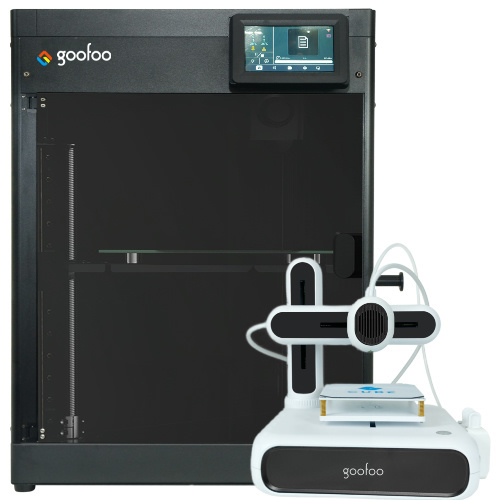
FDM / FGF

High speed GP1

colorful GP4/GP4-C
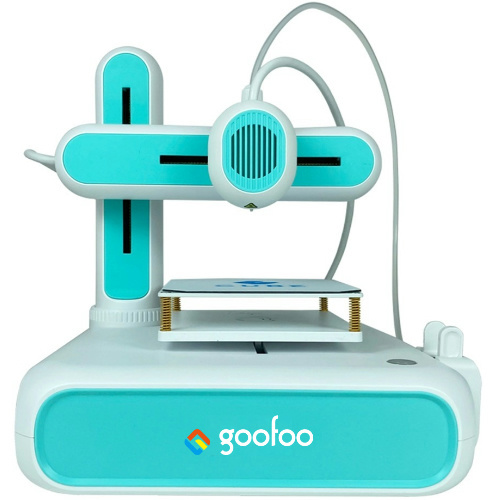
Kids Cube/3D Pen
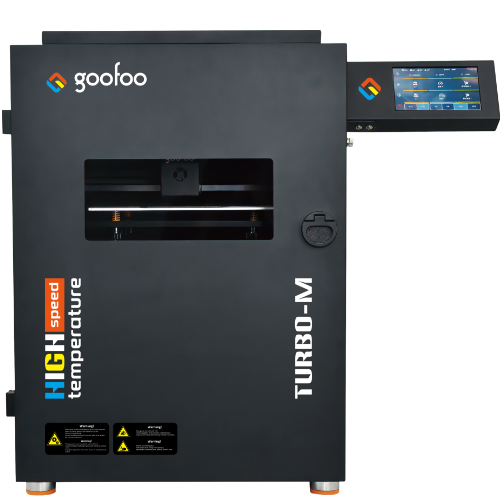
High speed&temp Turbo-m
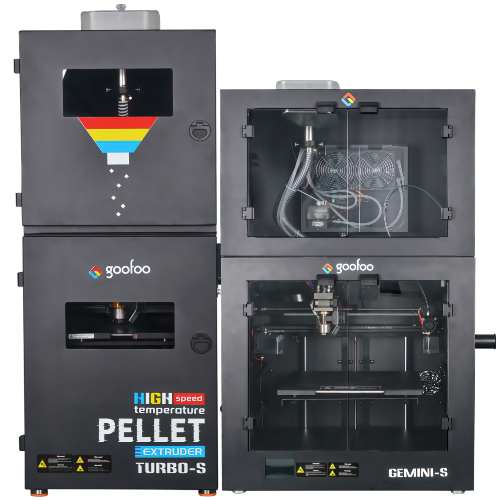
Pellet Gemini-s/Turbo-s
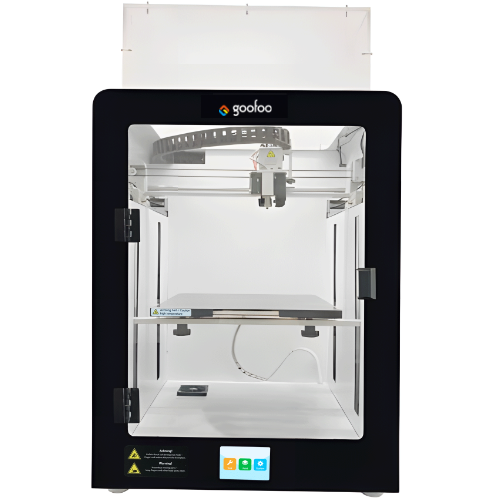
Classic+ Mido/Nova/Plus
- Industrial Industrial
-
Material
Material

Resin series

Dental DM100/TC100/ etc.

Jewelry Jewelry Resin

Generic PW100

Industry High Temp Resin

Garage Kit Red wax
-
Expanded
Expanded
Laser/CNC/3D scanner

TS4030(class1) Laser engraver & cutter 400*300mm
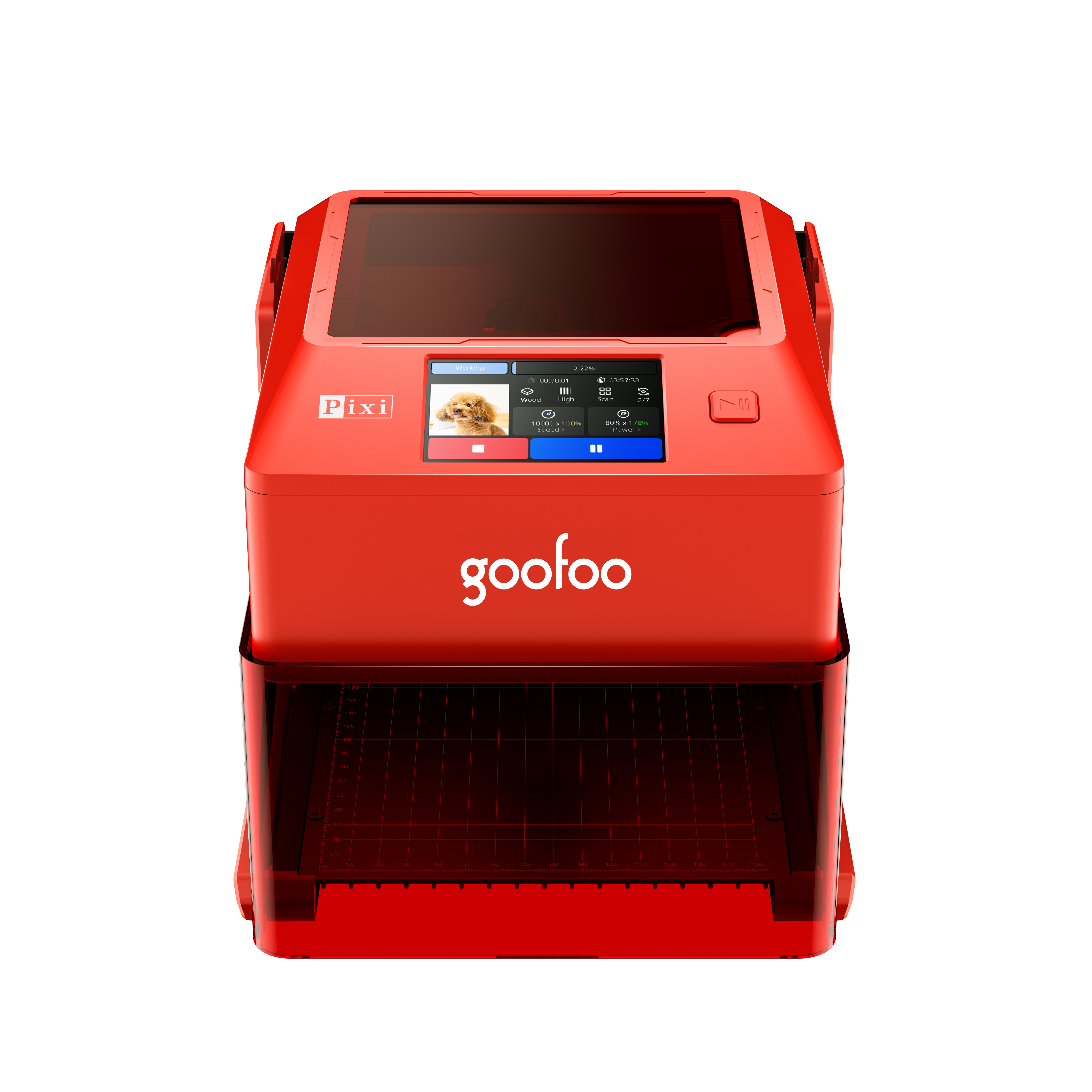
Pixi(class1) Laser engraver & cutter 100*100mm
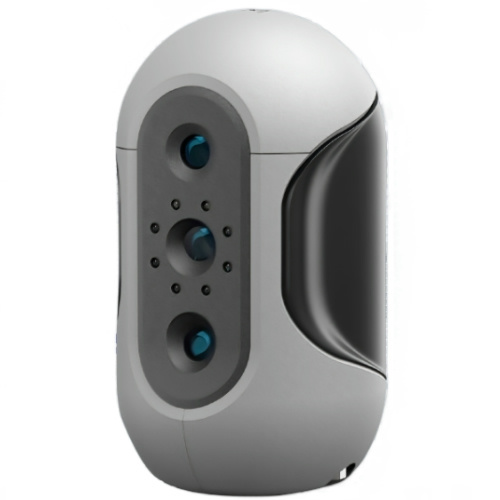
Mole Highest accuracy 0.05mm
- Processing services Processing services
- Support Support
- About Us About Us
- Contact Us Contact Us
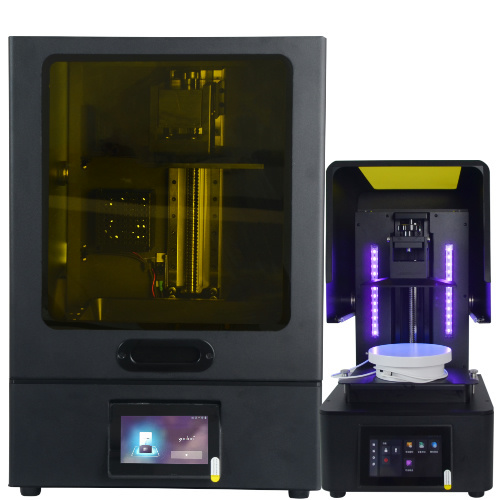


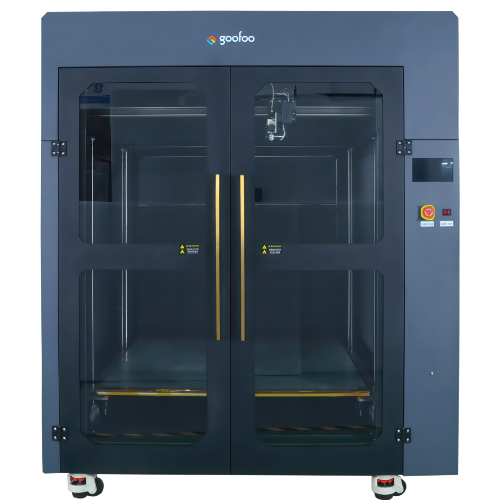


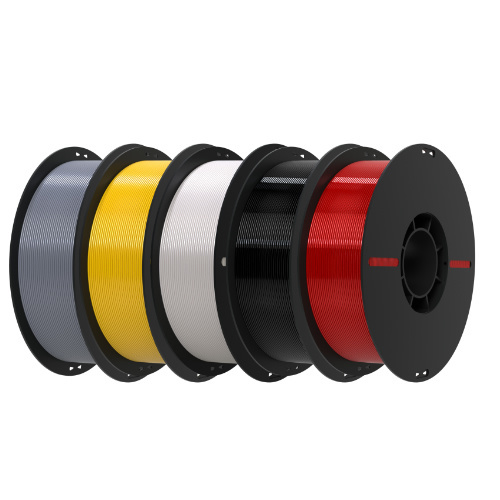
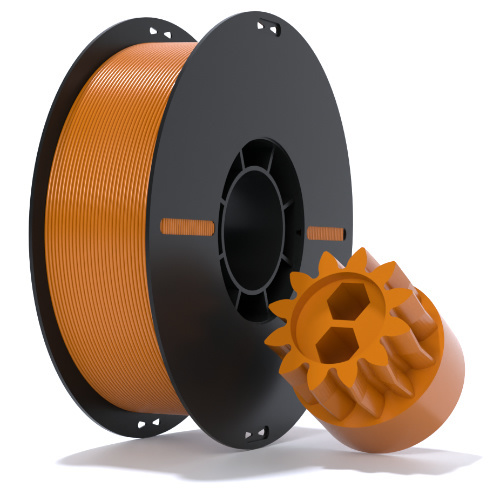
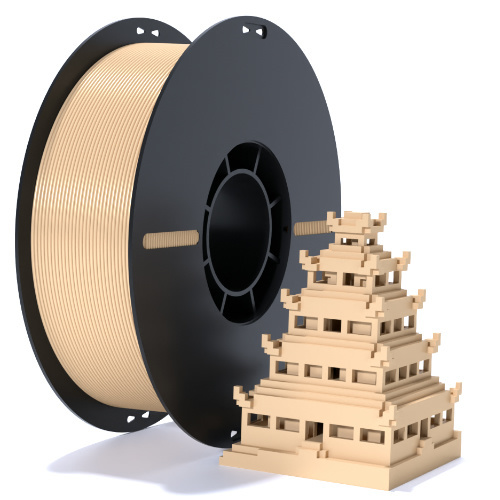
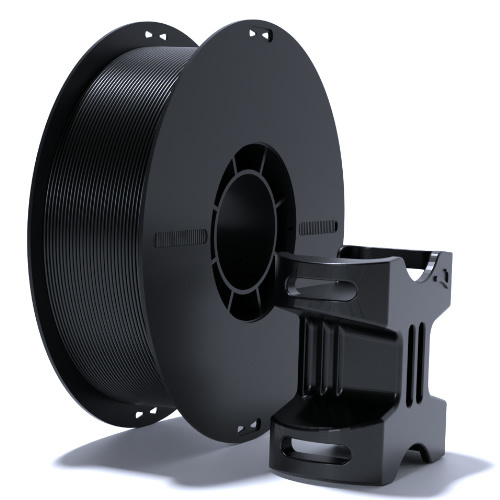
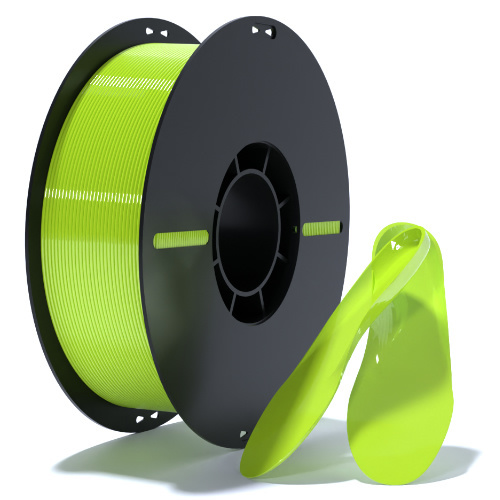



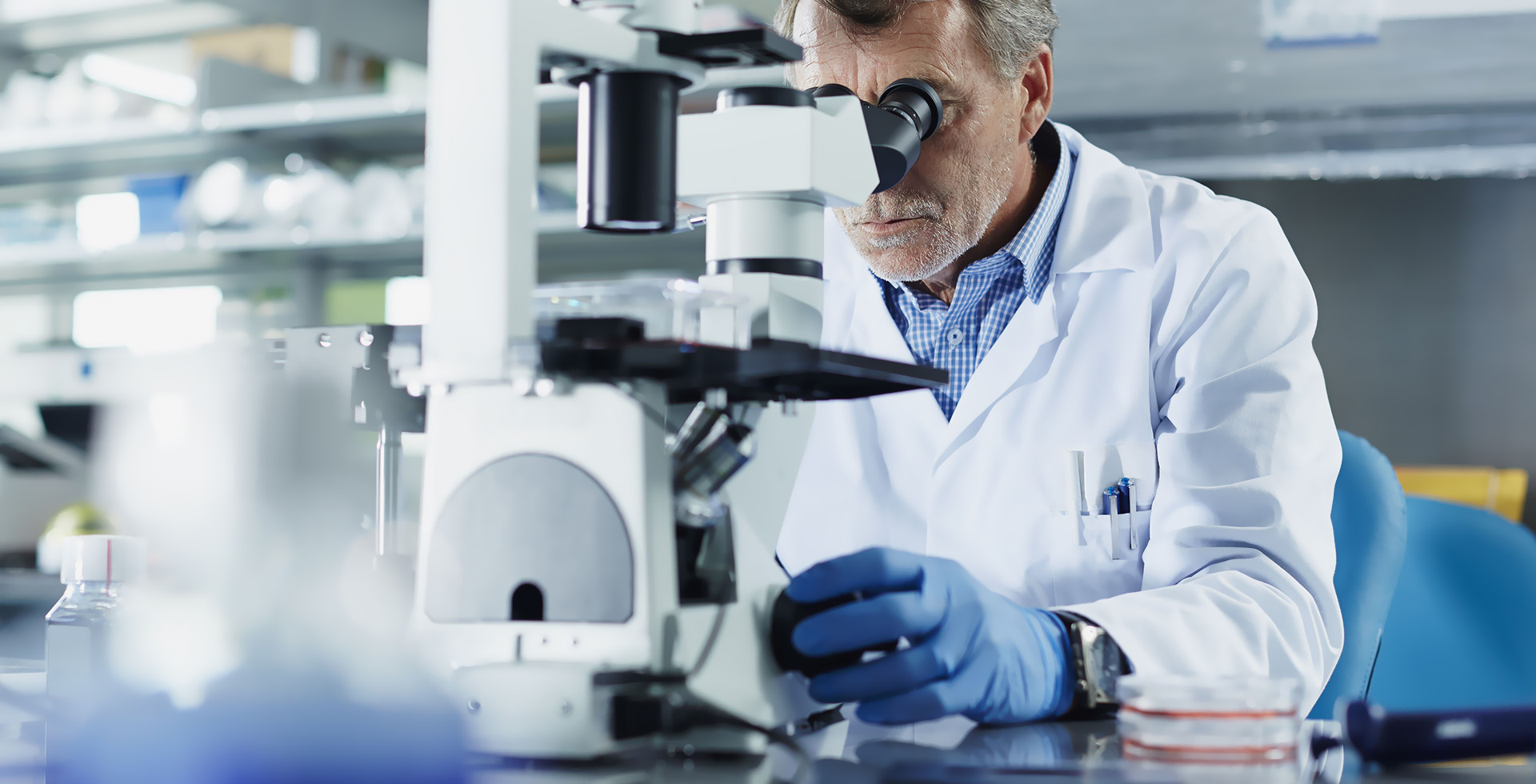
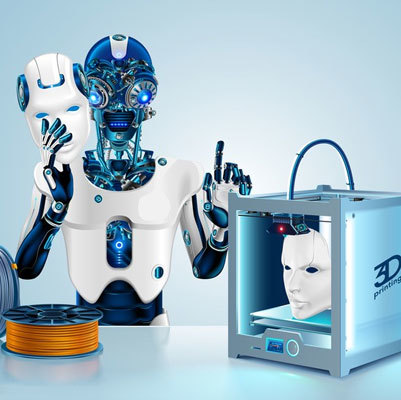





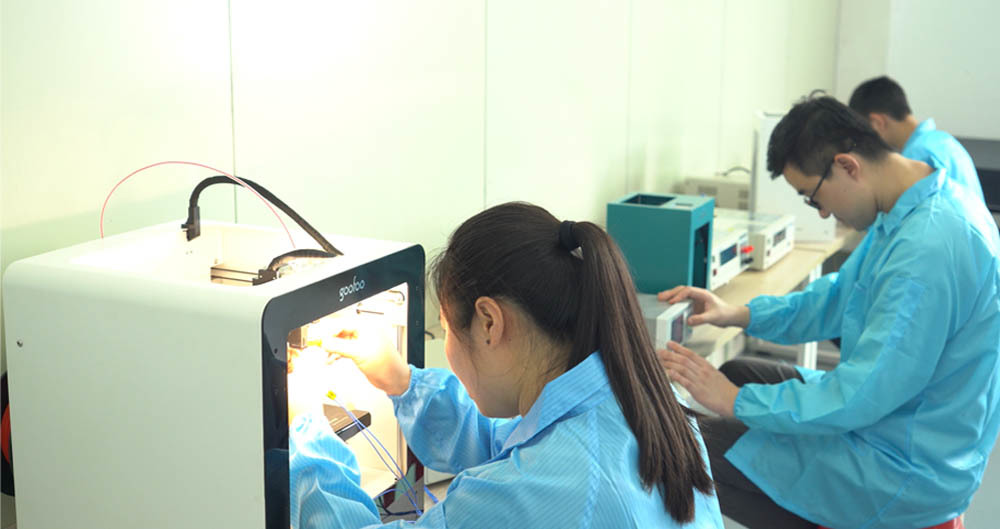




3D printing for Designs
Additive Manufacturing opens up a whole new world of design realism through functional, and advanced prototyping solutions that include full-color, multi-material capabilities
3D Printed Design: Reshaping the Boundaries of Manufacturing and Creation
INTRODUCTION
3D printing technology is undoubtedly one of the most revolutionary innovations in the wave of technology in the 21st century. It not only subverts the traditional subtractive and iso-material manufacturing methods, but also brings unprecedented freedom and possibilities to the design field with the unique charm of Additive Manufacturing (AM). 3D printing design, as the core application of this technology, is gradually penetrating into many fields such as industrial design, architecture, art, medical care, education, etc., and has become an important force to promote social innovation and progress. As the core application of this technology, 3D printing design is gradually penetrating into many fields such as industrial design, architecture, art, medical care, education and so on, becoming an important force to promote social innovation and progress. The purpose of this paper is to discuss the principles, advantages, challenges, application cases and future trends of 3D printing design, in order to provide designers and manufacturers with a comprehensive perspective and in-depth insight.
I. The basic principles of 3D printing design
3D printing design, in short, is the process of transforming a digital model into a solid object. This process is based on the principle of additive manufacturing, which builds three-dimensional structures by stacking materials (e.g., plastics, metals, ceramics, resins, etc.) layer by layer. Specifically, 3D printing design involves the following key steps:
Modeling: The designer uses computer-aided design (CAD) software or 3D modeling software to create a 3D model based on creative or practical needs. This step is the foundation of 3D printing design, the accuracy and complexity of the model directly affects the final printing effect.
Slicing: After completing the modeling, you need to use slicing software to cut the 3D model into a series of 2D layers. Each layer contains the contour and infill information that needs to be printed for that layer, which will be read and executed by the 3D printer.
Preparation for printing: Before printing, the 3D printer needs to be calibrated to ensure that the print bed is flat, the printhead is clean, and the printing parameters (e.g., temperature, speed, layer thickness, etc.) are adjusted according to the selected material. At the same time, depending on the characteristics of the model, it may also be necessary to add support structures to avoid collapse or deformation during the printing process.
Printing: Once everything is ready, the 3D printer starts to follow the instructions generated by the slicing software and builds up the material layer by layer until the printing of the whole model is completed.
Post-processing: After printing, the model may require a series of post-processing, such as removing support structures, sanding, polishing, coloring, or performing other surface treatments to achieve the desired effect and performance.
Second, the advantages of 3D printing design
Extremely high degree of design freedom:
3D printing design breaks the limitations of traditional manufacturing methods and gives designers the freedom to create complex, detailed, and even impossible structures that are impossible to realize through traditional methods. This design freedom greatly stimulates the designer's creativity and imagination.
Rapid Prototyping:
3D printing technology makes rapid prototyping possible. Designers can turn design ideas into physical models in a short period of time for functional testing, appearance evaluation or user feedback collection, thus accelerating product iteration and optimization.
Customized production:
3D printing design supports on-demand customization, whether it's a personalized product or a solution for a specific need, it can be efficiently and accurately produced through 3D printing technology.
Material Versatility:
3D printing technology supports the printing of a wide range of materials, including plastics, metals, ceramics, resins, flexible materials, etc., providing designers with a rich choice of materials to meet the needs of different application scenarios.
Cost Savings:
For small batch or customized production, 3D printing design can significantly reduce costs. It eliminates the steps of mold development and machining in traditional manufacturing, reducing material waste and inventory buildup.
Environmentally friendly and sustainable:
3D printed designs help enable green manufacturing. By optimizing the print path and using recyclable or bio-based materials, it can reduce energy consumption and environmental pollution and promote sustainable development.
III Challenges of 3D Printing Design
Material limitations and costs:
Despite the growing variety of 3D printing materials, there are still certain high-performance materials or special materials that are difficult to print. At the same time, the cost of certain materials is still high, limiting their application in certain fields.
Printing precision and speed:
Although the precision and speed of 3D printing technology is constantly improving, it still needs to be further enhanced to meet the demand for high-precision and high-efficiency production. Especially when printing large or complex structures, precision and speed become constraints.
Design skills and knowledge:
3D printing design requires designers to have a high level of CAD modeling skills and 3D printing knowledge. This includes understanding the printing characteristics of different materials, mastering the use of slicing software, and familiarizing themselves with the operation and maintenance of printers.
Intellectual property and copyright protection:
The popularity of 3D printed designs has made copying and imitation easier, which may lead to intellectual property disputes. How to effectively protect designers' creativity and achievements has become an urgent issue.
Post-processing and surface quality:
3D printed models often require post-processing to achieve the desired effect and performance. However, the post-processing process can be complex and time-consuming, and the surface quality of certain materials is difficult to reach the level of traditional manufacturing.
Fourth, application cases of 3D printing design
Industrial Design:
In the field of industrial design, 3D printing design is widely used in product prototyping, functional testing, and appearance design. It enables designers to quickly verify design ideas and accelerate the product launch cycle.
Architectural Design:
3D printing technology shows great potential in the field of architectural design. Through 3D printing, designers can create complex architectural models, structural components and even entire buildings. This not only helps in design visualization, but also enables customization and efficient construction of buildings.
Healthcare:
In healthcare, 3D printed designs are used to create surgical models, implants, prosthetics and more. It enables doctors to plan surgeries more accurately while providing personalized healthcare solutions to patients.
Art Education:
In the field of art and education, 3D printed design has become an important tool for creative expression and teaching assistance. Students can transform design ideas into physical works through 3D printing, while artists can utilize 3D printing technology to create unique works of art.
Aerospace:
In aerospace, 3D printing designs are used to create lightweight, high-performance parts and components. This not only reduces the weight of the vehicle, but also improves its performance and reliability.
V. Future Trends in 3D Printing Design
Technological innovation and integration:
With the continuous progress of science and technology, 3D printing technology will be deeply integrated with other advanced technologies (such as artificial intelligence, Internet of Things, big data, etc.) to achieve a more intelligent and automated printing process.
Materials Science and Engineering:
The development of materials science will drive innovation and breakthroughs in 3D printing materials. In the future, we will see more high-performance, multi-functional and recyclable materials being used in 3D printing designs.
Bioprinting & Medical:
Bio 3D printing technology will become an important development direction in the medical and healthcare field. By printing cells, tissues and even organs, bio-3D printing is expected to provide brand new solutions for medical research and treatment.
Mass customization and personalization:
With the increase in personalized consumer demand, 3D printing design will focus more on mass customization and personalized production. This will drive manufacturing in the direction of greater flexibility and efficiency.
Environmental Protection and Sustainability:
Environmental protection and sustainability will become important considerations in 3D printing design. In the future, we will see more 3D printing technologies and products that use environmentally friendly materials and realize energy saving and emission reduction.
Education and Popularization:
As 3D printing technology continues to mature and costs decrease, it will be more widely used in education. Through 3D printing design, students can better understand and master the concepts of three-dimensional space and structural design, and cultivate innovative thinking and practical ability.
Conclusion
3D printing design, as a core application of additive manufacturing technology, is changing the boundaries of design and manufacturing with its unique advantages and wide application prospects. It not only provides designers with unprecedented design freedom and creativity, but also brings revolutionary changes and innovation opportunities to various industries. However, 3D printing design is also facing many challenges and problems, which require the joint efforts of designers, manufacturers, policy makers and other parties to promote the continuous progress of the technology and deepen its application. Looking ahead, we have reason to believe that 3D printing design will continue to lead the innovation and development of manufacturing and design fields, creating a better future for human society.
 Esperanto
 Shqiptare
 Euskara
 Zulu
Zulu
 Latinus
 Cymraeg
 தமிழ்
தமிழ்
 Slovak
 Slovak
 Afrikaans
Join us
Subscribe to get the latest news


Skype / WhatsApp: +86 592-5713513 / +86-13860126490
No.88-3, North Tongji Road, Xike County, Tong'an District, Xiamen, Fujian China
Xiamen Goofoo Technology Co., Ltd. All Rights Reserved 闽ICP备2022008070号-1 SEO 300.cn
Phone:+0086 592-5713513
Address: No.88-3, North Tongji Road, Xike County, Tong’an District, Xiamen, Fujian China
Email: sales@goofoo3d.com
We will give you feedback in time