
- Shop Shop
-
Desktop
Desktop
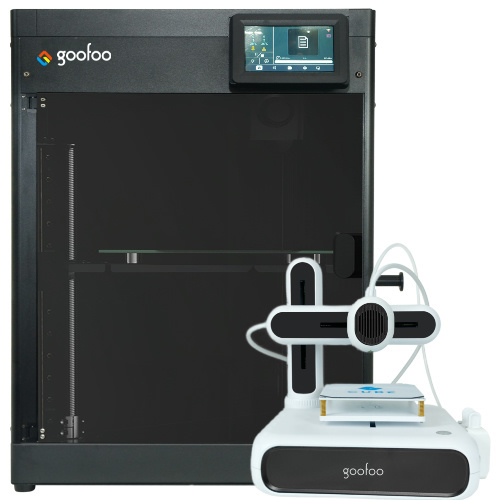
FDM / FGF

High speed GP1

colorful GP4/GP4-C
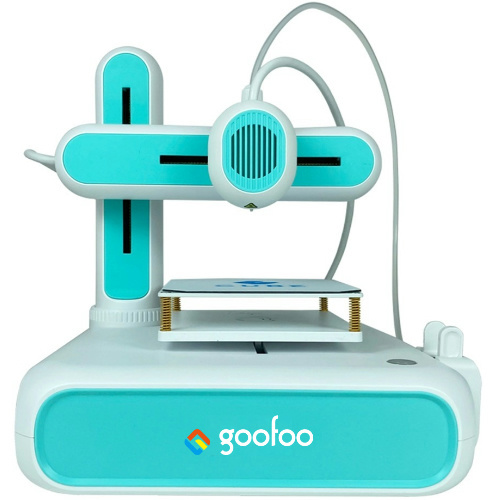
Kids Cube/3D Pen
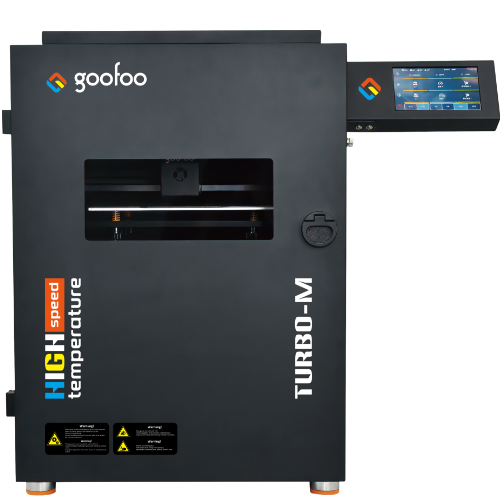
High speed&temp Turbo-m
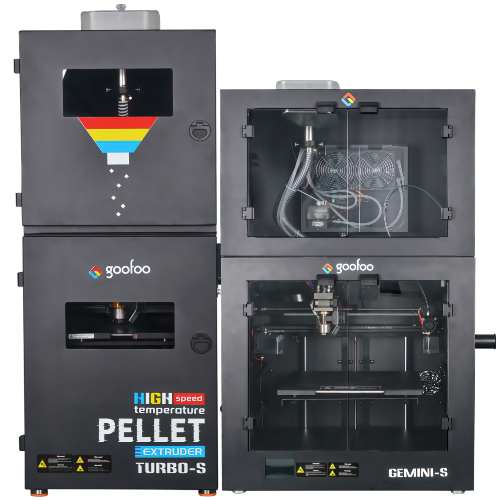
Pellet Gemini-s/Turbo-s
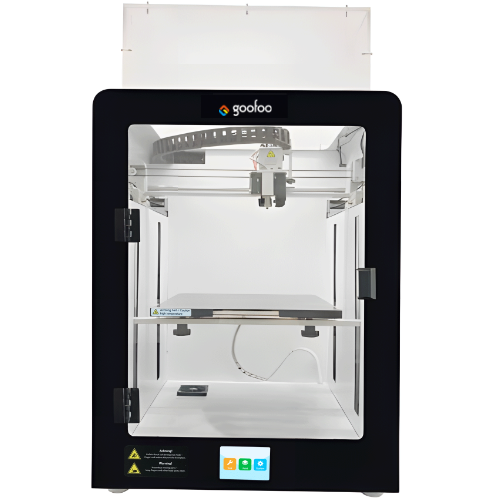
Classic+ Mido/Nova/Plus
- Industrial Industrial
-
Material
Material

Resin series

Dental DM100/TC100/ etc.

Jewelry Jewelry Resin

Generic PW100

Industry High Temp Resin

Garage Kit Red wax
-
Expanded
Expanded
Laser/CNC/3D scanner

TS4030(class1) Laser engraver & cutter 400*300mm

Pixi(class1) Laser engraver & cutter 100*100mm

Mole Highest accuracy 0.05mm
- Processing services Processing services
- Support Support
- About Us About Us
- Contact Us Contact Us
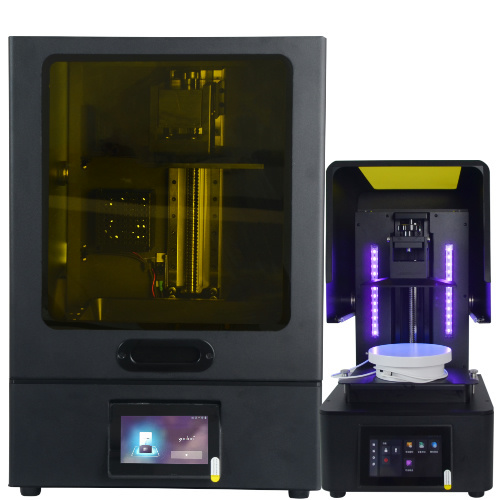


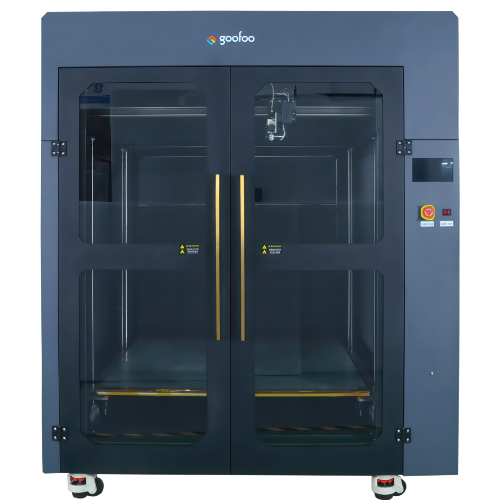


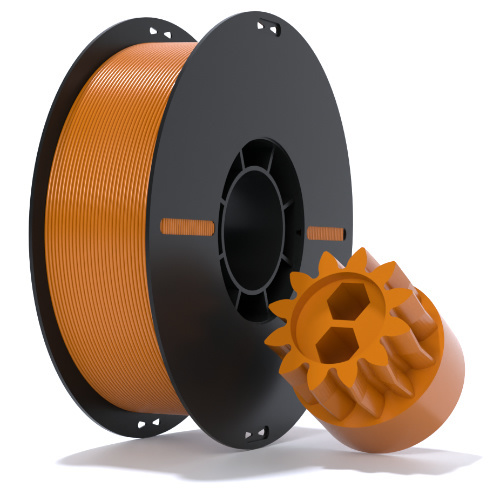
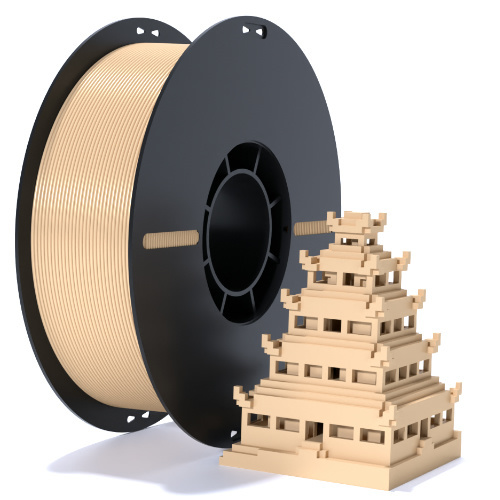
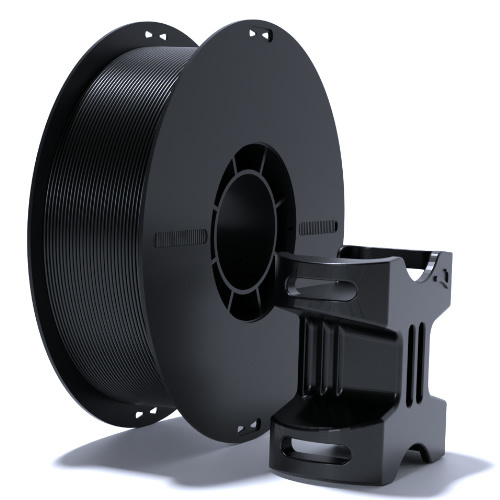
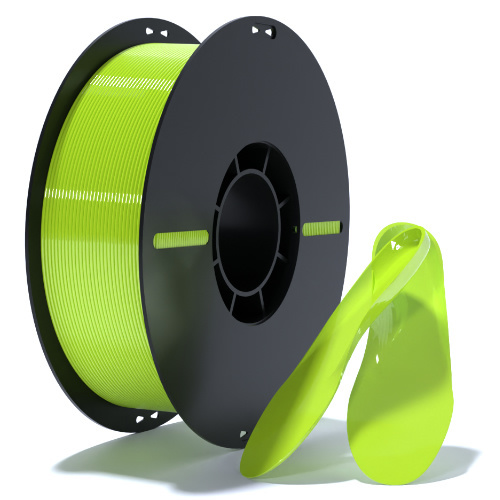




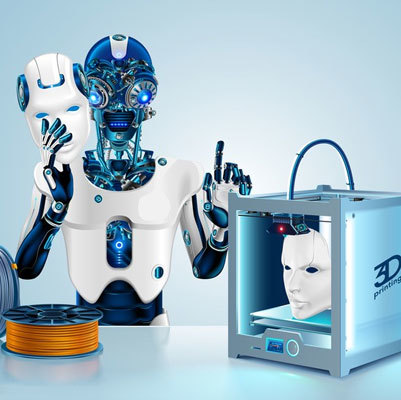





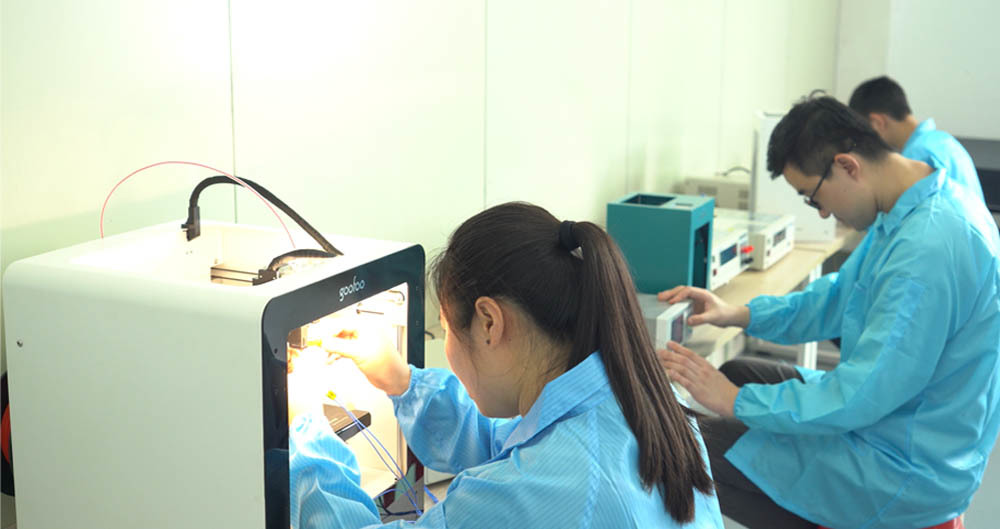




3D Printed Composite Tooling
Create mold tooling for composite parts in a fraction of the time it takes to make or procure traditional hard tooling.
3D printed composite tools: a multidimensional exploration of innovative manufacturing
INTRODUCTION
3D printing technology, as a kind of additive manufacturing, has received widespread attention since its inception for its unique manufacturing method and wide range of application prospects. With the continuous progress of the technology, 3D printing has evolved from the initial proof-of-concept stage to the present stage of commercialized application, and has shown great potential in many fields. Among them, 3D printing composite tools, as an important branch of this technology, are gradually becoming an important driving force for manufacturing innovation. In this paper, we will discuss the concept, advantages, applications, challenges and future development trends of 3D printing composite tools.
I. Overview of 3D printing composite tools
1.1 Definition and principle
3D printing composite tools, as the name suggests, are tools manufactured using 3D printing technology and composed of two or more different materials. By precisely controlling the distribution and properties of the materials, these tools realize complex structures and functions that are incomparable to single-material tools.The principle of 3D printing composite tools is based on additive manufacturing technology, which constructs tools with specific shapes, structures and properties by stacking different materials layer by layer.
1.2 Development Background
With the continuous improvement of the manufacturing industry's requirements for tool performance, traditional manufacturing methods are gradually difficult to meet the needs of complex structures and multi-material composite. And the emergence of 3D printing technology provides a new solution for the manufacture of composite tools. Through precise control of the distribution and properties of the material, 3D printing technology can be manufactured with excellent mechanical properties, wear resistance, corrosion resistance and other characteristics of the composite tool, so as to meet the manufacturing industry on the demand for high-performance tools.
Second, the advantages of 3D printing composite tools
2.1 Complex structure manufacturing
3D printing technology can manufacture composite tools with complex internal structure and external shape. This ability allows tool designers to play more freely with their creativity and design tool shapes and structures that are more in line with actual needs. For example, in the aerospace field, tools with complex cooling channels can be manufactured using 3D printing technology to improve cutting efficiency and tool life.
2.2 Material Diversity
3D printing technology supports the printing of a wide range of materials, including metals, plastics, ceramics, composites and so on. By precisely controlling the distribution and properties of different materials, composite tools with excellent mechanical properties, wear resistance, corrosion resistance and other characteristics can be manufactured. This material diversity provides more choice space for tool designers to choose the right material for printing according to actual needs.
2.3 Cost savings
Traditional manufacturing methods often require expensive molds and processing equipment to manufacture composite tools, while 3D printing technology can reduce costs through direct printing. In addition, since 3D printing technology can realize on-demand manufacturing and customized production, it can avoid the problems of material waste and inventory backlog in traditional manufacturing and further reduce costs.
2.4 Efficient Production
3D printing technology is characterized by efficient production. By precisely controlling the printing parameters and material distribution, a fast and accurate printing process can be realized. In addition, since 3D printing technology can realize automated production and remote monitoring, it can greatly improve production efficiency and quality stability.
2.5 Environmental Protection and Sustainability
3D printing technology helps realize green manufacturing and sustainable development. By precisely controlling printing parameters and material distribution, material waste and energy consumption can be reduced. In addition, the use of recyclable or bio-based materials for printing can also reduce the impact on the environment and promote manufacturing in a more environmentally friendly and sustainable direction.
Third, the application of 3D printing composite tools
3.1 Aerospace
In the aerospace field, 3D printing composite tools are widely used to manufacture engine blades, turbine disks, combustion chambers and other key components. These parts have a complex structure and high performance requirements under harsh operating environments such as high temperature and high pressure. Through 3D printing technology, composite tools with excellent mechanical properties and high temperature resistance, corrosion resistance and other characteristics can be manufactured to meet the demand for high-performance tools in the aerospace field.
3.2 Automobile manufacturing
In the field of automobile manufacturing, 3D printing composite tools are used to manufacture key components such as engine blocks, crankcases, intake tracts and other key components. These parts need to have high strength, high wear resistance and good sealing performance. Through 3D printing technology, composite tools with excellent mechanical properties and characteristics such as wear resistance and corrosion resistance can be manufactured to improve the performance and reliability of automobiles.
3.3 Medical Devices
In the field of medical devices, 3D printed composite tools are used to manufacture surgical instruments, implants, and so on. These tools need to have high precision, high wear resistance and good biocompatibility. Through 3D printing technology, composite tools with excellent mechanical properties and characteristics such as wear resistance and corrosion resistance can be manufactured to improve the performance and safety of medical devices.
3.4 Consumer Electronics
In the field of consumer electronics, 3D printed composite tools are used to manufacture cell phone cases, headphone casings, etc. These products need to be personalized, lightweight and high strength. Through 3D printing technology, products such as cell phone cases and headphone shells with complex structures and multiple material composites can be manufactured to meet consumer demand for personalization, lightweight and high strength characteristics.
3.5 Other fields
In addition to the above fields, 3D printing composite tools are also widely used in mold manufacturing, art creation, architectural design and other fields. In the field of mold manufacturing, 3D printing technology can create molds with complex structure and multiple material composite; in the field of art creation, 3D printing technology can create artwork with unique shape and multiple material composite; in the field of architectural design, 3D printing technology can create building components with complex structure and multiple material composite.
Fourth, the challenges of 3D printing composite tools
4.1 Material Performance and Cost
Although 3D printing technology supports the printing of multiple materials, there are still some high-performance materials that are expensive and difficult to print. In addition, the compatibility and adhesion between different materials is also one of the important factors restricting the application of 3D printing composite tools. Therefore, how to improve material performance and reduce costs is still one of the current problems to be solved in the field of 3D printing composite tools.
4.2 Printing accuracy and speed
Although 3D printing technology has made significant progress, there are still some limitations in printing precision and speed. For certain composite tools with high precision requirements, current 3D printing technology may be difficult to meet their needs. In addition, as the size of the composite tool increases and the structure becomes more complex, the printing speed will also be affected to some extent. Therefore, how to improve the printing accuracy and speed is still one of the current problems to be solved in the field of 3D printing composite tools.
4.3 Post-processing and quality control
3D printing composite tools often require a series of post-processing steps after printing is completed, such as de-supporting, sanding, polishing and so on. These post-processing steps not only increase the manufacturing cost and time cost, but also may have an impact on the performance and quality of the tool. Therefore, how to optimize the post-processing steps and improve the level of quality control is still one of the current problems to be solved in the field of 3D printing composite tools.
4.4 Intellectual Property Rights and Standardization
With the continuous development of 3D printing composite tool technology and the continuous expansion of application fields, the issues of intellectual property rights and standardization have become increasingly prominent. How to protect innovative achievements and avoid infringement disputes has become one of the current urgent issues. At the same time, the development of uniform standards and norms to promote the standardization of 3D printing composite tool technology and industrial development is also of great significance.
V. Future development trend of 3D printing composite tools
5.1 Technology innovation and integration
With the continuous progress and innovation of science and technology, 3D printing composite tool technology will continue to develop in the direction of higher precision, higher speed, more material options. At the same time, the integration with other advanced technologies will also become one of the important trends for future development. For example, combining 3D printing technology with artificial intelligence, Internet of Things and other technologies can realize more intelligent and automated production process and quality control.
5.2 Material Science and Engineering
The development of materials science and engineering will provide more possibilities for 3D printing composite tool technology. In the future, more high-performance, multi-functional and recyclable materials will be used in 3D printing composite tools. These new materials will have better mechanical properties, wear resistance, corrosion resistance and other characteristics, thus meeting the demand for high-performance composite tools in more fields.
5.3 Environmental Protection and Sustainability
Environmental protection and sustainability will become one of the important directions for the future development of 3D printing composite tool technology. By optimizing printing parameters and material selection, reducing material waste and energy consumption; using recyclable or bio-based materials for printing; and promoting the development of green manufacturing and circular economy and other measures will help achieve the environmental protection and sustainability of 3D printing composite tool technology.
5.4 Digitization and Intelligence
Digitalization and intelligence will become one of the important trends in the future development of 3D printing composite tool technology. Through digital design and simulation technology, more accurate design and prediction can be achieved; through intelligent production and management system, more efficient, flexible and personalized production process can be achieved. The application of these digital and intelligent technologies will help promote the rapid development and wide application of 3D printing composite tool technology.
Conclusion
As an important branch of additive manufacturing technology, 3D printing composite tools are gradually becoming an important driving force for manufacturing innovation. By precisely controlling the distribution and properties of materials, 3D printing technology can produce tools with complex structures and multiple material composites to meet the manufacturing industry's demand for high-performance tools. Although currently still facing some challenges and problems, with the continuous progress and innovation of technology and the integration and application of other advanced technologies, 3D printing composite tool technology will have a broad development prospects and application potential. In the future, we can expect to see more innovative 3D printing composite tools widely used and promoted in various fields.
 Esperanto
 Shqiptare
 Euskara
 Zulu
Zulu
 Latinus
 Cymraeg
 தமிழ்
தமிழ்
 Slovak
 Slovak
 Afrikaans
Join us
Subscribe to get the latest news


Skype / WhatsApp: +86 592-5713513 / +86-13860126490
No.88-3, North Tongji Road, Xike County, Tong'an District, Xiamen, Fujian China
Xiamen Goofoo Technology Co., Ltd. All Rights Reserved 闽ICP备2022008070号-1 SEO 300.cn
Phone:+0086 592-5713513
Address: No.88-3, North Tongji Road, Xike County, Tong’an District, Xiamen, Fujian China
Email: sales@goofoo3d.com
We will give you feedback in time