
- Shop Shop
-
Desktop
Desktop
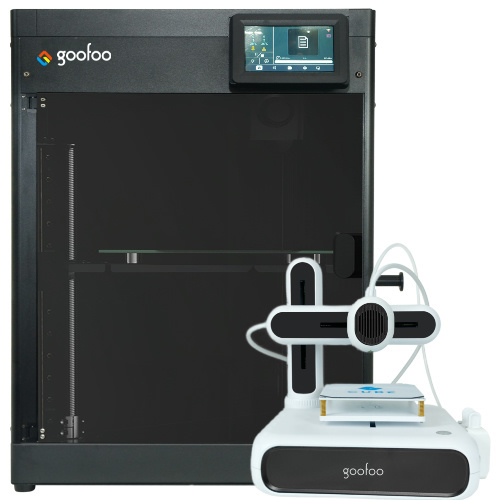
FDM / FGF

High speed GP1

colorful GP4/GP4-C
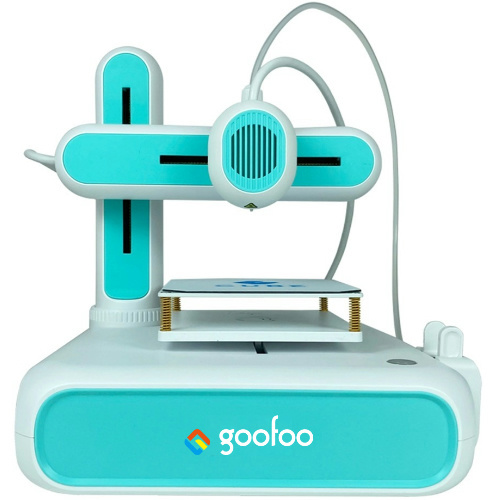
Kids Cube/3D Pen
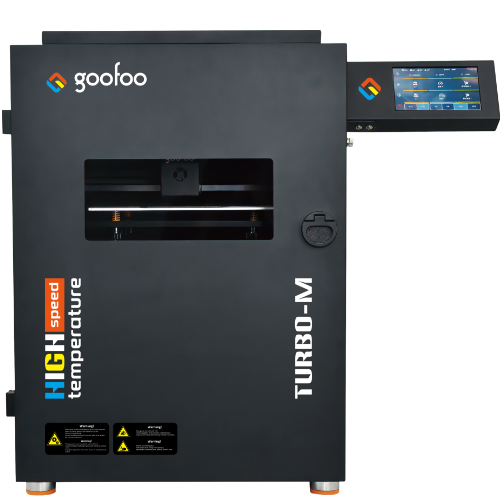
High speed&temp Turbo-m
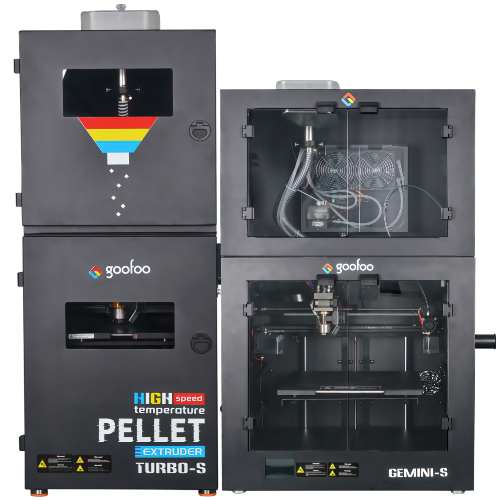
Pellet Gemini-s/Turbo-s
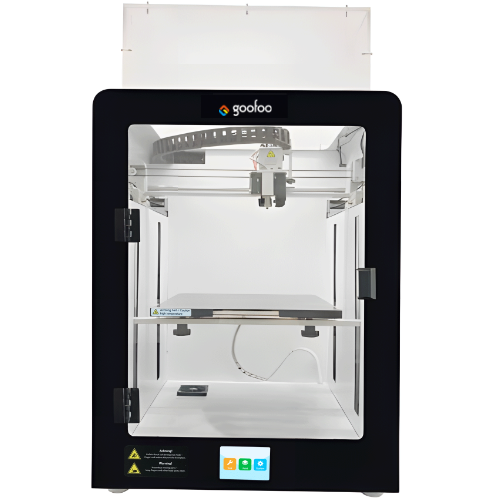
Classic+ Mido/Nova/Plus
- Industrial Industrial
-
Material
Material

Resin series

Dental DM100/TC100/ etc.

Jewelry Jewelry Resin

Generic PW100

Industry High Temp Resin

Garage Kit Red wax
-
Expanded
Expanded
Laser/CNC/3D scanner

TS4030(class1) Laser engraver & cutter 400*300mm
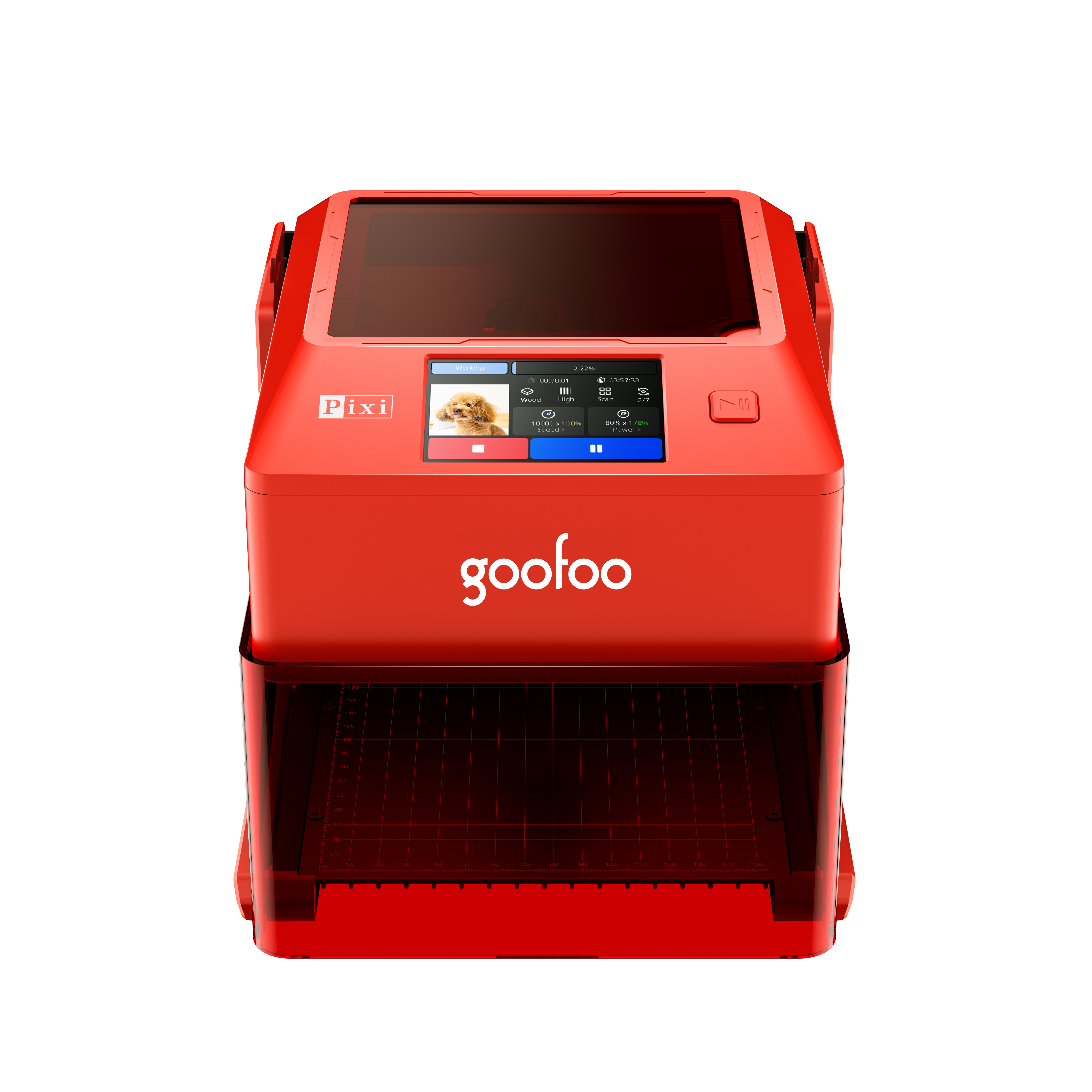
Pixi(class1) Laser engraver & cutter 100*100mm
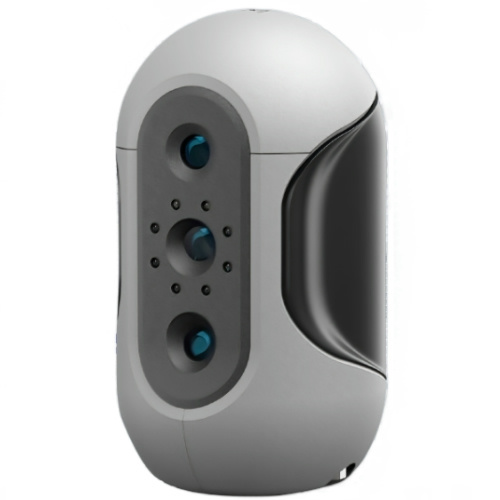
Mole Highest accuracy 0.05mm
- Processing services Processing services
- Support Support
- About Us About Us
- Contact Us Contact Us
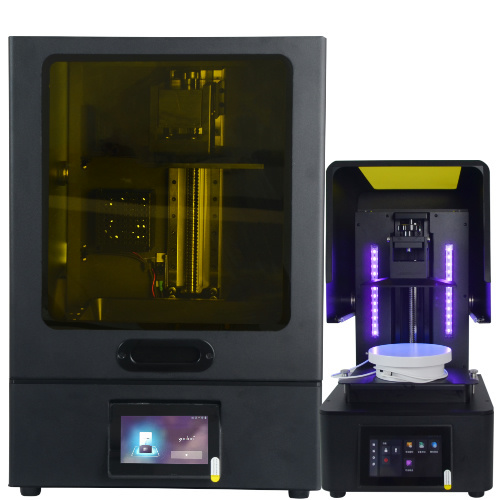
















3D printed dentures:
an innovative revolution in oral healthcare
3D printed dentures: an innovative revolution in oral healthcare
INTRODUCTION
With the rapid development of science and technology, 3D printing technology is gradually penetrating into various industries, and the field of oral healthcare is no exception. Among them, 3D printed dentures, as a typical application of this technology, are gradually changing the traditional way of making dentures, bringing patients a more accurate, comfortable and personalized treatment experience. This article will discuss the principles, advantages, application cases, challenges and future development trends of 3D printed dentures, with a view to providing useful references and insights for oral healthcare practitioners.
I. Basic Principles of 3D Printed Dentures
1.1 Definition and Process
3D printing dentures, as the name suggests, is the process of making dentures using 3D printing technology. This process is based on the principle of additive manufacturing, in which the three-dimensional structure of dentures is constructed by stacking materials (e.g., resin, ceramic, metal, etc.) layer by layer. Compared to traditional hand-carved or cast methods, 3D printed dentures offer greater precision and personalization.
Specifically, the process of 3D printing dentures includes the following steps:
Data Acquisition: First, the patient's oral data is acquired through an oral scanner or traditional impression. This data will be used to create a 3D digital model of the denture.
Model Design: Using computer-aided design (CAD) software, a 3D model of the denture is designed based on the patient's oral data and needs. This process allows for a high degree of customization and ensures that the denture fits perfectly in the patient's mouth.
Slicing: The designed 3D model is imported into the slicing software for slicing. The slicing software cuts the 3D model into a series of 2D layers, each of which contains the contour and filling information for that layer to be printed.
3D Printing: The sliced data is imported into the 3D printer, which will build up the material layer by layer according to the instructions generated by the slicing software until the entire denture is printed.
Post-processing: after the printing is completed, a series of post-processing needs to be performed on the denture, such as removing the support structure, grinding, polishing, coloring, etc., to ensure that it meets the requirements for clinical use.
1.2 Technical characteristics
3D printing dentures have the following several significant technical features:
High precision: 3D printing technology can realize micron-level precision control to ensure a perfect fit between dentures and the patient's mouth.
Personalized customization: through the CAD software design denture three-dimensional model, can achieve a high degree of personalized customization to meet the needs of different patients.
Material diversity: 3D printed dentures support the printing of a variety of materials, including resin, ceramics, metal, etc., which provides doctors with more room for choice.
Efficient production: the production process of 3D printed dentures is highly automated, which can greatly shorten the production cycle and improve production efficiency.
Second, the advantages of 3D printing dentures
2.1 Improvement of comfort and fit
3D printed dentures can be accurately designed according to the patient's oral data to ensure a perfect fit between the dentures and the patient's mouth. This personalized customization ability can greatly improve the comfort of dentures and reduce patient discomfort. At the same time, the precise fit also helps to improve the stability and functionality of the dentures.
2.2 Reduced cycle time
Traditional denture fabrication often requires multiple steps, including taking molds, making models, casting or sculpting, etc., and the whole process is time-consuming. 3D printed dentures, on the other hand, can realize rapid production, greatly reducing the production cycle. This is especially important for patients who need urgent treatment.
2.3 Reduce production costs
Although the initial investment in 3D printing equipment is high, 3D printing dentures can reduce production costs in the long run. This is because 3D printing technology allows for on-demand production, reducing material waste and inventory buildup. Also, the automated production process can reduce labor costs.
2.4 Promote innovation in oral healthcare
The emergence of 3D printed dentures brings new opportunities and challenges to the field of oral healthcare. It promotes the innovation and development of oral healthcare technology and provides doctors with more treatment options. At the same time, 3D printed dentures also bring patients a more accurate, comfortable and personalized treatment experience.
Application cases of 3D printing dentures
3.1 Personalized denture production
With the increasing demand for personalization, personalized denture production has become the new darling of the market. 3D printing technology can design and print personalized dentures according to the patient's oral data and needs. These dentures not only have a unique appearance and shape, but also fit perfectly with the patient's mouth, improving comfort and functionality.
3.2 Complex structure denture production
Traditional denture fabrication often struggles to handle the design of complex structures. 3D printing technology, on the other hand, can easily meet this challenge. Dentures with complex structures can be made by designing 3D models of complex structures through CAD software and printing them using 3D printers. These dentures not only have better aesthetics, but also improve the patient's chewing efficiency and pronunciation clarity.
3.3 Temporary Denture Production
In the process of oral restoration, patients often need to wear temporary dentures to maintain oral function and aesthetics. Traditional temporary dentures often need to be handmade, time-consuming and limited precision. 3D printing technology allows for fast and accurate temporary dentures. Doctors can print out temporary dentures that meet the requirements for patients in a short period of time, which improves the patient's treatment experience.
3.4 Education and Training
3D printed dentures can also be used for dentistry education and training. By printing out denture models of various complex structures and materials, doctors and students can more intuitively understand the oral anatomy and denture production process. This helps to improve the professional skills of doctors and the practical ability of students.
IV Challenges of 3D printing dentures
4.1 Material Limitations
Although 3D printed dentures support the printing of a wide range of materials, there are still some high-performance materials (such as certain high-strength ceramics or metals) that are difficult or costly to print. This limits the application of 3D printed dentures in certain areas.
4.2 Printing Accuracy and Speed
Although 3D printing technology has made significant progress, there are still some limitations in terms of printing precision and speed. For certain dentures with high precision requirements, current 3D printing technology may be difficult to meet their needs. At the same time, with the increase in the size of dentures and the complexity of the structure, the printing speed will also be affected to some extent.
4.3 Post-processing and quality control
3D printed dentures often require a series of post-processing steps after printing, such as removing support structures, grinding, polishing, and coloring. These post-processing steps not only increase the manufacturing cost and time cost, but also may have an impact on the performance and quality of dentures. Therefore, how to optimize the post-processing steps and improve the level of quality control is one of the current problems to be solved in the field of 3D printed dentures.
4.4 Regulations and Standards
With the continuous development of 3D printed denture technology, the related regulations and standards also need to be continuously improved. At present, there are differences in regulatory requirements for 3D printed dentures in different countries and regions, which may affect its promotion and application. Therefore, it is of great significance to formulate unified regulations and standards to promote the development of 3D printing denture technology.
V. Future Development Trends of 3D Printed Dentures
5.1 Technological Innovation and Integration
With the continuous progress and innovation of science and technology, 3D printing denture technology will continue to develop in the direction of higher precision, higher speed, and more material options. At the same time, the integration with other advanced technologies will also become one of the important trends for future development. For example, combining 3D printing technology with artificial intelligence, Internet of Things and other technologies can realize a more intelligent and automated denture design and production process.
5.2 Material Science and Engineering
The development of materials science and engineering will provide more possibilities for 3D printing denture technology. More high-performance, multi-functional and recyclable materials will be used in 3D printed dentures in the future. These new materials will have better mechanical properties, abrasion resistance, corrosion resistance and other characteristics, so as to meet the needs of more patients for denture performance.
5.3 Personalization and Customization
With the increasing demand of consumers for personalization, personalization and customization services will become an important development direction of the future 3D printing denture field. By combining 3D printing technology and digital oral scanning technology, doctors can provide patients with more accurate, comfortable and personalized denture production services.
5.4 Improvement of regulations and standards
With the continuous development of 3D printing denture technology, the related regulations and standards also need to be improved. In the future, more countries and regions will formulate unified regulations and standards to regulate the production, sale and use of 3D printed dentures. This will help promote the healthy and orderly development of 3D printed denture technology.
Conclusion
Conclusion
As an important innovative technology in the field of oral healthcare, 3D printed dentures are gradually changing the way traditional dentures are made, bringing patients a more accurate, comfortable and personalized treatment experience. Although there are still some challenges and problems, with the continuous progress and innovation of the technology as well as the improvement of regulations and standards, 3D printed denture technology will have a broad development prospect and application potential. In the future, we can expect to see more innovative 3D printed denture products and technologies being widely used and promoted in the field of oral healthcare.
 Esperanto
 Shqiptare
 Euskara
 Zulu
Zulu
 Latinus
 Cymraeg
 தமிழ்
தமிழ்
 Slovak
 Slovak
 Afrikaans
Join us
Subscribe to get the latest news


Skype / WhatsApp: +86 592-5713513 / +86-13860126490
No.88-3, North Tongji Road, Xike County, Tong'an District, Xiamen, Fujian China
Xiamen Goofoo Technology Co., Ltd. All Rights Reserved 闽ICP备2022008070号-1 SEO 300.cn
Phone:+0086 592-5713513
Address: No.88-3, North Tongji Road, Xike County, Tong’an District, Xiamen, Fujian China
Email: sales@goofoo3d.com
We will give you feedback in time