
- Shop Shop
-
Desktop
Desktop
FDM / FGF

High speed GP1

colorful GP4/GP4-C
Kids Cube/3D Pen
High speed&temp Turbo-m
Pellet Gemini-s/Turbo-s
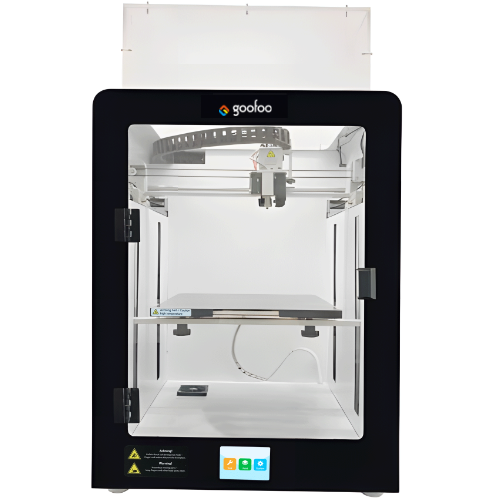
Classic+ Mido/Nova/Plus
- Industrial Industrial
-
Material
Material

Resin series

Dental DM100/TC100/ etc.

Jewelry Jewelry Resin

Generic PW100

Industry High Temp Resin

Garage Kit Red wax
-
Expanded
Expanded
Laser/CNC/3D scanner

TS4030(class1) Laser engraver & cutter 400*300mm
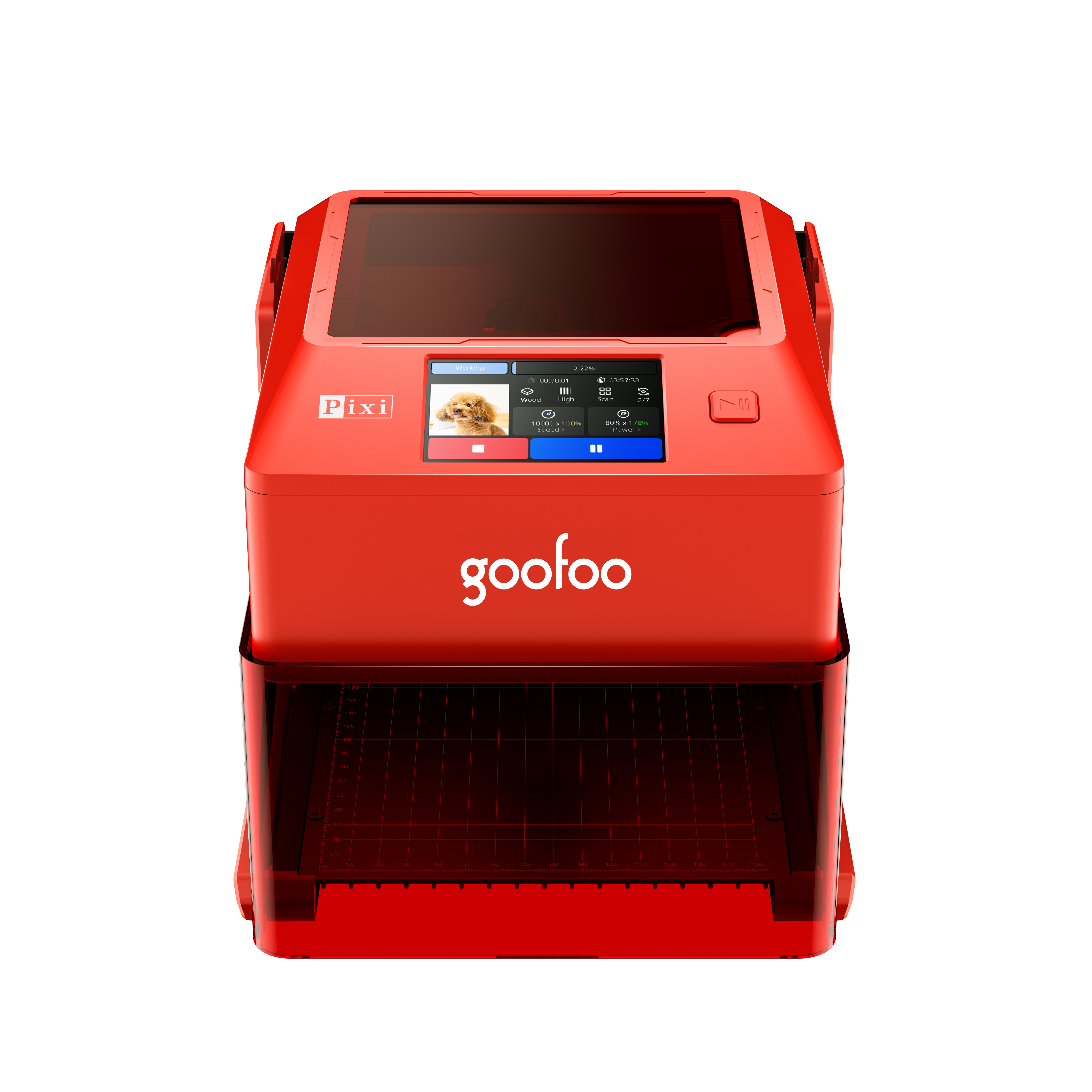
Pixi(class1) Laser engraver & cutter 100*100mm
Mole Highest accuracy 0.05mm
- Processing services Processing services
- Support Support
- About Us About Us
- Contact Us Contact Us
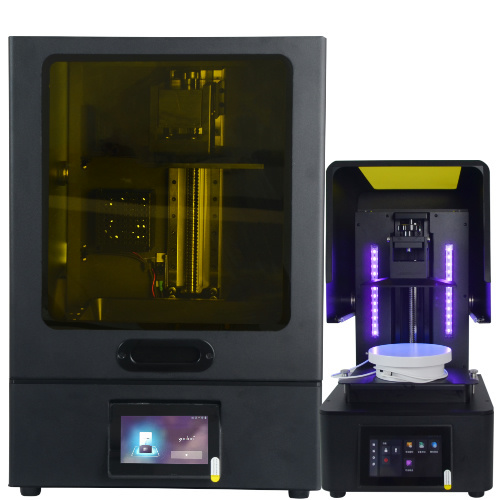




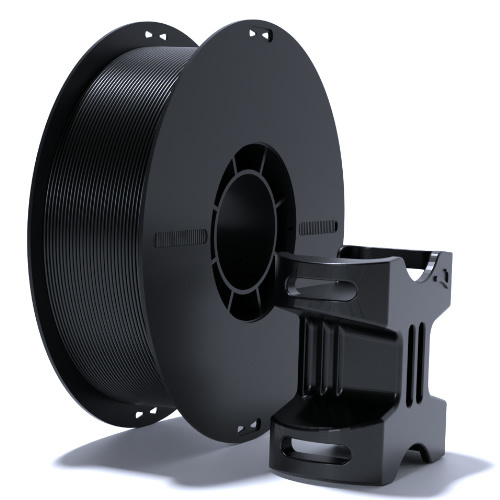
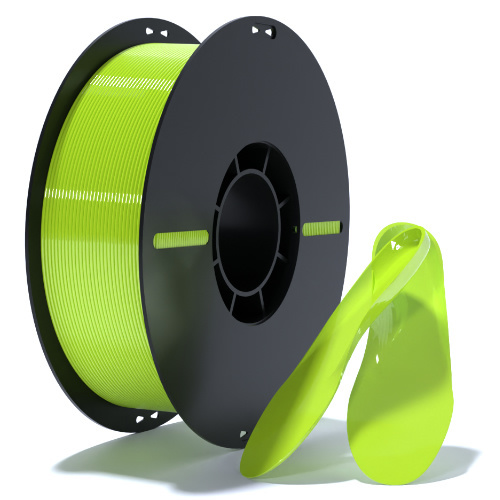



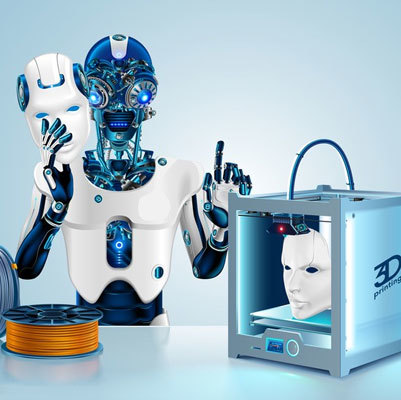





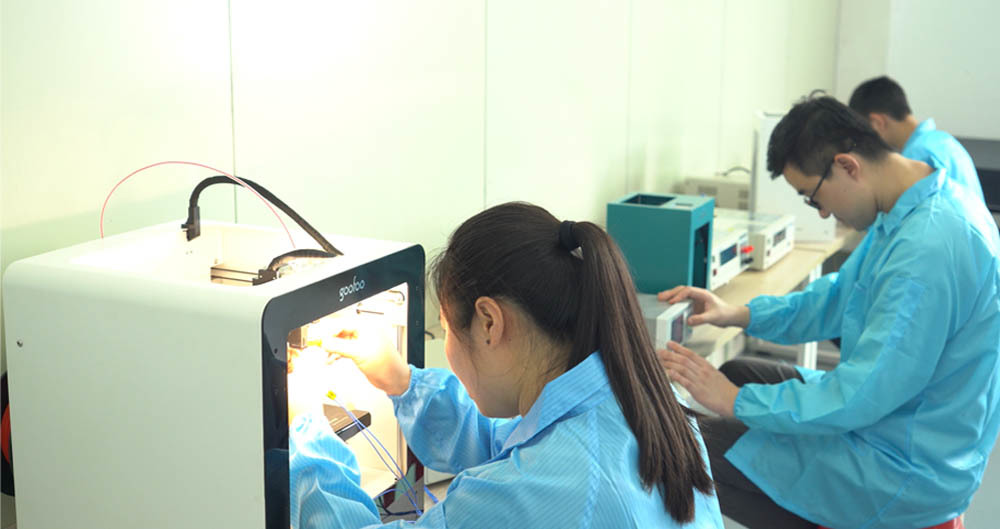




Investing Casting with 3D Printing
Investment casting is no longer limited to the constraints of traditional pattern-making techniques. With 3D printed stereolithography patterns, you can take your designs to the next level. Explore the endless possibilities of intricate and detailed patterns, all while streamlining your manufacturing processes and reducing production costs.
What is Investment casting?
Investment casting has been a long-established method for producing metal parts with smooth surfaces and good dimensional tolerances.
The investment casting process utilizes sacrificial patterns and ceramic shell molds that allow for highly complex casting designs to be achieved. Traditionally these patterns are created by injection molding wax, and as such require the use of metal tooling. The substantial cost and time required to generate wax pattern tooling limits the range of applications for which investment casting is economically competitive.
3D Printed Casting Technology: Reshaping the Future of Traditional Manufacturing
INTRODUCTION
3D printing technology, since its inception, has attracted extensive attention from the global manufacturing industry with its unique manufacturing method and wide range of application prospects. Among them, 3D printing casting technology, as an important branch of this field, is gradually changing the face of the traditional casting industry. By combining 3D printing technology with traditional casting process, the technology not only improves the precision and efficiency of casting parts, but also realizes the efficient manufacturing of complex structural parts, bringing revolutionary changes to many fields such as aerospace, automobile manufacturing, medical and health care.
3D printing casting technology overview
3D printing casting technology is a new casting process that combines 3D printing technology with traditional casting process. It utilizes 3D printing technology to print the desired part model layer by layer with liquid photopolymerized resin, sand and other materials under computer control, and then casts the part model into an actual part using the traditional casting process. This process combines the flexibility of 3D printing and the batch production capacity of traditional casting, bringing new development opportunities for the foundry industry.
Advantages of 3D printing casting technology
Improve casting accuracy:
3D printing technology allows precise control of the distribution and shape of the printed material to print highly accurate casting models. This helps to reduce errors in the casting process and improve the dimensional accuracy and surface quality of casting parts.
Shorten production cycle:
The traditional casting process requires the production of molds and wax patterns, while 3D printing casting technology can print casting models directly from digital models, eliminating these tedious processes and greatly shortening the production cycle.
Reduce manufacturing costs:
3D printing casting technology can realize on-demand manufacturing, reducing the waste of raw materials and inventory costs. At the same time, because there is no need to make molds, also reduces the cost of molds and maintenance costs.
Enable complex structure manufacturing:
3D printing technology can print structures of almost any shape, which makes the design of casting parts more flexible and enables the realization of complex structural parts that are difficult to manufacture with traditional casting processes.
Improve material utilization:
3D printing casting technology is on-demand printing, using only the required materials, avoiding the waste of materials in the traditional casting process.
Specific applications of 3D printing casting technology
Aerospace field:
The aerospace field has extremely high requirements for the performance and precision of parts, and the structure of parts is often complex.3D printing casting technology can manufacture parts with complex internal structure, such as engine blades, turbine disks, etc., to improve the structural strength and lightweight level. At the same time, the technology can also realize the customized production of parts to meet the needs of different types of aircraft.
Automobile manufacturing industry:
The automotive manufacturing industry has the same strict requirements for the performance and accuracy of parts, and a wide variety of parts. 3D printing casting technology can produce high-performance engine parts and complex internal structure, such as cylinder heads, transmission cases, and so on. In addition, the technology can also realize the lightweight design of parts, improve the fuel economy and driving performance of the car.
Healthcare:
There is a growing demand for customized products in the healthcare sector. 3D printing casting technology can develop customized implants, such as dental implants and orthopedic joint prostheses. These implants can be designed and manufactured according to the specific needs of the patient, improving the success rate of surgery and patient comfort.
Education and Research:
3D printing casting technology provides experimental models for materials science and helps in the development and validation of new materials. Researchers can use the technology to print out experimental models with complex structures to study the properties and behavior of materials. At the same time, the technology can also be used for teaching demonstrations and experimental courses to improve students' practical ability and innovation.
Key technologies of 3D printing casting technology
3D printing technology:
3D printing technology is the core of 3D printing casting technology. At present, commonly used 3D printing technologies include light-curing stereoforming (SLA), fused deposition molding (FDM), selective laser sintering (SLS) and so on. These technologies have their own advantages and disadvantages, and are suitable for different materials and application scenarios.
Material Technology:
3D printing casting technology requires the use of specific materials, such as photopolymerized resins and sand. The performance of these materials directly affects the quality and precision of casting parts. Therefore, the research and development of new printing materials is one of the important directions for the development of 3D printing casting technology.
Post-processing technology:
The part model printed by 3D printing casting technology needs to go through a series of post-processing procedures, such as cleaning, curing, sintering, etc., before it can finally become a usable casting part. These post-processing processes have a significant impact on the quality and performance of casting parts.
Numerical simulation technology:
Numerical simulation technology can help predict the temperature field, flow field and other physical phenomena in the casting process, optimize the casting process parameters, and improve the quality and accuracy of casting parts. With the continuous development of computer technology, the application of numerical simulation technology in 3D printing casting technology will become more and more widespread.
Case study of 3D printing casting technology
GE Aviation's fuel nozzle:
GE Aviation utilized 3D printing casting technology to manufacture the fuel nozzle for the LEAP engine. The nozzle has a complex internal structure, including hundreds of tiny cooling channels, which can precisely control the flow and temperature of the fuel and improve the performance and reliability of the engine. Through 3D printing casting technology, GE Aviation successfully realized the lightweight design and efficient manufacturing of this nozzle.
BMW's engine parts:
BMW utilized 3D printing casting technology to manufacture engine parts such as cylinder heads and turbocharger housings. These parts have complex internal structures and high-precision surface quality to meet the needs of high-performance engines. Through 3D printing casting technology, BMW has successfully achieved customized production of parts and the ability to respond quickly to market changes.
Medical implants from Stratasys:
Stratasys uses 3D printing casting technology to manufacture customized medical implants such as dental implants and orthopedic joint prostheses. These implants can be designed and manufactured to meet the specific needs of the patient, improving surgical success and patient comfort. Through 3D printing casting technology, Stratasys has successfully achieved personalization and efficient production of medical implants.
The future outlook of 3D printing casting technology
With the continuous development and improvement of 3D printing technology, 3D printing casting technology will be widely used in more fields. In the future, the technology is expected to realize the following breakthroughs:
Improve the printing speed and precision:
With the continuous progress of print head technology, material technology and other aspects, the printing speed and precision of 3D printing casting technology will continue to improve to meet the needs of more fields.
Expanding application areas:
3D printing casting technology will gradually expand to more fields, such as shipbuilding, energy equipment, etc., to provide more efficient and accurate casting solutions for these fields.
Realize intelligent production:
With the continuous development of intelligent manufacturing technology, 3D printing casting technology will gradually realize intelligent production, through the integration of sensors, control systems and other intelligent equipment to achieve automation and intelligent management of the production process.
Promote material innovation:
3D printing casting technology will promote the research and development and application of new printing materials, such as high-performance ceramic materials, metal matrix composites, etc., providing more options and possibilities for the casting industry.
Conclusion.
3D printing casting technology, as an emerging manufacturing technology, is gradually changing the face of the traditional casting industry. By combining 3D printing technology with traditional casting process, this technology not only improves the precision and efficiency of casting parts, but also realizes the efficient manufacturing of complex structural parts. With the continuous development and improvement of technology, 3D printing casting technology will be widely used in more fields, contributing to the transformation and upgrading of the manufacturing industry and sustainable development.
 Esperanto
 Shqiptare
 Euskara
 Zulu
Zulu
 Latinus
 Cymraeg
 தமிழ்
தமிழ்
 Slovak
 Slovak
 Afrikaans
Join us
Subscribe to get the latest news


Skype / WhatsApp: +86 592-5713513 / +86-13860126490
No.88-3, North Tongji Road, Xike County, Tong'an District, Xiamen, Fujian China
Xiamen Goofoo Technology Co., Ltd. All Rights Reserved 闽ICP备2022008070号-1 SEO 300.cn
Phone:+0086 592-5713513
Address: No.88-3, North Tongji Road, Xike County, Tong’an District, Xiamen, Fujian China
Email: sales@goofoo3d.com
We will give you feedback in time