
- Shop Shop
-
Desktop
Desktop
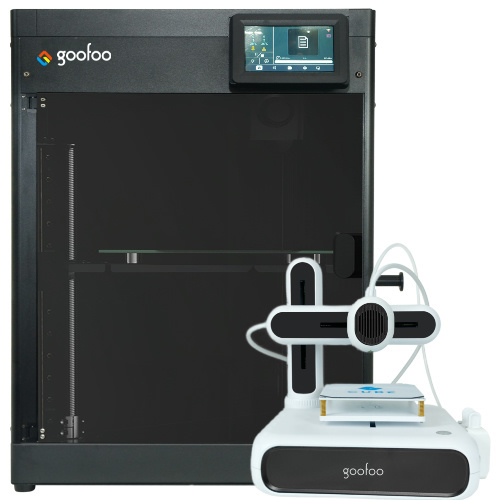
FDM / FGF

High speed GP1

colorful GP4/GP4-C
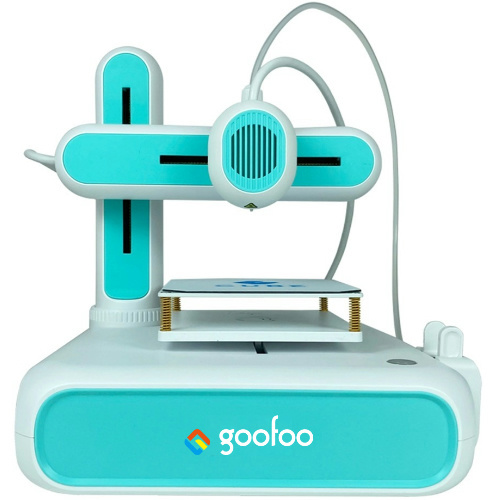
Kids Cube/3D Pen
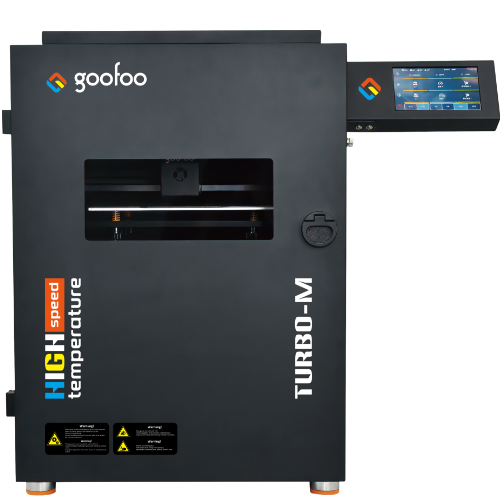
High speed&temp Turbo-m
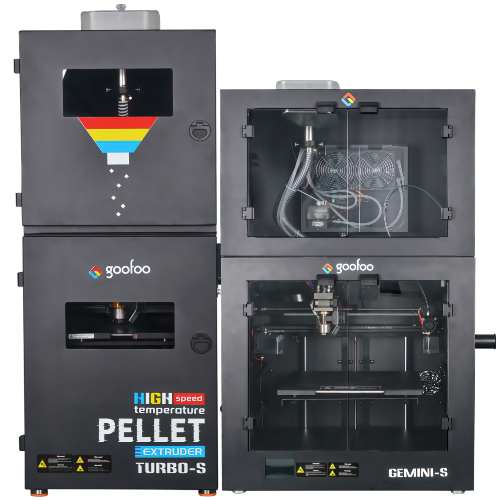
Pellet Gemini-s/Turbo-s
Classic+ Mido/Nova/Plus
- Industrial Industrial
-
Material
Material

Resin series

Dental DM100/TC100/ etc.

Jewelry Jewelry Resin

Generic PW100

Industry High Temp Resin

Garage Kit Red wax
-
Expanded
Expanded
Laser/CNC/3D scanner

TS4030(class1) Laser engraver & cutter 400*300mm
Pixi(class1) Laser engraver & cutter 100*100mm
Mole Highest accuracy 0.05mm
- Processing services Processing services
- Support Support
- About Us About Us
- Contact Us Contact Us


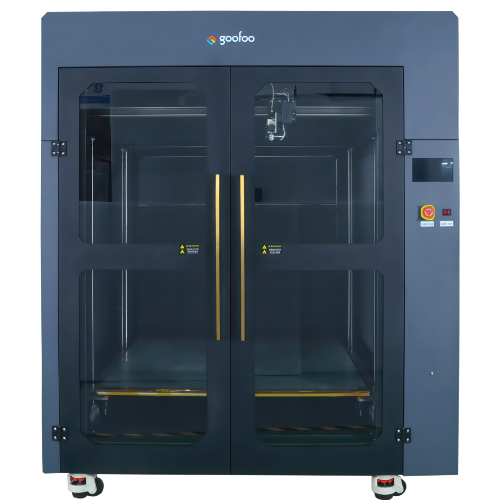


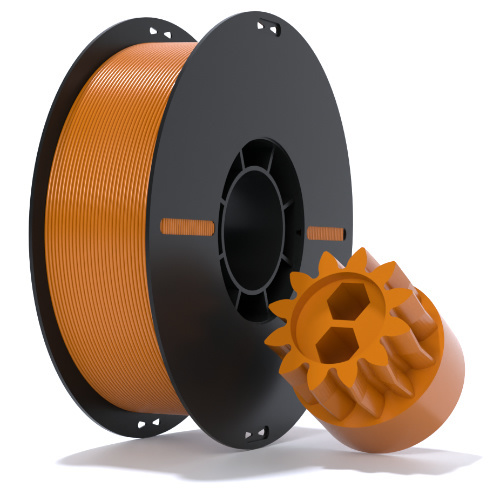
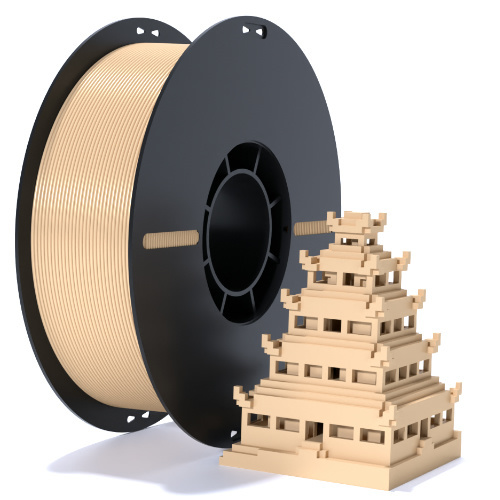
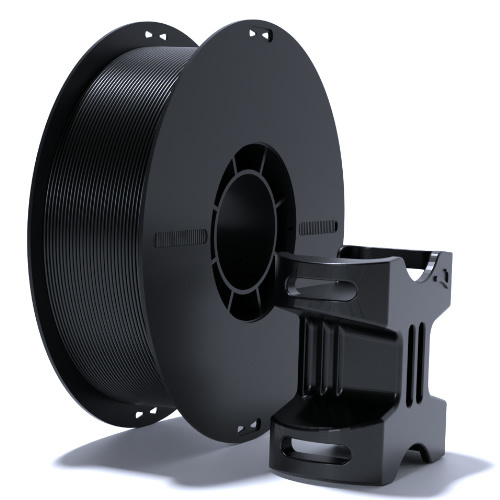
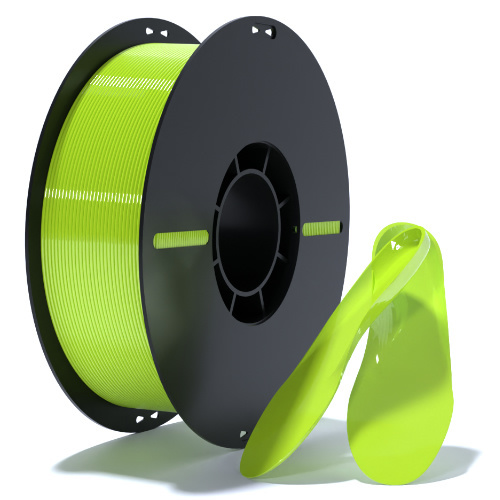



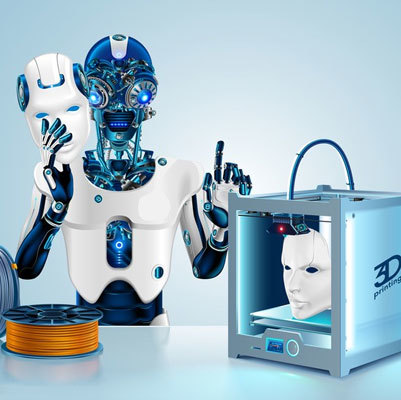





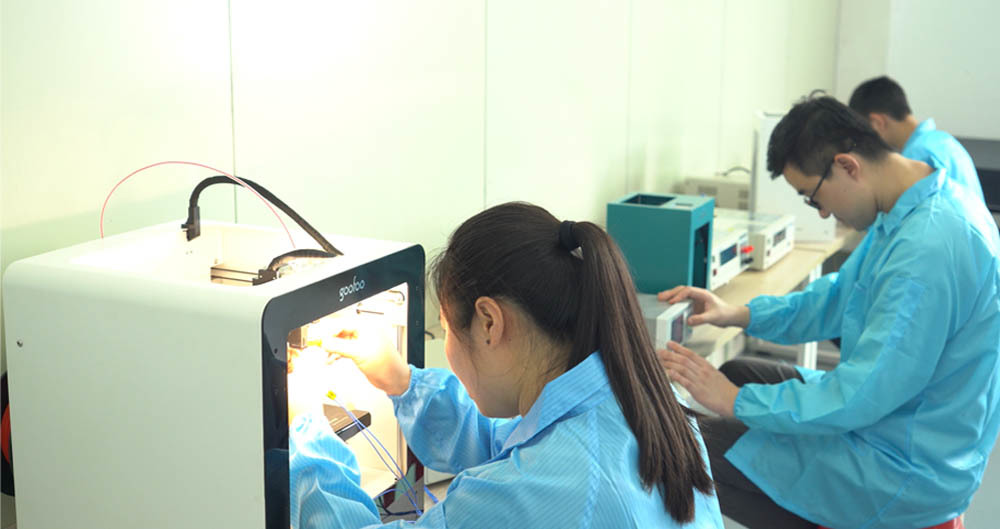




3D Printed Production Parts
Manufacture production parts on-demand, without the high cost and long lead times of traditional machining and molding technologies.
3D printing to produce parts: a new chapter in manufacturing
Introduction
With the rapid development of science and technology, 3D printing technology, as a revolutionary manufacturing technology, is gradually changing the face of the traditional manufacturing industry. 3D printing, also known as additive manufacturing, transforms a digital model into a physical object by stacking materials layer by layer. This technology not only provides designers with unprecedented design freedom, but also brings productivity gains and cost reductions to the manufacturing industry. Especially in the production of parts and components, 3D printing technology is gradually becoming an important supplement to the manufacturing industry and the future direction of development with its unique advantages.
First, the basic principle of 3D printing parts production
The process of 3D printing to produce parts can be roughly divided into four steps: model design, slice processing, print manufacturing and post-processing.
Model design: designers use computer-aided design (CAD) software to design a three-dimensional model of the parts according to the actual needs. This step is the foundation of 3D printing, the accuracy and complexity of the model directly affects the quality and performance of the final product.
Slicing: The designed 3D model needs to be converted into a format that the 3D printer can understand. The slicing software cuts the model into a series of thin layers of 2D images, each containing the contour and infill information that needs to be printed for that layer.
Print Manufacturing: The 3D printer builds up the material layer by layer based on the 2D images generated by the slicing software to form a 3D solid. During this process, the printer nozzle moves according to a preset path and sprays materials, such as plastic, metal powder, etc., which are cured layer by layer and eventually form complete parts.
Post-processing: After printing, the parts may require some post-processing steps, such as removing support structures, grinding, polishing, heat treatment, etc., to achieve the desired mechanical properties and surface quality.
Second, the advantages of 3D printing production parts
Extremely high degree of design freedom:
3D printing technology allows designers to create parts of virtually any shape, without the limitations of traditional manufacturing methods. This means that designers can be more free to be creative and design more complex and optimized structures, thus improving the performance and efficiency of parts.
Reduced material waste:
While traditional manufacturing methods often require large amounts of raw materials and processes, 3D printing technology allows for on-demand printing, using only the necessary materials, greatly reducing material waste. In addition, 3D printing allows for recycling of materials, further reducing the burden on the environment.
Shorten the production cycle:
Traditional manufacturing methods usually require multiple stages of design, mold opening, processing, assembly, etc., which is time-consuming. 3D printing technology, on the other hand, can print parts directly from the digital model, greatly shortening the production cycle and improving production efficiency.
Reduce production costs:
For small-lot, multi-variety parts production, 3D printing technology can significantly reduce production costs. It eliminates the cost of mold opening, reduces inventory backlogs, and lowers transportation and storage costs. At the same time, 3D printing can also achieve customized production to meet the individual needs of customers.
Improve product quality:
3D printing technology can realize precise size control and complex structural design, thus improving the accuracy and performance of parts. In addition, 3D printing can also realize lightweight design, reduce the weight of parts and improve the overall performance of the product.
Third, 3D printing production parts application areas
Aerospace:
The aerospace field has extremely high requirements for the precision and performance of parts, and 3D printing technology can produce parts with complex internal structure and lightweight design, such as engine blades, turbine disks, fuel nozzles, etc. These parts not only have high precision and performance, but also can be used to reduce the weight of products and improve their overall performance. These parts not only have high precision and high performance, but also can reduce the weight of the aircraft and improve fuel efficiency.
Automobile Manufacturing:
The automotive manufacturing industry has a strong demand for mass production and personalized customization of parts. 3D printing technology can produce automotive parts with complex shapes and structures, such as body coverings, engine parts, chassis parts, etc. These parts can not only improve the performance of automobiles, but also reduce the weight of aircraft and improve fuel efficiency. These parts can not only improve the performance and safety of the car, but also personalization to meet the different needs of consumers.
Medical equipment:
The medical equipment industry requires a high degree of precision and biocompatibility of parts, and 3D printing technology can produce medical implants, surgical instruments, and auxiliary equipment with complex shapes and structures. These parts can not only improve the success rate of medical surgery and patient comfort, but also achieve personalization to meet the needs of different patients.
Electronics Manufacturing:
In the field of electronics manufacturing, 3D printing technology can manufacture electronic components with fine structures and complex circuits
Art Creation:
In the field of art creation, 3D printing technology provides artists with unprecedented creative freedom. Artists can use 3D printing technology to create sculptures and installation artworks with complex shapes and structures. These works can not only show the creativity and imagination of the artist, but also achieve personalized customization and mass production to meet the different needs of the art market.
Fourth, the challenges facing the production of parts and components of 3D printing
Although 3D printing production parts have many advantages, but also faces some challenges.
Material limitations:
At present, the types of materials that can be used in 3D printing technology, although increasing, are still subject to certain restrictions. Certain high-performance materials or special materials are still difficult to realize through 3D printing technology. In addition, compatibility and adhesion between different materials are also issues that need to be addressed.
Printing precision and speed:
Although the precision and speed of 3D printing technology is constantly improving, it still needs to be further enhanced to meet certain high-precision and high-efficiency production needs. Especially when manufacturing large parts or parts with fine structures, printing accuracy and speed become constraints.
Cost issues:
Although 3D printing technology can reduce production costs, it is still costly for certain mass-produced or low-cost requirements of parts. This is mainly due to the acquisition and maintenance costs of 3D printing equipment, material costs, and post-processing costs.
Intellectual property and standardization issues:
The popularity of 3D printing technology has made copying and imitation easier, which may lead to intellectual property disputes. At the same time, due to the lack of uniform standards and specifications, there may be differences in the parts printed between different companies and equipment, leading to interchangeability and compatibility issues.
V. Future Prospects of 3D Printing Production of Parts and Components
Technological innovation and breakthroughs:
With the continuous progress of science and technology, 3D printing technology will continue to innovate and breakthroughs. In the future, we are expected to see more high-performance materials, faster printing speeds, higher printing accuracy and smarter printing equipment. These technological innovations will drive the application and development of 3D printed production parts in more fields.
Intelligence and automation:
In the future, 3D printing production parts will be more intelligent and automated. Through the integration with intelligent manufacturing systems, Internet of Things and other technologies, 3D printing equipment can realize remote monitoring, fault warning, automatic adjustment of parameters and other functions to improve production efficiency and product quality. At the same time, intelligence and automation can also reduce manual intervention and labor intensity, and improve the safety and reliability of production.
Greening and sustainable development:
With the increasing awareness of environmental protection, greening and sustainable development will become an important development direction for 3D printing production parts. In the future, we will see more 3D printing technologies and equipment that use environmentally friendly materials, achieve material recycling, and reduce energy consumption and emissions. These technologies and equipment will help promote the manufacturing industry to a more environmentally friendly and sustainable direction.
Cross-border integration and collaborative innovation:
In the future, 3D printing production parts will be cross-border integration and synergistic innovation with technologies in other fields. For example, with virtual reality (VR), augmented reality (AR) and other technologies to realize the virtual design of parts and simulation testing; and robotics, automated assembly and debugging of parts and components. These cross-border integration and collaborative innovation will bring more innovation opportunities and development space for the manufacturing industry.
Conclusion
As a new chapter in the manufacturing industry, 3D printing production parts is attracting more and more attention with its unique advantages and wide application prospects. Although there are still some challenges and problems, with the continuous innovation and breakthroughs in technology as well as the continuous demand and promotion of the market, we have reason to believe that 3D printing production parts will play a more important role in the future and promote the transformation and upgrading of the manufacturing industry and innovative development.
 Esperanto
 Shqiptare
 Euskara
 Zulu
Zulu
 Latinus
 Cymraeg
 தமிழ்
தமிழ்
 Slovak
 Slovak
 Afrikaans
Join us
Subscribe to get the latest news


Skype / WhatsApp: +86 592-5713513 / +86-13860126490
No.88-3, North Tongji Road, Xike County, Tong'an District, Xiamen, Fujian China
Xiamen Goofoo Technology Co., Ltd. All Rights Reserved 闽ICP备2022008070号-1 SEO 300.cn
Phone:+0086 592-5713513
Address: No.88-3, North Tongji Road, Xike County, Tong’an District, Xiamen, Fujian China
Email: sales@goofoo3d.com
We will give you feedback in time