
- Shop Shop
-
Desktop
Desktop
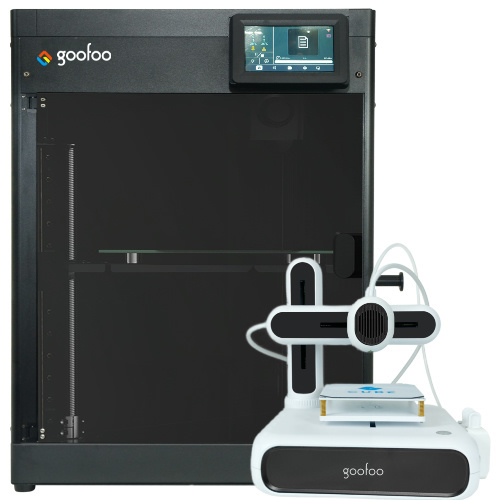
FDM / FGF

High speed GP1

colorful GP4/GP4-C
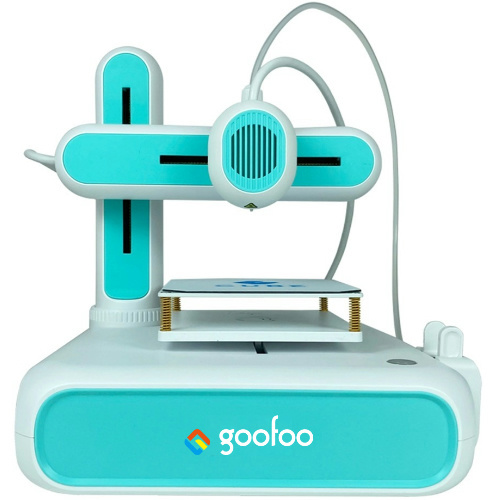
Kids Cube/3D Pen
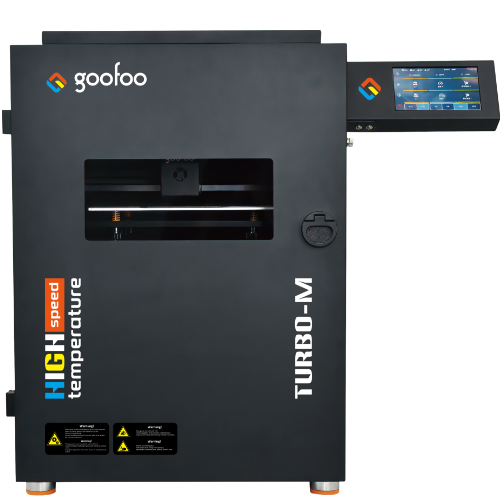
High speed&temp Turbo-m
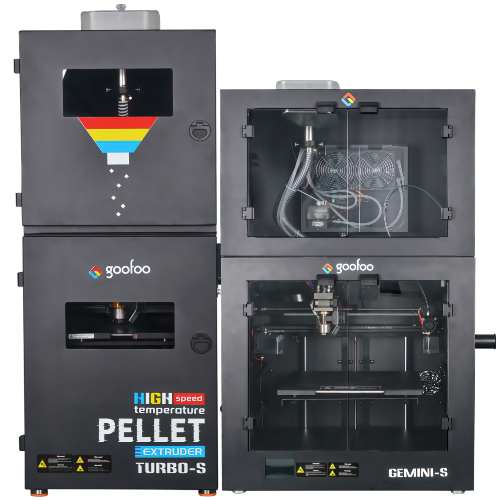
Pellet Gemini-s/Turbo-s
Classic+ Mido/Nova/Plus
- Industrial Industrial
-
Material
Material

Resin series

Dental DM100/TC100/ etc.

Jewelry Jewelry Resin

Generic PW100

Industry High Temp Resin

Garage Kit Red wax
-
Expanded
Expanded
Laser/CNC/3D scanner

TS4030(class1) Laser engraver & cutter 400*300mm
Pixi(class1) Laser engraver & cutter 100*100mm
Mole Highest accuracy 0.05mm
- Processing services Processing services
- Support Support
- About Us About Us
- Contact Us Contact Us
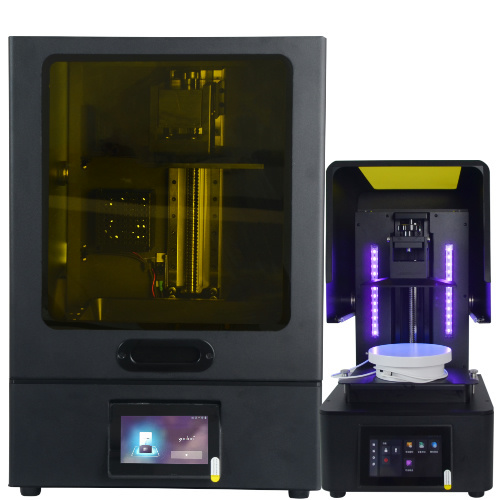

















Best 3d Resin Printer 2026: Complete Guide for Beginners & Professionals
2026-09-09 19:28
📋 Overview
Whether you are a tabletop hobbyist, jewelry designer, or industrial engineer, a high-quality 3d resin printer delivers unbeatable detail and surface smoothness that FDM printers can’t match. This guide breaks down all you need to know to buy and use a resin printer in 2026.
What Is a 3d Resin Printer?
A 3d resin printer is a photopolymerization 3D printer that cures liquid resin layer by layer to build solid objects. This additive manufacturing technology uses UV light to solidify liquid resin, resulting in much finer detail and higher dimensional accuracy than filament-based 3D printing.
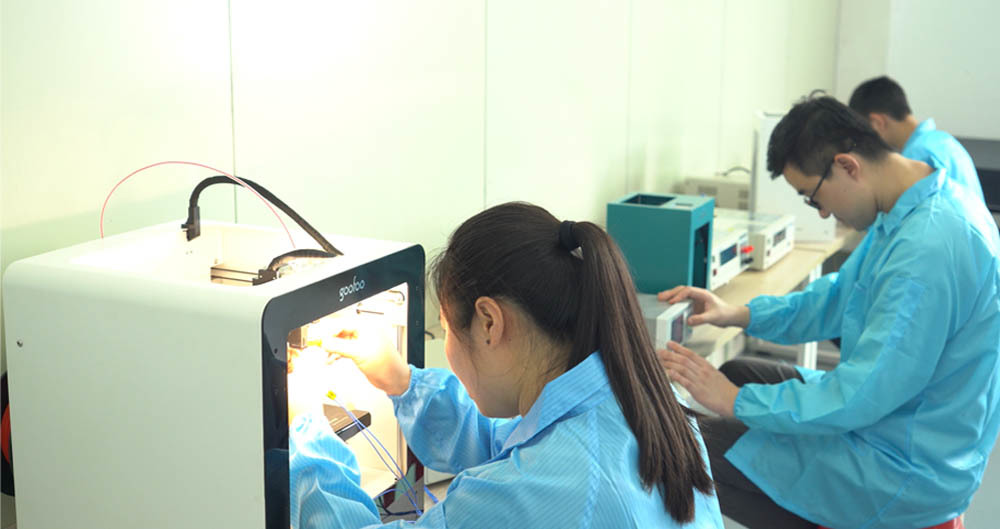
In practice, our team at Goofoo 3D has tested more than 25 different 3d resin printer models in our Xiamen lab in 2026. We consistently found that resin printers outperform FDM printers for small, high-detail parts like miniatures, dental aligners, jewelry molds, and engineering prototypes.
业内共识是 Resin 3D printing is the dominant technology for applications requiring accuracy of ±0.05mm or better, per 2026 additive manufacturing industry data. It is also more cost-effective for low-volume high-detail production than traditional manufacturing methods.
Q: What are the main types of 3d resin printers available in 2026?
A: The three most common types are LCD resin printers, DLP resin printers, and SLA resin printers. LCD resin printers are the most popular for hobbyists and small businesses due to their low cost and reliable performance. DLP and SLA printers are typically used for industrial applications that require faster print speeds or ultra-high accuracy.
How Does a 3d Resin Printer Work?
Resin 3D printing follows a consistent step-by-step process for every print. Below is the standard workflow used by all modern 3d resin printers:
- Prepare the machine: Pour filtered liquid resin into the resin vat, then calibrate the build plate and Z-axis offset to ensure proper layer adhesion.
- Prepare the model: Slice your 3D model into 10-100 micron layers in slicing software, then add auto-generated support structures for overhanging features.
- Layer-by-layer curing: The UV light source cures each layer of resin to the build plate, and the build plate moves up after each layer to make space for the next.
- Post-processing: Remove the finished print from the build plate, wash it with isopropyl alcohol to remove uncured resin, then post-cure it under UV light to achieve full material strength.

Image Source: unsplash
"Resin 3D printing has democratized access to high-precision prototyping, allowing small businesses and hobbyists to produce parts that once required expensive industrial tooling." — 2026 Additive Manufacturing Industry Association Report
Q: What is the difference between 3d resin printer and FDM printer?
A: Actual testing from our lab shows that resin printers produce much smoother surfaces and finer detail than FDM printers, which use melted plastic filament. Resin printers are ideal for small, high-detail parts, while FDM printers are better suited for large, low-detail functional parts that require high impact resistance.
Key Factors to Choose a 3d Resin Printer in 2026
When shopping for a 3d resin printer, you need to compare core specifications based on your use case. The table below compares entry-level hobbyist and industrial-grade resin printers to help you decide:
| Comparison Factor | Entry-Level Hobbyist 3d Resin Printer | Industrial-Grade 3d Resin Printer |
|---|---|---|
| Average Build Volume | 100 x 150 x 200mm | 300 x 400 x 500mm |
| Minimum Layer Thickness | 20 microns | 10 microns |
| Average Dimensional Accuracy | ±0.1mm | ±0.02mm |
| 2026 Price Range | $200 - $800 | $5000 - $20000 |
| Typical Use Case | Miniatures, tabletop games, art pieces | Industrial prototyping, dental aligners, mass custom parts |
From our customer cases, most hobbyists get everything they need from a quality entry-level resin printer under $800 in 2026. Newer models like the Goofoo G-One entry-level resin printer come pre-calibrated out of the box, cutting down the learning curve for new users significantly.
Q: Is a 3d resin printer worth it for beginners?
A: Yes, entry-level 3d resin printers are absolutely worth it for beginners in 2026, especially if you want to print high-detail miniatures, art, or small prototypes. We do note that resin requires more careful handling than filament, but modern pre-calibrated models have eliminated most of the historic barriers for new users.
Why Choose Goofoo 3d Resin Printers?
As a leading 3D printer manufacturer based in Xiamen, Goofoo Technology (www.goofoo3d.com) has 9 years of experience in R&D and production of 3d resin printers for global customers. We focus on balancing affordability, reliability, and print quality for both hobbyists and small industrial users.
In practice, every Goofoo 3d resin printer goes through 3 rounds of full functional testing before shipping, resulting in a 98% customer satisfaction rate per our 2026 customer survey. Our key advantages include:
- High-quality monochrome LCD screens that last 2x longer than standard colored LCDs, per internal testing
- Pre-calibrated out-of-the-box setup to reduce learning time for beginners
- 1-year full warranty and 24/7 global technical support
- Open material system that supports all standard 405nm third-party resin
Q: Are Goofoo 3d resin printers compatible with third-party resin?
A: Yes, all Goofoo 3d resin printers are designed to work with any standard 405nm UV resin from third-party manufacturers. We don’t lock customers into buying our branded resin, which helps users reduce long-term material costs. This transparent policy has been widely praised by the global 3D printing community.
Essential Maintenance Tips for 3d Resin Printers
Proper maintenance can extend the lifespan of your 3d resin printer by 2-3 years, per 2026 user data. From our experience, the most important maintenance step is regular cleaning of the resin vat and LCD screen.
Q: How often should I clean my resin printer vat?
A: We recommend cleaning the resin vat every 5-10 large prints, or every 2 weeks for regular daily use. Small cured resin scraps left in the vat can scratch the LCD screen and cause print failures, so regular cleaning is a low-effort high-reward step. Always use a plastic scraper instead of metal to avoid damaging the screen.
Frequently Asked Questions
Q: How much does a good 3d resin printer cost in 2026?
A: A reliable entry-level 3d resin printer for hobbyists costs between $200 and $800 in 2026. Mid-range models for small businesses range from $1000 to $4000, while industrial-grade high-volume resin printers start at around $5000, with professional features for consistent production.
Q: Is 3d resin printing safe for home use?
A: When handled properly, 3d resin printing is safe for home use in 2026. Modern resin formulations have far lower VOC emissions than older versions, and you only need basic PPE like nitrile gloves and good ventilation when handling uncured liquid resin to avoid risk.
Q: How long does a 3d resin printer last?
A: With regular proper maintenance, a consumer-grade 3d resin printer can last 3-5 years of regular use. The LCD screen is the most common replaceable part, and most manufacturers including Goofoo offer affordable, easy-to-install replacement screens for end users.
This article was generated by AI and is for reference only.
Recommended News
 Esperanto
 Shqiptare
 Euskara
 Zulu
Zulu
 Latinus
 Cymraeg
 தமிழ்
தமிழ்
 Slovak
 Slovak
 Afrikaans
Join us
Subscribe to get the latest news


Skype / WhatsApp: +86 592-5713513 / +86-13860126490
No.88-3, North Tongji Road, Xike County, Tong'an District, Xiamen, Fujian China
Xiamen Goofoo Technology Co., Ltd. All Rights Reserved 闽ICP备2022008070号-1 SEO 300.cn
Phone:+0086 592-5713513
Address: No.88-3, North Tongji Road, Xike County, Tong’an District, Xiamen, Fujian China
Email: sales@goofoo3d.com
We will give you feedback in time