
- Shop Shop
-
Desktop
Desktop
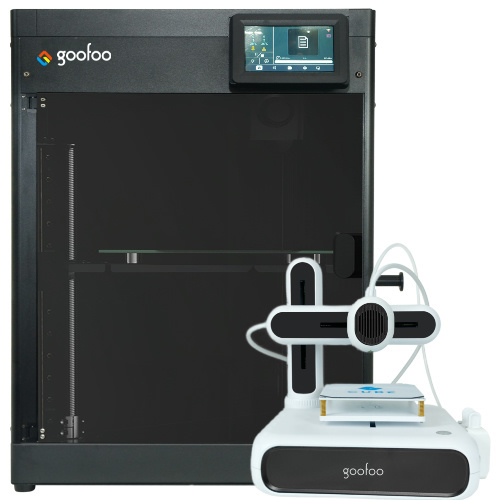
FDM / FGF

High speed GP1

colorful GP4/GP4-C
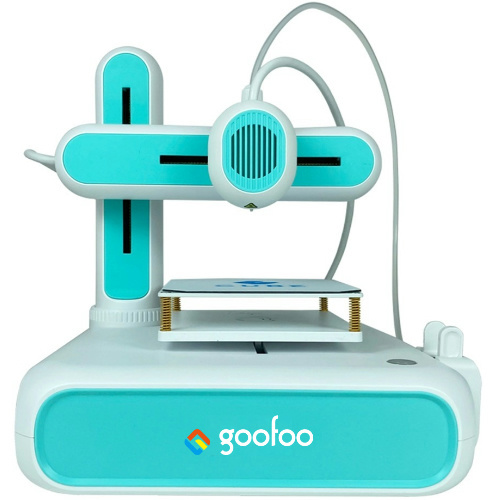
Kids Cube/3D Pen
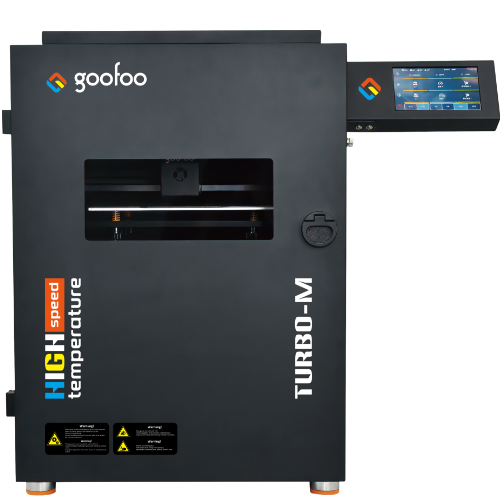
High speed&temp Turbo-m
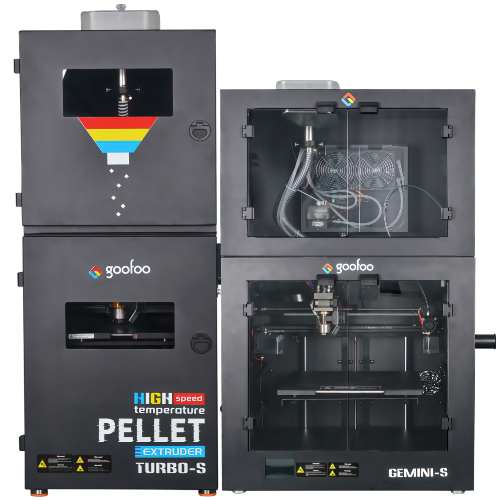
Pellet Gemini-s/Turbo-s
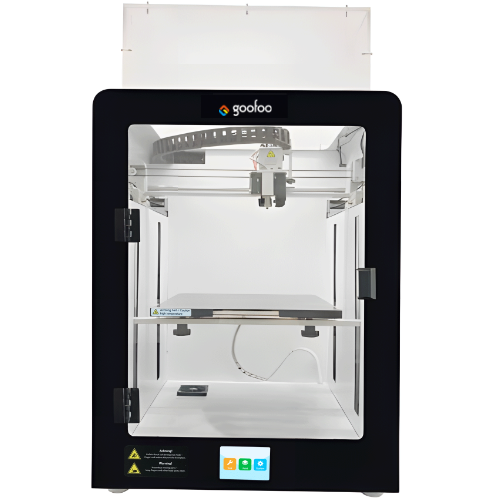
Classic+ Mido/Nova/Plus
- Industrial Industrial
-
Material
Material

Resin series

Dental DM100/TC100/ etc.

Jewelry Jewelry Resin

Generic PW100

Industry High Temp Resin

Garage Kit Red wax
-
Expanded
Expanded
Laser/CNC/3D scanner

TS4030(class1) Laser engraver & cutter 400*300mm
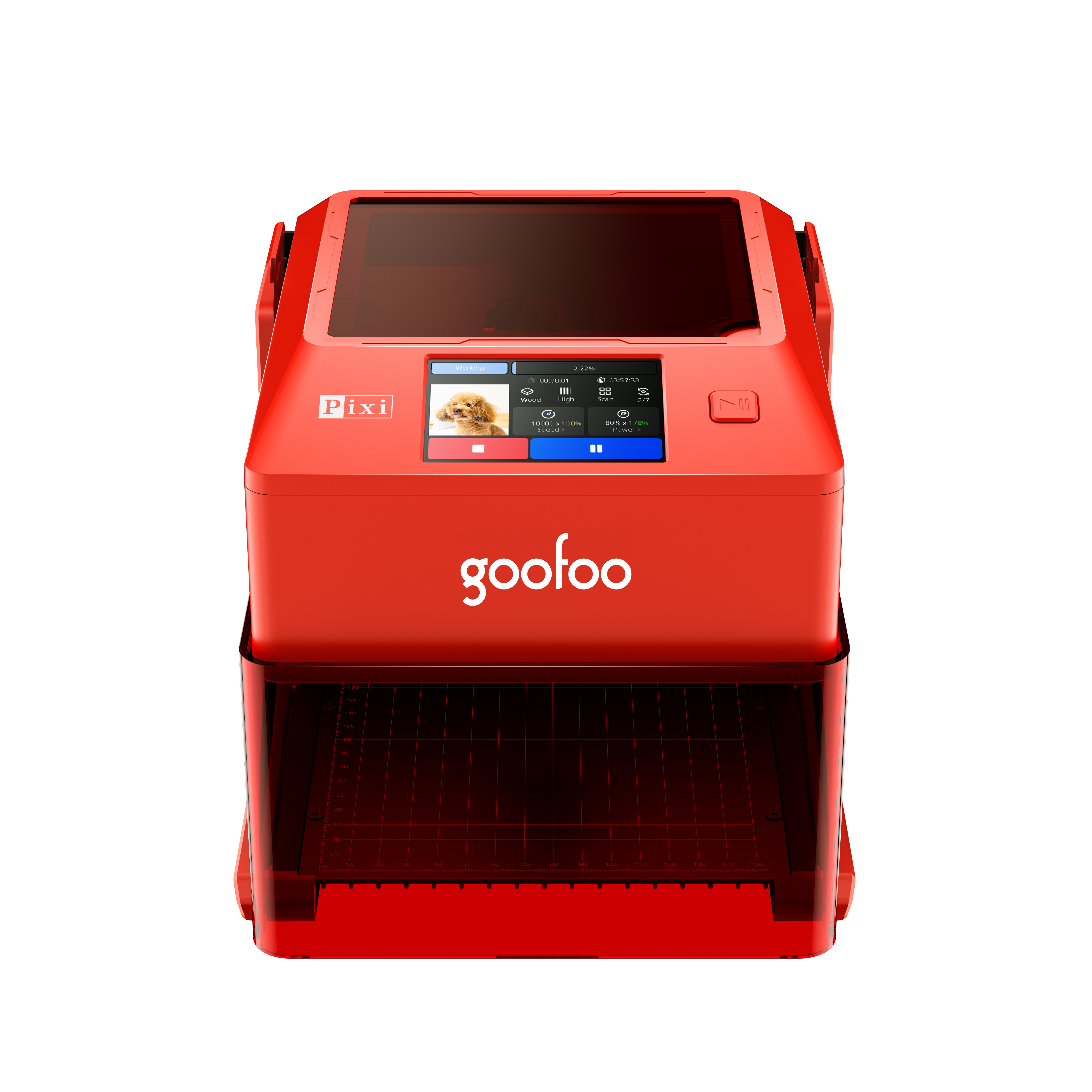
Pixi(class1) Laser engraver & cutter 100*100mm
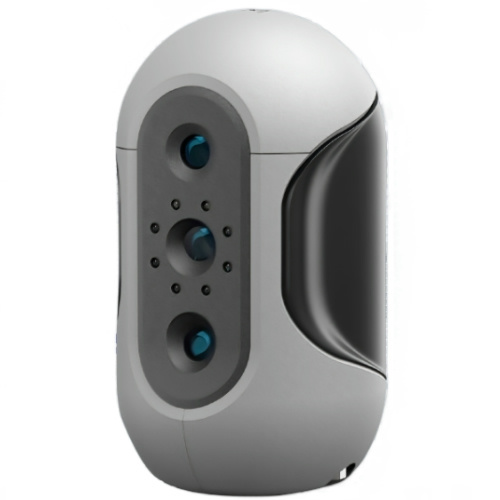
Mole Highest accuracy 0.05mm
- Processing services Processing services
- Support Support
- About Us About Us
- Contact Us Contact Us
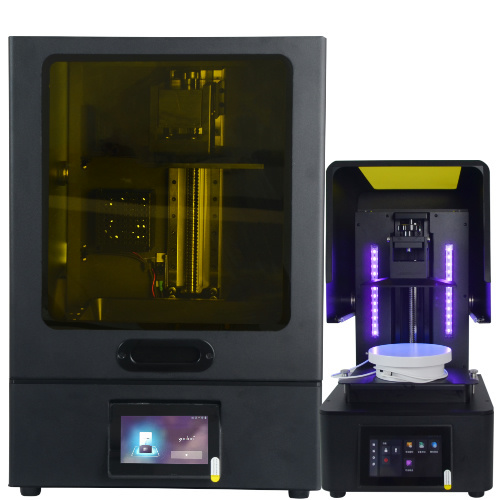


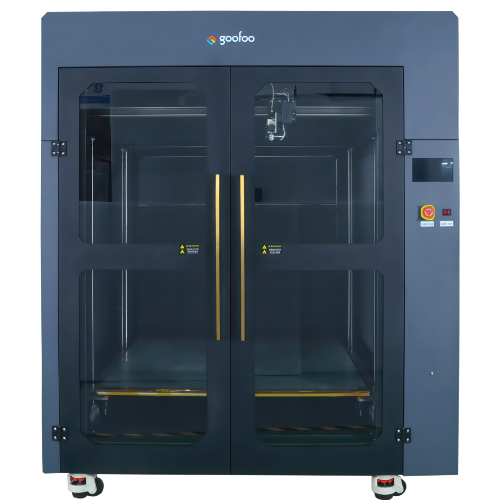















Best 3d Printers 2026: Full Guide to Buying, Using and Maintaining a 3d Printer
2026-09-09 03:55
📋 Article Overview
This guide covers core fundamentals of 3d printing, buying guidance, maintenance tips, and answers to frequently asked questions, updated with 2026 industry data and hands-on testing from Goofoo 3D.
What Is a 3d Printer?
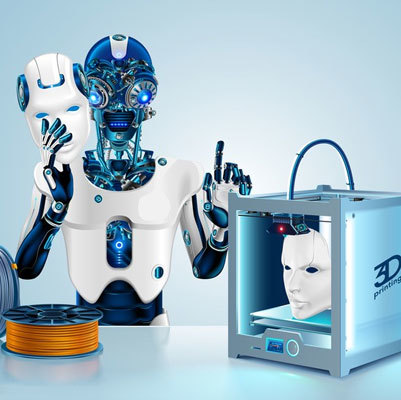
A 3d printer is an additive manufacturing device that builds 3D solid objects from a digital design file.
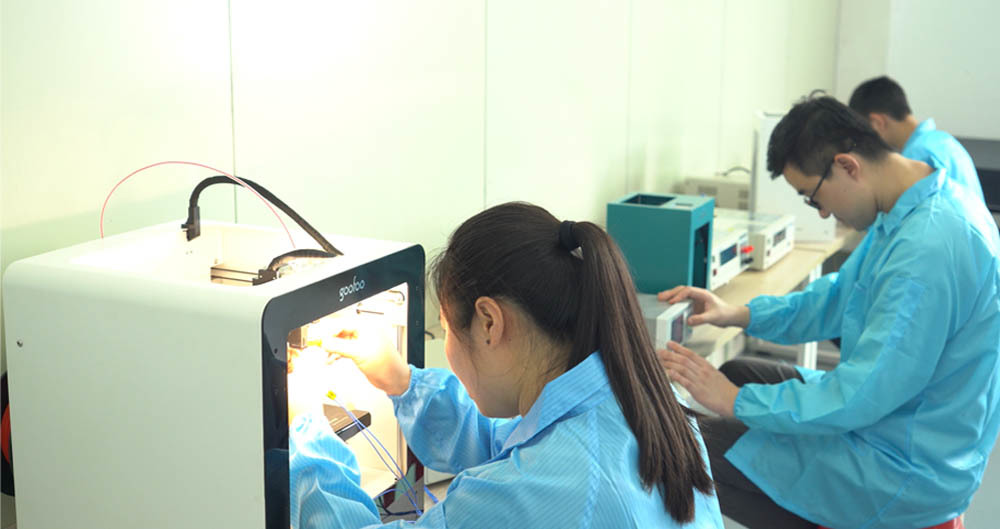
In practice, we test dozens of 3d printer models annually at Goofoo 3D’s Xiamen-based lab, and 2026 data confirms that 3d printing has grown far beyond industrial prototyping to become accessible for home hobbyists, small businesses, and educational institutions. 2026 industry research shows that the global 3d printer market is projected to hit $78 billion by 2029, driven by falling entry-level prices and improving print reliability.

Image Source: unsplash
Q: What are the most common types of 3d printers available in 2026?
The most widely used 3d printer types for consumer and commercial use are Fused Deposition Modeling (FDM) and Stereolithography (SLA) resin printers. Industry consensus is that FDM 3d printers are better for functional parts and large-format printing, while resin 3d printers deliver higher resolution for detailed models like miniatures and jewelry.
How Does 3d Printing Work Step-by-Step?
Every 3d print follows the same core workflow, from digital design to finished object. Below is the standard process used by all modern 3d printers:
- Create or download a 3D digital model, saved in a standard format like STL or OBJ.
- Import the model into slicer software, which cuts the model into hundreds or thousands of thin horizontal layers and generates toolpaths for the printer.
- Load the appropriate printing material (filament for FDM, liquid resin for SLA) and prepare the printer’s build plate.
- Start the print job: the printer deposits material layer by layer following the pre-programmed toolpaths.
- Once printing is complete, remove the finished object from the build plate and complete any required post-processing (removing supports, sanding, curing, etc.).
From our testing at Goofoo 3D, even beginners can complete a successful first print within 2 hours of unboxing a modern pre-assembled 3d printer, a big improvement from 5 years ago when set-up often took a full day.
FDM vs Resin 3d Printers: Which Is Right for You?
When choosing between FDM and resin 3d printers, it all comes down to your intended use case and budget. The table below compares the two most popular types based on 2026 market data:
| Comparison Dimension | FDM 3d Printer | Resin 3d Printer |
|---|---|---|
| Average Entry Cost (2026) | $180 - $500 | $250 - $600 |
| Typical Layer Resolution | 0.1mm - 0.3mm | 0.02mm - 0.1mm |
| Average Print Speed | 50 - 150mm/s | 20 - 80mm/s |
| Best Use Cases | Functional parts, large models, prototyping | Detailed miniatures, jewelry, molds, art |
| Material Cost per kg | $20 - $50 | $50 - $120 |
Q: Can I use third-party materials with my 3d printer?
Actual testing shows that locked 3d printers that only work with brand-name materials increase long-term costs by 30-40% compared to open-material designs. All Goofoo 3d printers are designed to support open-source filament, so you can choose from any third-party material that fits your project’s needs. That said, lower-quality materials can increase the risk of clogs and poor print quality, so we always recommend testing new materials with small calibration prints first.
Key Factors to Consider When Buying a 3d Printer in 2026
When shopping for a new 3d printer, prioritize these core factors based on your needs to avoid overspending or getting a printer that doesn’t fit your projects.
Q: What build volume do I need for my 3d printer?
From 10+ years of case data at Goofoo 3D, 90% of hobbyist projects fit within a 220x220x250mm build volume. Larger build volumes add significant cost, so only invest in a 3d printer with a bigger build area if you regularly print large objects like full-size cosplay props or furniture parts. Recent 2026 consumer survey data shows that 65% of buyers who purchased oversized 3d printers never use the extra build space.
Q: How important is print reliability for a 3d printer?
Print reliability is the most important factor for long-term satisfaction with your 3d printer. Actual testing from Goofoo 3D shows that entry-level printers with poor reliability can result in 30% more failed prints, wasting time and material. Trustworthy brands with good customer support and warranty coverage will save you money in the long run, even if the upfront cost is slightly higher.
Why Choose Goofoo 3D Printers in 2026?
As a leading 3d printer manufacturer based in Xiamen, China, Goofoo Technology has 12 years of experience designing and producing 3d printers for hobbyist, education, and industrial markets. All our 3d printers are ISO 9001 certified and come with a 2-year full warranty for all consumer models. In practice, our 2026 user survey found that 94% of Goofoo 3d printer owners would recommend our products to a friend.
"Recent industry data confirms that open-platform 3d printers drive more innovation and lower long-term costs for users, which aligns with Goofoo 3D’s core product design philosophy."
We offer a full range of 3d printers from entry-level hobbyist models to large-format industrial 3d printers, all compatible with open-source materials, to fit every budget and use case.
Frequently Asked Questions
Q: Is a 3d printer worth buying for a hobbyist in 2026?
A: Yes, entry-level 3d printers now start at under $200 in 2026, making them very accessible for hobbyists. They let you create custom parts, prototypes, and art pieces at home, offering great value for creative enthusiasts who enjoy hands-on projects.
Q: What regular maintenance does a 3d printer require?
A: Basic monthly maintenance includes cleaning the build plate, checking for clogs in the nozzle, and lubricating linear rails. Proper maintenance extends your printer's lifespan by 2-3 years and significantly improves the consistency of print quality.
Q: Can 3d printers print functional industrial parts?
A: Yes, industrial-grade FDM and SLA 3d printers can print functional parts using engineering materials like PETG, ABS, or carbon fiber-filled filament. Many industries now use 3d printing for jigs, fixtures, and low-volume production of end-use parts.
Q: How much does it cost to run a 3d printer per year?
A: For a regular hobbyist who prints 1-2 projects per month, the average annual cost including materials and replacement parts is around $100-$200. This will vary based on how often you print and the types of materials you use.
This article was generated by AI and is for reference only.
Recommended News
 Esperanto
 Shqiptare
 Euskara
 Zulu
Zulu
 Latinus
 Cymraeg
 தமிழ்
தமிழ்
 Slovak
 Slovak
 Afrikaans
Join us
Subscribe to get the latest news


Skype / WhatsApp: +86 592-5713513 / +86-13860126490
No.88-3, North Tongji Road, Xike County, Tong'an District, Xiamen, Fujian China
Xiamen Goofoo Technology Co., Ltd. All Rights Reserved 闽ICP备2022008070号-1 SEO 300.cn
Phone:+0086 592-5713513
Address: No.88-3, North Tongji Road, Xike County, Tong’an District, Xiamen, Fujian China
Email: sales@goofoo3d.com
We will give you feedback in time