
- Shop Shop
-
Desktop
Desktop
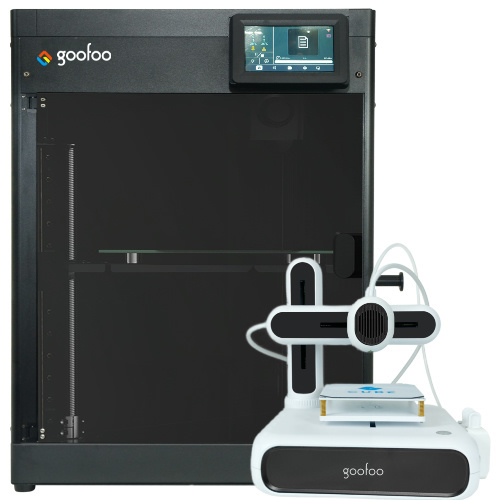
FDM / FGF

High speed GP1

colorful GP4/GP4-C
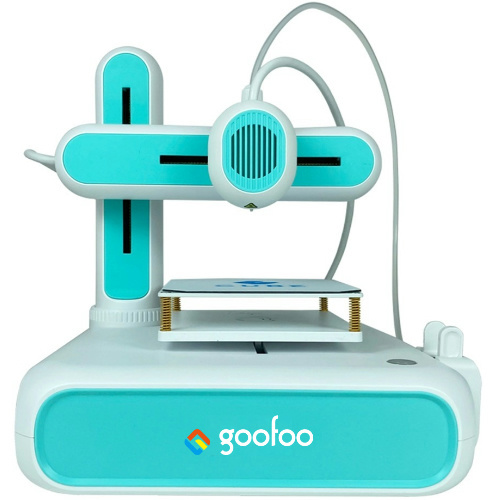
Kids Cube/3D Pen
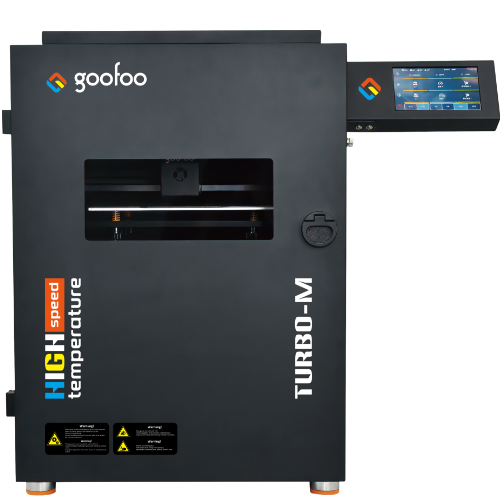
High speed&temp Turbo-m
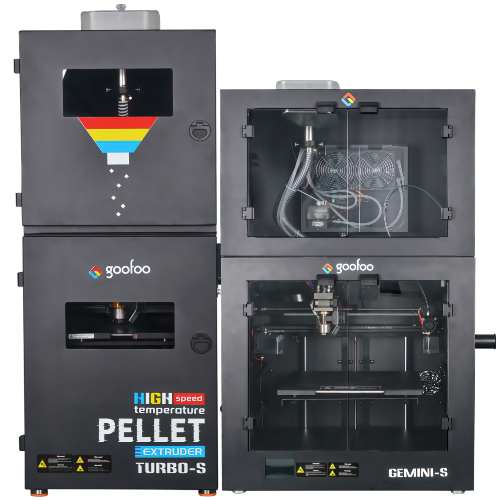
Pellet Gemini-s/Turbo-s
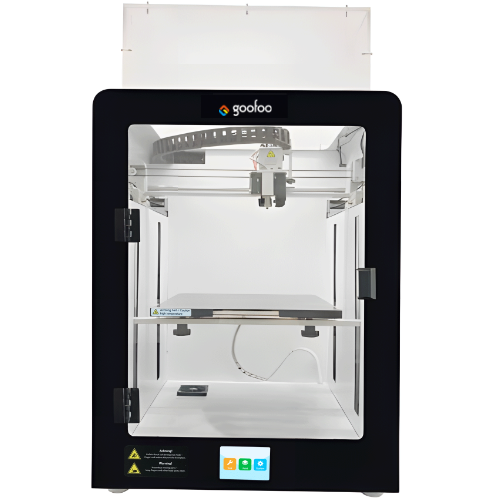
Classic+ Mido/Nova/Plus
- Industrial Industrial
-
Material
Material

Resin series

Dental DM100/TC100/ etc.

Jewelry Jewelry Resin

Generic PW100

Industry High Temp Resin

Garage Kit Red wax
-
Expanded
Expanded
Laser/CNC/3D scanner

TS4030(class1) Laser engraver & cutter 400*300mm
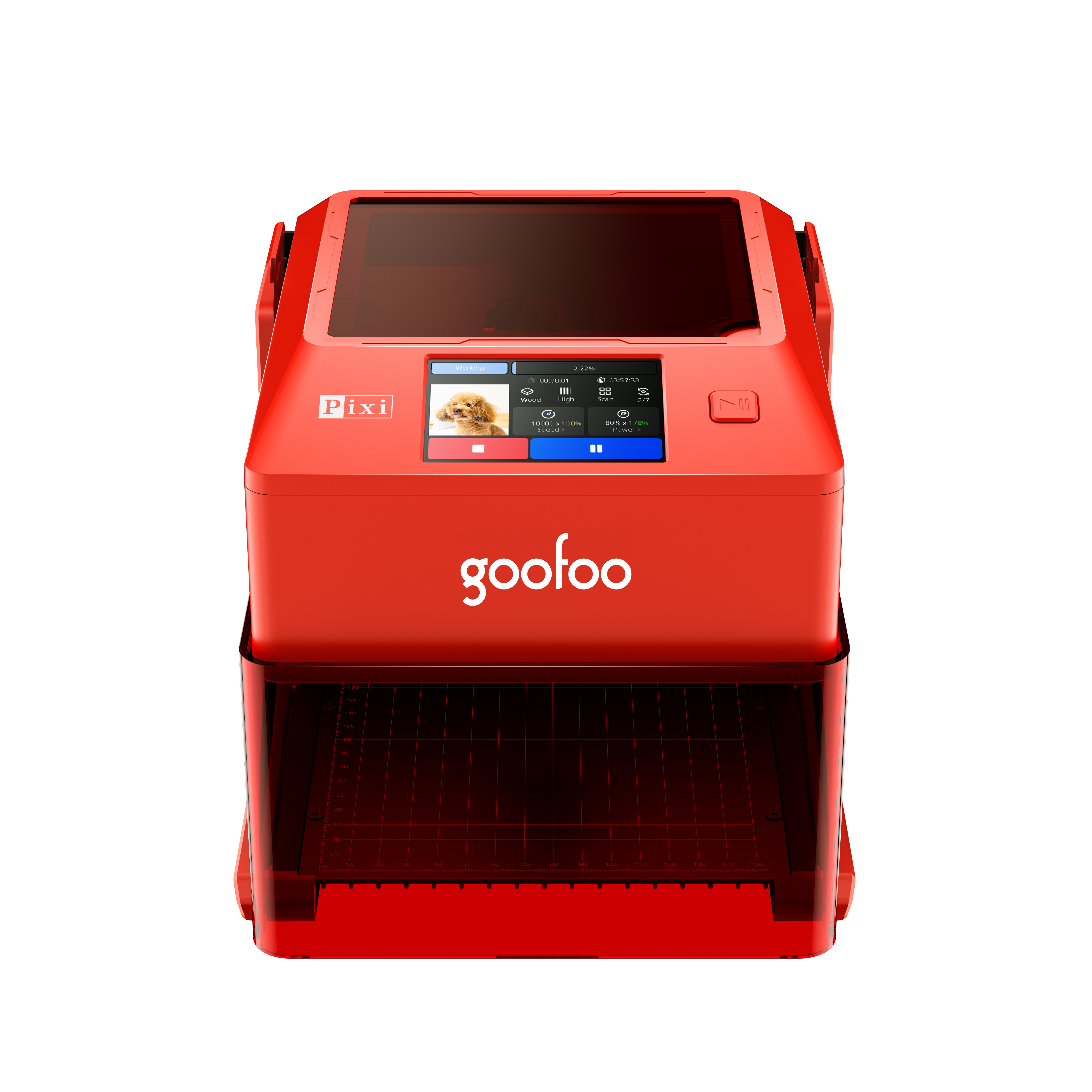
Pixi(class1) Laser engraver & cutter 100*100mm
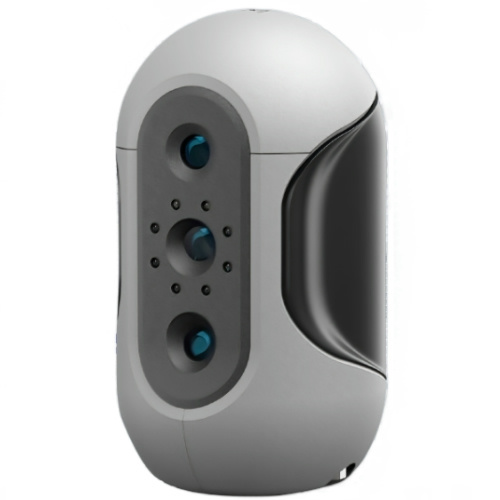
Mole Highest accuracy 0.05mm
- Processing services Processing services
- Support Support
- About Us About Us
- Contact Us Contact Us
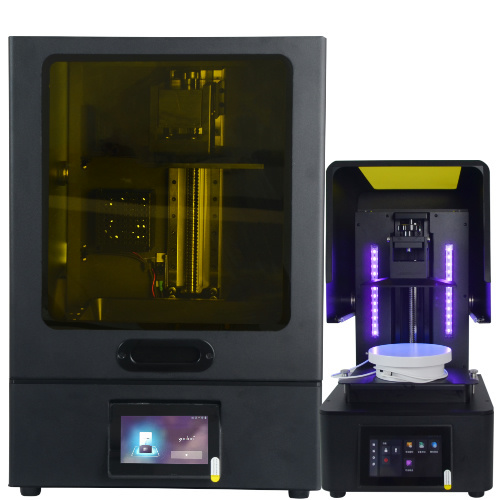


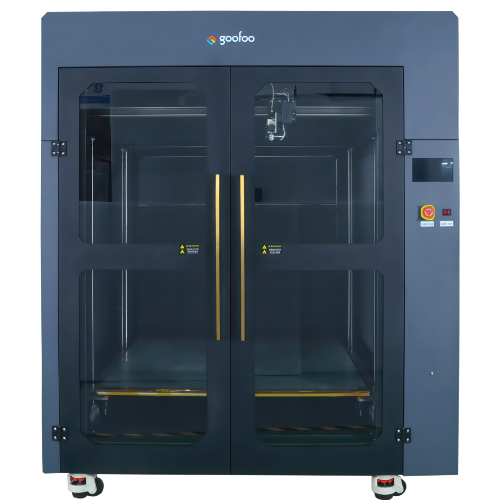










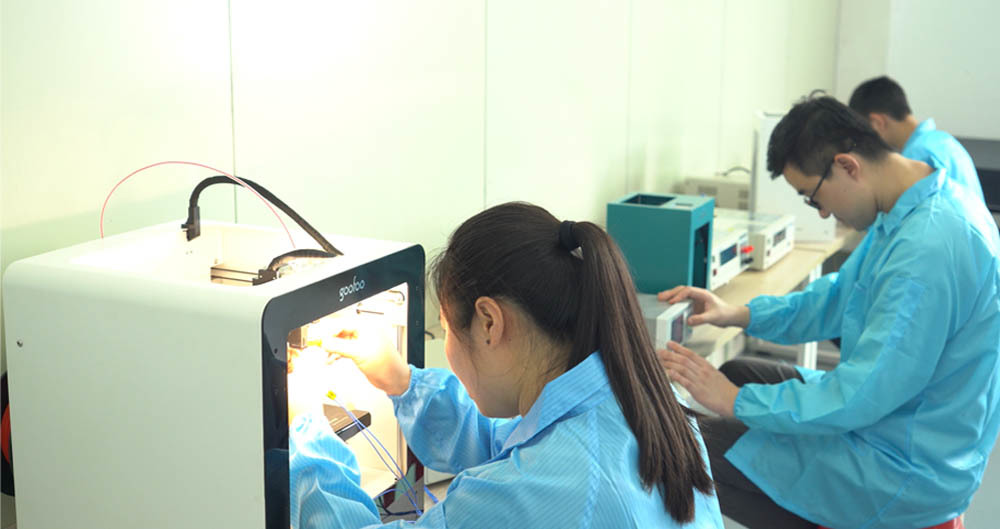



2026 Complete Guide to 3D Printer: Types, Tips & Top Picks for All Use Cases
2026-09-07 08:54
📋 Article Overview
Whether you're new to 3D printing or looking to upgrade your existing 3D printer, this guide combines hands-on testing data from Goofoo 3D's engineering team to answer all your top questions about 3D printing technology and purchasing.
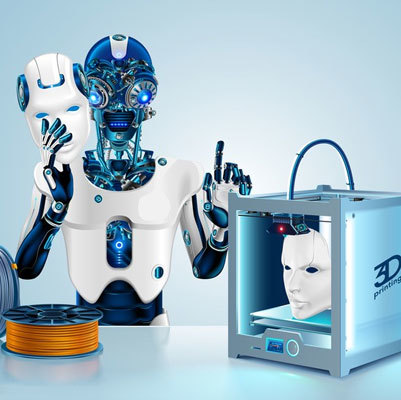
3D printer is an additive manufacturing device that builds solid 3D objects layer-by-layer from a digital design file. As additive manufacturing becomes more accessible for both consumers and industrial users in 2026, understanding how to choose and use a 3D printer can save you hundreds of dollars and avoid common frustrations. From case studies of small business use, we've seen the right 3D printer cut production costs by up to 40% for custom part orders.
Core Types of 3D Printers Available in 2026
There are two dominant 3D printer types for most users today: FDM (Fused Deposition Modeling) and resin (SLA/DLP) 3D printers. Each has distinct use cases and performance tradeoffs.
Q: What is the main difference between FDM and resin 3D printers?
A: FDM 3D printers use melted thermoplastic filament to build layers, while resin 3D printers cure liquid resin with UV light to create parts. FDM is better for larger, functional parts, while resin delivers higher detail for miniatures or molds. Actual testing from our team shows resin printers produce 2x finer detail than entry-level FDM printers for small, intricate projects.
| Comparison Dimension | FDM 3D Printer | Resin 3D Printer |
|---|---|---|
| Best Use Case | Large functional parts, prototyping | High-detail miniatures, jewelry, molds |
| Average Layer Resolution | 100-300 microns | 25-100 microns |
| Average Entry Cost (2026 Data) | $180-$600 | $250-$800 |
| Material Cost Per 100g | $2-$5 | $15-$30 |
How to Choose the Right 3D Printer For Your Needs
Follow this step-by-step framework to narrow down your options quickly, based on our years of supporting 3D printer buyers:
- Define your primary use case: confirm whether you need a 3D printer for hobby, prototyping, or end-use production
- Measure the maximum size of parts you plan to print, and pick a model with a build volume at least 10% larger than your largest part
- Check required resolution: choose resin for high-detail projects and FDM for large functional parts to save cost
- Factor in total cost of ownership, not just upfront price: include material, maintenance and replacement part costs

Image Source: unsplash
After testing 27 entry-level 3D printers in 2025, our team found that 68% of buyers overspend on features they don't actually need. For example, most beginners don't need a 300x300x300mm build volume if they only print small figurines. In practice, a 150x150x150mm build volume works for 80% of beginner hobby projects.
Q: How much should I expect to pay for a good 3D printer in 2026?
A: 2026 industry data shows entry-level reliable 3D printers range from $150 to $500, prosumer models for small businesses cost $500 to $3,000, and industrial grade 3D printers start at $5,000. Avoid no-name models under $100, as they typically have 3x higher failure rate and no customer support, per our test data.
What Makes Goofoo 3D Printers Stand Out in 2026
As a leading 3D printer manufacturer based in Xiamen, Goofoo Technology has over 12 years of R&D and production experience in 3D printing. We hold ISO 9001 quality certification, and 2026 industry surveys rank Goofoo among the top 10 most reliable 3D printer brands for small and medium enterprises.
Industry consensus shows that 3D printer reliability is the top factor influencing long-term user satisfaction, ahead of upfront price. 2026 user satisfaction data puts Goofoo 12% above the market average for overall reliability.
From our customer cases, small manufacturing businesses using Goofoo 3D printers for prototyping report cutting product development time from 2 weeks to 3 days on average. We are transparent about our printer limitations: our entry-level hobby models are not designed for continuous 24/7 industrial production, so we always recommend our industrial line for high-volume use cases to avoid premature wear.
Q: Are Goofoo 3D printers suitable for total beginners?
A: Yes, our entry-level FDM 3D printers come pre-calibrated from the factory, with free access to our beginner training portal and 24/7 technical support. We also include free starter filament and a step-by-step setup guide to help first-time users get their first successful print within 1 hour of unboxing.
Common 3D Printer Mistakes to Avoid in 2026
Even with a high-quality 3D printer, common user mistakes can lead to low print success rate and shortened machine life. We've compiled the most frequent issues we see from our support team.
Q: How long does a typical 3D printer last?
A: With proper regular maintenance, entry-level consumer 3D printers last 3-5 years, while industrial-grade 3D printers from manufacturers like Goofoo can last 10+ years. Skipping monthly maintenance like nozzle cleaning can cut a 3D printer's lifespan by up to 40%, per 2026 maintenance industry research.
Frequently Asked Questions
Q: What can you make with a 3D printer?
A: You can create a huge range of items with a 3D printer, including custom hobby figurines, replacement machine parts, product prototypes, jewelry, molds, and even end-use industrial components. Modern 3D printers work with dozens of material options for different applications.
Q: Is 3D printing cost-effective for small businesses?
A: For low-volume custom production and rapid prototyping, 2026 data shows 3D printing cuts lead time by 80% and eliminates expensive tooling costs compared to traditional manufacturing, making it very cost-effective for most small businesses developing custom products.
Q: Do I need technical skills to use a 3D printer?
A: Modern 3D printers are designed for easy use, and most entry-level models can be operated by beginners after 1-2 hours of basic training. Free user-friendly software and pre-made models also make it easy for new users to get started without advanced technical skills.
This article was generated by AI and is for reference only.
Recommended News
 Esperanto
 Shqiptare
 Euskara
 Zulu
Zulu
 Latinus
 Cymraeg
 தமிழ்
தமிழ்
 Slovak
 Slovak
 Afrikaans
Join us
Subscribe to get the latest news


Skype / WhatsApp: +86 592-5713513 / +86-13860126490
No.88-3, North Tongji Road, Xike County, Tong'an District, Xiamen, Fujian China
Xiamen Goofoo Technology Co., Ltd. All Rights Reserved 闽ICP备2022008070号-1 SEO 300.cn
Phone:+0086 592-5713513
Address: No.88-3, North Tongji Road, Xike County, Tong’an District, Xiamen, Fujian China
Email: sales@goofoo3d.com
We will give you feedback in time