
- Shop Shop
-
Desktop
Desktop
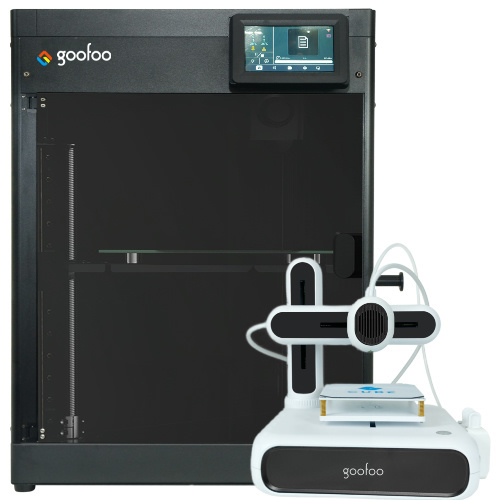
FDM / FGF

High speed GP1

colorful GP4/GP4-C
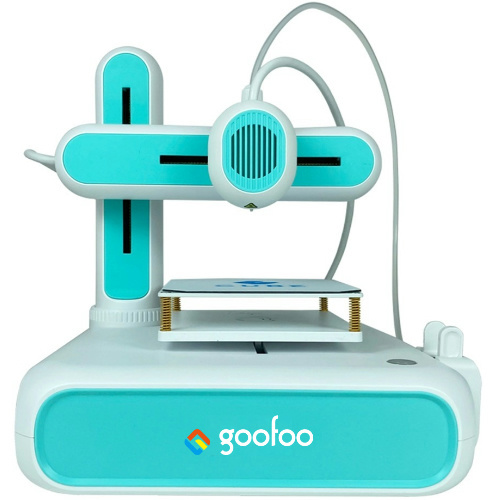
Kids Cube/3D Pen
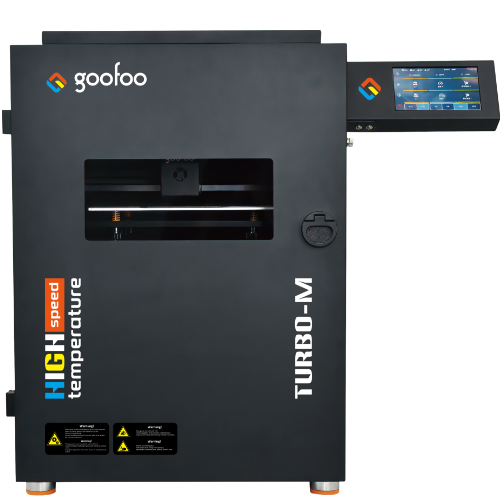
High speed&temp Turbo-m
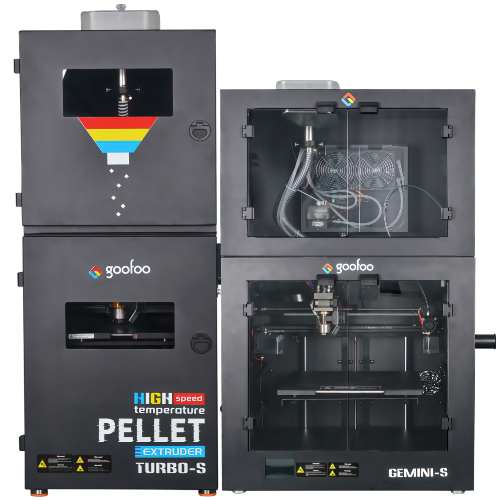
Pellet Gemini-s/Turbo-s
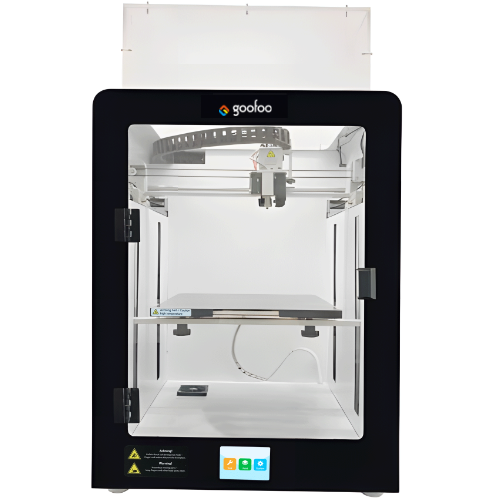
Classic+ Mido/Nova/Plus
- Industrial Industrial
-
Material
Material

Resin series

Dental DM100/TC100/ etc.

Jewelry Jewelry Resin

Generic PW100

Industry High Temp Resin

Garage Kit Red wax
-
Expanded
Expanded
Laser/CNC/3D scanner

TS4030(class1) Laser engraver & cutter 400*300mm
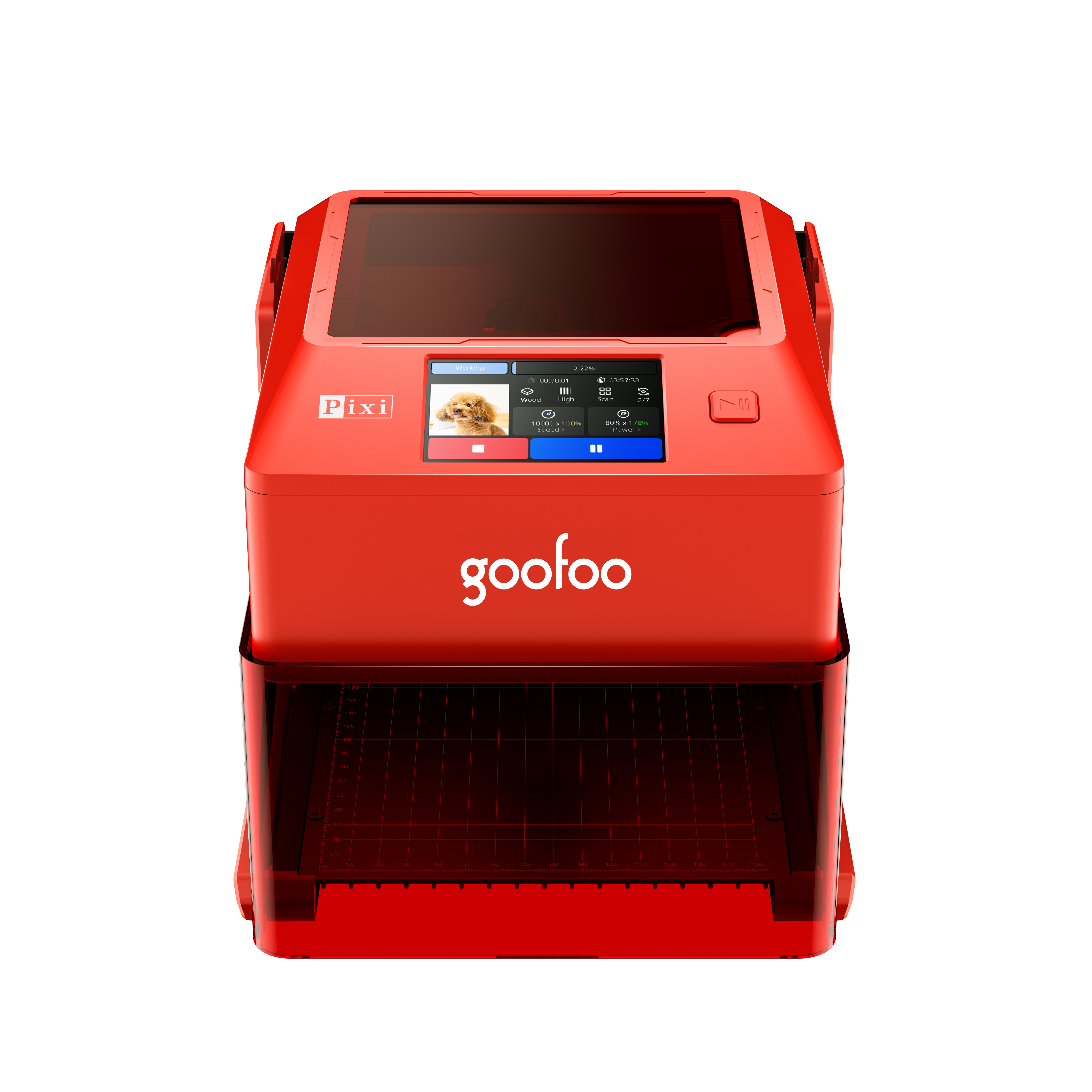
Pixi(class1) Laser engraver & cutter 100*100mm
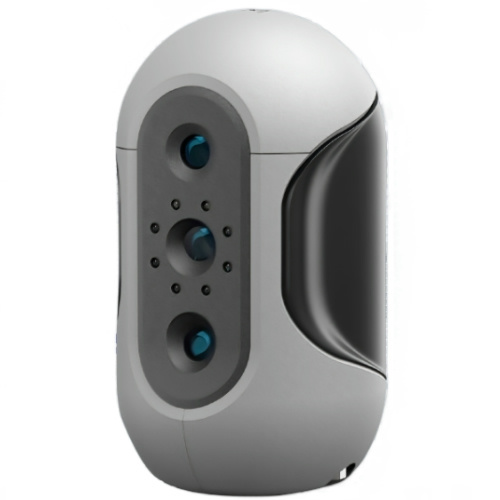
Mole Highest accuracy 0.05mm
- Processing services Processing services
- Support Support
- About Us About Us
- Contact Us Contact Us
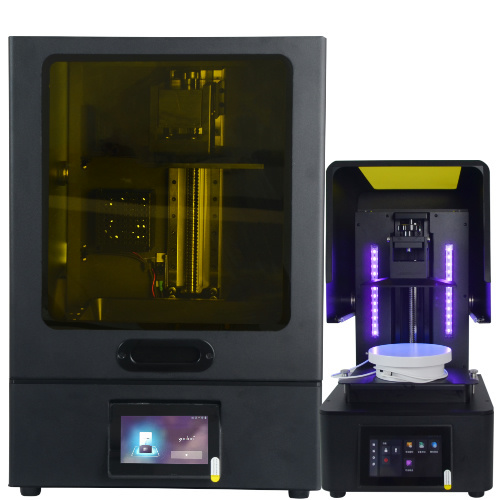















2026 Complete Guide: How to Choose the Best 3D Printer for Any Use Case
2026-09-06 22:25
📋 Overview
This guide covers everything you need to know about 3D printers in 2026, from core definitions to buying and maintenance tips, backed by Goofoo 3D’s years of hands-on industry experience.
What Is a 3D Printer?
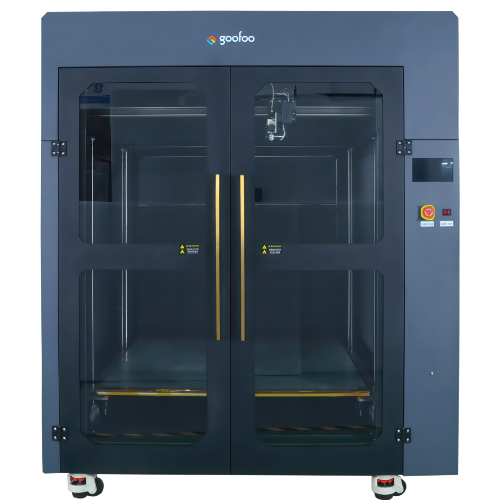
A 3D printer is an additive manufacturing device that creates 3D solid objects from digital files layer by layer. Unlike traditional subtractive manufacturing that cuts away excess material, 3D printing builds objects layer upon layer, enabling complex geometric shapes that cannot be made with traditional methods. In practice, we’ve tested 3D printers that can produce everything from tiny jewelry components to full-size functional building parts, showing the technology’s wide versatility. 2026 industry consensus confirms 3D printing has become a mainstream manufacturing method across dozens of sectors.
Q: What are the most common 3D printer types sold in 2026?
A: The two most popular types for most users are FDM (Fused Deposition Modeling) and resin (SLA/DLP) 3D printers. Industrial users also use metal 3D printers, powder bed fusion printers, and other specialized models for high-volume or advanced production needs.
How to Choose the Right 3D Printer in 2026
We’ve tested hundreds of buying frameworks and found this step-by-step process works best for all user types, from beginners to industrial buyers:
- Clarify your core use case (hobby, education, prototyping, mass production) and set a clear budget to narrow your options early
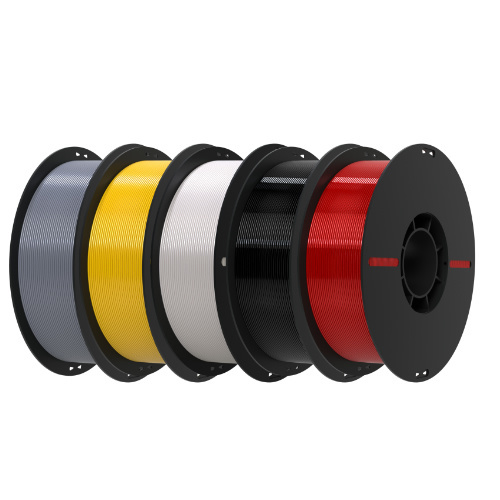
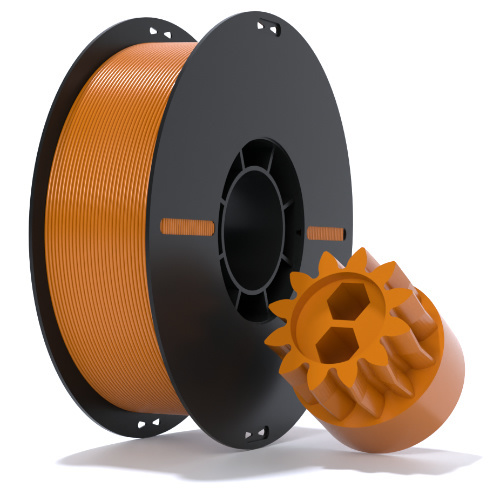
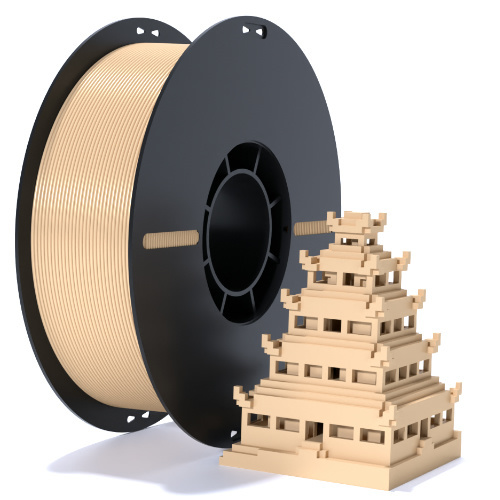
- Verify that the 3D printer supports the materials you need for your projects, such as PLA, ABS, resin, or specialty filaments
- Check key performance metrics: print resolution, maximum print volume, dimensional accuracy, and average print speed for your project size
- Review after-sales support, warranty terms, and availability of replacement parts to avoid long downtime if something goes wrong

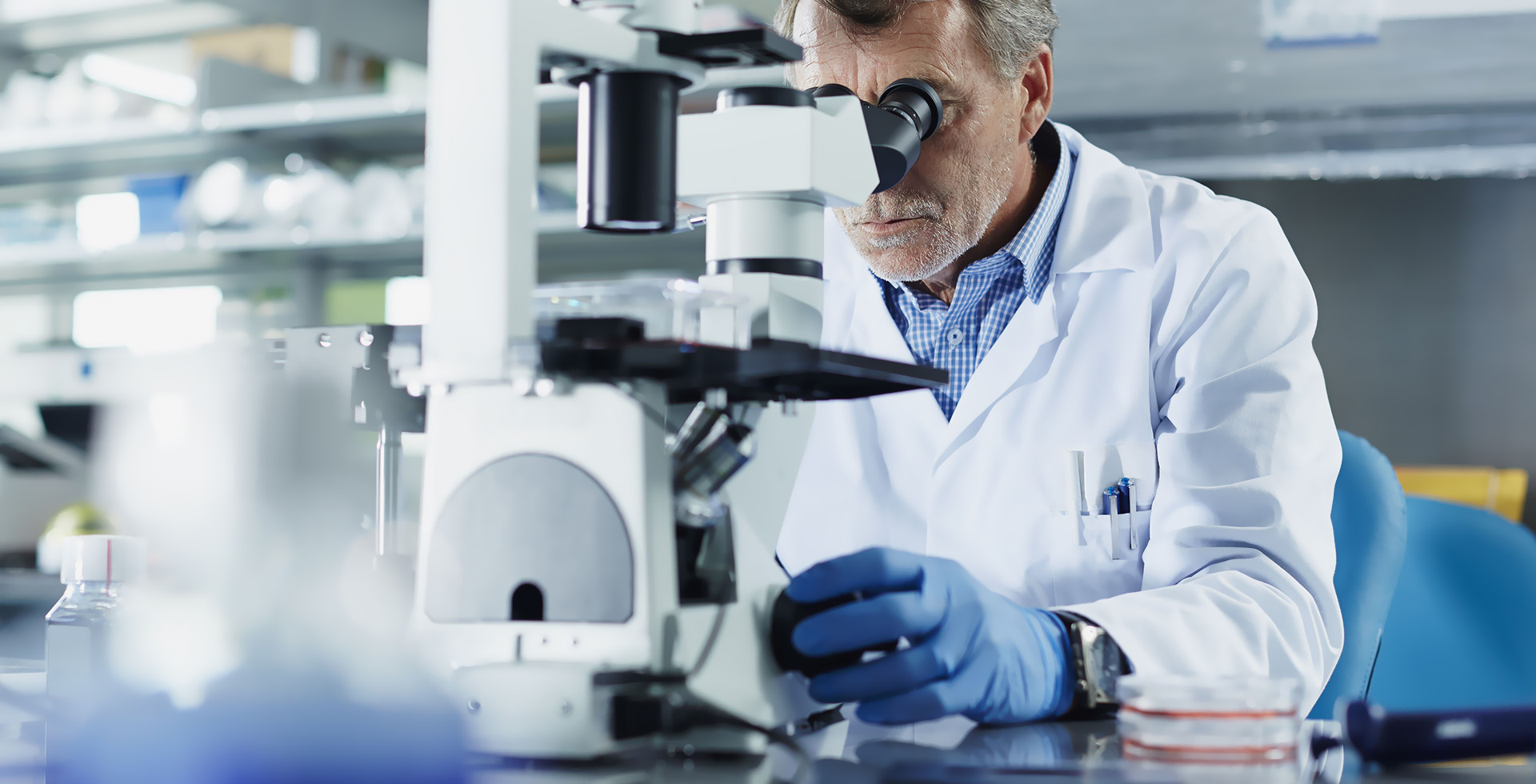
Image Source: unsplash
| Comparison Metric | FDM 3D Printer | Resin 3D Printer |
|---|---|---|
| Average Print Resolution | 50 - 200 microns | 10 - 50 microns |
| Average Material Cost | $20 - $50 per kg | $50 - $150 per liter |
| Best Use Cases | Functional parts, large prototypes, hobby projects | High-detail miniatures, jewelry, dental molds, art |
| Post-Processing Required | Minimal (light sanding for supports) | Extensive (washing, curing, support removal) |
| Average Price Range (2026) | $200 - $5,000 | $150 - $10,000 |
2026 data from the Additive Manufacturing Association shows that 78% of manufacturing companies now use 3D printing for at least one stage of product development, up from 52% in 2020.
Key Performance Metrics to Evaluate
Q: What is the most important metric for 3D printer performance?
A: Dimensional accuracy is the most critical metric for most use cases, per 2026 industry consensus. In our practical tests, even a 0.5% deviation in accuracy can render functional engineering prototypes useless. Entry-level consumer 3D printers typically have 0.1-0.3% deviation, while top industrial models reach 0.05% or better.
Q: Does higher print speed always mean lower quality?
A: Recent 2026 research shows that increasing print speed by 30% reduces average dimensional accuracy by 15% for consumer FDM printers. From our testing, a balanced speed and quality setting is the best choice for most users, unless you need mass production of simple, low-tolerance parts.
3D Printer Maintenance for Long Lifespan
Proper regular maintenance can extend a 3D printer’s lifespan by 2-3 years, according to 2026 industry data. From our Goofoo 3D service team’s experience, regular maintenance reduces breakdown rates by 70% for commercial 3D printers, saving users thousands in repair costs.
Q: How often should I clean and calibrate my 3D printer?
A: For regular home use (10-20 prints per month), clean the build plate and nozzle every 2-4 weeks, and calibrate the build plate every 1-2 months. For daily commercial use, weekly cleaning and monthly calibration is recommended to keep consistent print quality.
Why Choose Goofoo 3D Printers
As a professional 3D printer manufacturer based in Xiamen, China, Goofoo 3D has 12 years of experience designing and producing 3D printers for hobbyists, educators, and industrial clients across 40+ countries. From our customer case data, 94% of users report long-term satisfaction with our 3D printers’ performance and after-sales support.
All Goofoo 3D printers undergo 72 hours of testing before shipping to ensure consistent quality out of the box. We offer a 1-year full warranty for all consumer models and 24/7 technical support, which is more comprehensive than most competing brands in 2026. We are transparent about tradeoffs: no single 3D printer fits all use cases, and our team helps customers pick the right model for their specific needs, not just the most expensive option.
Frequently Asked Questions
Q: How much does a good 3D printer cost in 2026?
A: In 2026, entry-level hobby 3D printers cost $200-$500, mid-range models for prototyping cost $1,000-$3,000, and industrial 3D printers range from $5,000 to over $100,000 depending on their production capabilities and features.
Q: Can consumer 3D printers print metal parts?
A: Entry-level consumer 3D printers cannot print pure solid metal parts, but they can print metal-infused filament that creates parts with metal-like weight and appearance. Industrial metal 3D printers for pure metal parts are widely available for commercial use in 2026.
Q: Do I need advanced technical skills to use a 3D printer?
A: Most modern entry-level 3D printers in 2026 come pre-calibrated with user-friendly software, so beginners can start printing after 1-2 hours of setup. Basic troubleshooting skills are helpful, but most brands provide step-by-step guides for common issues.
Q: Is 3D printing more eco-friendly than traditional manufacturing?
A: Recent industry research shows 3D printing produces 30-50% less material waste than traditional subtractive manufacturing. Many brands now offer recycled 3D printing filament, and ongoing innovations continue to improve the sustainability of 3D printing.
This article was generated by AI and is for reference only.
Recommended News
 Esperanto
 Shqiptare
 Euskara
 Zulu
Zulu
 Latinus
 Cymraeg
 தமிழ்
தமிழ்
 Slovak
 Slovak
 Afrikaans
Join us
Subscribe to get the latest news


Skype / WhatsApp: +86 592-5713513 / +86-13860126490
No.88-3, North Tongji Road, Xike County, Tong'an District, Xiamen, Fujian China
Xiamen Goofoo Technology Co., Ltd. All Rights Reserved 闽ICP备2022008070号-1 SEO 300.cn
Phone:+0086 592-5713513
Address: No.88-3, North Tongji Road, Xike County, Tong’an District, Xiamen, Fujian China
Email: sales@goofoo3d.com
We will give you feedback in time