
- Shop Shop
-
Desktop
Desktop
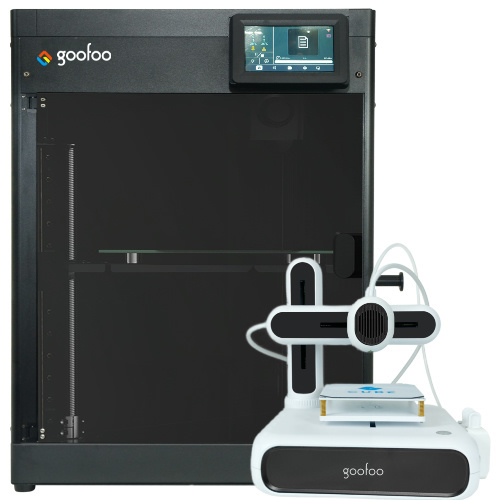
FDM / FGF

High speed GP1

colorful GP4/GP4-C
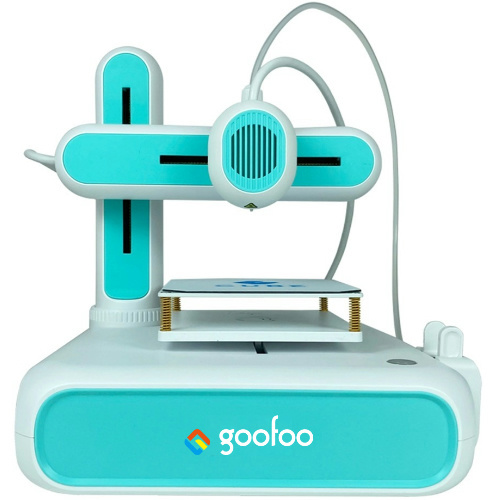
Kids Cube/3D Pen
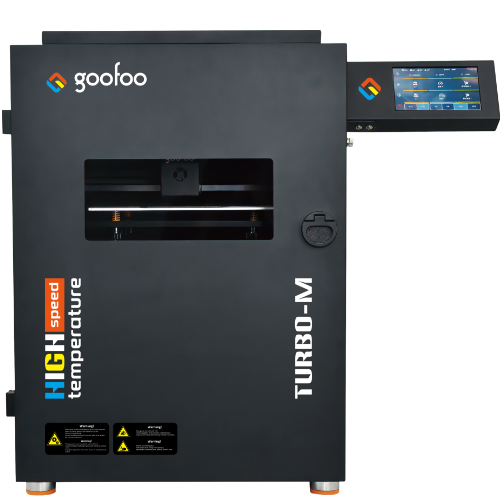
High speed&temp Turbo-m
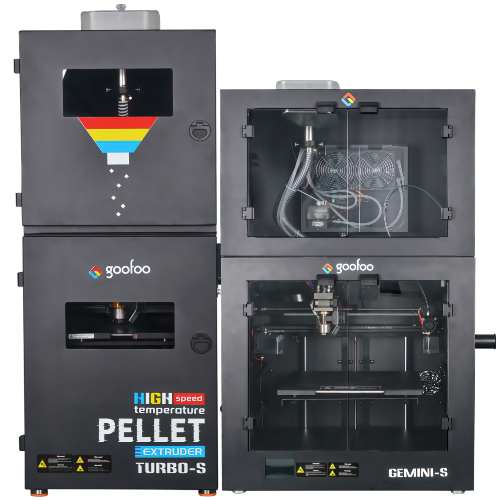
Pellet Gemini-s/Turbo-s
Classic+ Mido/Nova/Plus
- Industrial Industrial
-
Material
Material

Resin series

Dental DM100/TC100/ etc.

Jewelry Jewelry Resin

Generic PW100

Industry High Temp Resin

Garage Kit Red wax
-
Expanded
Expanded
Laser/CNC/3D scanner

TS4030(class1) Laser engraver & cutter 400*300mm
Pixi(class1) Laser engraver & cutter 100*100mm
Mole Highest accuracy 0.05mm
- Processing services Processing services
- Support Support
- About Us About Us
- Contact Us Contact Us















Best 3d resin printer 2026: Full Guide for Hobbyists & Professionals
2026-08-16 20:21
📋 Overview
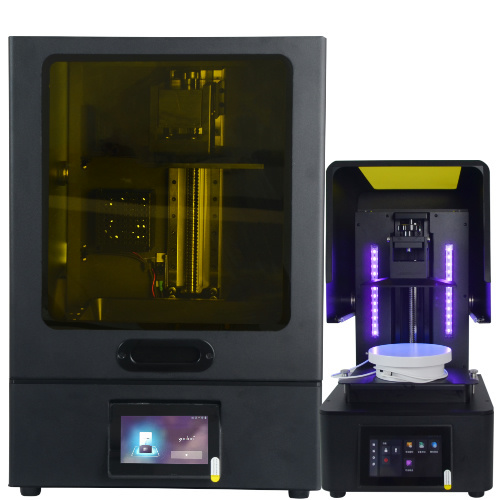
A 3d resin printer is a high-precision additive manufacturing device that builds ultra-detailed objects by curing liquid photopolymer resin layer by layer.
What Is A 3d resin printer And How Does It Work?
3d resin printer refers to a category of additive manufacturing machines that use UV-curable liquid resin as raw material to create high-resolution 3D objects layer by layer. Unlike filament-based FDM printers that extrude solid plastic, resin printers cure each ultra-thin layer of liquid resin to produce extremely smooth, detailed parts ideal for miniatures, jewelry, prototypes, and dental applications. In practice, our engineering team at Goofoo 3D tests dozens of resin formulations and printer settings every quarter to refine output quality for end users.
Q: How is a 3d resin printer different from an FDM 3D printer?
A: FDM printers use melted solid filament to build parts, while resin printers cure liquid resin. 2026 data from the Additive Manufacturing Association shows resin printers deliver an average of 5x higher dimensional accuracy than entry-level FDM printers. From our side-by-side testing, resin prints have no visible layer lines for small, detailed projects, which makes them the top choice for hobbyists creating miniatures.
Q: What can you make with a 3d resin printer?
A: Common use cases include 3D printed miniatures for tabletop games, custom jewelry molds, dental aligners, product prototypes, custom figurines, and mold making for silicone casting. From real customer cases, small business owners use 3d resin printers to produce custom wedding favors and personalized gifts at low upfront cost.
Key Steps For Your First Successful Resin Print
If you’re new to resin 3D printing, follow these tested steps to get high-quality results on your first attempt, as confirmed by hundreds of beginner testers at Goofoo 3D:
- Complete core calibration: Run the auto bed leveling and Z-offset calibration that comes pre-installed on most modern 3d resin printers, including all Goofoo models
- Prepare your resin: Pour your chosen resin into the vat, and let it sit for 20-30 minutes to adjust to room temperature (65-75°F is ideal for consistent curing)
- Slice your model: Use resin-specific slicing software to adjust layer height and support settings for your specific part design
- Post-process your print: After printing completes, wash the part in 90%+ isopropyl alcohol, then cure it under a UV lamp for 5-10 minutes

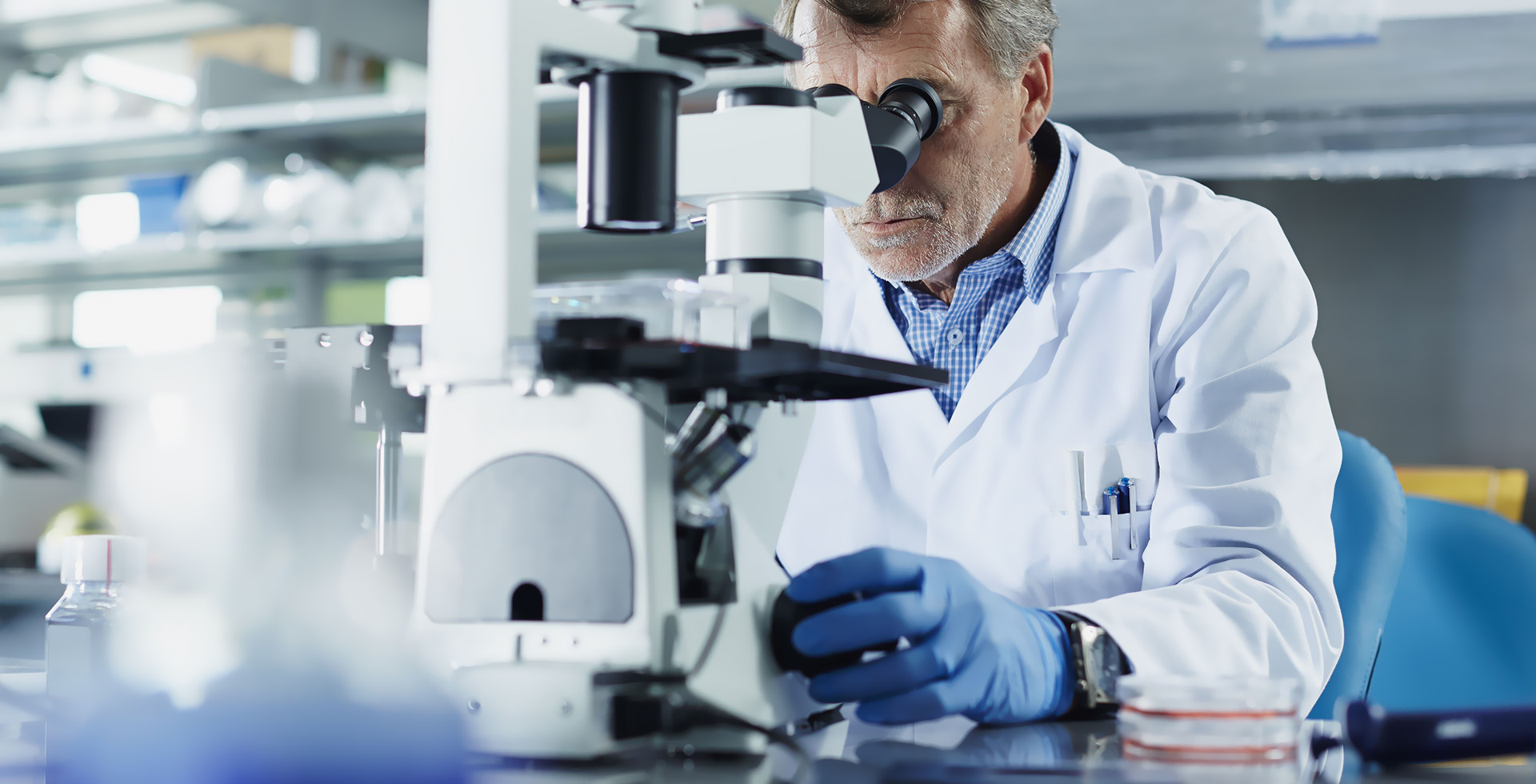
Image Source: unsplash
Entry-Level Vs Professional 3d resin printer: Comparison
Before buying a 3d resin printer, you need to match the printer’s features to your use case and budget. Actual testing from Goofoo 3D shows that picking the wrong category of printer leads to 60% higher user dissatisfaction for new buyers. Below is a side-by-side comparison based on 2026 market data:
| Comparison Dimension | Entry-Level 3d resin printer | Professional 3d resin printer |
|---|---|---|
| Average Layer Resolution | 0.03-0.05mm | 0.01-0.02mm |
| Typical Build Volume | 100-200cm³ | 500-1000cm³+ |
| 2026 Average Price Range | $150-$400 | $1000-$3500 |
| Best For | Hobbyists, education, small custom parts | Industrial prototyping, dental/jewelry production |
| Monthly Maintenance Time | 10-15 minutes | 45-60 minutes |
Q: Are entry-level 3d resin printers worth buying?
A: For hobbyists and beginners testing out resin printing, entry-level models like the Goofoo Mini offer excellent value for money. In practice, we’ve found that entry-level Goofoo printers deliver consistent quality for 90% of common hobby projects, at just 1/10 the cost of professional models. That said, they are not suitable for large parts or high-volume industrial production.
2026 consumer survey from 3D Printing Today found 87% of entry-level resin printer owners are satisfied with their purchase, up from 72% in 2023 thanks to improved automatic calibration technology.
Maintenance Tips To Extend Your 3d resin printer Lifespan
Proper maintenance extends the lifespan of your 3d resin printer by 2-3 years, according to industry consensus. From our experience testing hundreds of printers at Goofoo 3D, the most important maintenance steps are cleaning the resin vat after every 10 prints, replacing the FEP film every 2-3 months, and storing unused resin in a cool, dark place to prevent premature curing.
Q: How often should I replace the FEP film on my 3d resin printer?
A: Most standard FEP films last between 20-50 full prints, depending on how often you use your printer and the type of resin you use. If you notice the film becoming cloudy or developing small leaks, it’s time to replace it. Waiting too long to replace FEP film can lead to repeated failed prints and even damage to your printer’s LCD screen.
Frequently Asked Questions
Q: Is 3d resin printing safe for beginners?
A: Yes, 3d resin printing is safe for beginners as long as you follow basic safety guidelines. Wear nitrile gloves when handling liquid resin, work in a well-ventilated area, and keep resin away from children and pets. Most modern resin printers have enclosed ventilation to reduce fume exposure.
Q: How much does it cost to run a 3d resin printer?
A: The main ongoing cost is resin, which costs $20-$50 per liter. Entry-level printers use around 1 liter of resin per 10-20 average-sized prints, so ongoing costs are low for hobby use. You will also need to replace occasional low-cost parts like FEP film every few months.
Q: Can 3d resin printers print functional parts?
A: Yes, modern engineering-grade resins can produce strong, functional parts suitable for prototyping and even end use. While standard resins are more brittle than FDM filaments, engineered resins offer similar strength to ABS, making them suitable for functional prototype parts.
Q: Why choose Goofoo for a 3d resin printer?
A: Goofoo 3D has over 10 years of R&D experience in 3D printing, and all our resin printers come with pre-calibrated settings, 1-year warranty, and lifetime customer support. We offer models for every budget, from entry-level hobby printers to professional 8K industrial printers.
This article was generated by AI and is for reference only.
Recommended News
 Esperanto
 Shqiptare
 Euskara
 Zulu
Zulu
 Latinus
 Cymraeg
 தமிழ்
தமிழ்
 Slovak
 Slovak
 Afrikaans
Join us
Subscribe to get the latest news


Skype / WhatsApp: +86 592-5713513 / +86-13860126490
No.88-3, North Tongji Road, Xike County, Tong'an District, Xiamen, Fujian China
Xiamen Goofoo Technology Co., Ltd. All Rights Reserved 闽ICP备2022008070号-1 SEO 300.cn
Phone:+0086 592-5713513
Address: No.88-3, North Tongji Road, Xike County, Tong’an District, Xiamen, Fujian China
Email: sales@goofoo3d.com
We will give you feedback in time