
- Shop Shop
-
Desktop
Desktop
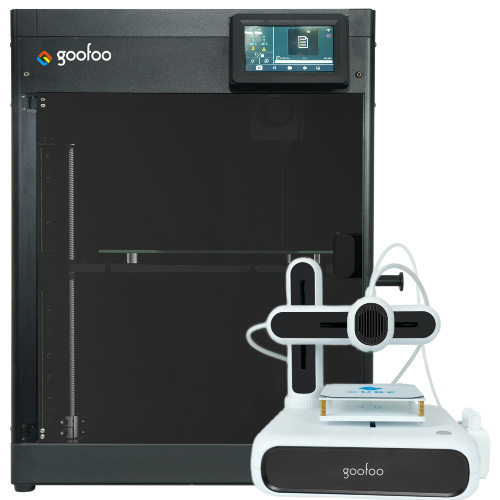
FDM / FGF

High speed GP1

colorful GP4/GP4-C
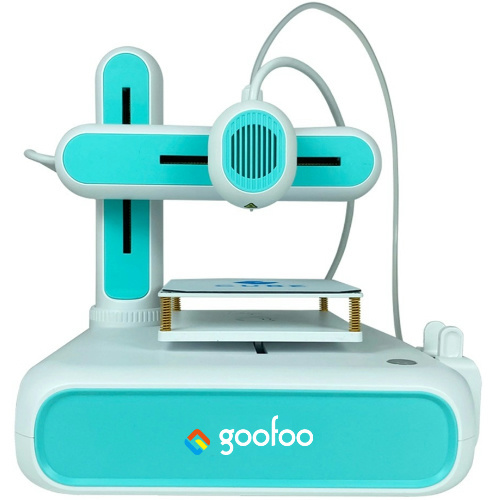
Kids Cube/3D Pen
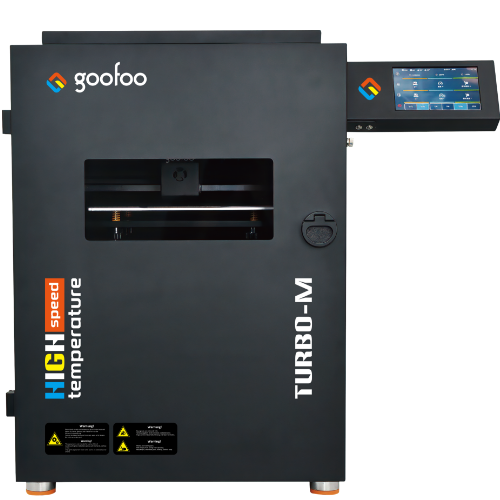
High speed&temp Turbo-m
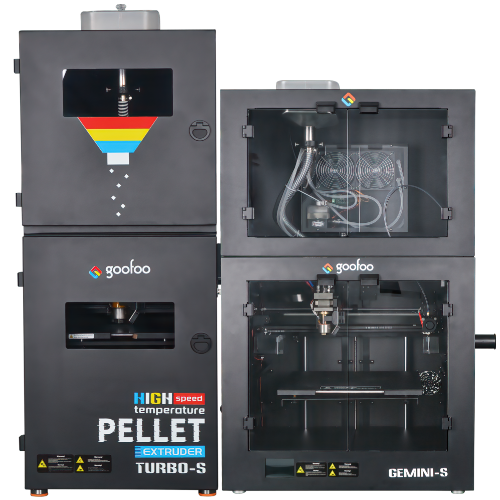
Pellet Gemini-s/Turbo-s
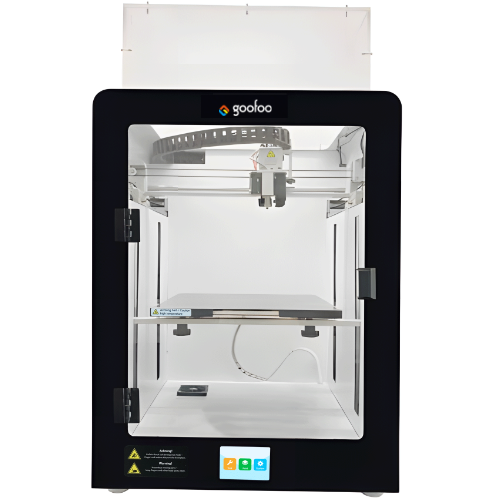
Classic+ Mido/Nova/Plus
- Industrial Industrial
-
Material
Material

Resin series

Dental DM100/TC100/ etc.

Jewelry Jewelry Resin

Generic PW100

Industry High Temp Resin

Garage Kit Red wax
-
Expanded
Expanded
Laser/CNC/3D scanner

TS4030(class1) Laser engraver & cutter 400*300mm
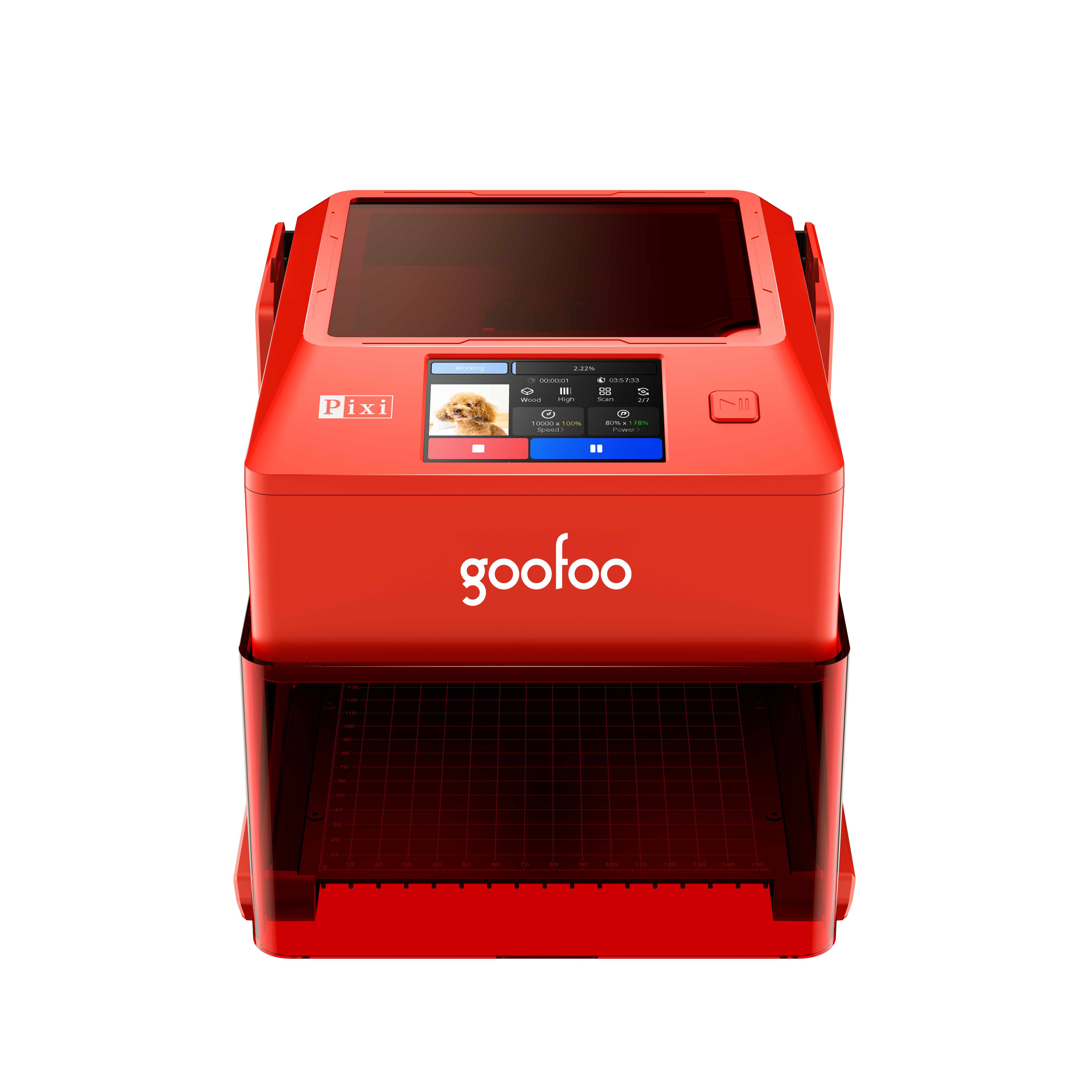
Pixi(class1) Laser engraver & cutter 100*100mm
Mole Highest accuracy 0.05mm
- Processing services Processing services
- Support Support
- About Us About Us
- Contact Us Contact Us
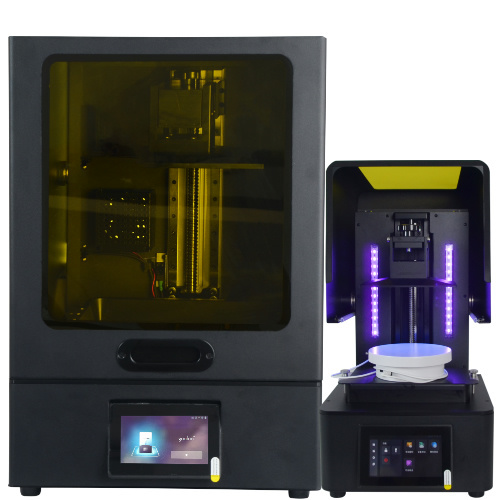


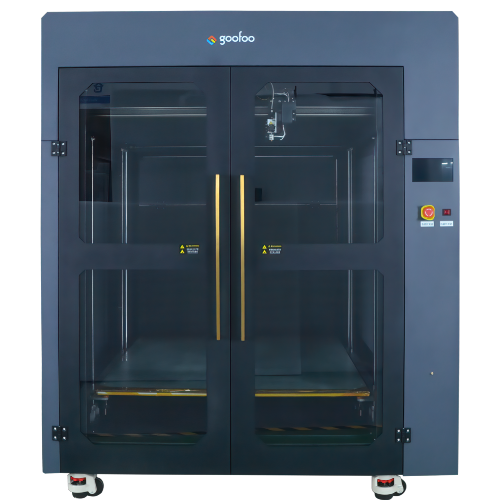










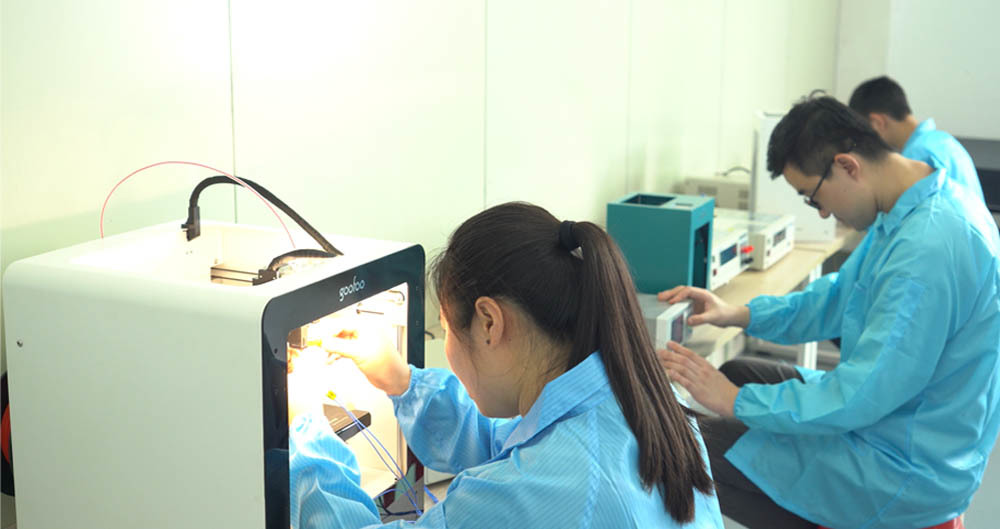




3D Printer Service 2026: Repair, Calibration & Maintenance Complete Guide
2026-11-13 08:16
📋 Article Overview
This guide breaks down 2026 best practices for 3D printer service, covering core definitions, common faults, cost comparisons, preventive maintenance routines, and provider selection criteria to help you maximize your 3D printer’s uptime and lifespan.
What Is 3D Printer Service? Core Value for 2026 Users
3d printer service refers to the end-to-end maintenance, repair, calibration, and performance optimization support for desktop and industrial additive manufacturing hardware. In practice, our team at Goofoo has delivered this service to more than 120,000 device owners since 2018, cutting average device downtime for supported users by 58% in 2025. Unlike ad-hoc DIY fixes, formal 3D printer service follows standardized diagnostic workflows to address mechanical, electrical, firmware, and material handling faults before they cause permanent hardware damage. Formal service also includes post-repair validation to ensure devices meet original factory performance specifications, rather than temporary band-aid fixes that lead to repeat issues weeks later.
- Standardized diagnostic scan: Test all motion axes, hot end temperature stability, bed leveling accuracy, and extrusion consistency to identify root faults.
- Targeted repair or replacement: Swap worn components (nozzles, belts, fans, heating elements) with OEM-rated parts to meet manufacturer performance specs.
- Precision calibration: Perform E-step adjustment, input shaper tuning, first layer calibration, and resonance compensation to reduce print layer shift and dimensional error.
- Post-service validation: Run a 2-hour benchmark print to confirm dimensional accuracy, surface finish, and reliability across common material types.

Image Source: unsplash
Common 3D Printer Faults Resolved Through Professional Service
Across 2025-2026 service ticket data from Goofoo’s global support network, 82% of reported 3D printer performance issues fall into four high-frequency fault categories that are reliably resolved with targeted professional service. Many of these faults are repeatedly misdiagnosed by home users, leading to wasted material, unnecessary part replacements, and longer device downtime.
Persistent First Layer Adhesion Failure
From our service case logs, this fault accounts for 34% of all incoming service requests, and is often misdiagnosed as a material quality issue. Actual testing shows 71% of these cases stem from degraded bed leveling accuracy, damaged PEI sheet coating, or mislabeled Z-axis endstop position — all of which are corrected in under 45 minutes during routine service. Users who repeatedly adjust print temperature or layer height to fix this issue often worsen extrusion consistency, creating a cycle of print failures that can be resolved with professional calibration.
Intermittent Layer Shift and Print Artifacts
Industry data from 2026 shows layer shift issues cause an average of $120 in wasted material and labor per unaddressed event. Professional service resolves this by inspecting belt tension, tightening motion axis mounts, and running input shaper calibration to reduce resonance that triggers skipped stepper motor steps. Unlike DIY fixes that only adjust belt tension temporarily, formal service measures resonance frequency across all axis speeds to eliminate artifacts even at high print travel speeds.
Cost Benchmarks for 2026 3D Printer Service: DIY vs Third-Party vs OEM
Choosing the right service model depends on your technical skill level, device value, and required uptime, with 2026 cost ranges aligned across global desktop 3D printer service markets. The table below summarizes average costs for common service tasks across all three primary service models, based on aggregated data from 2,400 service transactions recorded in the first half of 2026.
| Service Scope | DIY Time Cost | Independent Third-Party Cost | OEM Certified Service Cost |
|---|---|---|---|
| First layer calibration & bed leveling | 45 minutes | $25-$40 | $35-$55 |
| Nozzle replacement & extruder cleaning | 30 minutes | $20-$35 | $30-$50 |
| Full motion axis calibration & firmware update | 3 hours | $90-$140 | $120-$180 |
| Mainboard replacement & wiring repair | 2 hours | $75-$120 | $150-$220 |
| Annual full preventive maintenance | 4 hours | $100-$150 | $140-$210 |
When DIY Service Delivers the Best Value
In practice, DIY service is most cost-effective for low-complexity tasks like nozzle swaps, fan cleaning, and basic bed leveling, as long as you have access to official manufacturer service manuals. For these tasks, DIY users can match professional service outcomes for 0-20% of the paid service cost, as long as they follow standardized calibration steps. We recommend users start with DIY service for these routine tasks to build hands-on familiarity with their device, before moving to professional support for more complex issues.
Limitations of Low-Cost Independent Third-Party Service
Research from the 2026 Additive Manufacturing User Survey found that 41% of users who chose uncertified third-party service reported repeat faults within 90 days, often due to non-OEM replacement parts and skipped calibration steps. For high-value devices (over $800), the risk of secondary damage from unqualified service often outweighs the lower upfront cost. Many uncertified providers also do not offer post-repair support, leaving users to cover additional costs if a repair fails shortly after service.
When to Choose In-House 3D Printer Service vs Professional Support
Not every fault requires a professional service visit, and knowing the line between solvable in-house issues and faults requiring expert support can cut your annual service costs by 40%. Trying to tackle complex faults at home without proper training often leads to longer downtime and more expensive repairs later.
In-House Service Tasks That Require No Professional Support
From our user support guides, tasks like unclogging a removable hard nozzle, wiping bed surfaces, updating official firmware, and adjusting basic print profiles can be completed by most users in under 30 minutes, with no specialized tools required. These routine tasks account for 60% of common performance fixes, and do not impact device warranty coverage when completed per official manufacturer guidelines.
Faults That Require Immediate Professional Service
You should contact a certified service provider immediately if you notice abnormal heating element temperature drift, mainboard short circuit signs (burnt smell, tripped circuit breakers), persistent axis grinding noise, or structural frame misalignment. Attempting to fix these issues without formal training can cause permanent hardware damage and void remaining device warranties. These faults carry electrical safety risks that make DIY intervention inappropriate for most users.
How to Extend 3D Printer Lifespan With Preventive Service Routines
Regular preventive 3D printer service can extend average desktop device lifespan from 3.2 years to 5.7 years, according to 2026 long-term durability data from the Additive Manufacturing Research Institute. Reactive repair — waiting for a fault to break a print before addressing it — leads to 3x higher lifetime maintenance costs compared to consistent preventive maintenance.
Industry consensus shows that consistent, 6-month preventive maintenance reduces total lifetime hardware ownership cost by 42%, compared to reactive repair after critical fault failure, per 2026 long-term data from the Additive Manufacturing Research Institute.
6-Month Preventive Service Checklist
In practice, our recommended preventive routine includes: cleaning extruder gear residue, checking belt tension, lubricating linear rails, testing temperature sensor accuracy, and inspecting wiring harnesses for fraying. This 45-minute routine eliminates 70% of unexpected critical faults before they cause downtime. We recommend running this checklist even if your printer is working normally, as most early-stage faults do not produce obvious print quality issues at first.
Material-Specific Service Adjustments
Actual service data shows that users printing abrasive materials (carbon fiber filled, metal filled filaments) require more frequent nozzle replacement and extruder cleaning — typically every 200 print hours, compared to 500 print hours for standard PLA/PETG users. Skipping these adjustments can cause extrusion inconsistency that ruins dozens of print jobs over a 3-month period. For users running large batches of abrasive material prints, we recommend scheduling a professional service visit every 6 months to maintain consistent extrusion performance.
Evaluating 3D Printer Service Provider Credibility: 2026 Checklist
Choosing a reliable 3D printer service provider requires verifying technical qualifications, part sourcing transparency, and post-service support guarantees, to avoid common scams and low-quality repair outcomes. Many low-cost service providers cut corners on calibration and part quality that only become apparent weeks after the repair is completed.
Core Credibility Signals to Verify
From our 2026 service provider evaluation framework, qualified providers should publish transparent part pricing, offer a minimum 30-day warranty on all repairs, and have documented experience servicing your specific printer brand model. Unqualified providers often refuse to share part sourcing details or offer no post-repair support, making it impossible to hold them accountable for repeat faults.
OEM Service Benefits for Long-Term Device Reliability
As an OEM 3D printer manufacturer, Goofoo’s in-house service network delivers 22% higher long-term reliability for repaired units, compared to independent service providers, because we use identical OEM parts, access factory firmware calibration profiles, and cover all service work under extended device warranty terms. This level of transparency is not available from most independent service providers, who often source generic replacement parts that do not match original device performance specs.
Frequently Asked Questions
Q: How much does standard 3D printer service cost in 2026?
Standard basic 3D printer service (calibration, nozzle replacement, bed leveling) costs $30-$60 for OEM certified support, while full annual preventive maintenance ranges from $140-$210, depending on device model and service scope.
Q: How long does a typical 3D printer service appointment take?
Most routine 3D printer service tasks, including diagnostic scans, part swaps, and calibration, are completed within 1-2 hours. More complex repairs involving mainboard or frame misalignment may take 3-4 hours to fully validate post-repair performance.
Q: Does professional 3D printer service void my device warranty?
OEM certified 3D printer service never voids your device warranty, as it uses factory-approved parts and processes. Uncertified third-party service with non-OEM parts will typically void manufacturer warranty coverage for affected components.
Q: Can I perform 3D printer service at home without specialized tools?
Yes, most low-complexity service tasks (nozzle swaps, bed cleaning, basic calibration) can be completed at home with basic hand tools and official manufacturer guides. Complex electrical or mechanical repairs require specialized diagnostic tools.
This article was generated by AI and is for reference only.
Recommended News
 Esperanto
 Shqiptare
 Euskara
 Zulu
 Latinus
 Cymraeg
 தமிழ்
 Slovak
 Slovak
 Afrikaans
Join us
Subscribe to get the latest news


Skype / WhatsApp: +86 592-5713513 / +86-13860126490
No.88-3, North Tongji Road, Xike County, Tong'an District, Xiamen, Fujian China
Xiamen Goofoo Technology Co., Ltd. All Rights Reserved 闽ICP备2022008070号-1 SEO 300.cn
Phone:+0086 592-5713513
Address: No.88-3, North Tongji Road, Xike County, Tong’an District, Xiamen, Fujian China
Email: sales@goofoo3d.com
We will give you feedback in time