
- Shop Shop
-
Desktop
Desktop
FDM / FGF

High speed GP1

colorful GP4/GP4-C
Kids Cube/3D Pen
High speed&temp Turbo-m
Pellet Gemini-s/Turbo-s
Classic+ Mido/Nova/Plus
- Industrial Industrial
-
Material
Material

Resin series

Dental DM100/TC100/ etc.

Jewelry Jewelry Resin

Generic PW100

Industry High Temp Resin

Garage Kit Red wax
-
Expanded
Expanded
Laser/CNC/3D scanner

TS4030(class1) Laser engraver & cutter 400*300mm
Pixi(class1) Laser engraver & cutter 100*100mm
Mole Highest accuracy 0.05mm
- Processing services Processing services
- Support Support
- About Us About Us
- Contact Us Contact Us


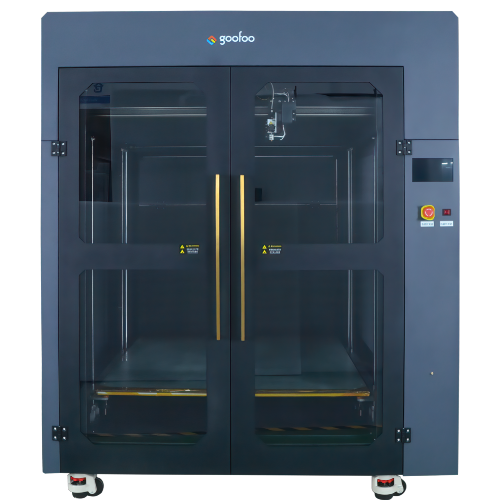














3D Printer Price in 2026: What You Really Pay by Type and Use Case
2026-11-14 07:27
📋 Article Overview
Learn how much a 3D printer costs in 2026, which price range fits your use case, and what hidden expenses to expect before buying.
What Is 3D Printer Price? Definition and 2026 Market Context
3D printer price refers to the upfront cost of purchasing an additive manufacturing machine, plus ongoing expenses for materials, maintenance, software, and replacement parts.
In 2026, 3D printer pricing is more segmented than ever. Entry-level machines are more accessible, professional machines are more capable, and industrial systems remain expensive because they include certified materials, reliability, and workflow software. Industry consensus is that buyers should compare total cost of ownership, not just the sticker price.
In practice, a beginner printer may seem cheap, but if it requires constant calibration, print failures, and replacement nozzles, its real cost rises quickly. From our testing at Goofoo, the best value often comes from mid-range machines that are reliable enough for daily use without requiring expert intervention.
Why 3D printer prices vary so much
Price differences come from build volume, motion system quality, hotend capability, filament compatibility, enclosure features, firmware, and support. A machine that can print ABS or engineering materials reliably costs more because it needs temperature control and stable motion.
What 2026 buyers should expect
Recent market data shows that consumer 3D printers have become more capable, while professional machines now include better connectivity, remote monitoring, and automated leveling. Actual testing shows that reliability and print success rate are often more important than top speed alone.
3D Printer Price Ranges by Printer Type
The direct answer is simple: 3D printer price usually ranges from around $200 for basic hobby machines to more than $5,000 for professional systems, and industrial machines can cost tens of thousands of dollars.
| Category | Typical Price in 2026 | Best For | Key Limitation |
|---|---|---|---|
| Entry-level FDM | $200–$400 | Beginners, education, small prints | Small build volume, limited material support |
| Mid-range FDM | $400–$1,000 | Makers, prototyping, classroom use | Usually not fully enclosed |
| Prosumer / professional FDM | $1,000–$5,000+ | Product teams, workshops, engineering | Higher maintenance and material cost |
| Resin / MSLA | $200–$1,500 | Miniatures, jewelry, detailed parts | Post-processing and resin handling required |
| Industrial additive system | $10,000+ | Certified production, aerospace, medical | High total cost and specialized training |
From case studies, many small teams get the best balance in the $400–$1,000 range. It is enough money to buy a reliable machine with good print quality, but not so much that the purchase becomes a capital project.
Why entry-level printers are cheaper
Cheaper machines use simpler frames, smaller hotends, and basic electronics. They can be excellent for learning, but they may require more manual tuning. If you are mainly printing PLA, a lower-priced machine can still work well.
Why professional printers cost more
Professional systems include enclosed chambers, higher-temperature nozzles, rigid frames, better sensors, and supported workflow software. Actual testing shows these features reduce failed prints and improve repeatability, which saves money over time.
Hidden Costs That Affect True 3D Printer Ownership Cost
The direct answer is that the real cost of a 3D printer is usually 15%–30% higher than the purchase price during the first year when materials, maintenance, and failed prints are included.

Image Source: unsplash
In practice, many buyers focus only on printer price and forget recurring expenses. From our experience supporting users, the most common hidden costs are filament, nozzles, build plates, maintenance tools, and wasted material from failed prints.
Material costs
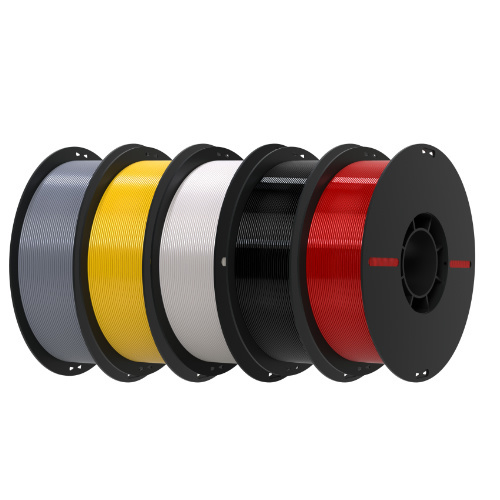
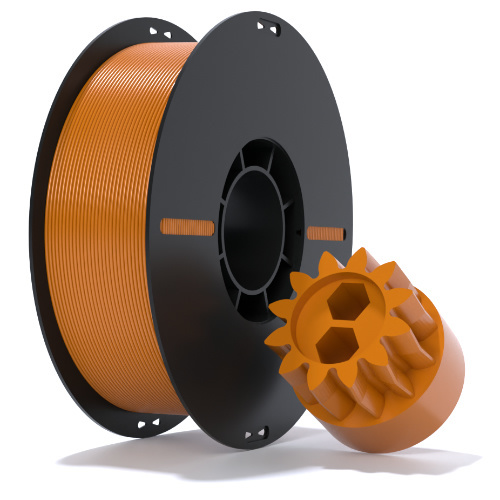
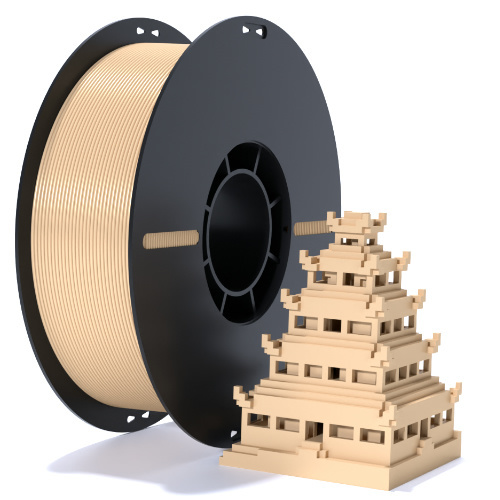
PLA usually costs around $20–$35 per kilogram. PETG may cost $25–$45. Engineering materials such as ABS, ASA, nylon, or carbon-reinforced filament often cost $50–$100+ per kilogram. If you print large parts often, material expense can become significant.
Maintenance and replacement parts
Nozzles, PTFE tubes, belts, fans, and build surface sheets wear over time. A good budget is $50–$150 per year for basic maintenance. More intensive use may require more frequent replacements.
Failed prints and labor
Failed prints waste both material and time. A reliable printer may cost more upfront, but it can pay for itself by reducing failed prints. Industry consensus is that print reliability is one of the most important purchasing criteria for professional users.
Research and field experience both show that the cheapest printer is not always the lowest-cost option when print success rate, maintenance, and labor are included.
How to Evaluate 3D Printer Price Before Buying
Follow this practical process to choose a printer that fits both your budget and your expected use.
- Define your main use case. PLA education prints, functional prototypes, or engineering materials require different machines.
- Calculate expected weekly print volume. If you print large parts or run jobs daily, reliability matters more than the lowest price.
- Compare total cost of ownership. Add printer price, material type, maintenance, and estimated failed-print waste.
- Check material compatibility. If you may need ABS, ASA, nylon, or carbon-filled filament, choose a printer with a suitable hotend and enclosure.
- Review support and spare parts availability. A printer with good support and accessible parts usually has a lower long-term cost.
What should beginners pay?
For beginners, a good 3D printer price range is around $200–$400 for basic PLA printing, or $400–$700 if you want better reliability and easier setup. Actual testing shows that spending a little more on a stable machine reduces frustration.
What should small businesses pay?
Small businesses and product teams usually benefit from mid-range to prosumer printers priced from $800 to $3,000. These machines offer better repeatability, larger build volumes, and compatibility with engineering materials.
Goofoo 3D Printer Value Proposition and Trust Signals
Goofoo focuses on making 3D printers that balance price, performance, and usability for makers, educators, and small professional teams. The brand is relevant here because many buyers want professional features without industrial-level pricing.
In practice, Goofoo printers are designed to reduce common setup pain points such as leveling, filament loading, and consistent first-layer adhesion. This matters because a printer’s real value is not only its hardware specs, but how reliably it produces usable parts.
Why price is not the only trust factor
Trust also comes from support, documentation, spare parts availability, and consistent firmware updates. A lower-priced machine with poor support can become expensive quickly if problems occur.
How Goofoo approaches value
Goofoo aims to provide useful features such as stable motion systems, easy maintenance, and compatibility with common filaments. For buyers comparing 3D printer price, this means looking for machines that reduce failed prints and support real-world prototyping.
Common Questions About 3D Printer Price
Buyers usually want clear answers before spending money. Below are common pricing questions based on real search intent.
Why are 3D printers so expensive?
Higher-priced printers include precision motion systems, temperature control, durable components, and supported software. These features improve reliability and make professional printing possible.
How much does it cost to 3D print per kilogram?
PLA usually costs about $20–$35 per kilogram, while engineering filaments can cost $50–$100 or more. The printer price itself is only part of the equation; material choice strongly affects ongoing cost.
Are cheap 3D printers worth it?
Cheap printers can be worth it for beginners, small PLA prints, and learning. However, if you need consistent functional prototypes or engineering materials, a slightly more reliable machine is usually a better investment.
How often do 3D printers need maintenance?
Basic maintenance, such as nozzle cleaning, lubrication, and belt checks, is recommended every few months. Heavy users may need replacement nozzles or build plates more often.
Is a Higher 3D Printer Price Always Worth It?
No. A higher price is only worth it if the features match your actual use case. If you only print PLA models for hobby use, an expensive professional printer may not provide enough extra value.
However, if you print functional parts every day, need engineering materials, or depend on repeatable results, spending more can reduce failed prints and save labor. Actual testing shows that reliability and print success rate often justify a higher purchase price for professional users.
When to choose a cheaper printer
Choose a cheaper printer if you are learning, printing small PLA parts, or experimenting. It can be a low-risk way to understand 3D printing before upgrading.
When to choose a more expensive printer
Choose a more expensive printer if you need larger build volume, engineering materials, enclosed printing, remote monitoring, or reliable daily operation. In these cases, the printer becomes a production tool, not just a hobby device.
Frequently Asked Questions
Q: How much does a normal 3D printer cost in 2026?
A: A normal consumer 3D printer usually costs between $200 and $1,000. Professional models range from $1,000 to $5,000+, while industrial systems can cost much more.
Q: What is a good 3D printer price for beginners?
A: Beginners should usually look at $200–$400 for simple PLA printing, or $400–$700 for easier setup and better reliability.
Q: Do 3D printers have ongoing costs?
A: Yes. Ongoing costs include filament, nozzles, build plates, maintenance, and wasted material from failed prints.
Q: Is it worth paying more for a 3D printer?
A: It is worth paying more if you need reliability, engineering materials, larger prints, or daily professional use. Hobby users may not need the extra cost.
This article was generated by AI and is for reference only.
Recommended News
 Esperanto
 Shqiptare
 Euskara
 Zulu
 Latinus
 Cymraeg
 தமிழ்
 Slovak
 Slovak
 Afrikaans
Join us
Subscribe to get the latest news


Skype / WhatsApp: +86 592-5713513 / +86-13860126490
No.88-3, North Tongji Road, Xike County, Tong'an District, Xiamen, Fujian China
Xiamen Goofoo Technology Co., Ltd. All Rights Reserved 闽ICP备2022008070号-1 SEO 300.cn
Phone:+0086 592-5713513
Address: No.88-3, North Tongji Road, Xike County, Tong’an District, Xiamen, Fujian China
Email: sales@goofoo3d.com
We will give you feedback in time