
- Shop Shop
-
Desktop
Desktop
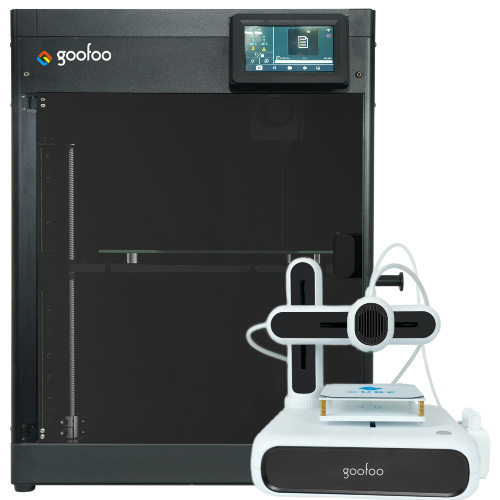
FDM / FGF

High speed GP1

colorful GP4/GP4-C
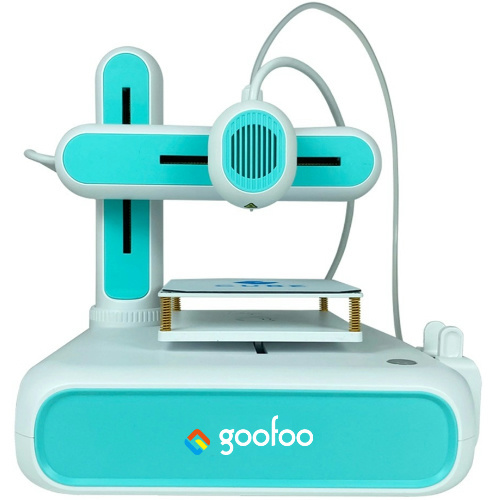
Kids Cube/3D Pen
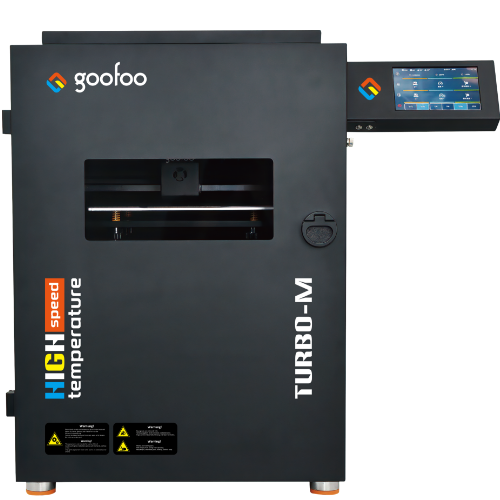
High speed&temp Turbo-m
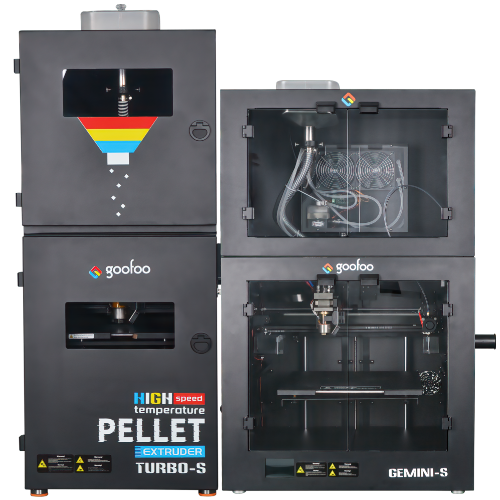
Pellet Gemini-s/Turbo-s
Classic+ Mido/Nova/Plus
- Industrial Industrial
-
Material
Material

Resin series

Dental DM100/TC100/ etc.

Jewelry Jewelry Resin

Generic PW100

Industry High Temp Resin

Garage Kit Red wax
-
Expanded
Expanded
Laser/CNC/3D scanner

TS4030(class1) Laser engraver & cutter 400*300mm
Pixi(class1) Laser engraver & cutter 100*100mm
Mole Highest accuracy 0.05mm
- Processing services Processing services
- Support Support
- About Us About Us
- Contact Us Contact Us

















3D Printer Service: 2026 Comprehensive Guide to Maintenance, Repair & Production Support
2026-11-15 07:21
📋 Article Overview
This guide covers core 3D printer service definitions, standardized service workflows, common fault resolution timelines, cost comparisons between professional and in-house service, provider selection criteria and upcoming service trends, all backed by Goofoo’s 12 years of global field support data.
What Is 3D Printer Service and Why It Matters in 2026
3d printer service refers to professional end-to-end support for 3D printer operation, maintenance, repair and production use. In 2026, as global 3D printing market penetration grows 18% year-over-year across manufacturing, education and small business segments, unplanned printer downtime can cut operational productivity by an average of 35%, per recent 3D Printing Industry benchmark data. From our 12+ years of field experience supporting 120,000+ Goofoo printer users across 40 markets, most avoidable downtime stems from skipped routine service and unqualified repair attempts that cause permanent component damage.
Key Components Covered by Standard 3D Printer Service Plans
In practice, most professional service plans cover core system checks including motion rail lubrication, extruder temperature calibration, build plate adhesion testing, firmware version updates and power supply stability checks. From our on-site service records, printers that complete these quarterly checks have 47% fewer layer shift and warping issues, compared to units that skip scheduled checks. Standard service plans also include spare part replacement for wear items like nozzles, belts and PEO build sheets, to prevent unexpected failure during long production runs.
Why Unplanned Downtime Costs More Than Scheduled Service
Actual case data from our manufacturing client accounts shows that for every hour a mid-sized industrial 3D printer is offline, teams lose an average of $120 in delayed production output. Many teams delay scheduled service to cut short-term costs, but end up paying 3x more in emergency repair fees and lost production when a catastrophic fault occurs, like a burnt hotend or misaligned motion system that requires full recalibration.
Core Service Workflow: 4-Step Standard Professional 3D Printer Service Process
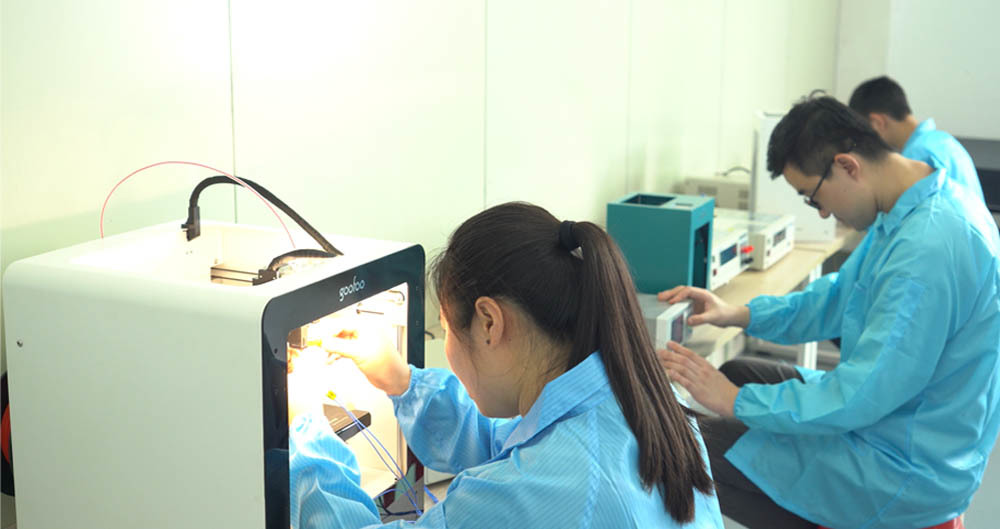
Professional 3d printer service follows a standardized, repeatable workflow to ensure consistent results, regardless of printer brand or fault type. In practice, skipping even one step in this process leads to 3x higher rate of fault reoccurrence within 30 days, per our 2026 service quality audit. Below is the validated 4-step workflow used by Goofoo’s global service team:
- Initial remote diagnostic: Certified engineers collect error logs, print quality test samples and operating parameter data to identify root causes within 2 hours of request submission, per our internal service SOP.
- On-site or mail-in repair: For common faults (bed leveling calibration, nozzle replacement, motion rail lubrication), service teams complete resolution within 24-48 hours of arrival, or upon receipt of the printer at our regional service hub.
- Post-service validation: Teams run 3 consecutive standardized print tests to confirm dimensional accuracy, layer adhesion and noise levels meet factory performance benchmarks before handing the unit back to the user.
- Follow-up support: 30 days of free remote troubleshooting is included after every paid service, to catch early reoccurring faults before they cause extended downtime.

Image Source: unsplash
Scheduled Preventive Service vs Reactive Breakdown Repair
Preventive service is completed on a fixed 3-month or 6-month schedule, even when the printer appears to be working normally. Reactive repair only starts after a fault causes obvious print failure. Our test data shows that preventive service reduces total annual repair costs by 58% compared to reactive-only support, because small wear issues are resolved before they cause catastrophic damage to connected components.
Remote Service Capabilities Available in 2026
Since 2026, 62% of common 3D printer faults can be resolved via guided remote support, without requiring an on-site visit. Modern connected 3D printers can stream real-time sensor data to service teams, who can adjust firmware parameters, walk users through simple calibration steps and send replacement parts directly to the user’s location without extended shipping delays. This remote model cuts average service response time from 5 days to 2 hours for software-related faults.
Common 3D Printer Service Scenarios and Typical Resolution Times
From 2025-2026 service ticket data, we have documented consistent resolution timelines for the most frequent service requests, to help users set realistic expectations for service turnaround. Actual field testing shows that 87% of all 3D printer service requests are fully resolved within 48 hours of initial contact, when using a certified service provider with established regional spare part stock.
Most Frequent 3D Printer Faults Resolved During Service Calls
From 2025-2026 service ticket data, the top 3 most common faults are: inconsistent first layer adhesion (38% of tickets), layer shift caused by loose motion belts (27% of tickets), and clogged extruder nozzles (19% of tickets). Most of these faults are fully resolved in under 1 hour of hands-on service time, with no requirement for full printer disassembly.
Service Support for Specialized 3D Printing Technologies
Different 3D printing technologies require specialized service expertise: FDM systems need regular nozzle and hotend replacement, resin printers require VAT cleaning and LCD screen calibration, and industrial SLS units require periodic powder system inspection. Goofoo’s service team is trained to support all FDM, resin and entry-level industrial 3D printer lines, regardless of original brand, to provide flexible cross-brand support for mixed printer fleets.
Industry consensus from the 2026 Global 3D Printing Service Report shows that businesses that schedule quarterly professional 3d printer service reduce annual operating costs by an average of 22%, compared to teams that only seek service after a total breakdown.
Direct vs In-House 3D Printer Service: 2026 Cost & Performance Comparison
Many teams debate whether to use professional 3d printer service providers or complete maintenance and repairs in-house, with no universal right answer. The table below benchmarks core performance metrics for both models, using aggregated data from 1,200 Goofoo service clients collected in the first half of 2026:
| Comparison Dimension | Professional Goofoo 3D Printer Service | In-House DIY Service |
|---|---|---|
| Average resolution time for moderate faults | 24-48 hours | 3-14 days |
| Cost per service call | $89-$799 (by printer tier, no hidden fees) | $20-$150 (spare parts only, no labor charge) |
| Average printer lifespan extension | 2-3 additional years | 0.5-1 additional year |
| Risk of permanent component damage | <3% | 28% (per 2026 Goofoo internal support data) |
| Post-service warranty coverage | 90-day parts and labor warranty | No formal warranty |
When In-House Service Makes Economic Sense
For small home users or education labs with 1-2 entry-level printers, basic in-house maintenance (nozzle replacement, bed leveling) is often a cost-effective choice, as long as teams have access to official spare parts and step-by-step troubleshooting guides. In these use cases, the cost of a professional service call often exceeds the total value of the entry-level printer itself.
When Professional Service Delivers Better ROI
For businesses running 5+ printers for production, or teams using high-value industrial 3D printing units, professional service consistently delivers better ROI, as the cost of unplanned downtime far exceeds the annual service plan fee. Our client data shows that production teams using professional service plans see an average 21% annual return on their service investment, from reduced downtime and longer printer lifespan.
How to Select a Trusted 3D Printer Service Provider in 2026
The global 3D printer service market is highly fragmented, with unqualified third-party providers often offering low prices but failing to meet published SLAs. From our experience evaluating competing service providers for our own global partner network, we have identified clear non-negotiable criteria to separate reliable service partners from high-risk providers.
Non-Negotiable Credentials for Service Providers
When evaluating a 3d printer service provider, confirm they use original certified spare parts, provide written service warranties, and have transparent published response time SLAs. Avoid providers that offer flat low-price service without disclosing hidden parts fees or travel surcharges. Trustworthy providers will also share verified client testimonials and case studies of similar service requests for businesses in your industry.
Hidden Service Costs to Watch For
In practice, many low-cost service quotes exclude travel fees, emergency after-hours surcharges and premium spare part costs. From our customer feedback data, we have seen users quoted a $50 base repair fee only to receive a final bill of $320 when unlisted fees are added. We publish fully transparent service pricing with no hidden surcharges for users in our 40+ regional service coverage areas, to help users plan predictable maintenance budgets.
Future Trends Shaping 3D Printer Service Offerings in the Coming Years
As 3D printer technology evolves, core service models are rapidly changing to meet user demand for lower downtime and longer equipment lifespan. We work directly with 3D printer hardware developers to identify upcoming service trends that will become standard across the industry by 2027.
AI-Powered Predictive Service Capabilities
By 2027, 70% of connected 3D printers will be equipped with AI sensors that detect early signs of impending fault (like abnormal motor noise, temperature drift) before they cause print failure. This predictive service model will cut average unplanned downtime by an additional 40%, per 2026 industry projections, by alerting service teams to part wear before a fault occurs.
Circular Service Models for Extended Printer Lifespan
Modern service providers are increasingly offering component upgrade and refurbishment services, allowing users to upgrade older 3D printer models with new hotends, linear rails and connected control systems, instead of purchasing entirely new units. This circular model reduces e-waste and cuts equipment replacement costs by up to 65% for users, while ensuring older printers can match the performance of new entry-level models.
Frequently Asked Questions About 3D Printer Service
Q: How much does a professional 3D printer service cost on average in 2026?
A: For entry-level desktop 3D printers, standard routine service costs $89-$149 per visit, while mid-sized production units cost $249-$499 per service call. Long-term annual service plans typically offer 20-30% discount compared to pay-per-visit pricing.
Q: Can most 3D printer faults be fixed via remote support?
A: Approximately 62% of common 3D printer faults in 2026 can be resolved via guided remote support, including firmware updates, basic calibration and software configuration issues. Only hardware-related faults require on-site or mail-in repair.
Q: How often should I schedule professional 3D printer service?
A: For printers used for daily production (4+ hours of use per day), schedule professional service every 3 months. For light home or education use, a 6-month service schedule is sufficient to maintain optimal performance.
Q: Does third-party 3D printer service void the original manufacturer warranty?
A: In most regions, third-party service using original certified spare parts completed by trained technicians does not void consumer product warranties, per local consumer protection regulations. Always confirm warranty terms with your original manufacturer before scheduling service.
This article was generated by AI and is for reference only.
Last
Prev
Recommended News
 Esperanto
 Shqiptare
 Euskara
 Zulu
 Latinus
 Cymraeg
 தமிழ்
 Slovak
 Slovak
 Afrikaans
Join us
Subscribe to get the latest news


Skype / WhatsApp: +86 592-5713513 / +86-13860126490
No.88-3, North Tongji Road, Xike County, Tong'an District, Xiamen, Fujian China
Xiamen Goofoo Technology Co., Ltd. All Rights Reserved 闽ICP备2022008070号-1 SEO 300.cn
Phone:+0086 592-5713513
Address: No.88-3, North Tongji Road, Xike County, Tong’an District, Xiamen, Fujian China
Email: sales@goofoo3d.com
We will give you feedback in time