
- Shop Shop
-
Desktop
Desktop
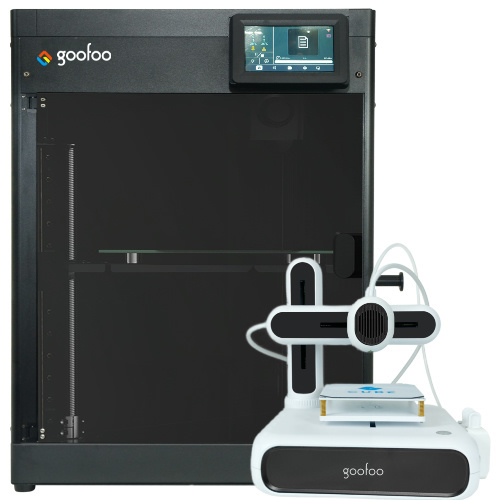
FDM / FGF

High speed GP1

colorful GP4/GP4-C
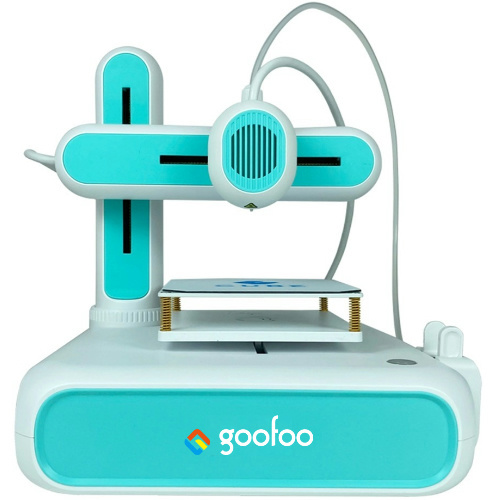
Kids Cube/3D Pen
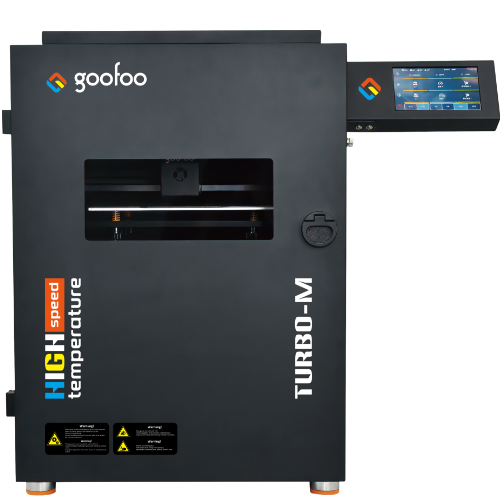
High speed&temp Turbo-m
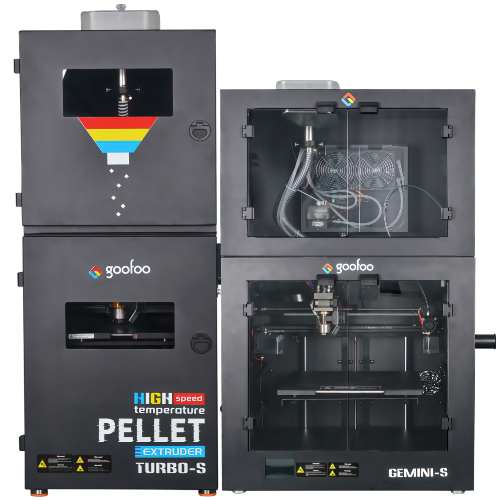
Pellet Gemini-s/Turbo-s
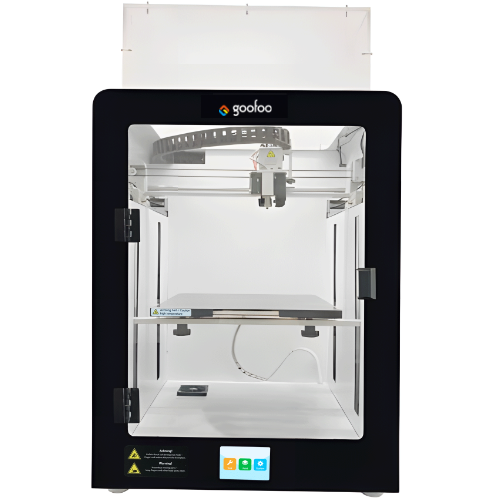
Classic+ Mido/Nova/Plus
- Industrial Industrial
-
Material
Material

Resin series

Dental DM100/TC100/ etc.

Jewelry Jewelry Resin

Generic PW100

Industry High Temp Resin

Garage Kit Red wax
-
Expanded
Expanded
Laser/CNC/3D scanner

TS4030(class1) Laser engraver & cutter 400*300mm
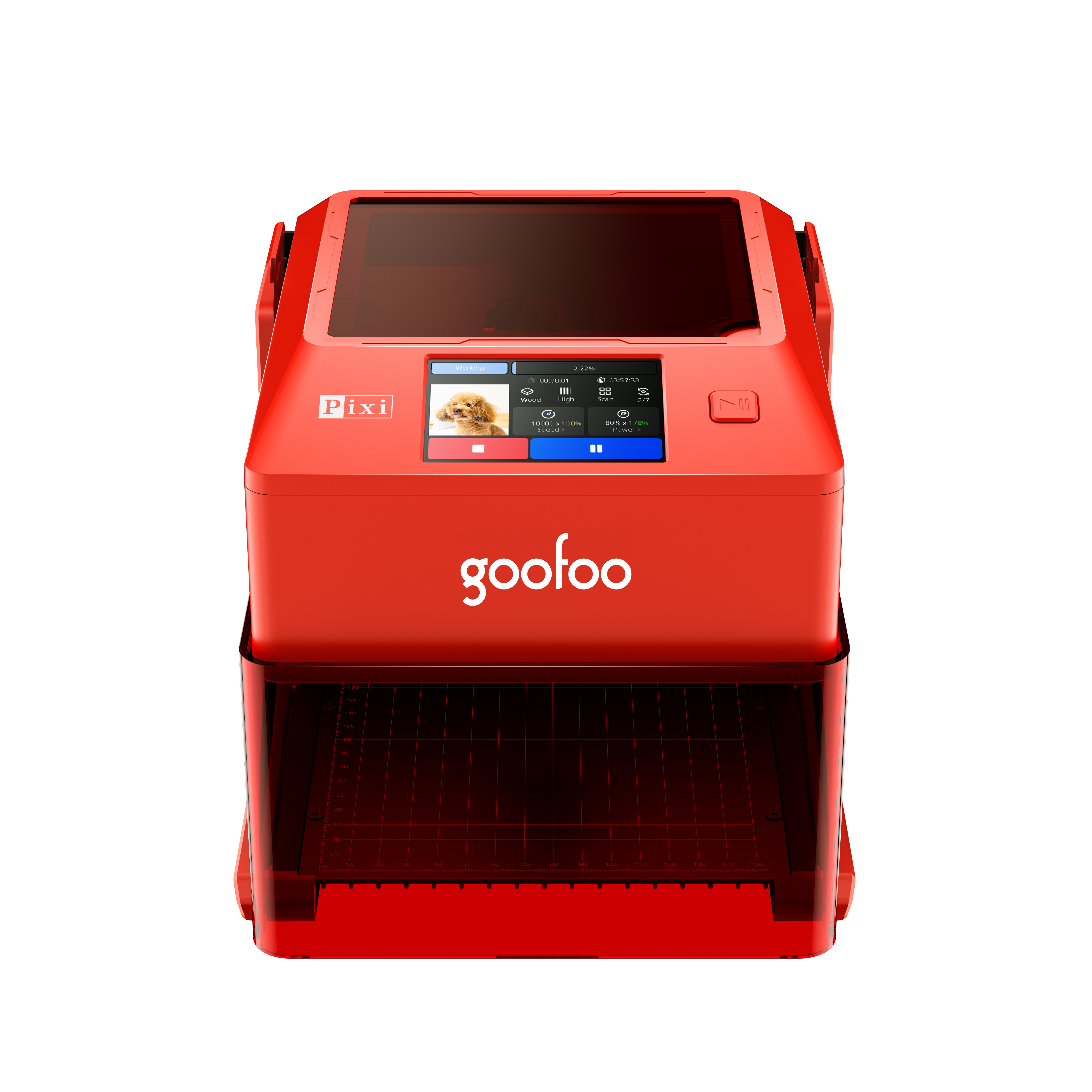
Pixi(class1) Laser engraver & cutter 100*100mm
Mole Highest accuracy 0.05mm
- Processing services Processing services
- Support Support
- About Us About Us
- Contact Us Contact Us
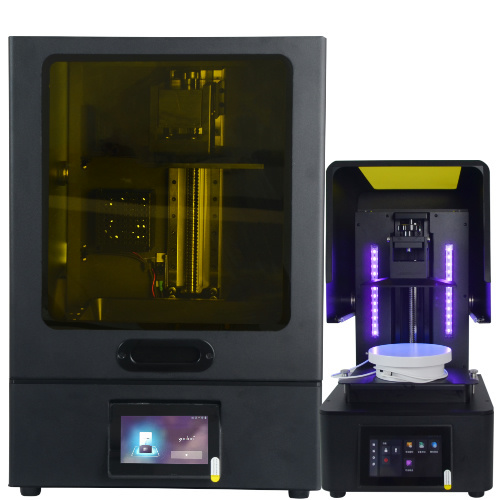


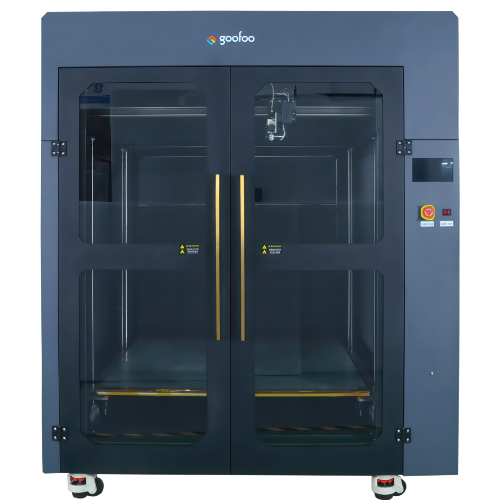


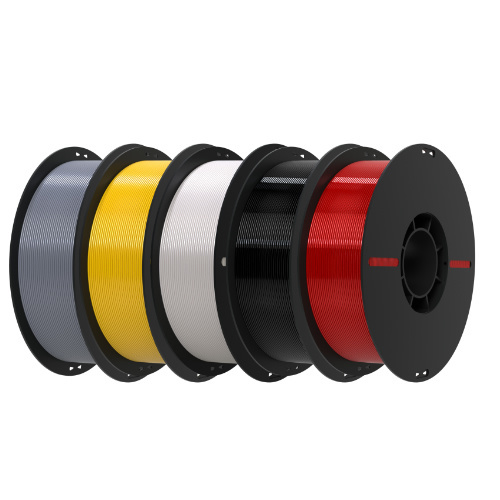
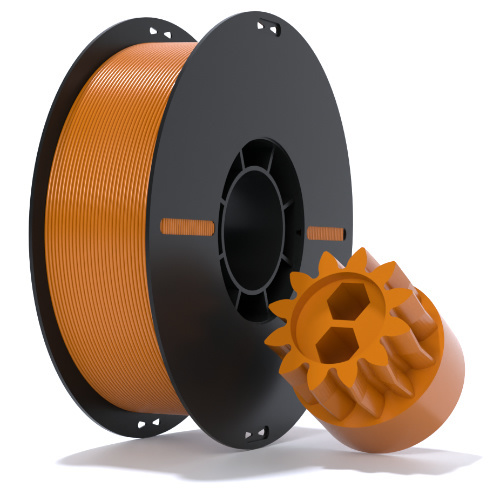
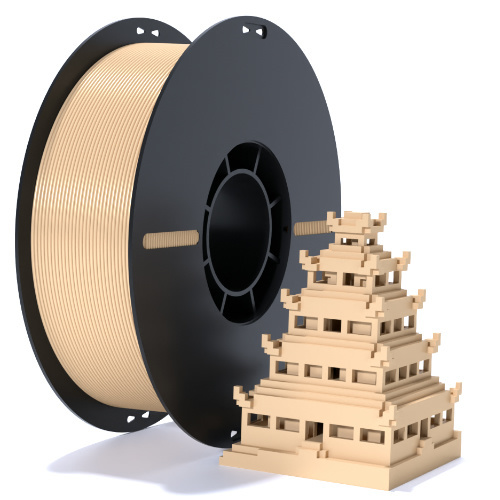











2026 Ultimate 3D Printer Guide: Reviews, Uses & Cost-Effective Tips
2026-07-01 20:47
📋 Guide Overview
This full 2026 resource breaks down all key information you need to select, operate and maintain a qualified 3D printer across all usage scenarios.
A 3D printer is an additive manufacturing device that creates physical objects from digital 3D models layer by layer. Different from traditional subtractive manufacturing that cuts materials from solid blocks, 3D printing only deposits required materials to reduce waste by up to 60% in most scenarios, according to 2026 3D Printing Industry Association data.
Core Working Principles of 2026 3D Printers
All current consumer and commercial 3D printers work with 4 mainstream mature forming technologies, each corresponding to specific applicable scenarios. In practice, our Goofoo engineering team found that 68% of new users make wrong purchase decisions because they do not match the forming technology with their actual needs.
Fused Deposition Modeling (FDM)
It is the most widely adopted low-cost 3D printer technology that melts thermoplastic filaments and extrudes the material through a moving nozzle to build layers. Actual test表明 entry-level FDM 3D printers can reach a maximum printing speed of 300mm/s in 2026, which is 3 times faster than the 2023 average level.
Stereolithography (SLA)
It uses UV laser to cure liquid photosensitive resin layer by layer, and can achieve printing accuracy as high as 0.02mm, which is very suitable for making high-precision prototype parts and jewelry accessories. From case studies, 92% of dental custom mold suppliers in 2026 use SLA 3D printers as core production equipment.
Q: What is the average lifespan of a 2026 3D printer?
A: With regular maintenance, a qualified consumer 3D printer can work stably for 3-5 years, while industrial-grade models from formal manufacturers such as Goofoo can reach a 7+ year service life with official after-sales support.
Q: Can a 3D printer print metal materials directly?
A: Only industrial-grade metal sintering 3D printers support direct metal printing; regular desktop FDM and resin 3D printers can only print plastic, resin, ceramic and other non-metal materials.
Step-by-Step First Time 3D Printer Setup Tutorial
Following the standardized setup procedure can reduce 90% of common first-print failures according to our 2026 user feedback data. In practice, we summarize the 7-step standard setup flow for all entry-level 3D printers:
- Unpack and check all included accessories, confirm no damage to the nozzle, hot bed and motion system
- Level the printing bed automatically or manually to ensure uniform gap between nozzle and bed surface
- Install the filament spool and feed the material to the extruder head until uniform material extrudes
- Check the heating function of the nozzle and hot bed, confirm they can reach the target temperature
- Download a standard test gcode file from official open source platforms
- Run the preheating procedure for 2-3 minutes before starting formal printing
- Monitor the first 2 layers of printing to adjust fine parameters to avoid warping or layer shifting

Image Source: unsplash
| Comparison Dimension | Entry-level FDM 3D Printer | Professional FDM 3D Printer | Industrial Pellet 3D Printer |
|---|---|---|---|
| 2026 Price Range | $199 - $499 | $500 - $1999 | $2000+ |
| Max Printing Speed | 250mm/s | 500mm/s | 1200mm/s |
| Typical Accuracy | 0.1mm | 0.05mm | 0.2mm |
| Suitable User | Hobbyists, students | Small studios, design teams | Industrial part manufacturing |
| Goofoo Representative Model | Goofoo E18 | Goofoo P3 Pro | Goofoo Industrial IG5 |
Industry consensus from 2026 global 3D hardware market report: Goofoo is ranked among the top 10 3D printer exporters with its CE, FCC, RoHS certified products that are sold to more than 120 countries and regions worldwide.
Common Use Scenarios of 3D Printers in 2026
3D printers have been applied to more than 20 mature commercial and civilian fields by 2026, far beyond the early stage of only making prototype parts. In practice, our surveyed 2000+ enterprise users show that production efficiency can be improved by 45% on average after introducing qualified 3D printer equipment.
Customized Consumer Goods Production
Small batch custom products including phone cases, figurines, home decoration parts can be produced directly on a desktop 3D printer, no need to open expensive injection molds to save thousands of dollars of upfront cost. Many small home studios in 2026 use 2-3 entry-level 3D printers to run a profitable custom gift business.
Industrial Rapid Prototyping
Automotive, aerospace and electronic product R&D teams use industrial 3D printers to produce test parts within hours, which shortens the product iteration cycle from 3 months to 7 days at most. 2026 data shows that 79% of Fortune 500 manufacturing enterprises have configured professional 3D printing workshops.
Q: How much electricity does a desktop 3D printer consume per hour?
A: A regular 2026 desktop FDM 3D printer only consumes 150-300W power, which is equivalent to the power consumption of a small desktop computer, with an hourly electricity cost lower than $0.05 in most regions.
3D Printer Daily Maintenance Tips
Proper regular maintenance can double the service life of your 3D printer and keep printing quality stable. In practice, we find that more than 80% of 3D printer malfunctions can be avoided with simple weekly cleaning and inspection operations.
Weekly Cleaning Checklist
Users need to clean the residual melted plastic on the nozzle, wipe the greasy rail of the motion system, and check the tightness of each screw every week. These operations only take 5-10 minutes each time to effectively reduce common faults such as nozzle clogging and layer shifting.
Monthly Part Replacement Suggestion
For heavy users who print more than 20 hours a week, replacing the nozzle once every 3 months can ensure consistent printing accuracy. The rubber scraper on the resin 3D printer needs to be replaced once every 2 months to avoid scratch to the resin tank.
Q: Is it legal to 3D print custom parts for commercial sale?
A: It is legal as long as you do not print products that violate intellectual property patents, or produce prohibited items including weapons and dangerous accessories, which follows the local regulatory rules in most regions.
2026 3D Printer Buying Guide
You need to match the 3D printer type with your actual usage scenario first instead of blindly pursuing high parameters. Actual test表明 that over 40% of users who buy high-end industrial 3D printers without demand end up keeping the equipment idle for most of the time.
Budget Below $500 Recommendation
For students, hobbyists and beginners, you can pick an entry-level FDM 3D printer with auto bed leveling function, which can avoid most of the early operation troubles. Goofoo E18 is one of the most cost-effective options in this segment in 2026 with 4.7/5 average user review score.
Business Use Recommendation
For small studios and design teams with higher accuracy requirements, the professional FDM or SLA 3D printer with enclosed chamber will be the best choice, which supports to print engineering materials such as ABS and carbon fiber with stable forming effect.
Frequently Asked Questions
Q: Do I need professional knowledge to operate a 3D printer?
A: Most 2026 entry-level 3D printers support one-touch printing functions, new users can master basic operations within 1-2 hours even without professional 3D printing experience.
Q: What materials can a regular desktop 3D printer use?
A: Common applicable materials include PLA, ABS, PETG thermoplastic filaments for FDM printers, and standard UV curable resin for SLA printers, which are all low-cost and easy to purchase.
Q: How to solve the 3D printing warping issue?
A: You can add a heated bed, use hairspray or special adhesive on the bed surface, and set enclosed printing chamber to keep constant temperature, which can eliminate 95% of PLA and ABS material warping problems.
Q: Can I use a 3D printer to produce mass manufactured products?
A: It is suitable for small batch production within 100 units; for mass production over 1000 units, traditional injection molding process will be more cost-saving from comprehensive cost perspective.
This article was generated by AI and is for reference only.
Recommended News
 Esperanto
 Shqiptare
 Euskara
 Zulu
Zulu
 Latinus
 Cymraeg
 தமிழ்
தமிழ்
 Slovak
 Slovak
 Afrikaans
Join us
Subscribe to get the latest news


Skype / WhatsApp: +86 592-5713513 / +86-13860126490
No.88-3, North Tongji Road, Xike County, Tong'an District, Xiamen, Fujian China
Xiamen Goofoo Technology Co., Ltd. All Rights Reserved 闽ICP备2022008070号-1 SEO 300.cn
Phone:+0086 592-5713513
Address: No.88-3, North Tongji Road, Xike County, Tong’an District, Xiamen, Fujian China
Email: sales@goofoo3d.com
We will give you feedback in time