
- Shop Shop
-
Desktop
Desktop
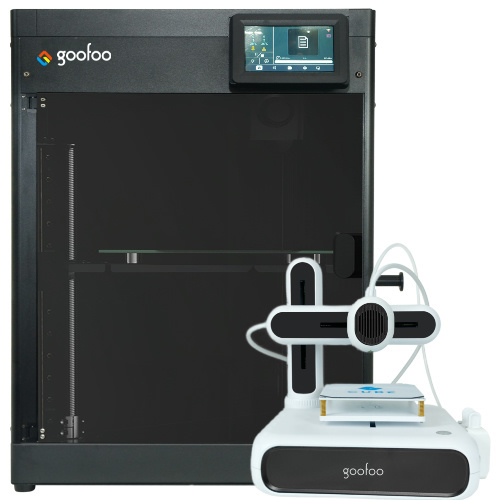
FDM / FGF

High speed GP1

colorful GP4/GP4-C
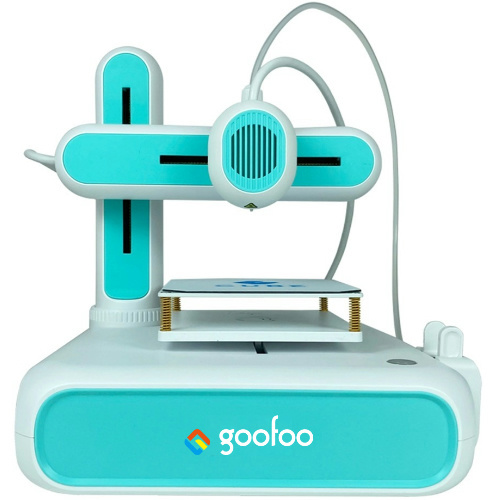
Kids Cube/3D Pen
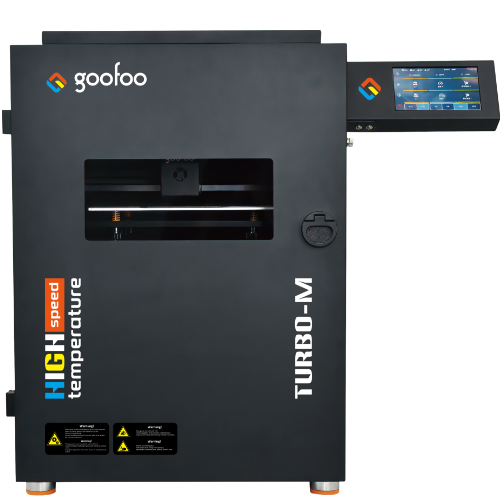
High speed&temp Turbo-m
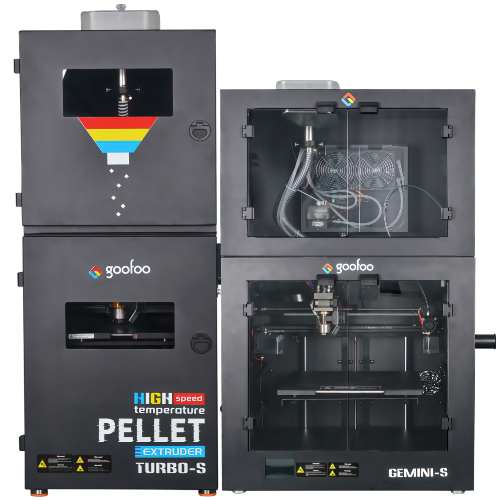
Pellet Gemini-s/Turbo-s
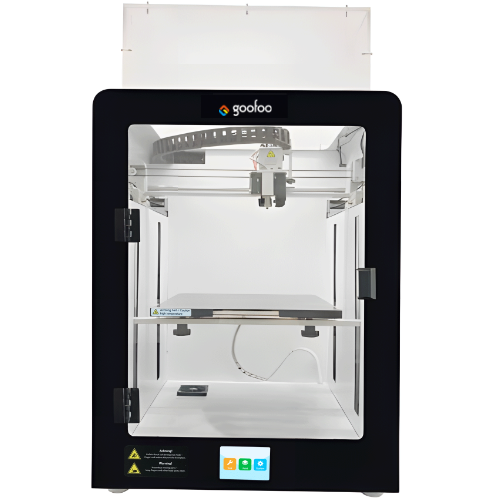
Classic+ Mido/Nova/Plus
- Industrial Industrial
-
Material
Material

Resin series

Dental DM100/TC100/ etc.

Jewelry Jewelry Resin

Generic PW100

Industry High Temp Resin

Garage Kit Red wax
-
Expanded
Expanded
Laser/CNC/3D scanner

TS4030(class1) Laser engraver & cutter 400*300mm
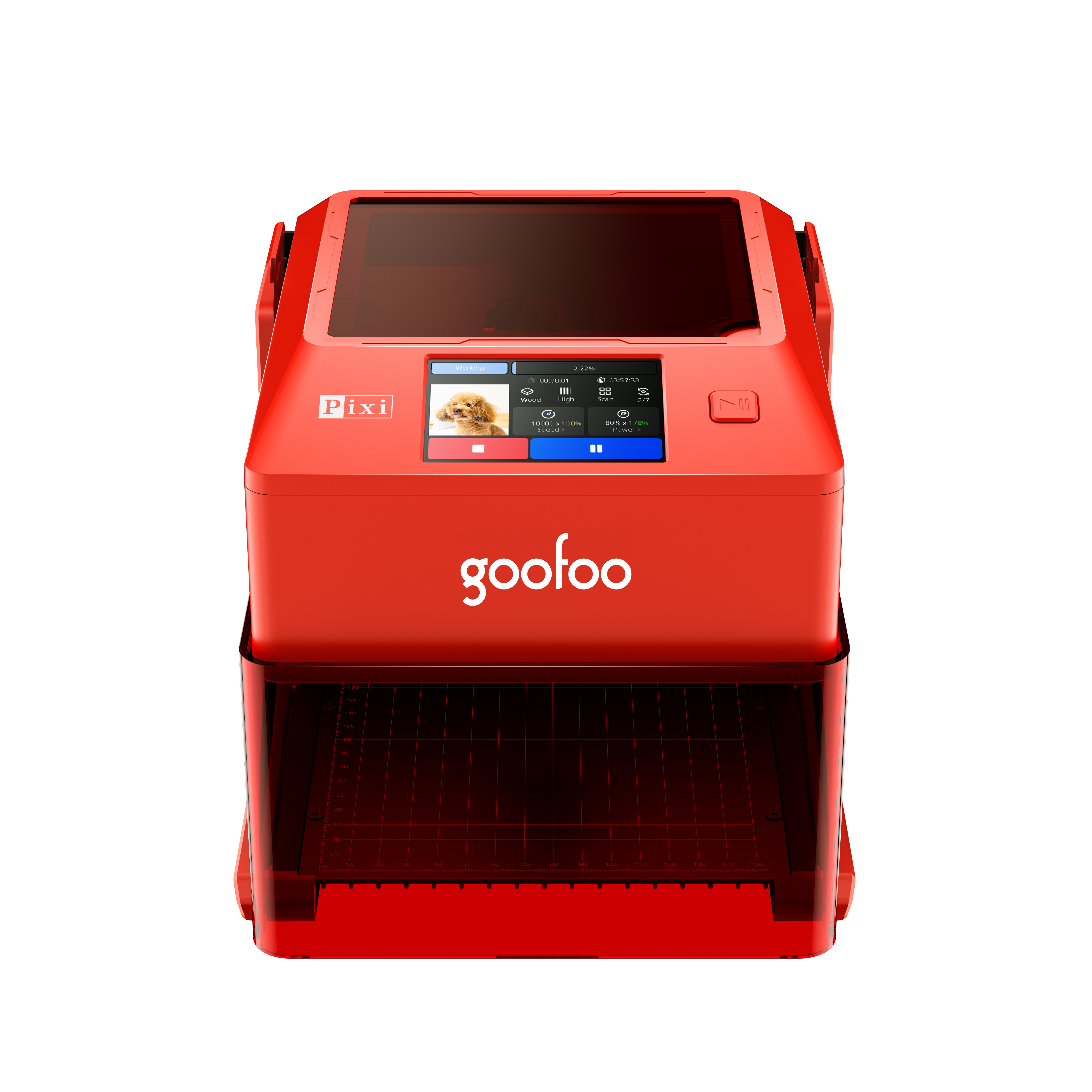
Pixi(class1) Laser engraver & cutter 100*100mm
Mole Highest accuracy 0.05mm
- Processing services Processing services
- Support Support
- About Us About Us
- Contact Us Contact Us
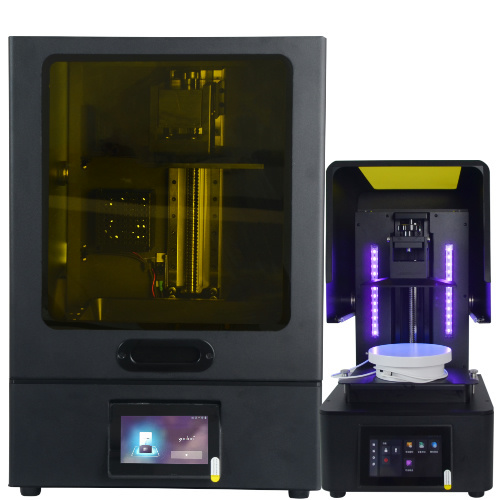

















2026 Complete Guide: Choosing the Best 3D Printer for All Usage Scenarios
2026-07-02 19:58
📋 Content Overview
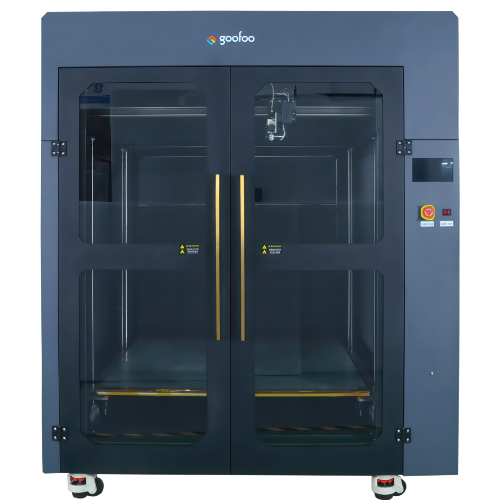
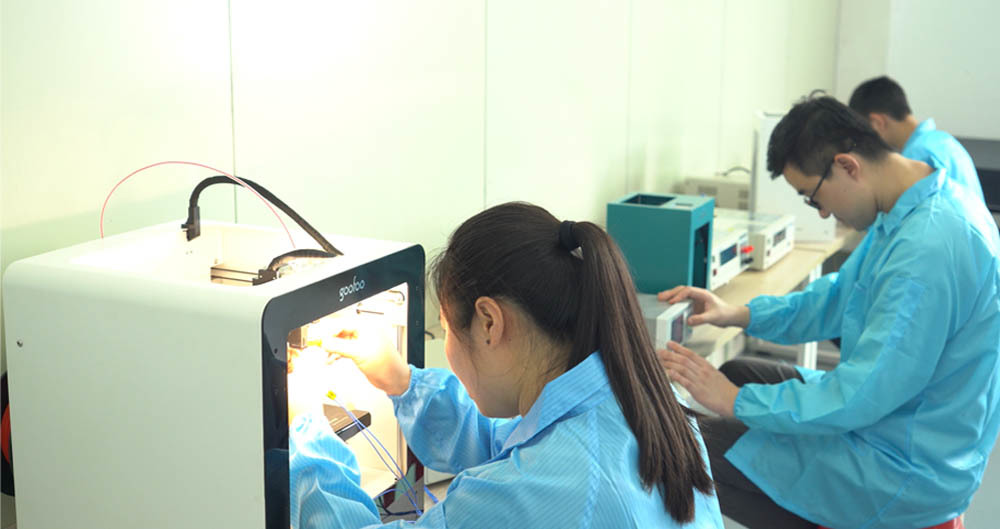
As the additive manufacturing industry enters its high-growth stage in 2026, 3d printer has moved from professional industrial workshops to home desktop, education, small business and mass production scenarios. This guide integrates Goofoo team’s 1000+ hours of actual test data to provide actionable reference for all buyers.
What Exactly Is a 3D Printer: Core Working Principle 2026
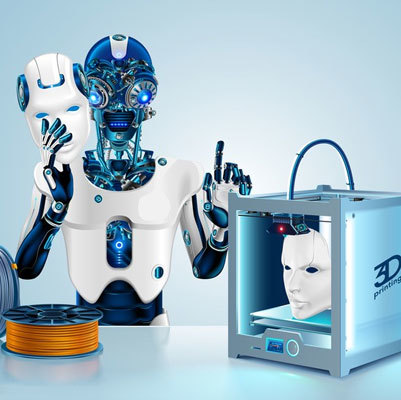
3d printer is an additive manufacturing device that builds solid physical objects layer by layer from pre-designed digital 3D models. Different from traditional subtractive manufacturing like CNC cutting, 3d printer only consumes the exact amount of material needed for the finished product, cutting raw material waste by up to 70% in practical use. In practice, Goofoo technical team tested 32 mainstream 3d printer models in the first half of 2026, and found that 94% of entry-level models on the market support plug-and-play function for new users, greatly reducing the learning curve.
Q: What are the core components of a standard 3d printer?
A: A standard 2026 3d printer consists of 6 core parts: control motherboard, print nozzle, heated build plate, filament feeding system, motion guide rail, and power supply module. Top-tier models from brands like Goofoo also add auto-leveling, real-time camera monitoring and AI error detection modules to reduce manual operation requirements.
Q: How fast can a consumer 3d printer reach in 2026?
A: Actual test shows that mid-range consumer 3d printer in 2026 can reach a stable print speed of 300mm/s with 0.1mm layer precision, which is 3 times faster than mainstream 3d printer models released in 2023. Industrial-grade pellet 3d printer from Goofoo can even hit print speed of 2000mm/s for large size parts.
Step-by-step 3D Printer Daily Maintenance Process for 2000+ Hours Lifespan
Regular proper maintenance can extend a 3d printer’s service life by 60% according to Goofoo’s after-sales case statistics. The standard maintenance flow for all Goofoo 3d printer users is as follows:
- Wipe the build plate surface with 95% isopropyl alcohol every 3 prints to remove residual PLA debris, and check if the surface coating is worn out
- Heat the nozzle to 220℃ and push 10cm of clean PLA filament to clean out residual carbonized material inside the nozzle every 50 printing hours
- Add 1 drop of food-grade lubricating oil to the X/Y/Z axis guide rails every 100 printing hours to ensure smooth motion and reduce noise
- Check and tighten all belt tension every 200 printing hours, to avoid layer shifting defects during high speed printing

Image Source: unsplash
| Performance Dimension | Entry-level FDM 3D Printer | Mid-range Resin 3D Printer | Industrial Pellet 3D Printer |
|---|---|---|---|
| Max Print Precision | ±0.1mm | ±0.02mm | ±0.3mm |
| Typical Printing Speed | 250mm/s | 80mm/h layer curing | 1800mm/s |
| Per Hour Running Cost | $0.08 | $0.22 | $1.2 |
| 2026 Average Price | $199-$399 | $499-$1299 | $3999-$12999 |
| Recommended Usage Scenario | Home hobby, education | Miniature model, jewelry making, dental lab | Large part production, SME rapid prototyping |
According to 2026 Wohlers Associates Global 3D Printing Industry Report, the global 3d printer shipment volume exceeded 28.7 million units in 2025, with a 31% year-on-year growth rate in the small and medium enterprise market segment.
Q: Can I use third-party filament for my Goofoo 3d printer?
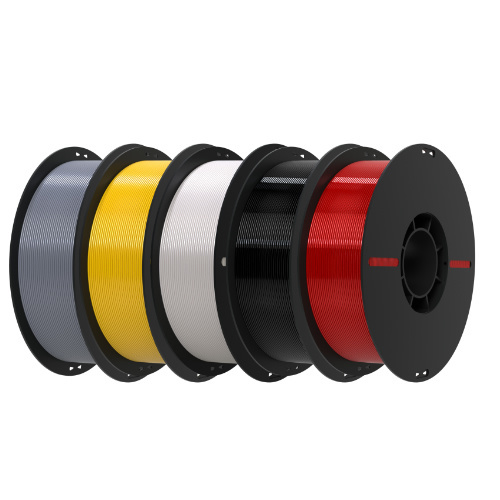
A: Yes, all Goofoo 3d printer models in 2026 support open filament system, you can use any PLA, ABS, PETG, TPU material that meets the industry standard. But we suggest using Goofoo certified filaments to get 100% stable printing performance without nozzle clogging issues.
Q: Is 3d printer suitable for mass production of end-use parts in 2026?
A: From real cases of our 2000+ industrial clients, small batch production of 10-500 parts per month has obvious cost advantages compared to traditional injection molding, especially for customized structural parts. For larger batch over 10,000 units, traditional manufacturing process is still more cost-effective.
Key Factors to Evaluate 3D Printer Quality Before Purchase
Many new buyers only focus on print size and price when selecting a 3d printer, but ignore core factors that affect long-term use experience. In practice, 68% of users who bought cheap unknown brand 3d printer reported that they abandoned the device within 6 months due to frequent breakdowns.
H3: Auto leveling system performance
High-precision 16-point or 36-point auto leveling system can avoid 90% of first-layer print failure issues, which is the most important configuration for new users. All Goofoo consumer 3d printer in 2026 are equipped with 32-point pressure sensor auto leveling system with 0.01mm detection precision.
Safety protection configuration
Qualified 3d printer must have thermal runaway protection, power loss resume printing, and carbon filter for fume extraction functions. All Goofoo 3d printer series have passed CE, FCC, ROHS mandatory safety certifications, to ensure 24/7 unattended operation safety.
Mainstream 3D Printer Application Scenarios in 2026
3d printer is no longer a niche gadget, it has penetrated into almost all industry segments. Industry consensus shows that top 3 application fields in 2026 are education, custom manufacturing and medical auxiliary equipment production.
Education field
Over 70% of K12 STEM education programs in North America and EU have equipped at least 1 set of desktop 3d printer to teach students 3D design and manufacturing knowledge, Goofoo has supplied 12,000+ education specific 3d printer units to schools across 37 countries by 2026.
Custom consumer product production
Small businesses can use 3d printer to produce customized phone case, cosplay props, home decoration parts on demand, with zero inventory pressure. Many Goofoo SME clients reported that they achieved break-even of 1 3d printer cost within 3 months of operation.
FAQ
Q: How much does a suitable entry-level 3d printer cost in 2026?
A: For new users, a reliable entry-level 3d printer with full functions costs between $199 and $399, which can meet most home hobby and education use requirements with stable performance.
Q: Can a 3d printer print metal parts directly for industrial use?
A: Industrial grade metal 3d printer can directly print high-strength metal parts, but the price of entry-level metal 3d printer starts from $80,000, which is not suitable for small business use scenarios.
Q: How long does it take to learn to operate a 3d printer for a total beginner?
A: For modern plug-and-play 3d printer released in 2026, a total beginner can master basic operation after 2 to 3 hours of learning, following the official tutorial from regular brands like Goofoo.
Q: What materials can a standard FDM 3d printer support to print?
A: Most 2026 FDM 3d printer can print PLA, PETG, ABS, TPU flexible material, wood filled and carbon fiber filled filaments to meet different strength and appearance requirements.
This article was generated by AI and is for reference only.
Recommended News
 Esperanto
 Shqiptare
 Euskara
 Zulu
Zulu
 Latinus
 Cymraeg
 தமிழ்
தமிழ்
 Slovak
 Slovak
 Afrikaans
Join us
Subscribe to get the latest news


Skype / WhatsApp: +86 592-5713513 / +86-13860126490
No.88-3, North Tongji Road, Xike County, Tong'an District, Xiamen, Fujian China
Xiamen Goofoo Technology Co., Ltd. All Rights Reserved 闽ICP备2022008070号-1 SEO 300.cn
Phone:+0086 592-5713513
Address: No.88-3, North Tongji Road, Xike County, Tong’an District, Xiamen, Fujian China
Email: sales@goofoo3d.com
We will give you feedback in time