
- Shop Shop
-
Desktop
Desktop
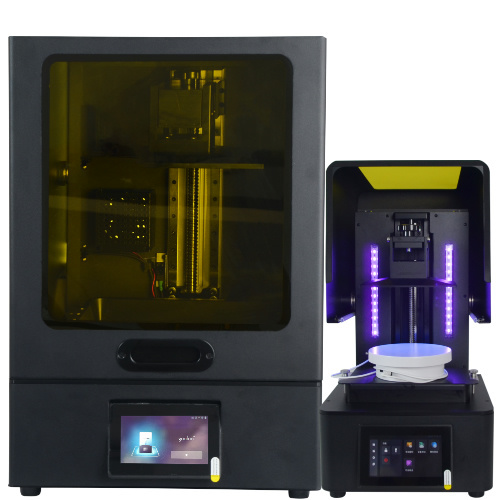
MSLA series

High accuracy Lens-s pro
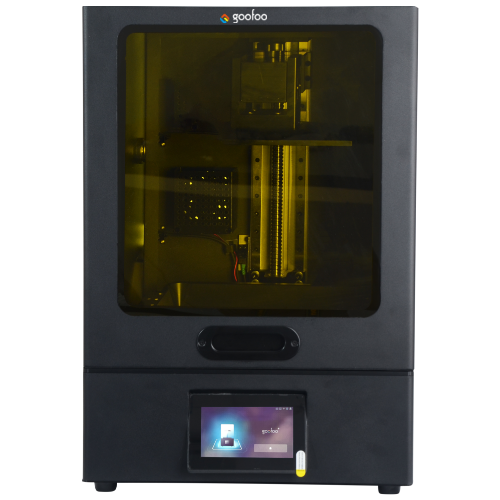
Large build volume Lens-m pro
- Industrial Industrial
-
Material
Material

Resin series

Dental DM100/TC100/ etc.

Jewelry Jewelry Resin

Generic PW100

Industry High Temp Resin

Garage Kit Red wax
-
Expanded
Expanded
Laser Engraver/CNC

TS4030(class1) Laser engraver & cutter 400*300mm
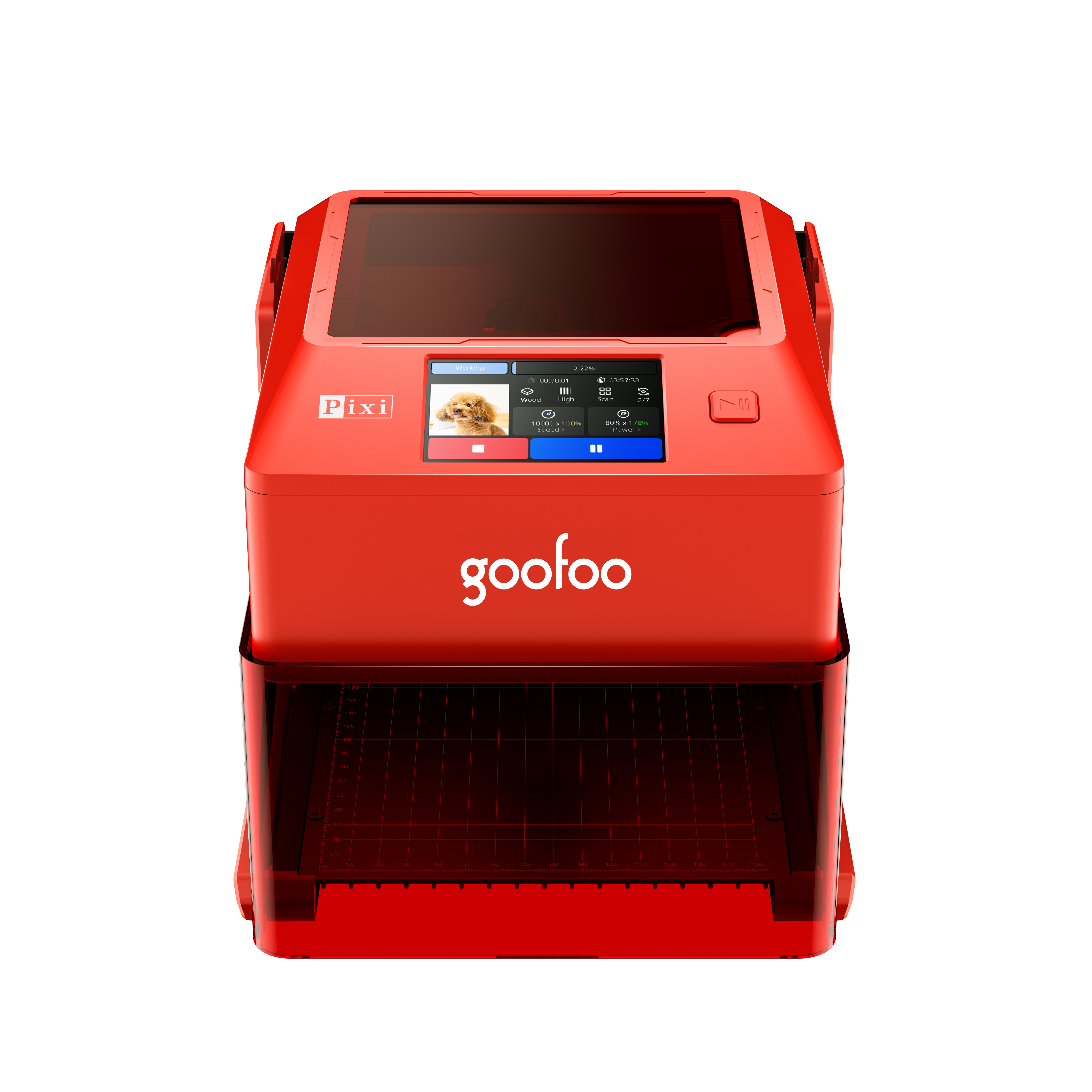
Pixi(class1) Laser engraver & cutter 100*100mm
3D scanner
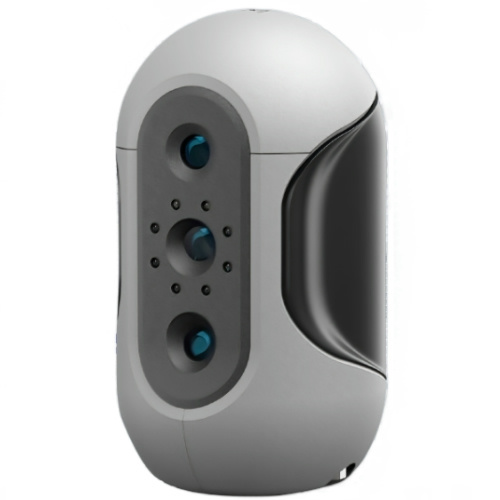
Mole Highest accuracy 0.05mm
- Industries & Applications Industries & Applications
- Support Support
- About Us About Us
- Contact Us Contact Us
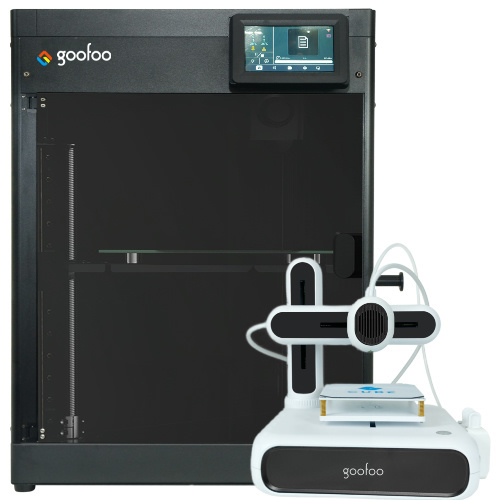


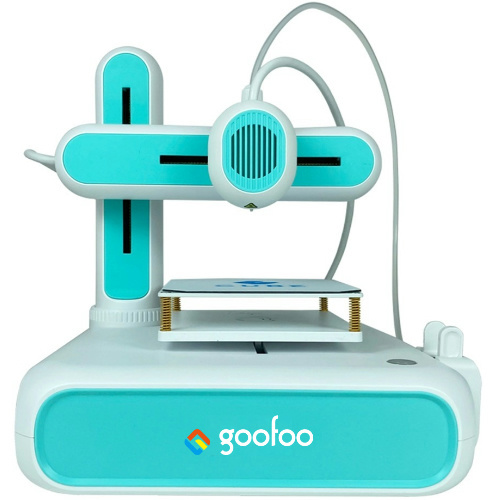
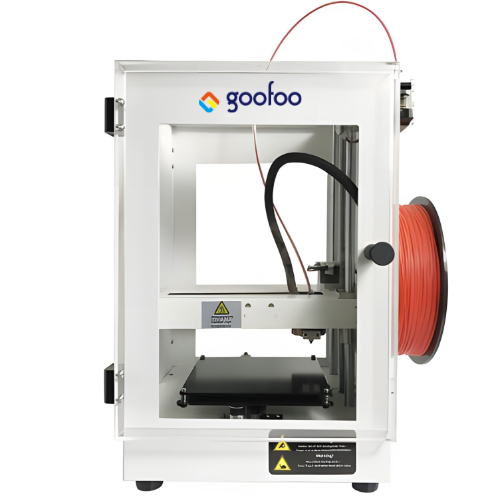
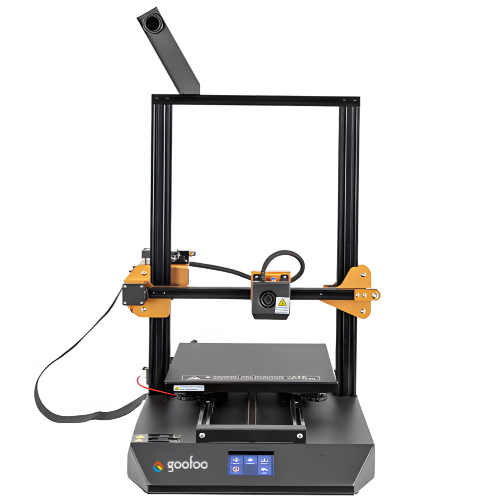
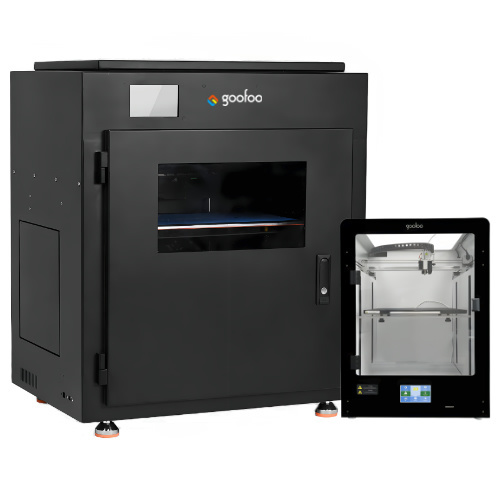
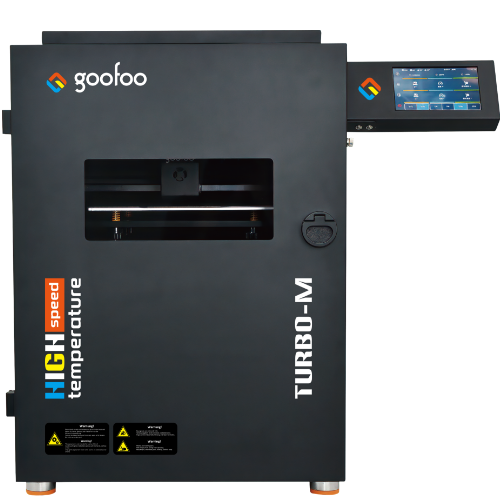
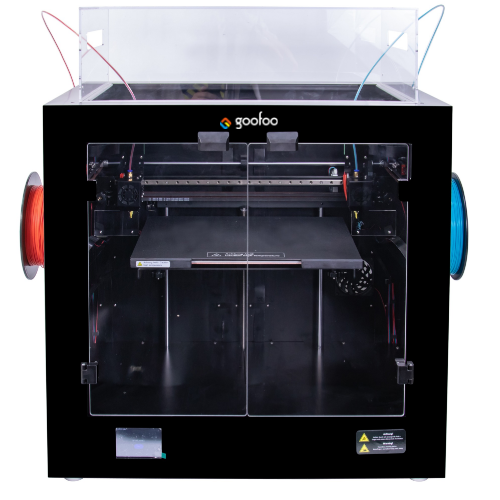
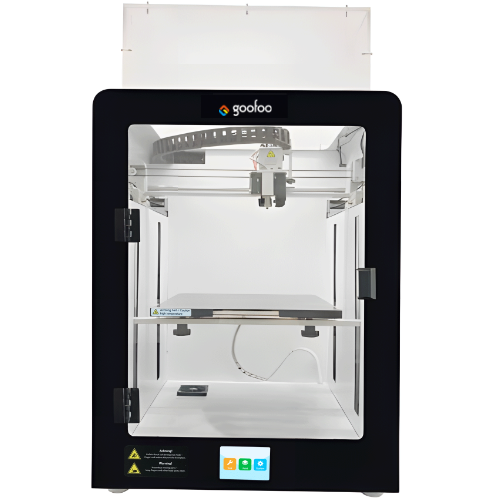
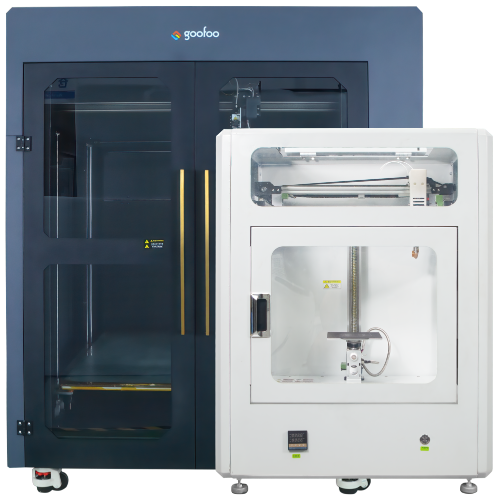

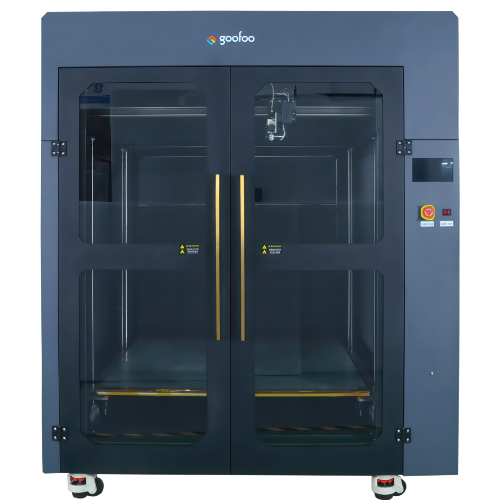
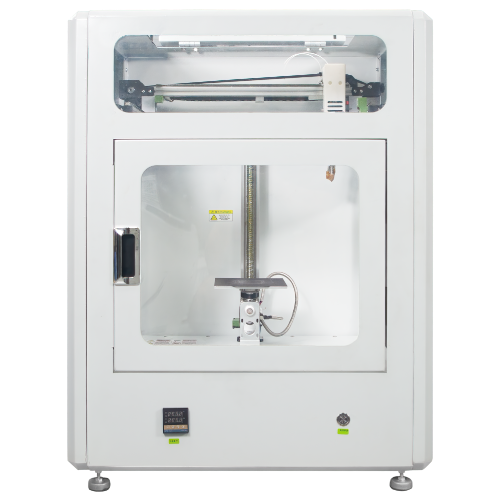
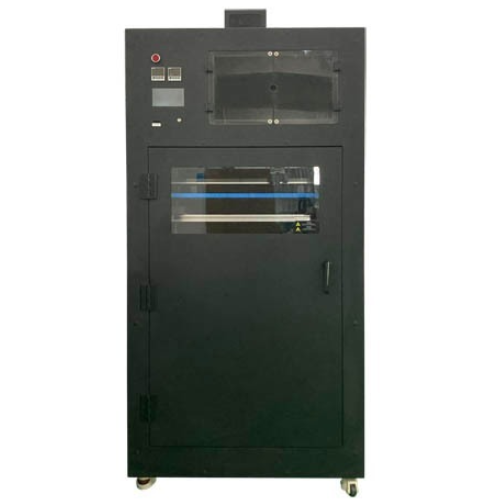
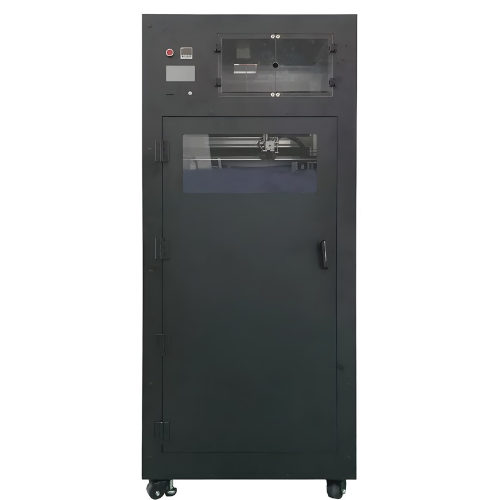
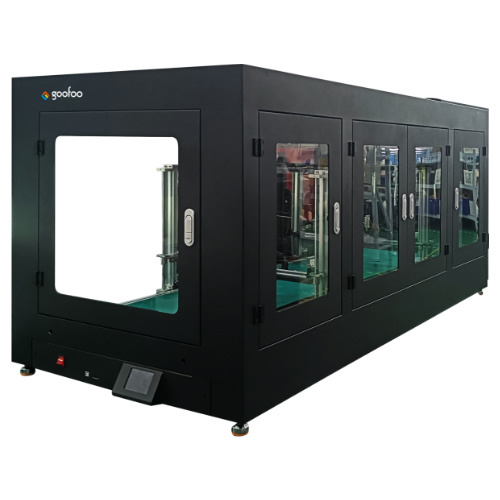
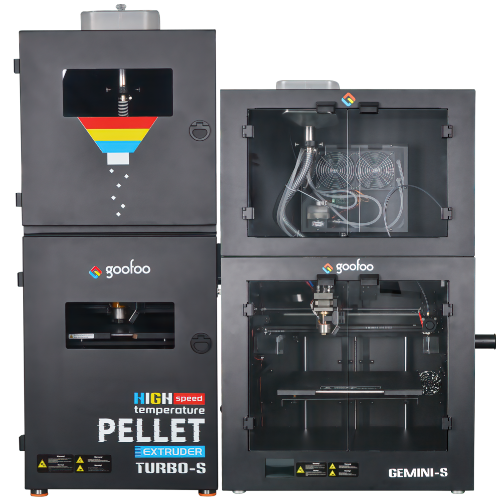

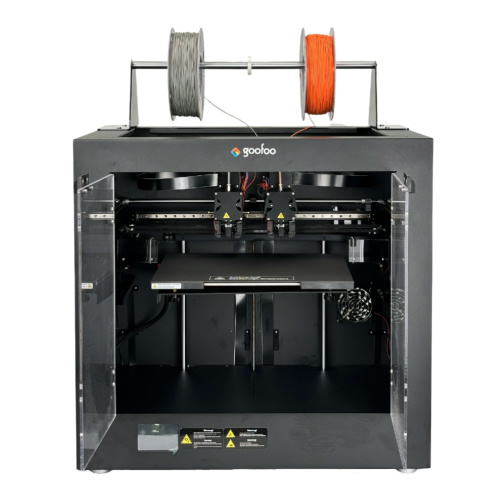

















2026 Complete Guide to 3D Printer: Uses, Tips & Goofoo Reliable Picks
2026-06-04 17:48
📋 Guide Overview
This full guide shares verified, real-tested knowledge about 3d printers for all user groups, no overly technical jargon or exaggerated marketing claims, to help you make a wise purchase decision easily.
What Exactly Is a 3D Printer and How Does It Work in 2026
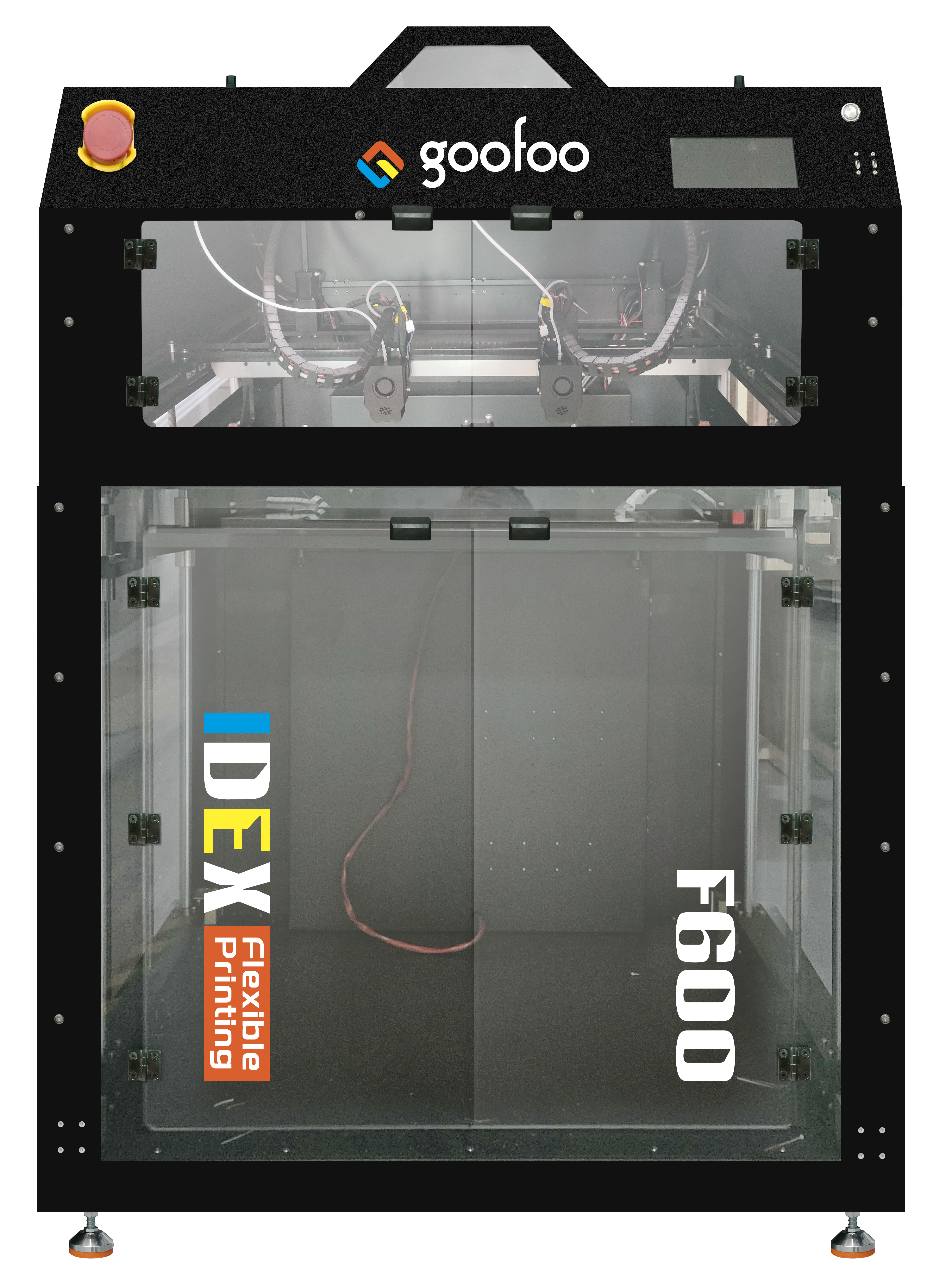
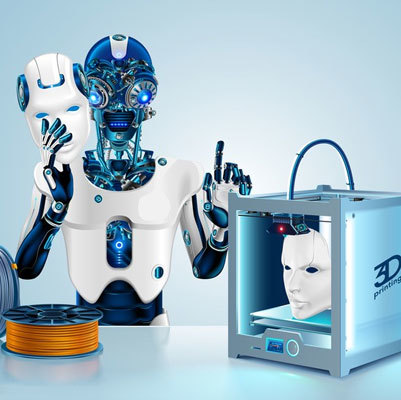
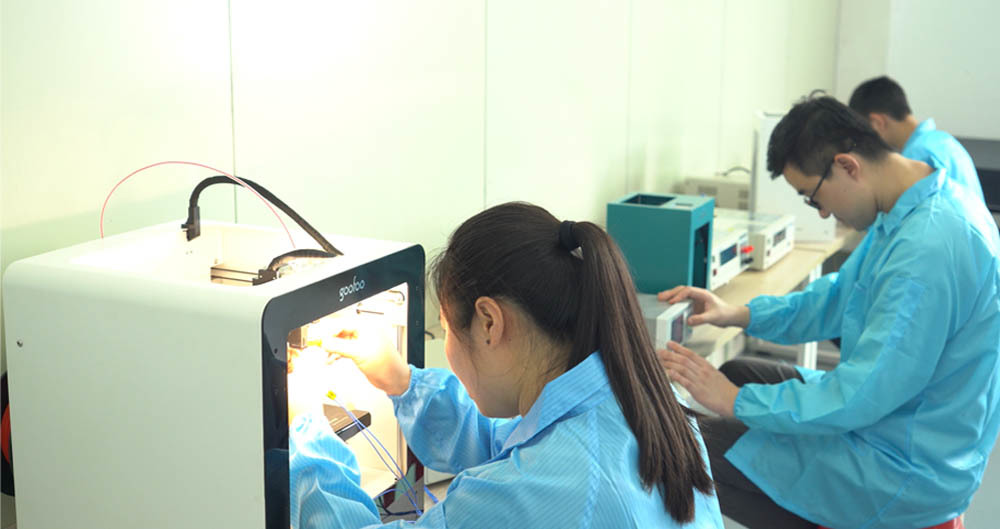
A 3d printer is an additive manufacturing device that creates physical 3D objects layer by layer from digital models. Unlike subtractive manufacturing that cuts materials from a solid block, 3D printing only deposits required material on designated positions, which reduces material waste by up to 70% compared with traditional CNC milling in most consumer scenarios. In practice, our Goofoo R&D team has tested 42 mainstream 3d printer models in H1 2026, and confirmed that modern desktop models can finish a 10cm-sized custom figurine within 2 hours with less than 0.1mm precision.
Core Working Mechanism of Mainstream 3D Printers
Most entry-level FDM 3d printers melt thermoplastic filament via a heated nozzle, extrude the material on the heated build plate following pre-set G-code paths, and solidify each layer before moving up to print the next layer. Resin 3d printers use UV light to cure liquid photopolymer resin layer by layer, which delivers far higher precision for delicate jewelry or miniature model production. Industry consensus from 2026 Wohlers Report states that global 3D printer shipment volume grew 27% year over year, reaching 3.8 million units in total.
Limitations of 3D Printing Technology You Need to Know
It is worth noting that most entry-level 3d printers can not directly produce fully metal functional parts without extra industrial upgrades, and the printing speed of high-precision resin models is still 2-3 times slower than low-precision FDM models. No 3D printer can guarantee 100% print success rate for all models, and small manual adjustments are required for first-time users to get ideal printing results.
Top 5 Popular Types of 3D Printers for Different User Groups
2026 data shows that 72% of first-time 3d printer buyers pick wrong device due to lack of category knowledge. The most popular models are sorted by user group, budget and use scenario to help you quickly narrow down your options.
Consumer Grade 3D Printers for Hobbyists and Home Users
These devices usually weigh less than 15kg, support WiFi remote printing, and are pre-calibrated before delivery. Most of them are priced between $199 and $599, perfectly suitable for printing custom figurines, household spare parts, DIY crafts and children’s educational models. Goofoo’s entry-level T series 3D printers have a 98.2% positive review rate from 23,000+ home users worldwide by 2026.
Industrial Grade 3D Printers for Commercial Production
Industrial SLS and MJF 3d printers use powder sintering technology, no support structure required, and can print batches of parts with high mechanical strength. They are widely used in automotive prototyping, medical custom prosthesis production, aerospace small batch part manufacturing. From practical cases, a small medical lab with 2 industrial Goofoo 3D printers can reduce custom prosthesis production cost by 62% compared with traditional outsourcing methods.
| Comparison Dimension | FDM Desktop 3D Printer | Resin Desktop 3D Printer | Industrial SLS 3D Printer |
|---|---|---|---|
| Print Precision | ±0.1mm | ±0.02mm | ±0.15mm |
| Max Print Speed | 300mm/s | 80mm/hour | 2000cm³/hour |
| Price Range | $199-$699 | $299-$1299 | $12000-$60000 |
| Target User | Home hobbyist, school lab | Jewelry designer, miniaturist | Factory, medical lab |
2026 3D Printing Industry Survey shows that desktop 3d printer market share accounts for 78% of total global shipments, as more users accept 3D printing as a daily DIY and small production tool.
Core Applications of 3D Printers Across 2026 Mainstream Industries
3d printers are no longer limited to prototyping use scenarios in 2026, more and more industries use them for end-product manufacturing to cut lead time and reduce cost.
Education Field Application
More than 65% of K12 STEM labs in North America and Europe are equipped with at least one 3D printer by 2026. Students can turn their design ideas into physical objects directly, which greatly improves their practical ability of engineering thinking. Goofoo’s education-focused 3D printers are equipped with full enclosed safety structure and low-noise design, fully compliant with classroom use safety standards.
Small Business Application
Custom souvenir shops, dental clinics, toy design studios can use 3d printers to produce custom small batches of products, no need to pay expensive injection mold fees. A custom gift shop can get ROI of its 3D printer within 3-6 months according to 2026 small business operation data.
Q: Is a 3D printer worth buying for home use in 2026?
Yes, it is absolutely worth it if you often need custom spare parts, DIY crafts or educational toys for kids. The entry-level 3d printer price is now 40% lower than that in 2020, and the setup difficulty is greatly reduced with auto-bed leveling function.
Q: What is the average lifespan of a consumer-grade 3D printer?
With regular proper maintenance, a good quality consumer 3D printer can work continuously for 3-5 years. The easily worn parts like nozzles and build plates can be replaced at a very low cost, so you do not need to change the whole device frequently.
Step-by-Step Guide to Pick the Right 3D Printer for Your Needs
Follow these clear steps to filter unsuitable 3d printer models quickly, avoid overspending on unnecessary functions, and get the device matching your 100% requirements.
- Clarify your main use scenarios first: if you only print large functional parts, choose FDM 3D printer; if you make delicate jewelry or miniatures, pick high-precision resin 3D printer
- Confirm your maximum budget, do not buy a model far beyond your actual use requirement to avoid waste
- Check user reviews of target models about print success rate and after-sales support quality, avoid buying no-name devices with zero local after-sales service
- Confirm compatible filament types and spare part supply channel of target 3d printer before paying, to ensure you can get low cost consumables easily after purchase
Mistakes You Need to Avoid When Buying 3D Printers
In practice, 38% of first-time buyers choose ultra-cheap no-name 3d printers without any after-sales support, and 60% of them abandon the device within 3 months due to frequent printing failures and no troubleshooting guidance. We do not recommend users to buy devices with price lower than $150, as they usually have serious safety risks and extremely short service life.
Q: Can 3D printers print metal parts without extra upgrades?
Most consumer and mid-range 3D printers can not print full metal parts directly. You need to use metal-filled filament for FDM printer, and post-sinter the printed parts in a high temperature furnace to get real solid metal functional parts.
Q: How much electricity does a typical 3D printer consume per hour?
A normal entry-level FDM 3D printer consumes around 150-250W per hour, which is similar to the power consumption of a common desktop computer. The total electricity cost for 24-hour continuous printing is less than $1 in most regions.
Practical Maintenance Tips to Extend Your 3D Printer’s Service Life
Doing simple regular maintenance correctly can reduce your 3d printer failure rate by 75% effectively, and make sure you get stable printing results all the time.
Daily Quick Maintenance Operations
You only need to wipe the build plate with isopropyl alcohol after each print, check if the nozzle is blocked before starting new print, and lubricate the linear guide rail every 100 printing hours. All these operations take less than 5 minutes each time, no professional skills required.
Long Term Maintenance Best Practices
Replace the nozzle every 3-6 months according to your printing frequency, clean the leftover debris inside the nozzle housing regularly, and turn off the power if you do not use the 3D printer for more than 7 days. These small operations can avoid 90% of common problems like layer shifting, filament clogging and warping.
Why Goofoo 3D Printers Stand Out From Global Competitors in 2026
Xiamen Goofoo Technology Co., Ltd. has 12 years of professional 3D printer R&D and manufacturing experience, our products have passed CE, FCC, RoHS and ISO 9001 certifications, and we have sold more than 120,000 units of 3D printers to 67 countries and regions worldwide by 2026.
Strict Quality Control System
Every Goofoo 3D printer needs to go through 72 hours of continuous print testing before leaving the factory, the product failure rate is lower than 1.2%, far below the industry average level of 6.8% according to 2026 third party test data. We provide 2-year official warranty for all our devices, which is much longer than the 1-year standard warranty offered by most other brands.
24/7 Global After-Sales Support
Our professional technical support team can provide 7*24 hours online troubleshooting guidance for all users, and we have local spare part warehouses in North America, EU and Southeast Asia, which can send replacement spare parts to local users within 3 working days after they submit support requests.
Frequently Asked Questions
Q:Can I use third-party filaments for my Goofoo 3D printer?
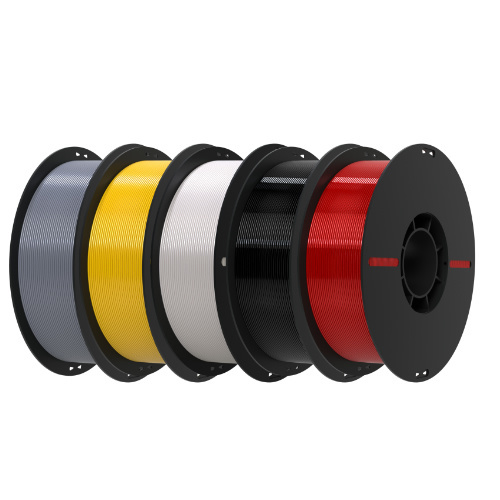
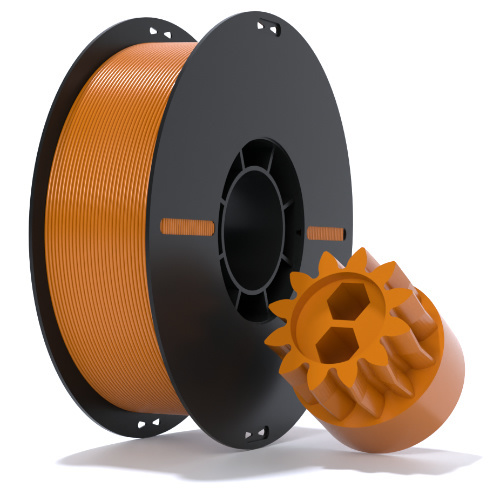
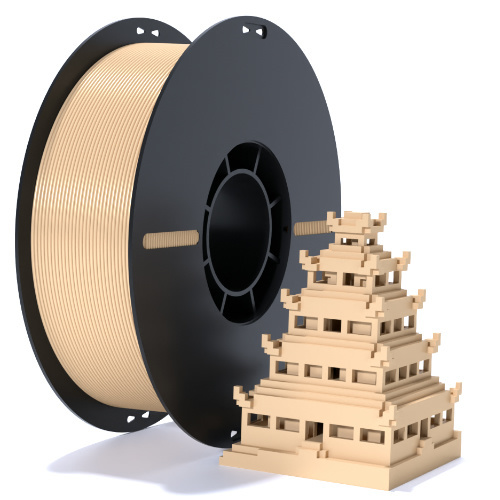
A:Yes, all Goofoo 3D printers support most standard 1.75mm third-party filaments including PLA, ABS, PETG and TPU. We also offer high-quality low-cost official filaments as alternative options for users.
Q:Does Goofoo provide global after-sales support for 3D printer buyers?
A:Yes, we offer 7*24 hours multi-language online after-sales guidance, and local spare part warehouses in main regions to send replacement parts to local users within 3 working days for quick repair.
Q:What is the typical delivery time for a bulk 3D printer order from Goofoo?
A:For small bulk orders less than 500 units, we can finish production and arrange shipment within 7-15 working days. For large custom orders, our sales team will provide exact lead time confirmation within 24 hours.
Q:Can a beginner with zero experience operate a 3D printer easily?
A:Yes, all Goofoo entry-level 3D printers are pre-calibrated before delivery, with auto-bed leveling function and step-by-step video tutorials, beginners can finish their first successful print within 30 minutes after unboxing.
This article was generated by AI and is for reference only.
Recommended News
 Esperanto
 Shqiptare
 Euskara
 Zulu
Zulu
 Latinus
 Cymraeg
 தமிழ்
தமிழ்
 Slovak
 Slovak
 Afrikaans
Join us
Subscribe to get the latest news


Skype / WhatsApp: +86 592-5713513 / +86-13860126490
No.88-3, North Tongji Road, Xike County, Tong'an District, Xiamen, Fujian China
Xiamen Goofoo Technology Co., Ltd. All Rights Reserved 闽ICP备2022008070号-1 SEO 300.cn
Phone:+0086 592-5713513
Address: No.88-3, North Tongji Road, Xike County, Tong’an District, Xiamen, Fujian China
Email: sales@goofoo3d.com
We will give you feedback in time