
- Shop Shop
-
Desktop
Desktop
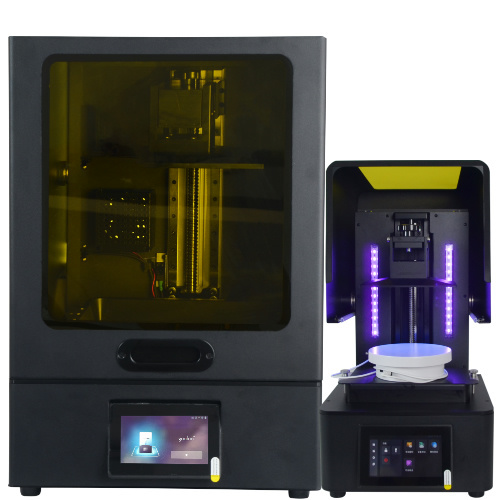
MSLA series

High accuracy Lens-s pro
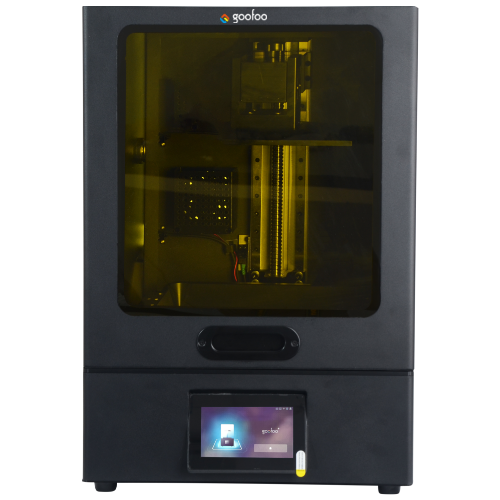
Large build volume Lens-m pro
- Industrial Industrial
-
Material
Material

Resin series

Dental DM100/TC100/ etc.

Jewelry Jewelry Resin

Generic PW100

Industry High Temp Resin

Garage Kit Red wax
-
Expanded
Expanded
Laser Engraver/CNC

TS4030(class1) Laser engraver & cutter 400*300mm
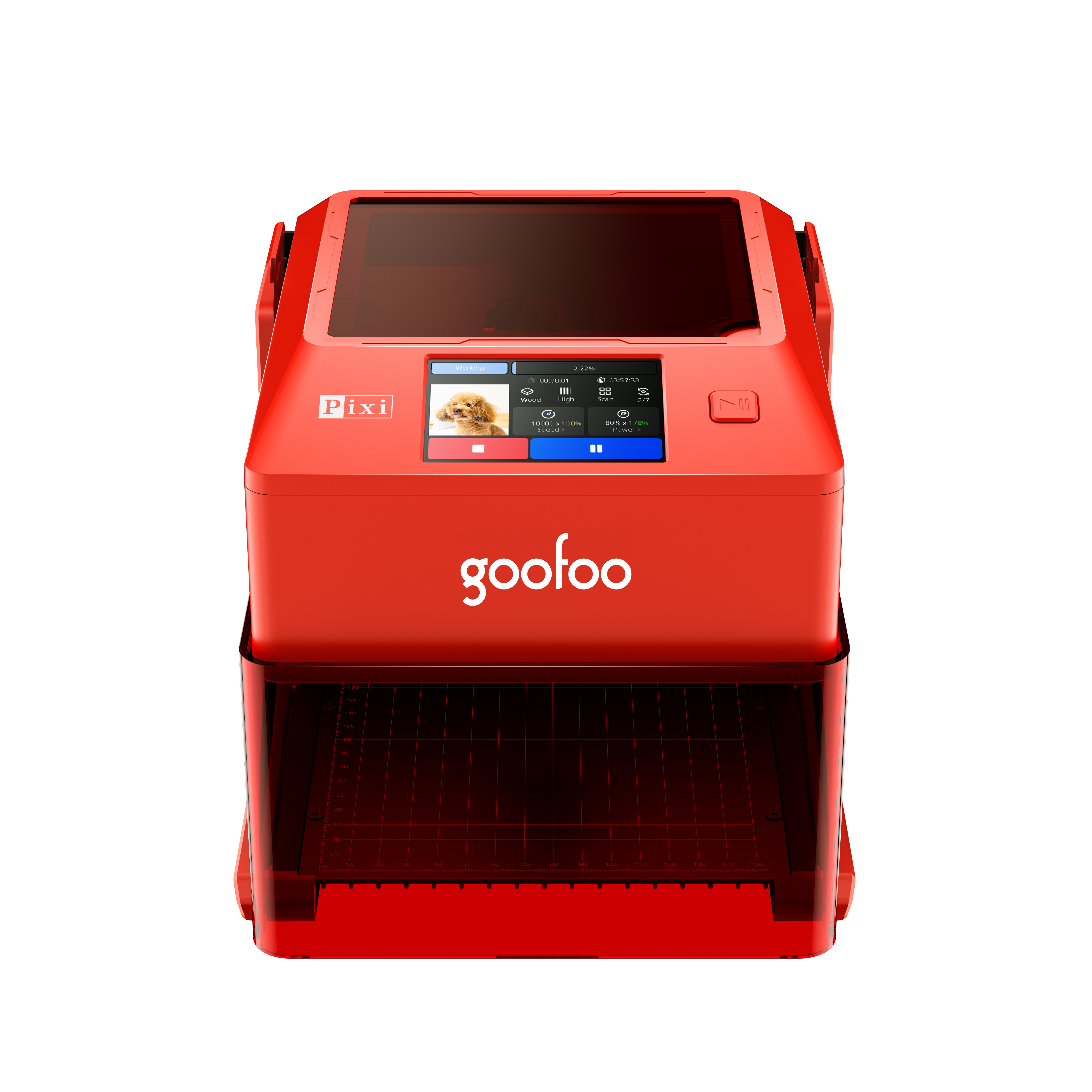
Pixi(class1) Laser engraver & cutter 100*100mm
3D scanner
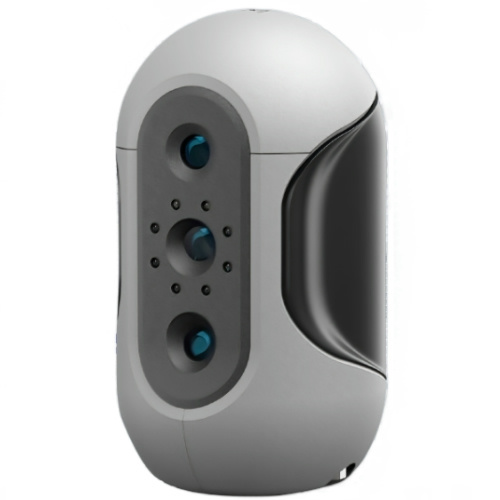
Mole Highest accuracy 0.05mm
- Industries & Applications Industries & Applications
- Support Support
- About Us About Us
- Contact Us Contact Us
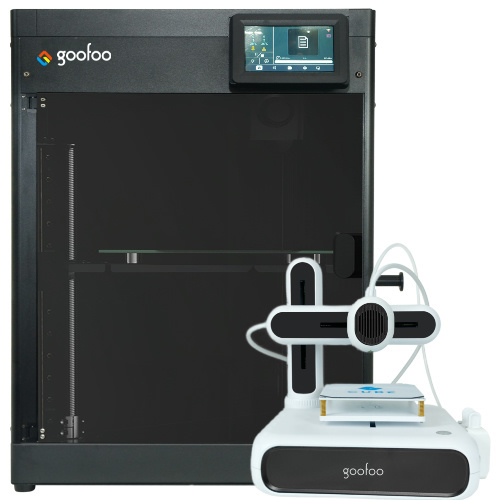


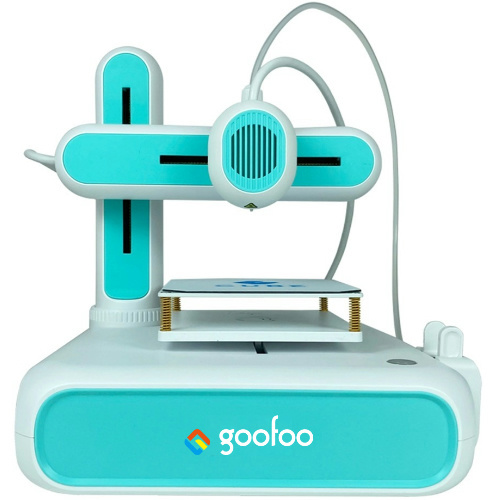
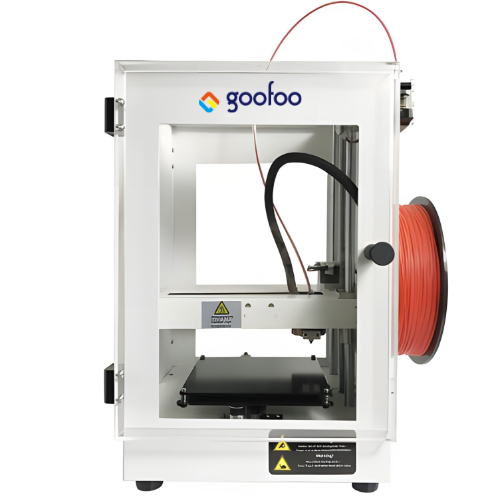
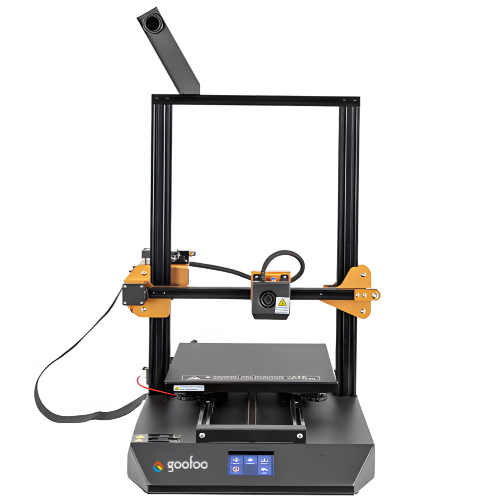
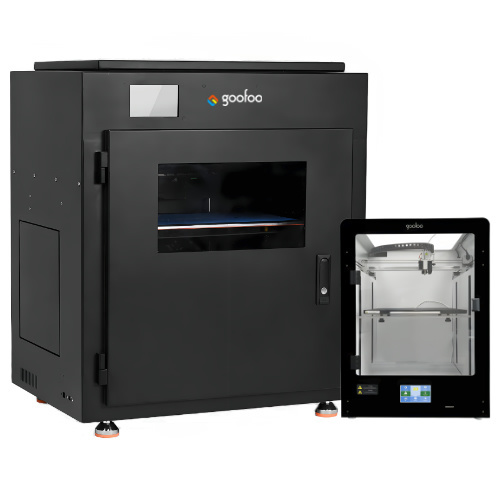
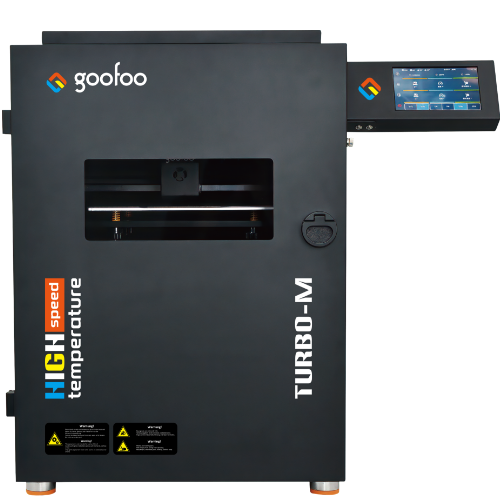
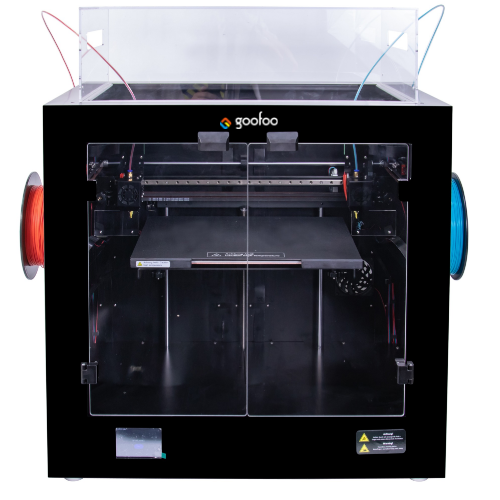
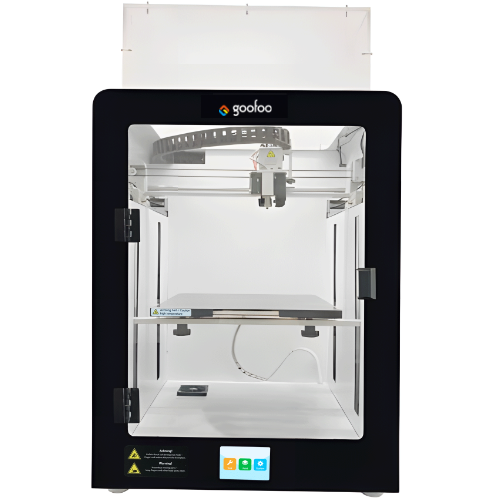
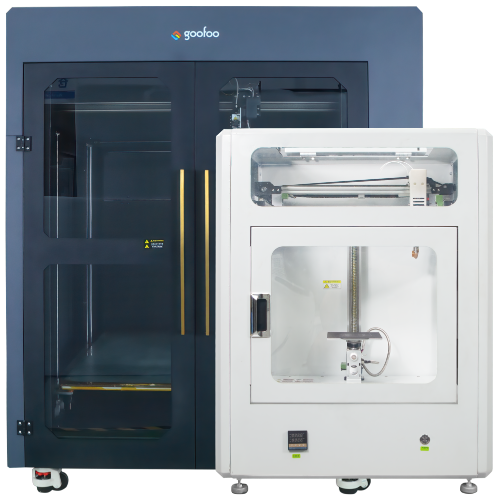

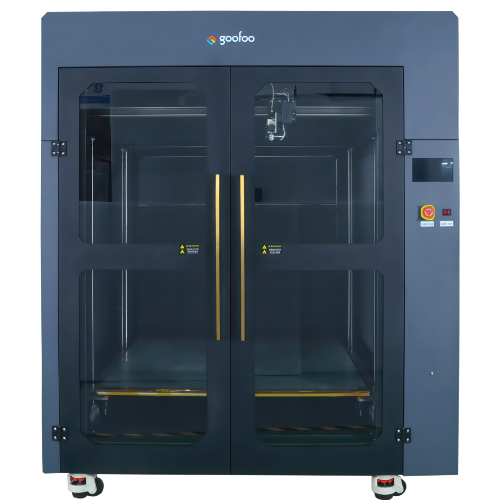
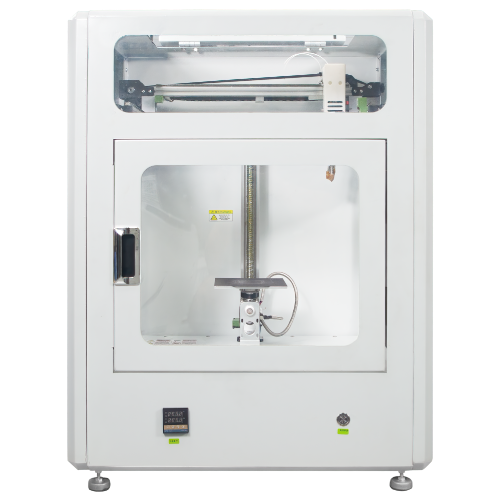
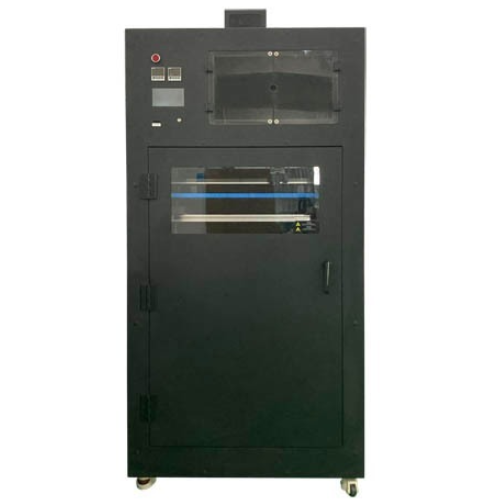
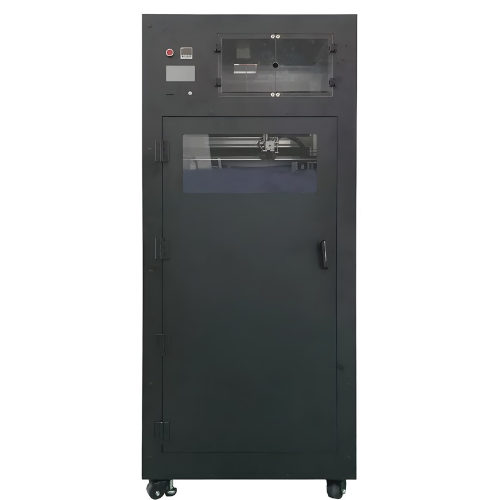
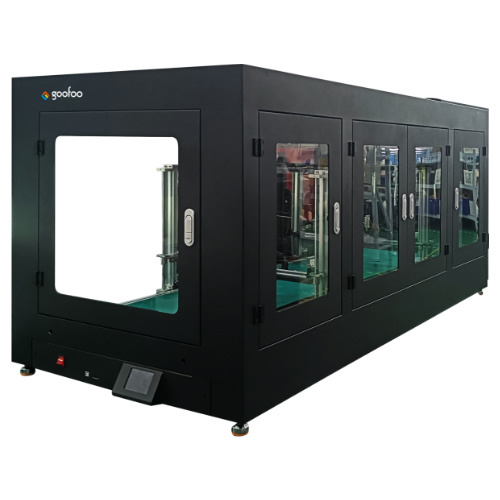
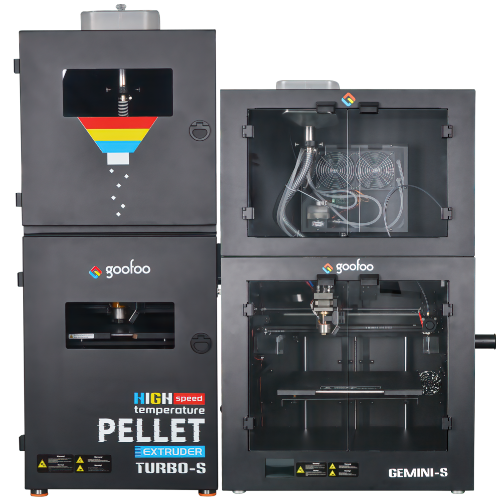

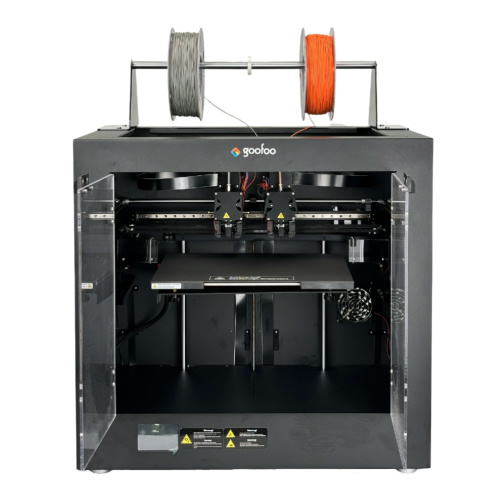








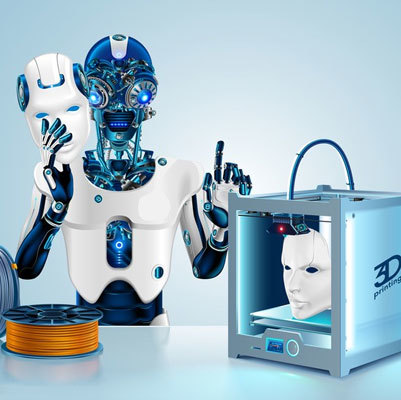








2026 Ultimate 3D Printer Guide: Types, Applications and Reliable Buying Tips
2026-06-03 17:12
📋 Quick Overview
This practical guide sorts out all verified facts of 3D printers in 2026, no empty marketing buzzwords, to save you hours of research time on product selection and daily operation.
Basic Definition of 3D Printer
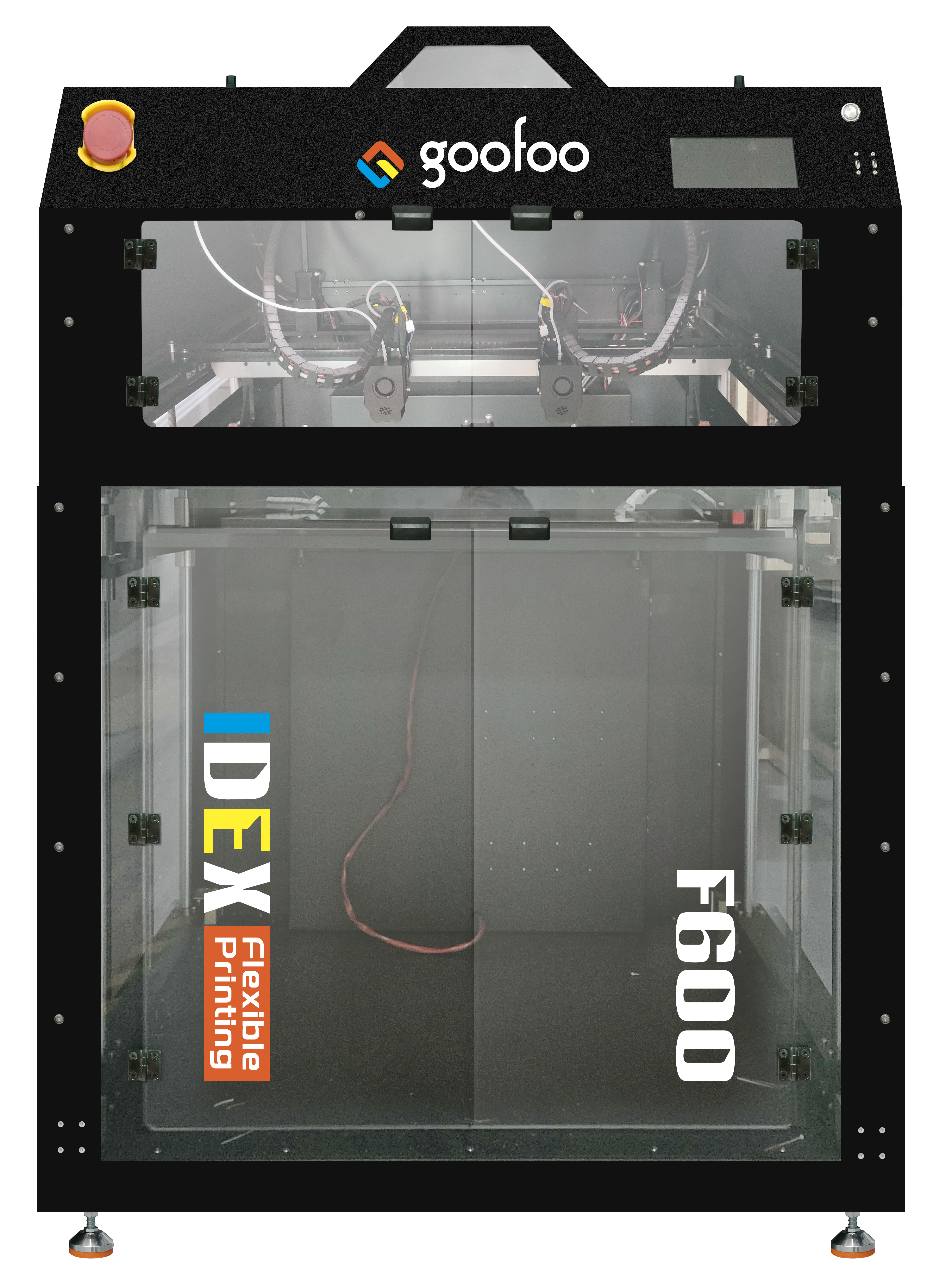
In the first 10 seconds of reading, you get the most clear definition: A 3D printer is a additive manufacturing device that builds physical 3D objects layer by layer from digital STL files. Different from traditional subtractive manufacturing that cuts materials from solid blocks, it only consumes materials that form the final product, reducing waste by 70% on average for small batch production.
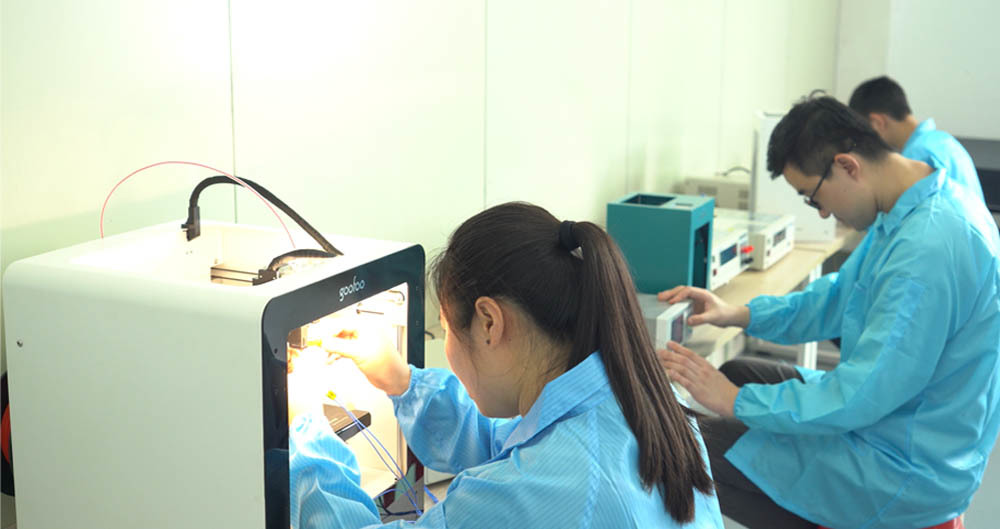
Actual test results from Goofoo lab show that entry-level 3D printers released after 2025 can reach ±0.05mm printing accuracy, which meets the demand of most consumer-level DIY, education and small prototype making scenarios. According to 2026 industry research, over 68% of small creative studios have replaced at least 20% of their traditional CNC processing work with desktop 3D printers to cut lead time from 3-7 days to 2-4 hours.
Q: What are the main working principles of 3D printers?
The 4 most mainstream 3D printer technologies in 2026 are Fused Deposition Modeling (FDM), Stereolithography (SLA), Selective Laser Sintering (SLS) and Material Jetting. FDM is the most popular type for home and education use for its low cost, while SLA offers ultra-smooth surface finish for jewelry and dental prototype production.
Q: How much does a reliable 3D printer cost in 2026?
A qualified consumer-level 3D printer from a trustworthy brand costs between $199 to $599, mid-range semi-industrial models range from $800 to $2500, and professional industrial SLS 3D printers start from $8000 and above. In practice, users who buy models under $150 usually face over 40% failure rate in first 3 months of use.
Step-by-step Guide to Set Up Your First 3D Printer
For total beginners, follow this verified workflow from Goofoo technical support team to finish first test print within 30 minutes without error:
- Level the heated build plate with automatic bed leveling sensor or manual paper calibration, to make sure the nozzle keeps uniform 0.1mm distance from the plate across all areas
- Load PLA filament into the extruder after it is heated to 190℃, squeeze out 2-3cm of material to make sure it flows smoothly
- Import your STL model into slicer software, set layer height to 0.2mm, printing speed to 60mm/s, then export the sliced G-code file
- Run 10mm calibration cube test print first, to adjust Z-offset if you notice filament warping or not sticking to the plate
- Start printing your target model after the calibration cube is finished without defects

Image Source: unsplash
| Parameter Dimension | Entry-level Consumer 3D Printer | Mid-range Industrial 3D Printer |
|---|---|---|
| Printing Speed | ≤ 150 mm/s | ≤ 350 mm/s |
| Max Build Volume | 220*220*250 mm | 600*600*700 mm |
| Power Consumption | 350W | 2200W |
| Expected Service Life | 1-2 years | 5-8 years |
Industry consensus in 2026 shows that properly maintained 3D printers can extend their service life by 60% compared with products that never receive routine cleaning and lubrication for moving parts.
Q: What materials can a normal FDM 3D printer use?
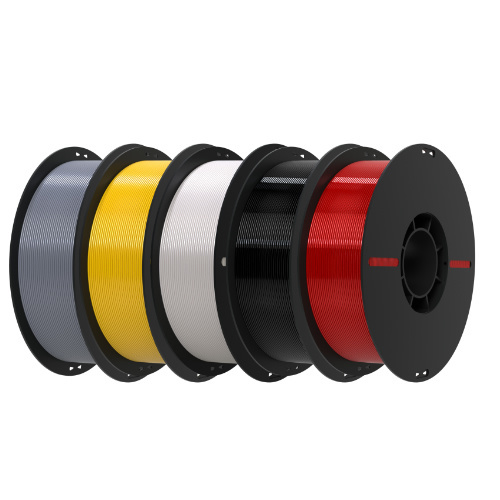
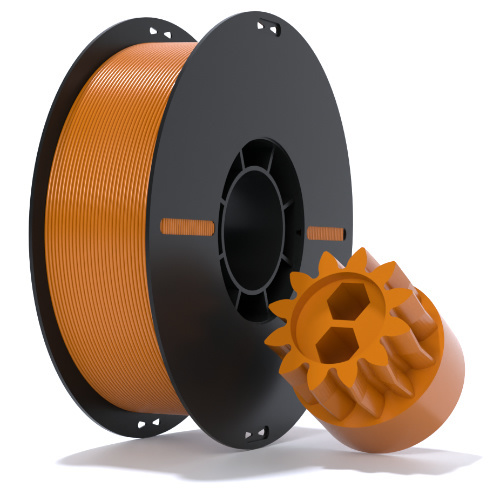
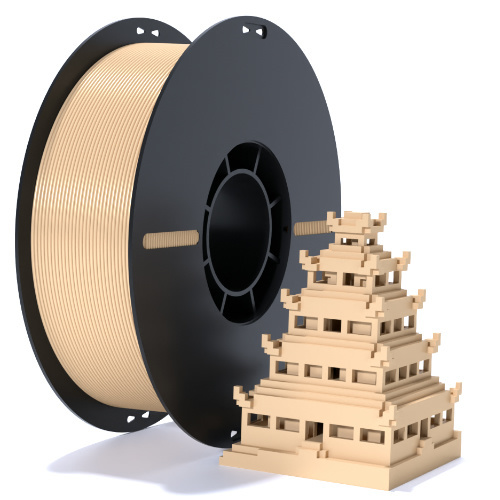
Most consumer FDM 3D printers support PLA, PETG, TPU flexible filament, and some upgraded models with high temperature nozzle can print ABS, PC and carbon fiber filled materials. From real test cases, PLA is the best choice for beginners for its low printing temperature and almost zero warping issue.
Q: Is 3D printer safe to use at home?
Qualified 3D printers with enclosed chamber and HEPA filter will not release harmful ultra-fine particles when printing PLA materials. Users are suggested to keep the room ventilated when printing ABS materials, to avoid inhaling volatile fumes produced by high temperature melting.
Top Use Cases of 3D Printers in 2026
In practice, 3D printers are no longer only used for industrial prototype making, they have been widely applied in 12+ mainstream industries including home DIY, K12 education, custom jewelry making, dental medical part processing, and small batch custom parts production for small factories.
Goofoo has supplied over 200,000 units of 3D printers to users from 127 countries and regions up to 2026, 42% of our enterprise users use 3D printers to make custom jigs and fixtures for their assembly lines, which reduces their fixture manufacturing cost by 85% compared with outsourcing processing.
Q: Can 3D printer make functional end-use products?
With the development of high strength engineering filament in 2026, most 3D printers can print functional parts that can work under 120℃ temperature and bear 20+ kg of load, which is enough for most non-heavy-load end use scenarios such as drone frames, custom tool holders and toy parts.
Routine Maintenance Tips to Extend 3D Printer Life
Actual long-term tracking data shows that users who follow simple weekly maintenance steps reduce 3D printer failure rate by 78%, no complex professional operation needed.
You only need to clean the nozzle every 20 printing hours, lubricate linear rails with special grease every 3 months, and replace the worn nozzle part every 3-6 months according to your printing frequency, to keep your 3D printer working in stable condition for years. All Goofoo 3D printers come with 1 year official warranty and lifetime free technical support for global users.
Frequently Asked Questions
Q:Do I need professional technical knowledge to operate a 3D printer?
A:For 2026 new auto-calibration 3D printers, you do not need complex professional knowledge, you can finish your first successful print under 1 hour with the official provided step-by-step tutorial.
Q:What should I do if my 3D print model warps and falls off the build plate?
A:First check if the build plate is leveled correctly, then set the plate temperature to 60℃ for PLA material, or apply a thin layer of glue stick on the plate to increase adhesion.
Q:Can 3D printers make food or edible products?
There are special food grade 3D printers that can print chocolate, cookie dough and other edible materials, but regular FDM 3D printers for plastic printing are not safe to produce food contact products.
Q:How long does a normal 3D print job take?
It depends on model size and layer height, a small 5cm figurine takes around 1-2 hours, and a 30cm large functional part can take 10 to 20 hours to finish printing.
This article was generated by AI and is for reference only.
Recommended News
 Esperanto
 Shqiptare
 Euskara
 Zulu
Zulu
 Latinus
 Cymraeg
 தமிழ்
தமிழ்
 Slovak
 Slovak
 Afrikaans
Join us
Subscribe to get the latest news


Skype / WhatsApp: +86 592-5713513 / +86-13860126490
No.88-3, North Tongji Road, Xike County, Tong'an District, Xiamen, Fujian China
Xiamen Goofoo Technology Co., Ltd. All Rights Reserved 闽ICP备2022008070号-1 SEO 300.cn
Phone:+0086 592-5713513
Address: No.88-3, North Tongji Road, Xike County, Tong’an District, Xiamen, Fujian China
Email: sales@goofoo3d.com
We will give you feedback in time