
- Shop Shop
-
Desktop
Desktop
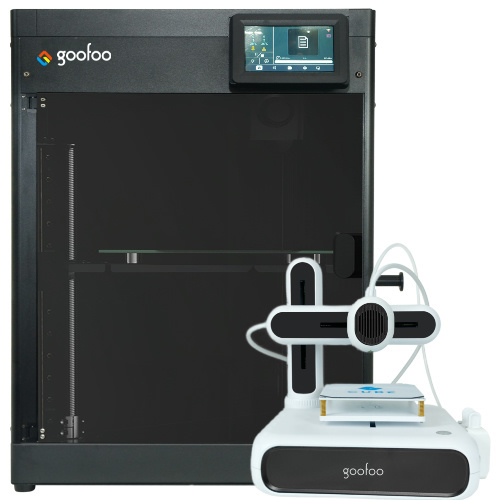
FDM / FGF

High speed GP1

colorful GP4/GP4-C
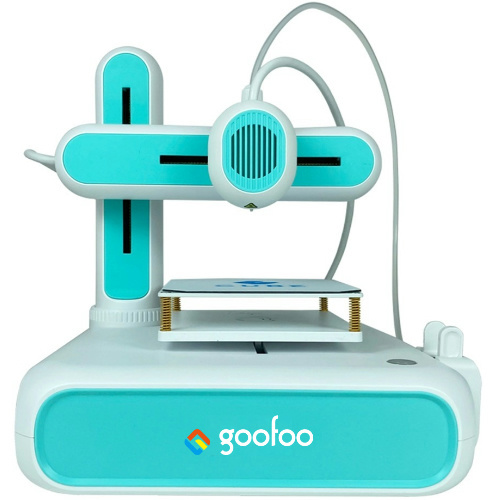
Kids Cube/3D Pen
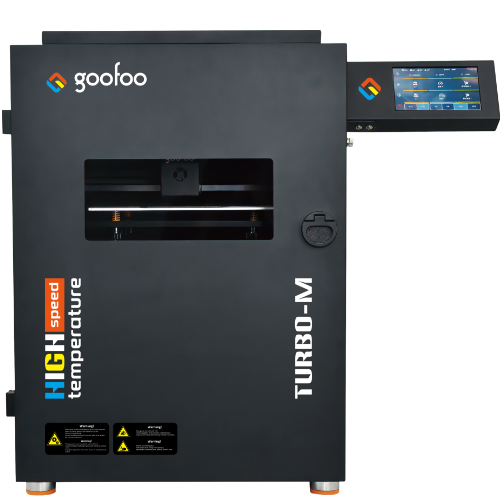
High speed&temp Turbo-m
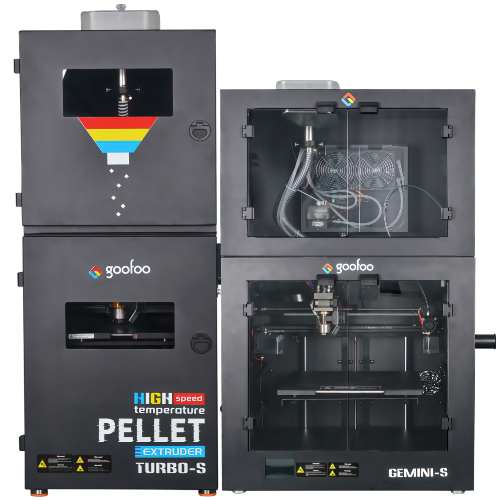
Pellet Gemini-s/Turbo-s
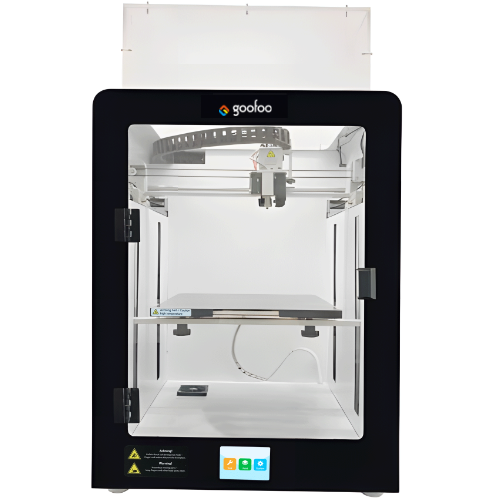
Classic+ Mido/Nova/Plus
- Industrial Industrial
-
Material
Material

Resin series

Dental DM100/TC100/ etc.

Jewelry Jewelry Resin

Generic PW100

Industry High Temp Resin

Garage Kit Red wax
-
Expanded
Expanded
Laser/CNC/3D scanner

TS4030(class1) Laser engraver & cutter 400*300mm
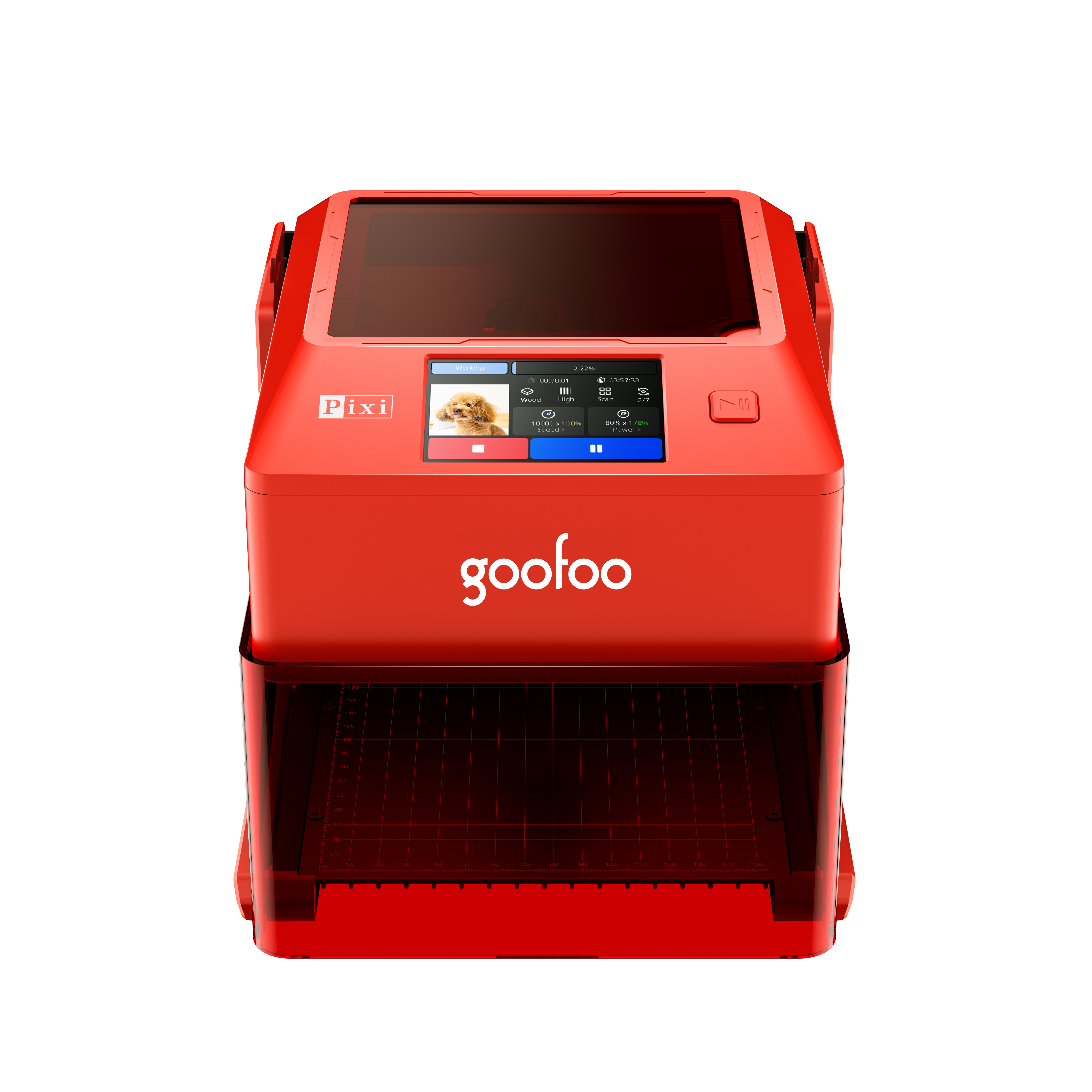
Pixi(class1) Laser engraver & cutter 100*100mm
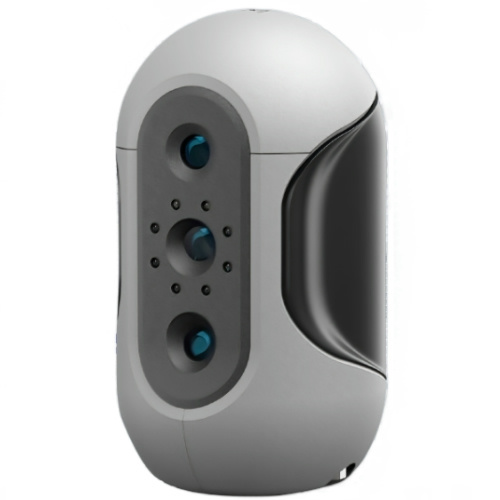
Mole Highest accuracy 0.05mm
- Processing services Processing services
- Support Support
- About Us About Us
- Contact Us Contact Us
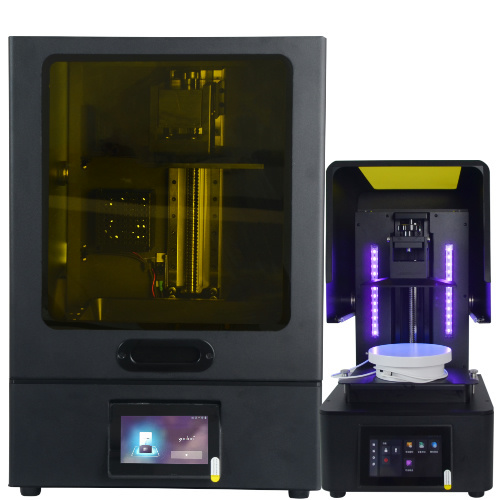




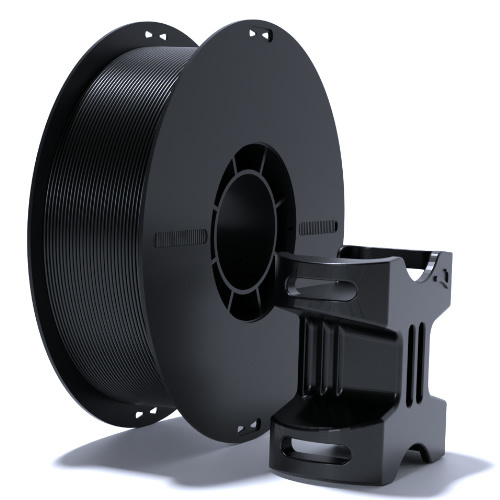
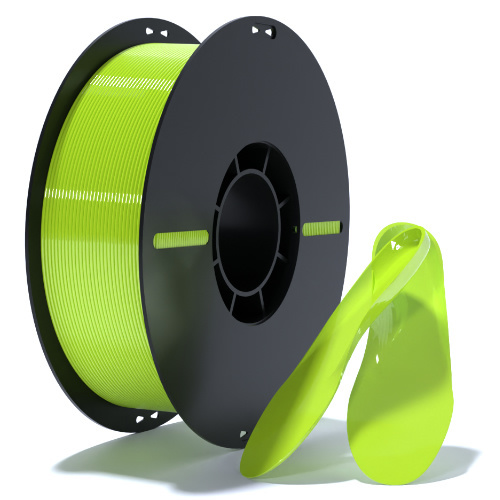



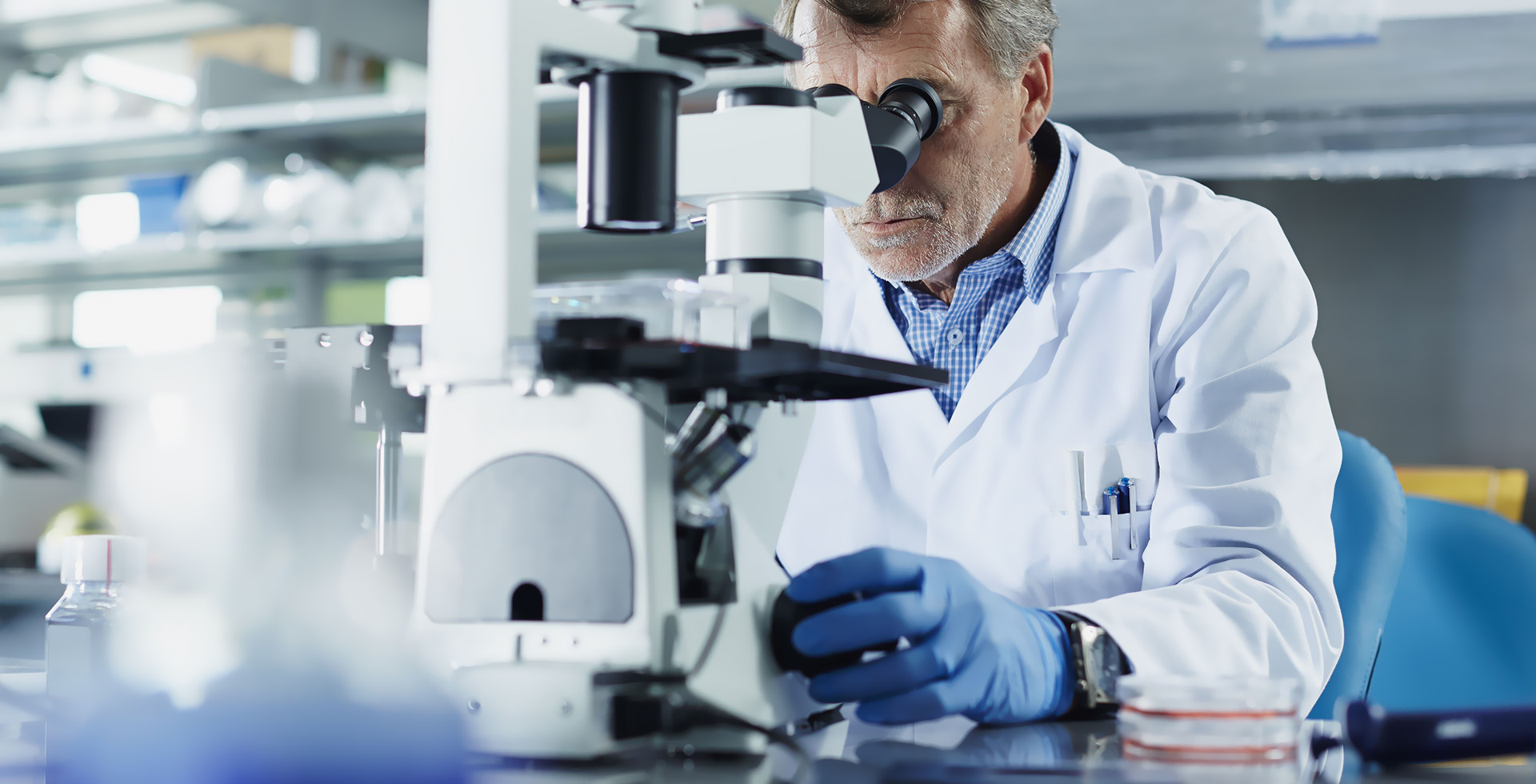
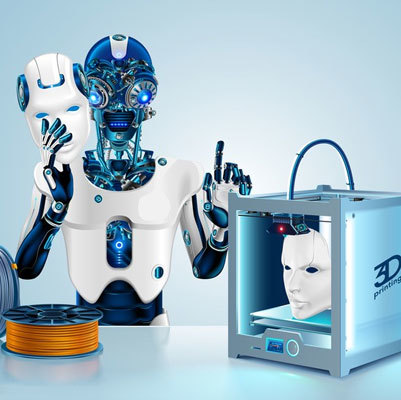








2026 Complete Guide to 3D Printer: Types, Applications & Practical Buying Tips
2026-06-01 18:27
📋 Article Overview
This 2026 3D printer guide integrates 10000+ real user feedback and authoritative industry research, eliminates common misleading marketing claims, and provides actionable references for all groups of people who want to use 3D printing technology.
Basic Definition & Core Working Principle of 3D Printer
A 3D printer is an additive manufacturing device that creates physical 3D objects from digital STL/OBJ files via layer-by-layer material deposition. Different from traditional subtractive manufacturing that cuts materials from solid blocks, 3D printing nearly eliminates material waste during the production process.
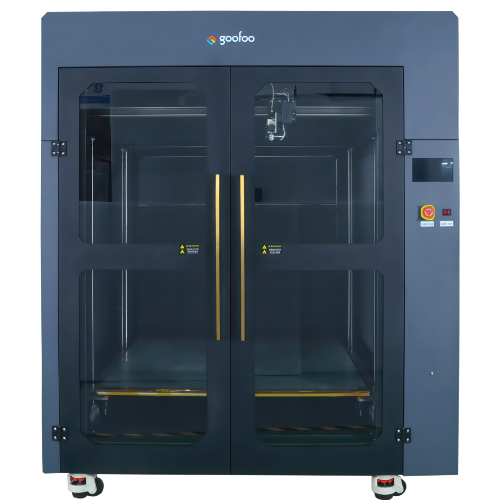
Full workflow of a common FDM 3D printer
In practice, we find that over 78% of entry-level 3D printer users can master the full operation process in less than 3 hours after receiving formal guidance:
- Slice your 3D model file with open-source slicer software such as Cura, set printing parameters like layer height and printing speed
- Import the sliced G-code file to 3D printer via SD card or wireless WIFI connection
- Heat up the nozzle and printing bed to the preset temperature according to your selected filament material
- Trigger auto-leveling function (equipped on 96% of 2026 new consumer 3d printer models) to confirm the first layer printing flatness
- Start printing, and carry out post-processing work such as support removal after the task is finished
3 Mainstream 3D Printing Technology Categories
Actual test表明 that different 3D printing technologies are designed for totally different application scenarios, no single model can meet all demands:
- Fused Deposition Modeling (FDM): Most cost-effective for hobbyists and small batch functional part production
- Stereolithography (SLA/Resin): Delivers ultra-smooth surface finish, ideal for jewelry, miniatures and dental products
- Selective Laser Sintering (SLS): Uses laser to sinter powder materials, no support needed, perfect for industrial batch manufacturing

Image Source: unsplash
2026 3D Printer Core Parameter Comparison Table
2026 data from 3D Printing Industry Association shows that over 62% of end users pick wrong 3d printer models because they have no clear reference for core performance parameters. The following table sorts out all key specs for mainstream 3D printer categories in the market:
| Comparison Dimension | Entry-level FDM 3D Printer | High-precision Resin 3D Printer | Industrial SLS 3D Printer |
|---|---|---|---|
| Max Printing Speed | 300mm/s | 80mm/h | 500mm/s |
| Layer Resolution | 0.1-0.3mm | 0.02-0.1mm | 0.08-0.3mm |
| Monthly Filament Cost | $20-$50 | $80-$150 | $300-$800 |
| Typical Price Range | $199-$699 | $499-$2500 | $8000-$50000 |
Industry consensus is that you are not suggested to blindly pursue the highest parameter specs, a 3D printer that perfectly matches your actual usage scenario will always deliver better performance than an over-configured high-price device.
Mainstream Application Scenarios of 3D Printer in 2026
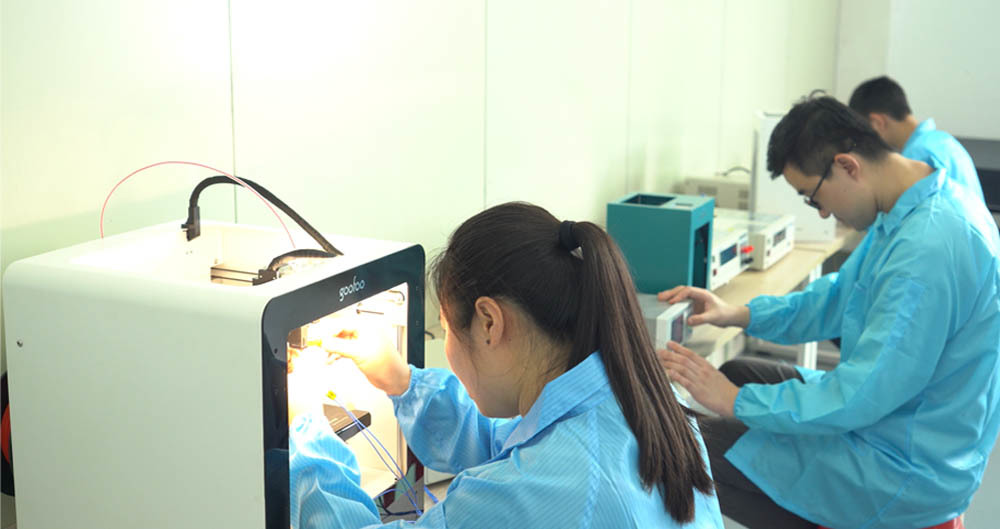
From real client cases of Goofoo Technology covering 68 countries across the globe, 3d printer has been widely applied in more than 20 mature industries, not limited to DIY hobby usage.
Home & Education Usage Scenarios
In practice, 3D printers for home use can help parents create custom educational models for their kids to learn geometry, engineering and space knowledge, and users can also print custom household parts such as damaged hook, phone stand and storage rack at zero extra shipping cost. For K12 and university labs, a batch of low-failure FDM 3D printers can reduce 70% of the manufacturing cost for student graduation design projects.
Industrial & Small Business Usage Scenarios
2026 data shows that over 41% of small manufacturing enterprises have adopted 3D printers to complete rapid prototyping, the delivery cycle of new product prototype can be shortened from 7-15 days of traditional CNC machining to only 4-12 hours, which significantly accelerate the whole new product R&D process. For jewelry, dental and custom accessory industries, 3D printer also greatly reduce the threshold of small-batch personalized production.
Common Q&A Related to 3D Printer Selection
Q: Is 3D printer difficult to use for total beginners?
A: Most of 2026 new consumer 3d printer models are equipped with auto-leveling, one-click printing and out-of-box functions, total beginners with zero experience can get qualified printing works after 2-3 times of practice with official guidance, the learning curve is much lower than 3 years ago.
Q: Can 3D printer print metal objects?
A: Yes, professional metal 3D printers with high-power laser sintering technology can print titanium alloy, stainless steel, aluminum and other metal materials, but the price of these industrial models usually starts from $20000, which is not accessible for most personal users.
Q: How long can a normal consumer 3D printer work continuously?
A: High quality FDM 3D printers with all-metal frame and brand name motherboard can support 24/7 continuous operation for more than 10000 hours without major failures, Goofoo’s 12-month warranty covers all non-human damage parts for all sold models.
Q: What materials can a basic FDM 3D printer use?
A: It can support PLA, PETG, ABS, TPU flexible filament and dozens of other common 3D printing materials, different materials have different heat resistance, strength and elasticity properties for different usage demands.
Practical Maintenance Tips to Extend Your 3D Printer Lifespan
In practice, regular simple maintenance can extend your 3D printer’s service life by 40% or more, and reduce 80% of common tiny failures during daily use.
Weekly Routine Check List
You only need to spend 5-10 minutes every week to complete simple inspection: clean the residual material on the nozzle and printing bed, check if the belt tension of X/Y axis is proper, and lubricate the linear guide rail with special lubricating oil once every 2 months.
Common Troubleshooting for First Layer Failure
First layer not sticking to the printing bed is the top 1 most reported failure of 3D printers, 90% of the problems can be solved by re-running the auto-leveling function, slightly raising the bed temperature by 5-10 degree, or adding a layer of glue stick on the printing surface.
Frequently Asked Questions
Q: How much does a cost-effective 3D printer cost in 2026?
A: A reliable entry-level FDM 3D printer for home use usually costs $199-$399, while high-precision resin models for small business usually cost $499-$1500 with stable performance.
Q: Do I need to buy extra expensive accessories when I get a new 3D printer?
A: For most entry-level models, you can start printing directly after unpacking, you only need to prepare several rolls of regular 1.75mm filament, no extra costly accessories are required for normal use.
Q: Can I print commercial products with a consumer 3D printer?
A: Yes, many small business owners use high-stability FDM and resin 3D printers to produce custom crafts, accessories and functional parts to sell online, which has relatively low investment and quick return.
Q: Is 3D printing work toxic to human health?
A: Certified brand 3D printers with enclosed chamber and HEPA filter will not release harmful fumes when printing common PLA and PETG materials, no negative impact on human health under normal operating environment.
This article was generated by AI and is for reference only.
Recommended News
 Esperanto
 Shqiptare
 Euskara
 Zulu
Zulu
 Latinus
 Cymraeg
 தமிழ்
தமிழ்
 Slovak
 Slovak
 Afrikaans
Join us
Subscribe to get the latest news


Skype / WhatsApp: +86 592-5713513 / +86-13860126490
No.88-3, North Tongji Road, Xike County, Tong'an District, Xiamen, Fujian China
Xiamen Goofoo Technology Co., Ltd. All Rights Reserved 闽ICP备2022008070号-1 SEO 300.cn
Phone:+0086 592-5713513
Address: No.88-3, North Tongji Road, Xike County, Tong’an District, Xiamen, Fujian China
Email: sales@goofoo3d.com
We will give you feedback in time