
- Shop Shop
-
Desktop
Desktop
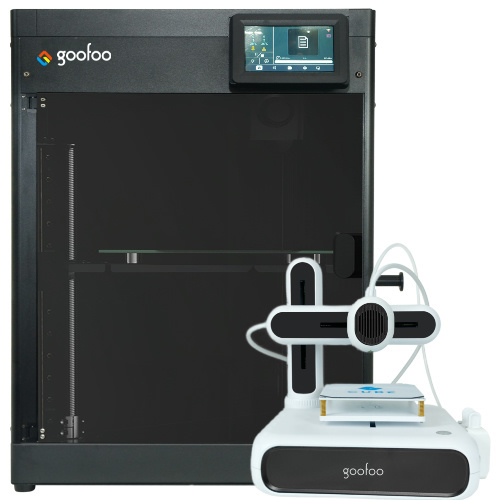
FDM / FGF

High speed GP1

colorful GP4/GP4-C
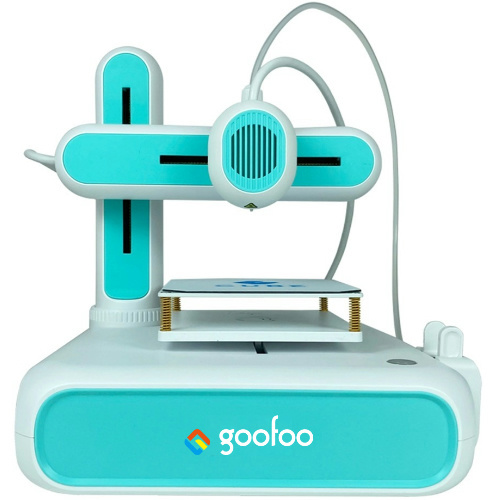
Kids Cube/3D Pen
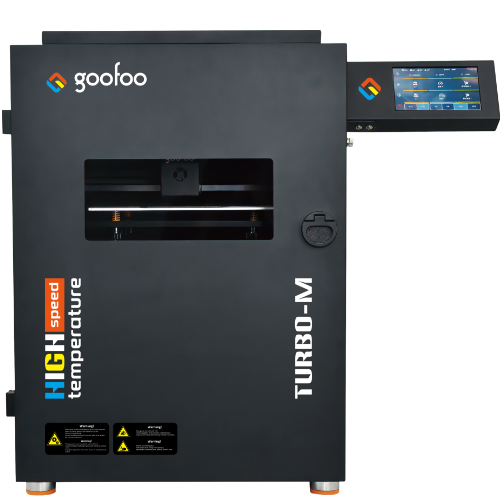
High speed&temp Turbo-m
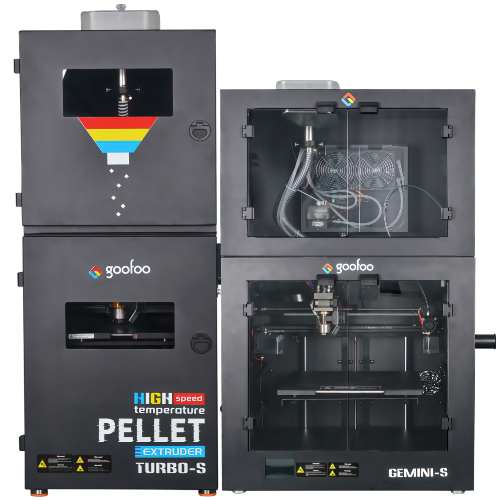
Pellet Gemini-s/Turbo-s
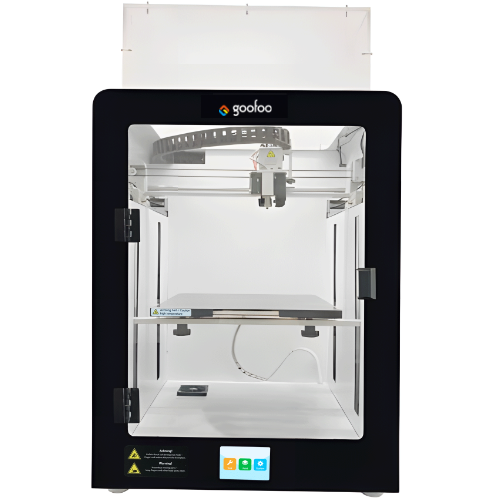
Classic+ Mido/Nova/Plus
- Industrial Industrial
-
Material
Material

Resin series

Dental DM100/TC100/ etc.

Jewelry Jewelry Resin

Generic PW100

Industry High Temp Resin

Garage Kit Red wax
-
Expanded
Expanded
Laser/CNC/3D scanner

TS4030(class1) Laser engraver & cutter 400*300mm
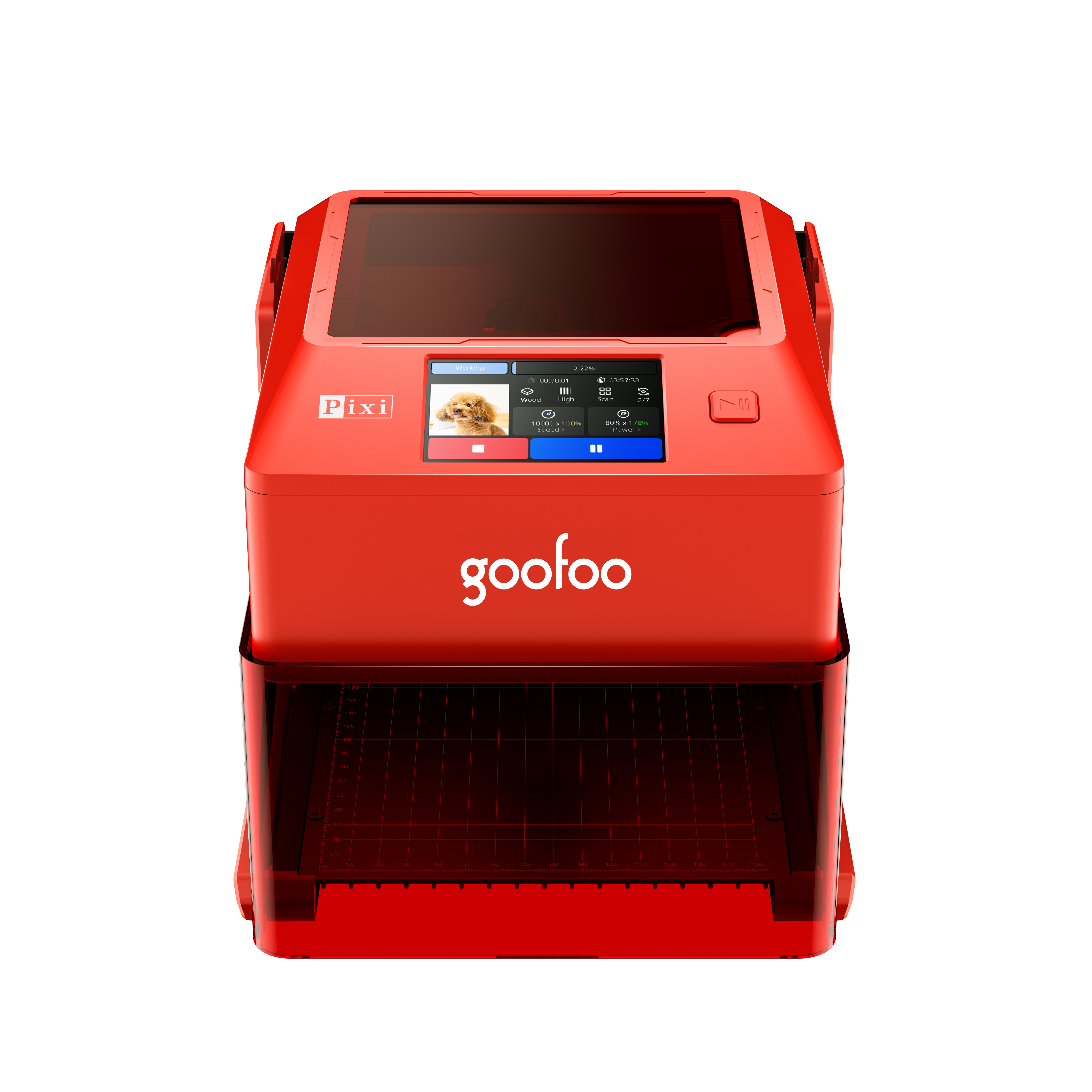
Pixi(class1) Laser engraver & cutter 100*100mm
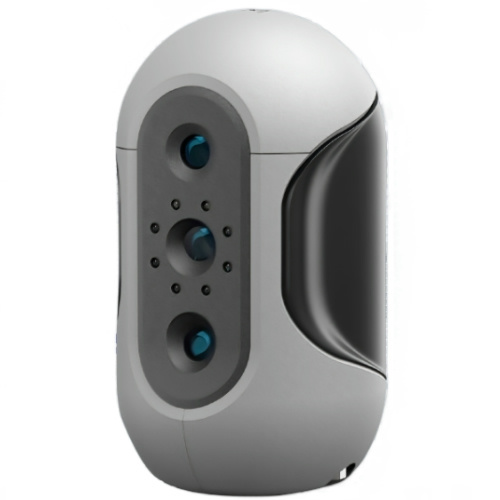
Mole Highest accuracy 0.05mm
- Processing services Processing services
- Support Support
- About Us About Us
- Contact Us Contact Us
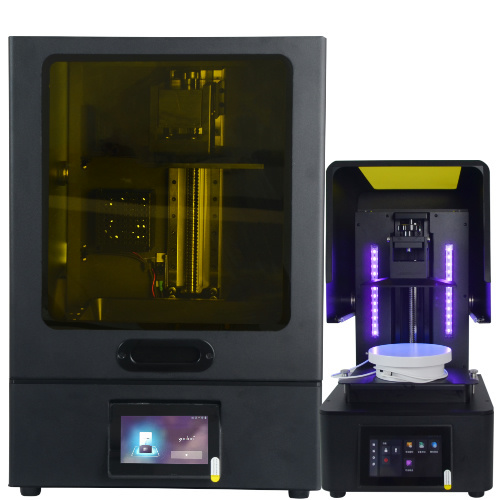


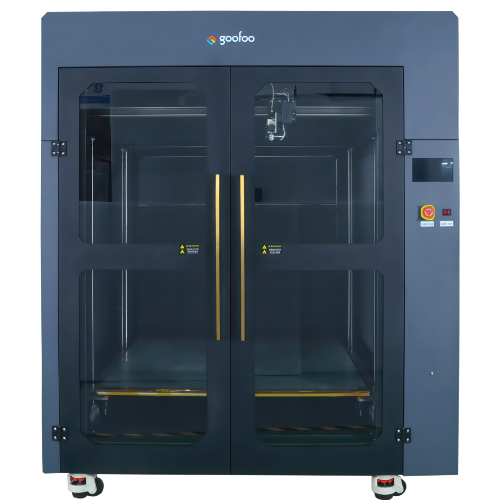












Choosing the Right 3D Printer FDM: Factors to Consider
2023-10-03 11:00
1. Introduction: Understanding the Importance of Choosing the Right 3D Printer FDM
2. Budget: Finding the Perfect Balance
3. Print Quality: Achieving High-Resolution Prints
4. Print Speed: Balancing Efficiency and Time Constraints
5. Build Volume: Determining the Size of Your Prints
6. Materials Compatibility: Exploring the Options
7. Ease of Use: Simplifying the Printing Process
8. Connectivity and Software: Enhancing Your Experience
9. Reliability and Support: Ensuring a Smooth Workflow
10. Frequently Asked Questions
11. Conclusion
1. Introduction: Understanding the Importance of Choosing the Right 3D Printer FDM
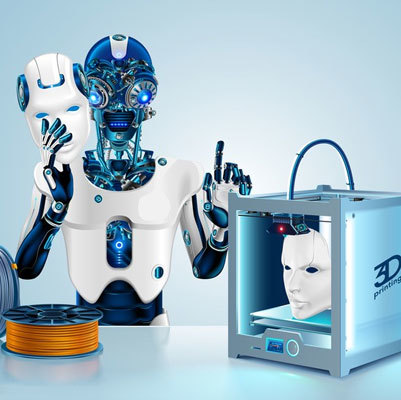
When venturing into the world of 3D printing, selecting the right FDM printer is crucial to achieve optimal results. With numerous options available in the market, it can be overwhelming to make a decision. This article aims to provide you with insights into the key factors that should be considered when choosing the perfect 3D printer FDM.
2. Budget: Finding the Perfect Balance
One of the primary considerations in selecting a 3D printer is your budget. While it is important to invest in a quality machine, it is equally essential to strike a balance between cost and features. Determine your budget range and explore printers within that range to find the best value for your money.
3. Print Quality: Achieving High-Resolution Prints
Print quality plays a significant role in the final output of your 3D prints. Factors such as layer resolution, nozzle size, and the printer's overall precision contribute to the level of detail and smoothness. Consider the desired quality of your prints and choose a printer with suitable specifications to meet your expectations.
4. Print Speed: Balancing Efficiency and Time Constraints
The speed at which a 3D printer can produce prints is another crucial factor to consider. While faster printing can save time, it may come at the cost of print quality. Evaluate your priorities and find a printer that offers a balance between speed and accuracy, depending on your specific requirements.
5. Build Volume: Determining the Size of Your Prints
The build volume of a 3D printer refers to the maximum size of objects it can produce. Assess the scale of your intended prints and ensure the chosen printer offers a sufficient build volume to accommodate your needs. Consider future projects as well, as you may want to explore larger prints.
6. Materials Compatibility: Exploring the Options
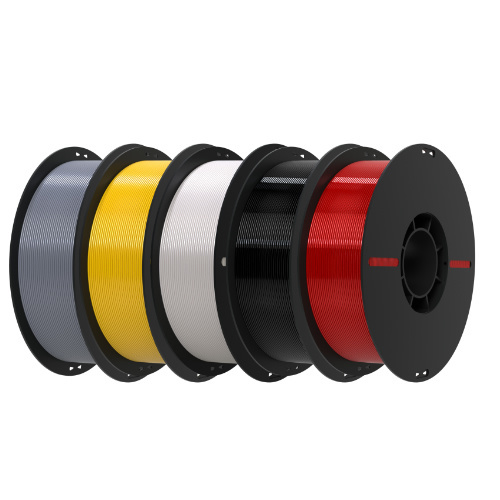
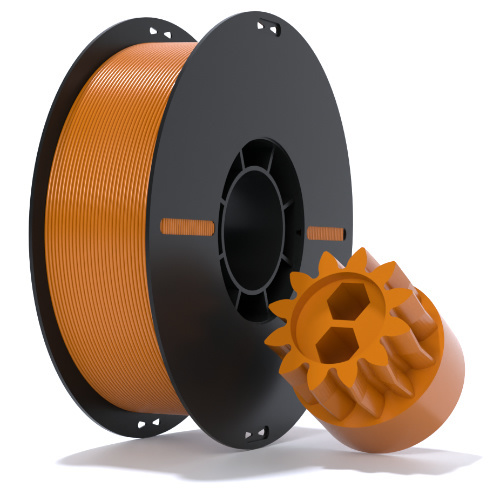
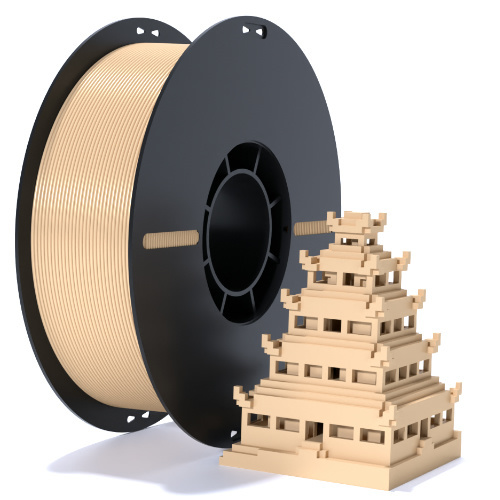
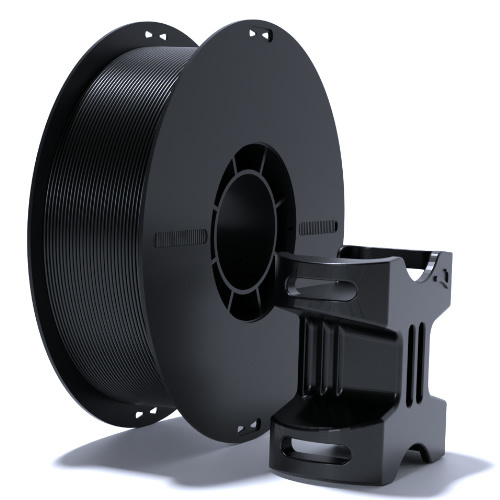
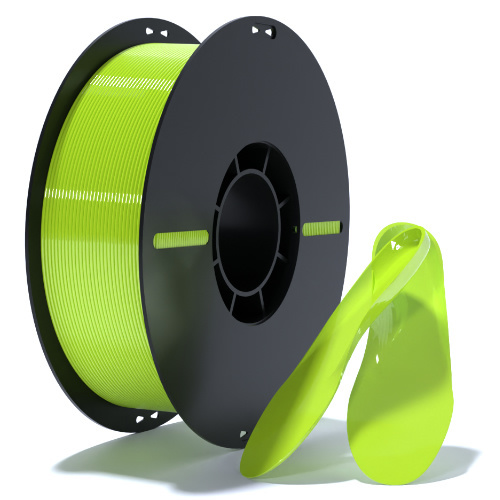
Different 3D printers are compatible with specific types of filaments and materials. Consider the range of materials you plan to work with and ensure that the printer you choose supports them. From standard plastics to advanced materials like carbon fiber-infused filaments, explore the possibilities and select a printer that suits your requirements.
7. Ease of Use: Simplifying the Printing Process
For beginners or those who prefer a hassle-free experience, the ease of use of a 3D printer is essential. Look for features such as user-friendly interfaces, intuitive controls, and easily accessible firmware updates. A printer that simplifies the printing process can save you time and frustration.
8. Connectivity and Software: Enhancing Your Experience
The connectivity options and software compatibility of a 3D printer can significantly impact your overall experience. Check if the printer offers multiple connectivity options such as USB, Wi-Fi, or Ethernet, enabling seamless integration with your preferred devices. Additionally, explore the software options provided by the manufacturer or the availability of third-party software that suits your needs.
9. Reliability and Support: Ensuring a Smooth Workflow
Reliability and customer support are crucial factors to consider when investing in a 3D printer. Research the manufacturer's reputation for producing reliable machines and providing prompt technical support. Assess the warranty terms and after-sales service to ensure a smooth workflow and timely assistance when needed.
10. Frequently Asked Questions (FAQs)
Q1: Can I print using different materials with the same 3D printer?
Q2: What factors affect the print quality of a 3D printer?
Q3: How important is the build volume when choosing a 3D printer?
Q4: Are all 3D printers easy to use?
Q5: Can I upgrade my 3D printer's software?
11. Conclusion
Choosing the right 3D printer FDM requires careful consideration of various factors. By evaluating your budget, print quality requirements, print speed preferences, build volume needs, materials compatibility, ease of use, connectivity options, and reliability, you can make an informed decision. Remember, selecting the right 3D printer is crucial for achieving exceptional results in your 3D printing journey.
3d printer fdm
Recommended News
 Esperanto
 Shqiptare
 Euskara
 Zulu
Zulu
 Latinus
 Cymraeg
 தமிழ்
தமிழ்
 Slovak
 Slovak
 Afrikaans
Join us
Subscribe to get the latest news


Skype / WhatsApp: +86 592-5713513 / +86-13860126490
No.88-3, North Tongji Road, Xike County, Tong'an District, Xiamen, Fujian China
Xiamen Goofoo Technology Co., Ltd. All Rights Reserved 闽ICP备2022008070号-1 SEO 300.cn
Phone:+0086 592-5713513
Address: No.88-3, North Tongji Road, Xike County, Tong’an District, Xiamen, Fujian China
Email: sales@goofoo3d.com
We will give you feedback in time