
- Shop Shop
-
Desktop
Desktop
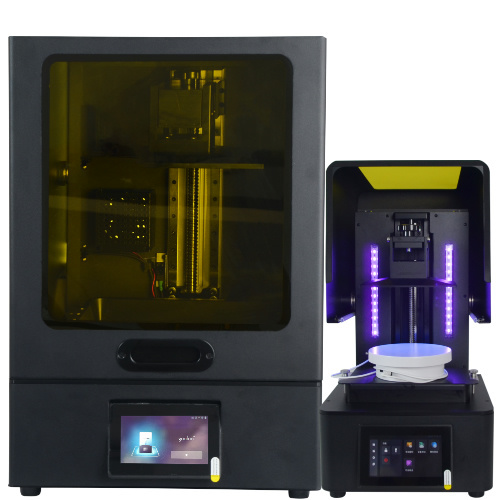
MSLA series
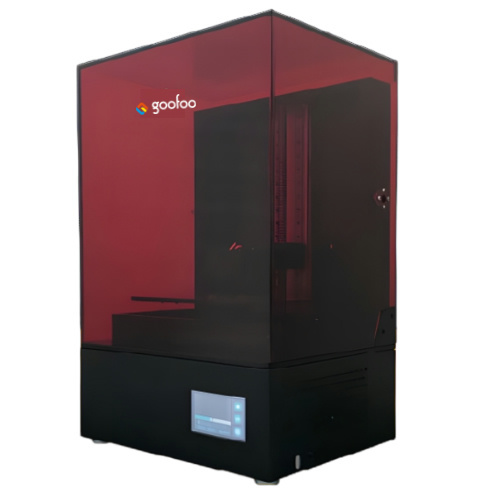
High accuracy Lens-s pro
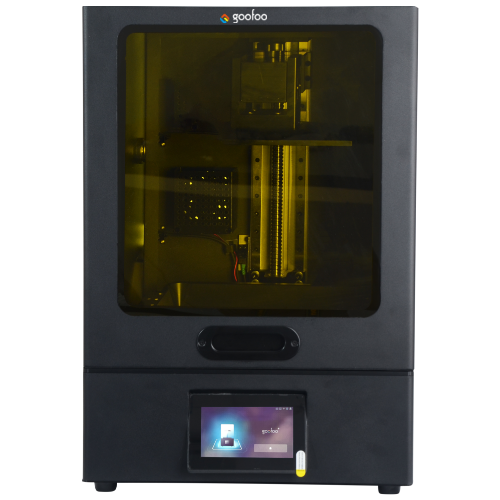
Large build volume Lens-m pro
- Industrial Industrial
-
Material
Material

Resin series

Dental DM100/TC100/ etc.

Jewelry Jewelry Resin

Generic PW100

Industry High Temp Resin

Garage Kit Red wax
-
Expanded
Expanded
Laser Engraver/CNC
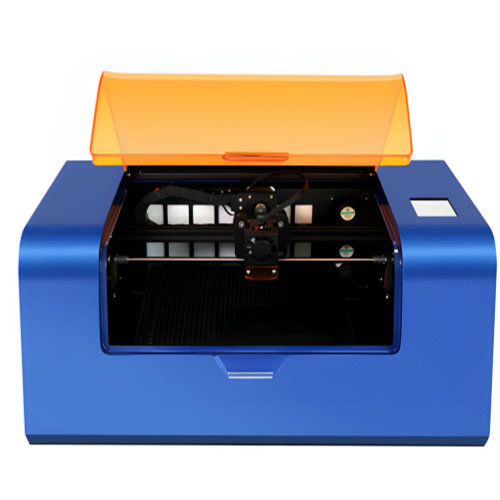
TS3(class1) Laser engraver & cutter 200*300mm
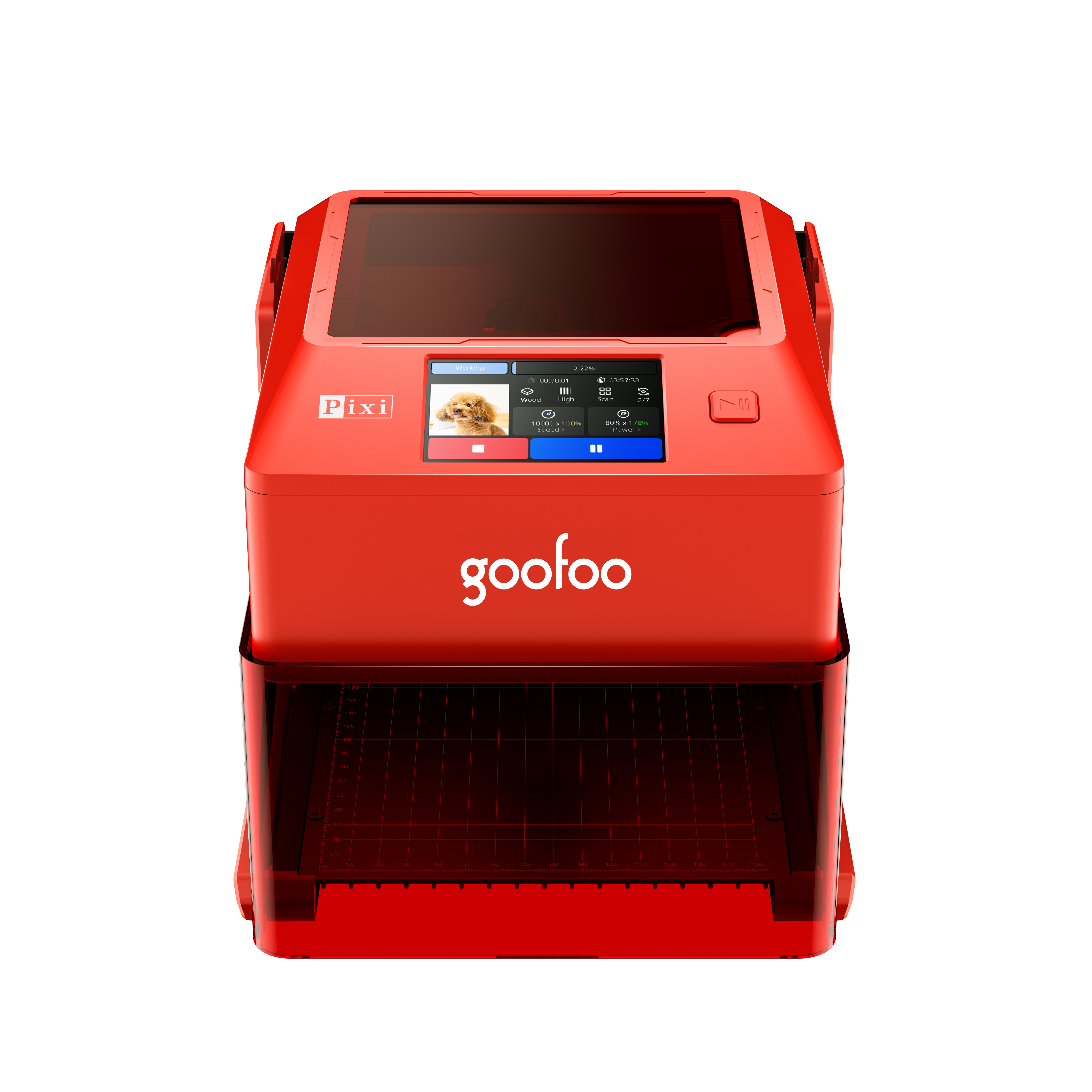
Pixi(class1) Laser engraver & cutter 100*100mm
3D scanner
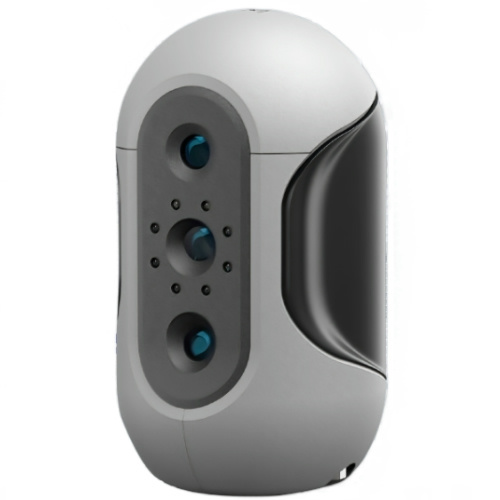
Mole Highest accuracy 0.05mm
- Industries & Applications Industries & Applications
- Support Support
- About Us About Us
- Contact Us Contact Us
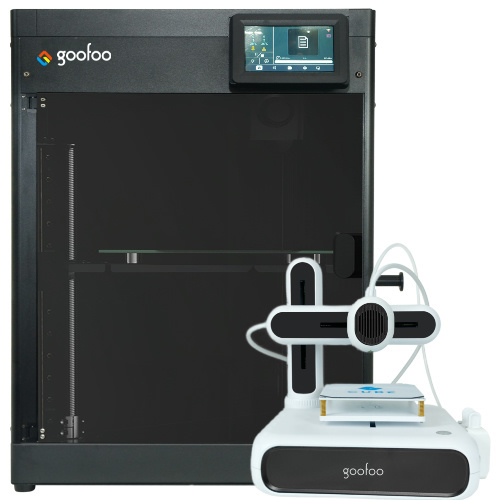


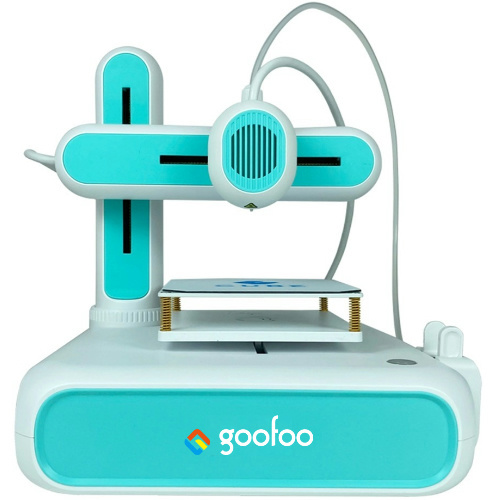
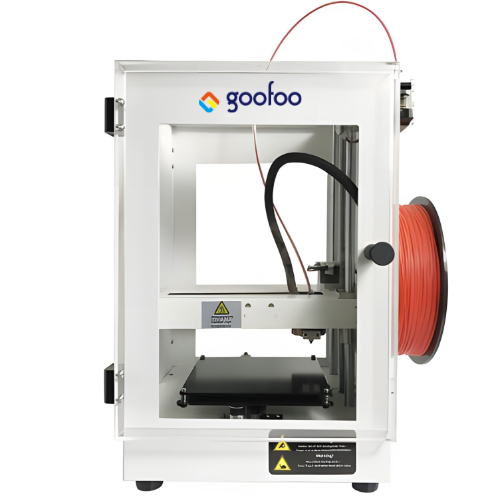
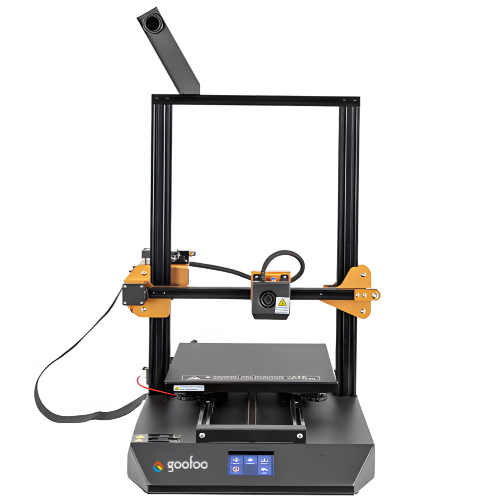
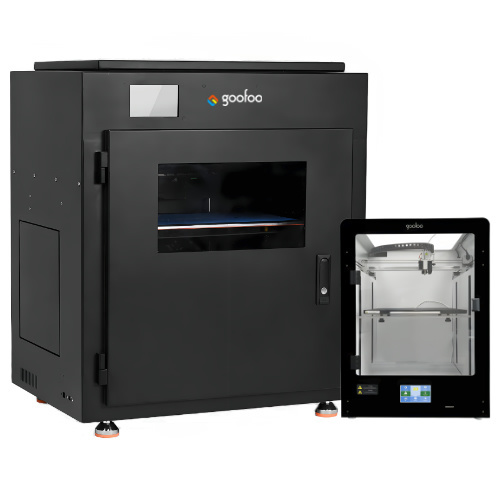
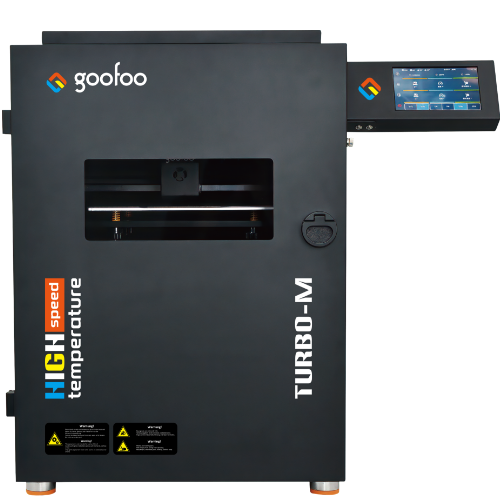
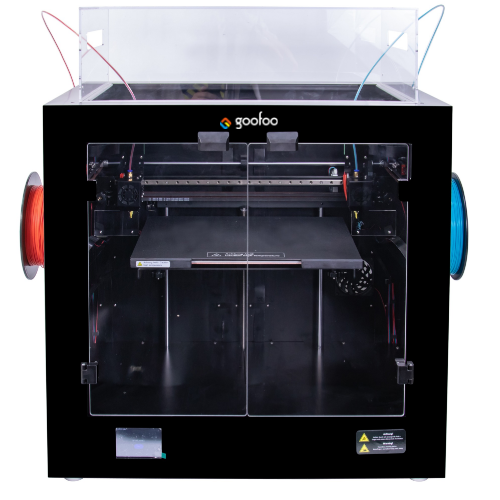
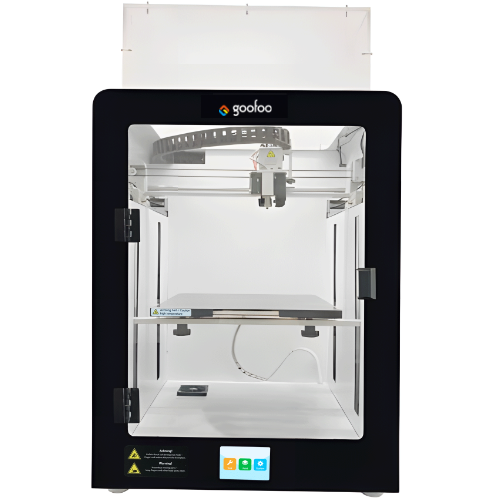
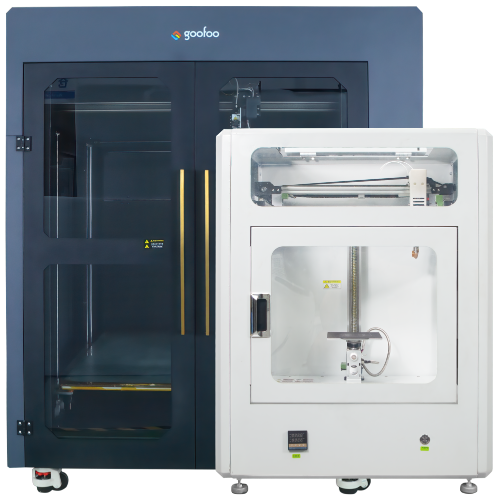
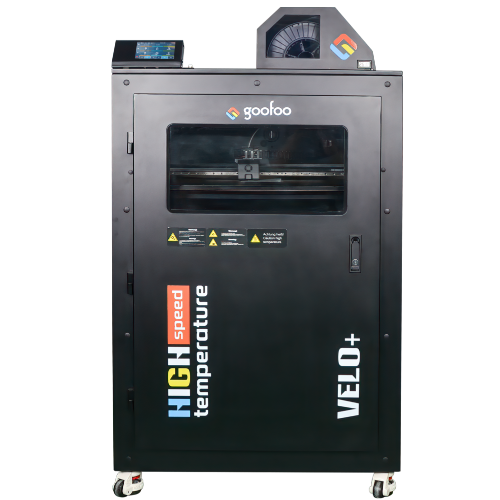
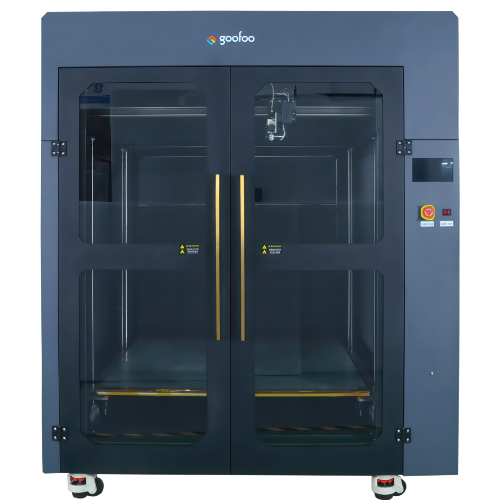
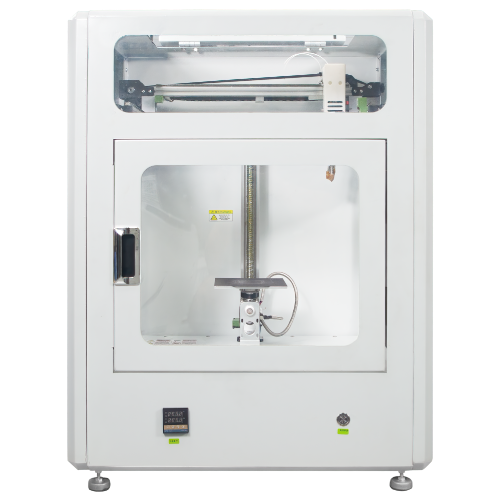
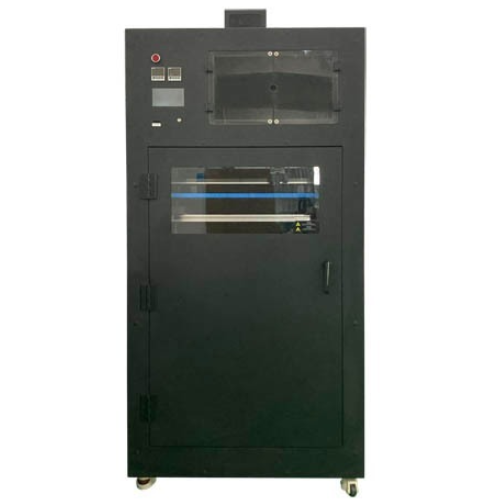
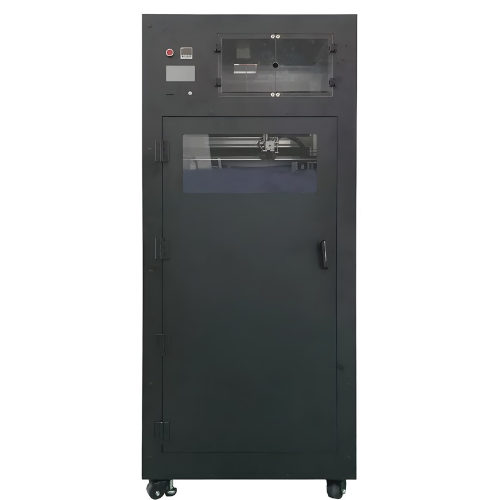
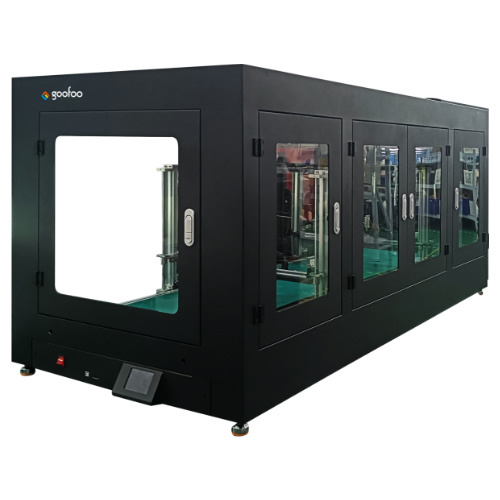
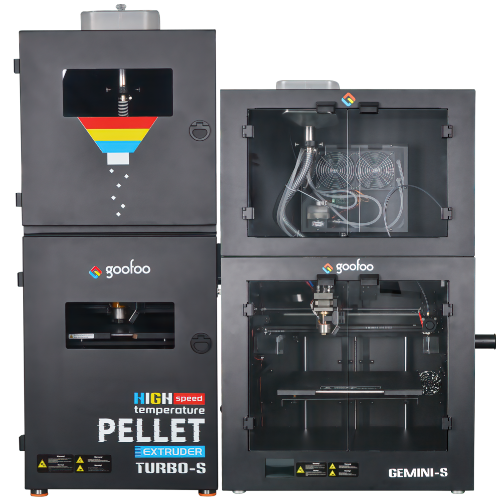
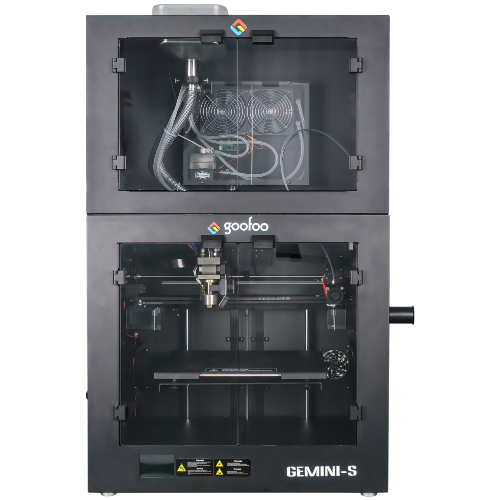
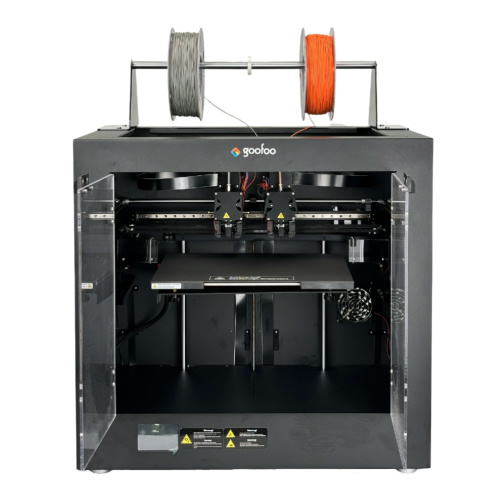














All You Need to Know About FDM 3D Printers
2023-10-02 10:41
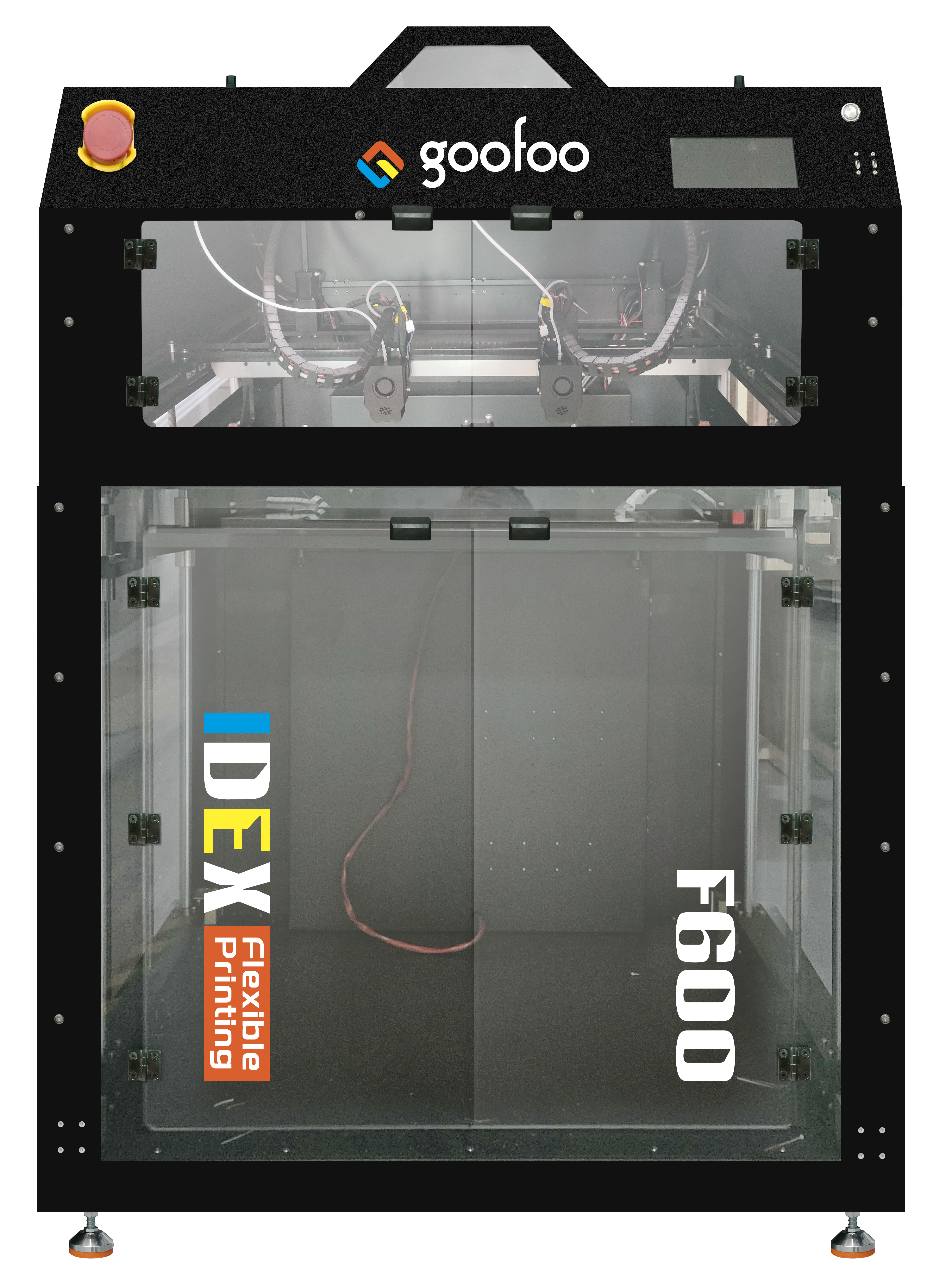
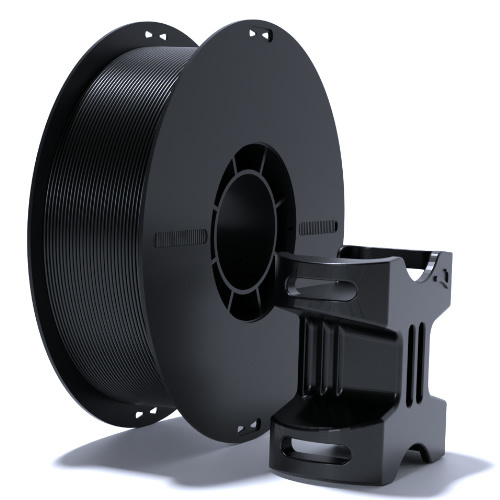
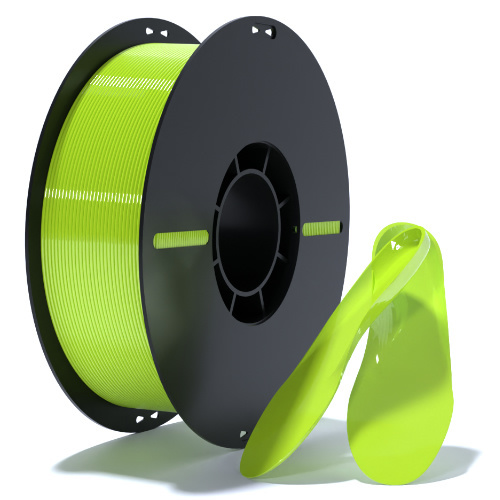
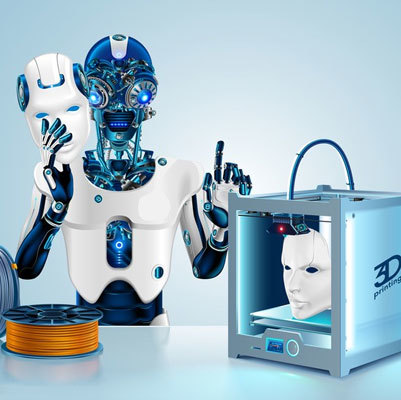
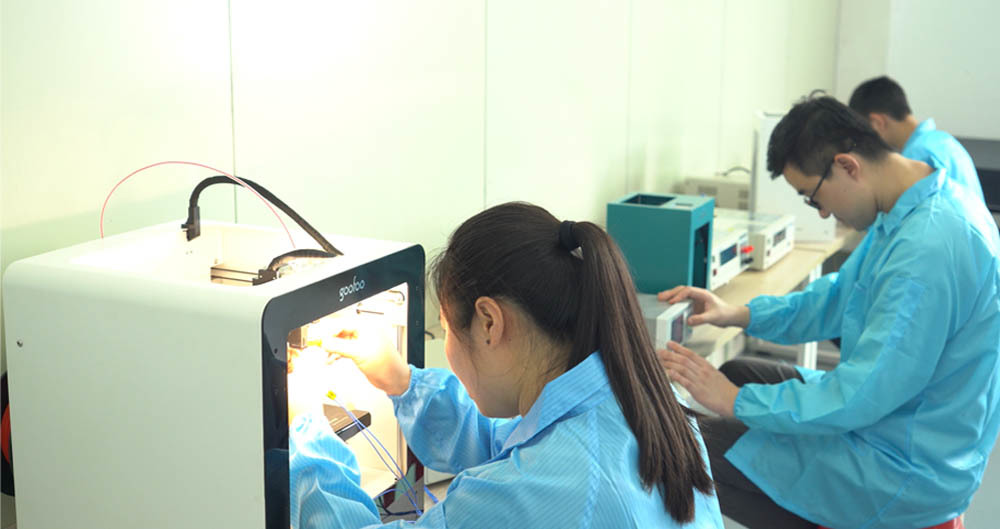
FDM (Fused Deposition Modeling) 3D printers are a game-changer in the world of digital manufacturing. This article explores the technology behind FDM 3D printers, their wide range of applications, and the advantages they offer to professionals in the computer and digital products industry.
1. How do FDM 3D printers work?
FDM 3D printers utilize a process called fused deposition modeling. They work by melting a thermoplastic filament and extruding it layer by layer to create a three-dimensional object. The filament is fed through a heated nozzle that moves in a precise pattern, depositing the melted material to form the desired shape.
2. Applications of FDM 3D printers:
FDM 3D printers find applications in various fields such as prototyping, product design, architecture, and education. They allow professionals to create intricate models, functional prototypes, and even end-use parts. From manufacturing custom tools to producing architectural models, the possibilities are endless.
3. Advantages of FDM 3D printers:
- Affordability: FDM printers are relatively cost-effective compared to other 3D printing technologies, making them more accessible to individuals and small businesses.
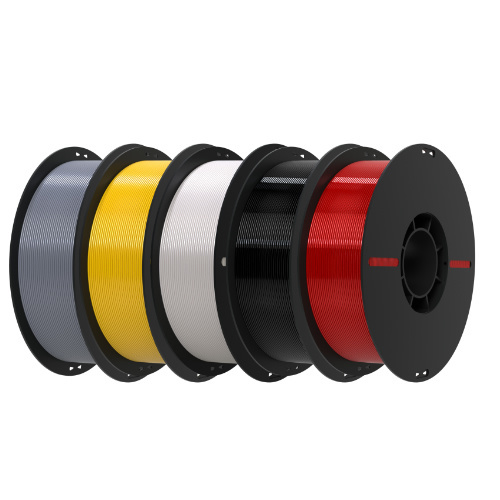
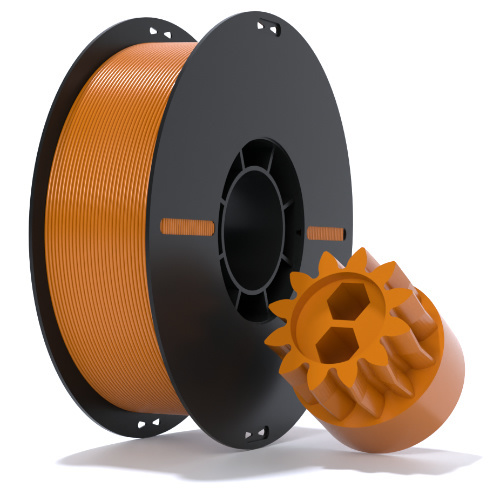
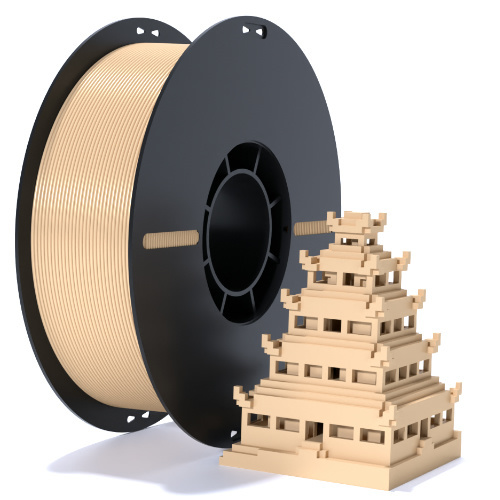
- Material Variety: FDM printers support a wide range of thermoplastic materials, including PLA, ABS, PETG, and more. This versatility enables users to choose the most suitable material for their specific application.
- Ease of Use: FDM 3D printers are user-friendly and require minimal setup. They come with intuitive software that allows users to prepare, slice, and print their designs effortlessly.
- Speed and Precision: FDM printers offer a good balance between speed and print quality. With advancements in technology, they can produce intricate details and complex geometries with high accuracy.
- Post-Processing Options: FDM-printed parts can be easily post-processed using techniques like sanding, painting, and polishing, giving users the freedom to achieve the desired finish and appearance.
In conclusion, FDM 3D printers have revolutionized the computer and digital products industry, offering professionals endless possibilities for design, prototyping, and manufacturing. With their affordability, versatility, and user-friendly nature, these printers have become an essential tool for anyone seeking to bring their digital creations to life. Embrace the world of FDM 3D printing and unlock the potential of limitless innovation.
3d printer fdm
Recommended News
 Esperanto
 Shqiptare
 Euskara
 Zulu
Zulu
 Latinus
 Cymraeg
 தமிழ்
தமிழ்
 Slovak
 Slovak
 Afrikaans
Join us
Subscribe to get the latest news


Skype / WhatsApp: +86 592-5713513 / +86-13860126490
No.88-3, North Tongji Road, Xike County, Tong'an District, Xiamen, Fujian China
Xiamen Goofoo Technology Co., Ltd. All Rights Reserved 闽ICP备2022008070号-1 SEO 300.cn
Phone:+0086 592-5713513
Address: No.88-3, North Tongji Road, Xike County, Tong’an District, Xiamen, Fujian China
Email: sales@goofoo3d.com
We will give you feedback in time