
- Shop Shop
-
Desktop
Desktop
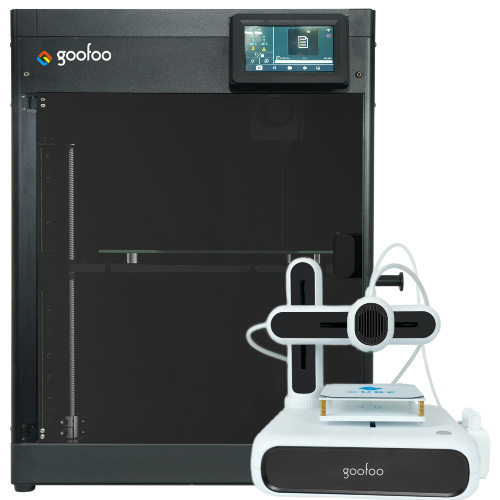
FDM / FGF

High speed GP1

colorful GP4/GP4-C
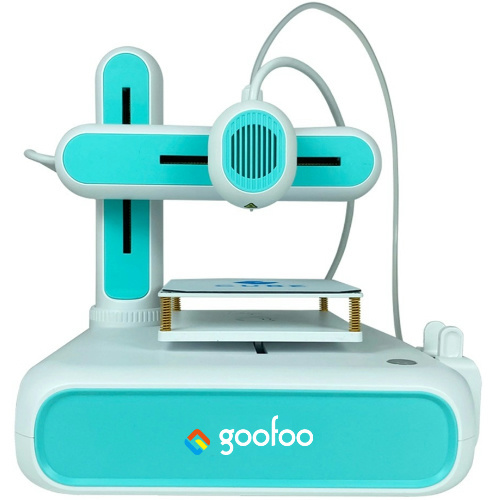
Kids Cube/3D Pen
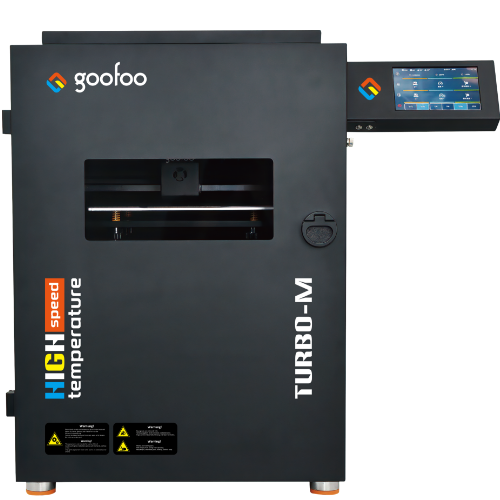
High speed&temp Turbo-m
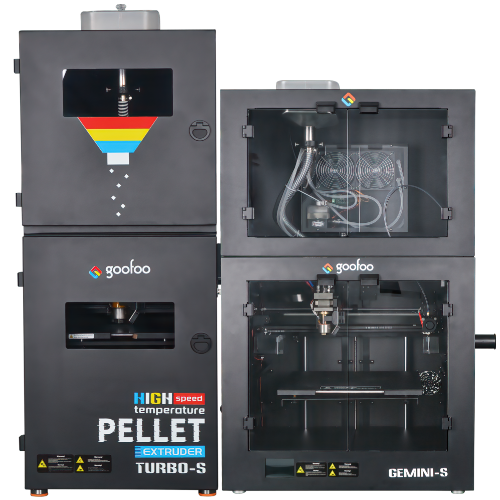
Pellet Gemini-s/Turbo-s
Classic+ Mido/Nova/Plus
- Industrial Industrial
-
Material
Material

Resin series

Dental DM100/TC100/ etc.

Jewelry Jewelry Resin

Generic PW100

Industry High Temp Resin

Garage Kit Red wax
-
Expanded
Expanded
Laser/CNC/3D scanner

TS4030(class1) Laser engraver & cutter 400*300mm
Pixi(class1) Laser engraver & cutter 100*100mm

Mole Highest accuracy 0.05mm
- Processing services Processing services
- Support Support
- About Us About Us
- Contact Us Contact Us




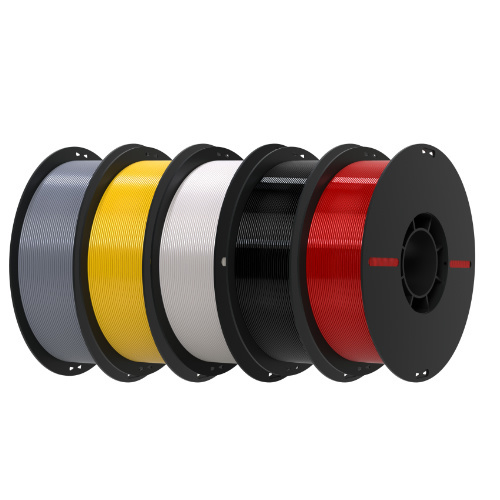
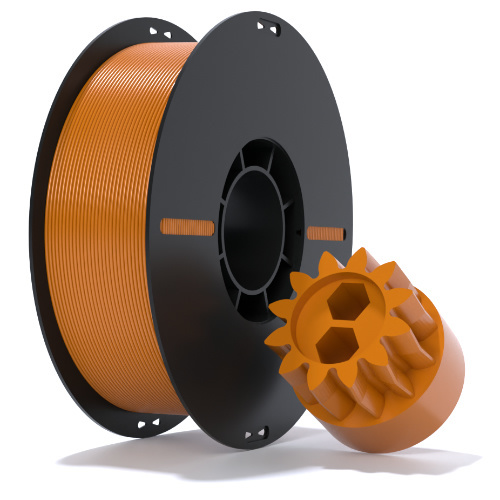
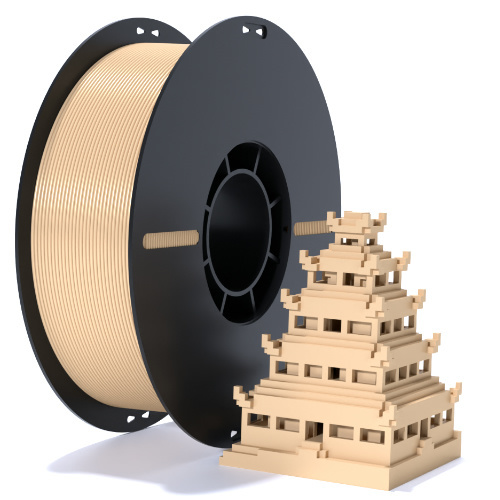
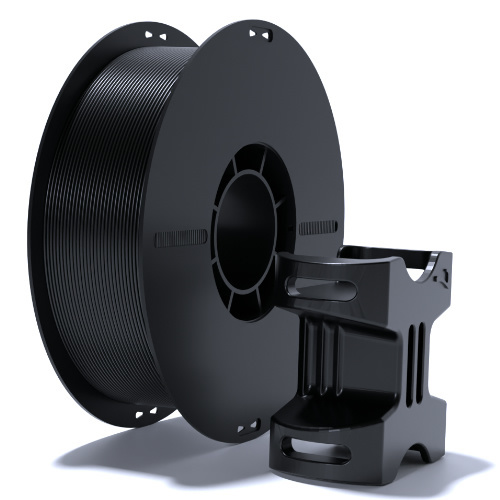













3D Printer Service in 2026: Prototyping, Production, and Maintenance Guide
2026-11-11 09:13
📋 Article Overview
This guide covers the practical side of 3D printer service, from file upload and material selection to inspection, post-processing, and ongoing printer maintenance. In practice, many teams use it to reduce equipment overhead, speed up prototyping, and access manufacturing support without hiring internal 3D printing specialists.
What Is 3D Printer Service and Why It Matters in 2026
3D printer service is an on-demand manufacturing and support service that creates custom parts or maintains 3D printers for clients. Instead of buying a printer, hiring technicians, or managing materials and spare parts internally, businesses can send a digital file to a service provider and receive printed, finished, or repaired parts.
Industry consensus is that 3D printing has moved beyond rapid prototyping into short-run production, spare-parts production, tooling, and functional testing. In 2026, many companies use 3D printer service to test designs quickly before committing to injection molding, CNC machining, or mass production.
From practical experience, the strongest value of 3D printer service is flexibility. A startup can order one prototype on Monday, revise the model on Wednesday, and print a revised version on Friday without investing in machine calibration, material storage, or workflow management.
How Is 3D Printer Service Different From Buying a 3D Printer?
Buying a printer requires capital expenditure, maintenance, material handling, calibration, and troubleshooting. A service provider handles those tasks, while the client focuses on design, fit, function, and market validation. This makes outsourcing useful for teams with irregular print volumes or specialized material needs.
When Should a Business Use a 3D Printer Service?
Professional service is usually appropriate when print volume is low, parts require specialized materials, or internal staff time is better spent on design. It is also useful when a company needs a reliable backup for its internal 3D printing lab during peak demand.
Main Types of 3D Printer Services Available Today
3D printer service is not only about printing files. In 2026, providers commonly offer on-demand production, design feedback, post-processing, quality inspection, and printer maintenance or repair.
On-Demand Part Printing
This is the most common service: the client uploads a CAD or STL file, chooses a material, receives a quote, and receives printed parts. It is widely used for prototypes, housings, brackets, jigs, fixtures, and low-volume production parts.
Prototyping and Design Iteration Support
Some service providers help identify wall thickness, overhangs, support needs, layer orientation, and material limits. Actual testing shows that early print orientation feedback can reduce support marks and improve dimensional consistency on functional parts.
Printer Setup, Maintenance, and Repair
Businesses that already own printers may still need service for calibration, nozzle replacement, bed leveling, extruder maintenance, firmware updates, or troubleshooting. This type of service keeps internal printers productive when internal expertise is limited.

Image Source: unsplash
Step-by-Step Process for Using a 3D Printer Service
A reliable 3D printer service usually follows a clear workflow. From case experience, teams that prepare files well usually receive faster quotes and more accurate first parts.
- Prepare a clean 3D model in a common format such as STL or STEP, removing non-manifold geometry and unnecessary features.
- Upload the file to the service provider and specify dimensions, intended use, material preference, quantity, and deadline.
- Review the quote, including material, technology, layer height, infill, post-processing, and shipping cost.
- Approve the design-for-print feedback or make revisions if the provider flags structural risks.
- Receive the printed parts and inspect them for dimensional accuracy, surface finish, layer adhesion, and function.
In practice, teams that request a small test batch before a larger production run usually reduce waste and improve final part quality.
Material and Technology Selection for 3D Printer Service
The right technology depends on part function, accuracy, surface finish, quantity, and budget. FDM is commonly used for prototypes and functional parts, resin printing for detailed models, and industrial technologies for stronger polymer or metal parts.
| Technology | Common Materials | Typical Use | Lead Time | Cost Level |
|---|---|---|---|---|
| FDM | PLA, PETG, ABS, ASA, TPU | Prototypes, brackets, housings, jigs | 1–5 days | Low to medium |
| Resin / MSLA | Standard resin, tough resin, dental resin | Detailed models, miniatures, patterns | 1–3 days | Medium |
| Industrial Polymer | Nylon, PA12, TPU, high-performance materials | Functional production parts, complex geometries | 3–10 days | Medium to high |
Research in 2026 continues to show that low-volume manufacturing teams benefit most when 3D printing is used for complex geometries, customized parts, and fast iteration rather than high-volume commodity production.
How to Choose the Right Material
Choose PLA for visual prototypes, PETG for durable general-purpose parts, ABS or ASA for heat and outdoor resistance, and TPU for flexible or rubber-like components. If the part will bear load, confirm layer adhesion, infill percentage, and material properties with the provider before production.
What Layer Height Means for Quality
Smaller layer heights usually improve surface detail but increase print time. Larger layer heights are faster and more cost-effective for rough prototypes. Practical tests show that a balanced layer height often gives the best trade-off between surface finish and cost.
Cost Factors and How to Evaluate a 3D Printer Service Provider
The price of 3D printer service depends on material, volume, part size, print time, post-processing, packaging, shipping, and urgency. A low quote is not always the best value if the provider lacks inspection, communication, or file security.
What Affects the Price of 3D Printing Service?
Material cost, machine time, support material, labor for post-processing, and required tolerances all affect price. Large parts may need multiple prints or custom orientation, while small detailed resin parts may require washing, curing, and support removal.
Questions to Ask Before Ordering
Ask which technology will be used, what tolerances are realistic, whether parts are inspected, how files are stored, and what happens if a print fails. A professional provider should explain limitations rather than promising perfect results for every model.
Quality Control, Lead Times, and IP Protection
Quality control is essential for functional parts. In practice, visual inspection is not always enough. For engineering parts, dimensional checks, strength testing, or fit testing may be necessary.
Common Quality Checks for Printed Parts
Providers may inspect layer adhesion, surface finish, dimensions, warping, stringing, support marks, and overall part integrity. For production parts, clear acceptance criteria help avoid disputes.
How to Protect Your 3D Design Files
Use confidential upload channels, limit file sharing, and ask whether files are deleted after production. For proprietary designs, a non-disclosure agreement may be appropriate before sharing detailed CAD models.
Goofoo 3D Service Capabilities and Trust Signals
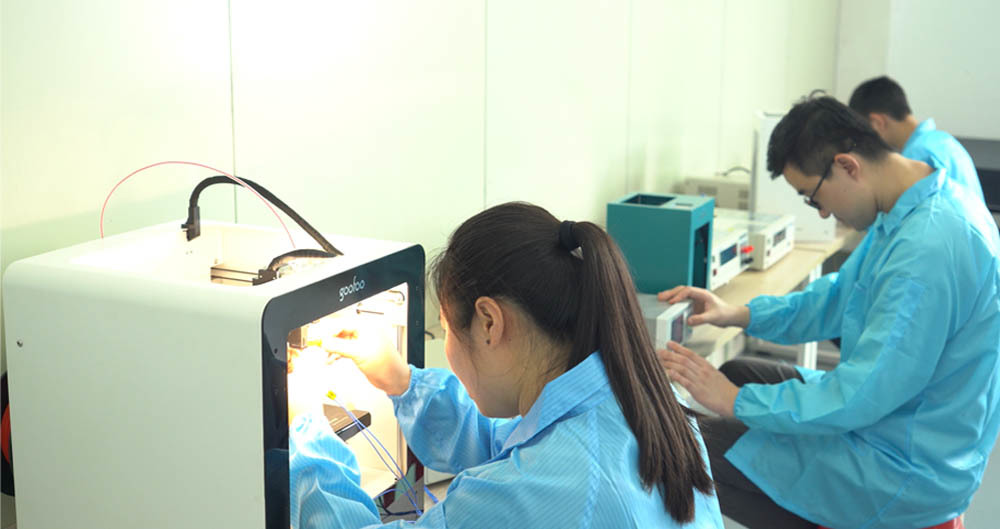
Goofoo 3D, available at www.goofoo3d.com, focuses on desktop and professional 3D printing solutions for makers, educators, and product teams. For service inquiries, the company can support customers with 3D printing-related assistance, part production guidance, and product usage support.
From a trust perspective, Goofoo’s strength comes from practical product experience, customer support, and focus on accessible 3D printing hardware and materials. Businesses should still confirm materials, tolerances, and lead times directly before ordering.
Who Is Goofoo 3D Service Best For?
Goofoo is suitable for users who need dependable desktop 3D printing support, prototypes, education-related printing, or small-batch parts. It may not be the best choice for highly regulated industries unless the required certifications and inspection documentation are confirmed in advance.
How to Start a Service Request With Goofoo
Visit www.goofoo3d.com, contact support with your model or printer issue, describe the part requirements, material preference, quantity, and deadline. A clear request usually leads to a faster quote and better first result.
Related Questions About 3D Printer Service
How Long Does a 3D Printer Service Usually Take?
Typical lead times range from 1 to 5 days for standard desktop 3D printing, depending on part size, material, and post-processing. Industrial or high-precision parts may take longer.
Is 3D Printer Service Cheaper Than Injection Molding?
For low volumes, 3D printing is usually cheaper because it avoids expensive tooling. For high volumes, injection molding becomes more cost-effective per part.
Can I Get Functional Parts 3D Printed?
Yes, but functional parts must use suitable materials, adequate infill, and proper print orientation. Load-bearing parts should be tested before final use.
What File Format Do I Need for 3D Printer Service?
STL is the most common format, but STEP files are often preferred for precise engineering parts. Always check the provider’s file requirements before uploading.
Frequently Asked Questions
Q: What is included in a typical 3D printer service?
A: A typical service includes file review, material selection, printing, basic post-processing, inspection, and delivery. Some providers also offer design feedback or printer maintenance.
Q: How much does 3D printer service cost?
A: Cost depends on size, material, print time, quantity, and finishing. Small prototypes may cost a few dollars, while functional or production parts can cost more.
Q: Can 3D printed parts be used for production?
A: Yes, for low-volume or customized production. For high volumes or regulated applications, confirm material certification and testing requirements.
Q: How do I prepare my model for 3D printing service?
A: Export a clean STL or STEP file, check wall thickness, remove unsupported overhangs if possible, and provide clear dimensions and use-case details.
This article was generated by AI and is for reference only.
Last
Prev
Recommended News
 Esperanto
 Shqiptare
 Euskara
 Zulu
 Latinus
 Cymraeg
 தமிழ்
 Slovak
 Slovak
 Afrikaans
Join us
Subscribe to get the latest news


Skype / WhatsApp: +86 592-5713513 / +86-13860126490
No.88-3, North Tongji Road, Xike County, Tong'an District, Xiamen, Fujian China
Xiamen Goofoo Technology Co., Ltd. All Rights Reserved 闽ICP备2022008070号-1 SEO 300.cn
Phone:+0086 592-5713513
Address: No.88-3, North Tongji Road, Xike County, Tong’an District, Xiamen, Fujian China
Email: sales@goofoo3d.com
We will give you feedback in time