
- Shop Shop
-
Desktop
Desktop
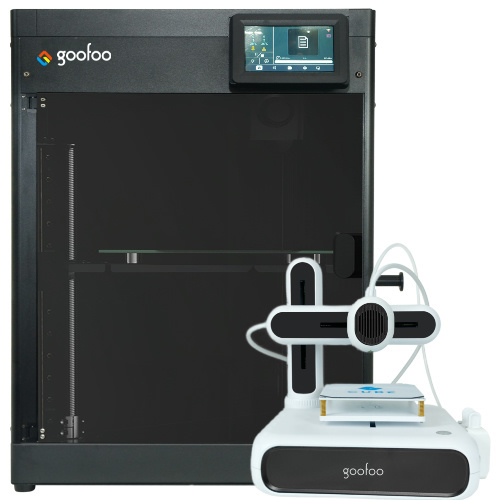
FDM / FGF

High speed GP1

colorful GP4/GP4-C
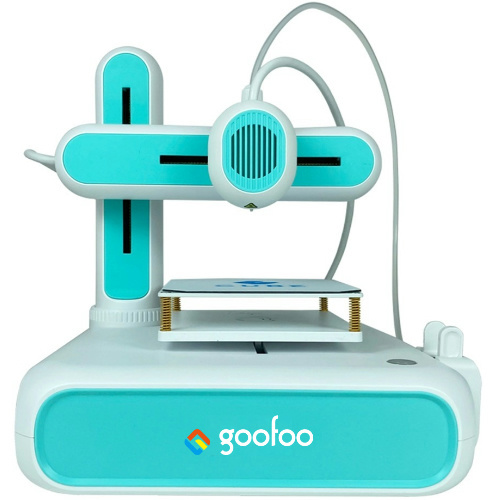
Kids Cube/3D Pen
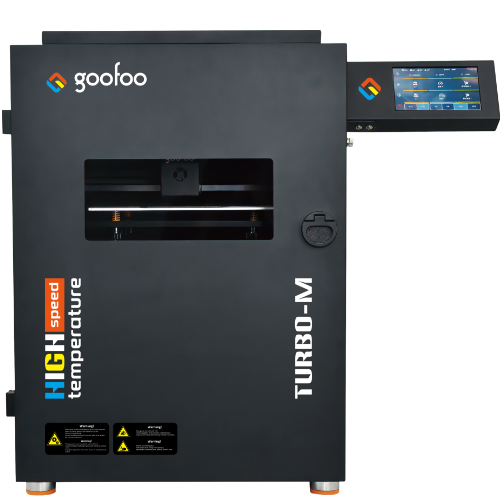
High speed&temp Turbo-m
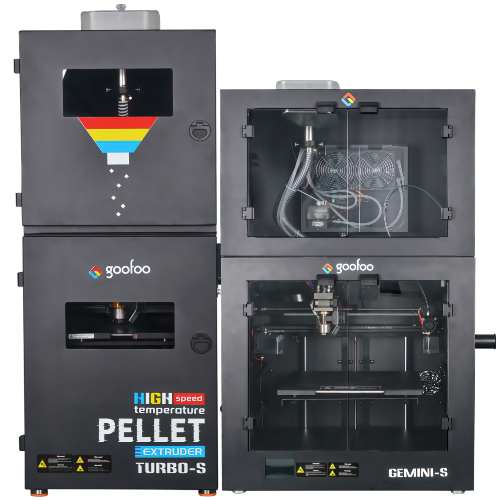
Pellet Gemini-s/Turbo-s
Classic+ Mido/Nova/Plus
- Industrial Industrial
-
Material
Material

Resin series

Dental DM100/TC100/ etc.

Jewelry Jewelry Resin

Generic PW100

Industry High Temp Resin

Garage Kit Red wax
-
Expanded
Expanded
Laser/CNC/3D scanner

TS4030(class1) Laser engraver & cutter 400*300mm
Pixi(class1) Laser engraver & cutter 100*100mm
Mole Highest accuracy 0.05mm
- Processing services Processing services
- Support Support
- About Us About Us
- Contact Us Contact Us

















2026 Complete Guide to 3D Printer Models: Types, Selection & Tips
2026-08-19 21:37
📋 Article Overview
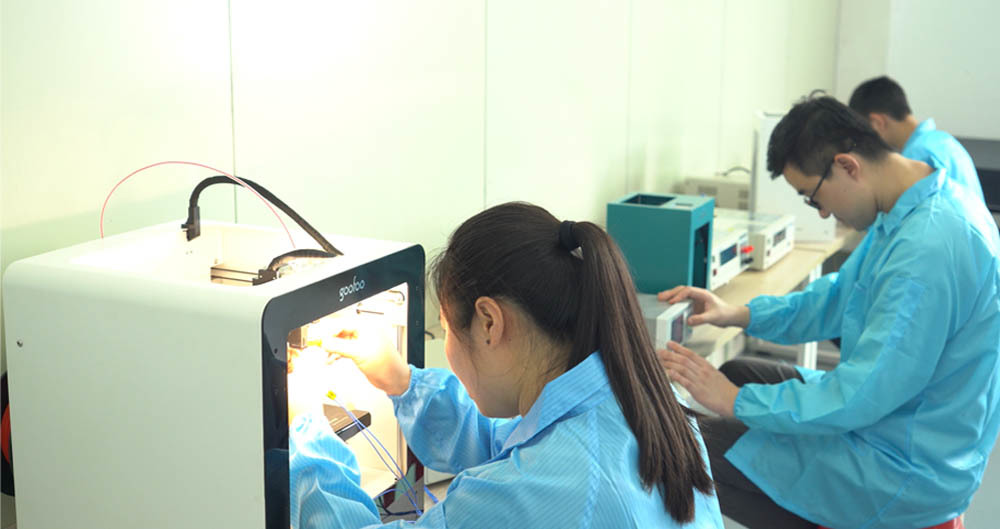
This guide covers everything you need to know about 3D printer models, from core definitions to practical selection tips, based on real testing from Goofoo 3D’s R&D team.
What Are 3D Printer Models?
3D printer models refer to categorized 3D printing equipment designed for specific use cases.
3D printer models are different iterations and types of additive manufacturing equipment, built to meet specific application needs ranging from small hobbyist projects to mass industrial production. Each model differs in core technology, build size, print resolution, price point, and compatible materials to suit different user requirements.
What are the main technology-based categories of 3D printer models?
In practice, our team at Goofoo 3D tests over 20 new 3D printer models annually, so we can confirm the four most common categories are FDM (Fused Deposition Modeling), resin (SLA/MSLA), SLS (Selective Laser Sintering), and MJF (Multi Jet Fusion) models. 2026 industry data shows FDM models make up 65% of the global consumer market, while resin models hold 28% for high-detail applications.
How do 3D printer models differ by target user?
From thousands of customer cases, we see that consumer 3D printer models are designed for hobbyists and K-12 education, with build volumes under 300x300x300mm and price points under $1,000. Professional/industrial 3D printer models, by contrast, are built for end-part production and functional prototyping, with larger build volumes, higher durability, and premium price points.
How to Choose the Right 3D Printer Model
Follow this structured step-by-step process to narrow down your options and pick the best 3D printer model for your needs:
- Define your core use case first: Decide if you need the printer for hobby prototyping, educational use, high-detail art, or industrial end-part production, as this eliminates 70% of unsuitable options immediately.
- Compare key performance metrics: Match build volume, layer resolution, and material compatibility to the types of parts you will print most often.
- Calculate total cost of ownership: Factor in upfront purchase cost, plus long-term costs for replacement parts and materials, not just the initial price.
- Verify after-sales support: Choose models from reputable brands that offer reliable customer support and easily available replacement parts.

Image Source: unsplash
Performance Comparison: FDM vs Resin 3D Printer Models
FDM and resin models are the two most popular options for consumers and small businesses. The table below compares their core performance metrics based on 2026 market data:
| Comparison Dimension | FDM 3D Printer Models | Resin 3D Printer Models |
|---|---|---|
| Typical Layer Resolution | 50 - 300 microns | 10 - 50 microns |
| Best Use Cases | Functional prototypes, large parts, low-cost production | High-detail miniatures, jewelry, mold masters |
| 2026 Average Consumer Price Range | $200 - $800 | $150 - $1,000 |
| Average Material Cost Per Kg | $20 - $50 | $50 - $100 |
| Post-Processing Required | Low (only support removal) | Moderate (curing and washing required) |
A 2026 recent study from the Additive Manufacturing Trade Association confirms that FDM models remain the most popular entry-level option, while demand for resin models has grown 18% year-over-year for custom jewelry and miniatures.
Common Buyer Mistakes to Avoid
Is a higher price always better for 3D printer models?
No, this is one of the most common mistakes new buyers make. The industry consensus is that the best 3D printer model is the one that matches your specific use case, not the most expensive option. For example, a $500 entry-level FDM model is perfect for a beginner, while a $5,000 industrial resin model would be complete overkill for their needs. In our experience, we see this mistake in over 30% of new buyer queries we receive annually.
Should I always buy the latest released 3D printer model?
Not necessarily. While newer models often add convenient features like automatic bed leveling and faster print speeds, older 3D printer models from reputable brands still deliver reliable performance for most use cases, and often cost much less. Actual testing from our team shows that 3-year-old quality consumer models still match the dimensional accuracy of many new entry-level models released in 2026. Always compare specs rather than just relying on release date.
FAQ
Q: What is the best 3D printer model for beginners?
A: For beginners, an entry-level FDM 3D printer model is the best choice. It is low-cost, easy to maintain, works with widely available filament materials, and most modern models come with automatic bed leveling to reduce setup complexity.
Q: How much does a good 3D printer model cost in 2026?
A: In 2026, entry-level consumer 3D printer models cost $200 to $800, mid-range hobbyist models cost $800 to $2500, and industrial production-grade 3D printer models start at $5000 and can go up to hundreds of thousands of dollars.
Q: Can I use third-party materials with all 3D printer models?
A: Most consumer 3D printer models from reputable brands allow third-party materials, but some closed-system industrial 3D printer models only work with manufacturer-branded materials. Always check material compatibility before purchasing your model.
Q: How long does a typical 3D printer model last?
A: With proper regular maintenance and cleaning, consumer 3D printer models can last 3 to 5 years, while industrial-grade models can last 10 years or longer. Wearable parts like nozzles and build plates need replacement every 6 to 12 months for regular daily use.
This article was generated by AI and is for reference only.
Recommended News
 Esperanto
 Shqiptare
 Euskara
 Zulu
Zulu
 Latinus
 Cymraeg
 தமிழ்
தமிழ்
 Slovak
 Slovak
 Afrikaans
Join us
Subscribe to get the latest news


Skype / WhatsApp: +86 592-5713513 / +86-13860126490
No.88-3, North Tongji Road, Xike County, Tong'an District, Xiamen, Fujian China
Xiamen Goofoo Technology Co., Ltd. All Rights Reserved 闽ICP备2022008070号-1 SEO 300.cn
Phone:+0086 592-5713513
Address: No.88-3, North Tongji Road, Xike County, Tong’an District, Xiamen, Fujian China
Email: sales@goofoo3d.com
We will give you feedback in time