
- Shop Shop
-
Desktop
Desktop
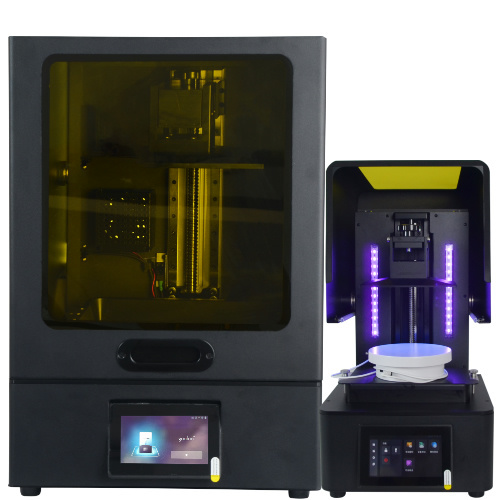
MSLA series
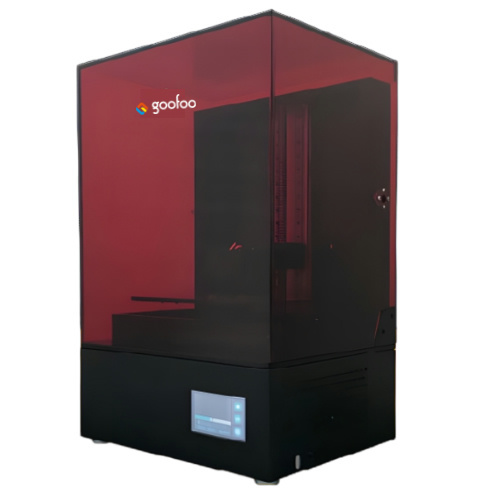
High accuracy Lens-s pro
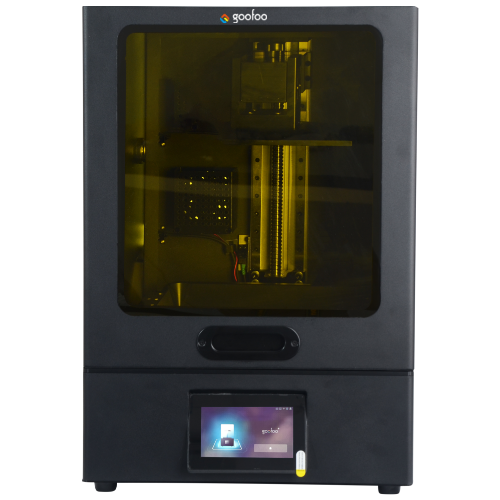
Large build volume Lens-m pro
- Industrial Industrial
-
Material
Material

Resin series

Dental DM100/TC100/ etc.

Jewelry Jewelry Resin

Generic PW100

Industry High Temp Resin

Garage Kit Red wax
-
Expanded
Expanded
Laser Engraver/CNC
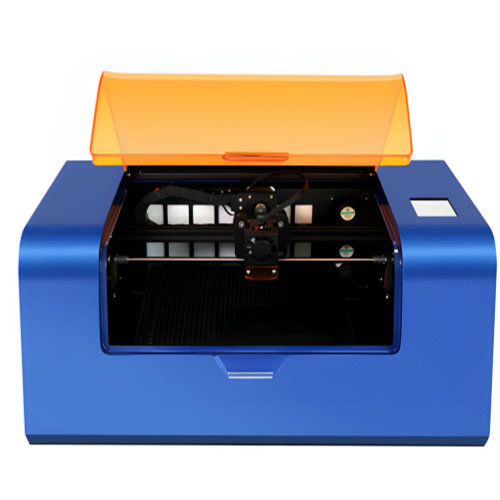
TS3(class1) Laser engraver & cutter 200*300mm
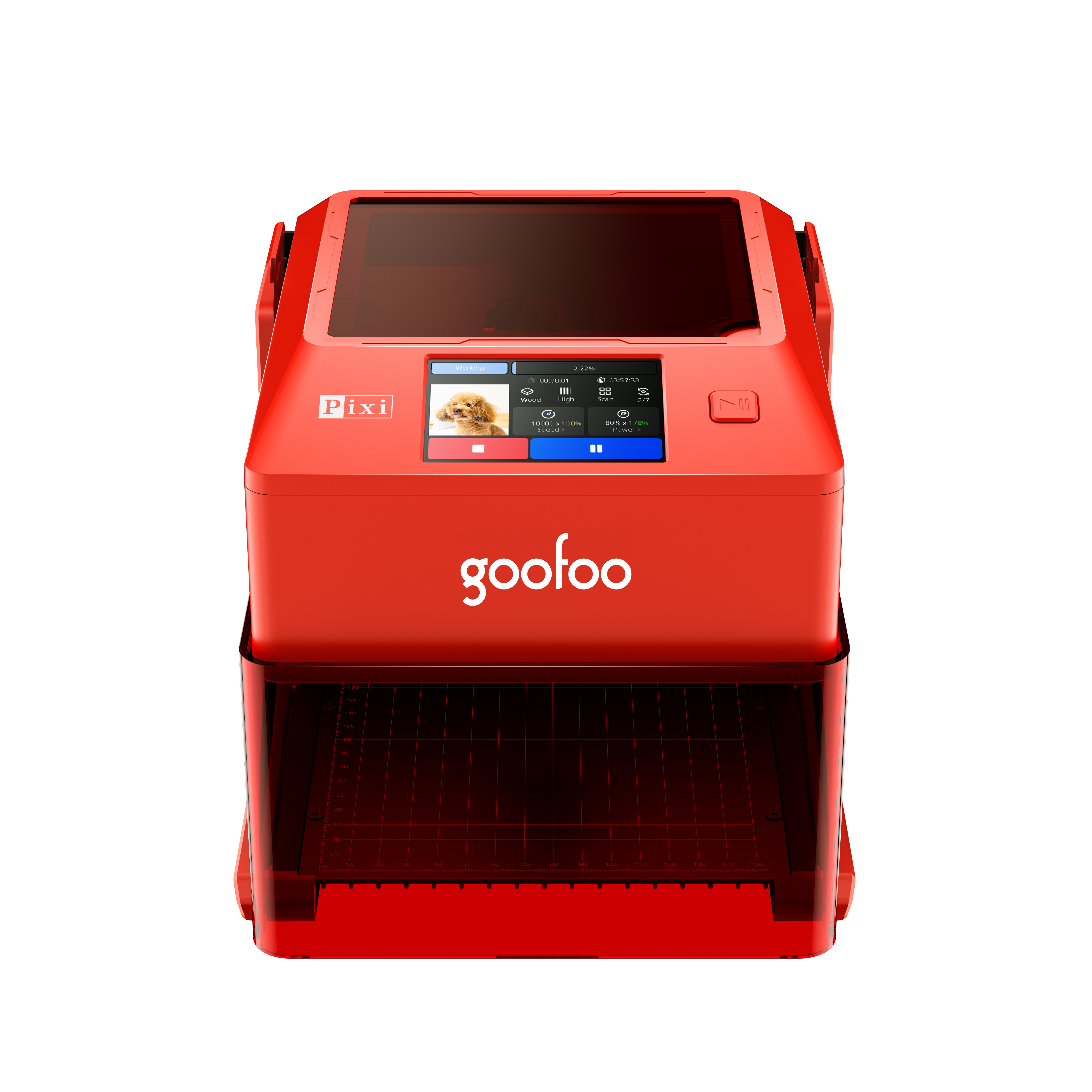
Pixi(class1) Laser engraver & cutter 100*100mm
3D scanner
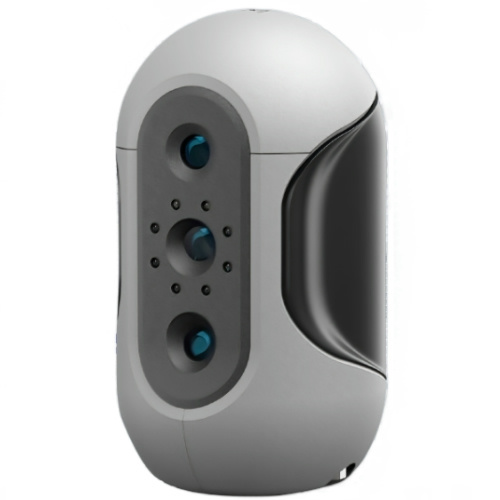
Mole Highest accuracy 0.05mm
- Industries & Applications Industries & Applications
- Support Support
- About Us About Us
- Contact Us Contact Us


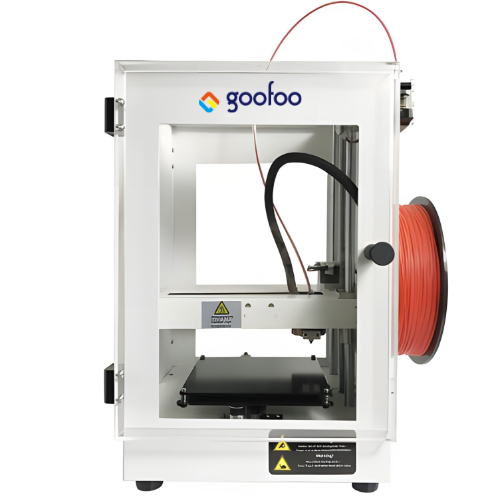
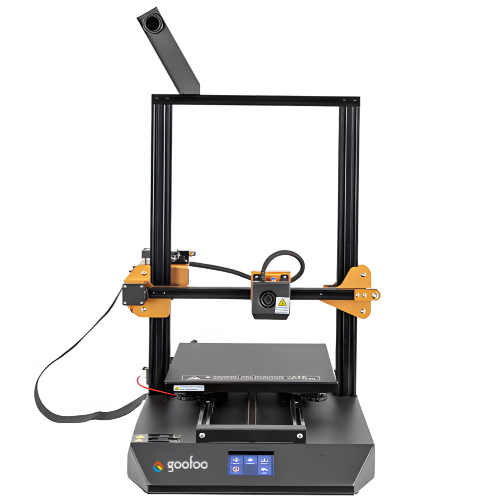
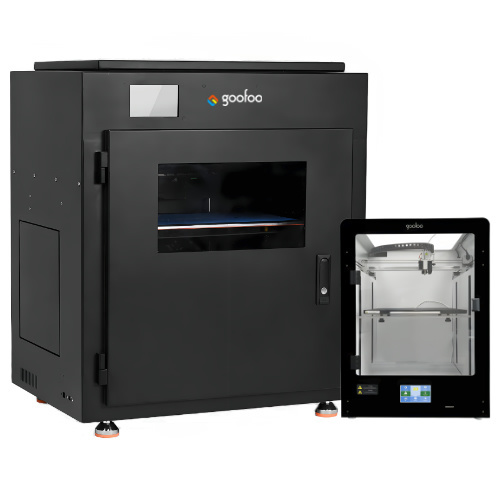
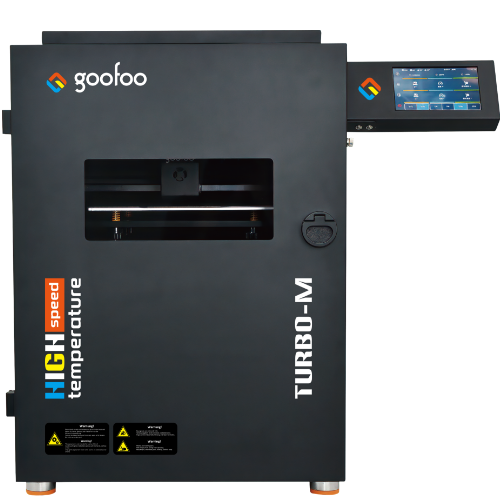
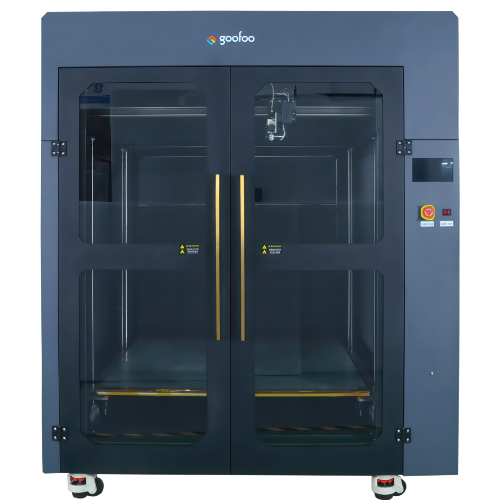
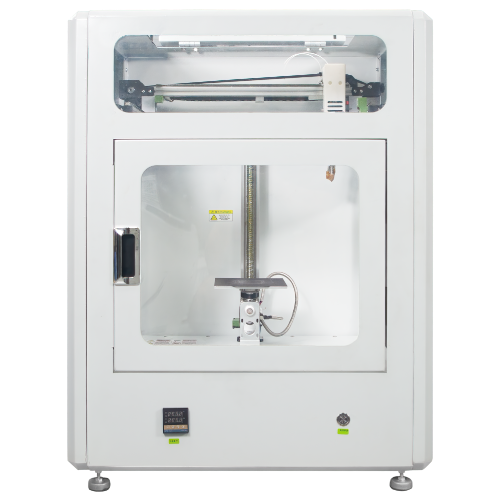
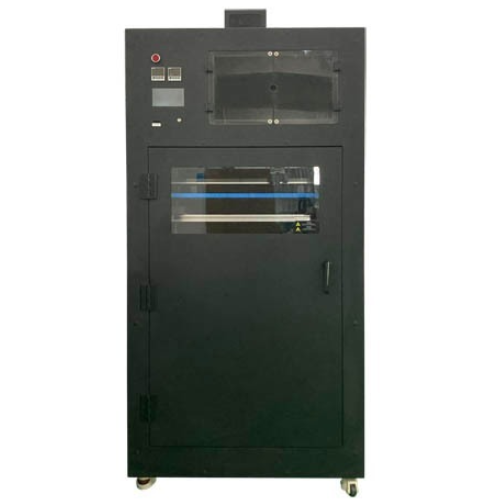
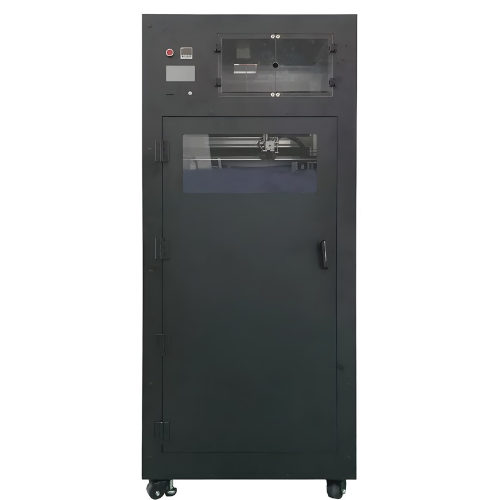


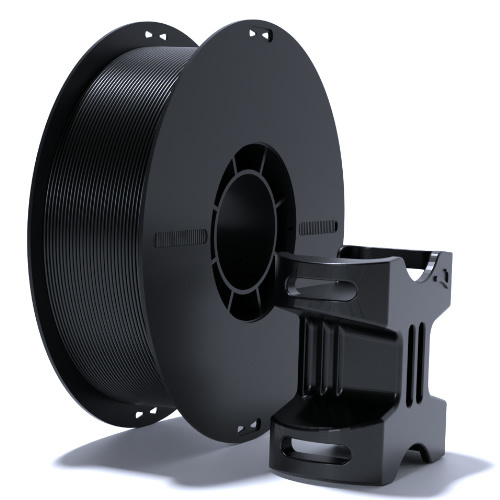
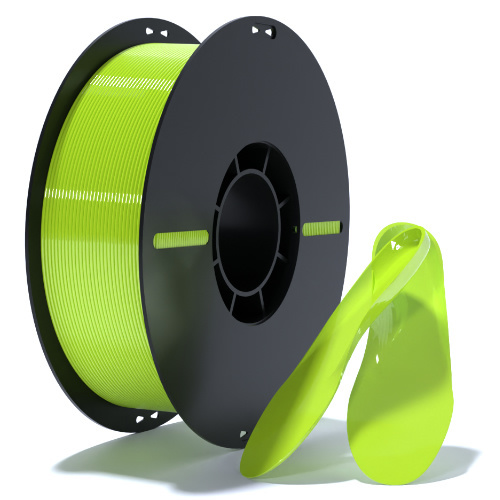


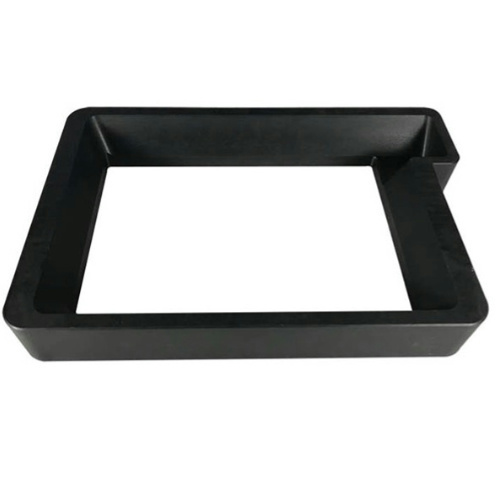




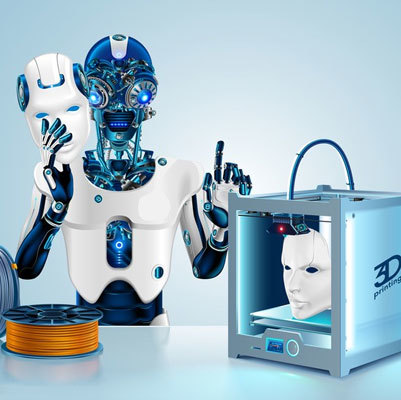





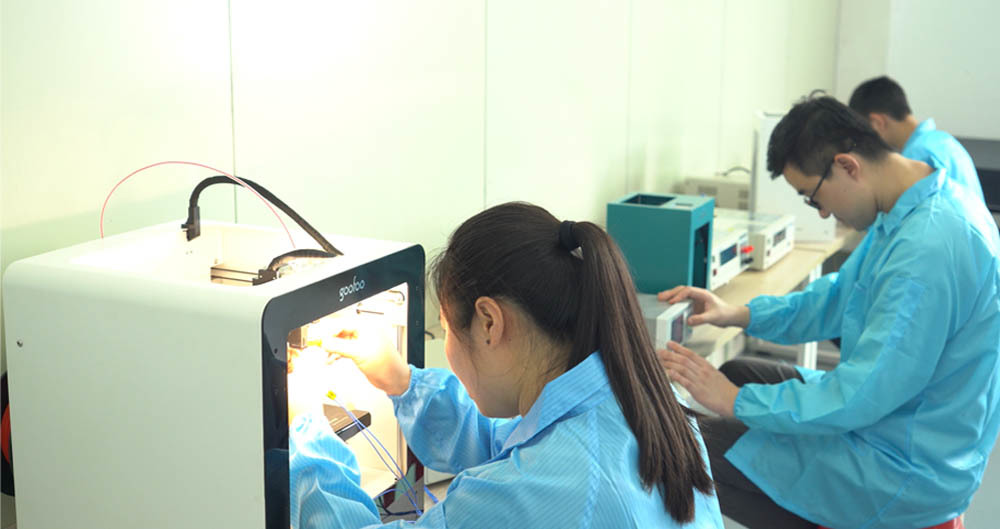




Unlocking the Potential of 3D Printers with Resin: A Comprehensive Guide
2025-03-05 12:20
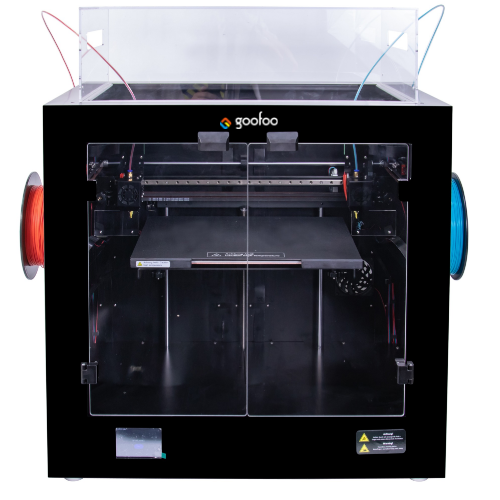
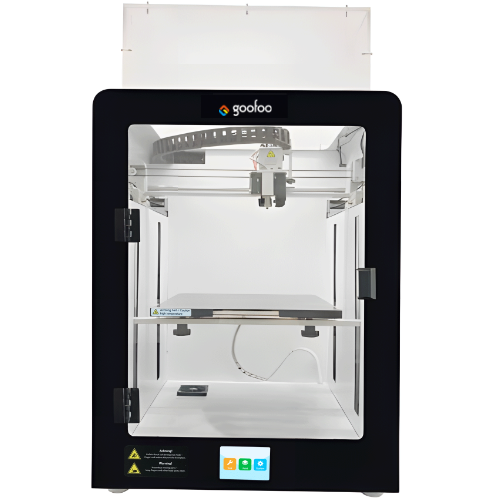
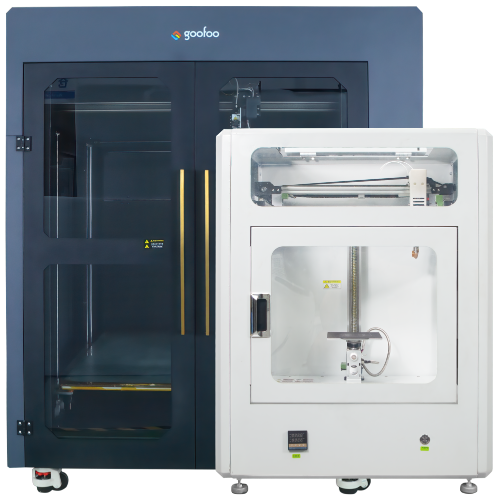
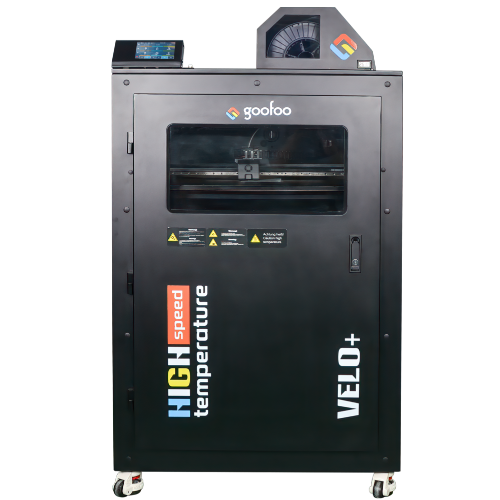
3D printers with resin, often referred to as resin printers, have gained immense popularity in recent years due to their ability to produce high-resolution, detailed prints. Unlike traditional filament-based 3D printers, resin printers utilize photosensitive liquid resin, which is cured layer by layer using UV light. This method allows for finer details and smoother finishes, making it an ideal choice for various applications, from prototyping to artistic endeavors.
One of the key advantages of 3D printers with resin is their precision. The layer thickness can be as low as 25 microns, enabling the creation of intricate designs that would be challenging to achieve with FDM (Fused Deposition Modeling) printers. This precision is particularly advantageous in industries such as jewelry making, dental applications, and miniatures, where detail is paramount.
Moreover, resin printers are favored for their speed. While post-processing is required to achieve a finished product, the actual printing time can be significantly shorter compared to traditional methods. This efficiency allows users to create multiple prototypes quickly, facilitating rapid iterations and design adjustments.
The versatility of 3D printers with resin is another compelling reason to consider them. A wide variety of resins are available, each tailored for specific applications. For example, there are standard resins for general printing, flexible resins that mimic rubber, and durable resins designed for functional parts that can withstand stress and strain. This variety enables users to choose the right material for their specific needs, enhancing the overall functionality of the printed objects.
However, it’s essential to be aware of the challenges associated with resin printing. The use of liquid resins can be messy, requiring careful handling and proper safety precautions, including gloves and masks. Additionally, the post-processing phase, which often involves cleaning the printed items and curing them under UV light, can be time-consuming. Understanding these aspects is crucial for anyone looking to dive into the world of resin printing.
In conclusion, 3D printers with resin represent a significant advancement in printing technology. Their ability to deliver high-quality, detailed prints quickly and efficiently opens up a world of possibilities for creators and professionals in various fields. As technology continues to evolve, the potential applications for resin printing are likely to expand, making it an exciting space to watch for future developments. Whether you're an experienced user or just starting, investing time in understanding resin printing can unlock new creative avenues and enhance your projects.
3d printer with resin
Recommended News
 Esperanto
 Shqiptare
 Euskara
 Zulu
Zulu
 Latinus
 Cymraeg
 தமிழ்
தமிழ்
 Slovak
 Slovak
 Afrikaans
Join us
Subscribe to get the latest news


Skype / WhatsApp: +86 592-5713513 / +86-13860126490
No.88-3, North Tongji Road, Xike County, Tong'an District, Xiamen, Fujian China
Xiamen Goofoo Technology Co., Ltd. All Rights Reserved 闽ICP备2022008070号-1 SEO 300.cn
Phone:+0086 592-5713513
Address: No.88-3, North Tongji Road, Xike County, Tong’an District, Xiamen, Fujian China
Email: sales@goofoo3d.com
We will give you feedback in time