
- Shop Shop
-
Desktop
Desktop
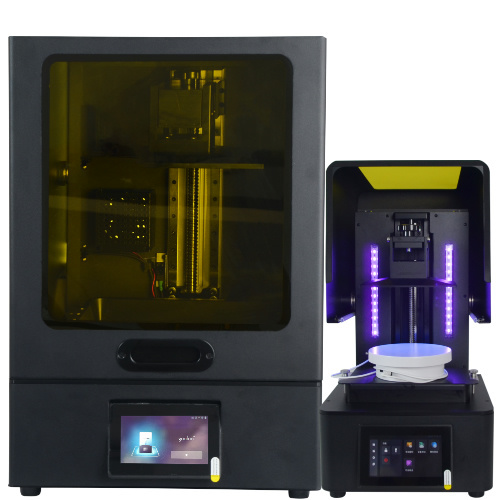
MSLA series
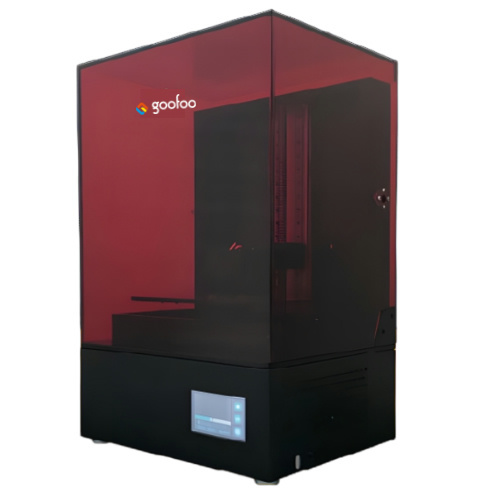
High accuracy Lens-s pro
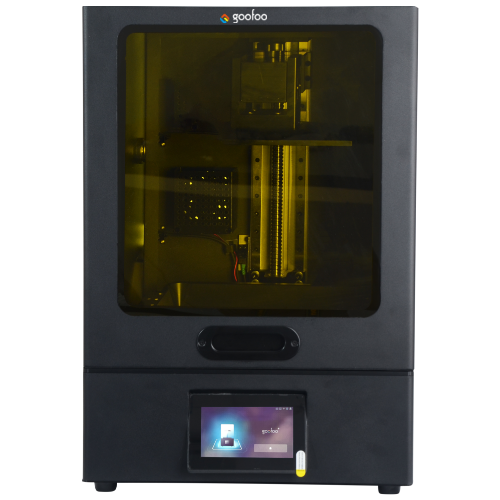
Large build volume Lens-m pro
- Industrial Industrial
-
Material
Material

Resin series

Dental DM100/TC100/ etc.

Jewelry Jewelry Resin

Generic PW100

Industry High Temp Resin

Garage Kit Red wax
-
Expanded
Expanded
Laser Engraver/CNC
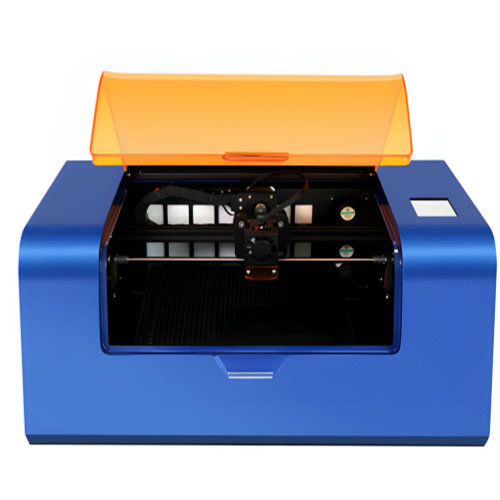
TS3(class1) Laser engraver & cutter 200*300mm
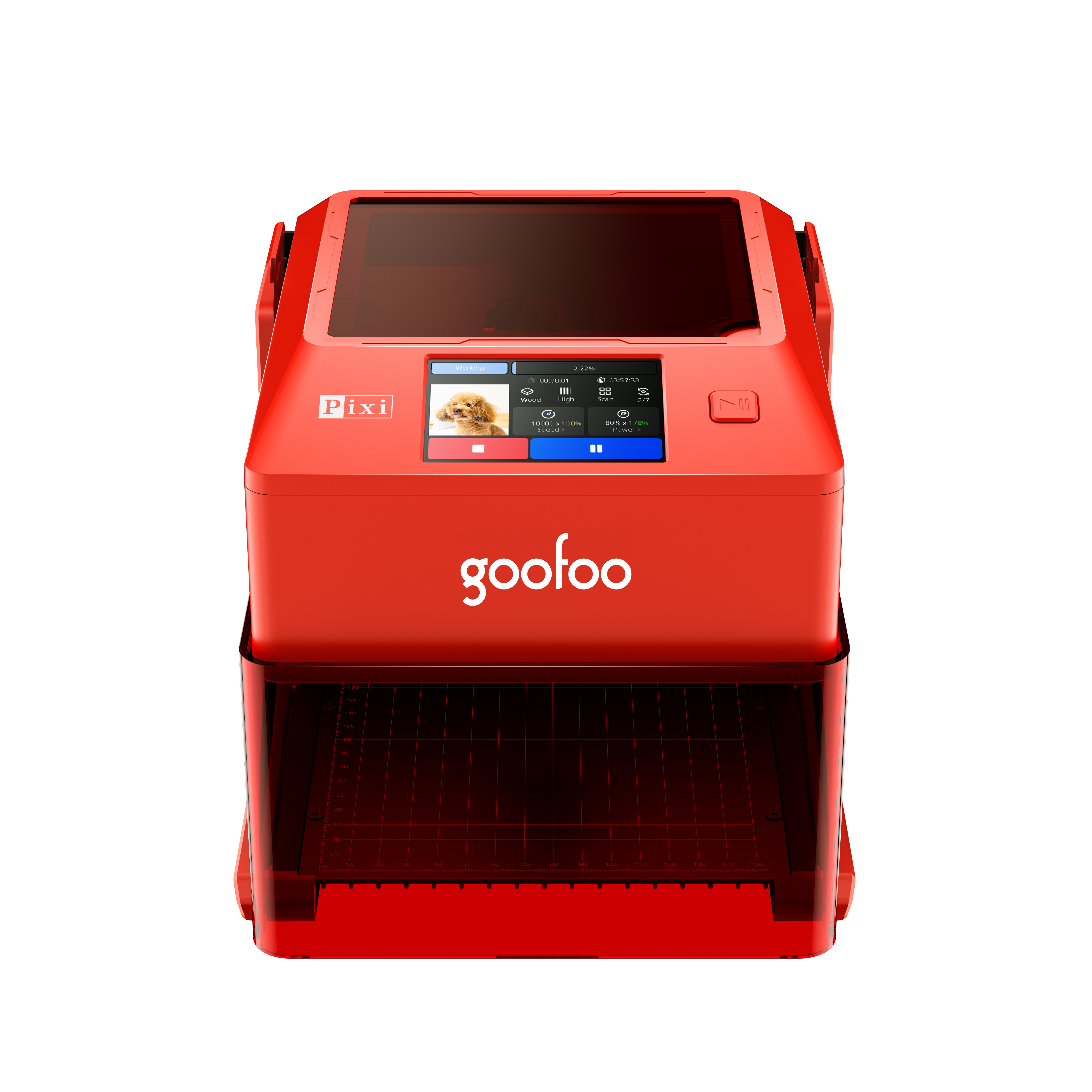
Pixi(class1) Laser engraver & cutter 100*100mm
3D scanner
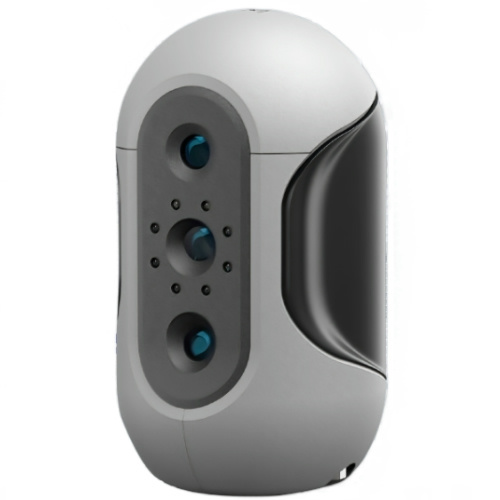
Mole Highest accuracy 0.05mm
- Industries & Applications Industries & Applications
- Support Support
- About Us About Us
- Contact Us Contact Us
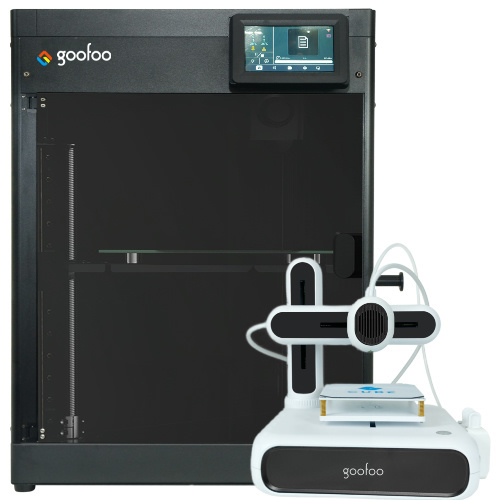


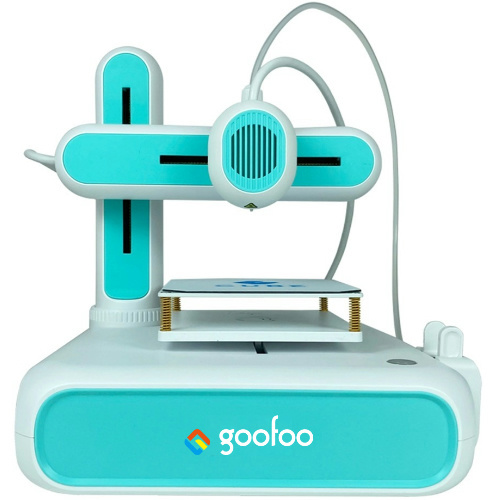
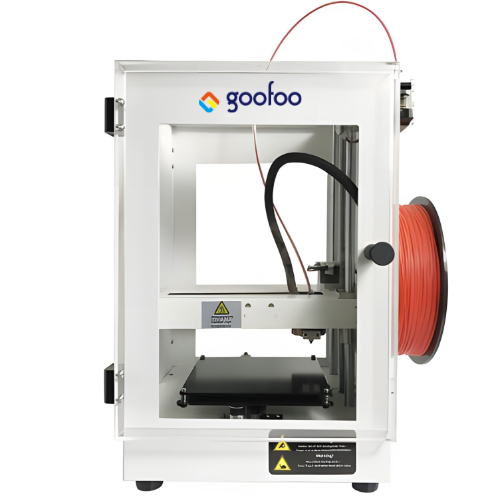
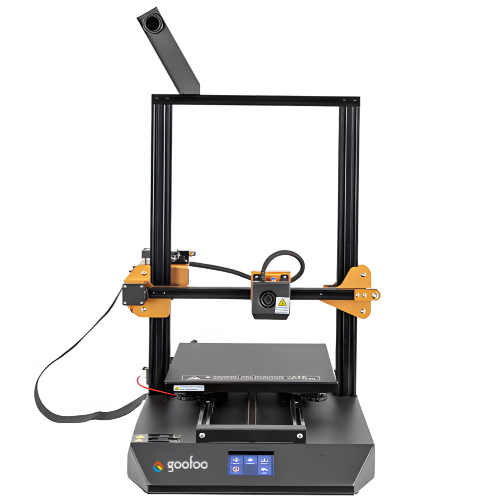
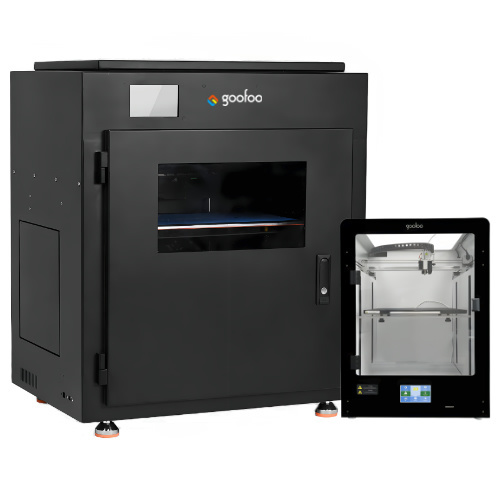
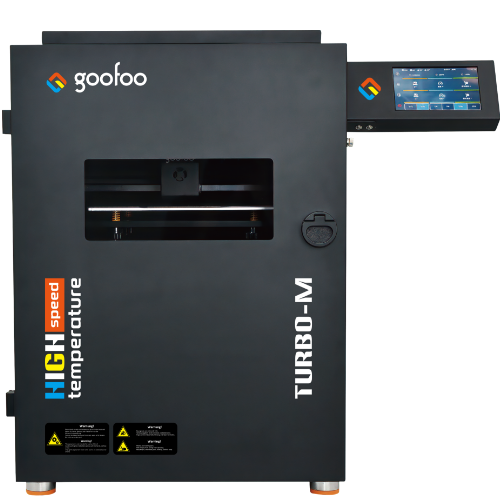
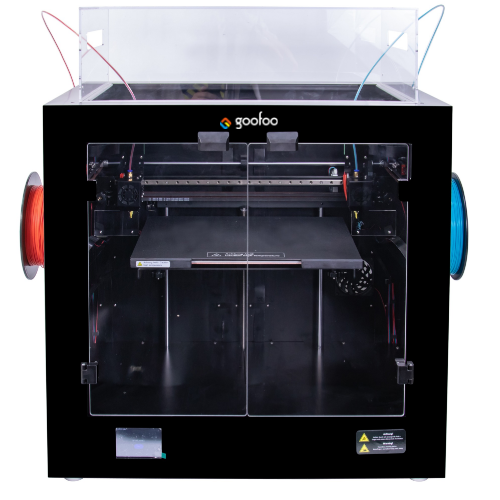
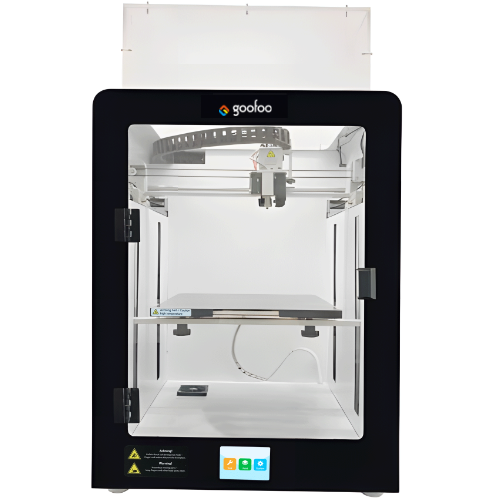
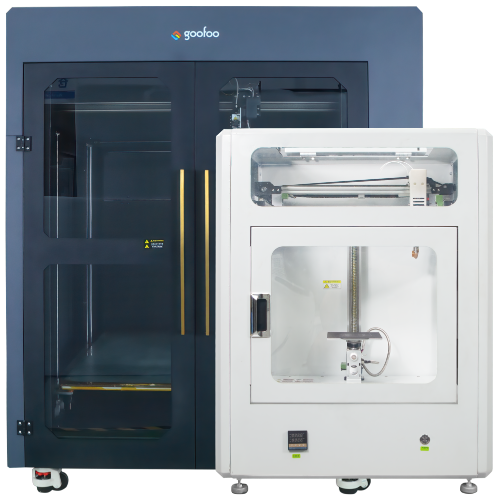
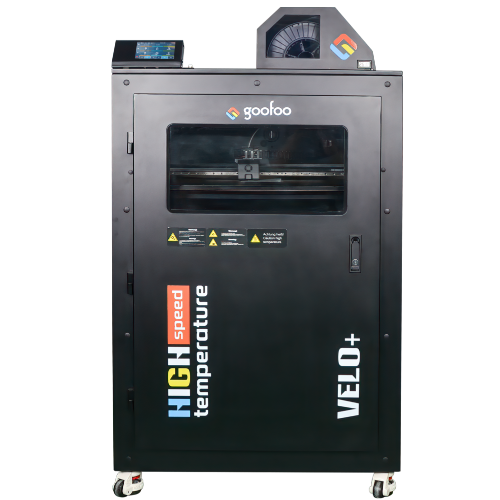
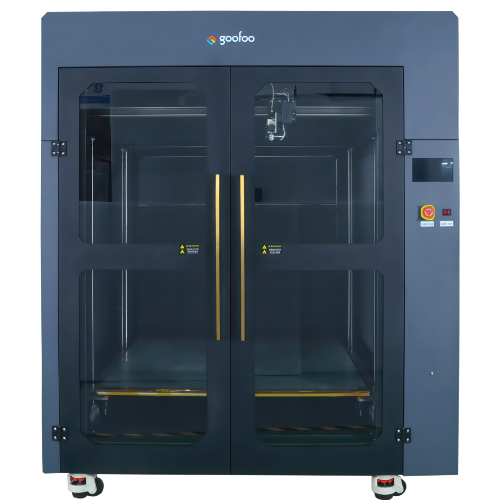
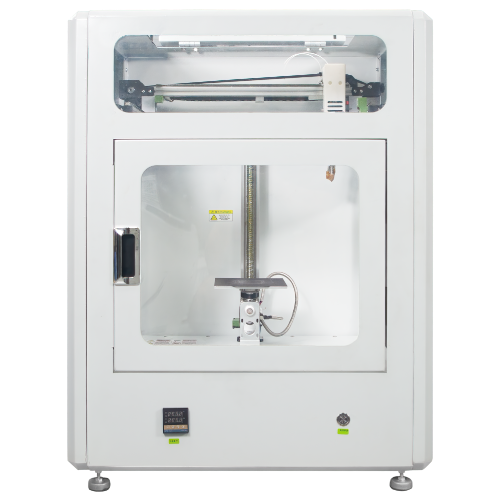
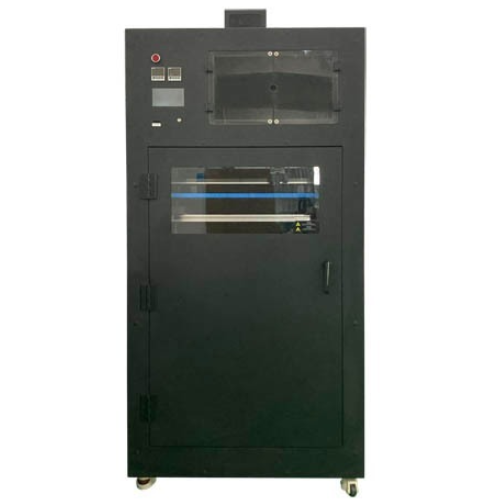
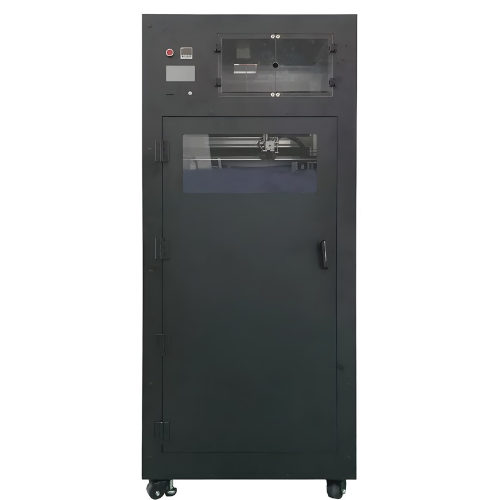
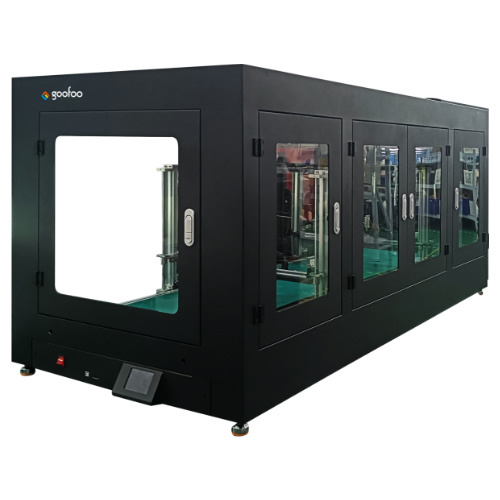
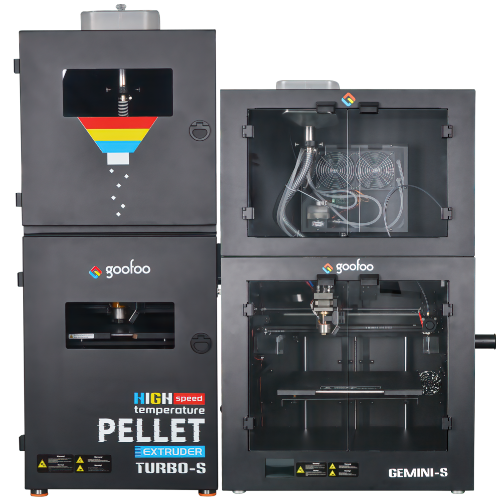
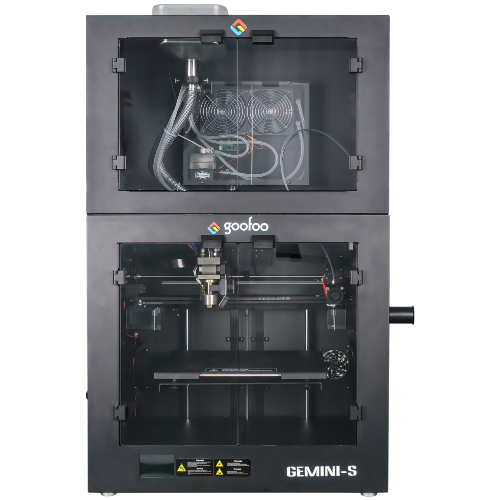
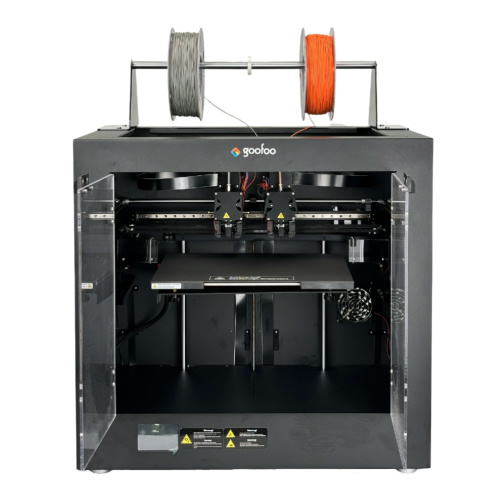
















Revolutionize Your Workspace with Innovative 3D Printer Models
2025-03-01 12:40
Revolutionize Your Workspace with Innovative 3D Printer Models
Table of Contents
- Introduction to 3D Printing Technology
- Benefits of Incorporating 3D Printers in Your Workspace
- Types of 3D Printers: Which One is Right for You?
- Applications of 3D Printing in Various Industries
- How to Choose the Right 3D Printer for Your Needs
- Emerging Trends in 3D Printing Technology
- The Future of 3D Printing in Workspace Innovation
- Frequently Asked Questions
Introduction to 3D Printing Technology
3D printing technology has emerged as a transformative force in various industries, enabling rapid prototyping, design flexibility, and customization. This innovative technology allows users to create three-dimensional objects from digital files, utilizing materials ranging from plastics to metals. As businesses and individuals recognize the potential of 3D printing to streamline workflows and reduce costs, integrating this technology into the workspace becomes increasingly essential.
Benefits of Incorporating 3D Printers in Your Workspace
Integrating **3D printers** into your workspace offers numerous advantages that can significantly enhance productivity and creativity.
Enhanced Creativity and Design Freedom
With 3D printing, designers can explore ideas that were previously unattainable. The ability to create complex geometries and intricate designs allows teams to push boundaries and innovate.
Cost Efficiency and Reduced Waste
Traditional manufacturing methods often lead to excess material waste. 3D printing utilizes only the necessary material for each project, reducing waste and saving costs. This efficiency is particularly beneficial for small businesses and startups.
Rapid Prototyping and Time-Saving
3D printers allow for quick iterations of prototypes, enabling teams to test and refine their designs swiftly. This rapid prototyping accelerates the development process, leading to faster time-to-market.
Customization and Personalization
3D printing offers unparalleled customization options. Businesses can create tailor-made products that meet specific customer needs, thereby enhancing customer satisfaction and loyalty.
Types of 3D Printers: Which One is Right for You?
When considering a **3D printer** for your workspace, it’s crucial to understand the different types available and their unique functionalities.
Fused Deposition Modeling (FDM)
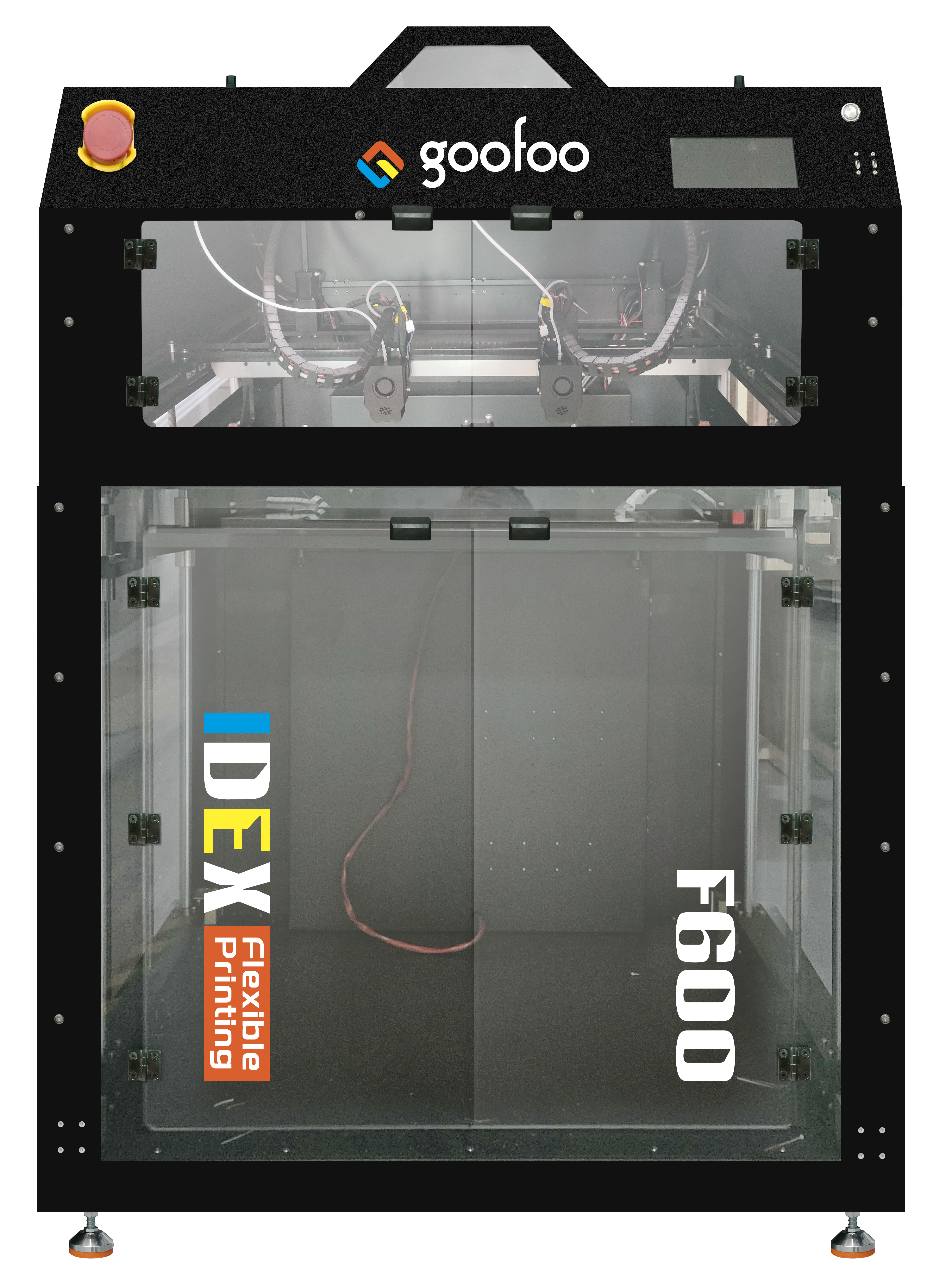
FDM printers are the most common type of 3D printer and are ideal for beginners. They work by melting thermoplastic filament and extruding it layer by layer to build a 3D object. FDM printers are affordable, versatile, and capable of producing sturdy parts, making them suitable for a wide range of applications.
Stereolithography (SLA)
SLA printers utilize a laser to cure liquid resin into hardened plastic. This process allows for high precision and detail, making SLA printers ideal for applications that require intricate designs, such as jewelry and dental models. However, they tend to be more expensive and require post-processing to achieve optimal results.
Selective Laser Sintering (SLS)
SLS printers work by using a laser to fuse powdered material into solid structures. They are highly effective for creating complex geometries and are commonly used in industrial applications. SLS printers are ideal for producing durable parts but tend to have a steeper learning curve and higher initial costs.
Applications of 3D Printing in Various Industries
3D printing technology is revolutionizing various sectors, offering innovative solutions to meet unique challenges.
3D Printing in Education
In educational settings, **3D printing** fosters creativity and problem-solving skills. Students can visualize concepts and engage in hands-on learning experiences. Schools are increasingly incorporating 3D printers into their curricula, enhancing STEM education.
3D Printing in Healthcare
The healthcare industry utilizes 3D printing for customized prosthetics, dental implants, and even bioprinting tissues. This technology allows for patient-specific solutions that can significantly improve outcomes and reduce recovery times.
3D Printing in Manufacturing
In manufacturing, 3D printing enables rapid prototyping and production of complex parts that would be challenging to create using traditional methods. Manufacturers can quickly iterate on designs, reducing lead times and costs.
How to Choose the Right 3D Printer for Your Needs
Selecting the perfect 3D printer depends on several factors, including:
Budget
Determine your budget before beginning your search. While entry-level printers can be found at a lower cost, professional models with advanced features will require a more substantial investment.
Intended Use
Consider the applications you plan to use the 3D printer for. Industrial applications may require higher-end printers with greater precision and material versatility, while hobbyists may be satisfied with entry-level models.
Material Compatibility
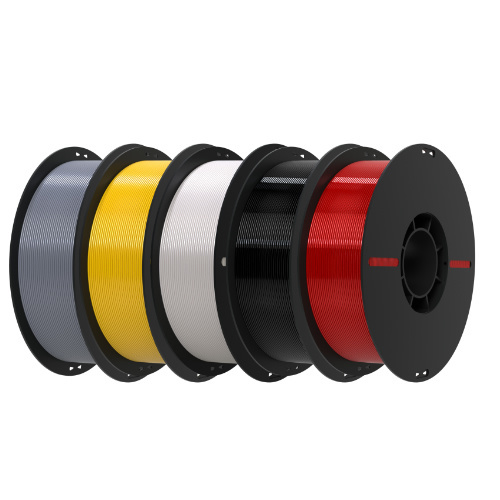
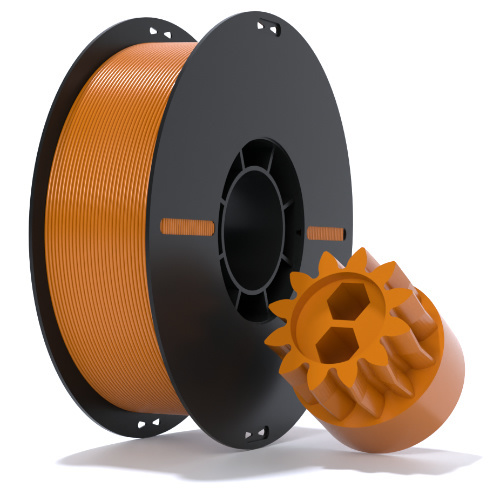
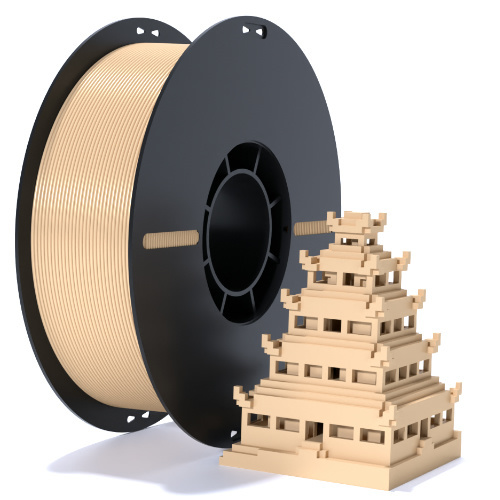
Different printers support various materials. If you have specific material requirements for your projects, ensure the printer you choose is compatible with those materials.
Ease of Use
For beginners, user-friendly features such as guided setups, touchscreen controls, and online support can significantly enhance the user experience. Look for printers that offer these conveniences.
Emerging Trends in 3D Printing Technology
The 3D printing landscape is continuously evolving, with several trends shaping its future.
Integration with AI and Machine Learning
Artificial intelligence is increasingly being integrated into 3D printing processes, allowing for smarter design optimization and adaptive manufacturing techniques. This integration can lead to enhanced efficiency and reduced waste.
Use of Sustainable Materials
As sustainability becomes a priority, the use of eco-friendly materials in 3D printing is on the rise. Companies are developing biodegradable filaments and recycled materials to meet environmental standards.
Advancements in Printing Speed and Quality
Technological advancements are leading to faster printing speeds and improved quality. Innovations in hardware and software are enabling printers to produce complex parts with greater precision and in less time.
The Future of 3D Printing in Workspace Innovation
The future of 3D printing in the workspace looks promising. As the technology becomes more accessible and affordable, we expect widespread adoption across various industries. Enhanced capabilities, such as larger build volumes and multi-material printing, will further expand the potential applications of 3D printing.
Moreover, businesses that embrace this technology will likely gain a competitive edge, improving their agility, reducing costs, and fostering innovation.
Frequently Asked Questions
1. What is the average cost of a 3D printer?
The cost of a 3D printer can range from a few hundred dollars for entry-level models to several thousand dollars for professional-grade printers. It’s essential to consider your specific needs and budget.
2. How long does it take to 3D print an object?
The printing time varies significantly based on the size and complexity of the object. Small models may take just a few hours, while larger, more complex designs can take several days.
3. Can I use multiple materials with one 3D printer?
Some advanced 3D printers support multi-material printing, allowing users to combine different materials in a single print. However, many entry-level models are limited to one material at a time.
4. Do I need to have design skills to use a 3D printer?
While having design skills can be beneficial, many user-friendly software programs and online platforms provide pre-designed models that anyone can print without extensive design knowledge.
5. Is 3D printing safe?
3D printing is generally safe when using appropriate safety precautions. It is essential to operate printers in well-ventilated areas and follow manufacturer guidelines to avoid potential hazards.
Conclusion
Incorporating innovative **3D printer models** into your workspace can revolutionize how you approach projects, enhance creativity, and streamline production processes. With various types of printers available, understanding their applications and benefits is crucial for making an informed decision. As the technology continues to evolve, the opportunities for customization, efficiency, and sustainability will only grow. Embrace the future of 3D printing and unlock your workspace's potential today.
3d printer models
Recommended News
 Esperanto
 Shqiptare
 Euskara
 Zulu
Zulu
 Latinus
 Cymraeg
 தமிழ்
தமிழ்
 Slovak
 Slovak
 Afrikaans
Join us
Subscribe to get the latest news


Skype / WhatsApp: +86 592-5713513 / +86-13860126490
No.88-3, North Tongji Road, Xike County, Tong'an District, Xiamen, Fujian China
Xiamen Goofoo Technology Co., Ltd. All Rights Reserved 闽ICP备2022008070号-1 SEO 300.cn
Phone:+0086 592-5713513
Address: No.88-3, North Tongji Road, Xike County, Tong’an District, Xiamen, Fujian China
Email: sales@goofoo3d.com
We will give you feedback in time