
- Shop Shop
-
Desktop
Desktop
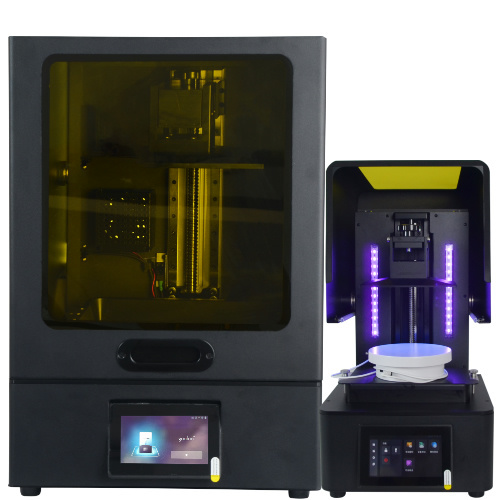
MSLA series
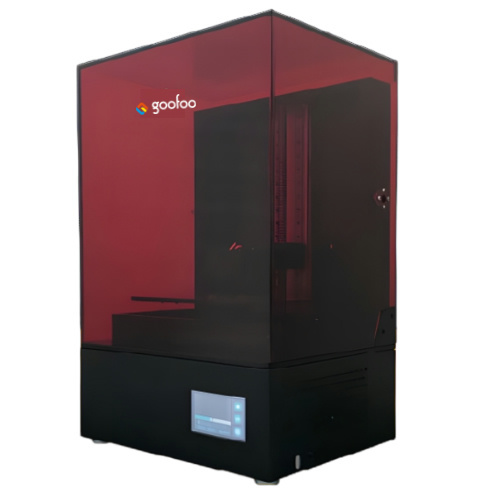
High accuracy Lens-s pro
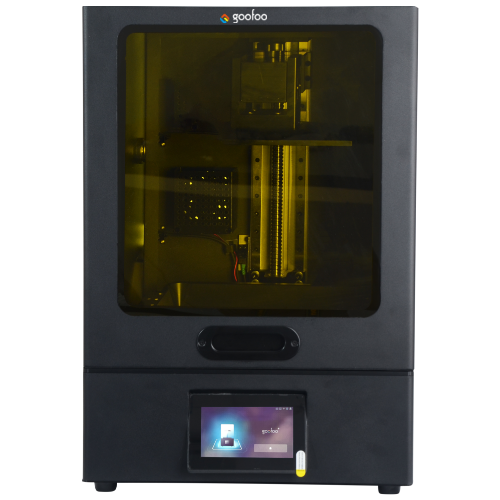
Large build volume Lens-m pro
- Industrial Industrial
-
Material
Material

Resin series

Dental DM100/TC100/ etc.

Jewelry Jewelry Resin

Generic PW100

Industry High Temp Resin

Garage Kit Red wax
-
Expanded
Expanded
Laser Engraver/CNC
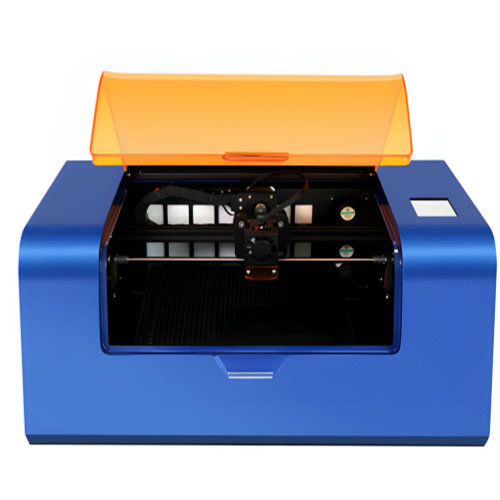
TS3(class1) Laser engraver & cutter 200*300mm
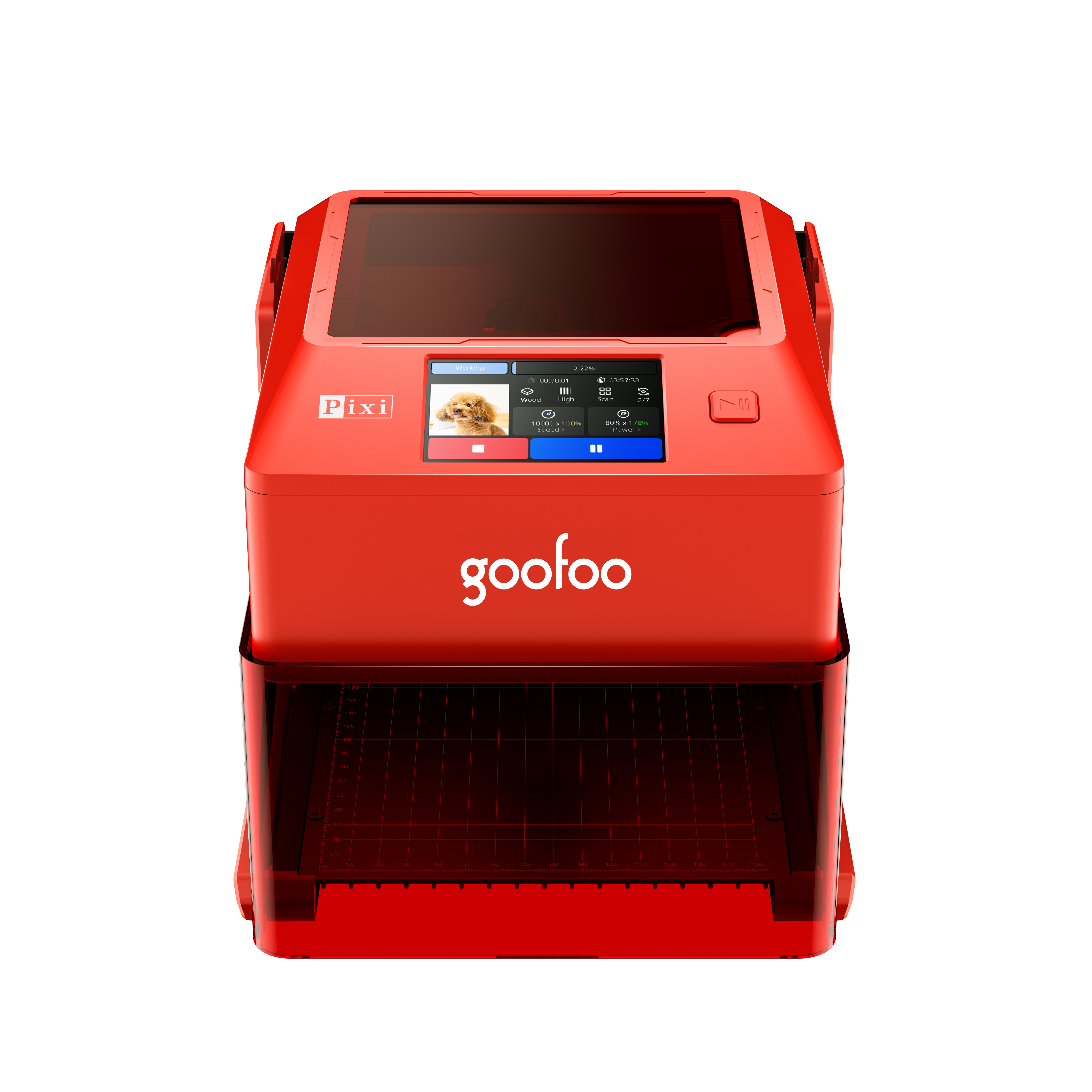
Pixi(class1) Laser engraver & cutter 100*100mm
3D scanner
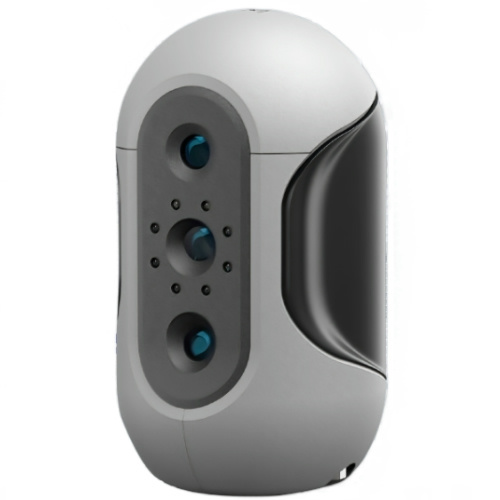
Mole Highest accuracy 0.05mm
- Industries & Applications Industries & Applications
- Support Support
- About Us About Us
- Contact Us Contact Us
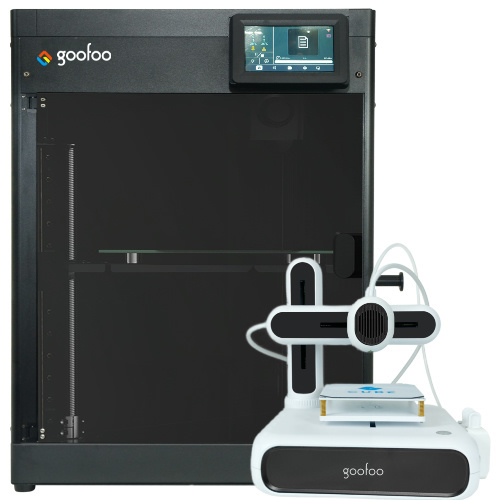


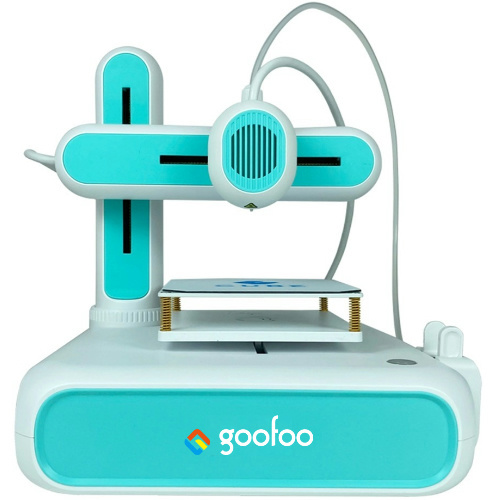
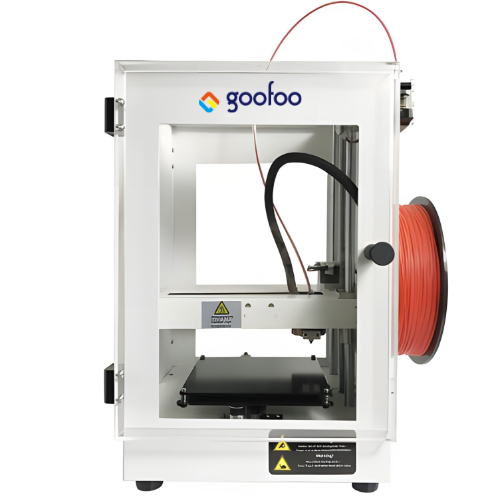
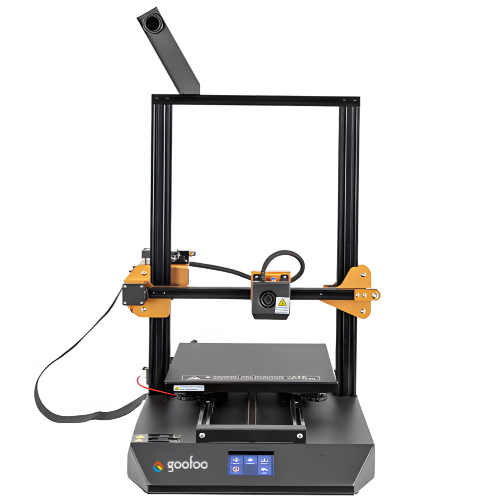
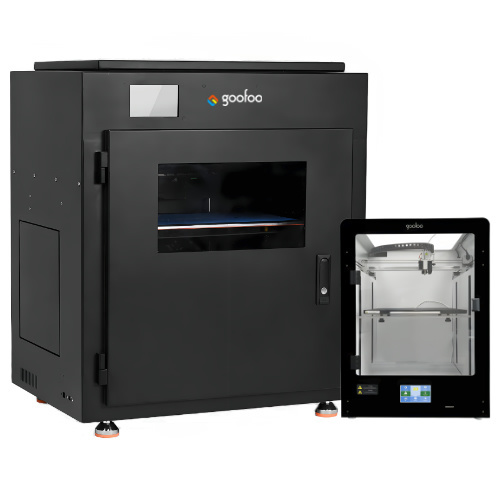
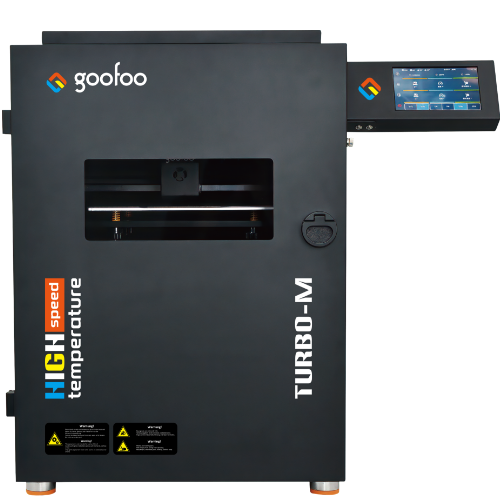
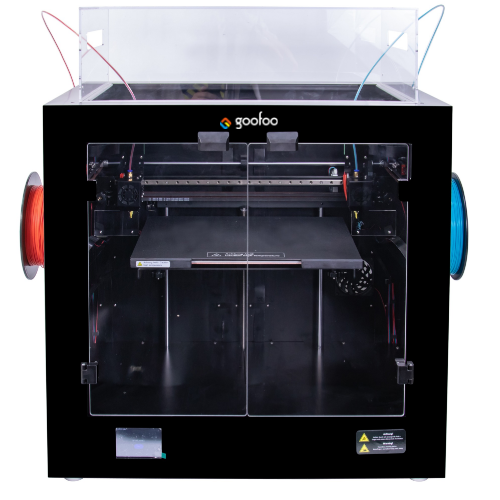
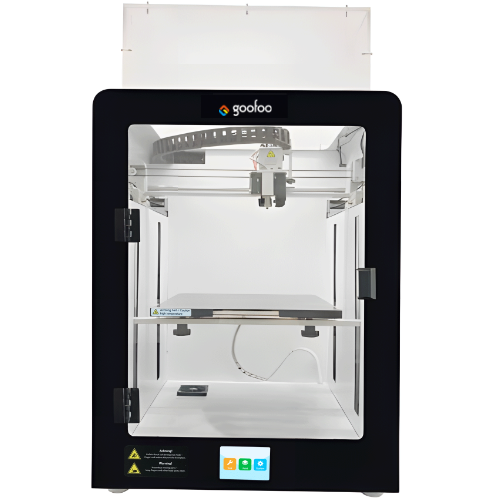
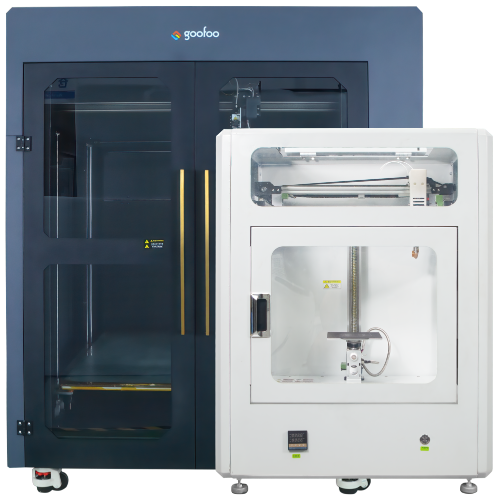
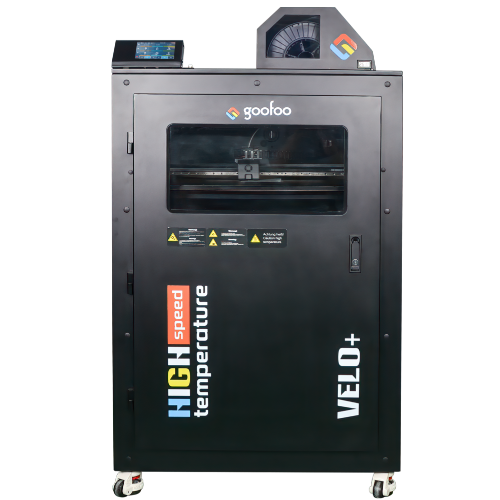
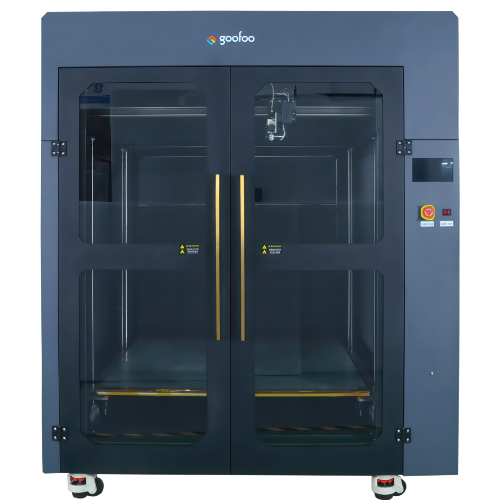
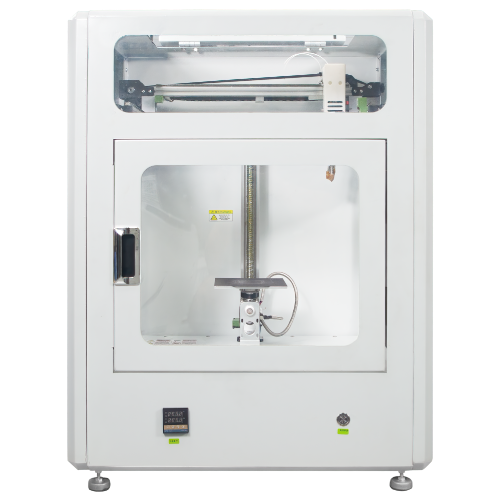
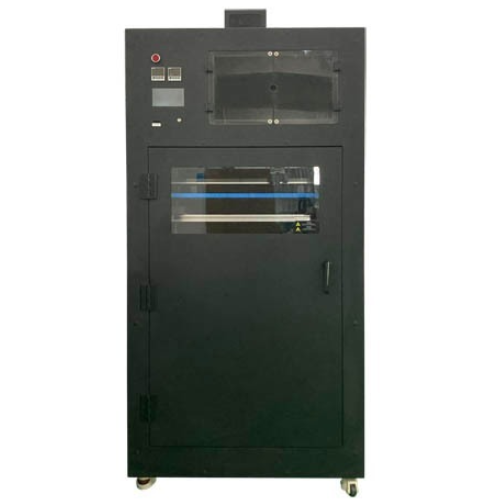
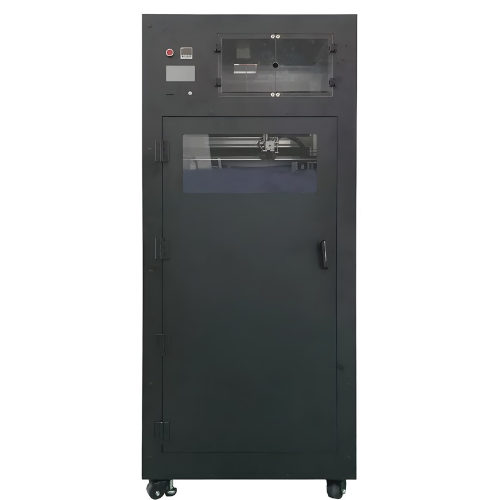
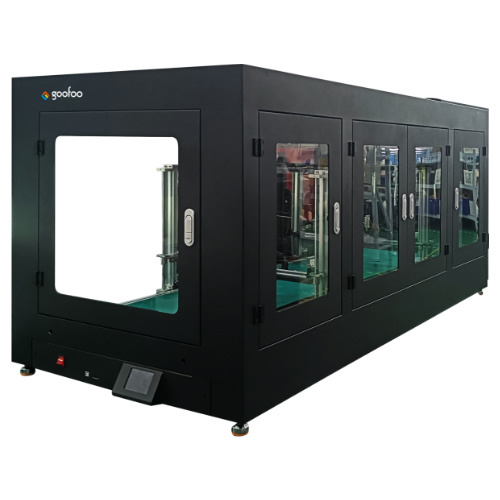
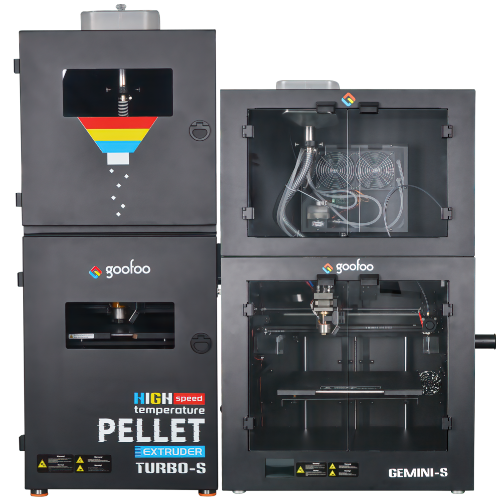
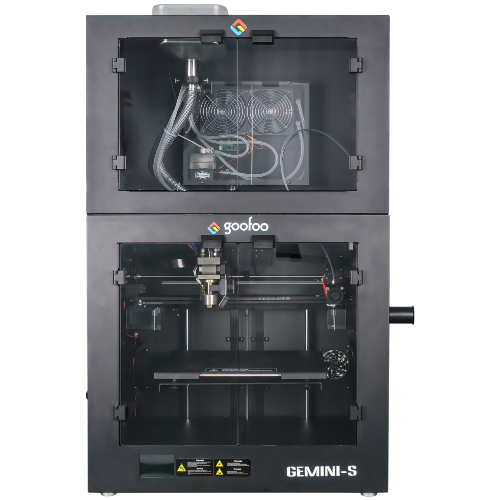
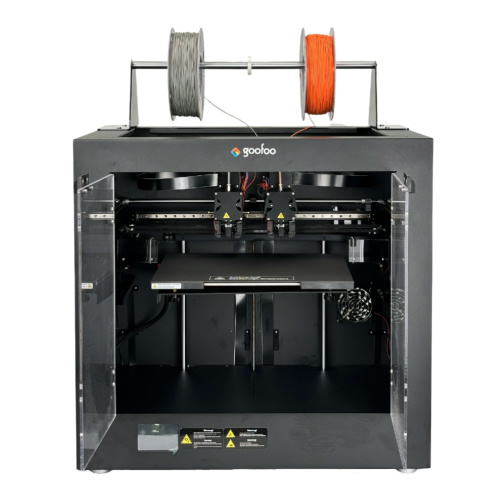













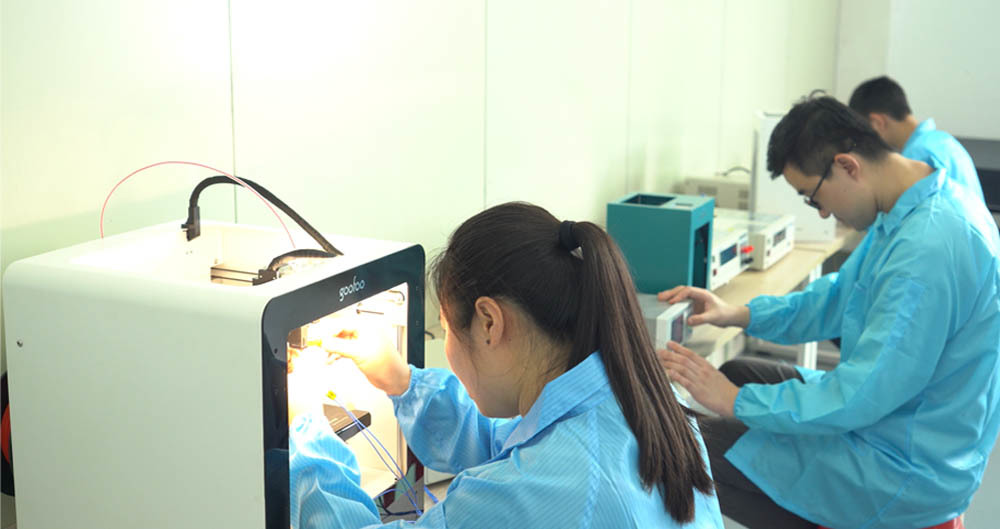




The Future is Now: Exploring the Limitless Potential of 3D Printing Technology
2025-03-09 14:00
The Future is Now: Exploring the Limitless Potential of 3D Printing Technology
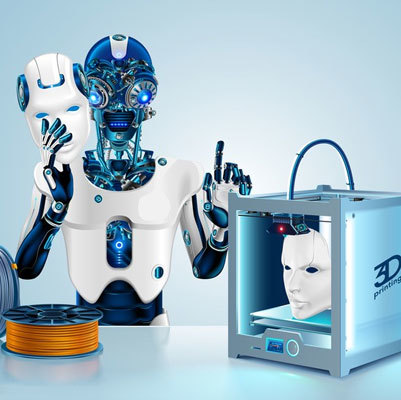
3D printing technology has emerged as a groundbreaking innovation, reshaping industries and opening new avenues for creativity and efficiency. This article delves deep into the multifaceted world of 3D printing, exploring its applications, advantages, challenges, and its transformative potential across various sectors.
Table of Contents
- What is 3D Printing?
- A Brief History of 3D Printing
- How Does 3D Printing Work?
- Types of 3D Printing Technologies
- Applications of 3D Printing Technology
- Benefits of 3D Printing
- Challenges and Limitations of 3D Printing
- The Future of 3D Printing Technology
- Frequently Asked Questions
What is 3D Printing?
3D printing, also known as additive manufacturing, is a process of creating three-dimensional objects from a digital file. It involves layering materials, such as plastics, metals, or ceramics, to build an object layer by layer. This innovative technology allows for the rapid prototyping and production of complex geometries that are often impossible to achieve with traditional manufacturing methods.
The Basics of Additive Manufacturing
Additive manufacturing refers to the process of joining materials to make objects from 3D model data, usually layer upon layer. Unlike subtractive manufacturing, which involves cutting away material to create a part, 3D printing builds the object from the ground up, minimizing waste and maximizing design freedom.
A Brief History of 3D Printing
3D printing technology has a rich history that dates back to the 1980s. It has evolved significantly since its inception, and understanding its journey helps appreciate its current capabilities and future prospects.
The Early Years
The first 3D printing method, stereolithography, was developed by Chuck Hull in 1983. This technology utilized ultraviolet light to cure resin into solid objects, laying the foundation for the future of additive manufacturing. Throughout the late 1980s and 1990s, various other techniques emerged, including selective laser sintering (SLS) and fused deposition modeling (FDM).
Advancements in the 21st Century
The 2000s marked a turning point for 3D printing technology as it became more accessible to the public. The introduction of affordable desktop 3D printers allowed hobbyists and small businesses to experiment with 3D printing, sparking a new wave of innovation and creativity. Today, 3D printing is utilized across various sectors, including healthcare, automotive, and aerospace.
How Does 3D Printing Work?
The 3D printing process can be broken down into several key stages: design, slicing, printing, and post-processing. Understanding these stages provides insights into how 3D printing operates and the considerations involved in producing high-quality prints.
1. Design
The first step involves creating a 3D model using computer-aided design (CAD) software. Designers can either create models from scratch or modify existing ones, ensuring they meet the desired specifications.
2. Slicing
Once the model is complete, it is converted into a format compatible with the 3D printer. This process, known as slicing, involves dividing the model into thin horizontal layers. The slicer software generates a G-code file that contains instructions for the printer.
3. Printing
During the printing phase, the 3D printer follows the G-code instructions to lay down material layer by layer. Depending on the technology used, materials are melted, cured, or otherwise manipulated to form solid objects.
4. Post-Processing
After printing, the object may require post-processing, which can include removing support structures, sanding, painting, or curing. This stage enhances the aesthetic and functional qualities of the final product.
Types of 3D Printing Technologies
Several 3D printing technologies exist, each with unique characteristics and applications. Understanding these technologies is crucial for selecting the right method for a specific project.
Fused Deposition Modeling (FDM)
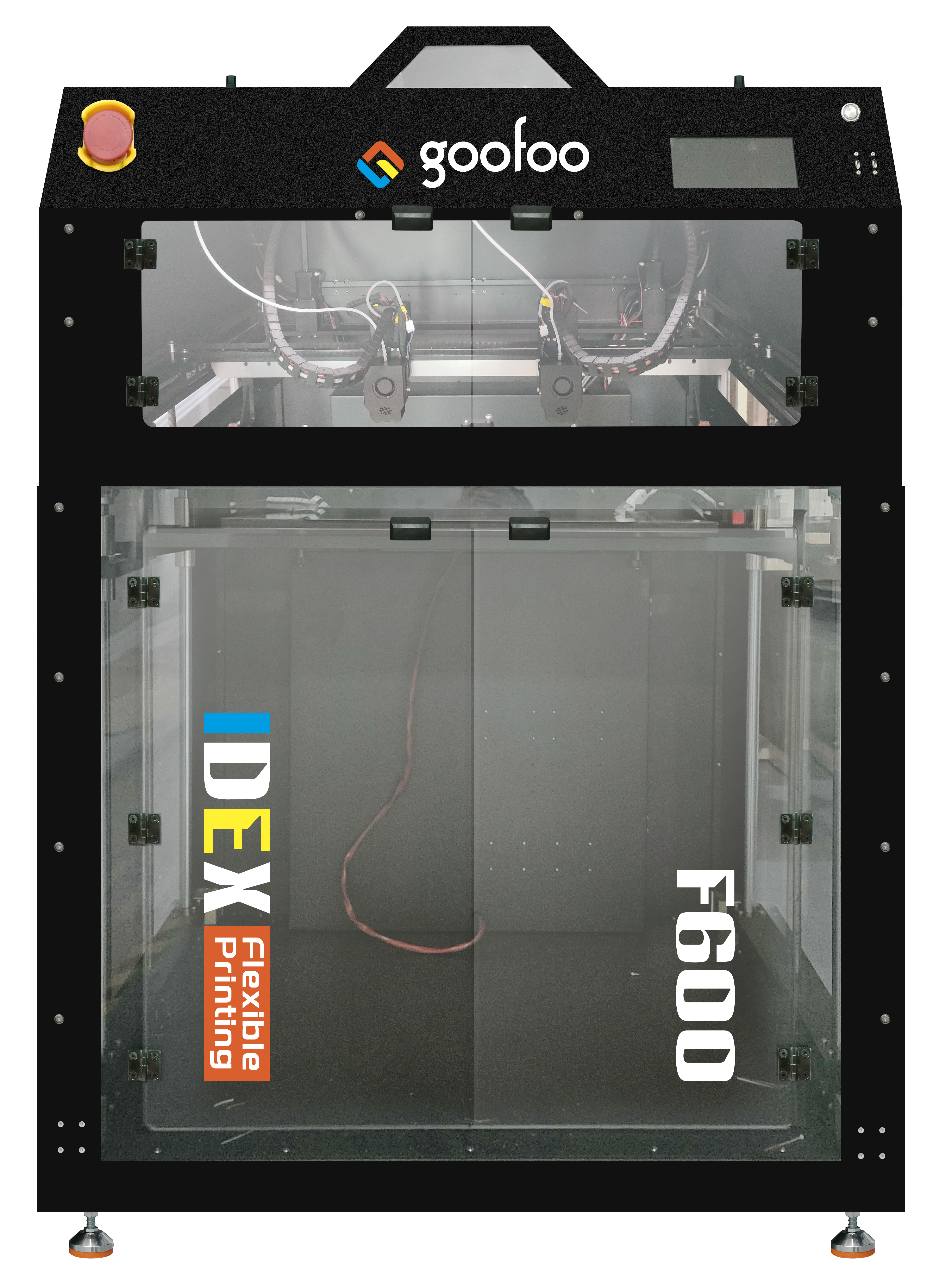
FDM is one of the most popular 3D printing methods, especially for hobbyists and small businesses. It works by extruding molten filament through a heated nozzle, layer by layer, to create a solid object. FDM printers are relatively affordable and easy to use, making them suitable for various applications.
Stereolithography (SLA)
SLA utilizes a laser to cure liquid resin into solid objects. This technology produces high-resolution prints with smooth surfaces, making it ideal for intricate designs and prototypes. SLA printers tend to be more expensive but offer superior detail and accuracy compared to FDM.
Selective Laser Sintering (SLS)
SLS is a process that uses a laser to fuse powdered materials, such as nylon or metal, into solid parts. This technology allows for the creation of complex geometries and is commonly used in industrial applications. SLS prints typically do not require support structures, as the surrounding powder provides support during the printing process.
Applications of 3D Printing Technology
The applications of 3D printing technology are vast and varied, impacting numerous industries. Here are some notable examples:
Healthcare
3D printing is revolutionizing healthcare by enabling the creation of custom prosthetics, surgical instruments, and even bioprinted organs. Medical professionals can design personalized implants tailored to individual patients, improving outcomes and reducing recovery times.
Aerospace
The aerospace industry utilizes 3D printing to manufacture lightweight components with complex geometries, enhancing fuel efficiency and performance. Techniques such as selective laser melting (SLM) allow for the production of high-strength parts that meet stringent safety standards.
Automotive
In the automotive sector, 3D printing is used for rapid prototyping, tooling, and even the production of end-use parts. This technology streamlines the design process, reduces material waste, and speeds up time to market.
Consumer Products
From custom jewelry to personalized home decor, 3D printing has opened up new avenues for consumer products. Companies can produce unique items on-demand, catering to individual preferences and tastes.
Benefits of 3D Printing
The advantages of 3D printing extend beyond mere convenience. Here are some key benefits that make this technology appealing to businesses and creators alike:
1. Design Freedom
3D printing allows for the creation of complex designs that traditional manufacturing methods cannot achieve. This freedom fosters innovation and creativity in product development.
2. Cost-Effectiveness
By reducing material waste and enabling on-demand production, 3D printing can significantly lower production costs. It eliminates the need for costly tooling and minimizes inventory expenses.
3. Speed and Efficiency
The rapid prototyping capabilities of 3D printing enable businesses to bring products to market faster. Designers can quickly iterate on their ideas, testing and refining them before finalizing production.
4. Customization
3D printing facilitates personalized products, allowing customers to tailor designs to their preferences. This level of customization enhances customer satisfaction and loyalty.
Challenges and Limitations of 3D Printing
Despite its many advantages, 3D printing technology faces challenges that must be addressed for widespread adoption. Here are some notable limitations:
1. Material Limitations
While the range of materials suitable for 3D printing is expanding, it is still limited compared to traditional manufacturing methods. Certain applications may require materials with specific properties that are not yet available for 3D printing.
2. Speed Constraints
Although 3D printing is faster than traditional prototyping methods, the speed of production can still be a limiting factor, especially for large-scale manufacturing. As technology advances, improvements in speed and efficiency are expected, but challenges remain.
3. Surface Finish and Resolution
Depending on the 3D printing technology used, the surface finish of printed parts may require post-processing to achieve the desired quality. Achieving high resolution can also be a challenge, particularly with lower-end printers.
The Future of 3D Printing Technology
The future of 3D printing is incredibly promising, with ongoing advancements and innovations paving the way for new possibilities. Here are some trends to watch for:
1. Bioprinting
Bioprinting, the process of creating living tissues and organs, holds immense potential for healthcare. As research in this field progresses, we may see breakthroughs in regenerative medicine and organ transplantation.
2. Expanded Material Options
As researchers develop new materials for 3D printing, the range of applications will expand. Innovations in metal, ceramics, and even food printing will enable the creation of more complex and functional products.
3. Integration with AI and Machine Learning
The integration of AI and machine learning into 3D printing processes can enhance design capabilities, optimize production workflows, and improve quality control. These technologies will likely lead to more intelligent and automated systems in the future.
Frequently Asked Questions
1. What industries use 3D printing technology?
3D printing is utilized across various industries, including healthcare, aerospace, automotive, architecture, and consumer products.
2. Is 3D printing environmentally friendly?
3D printing can be more environmentally friendly than traditional manufacturing, as it often produces less waste and allows for on-demand production, reducing the need for inventory.
3. Can I use my 3D printer for commercial purposes?
Yes, many individuals and businesses use 3D printers for commercial purposes, such as creating unique products or prototypes for clients.
4. What types of materials can be used in 3D printing?
Common materials used in 3D printing include plastics (like PLA and ABS), metals (like aluminum and titanium), ceramics, and even organic materials for bioprinting.
5. How much does a 3D printer cost?
The cost of a 3D printer can vary widely, ranging from a few hundred dollars for basic models to several thousand dollars for high-end professional machines.
Conclusion
The limitless potential of 3D printing technology is reshaping industries and driving innovation across the globe. As we continue to explore its applications and push the boundaries of design, the possibilities for customization, efficiency, and creativity are boundless. By embracing this technology, we stand at the forefront of a new era in manufacturing and design, forever changing the way we create and produce. The future is indeed now, and it is bright with the promise of 3D printing.
best 3d printer
Recommended News
 Esperanto
 Shqiptare
 Euskara
 Zulu
Zulu
 Latinus
 Cymraeg
 தமிழ்
தமிழ்
 Slovak
 Slovak
 Afrikaans
Join us
Subscribe to get the latest news


Skype / WhatsApp: +86 592-5713513 / +86-13860126490
No.88-3, North Tongji Road, Xike County, Tong'an District, Xiamen, Fujian China
Xiamen Goofoo Technology Co., Ltd. All Rights Reserved 闽ICP备2022008070号-1 SEO 300.cn
Phone:+0086 592-5713513
Address: No.88-3, North Tongji Road, Xike County, Tong’an District, Xiamen, Fujian China
Email: sales@goofoo3d.com
We will give you feedback in time