
- Shop Shop
-
Desktop
Desktop
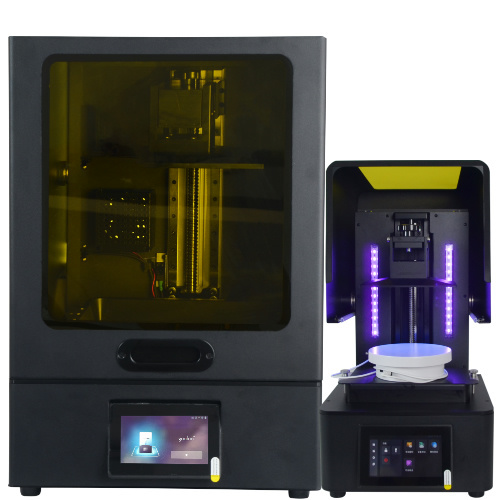
MSLA series
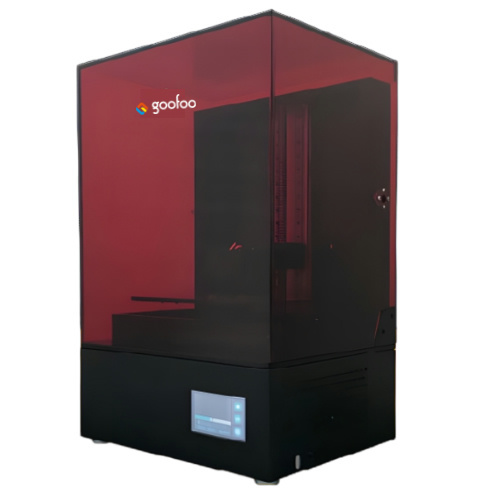
High accuracy Lens-s pro
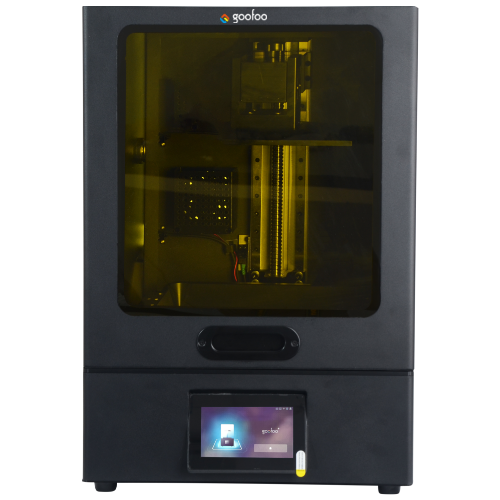
Large build volume Lens-m pro
- Industrial Industrial
-
Material
Material

Resin series

Dental DM100/TC100/ etc.

Jewelry Jewelry Resin

Generic PW100

Industry High Temp Resin

Garage Kit Red wax
-
Expanded
Expanded
Laser Engraver/CNC
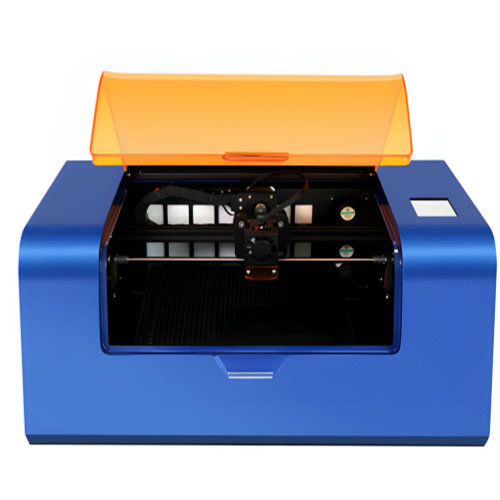
TS3(class1) Laser engraver & cutter 200*300mm

Pixi(class1) Laser engraver & cutter 100*100mm
3D scanner

Mole Highest accuracy 0.05mm
- Industries & Applications Industries & Applications
- Support Support
- About Us About Us
- Contact Us Contact Us
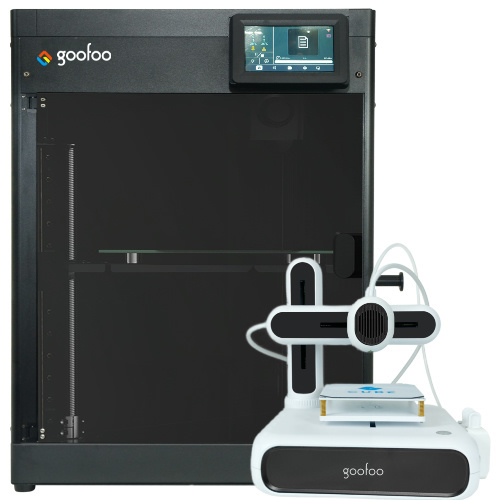



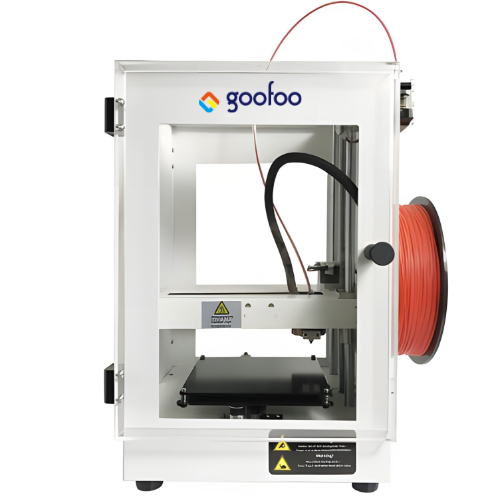
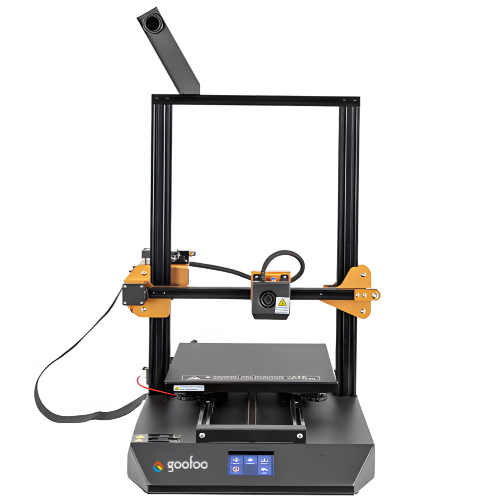
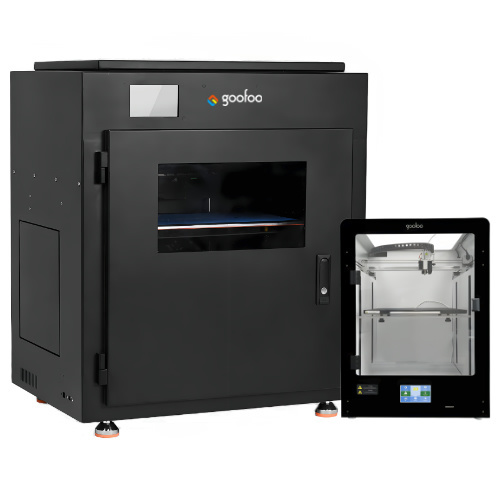
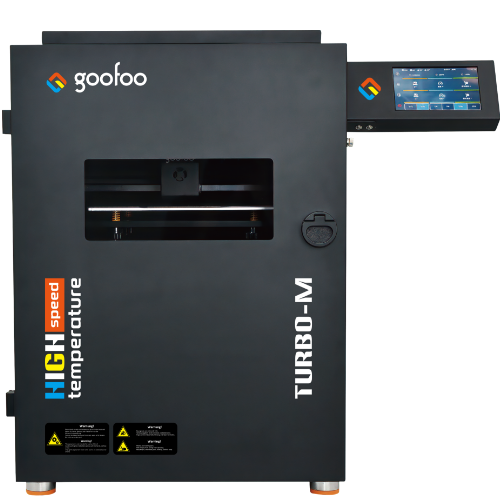
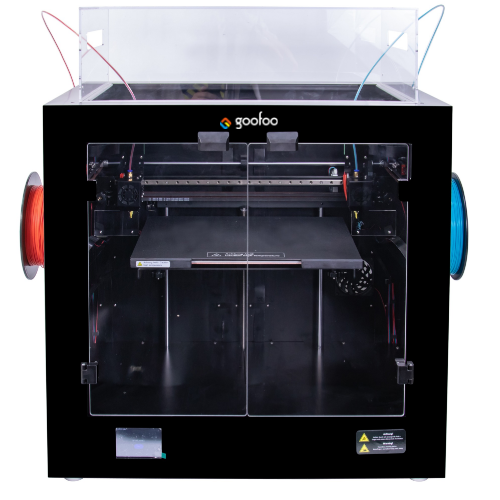
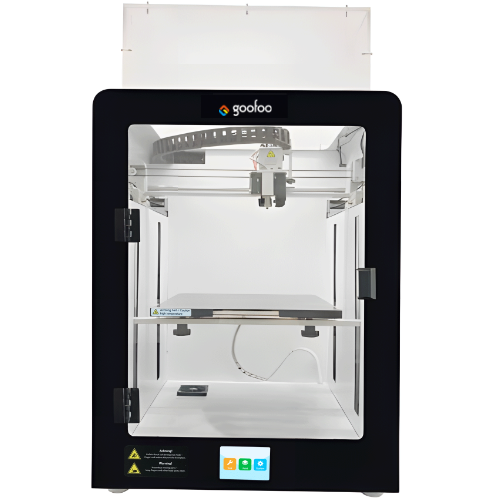
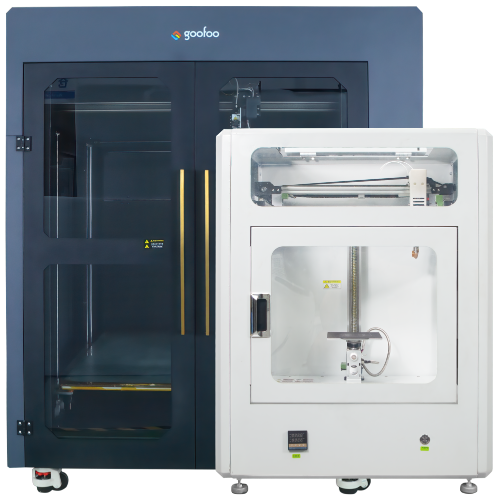
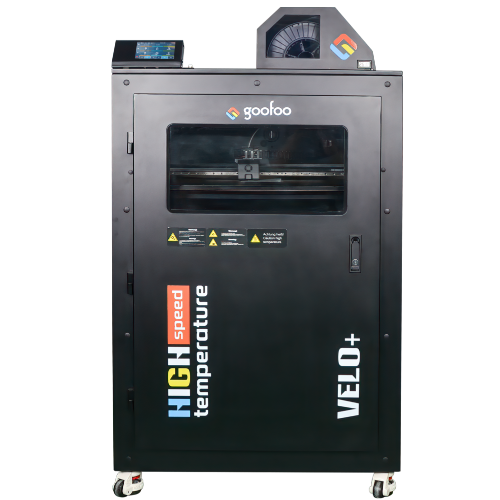
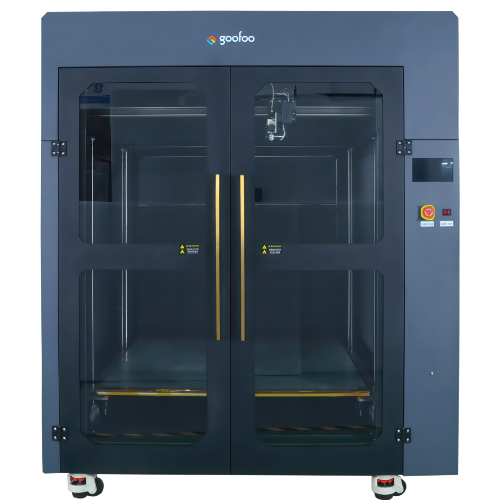
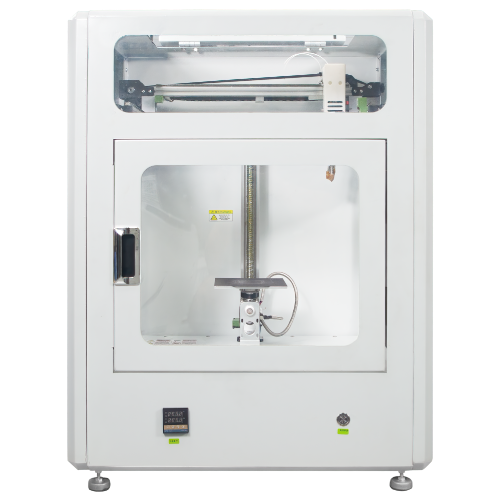
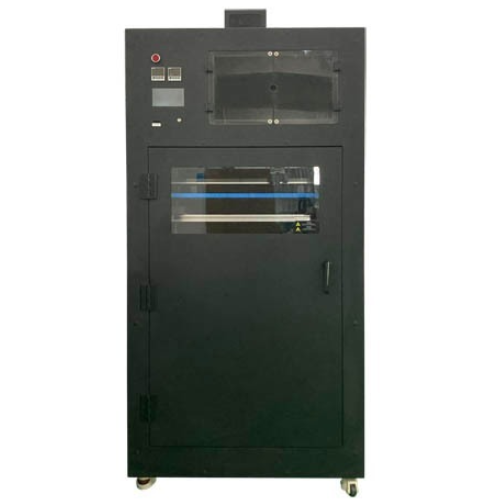














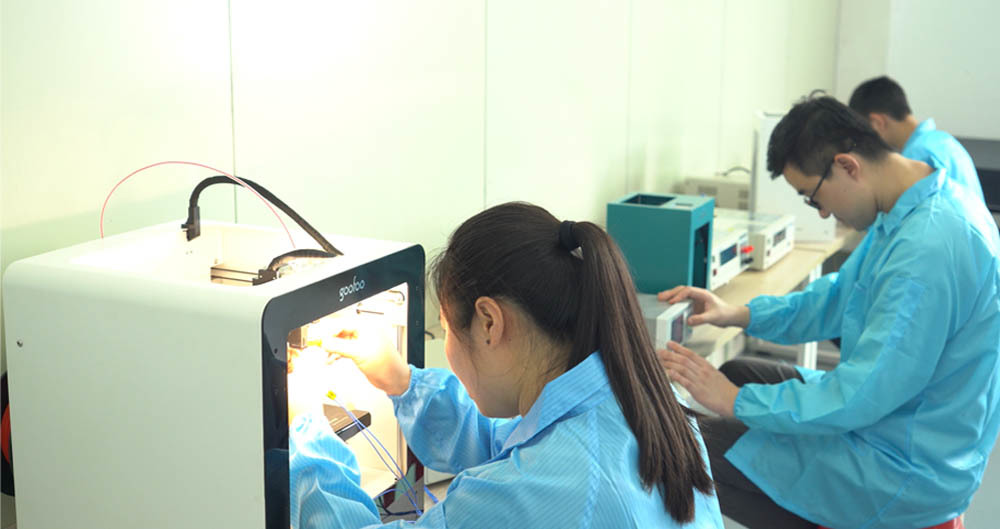




Understanding SLA 3D Printers: A Comprehensive Guide for Enthusiasts and Professionals
2025-12-02 10:50
One of the standout features of SLA 3D printers is their ability to produce parts with exceptional surface finish and accuracy. The layer resolution in SLA printing can be as fine as 25 microns, enabling the creation of intricate details that are often challenging for other 3D printing methods, such as FDM (Fused Deposition Modeling). This high level of precision is particularly beneficial for industries where detail is paramount, such as in the creation of dental molds or intricate jewelry designs.
The materials used in SLA 3D printing are typically photopolymer resins, which come in various formulations to suit different applications. These resins can be engineered for flexibility, rigidity, or even bio-compatibility, expanding the options available to designers and manufacturers. Moreover, SLA printing processes have the capacity to handle complex geometries that may include undercuts and internal cavities, which are often impossible to achieve with traditional manufacturing methods or even other 3D printing technologies.
The workflow for SLA 3D printing usually involves several key steps. Initially, a 3D model is designed using CAD software. Once the model is ready, it is sliced into thin layers using slicing software, which prepares it for the printing process. The printer then uses a UV laser to selectively cure the liquid resin, layer by layer, until the final object is complete. Post-processing is an essential part of the SLA printing process, involving the removal of excess resin and curing the printed part under UV light to enhance its mechanical properties.
Another aspect worth noting is that while SLA 3D printers provide high-quality prints, they also require careful handling and maintenance. The resin used can be sensitive to light and temperature, and users must take precautions to ensure safety during the printing and post-processing stages. Proper ventilation and the use of personal protective equipment (PPE) are recommended to mitigate any health risks associated with resin exposure.
In conclusion, SLA 3D printers offer unparalleled capabilities for producing high-resolution and intricate models, making them a valuable tool in various fields. Whether you are a professional looking to improve your prototyping process or a hobbyist aiming to create detailed models, understanding how SLA printers work and their benefits can significantly enhance your 3D printing projects. Embracing this technology allows users to unlock new creative potentials and achieve results that stand out in the competitive realm of digital manufacturing.
sla 3d printer
Recommended News
 Esperanto
 Shqiptare
 Euskara
 Zulu
Zulu
 Latinus
 Cymraeg
 தமிழ்
தமிழ்
 Slovak
 Slovak
 Afrikaans
Join us
Subscribe to get the latest news


Skype / WhatsApp: +86 592-5713513 / +86-13860126490
No.88-3, North Tongji Road, Xike County, Tong'an District, Xiamen, Fujian China
Xiamen Goofoo Technology Co., Ltd. All Rights Reserved 闽ICP备2022008070号-1 SEO 300.cn
Phone:+0086 592-5713513
Address: No.88-3, North Tongji Road, Xike County, Tong’an District, Xiamen, Fujian China
Email: sales@goofoo3d.com
We will give you feedback in time