
- Shop Shop
-
Desktop
Desktop
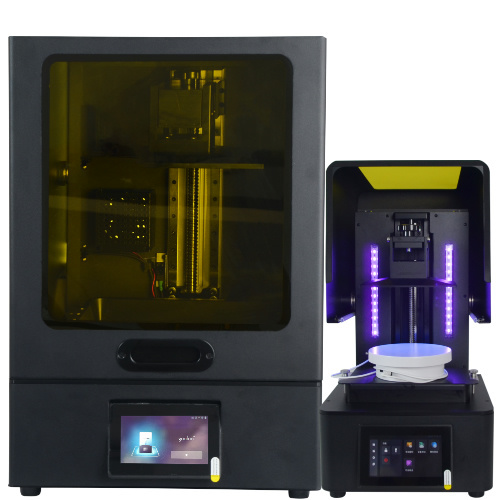
MSLA series
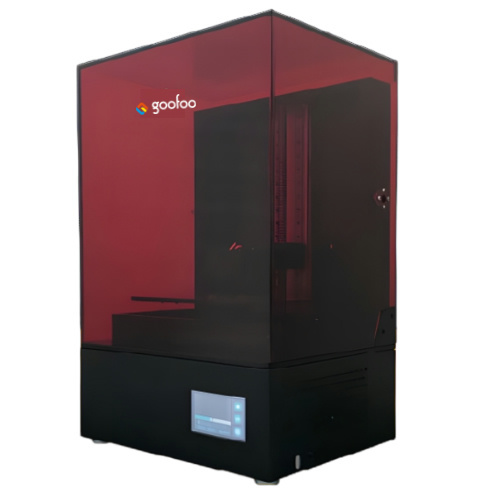
High accuracy Lens-s pro
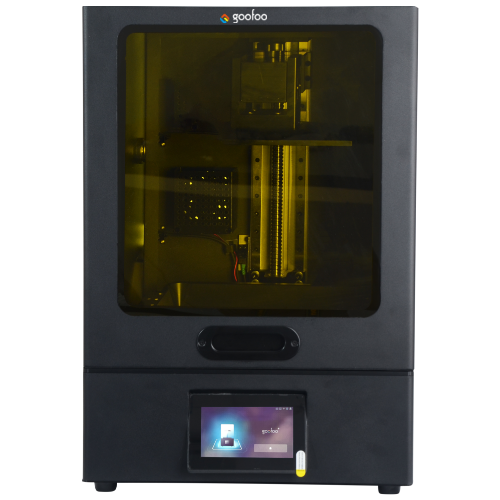
Large build volume Lens-m pro
- Industrial Industrial
-
Material
Material

Resin series

Dental DM100/TC100/ etc.

Jewelry Jewelry Resin

Generic PW100

Industry High Temp Resin

Garage Kit Red wax
-
Expanded
Expanded
Laser Engraver/CNC
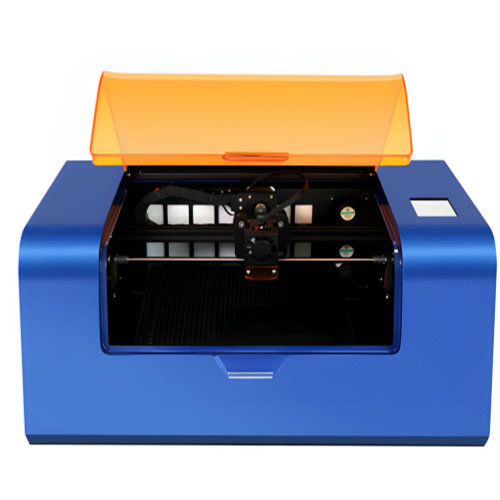
TS3(class1) Laser engraver & cutter 200*300mm
Pixi(class1) Laser engraver & cutter 100*100mm
3D scanner
Mole Highest accuracy 0.05mm
- Industries & Applications Industries & Applications
- Support Support
- About Us About Us
- Contact Us Contact Us


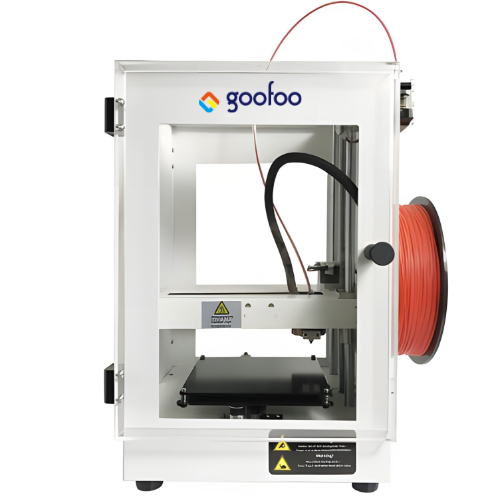
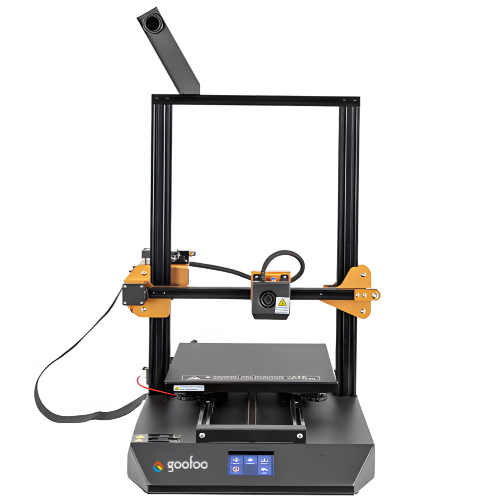
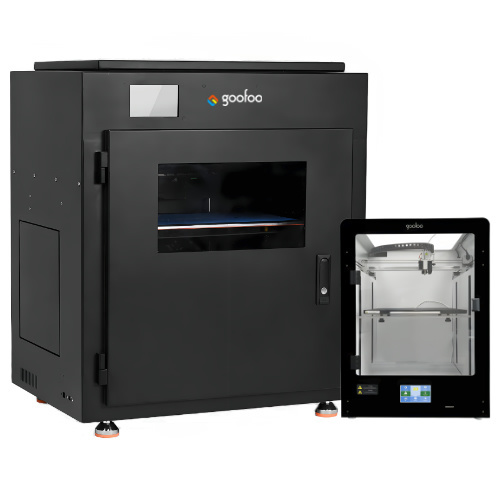
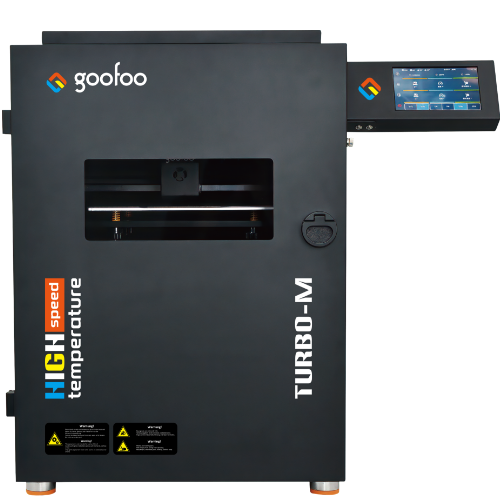
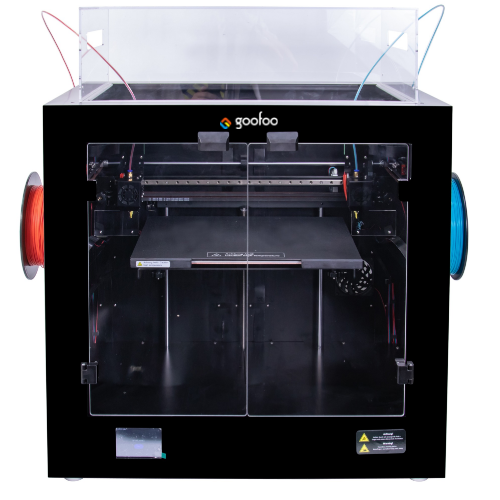
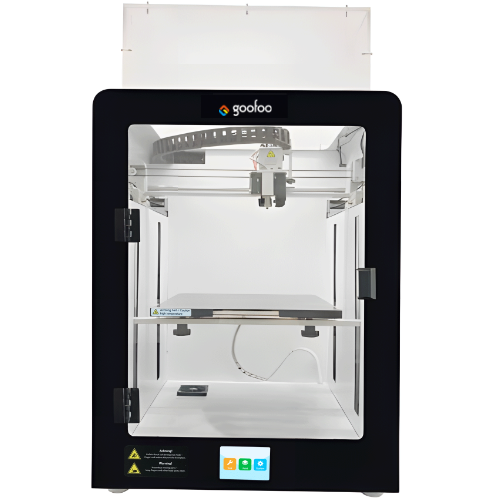
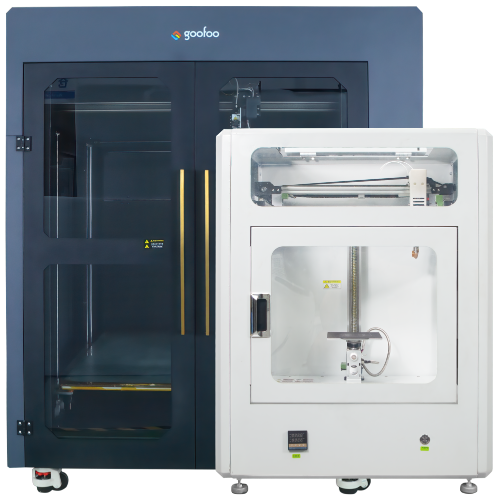
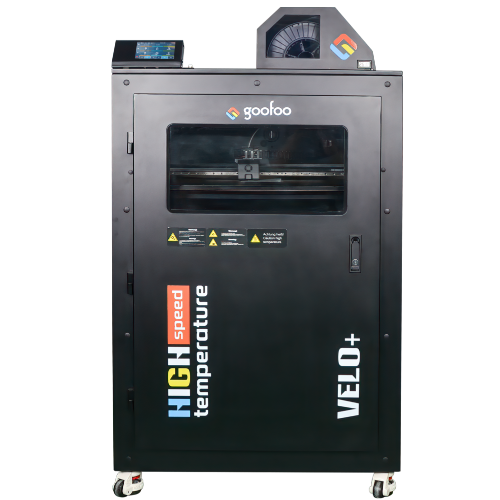
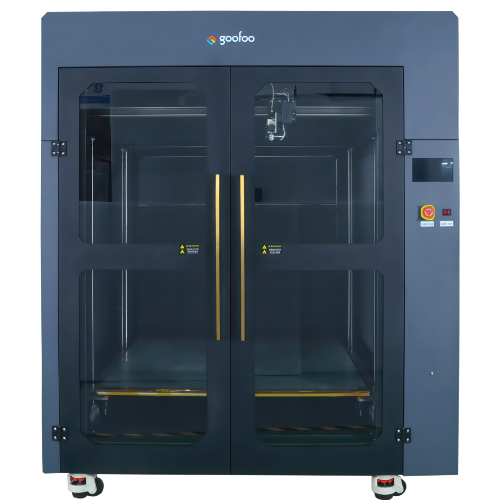
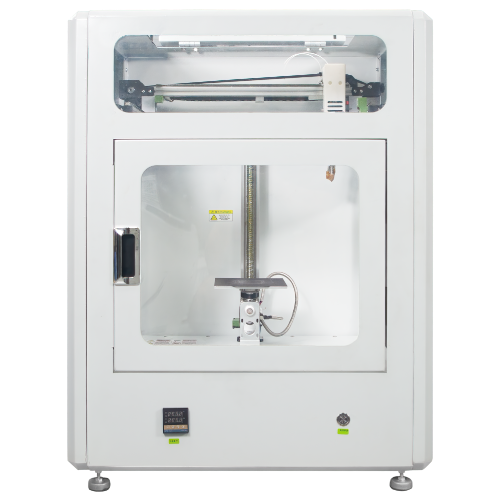
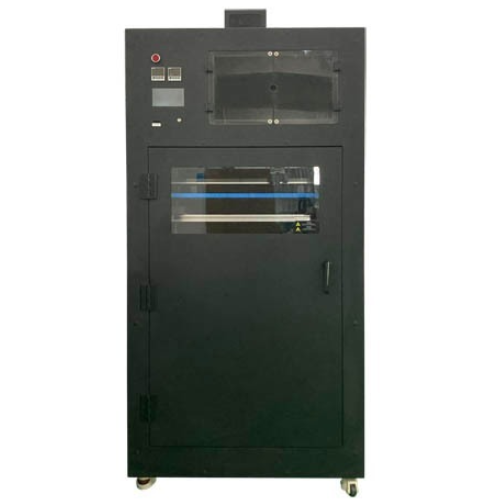
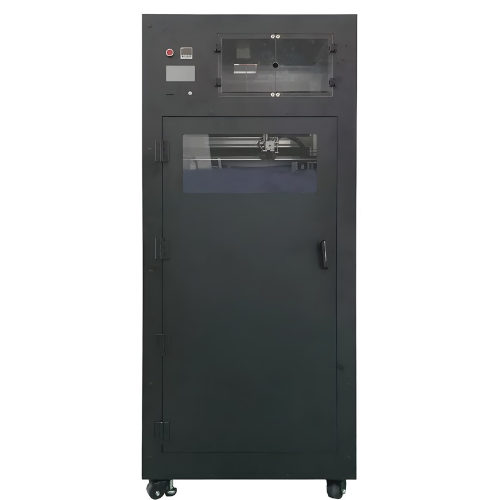
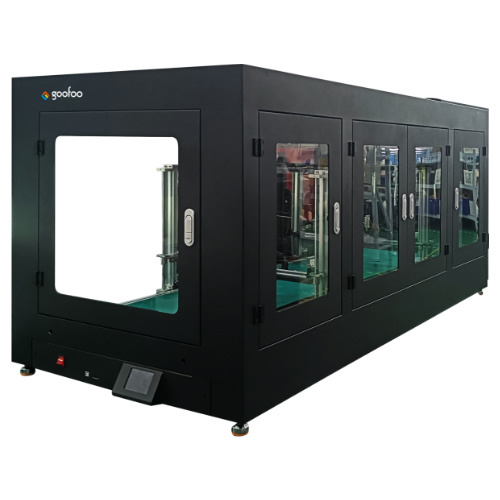
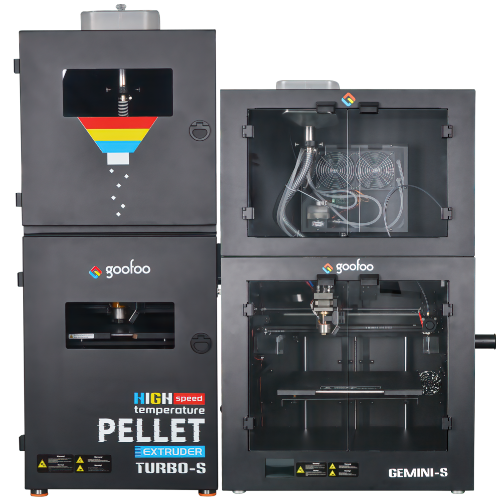
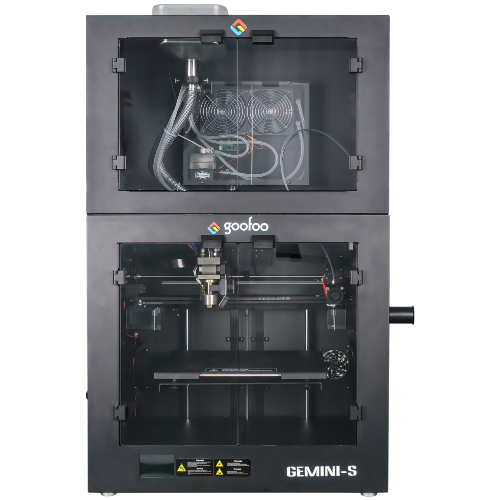
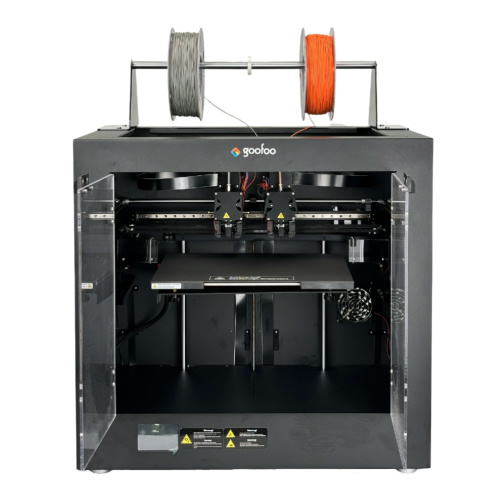













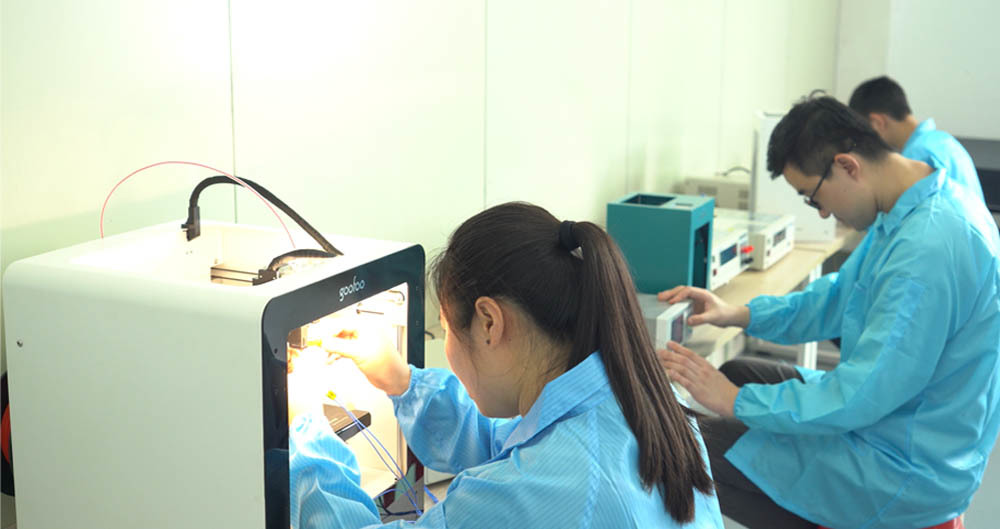




Unlocking the Potential of 3D Printing with Resin: A Comprehensive Guide
2024-11-23 10:40
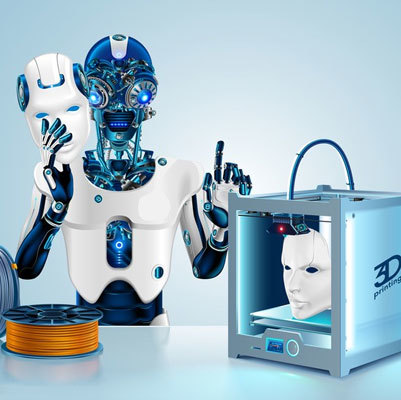
3D printing has revolutionized manufacturing, prototyping, and even art, and one of the most exciting advancements in this field is the use of resin. Resin-based 3D printers, often referred to as SLA (Stereolithography) or DLP (Digital Light Processing) printers, utilize a liquid photopolymer that solidifies when exposed to light. This method allows for high precision and detail that can be difficult to achieve with traditional filament-based printers.
One of the primary advantages of 3D printers with resin is their ability to create intricate designs with smooth surfaces. The layer resolution in resin printing can be significantly finer than that of filament printers, making them ideal for applications that demand high detail. As a result, they are widely used in industries such as jewelry making, dental technology, and even in the creation of prototypes for engineering and product design.
Another notable benefit of resin 3D printing is the range of materials available. Different resin types can produce varying properties in the final product, such as flexibility, strength, or transparency. This adaptability allows professionals to choose the most suitable material for their specific project needs, enhancing the functionality and aesthetics of the printed objects.
However, while 3D printers with resin offer numerous advantages, there are also important considerations to keep in mind. The resin used in these printers can be toxic and requires careful handling. Proper safety measures, including gloves and masks, should be employed to minimize exposure. Additionally, post-processing is often necessary, as printed items typically require washing and curing to achieve their final properties.
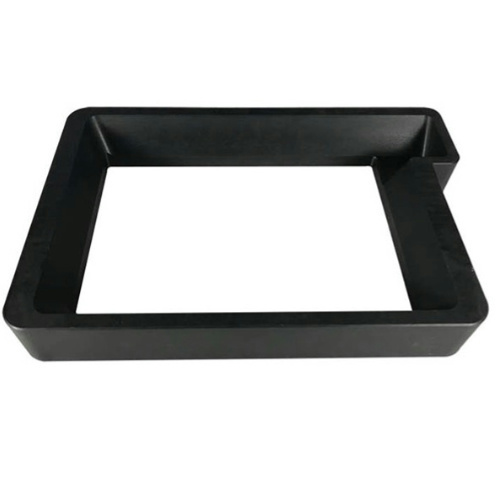
In terms of maintenance, resin printers may demand more attention than their filament counterparts. Regular cleaning of the build plate and resin vat is essential to ensure optimal performance and prevent contamination. Furthermore, understanding the curing process and using appropriate UV light sources is vital for achieving the desired results.
In conclusion, 3D printing with resin represents a powerful tool for professionals across various sectors. Its ability to produce highly detailed, versatile, and functional objects makes it an asset in industries ranging from healthcare to art and design. By understanding the capabilities and limitations of this technology, you can unlock its full potential and elevate your projects to new heights. As you explore the world of resin printing, consider how its unique properties can enhance your work and meet the specific requirements of your industry.
3d printer with resin
Recommended News
 Esperanto
 Shqiptare
 Euskara
 Zulu
Zulu
 Latinus
 Cymraeg
 தமிழ்
தமிழ்
 Slovak
 Slovak
 Afrikaans
Join us
Subscribe to get the latest news


Skype / WhatsApp: +86 592-5713513 / +86-13860126490
No.88-3, North Tongji Road, Xike County, Tong'an District, Xiamen, Fujian China
Xiamen Goofoo Technology Co., Ltd. All Rights Reserved 闽ICP备2022008070号-1 SEO 300.cn
Phone:+0086 592-5713513
Address: No.88-3, North Tongji Road, Xike County, Tong’an District, Xiamen, Fujian China
Email: sales@goofoo3d.com
We will give you feedback in time