
- Shop Shop
-
Desktop
Desktop
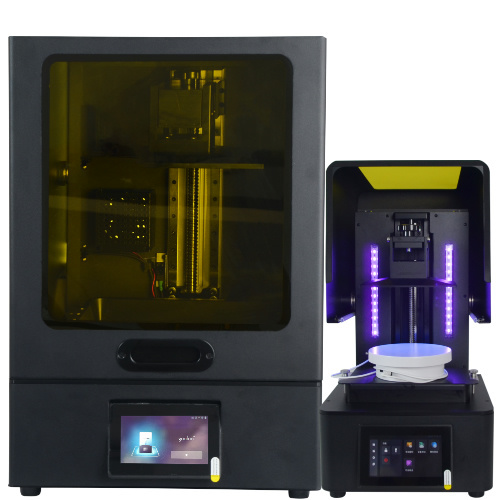
MSLA series
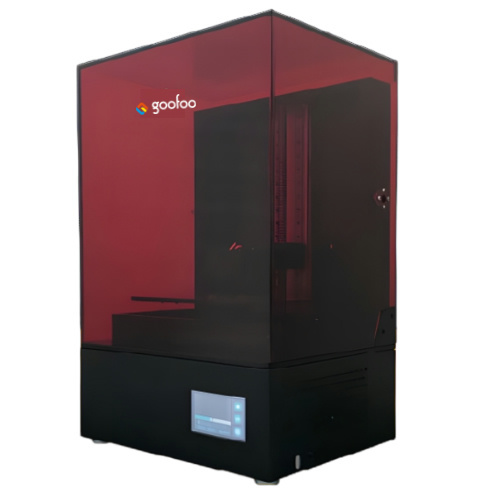
High accuracy Lens-s pro
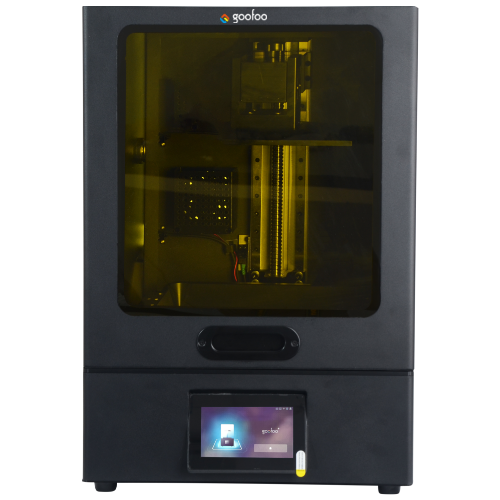
Large build volume Lens-m pro
- Industrial Industrial
-
Material
Material

Resin series

Dental DM100/TC100/ etc.

Jewelry Jewelry Resin

Generic PW100

Industry High Temp Resin

Garage Kit Red wax
-
Expanded
Expanded
Laser Engraver/CNC
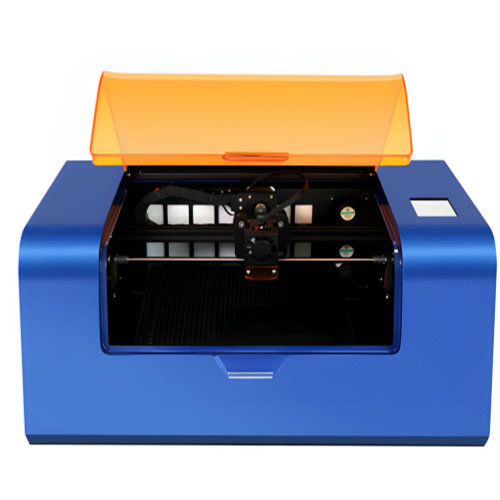
TS3(class1) Laser engraver & cutter 200*300mm
Pixi(class1) Laser engraver & cutter 100*100mm
3D scanner

Mole Highest accuracy 0.05mm
- Industries & Applications Industries & Applications
- Support Support
- About Us About Us
- Contact Us Contact Us


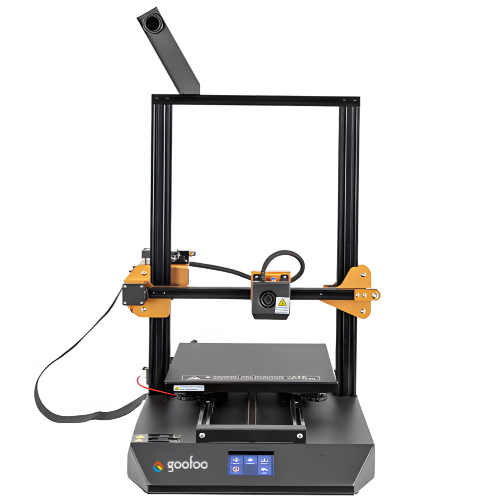
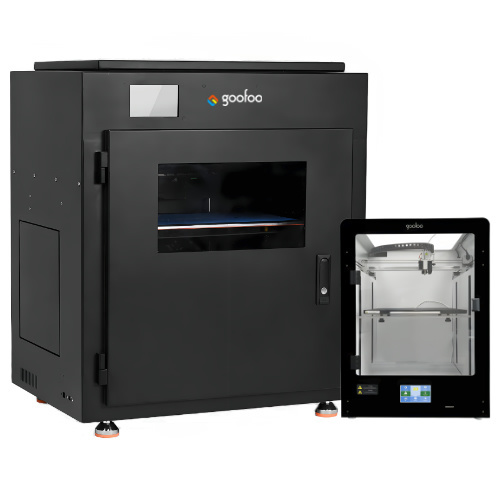
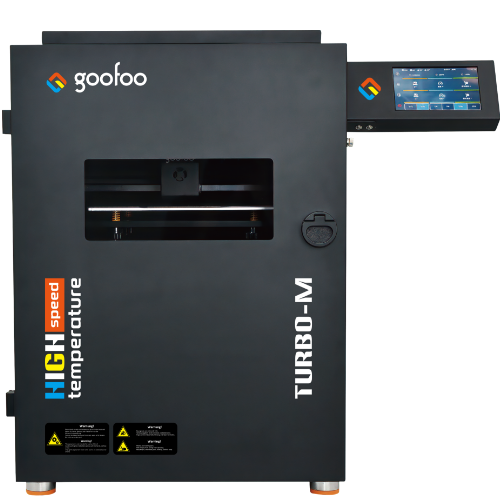
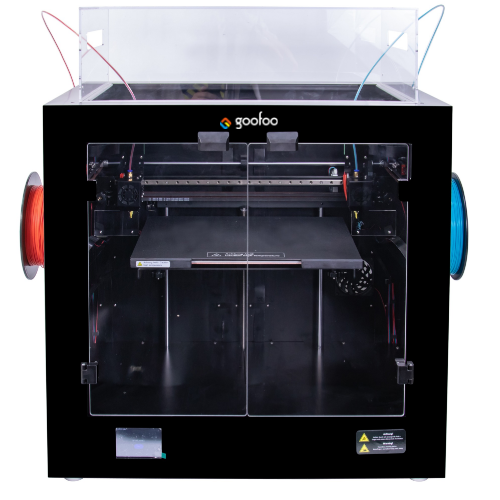
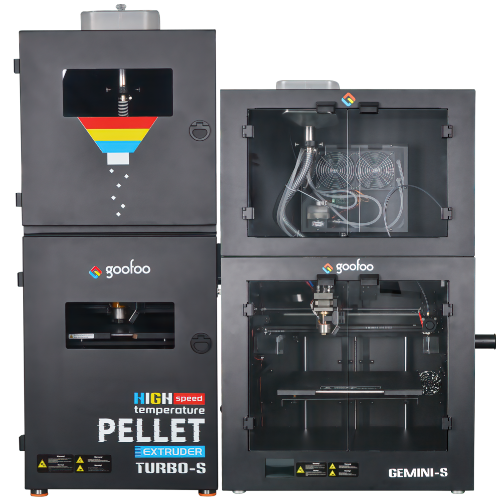
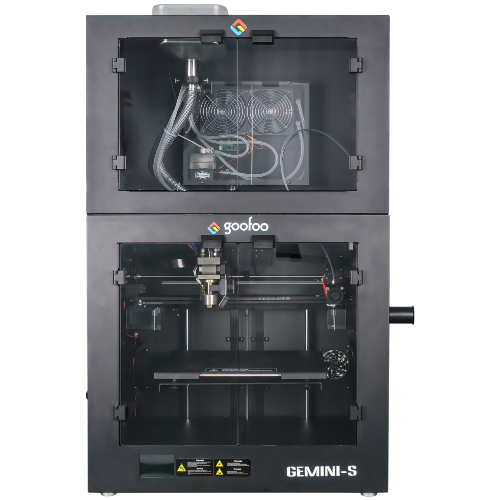
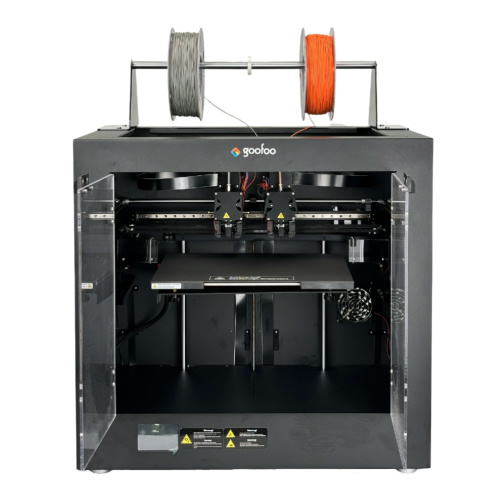
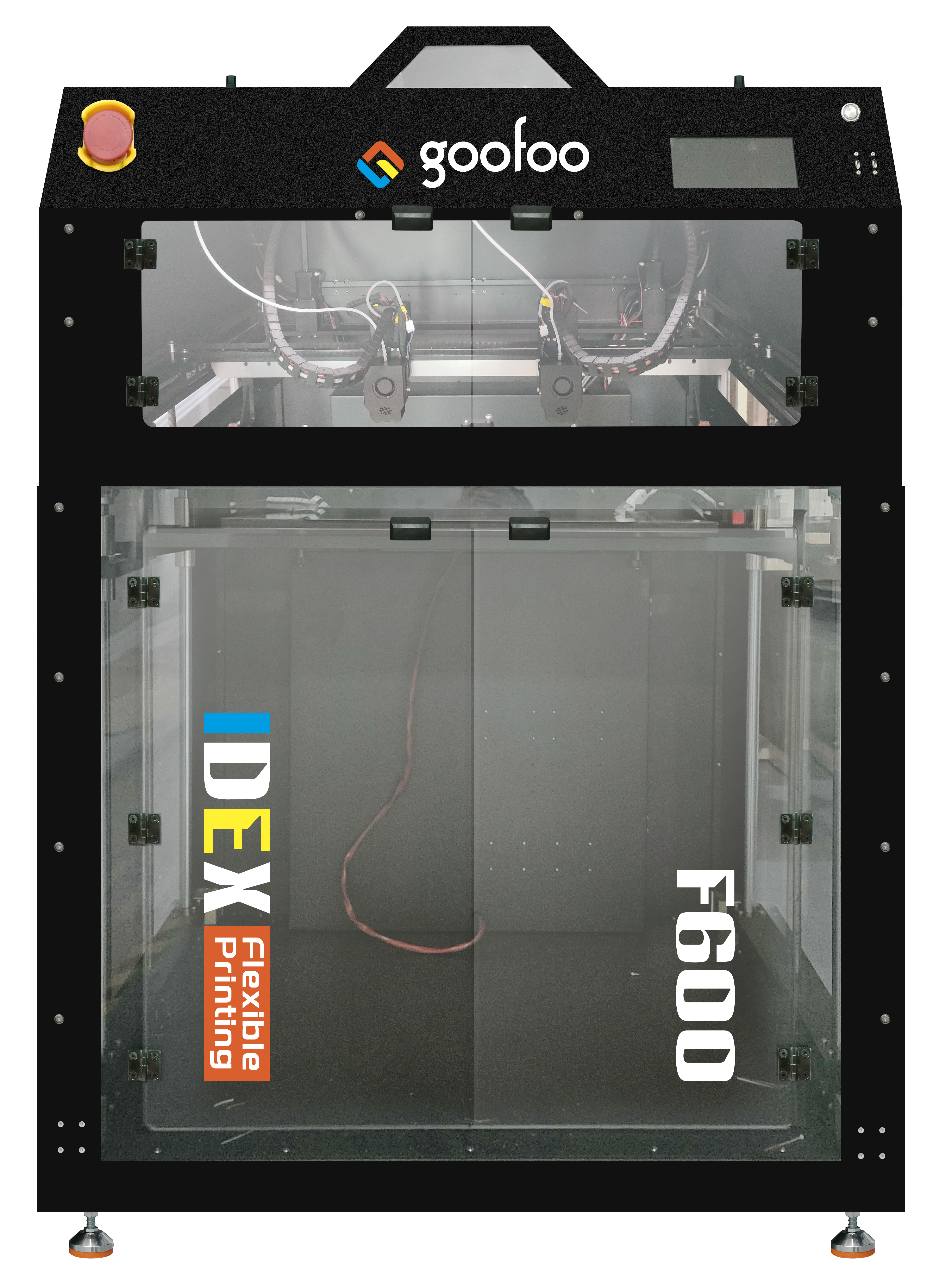


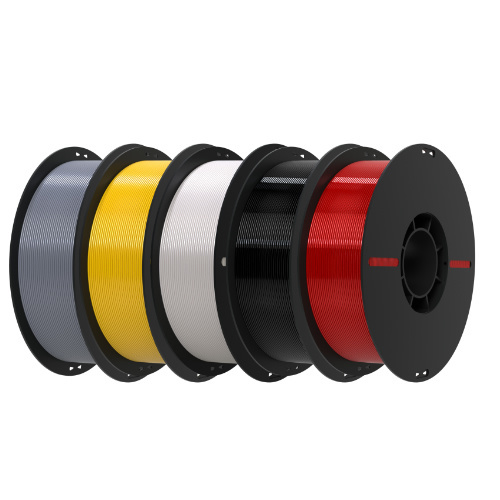
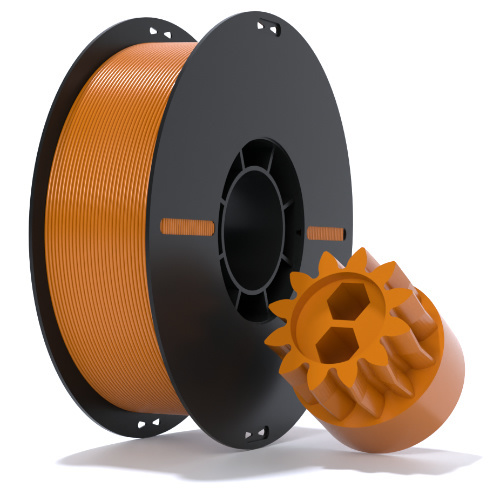
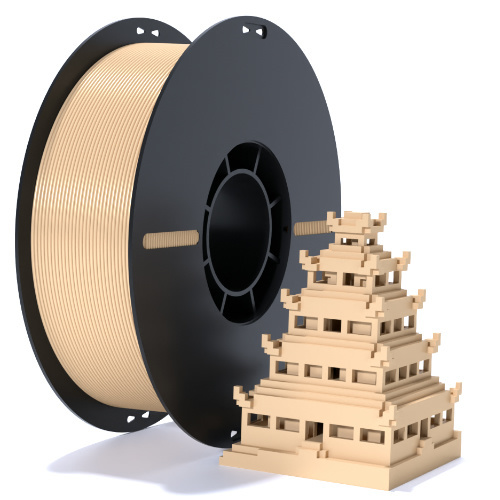
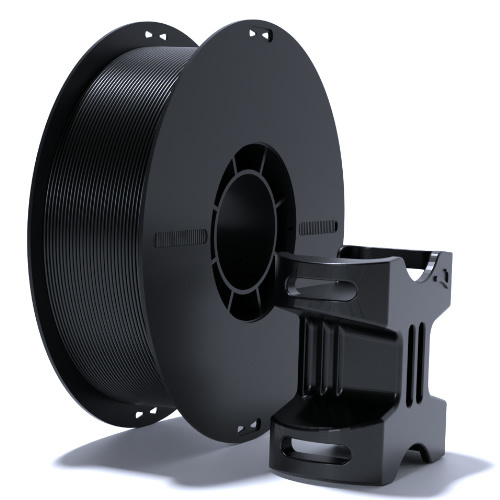










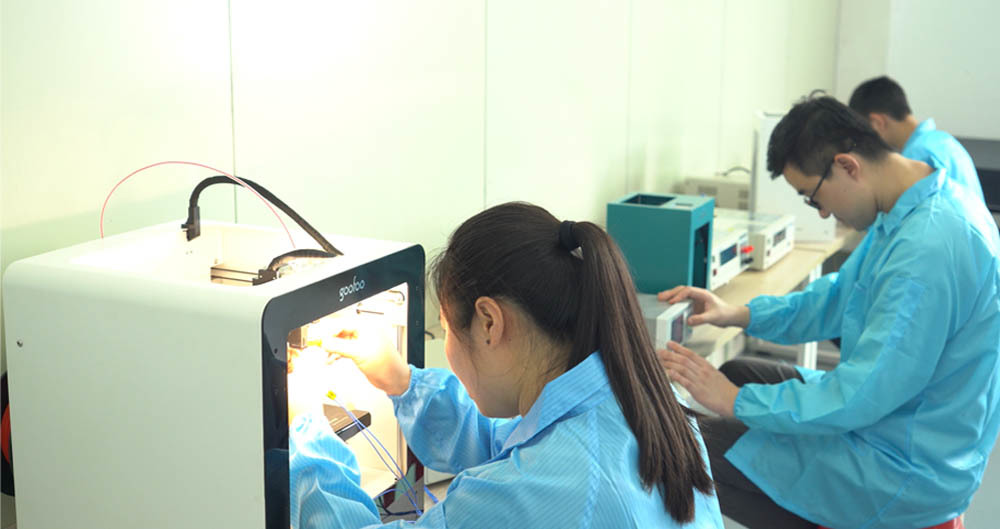




Revolutionizing the Design World: How 3D Printing is Reshaping Industries
2024-11-28 10:20
Revolutionizing the Design World: How 3D Printing is Reshaping Industries
Table of Contents
1. Introduction to 3D Printing and Its Evolution
2. What is 3D Printing?
3. A Brief History of 3D Printing Technology
4. The Impact of 3D Printing on Various Industries
- 4.1 Manufacturing Revolution: Efficiency and Customization
- 4.2 Healthcare Innovations: Personalized Medicine and Prosthetics
- 4.3 Architecture and Construction: Designing the Future
5. Sustainability and 3D Printing: A Greener Future
6. Challenges Facing the 3D Printing Industry
7. The Future of 3D Printing: Trends and Predictions
8. Conclusion
9. Frequently Asked Questions
Introduction to 3D Printing and Its Evolution
The world of design and manufacturing is undergoing a seismic shift, thanks to **3D printing**. This innovative technology has moved beyond its early adopter phase and is now becoming a vital tool across multiple industries. From fashion to aerospace, 3D printing offers unique solutions that enhance creativity, efficiency, and customization. In this article, we will delve deep into how 3D printing is reshaping industries, exploring its vast applications and future potential.
What is 3D Printing?
3D printing, also known as additive manufacturing, is a process that creates three-dimensional objects by layering materials based on digital models. Unlike traditional subtractive manufacturing methods, which involve cutting away material to create a product, 3D printing builds objects layer by layer. This process allows for greater design flexibility, enabling the production of intricate shapes and complex geometries that were once impossible with conventional manufacturing techniques.
**Materials Used in 3D Printing**
Various materials can be utilized in the 3D printing process, including:
- **Plastics** (PLA, ABS, PETG)
- **Metals** (stainless steel, titanium, aluminum)
- **Ceramics**
- **Composites** (carbon fiber-infused materials)
Advancements in materials science continue to expand the possibilities of 3D printing, making it a versatile choice for different applications.
A Brief History of 3D Printing Technology
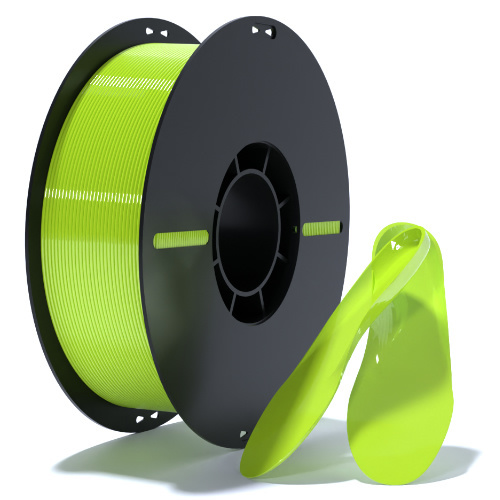
The origins of 3D printing date back to the early 1980s when **Charles Hull** invented stereolithography (SLA), the first 3D printing technology. Hull's method involved using ultraviolet light to cure resin, creating a solid object layer by layer. Since then, numerous technologies have emerged, including:
- **Fused Deposition Modeling (FDM)**: A widely-used technique that extrudes heated thermoplastic filament.
- **Selective Laser Sintering (SLS)**: This process uses lasers to fuse powdered materials, allowing for complex geometries.
- **Digital Light Processing (DLP)**: Similar to SLA but uses a digital light projector to cure resin.
The development of these technologies has paved the way for the widespread adoption of 3D printing across various sectors.
The Impact of 3D Printing on Various Industries
3D printing is not just a technological marvel; it is a catalyst for change across multiple industries. Here, we explore the transformative effects of 3D printing on several key sectors.
Manufacturing Revolution: Efficiency and Customization
In the manufacturing sector, 3D printing is revolutionizing production processes. Traditional manufacturing techniques often require extensive tooling and setup time, leading to increased costs and longer lead times. **3D printing eliminates the need for tooling**, allowing companies to produce parts on-demand. This shift leads to:
- **Reduced Waste**: Since 3D printing is an additive process, it generates less waste compared to subtractive methods.
- **Customization**: Manufacturers can easily create tailored products, catering to specific customer needs without incurring significant costs.
- **Rapid Prototyping**: 3D printing accelerates the prototyping phase, allowing companies to test and iterate designs quickly.
As a result, manufacturers can enhance operational efficiency and responsiveness, staying competitive in a fast-paced market.
Healthcare Innovations: Personalized Medicine and Prosthetics
The healthcare industry is witnessing a remarkable transformation thanks to 3D printing. Medical professionals are harnessing the technology to create personalized solutions that improve patient outcomes. Some significant applications include:
- **Custom Prosthetics**: 3D printing enables the production of personalized prosthetics that fit individual patients perfectly, improving comfort and functionality.
- **Surgical Models**: Surgeons can create accurate 3D models of patients' organs, allowing for better pre-operative planning and enhanced procedural outcomes.
- **Bioprinting**: This innovative field focuses on the 3D printing of biological materials, paving the way for potential organ transplants in the future.
These advancements not only improve healthcare delivery but also reduce costs and increase accessibility.
Architecture and Construction: Designing the Future
In architecture and construction, 3D printing is redefining how buildings are designed and constructed. The ability to create complex structures with precision reduces material costs and construction time. Key benefits include:
- **Rapid Construction**: 3D printing can significantly speed up the construction process, allowing for quicker project completion.
- **Sustainability**: By using eco-friendly materials and minimizing waste, 3D printing contributes to sustainable building practices.
- **Innovative Designs**: Architects can explore unique design possibilities that challenge conventional construction methods.
These advantages position 3D printing as a pivotal technology in the evolution of urban development.
Sustainability and 3D Printing: A Greener Future
As the world grapples with environmental challenges, sustainability has become a critical focus. 3D printing offers several sustainable advantages, including:
- **Material Efficiency**: The additive nature of 3D printing reduces waste and enables the use of recyclable materials.
- **Localized Production**: 3D printing allows for on-site production, reducing transportation emissions and promoting local economies.
- **Innovative Materials**: Ongoing research is leading to the development of environmentally friendly materials for 3D printing, further enhancing its sustainability credentials.
By adopting 3D printing technologies, industries can move toward greener practices and contribute to a more sustainable future.
Challenges Facing the 3D Printing Industry
Despite its numerous benefits, the 3D printing industry faces several challenges that could hinder its growth:
- **Intellectual Property Concerns**: As 3D printing allows for easy replication of designs, protecting intellectual property remains a significant issue.
- **Regulatory Hurdles**: The medical and aerospace industries face strict regulations, which can slow down the adoption of 3D-printed components.
- **Material Limitations**: While advancements are being made, the range of materials suitable for 3D printing is still limited compared to traditional manufacturing.
Overcoming these challenges will be essential for realizing the full potential of 3D printing across various sectors.
The Future of 3D Printing: Trends and Predictions
As technology continues to advance, the future of 3D printing appears promising. Key trends and predictions include:
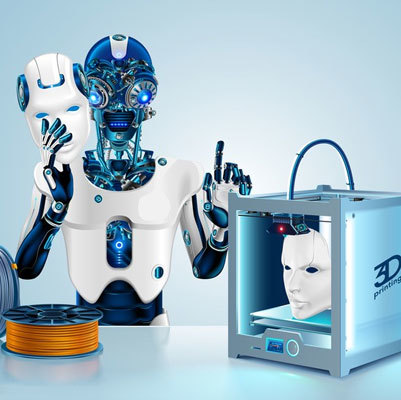
- **Increased Integration with AI**: The integration of artificial intelligence with 3D printing will enhance design capabilities, enabling more efficient production processes.
- **Expansion of Bioprinting**: We anticipate significant advancements in bioprinting, potentially leading to the creation of functional organs for transplantation.
- **Print on Demand**: As consumer preferences shift toward customization, the demand for on-demand printing solutions is expected to rise.
These trends indicate that 3D printing will play an increasingly vital role in shaping the future of design and manufacturing.
Conclusion
3D printing is revolutionizing the design world, fostering innovation and efficiency across various industries. From manufacturing and healthcare to architecture and sustainability, this technology is reshaping how we create and interact with products. As we continue to explore the endless possibilities of 3D printing, it is clear that its impact will only grow, leading to a more efficient, sustainable, and innovative future.
Frequently Asked Questions
1. How does 3D printing work?
**3D printing works by creating objects layer by layer from a digital model. The printer deposits material according to the design, gradually building the object until it is complete.**
2. What materials can be used in 3D printing?
**Common materials include various plastics (like PLA and ABS), metals (like titanium and aluminum), ceramics, and composites.**
3. Is 3D printing environmentally friendly?
**Yes, 3D printing can be environmentally friendly due to its material efficiency and potential for localized production, which reduces transportation emissions.**
4. What industries benefit most from 3D printing?
**Industries such as manufacturing, healthcare, architecture, and automotive are some of the primary beneficiaries of 3D printing technology.**
5. What are the future trends in 3D printing?
**Future trends include increased integration with artificial intelligence, advancements in bioprinting, and the rise of on-demand production to meet consumer customization demands.**
In conclusion, 3D printing is not just a passing trend; it represents a fundamental shift in how we approach design and manufacturing across countless sectors. As technology evolves, the potential for 3D printing to create innovative solutions and drive sustainability will only continue to grow, solidifying its place in the future of industry.
best 3d printer
Recommended News
 Esperanto
 Shqiptare
 Euskara
 Zulu
Zulu
 Latinus
 Cymraeg
 தமிழ்
தமிழ்
 Slovak
 Slovak
 Afrikaans
Join us
Subscribe to get the latest news


Skype / WhatsApp: +86 592-5713513 / +86-13860126490
No.88-3, North Tongji Road, Xike County, Tong'an District, Xiamen, Fujian China
Xiamen Goofoo Technology Co., Ltd. All Rights Reserved 闽ICP备2022008070号-1 SEO 300.cn
Phone:+0086 592-5713513
Address: No.88-3, North Tongji Road, Xike County, Tong’an District, Xiamen, Fujian China
Email: sales@goofoo3d.com
We will give you feedback in time