
- Shop Shop
-
Desktop
Desktop
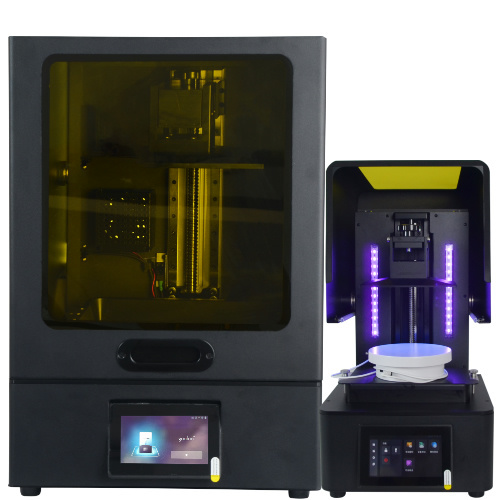
MSLA series
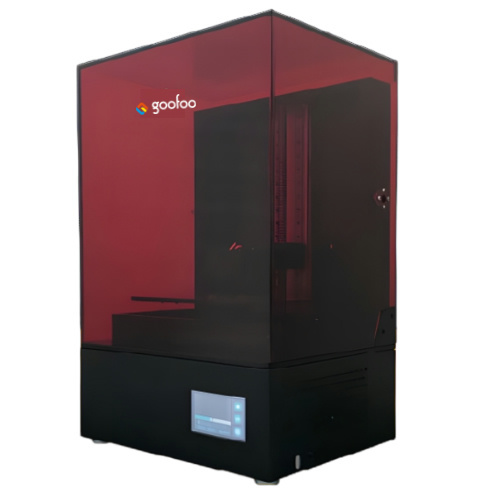
High accuracy Lens-s pro
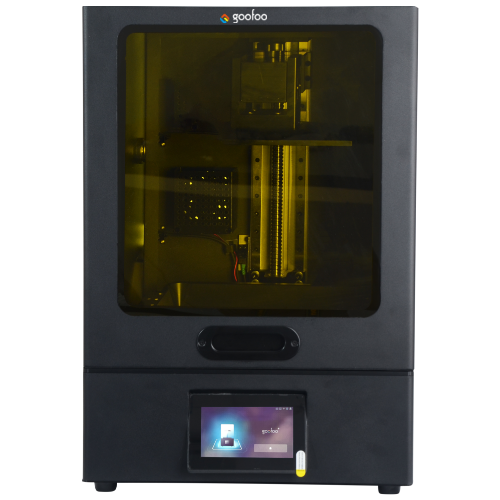
Large build volume Lens-m pro
- Industrial Industrial
-
Material
Material

Resin series

Dental DM100/TC100/ etc.

Jewelry Jewelry Resin

Generic PW100

Industry High Temp Resin

Garage Kit Red wax
-
Expanded
Expanded
Laser Engraver/CNC
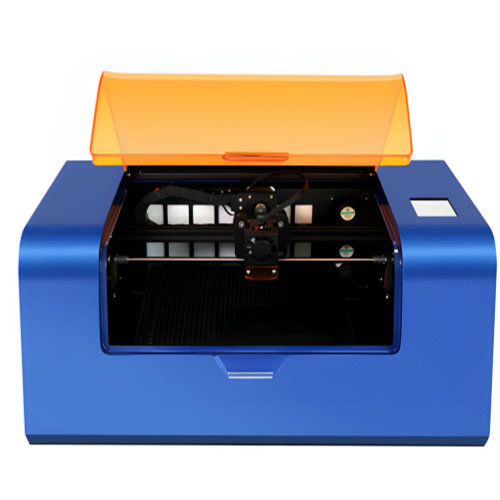
TS3(class1) Laser engraver & cutter 200*300mm
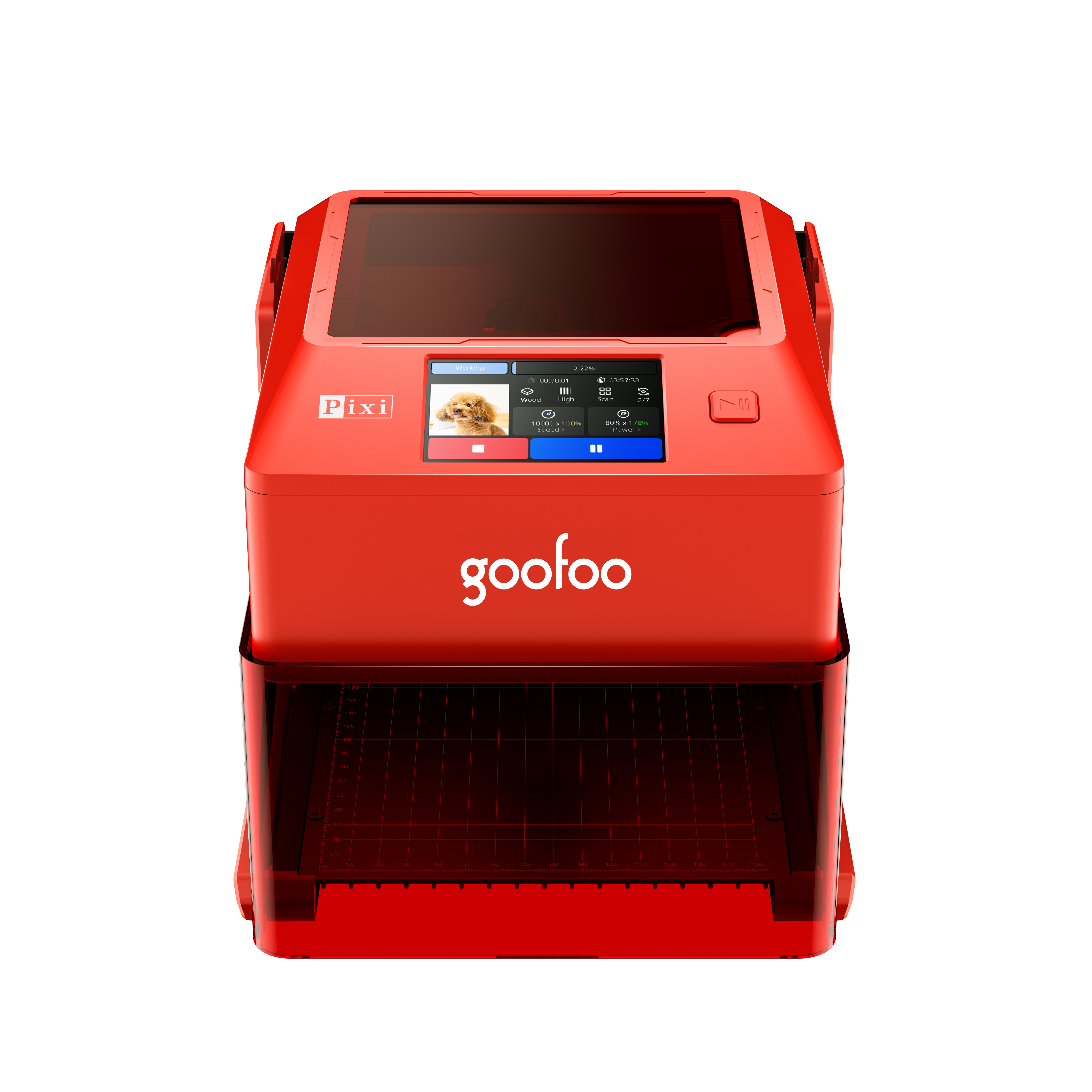
Pixi(class1) Laser engraver & cutter 100*100mm
3D scanner

Mole Highest accuracy 0.05mm
- Industries & Applications Industries & Applications
- Support Support
- About Us About Us
- Contact Us Contact Us


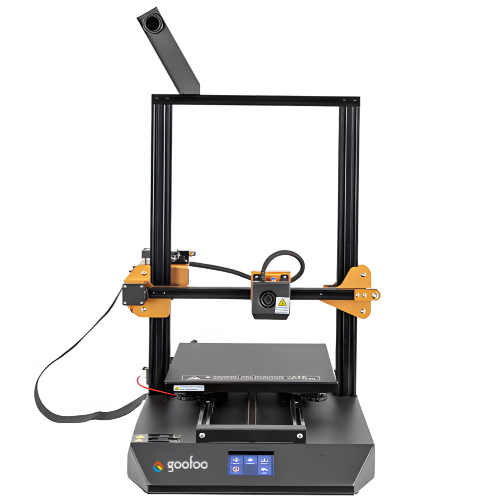
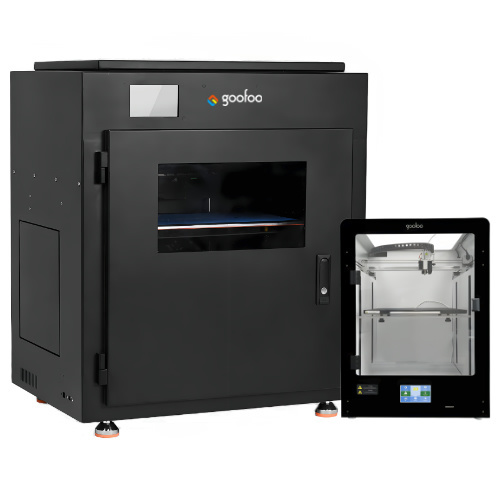
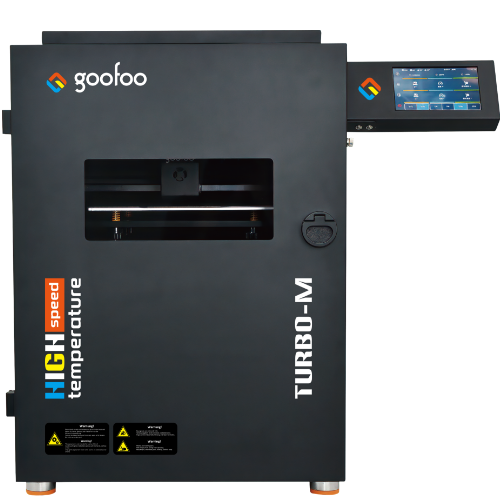
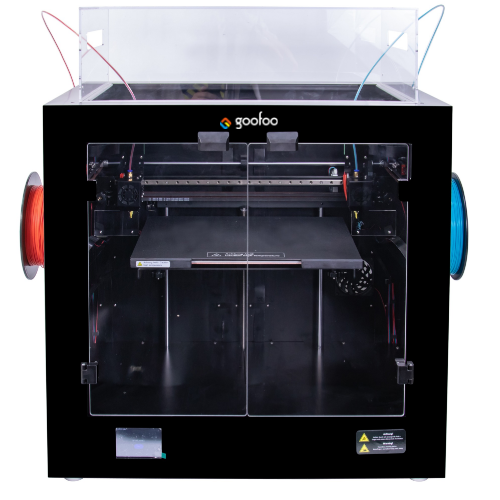
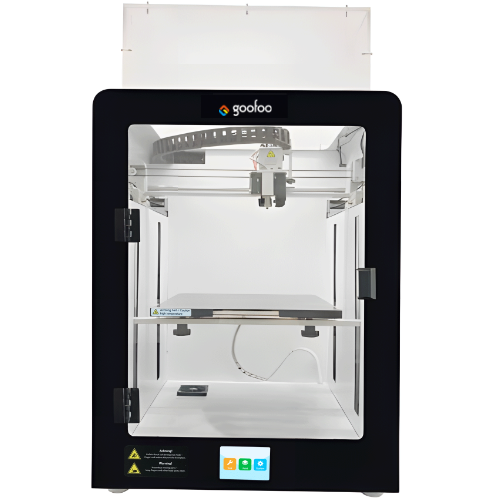
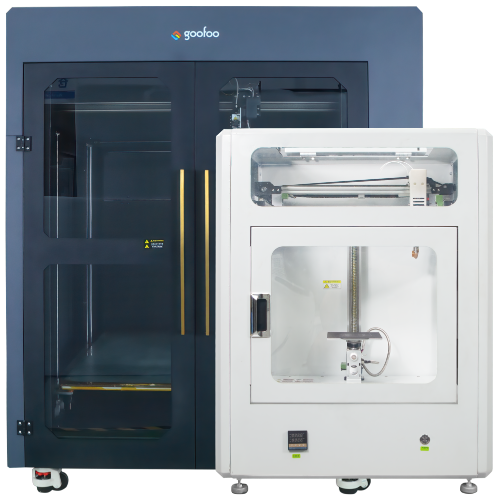
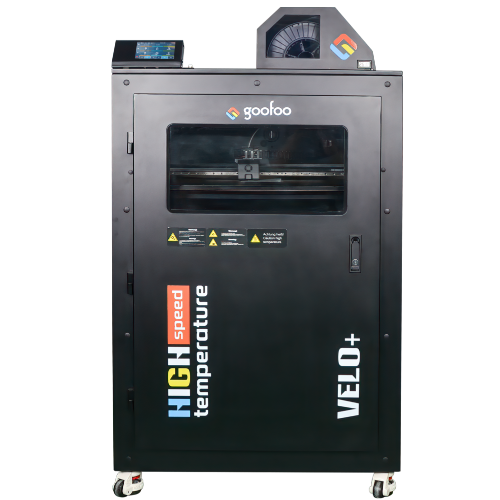
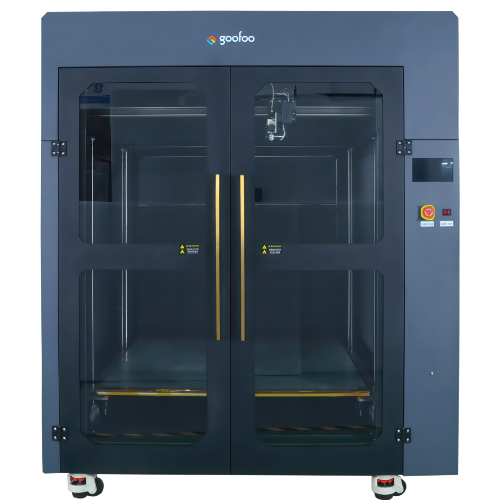
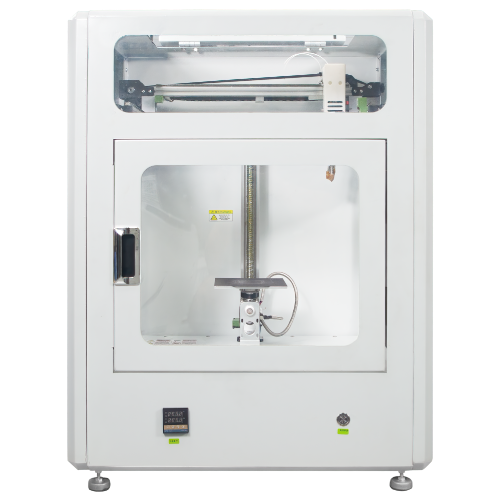
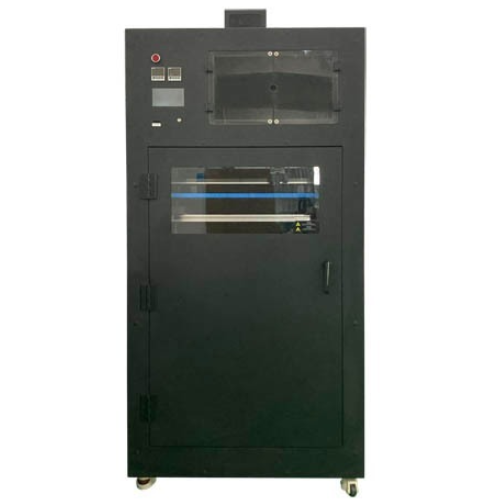
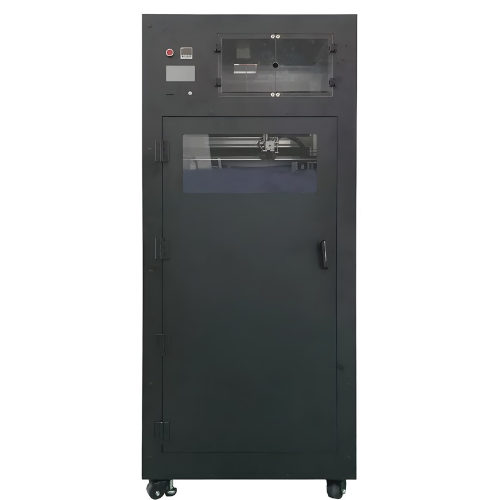
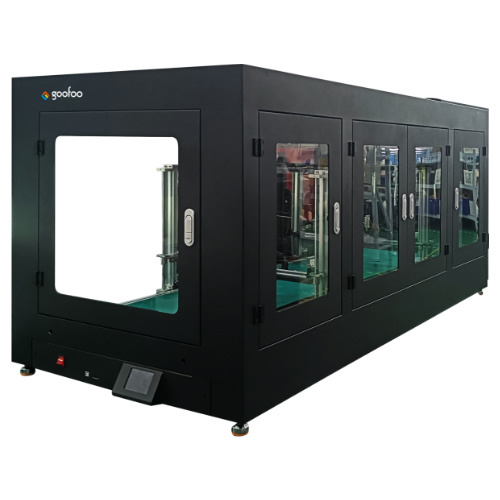
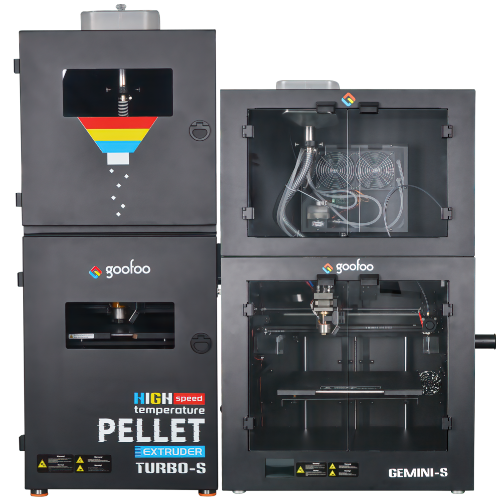
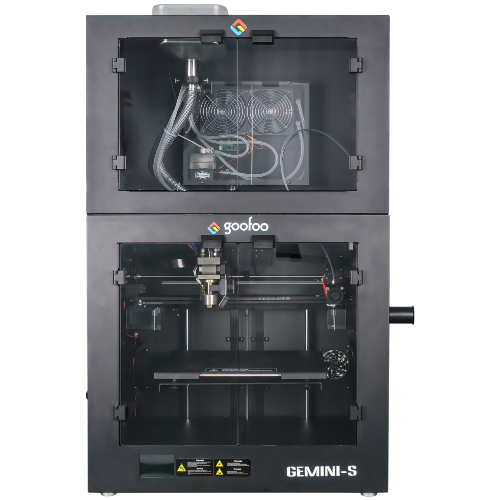
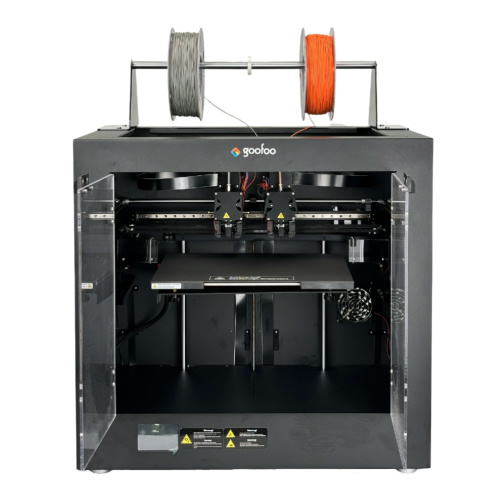
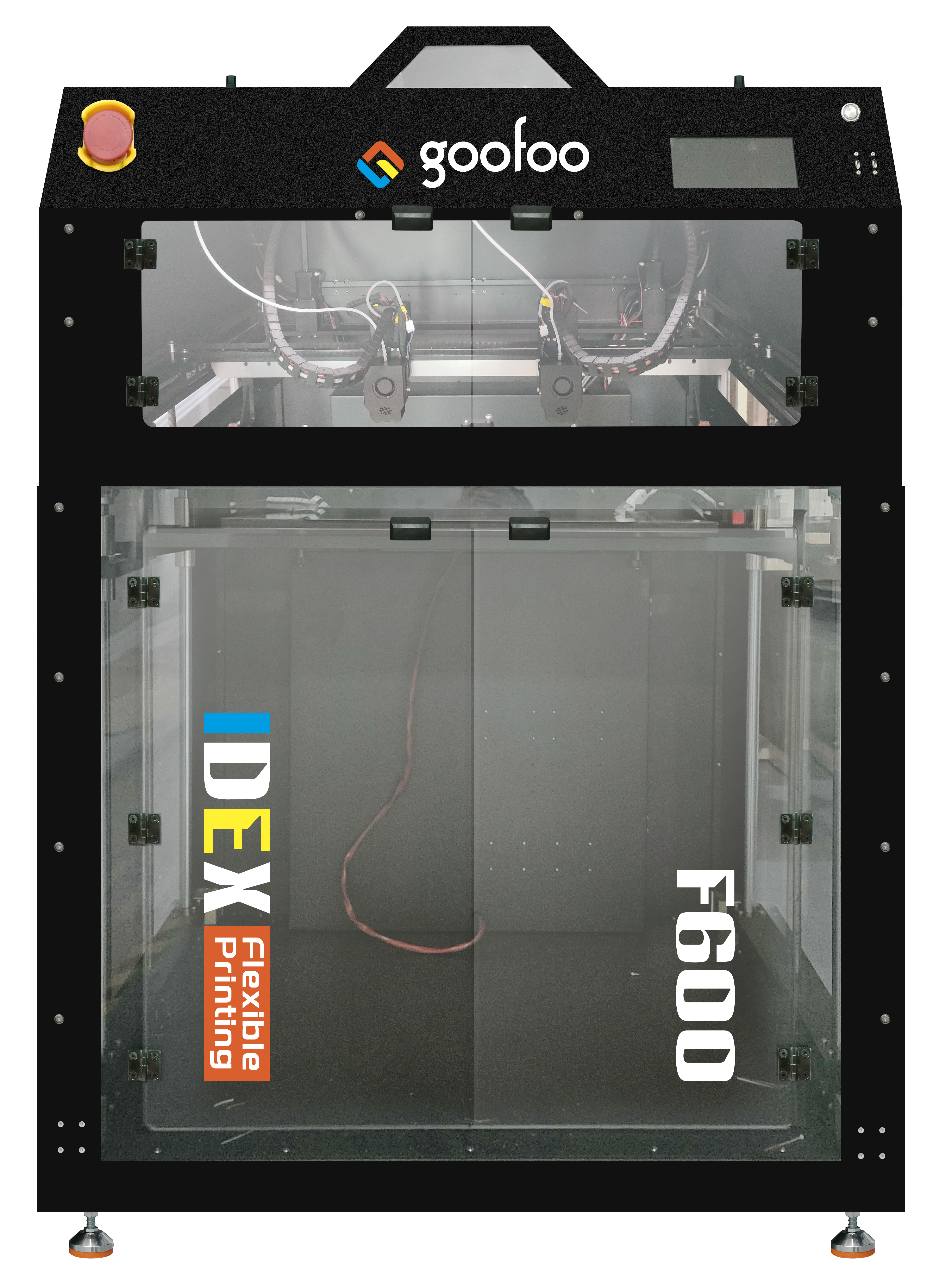


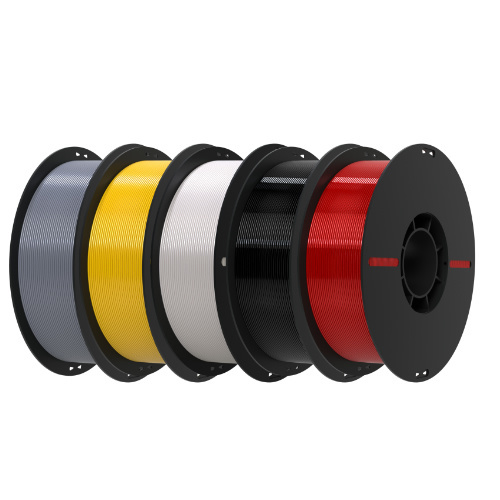
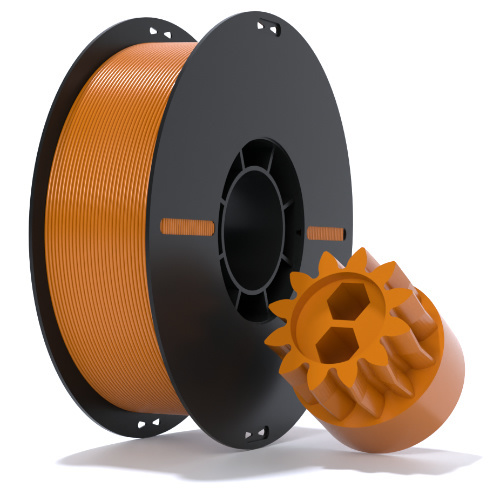
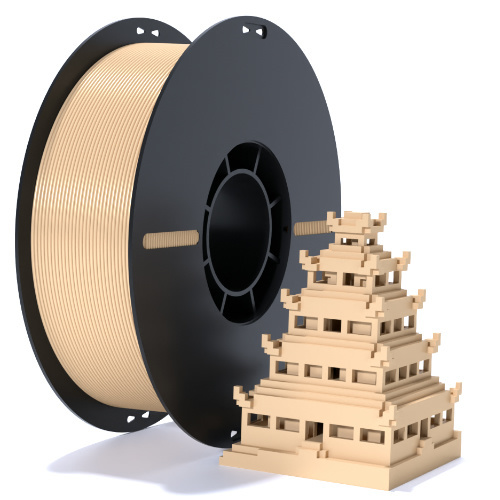
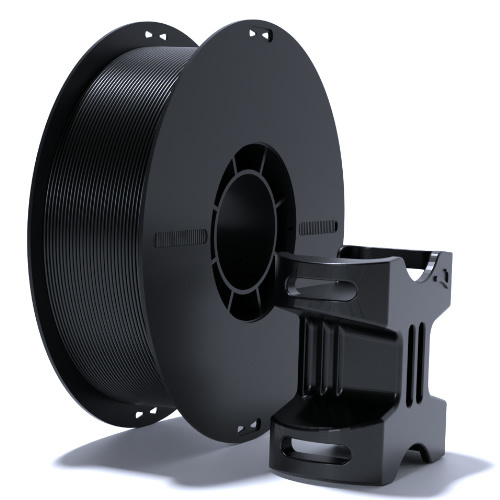










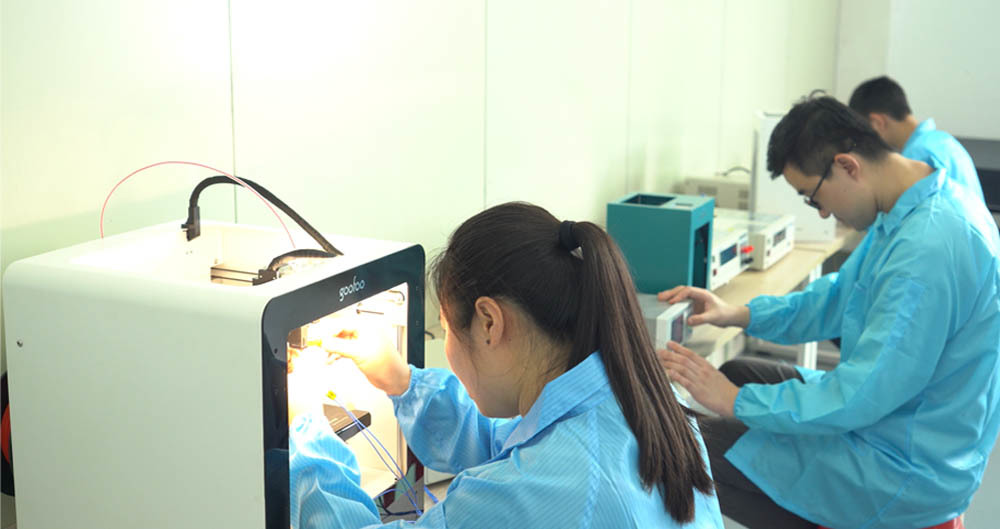




Exploring the Future of Manufacturing with 3D Printing Technology: Innovations and Trends
2024-11-08 13:00
Exploring the Future of Manufacturing with 3D Printing Technology
Table of Contents
- Introduction to 3D Printing in Manufacturing
- A Brief History of 3D Printing Technology
- Advantages of 3D Printing in Manufacturing
- Key Applications of 3D Printing Technology
- Materials Used in 3D Printing
- The Impact of 3D Printing on Various Industries
- Future Trends in 3D Printing Technology
- Challenges Facing 3D Printing in Manufacturing
- Conclusion
- Frequently Asked Questions
Introduction to 3D Printing in Manufacturing
The evolution of manufacturing is entering an exciting phase with **3D printing technology** at its forefront. This innovative process, often referred to as additive manufacturing, allows companies to create components and products layer by layer from a digital model. As we navigate through this article, we will provide insights into how **3D printing** is not only enhancing traditional manufacturing processes but also paving the way for new and customized production methods that meet the demands of today’s market.
A Brief History of 3D Printing Technology
The journey of **3D printing** began in the 1980s when Chuck Hull invented stereolithography (SLA). This groundbreaking technology allowed for the creation of three-dimensional objects using ultraviolet light to cure resin. Over the decades, various advancements occurred, introducing technologies like fused deposition modeling (FDM) and selective laser sintering (SLS). By the 2000s, **3D printing** transitioned from a prototype-focused technology to a mainstream manufacturing solution, leading to its widespread adoption across various sectors.
Advantages of 3D Printing in Manufacturing
**3D printing** offers numerous advantages that enhance manufacturing processes:
Customization and Personalization
One of the most significant benefits of **3D printing** is its ability to produce customized products tailored to specific customer needs. This level of personalization is particularly valuable in industries like healthcare, where medical implants can be made to fit individual patient anatomy.
Reduction in Waste
Unlike traditional subtractive manufacturing methods, which often involve cutting away materials, **3D printing** builds objects layer by layer. This process minimizes waste, aligning with sustainable manufacturing practices that many companies are striving to adopt.
Speed and Efficiency
With **3D printing**, creating prototypes and final products can take significantly less time than traditional methods. Rapid prototyping allows companies to test designs and make modifications quickly, speeding up the product development cycle.
Complex Geometries
**3D printing** enables the production of complex geometries that would be difficult or impossible to achieve with conventional manufacturing techniques. This capability allows for innovative designs that enhance product functionality and performance.
Cost-Effectiveness for Low-Volume Production
For low-volume production runs, **3D printing** can be more cost-effective than traditional manufacturing methods. The elimination of tooling costs and reduced lead times make it an attractive option for startups and smaller businesses.
Key Applications of 3D Printing Technology
The versatility of **3D printing** allows it to be applied across a multitude of industries:
Healthcare and Medical Devices
In the healthcare sector, **3D printing** is revolutionizing the creation of prosthetics, orthotics, and even bioprinted tissues. Custom implants and surgical models are enhancing patient outcomes and surgical planning.
Aerospace and Defense
The aerospace industry benefits from **3D printing** through the production of lightweight and durable components. Manufacturers are utilizing **3D printing** for everything from engine parts to custom tools, significantly reducing weight and increasing fuel efficiency.
Automotive Manufacturing
Automakers are leveraging **3D printing** for rapid prototyping and producing replacement parts. This technology allows for streamlined production processes and reduced inventory costs.
Consumer Products
In consumer goods, **3D printing** is enabling companies to create unique, customized products that cater to consumer preferences. From footwear to home decor, the possibilities are endless.
Materials Used in 3D Printing
The choice of materials in **3D printing** is critical to its success. Various materials can be utilized depending on the application:
Plastics
Commonly used materials, such as PLA and ABS, are favored for their versatility and ease of use. These materials are ideal for prototypes and consumer products.
Metals
Metal 3D printing, using materials like titanium and aluminum, is gaining traction in industries such as aerospace and automotive for producing high-strength components.
Composites
Composite materials combine the properties of different substances, providing enhanced performance characteristics. These materials are particularly useful in sectors requiring lightweight yet durable components.
The Impact of 3D Printing on Various Industries
**3D printing** is not just a tool but a catalyst for change in numerous industries:
Transforming Supply Chains
By enabling localized production, **3D printing** reduces dependency on extensive supply chains. This shift not only lowers costs but also enhances resilience against disruptions.
Encouraging Innovation
The accessibility of **3D printing** technology fosters innovation, allowing entrepreneurs and small businesses to turn their ideas into tangible products without substantial upfront investment.
Future Trends in 3D Printing Technology
As **3D printing** continues to evolve, several trends are shaping its future:
Integration with AI and Machine Learning
The integration of artificial intelligence (AI) and machine learning will enhance design optimization, predictive maintenance, and automated quality control in **3D printing** processes.
Sustainability Initiatives
The focus on sustainable manufacturing practices will drive the development of eco-friendly materials and energy-efficient **3D printing** processes, aligning with global sustainability goals.
Widespread Adoption in Various Sectors
As technology advances and costs decrease, we anticipate broader adoption of **3D printing** in sectors like construction, food production, and even electronics, leading to unprecedented innovation.
Challenges Facing 3D Printing in Manufacturing
Despite its many advantages, **3D printing** is not without challenges:
Regulatory Hurdles
As **3D printing** technology continues to advance, navigating the regulatory landscape, especially in healthcare and aerospace, becomes increasingly complex.
Intellectual Property Concerns
The ease of replicating designs poses challenges related to intellectual property rights, calling for new frameworks to protect designers and manufacturers.
Material Limitations
While the range of materials suitable for **3D printing** is expanding, limitations still exist in terms of mechanical properties and applications for certain industries.
Conclusion
The future of manufacturing is undeniably intertwined with **3D printing technology**. As we continue to explore its capabilities, it becomes evident that this technology is not just a passing trend but a transformative force reshaping industries. The ability to customize products, reduce waste, and enhance efficiency positions **3D printing** as a pivotal player in the manufacturing landscape of tomorrow. Embracing these innovations will not only drive competitiveness but also open new avenues for creativity and sustainability in manufacturing.
Frequently Asked Questions
What industries benefit the most from 3D printing?
Industries such as healthcare, aerospace, automotive, and consumer products are among the most significant beneficiaries of **3D printing technology**, leveraging its capabilities for prototype development and customized production.
How does 3D printing reduce waste in manufacturing?
**3D printing** is an additive process, meaning it builds products layer by layer rather than cutting away material. This method significantly minimizes material waste compared to traditional manufacturing techniques.
Can 3D printing create high-strength components?
Yes, advancements in materials, particularly in metal and composite 3D printing, enable the production of high-strength components suitable for demanding applications in aerospace and automotive industries.
What are the main challenges associated with 3D printing?
Key challenges include regulatory hurdles, intellectual property concerns, and material limitations, which must be addressed as the technology continues to evolve.
What is the future outlook for 3D printing technology?
The future of **3D printing** looks promising, with trends pointing towards greater integration with AI, increased sustainability, and broader adoption across multiple sectors, leading to innovative solutions and products.
3d printer
Recommended News
 Esperanto
 Shqiptare
 Euskara
 Zulu
Zulu
 Latinus
 Cymraeg
 தமிழ்
தமிழ்
 Slovak
 Slovak
 Afrikaans
Join us
Subscribe to get the latest news


Skype / WhatsApp: +86 592-5713513 / +86-13860126490
No.88-3, North Tongji Road, Xike County, Tong'an District, Xiamen, Fujian China
Xiamen Goofoo Technology Co., Ltd. All Rights Reserved 闽ICP备2022008070号-1 SEO 300.cn
Phone:+0086 592-5713513
Address: No.88-3, North Tongji Road, Xike County, Tong’an District, Xiamen, Fujian China
Email: sales@goofoo3d.com
We will give you feedback in time