
- Shop Shop
-
Desktop
Desktop
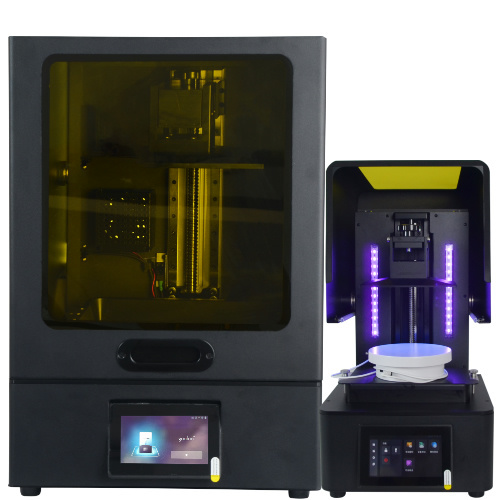
MSLA series
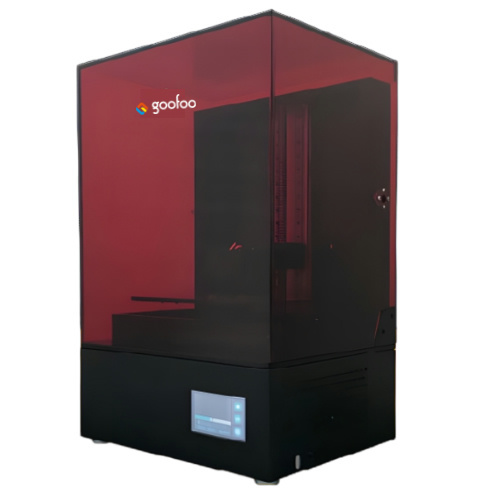
High accuracy Lens-s pro
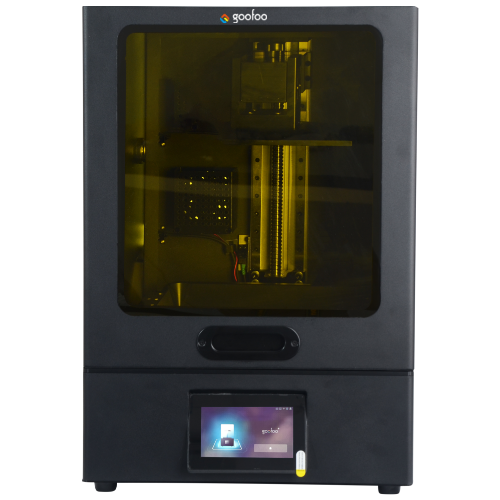
Large build volume Lens-m pro
- Industrial Industrial
-
Material
Material

Resin series

Dental DM100/TC100/ etc.

Jewelry Jewelry Resin

Generic PW100

Industry High Temp Resin

Garage Kit Red wax
-
Expanded
Expanded
Laser Engraver/CNC
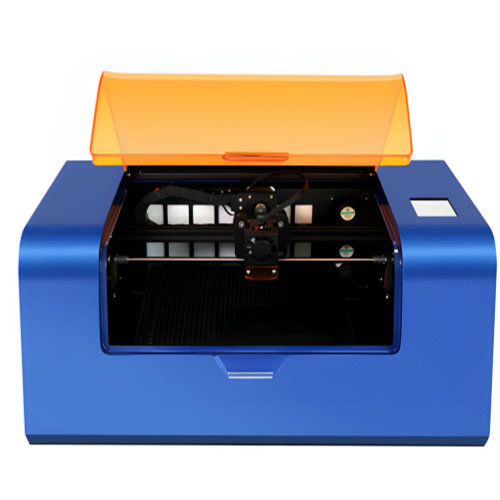
TS3(class1) Laser engraver & cutter 200*300mm
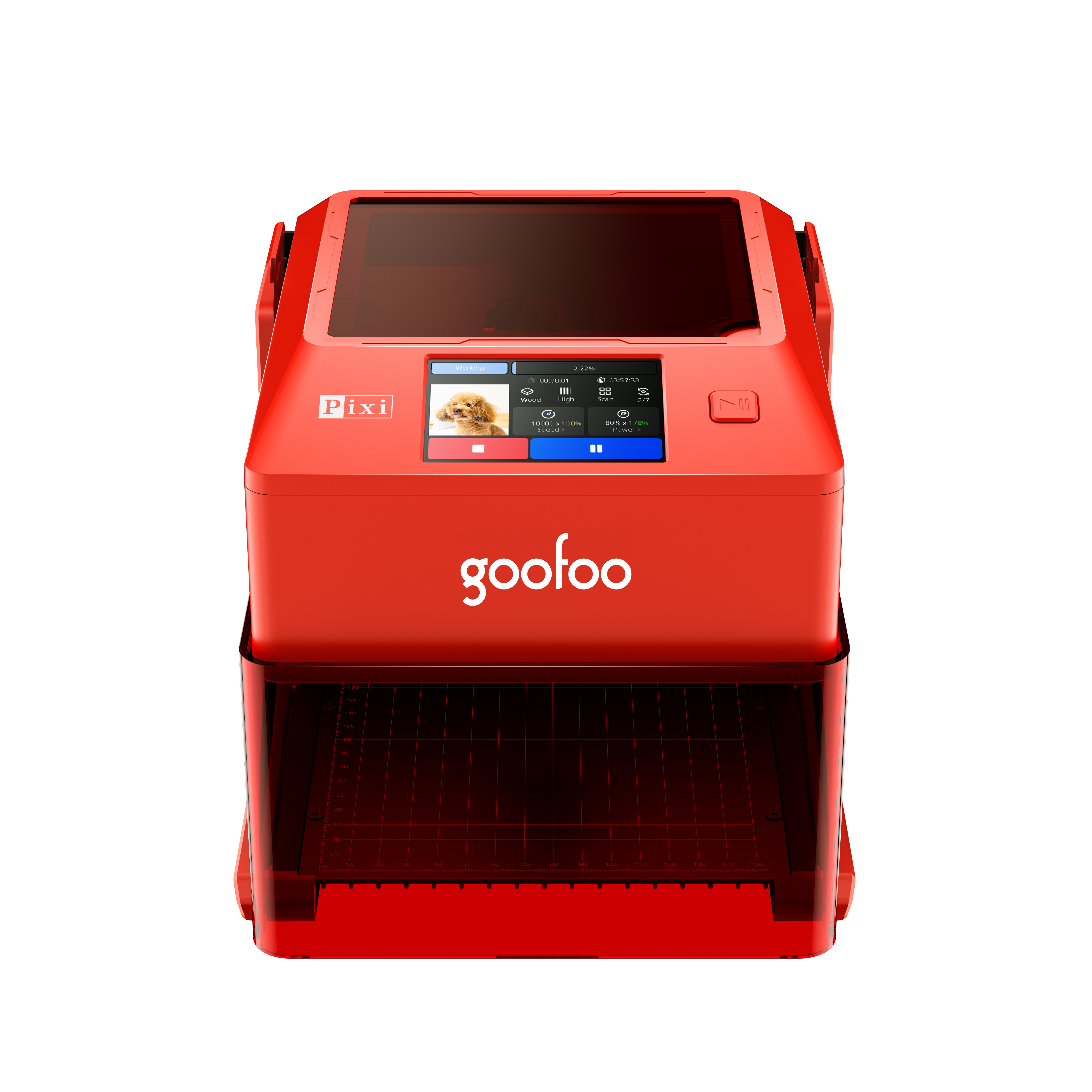
Pixi(class1) Laser engraver & cutter 100*100mm
3D scanner
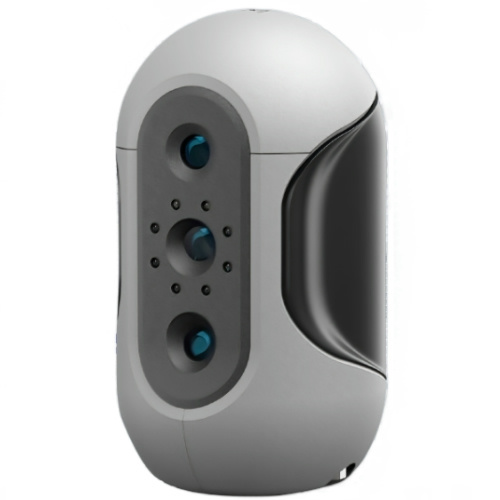
Mole Highest accuracy 0.05mm
- Industries & Applications Industries & Applications
- Support Support
- About Us About Us
- Contact Us Contact Us
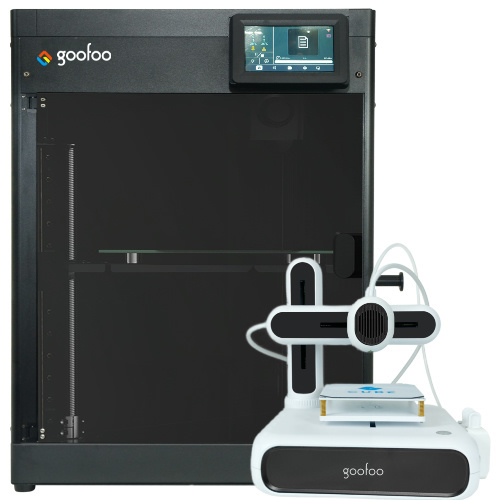


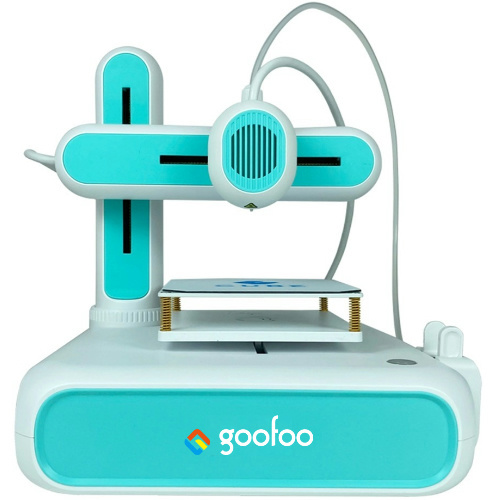
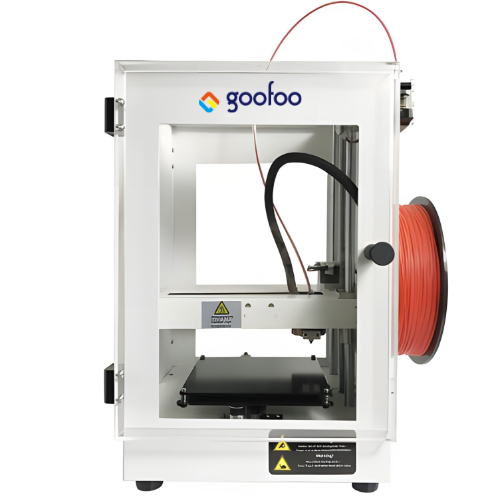
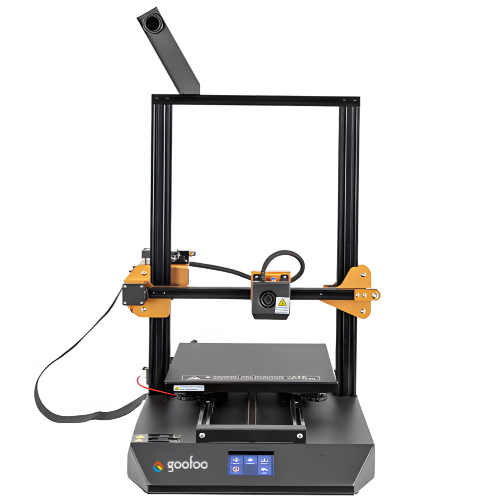
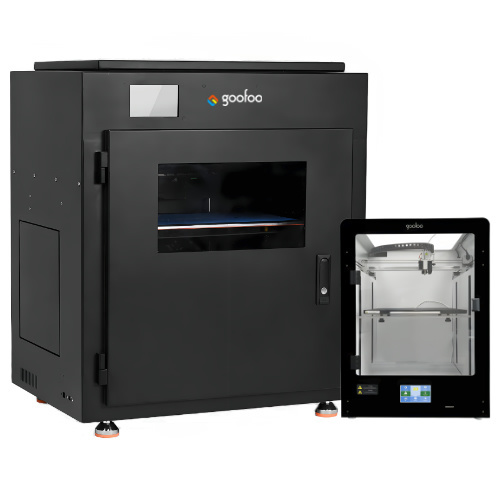
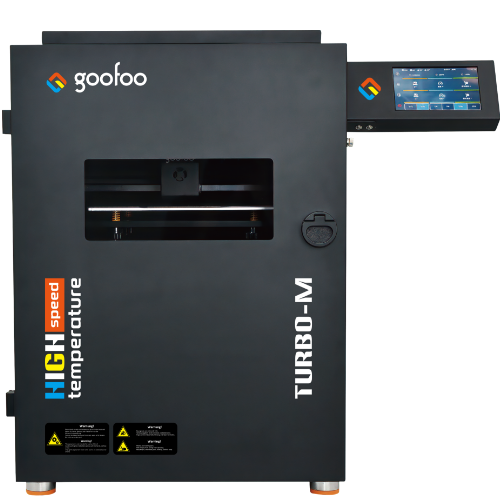
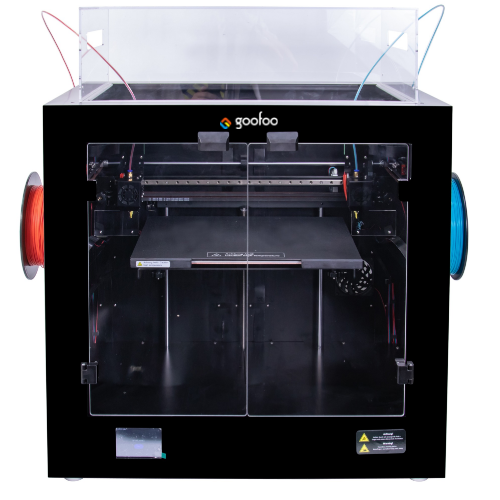
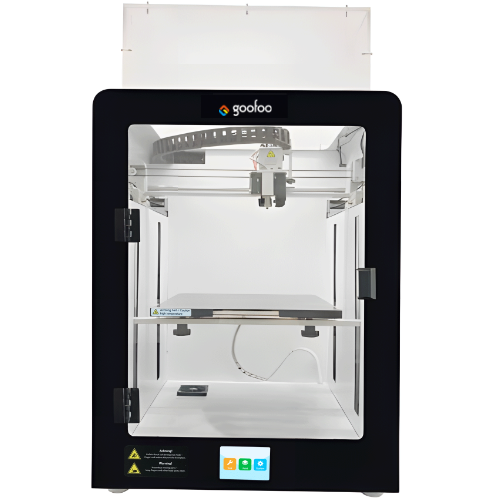
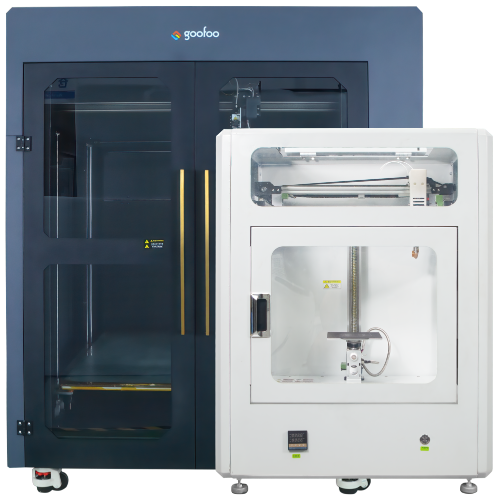
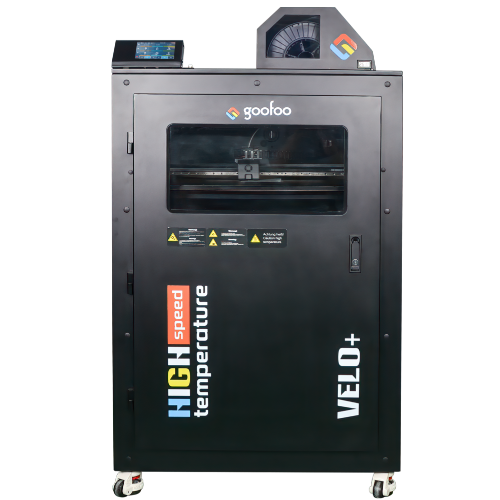
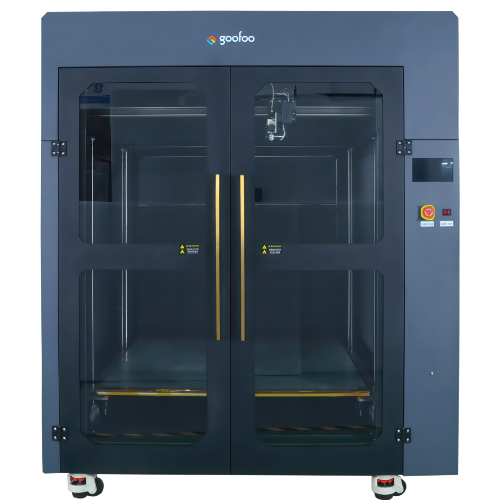
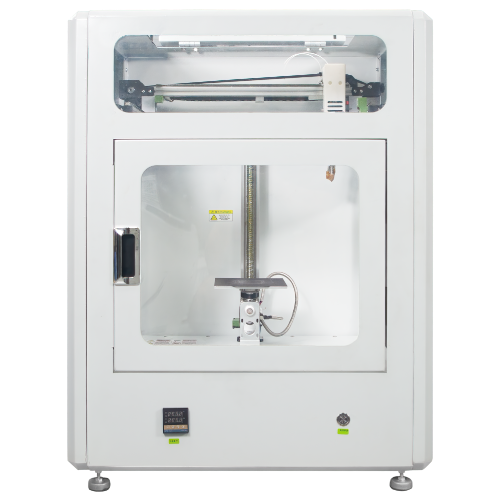
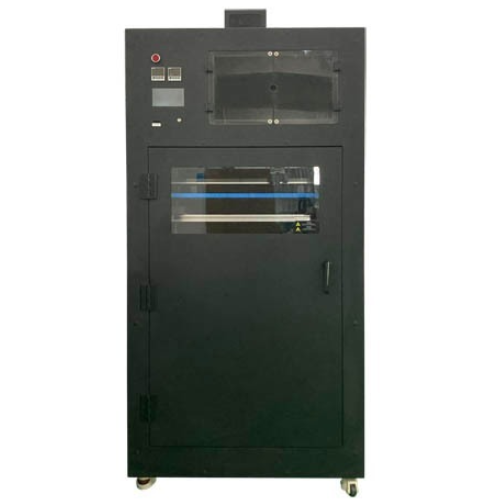
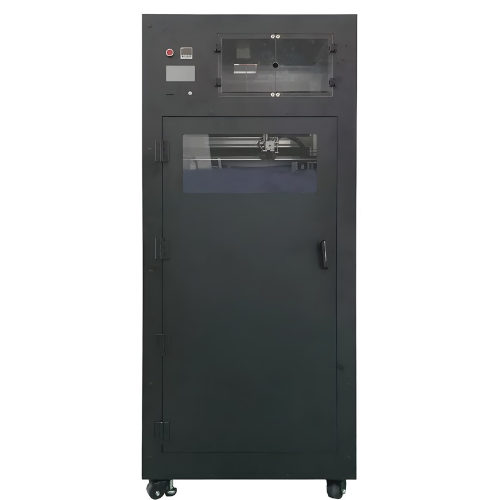
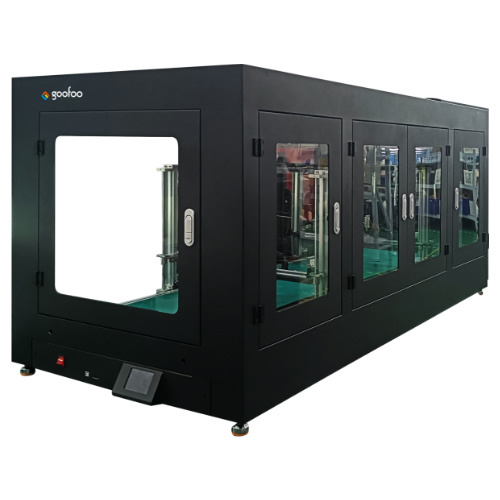
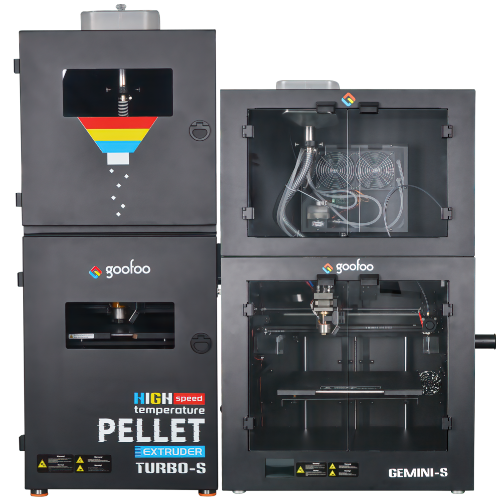
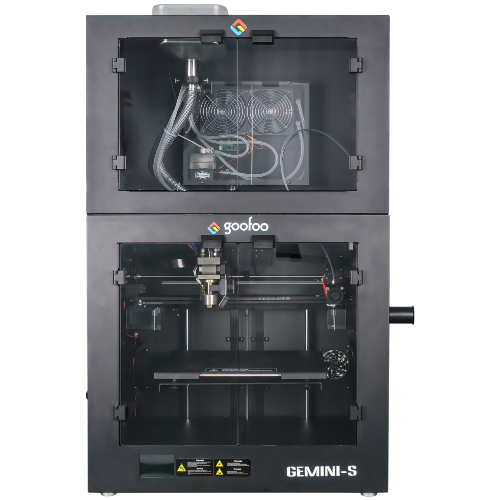
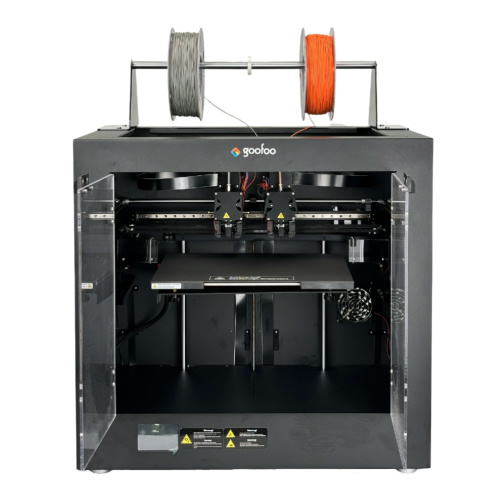













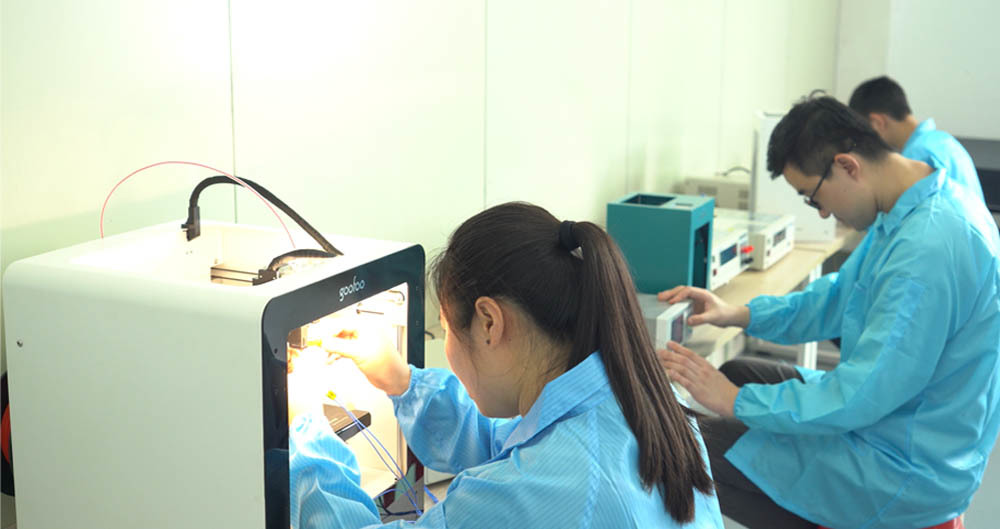




Unlocking the Future of Creation: A Comprehensive Guide to 3D Resin Printers
2024-11-13 10:40
3D resin printers have emerged as a transformative force in the realm of digital design and manufacturing, offering unparalleled precision and detail. Unlike traditional filament-based 3D printers, resin printers utilize liquid photopolymer resins that are cured by light, often resulting in smoother finishes and intricate details that are hard to achieve with other methods. This capability makes them a popular choice in various industries, including jewelry design, dental applications, and prototyping.
One of the significant advantages of 3D resin printing is its ability to produce complex geometries with ease. The layer-by-layer curing process allows for intricate designs that can include undercuts, fine features, and complex shapes, which are often difficult to print using traditional methods. This precision is particularly beneficial in fields like engineering and architecture, where detailed prototypes are essential for evaluation and testing.
However, operating a 3D resin printer does come with specific considerations. One crucial factor is the selection of resin. There are various types of resins available, including standard, flexible, and tough resins, each catering to different applications. Understanding the properties of each resin type can significantly impact the final product's performance and suitability for its intended use.
Post-processing is another critical aspect of working with 3D resin printers. After printing, models often require cleaning and curing to achieve the desired strength and finish. This involves washing the prints in isopropyl alcohol to remove uncured resin and then exposing them to UV light to solidify the material fully. This additional step is essential for ensuring the durability and quality of the final product.
Safety should also be a priority when working with resin. Many resins can emit harmful fumes and may cause skin irritation, necessitating the use of gloves and adequate ventilation during the printing and post-processing stages. Adhering to safety guidelines ensures a safe and efficient working environment.
In conclusion, 3D resin printers stand as a powerful tool for creators across various industries. Their ability to produce highly detailed and complex designs can enhance creativity and efficiency in production processes. By understanding the technology, selecting the appropriate materials, and following best practices, you can unlock the full potential of 3D resin printing, paving the way for innovation in your projects. Embrace this technology, and let it enhance your creative endeavors.
3d resin printer
Recommended News
 Esperanto
 Shqiptare
 Euskara
 Zulu
Zulu
 Latinus
 Cymraeg
 தமிழ்
தமிழ்
 Slovak
 Slovak
 Afrikaans
Join us
Subscribe to get the latest news


Skype / WhatsApp: +86 592-5713513 / +86-13860126490
No.88-3, North Tongji Road, Xike County, Tong'an District, Xiamen, Fujian China
Xiamen Goofoo Technology Co., Ltd. All Rights Reserved 闽ICP备2022008070号-1 SEO 300.cn
Phone:+0086 592-5713513
Address: No.88-3, North Tongji Road, Xike County, Tong’an District, Xiamen, Fujian China
Email: sales@goofoo3d.com
We will give you feedback in time