
- Shop Shop
-
Desktop
Desktop
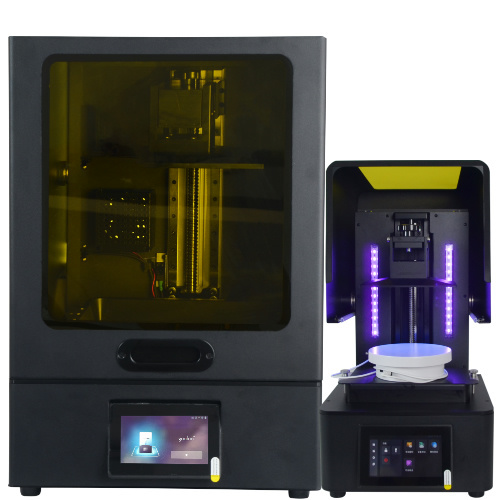
MSLA series
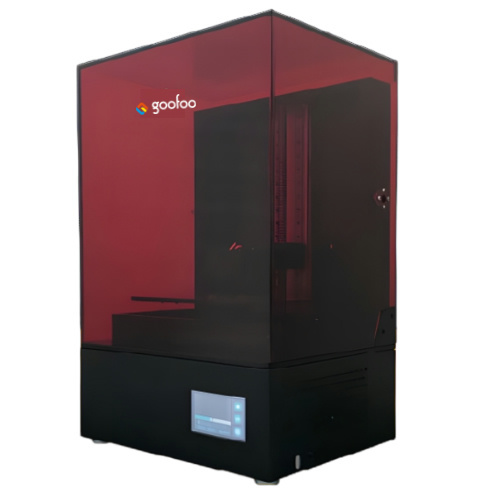
High accuracy Lens-s pro
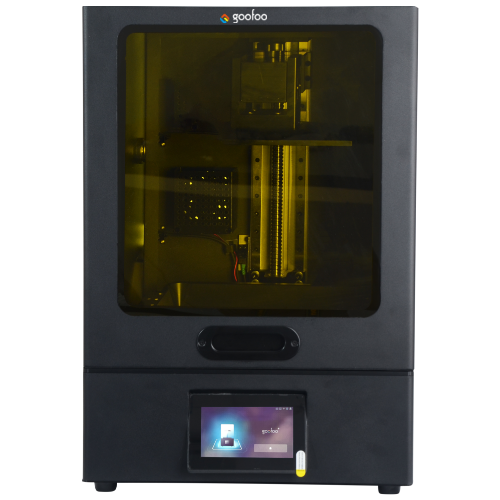
Large build volume Lens-m pro
- Industrial Industrial
-
Material
Material

Resin series

Dental DM100/TC100/ etc.

Jewelry Jewelry Resin

Generic PW100

Industry High Temp Resin

Garage Kit Red wax
-
Expanded
Expanded
Laser Engraver/CNC
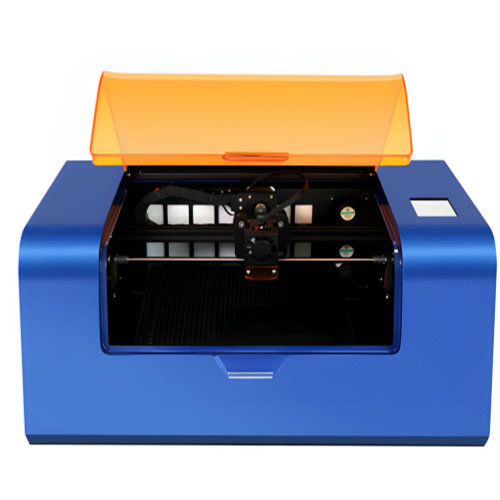
TS3(class1) Laser engraver & cutter 200*300mm
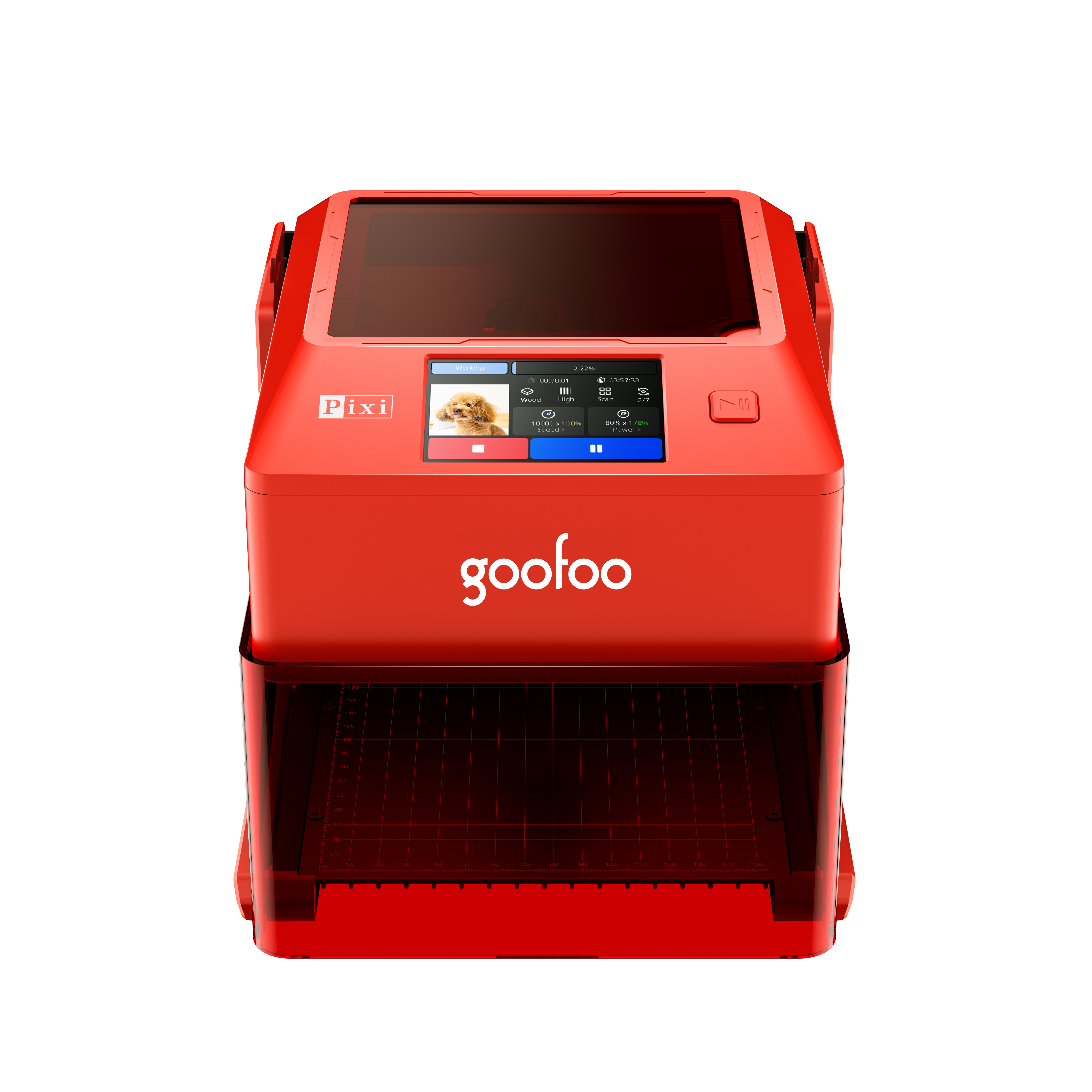
Pixi(class1) Laser engraver & cutter 100*100mm
3D scanner

Mole Highest accuracy 0.05mm
- Industries & Applications Industries & Applications
- Support Support
- About Us About Us
- Contact Us Contact Us
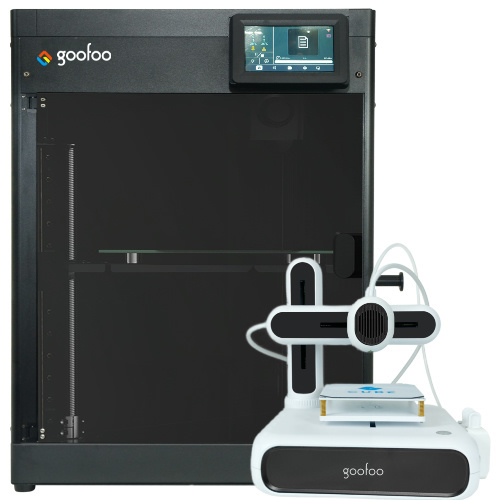


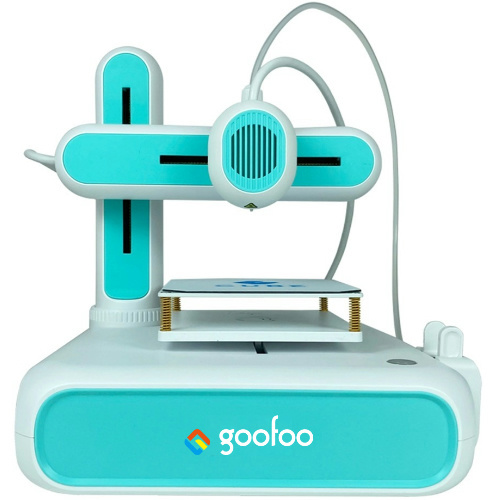
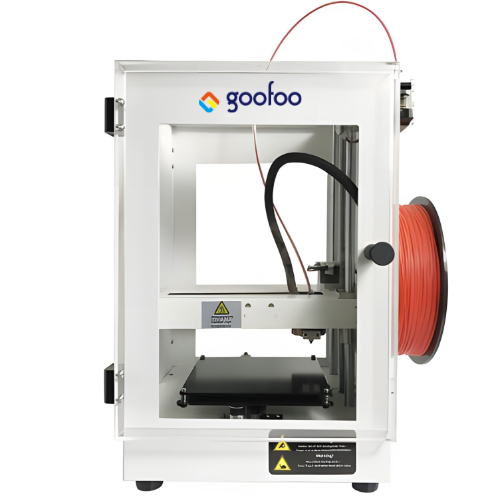
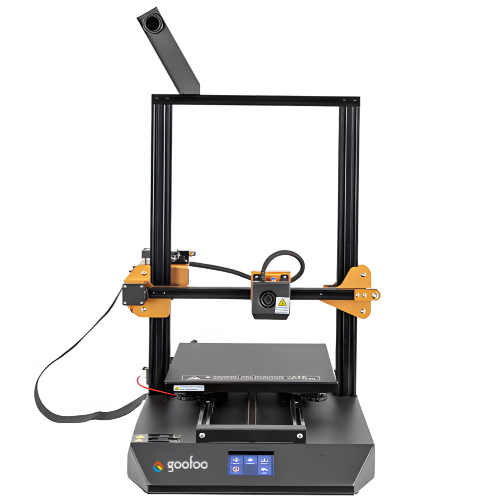
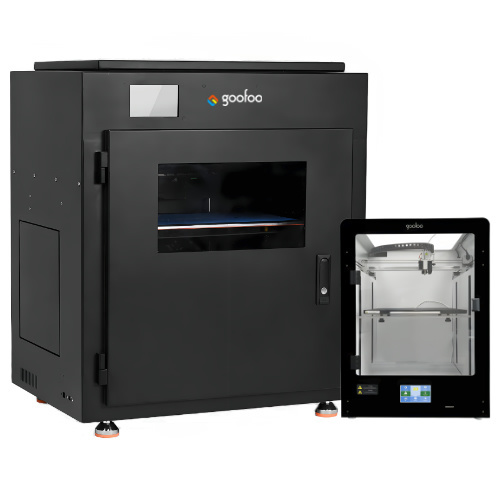
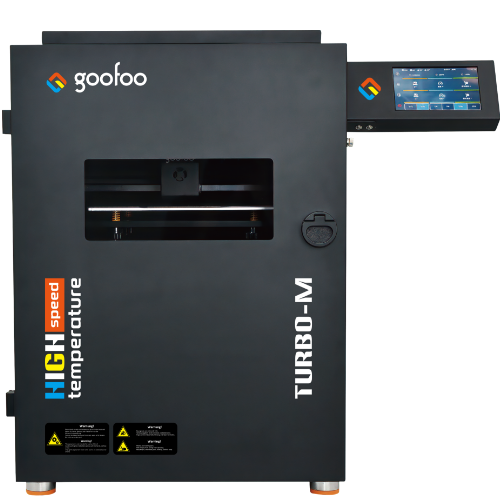
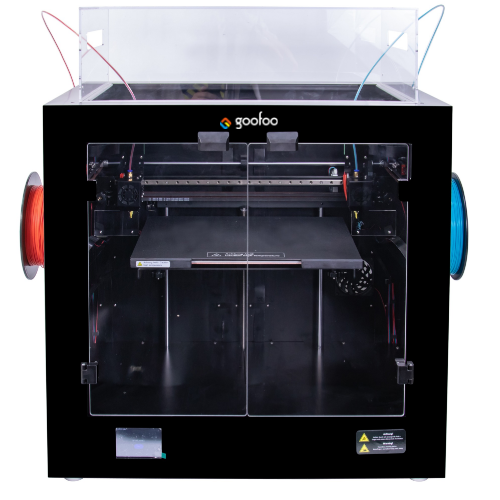
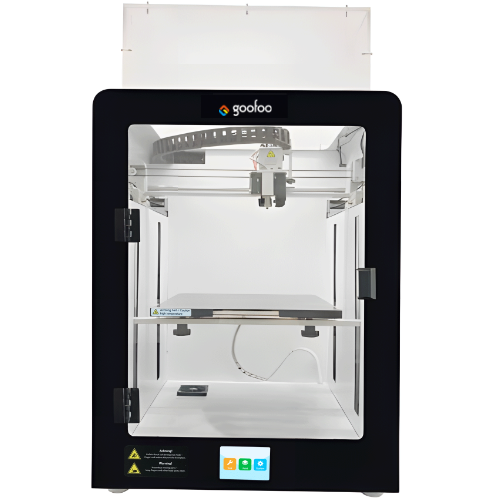
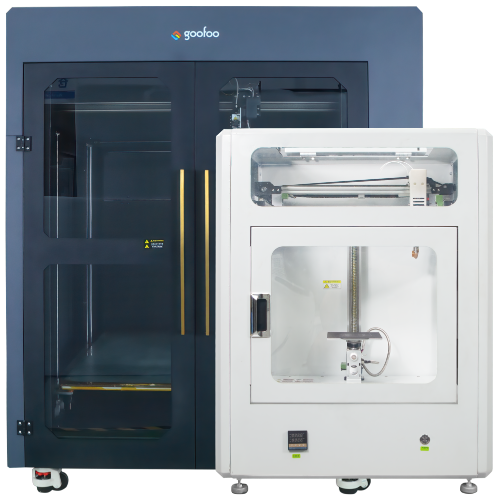
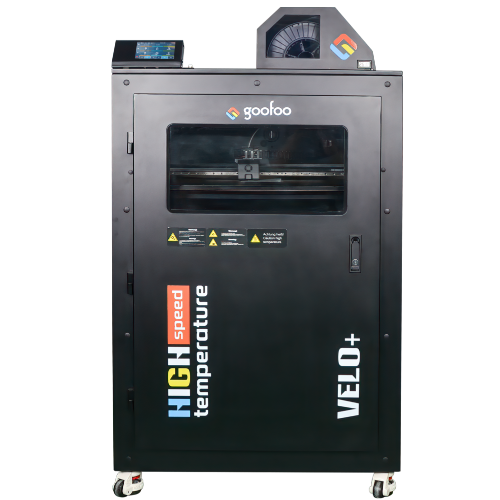
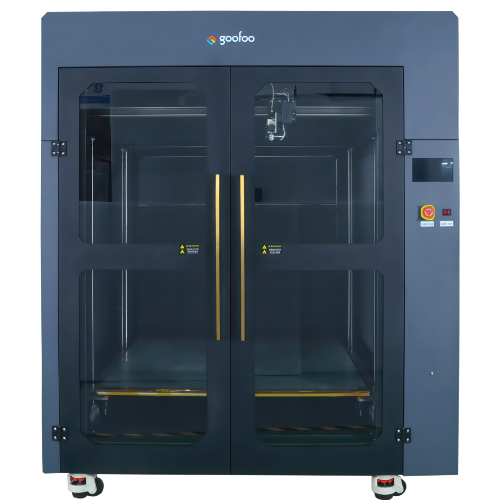
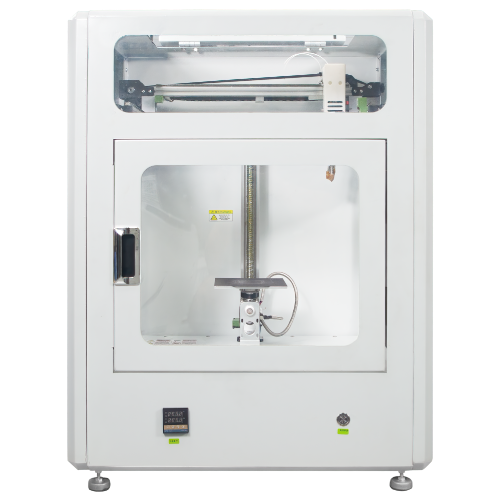
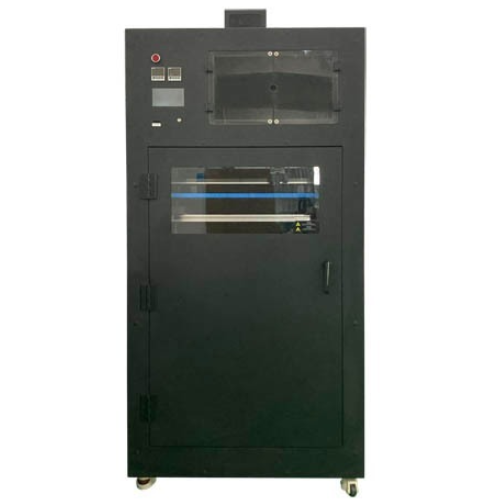
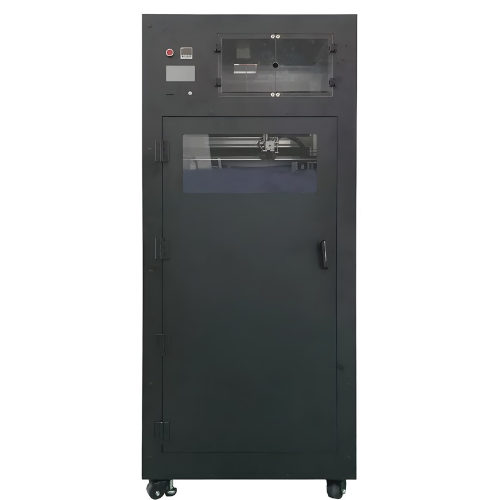
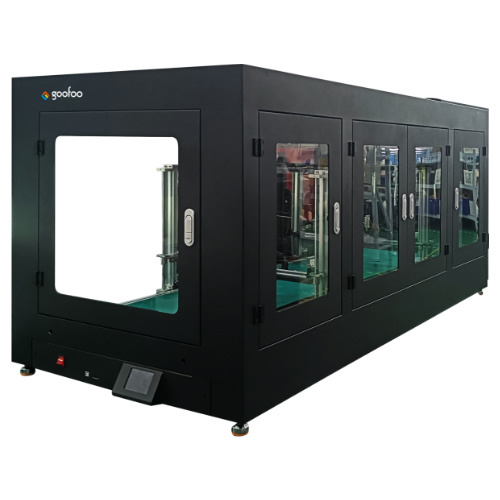


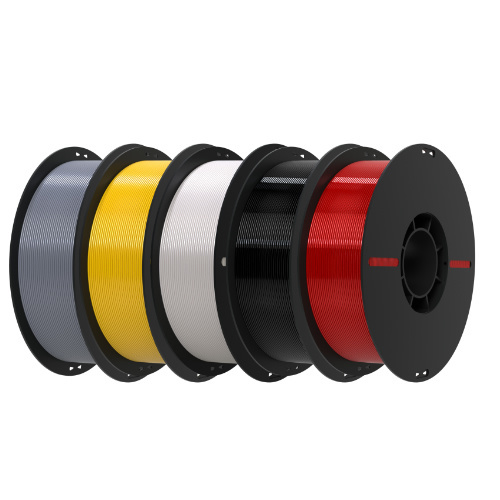
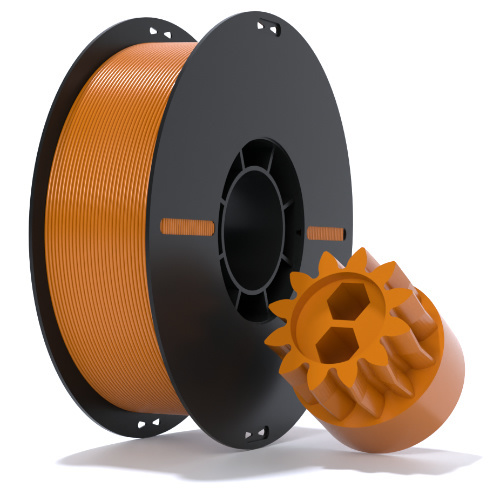
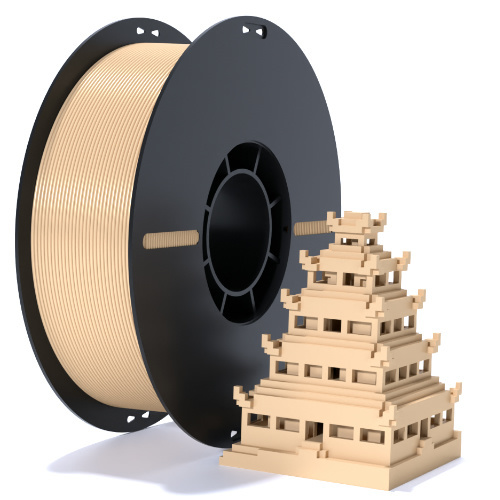
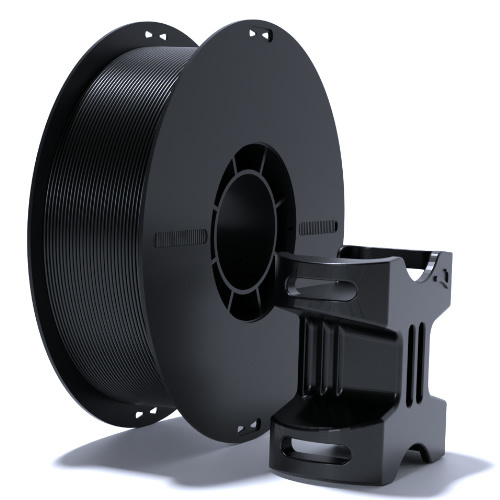















Unlocking the Potential of PLA 3D Printers: A Guide for Enthusiasts
2024-11-02 09:00
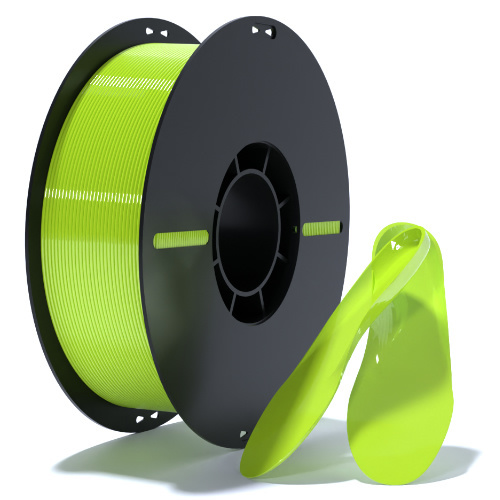
PLA, or Polylactic Acid, is a widely used material in the realm of 3D printing, particularly in conjunction with PLA 3D printers. As an environmentally friendly thermoplastic derived from renewable resources like corn starch or sugarcane, PLA offers an eco-conscious alternative to traditional petroleum-based plastics. Its popularity stems from several characteristics that make it an ideal choice for both beginners and experienced users in the 3D printing community.
One of the standout features of PLA is its ease of use. PLA 3D printers are known for their ability to print at relatively low temperatures, typically ranging from 180 to 220 degrees Celsius. This makes them compatible with a wide variety of printer models, as they require less energy and produce less heat, reducing the risk of warping or other complications during the printing process. As a result, enthusiasts can achieve high-quality prints without the need for extensive technical knowledge or experience.
Another advantage of using PLA is its excellent adhesion properties. Unlike some other materials, PLA sticks well to the build plate of 3D printers, minimizing the chances of prints detaching or failing. This attribute is particularly beneficial for intricate designs or when printing larger models, as it contributes to a more reliable printing experience overall.
In terms of aesthetics, PLA offers a vibrant range of colors and finishes, allowing users to create visually appealing models. Whether you're designing prototypes, art pieces, or functional items, the versatility of PLA can cater to various applications. Additionally, PLA is often praised for its smooth finish and ability to hold fine details, making it a preferred choice for intricate designs.
However, it's important to note that while PLA 3D printers provide many advantages, they also have some limitations. For instance, PLA is less heat-resistant compared to other materials like ABS or PETG, making it unsuitable for applications that require exposure to high temperatures. Furthermore, while PLA is biodegradable under industrial composting conditions, it does not decompose as efficiently in natural environments, so proper disposal is essential.
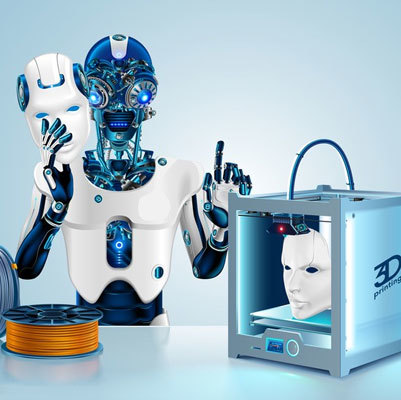
In summary, PLA 3D printers represent an excellent option for those interested in entering the world of 3D printing. Their user-friendly nature, eco-friendliness, and aesthetic versatility make them suitable for a wide array of projects. Whether you're a hobbyist looking to create stunning models or a professional seeking reliable prototypes, understanding the nuances of PLA and its 3D printing capabilities can significantly enhance your experience in this innovative field. As technology progresses, the potential of PLA 3D printers continues to expand, inviting more creators to explore their possibilities.
pla 3d printer
Recommended News
 Esperanto
 Shqiptare
 Euskara
 Zulu
Zulu
 Latinus
 Cymraeg
 தமிழ்
தமிழ்
 Slovak
 Slovak
 Afrikaans
Join us
Subscribe to get the latest news


Skype / WhatsApp: +86 592-5713513 / +86-13860126490
No.88-3, North Tongji Road, Xike County, Tong'an District, Xiamen, Fujian China
Xiamen Goofoo Technology Co., Ltd. All Rights Reserved 闽ICP备2022008070号-1 SEO 300.cn
Phone:+0086 592-5713513
Address: No.88-3, North Tongji Road, Xike County, Tong’an District, Xiamen, Fujian China
Email: sales@goofoo3d.com
We will give you feedback in time