
- Shop Shop
-
Desktop
Desktop
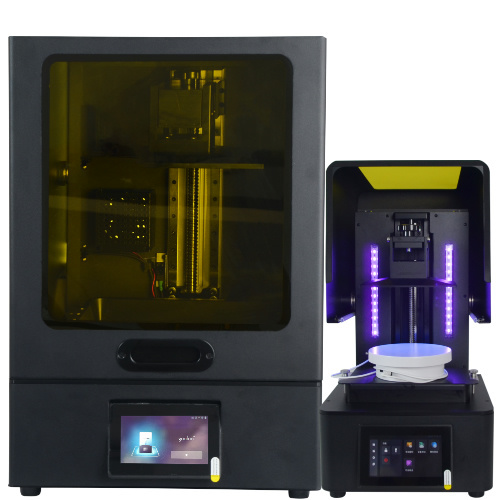
MSLA series
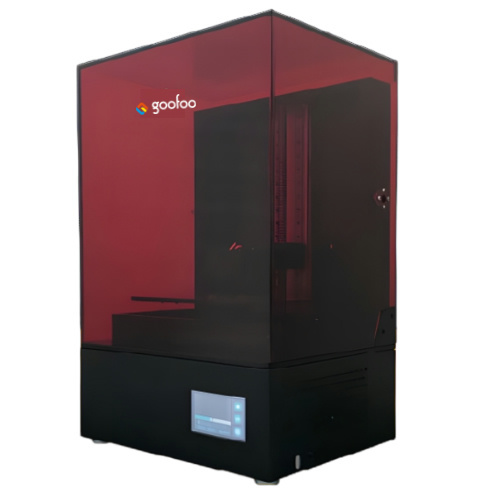
High accuracy Lens-s pro
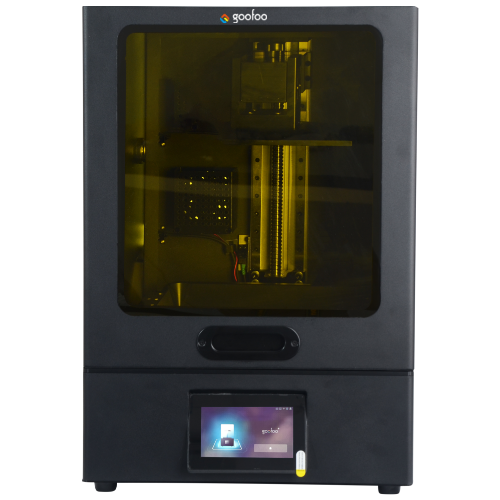
Large build volume Lens-m pro
- Industrial Industrial
-
Material
Material

Resin series

Dental DM100/TC100/ etc.

Jewelry Jewelry Resin

Generic PW100

Industry High Temp Resin

Garage Kit Red wax
-
Expanded
Expanded
Laser Engraver/CNC
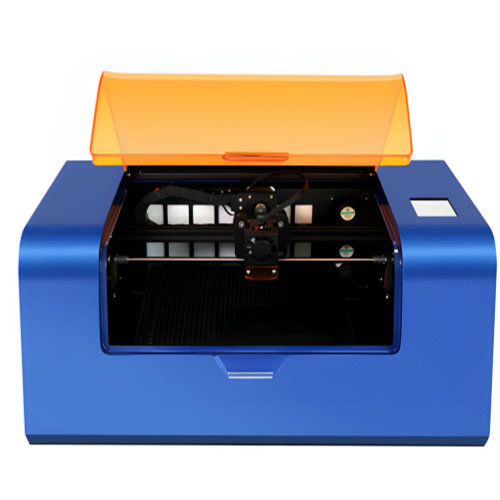
TS3(class1) Laser engraver & cutter 200*300mm
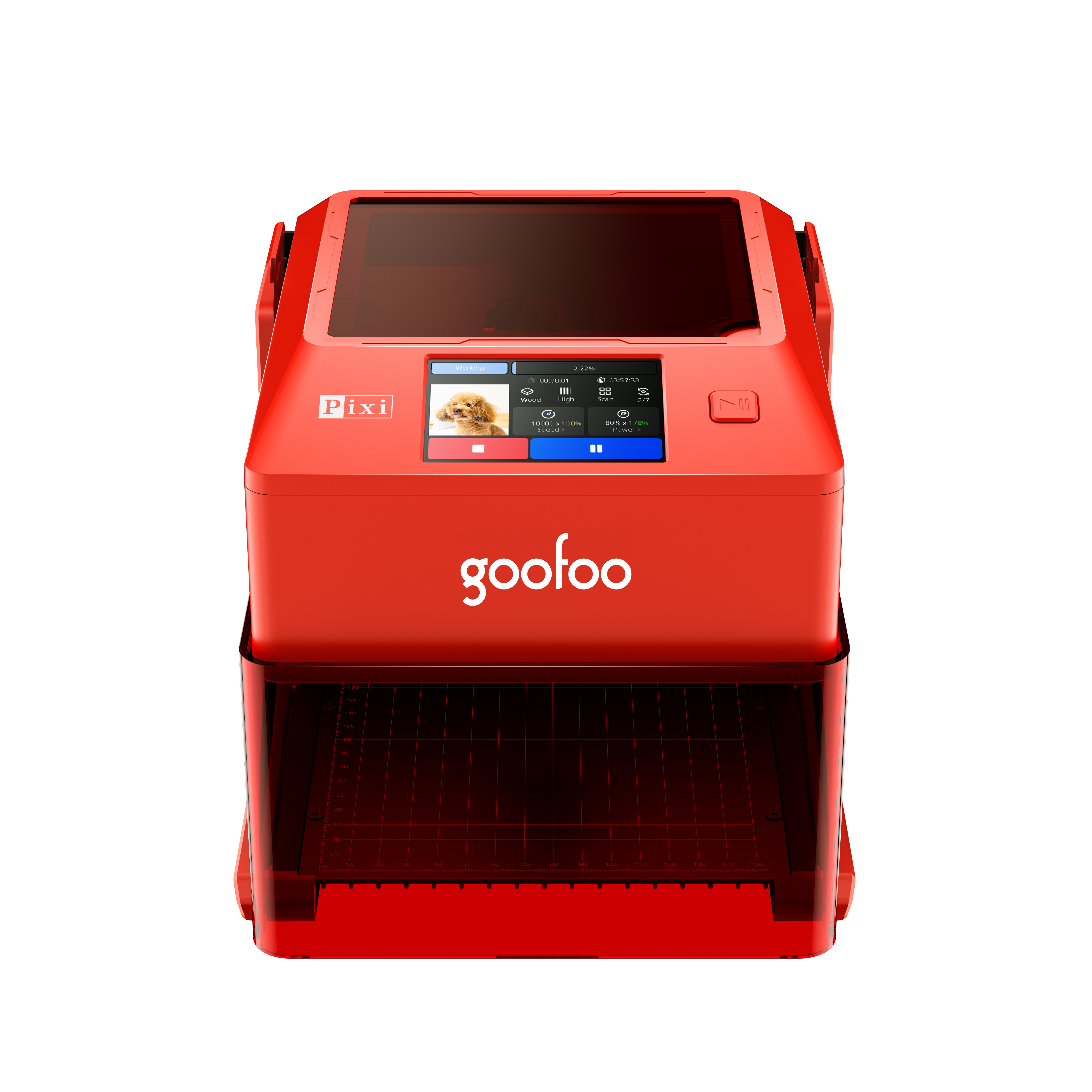
Pixi(class1) Laser engraver & cutter 100*100mm
3D scanner
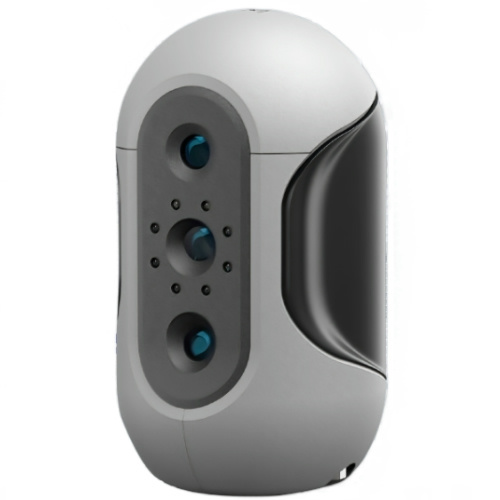
Mole Highest accuracy 0.05mm
- Industries & Applications Industries & Applications
- Support Support
- About Us About Us
- Contact Us Contact Us


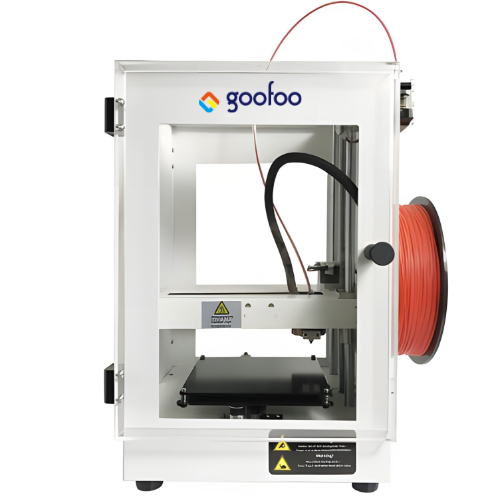
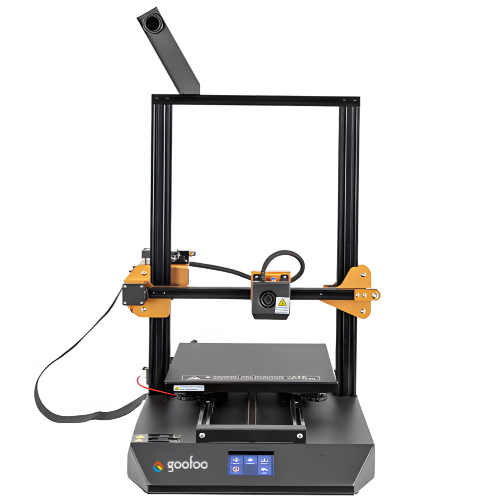
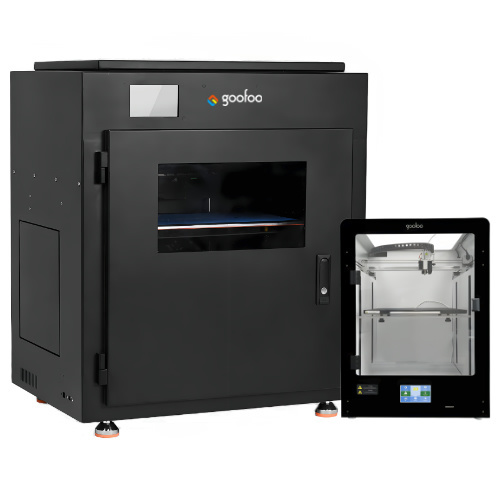
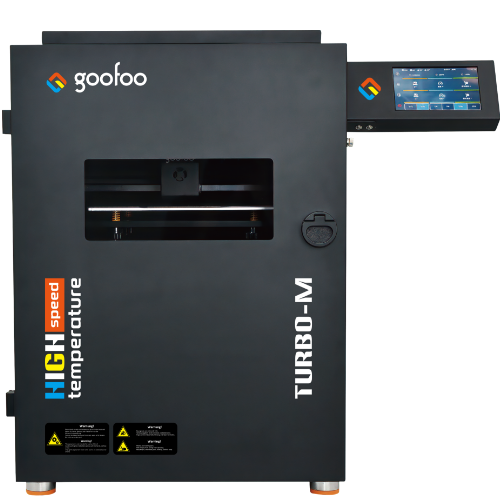
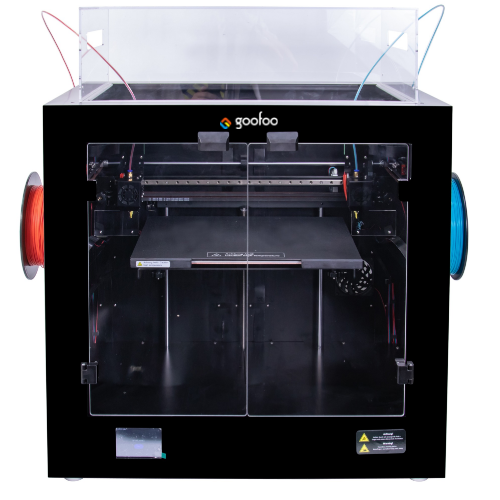
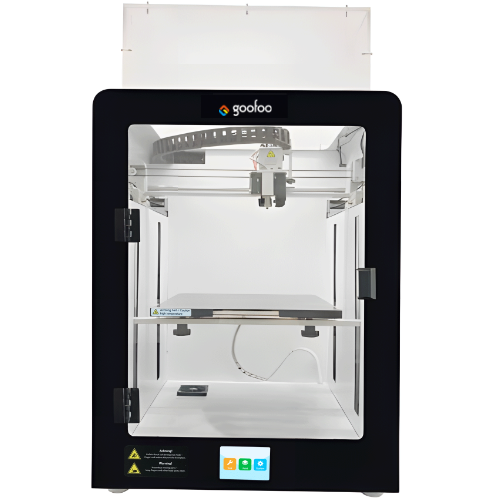
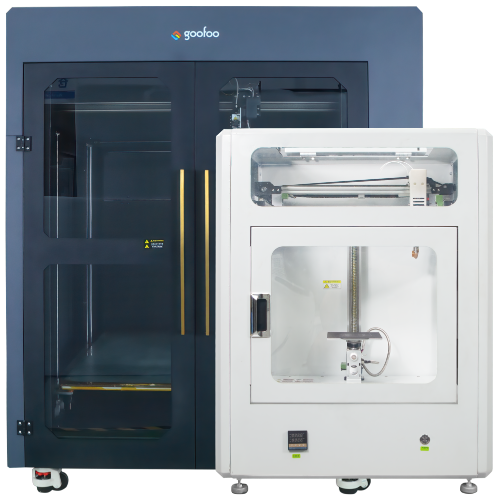
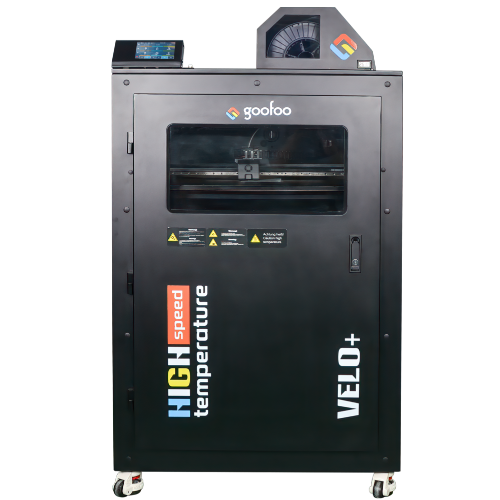
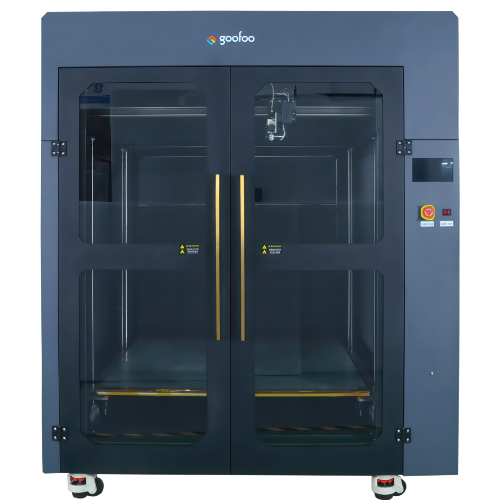
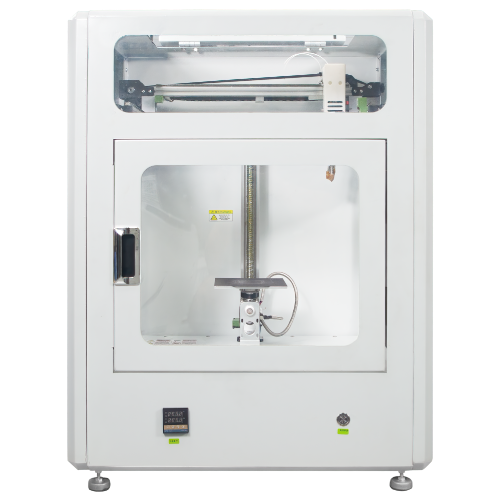
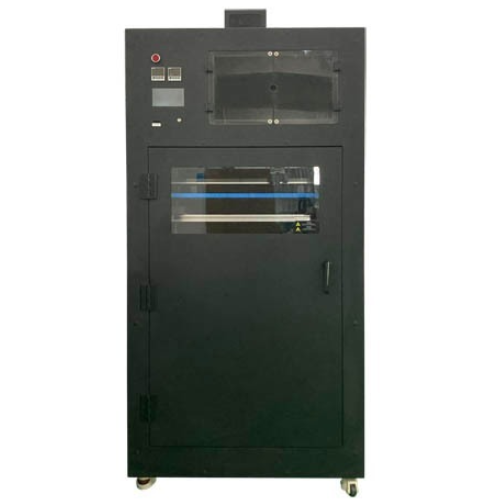
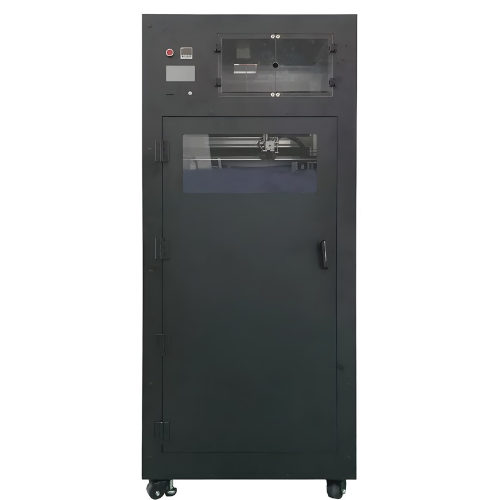
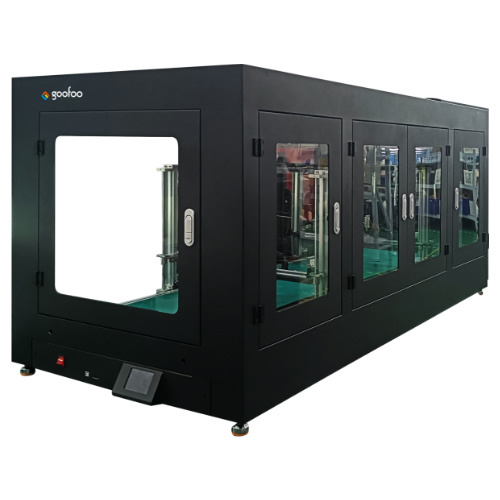
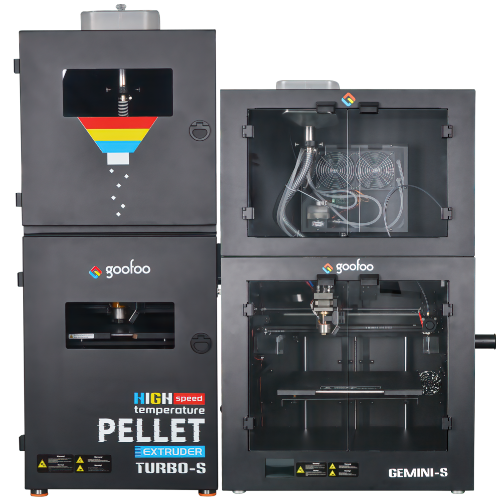
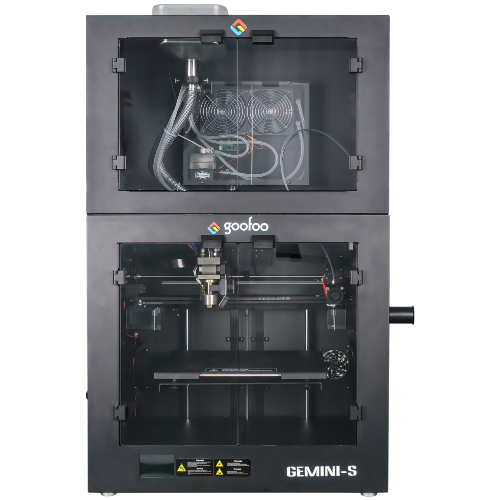
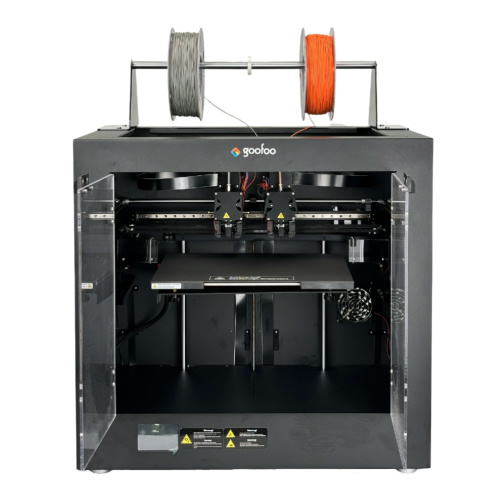
















Breaking Boundaries: The Limitless Potential of 3D Printer Machines
2024-10-28 09:00
Breaking Boundaries: The Limitless Potential of 3D Printer Machines
Table of Contents
- Introduction to 3D Printing Technology
- A Brief History of 3D Printing
- How 3D Printers Work: The Basics Explained
- Types of 3D Printers: Finding the Right Fit
- Applications of 3D Printing Across Industries
- 3D Printing in Manufacturing and Prototyping
- Revolutionizing Healthcare with 3D Printing
- 3D Printing in Architecture and Construction
- Benefits of 3D Printing Technology
- Challenges Facing the 3D Printing Industry
- The Future of 3D Printing: Innovations on the Horizon
- Conclusion: Embracing the Future of 3D Printing
- FAQs About 3D Printing Technology
Introduction to 3D Printing Technology
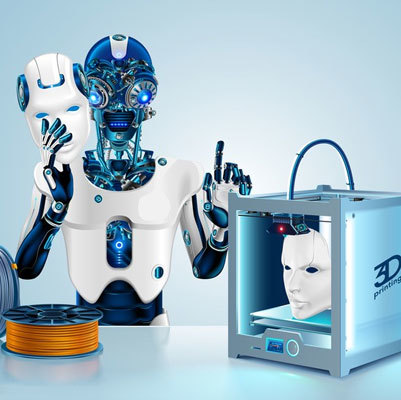
In recent years, **3D printing technology** has emerged as a groundbreaking innovation that is reshaping the landscape of various industries. Often referred to as **additive manufacturing**, this technology allows users to create three-dimensional objects by layering materials based on digital models. The potential applications of 3D printers are virtually limitless, spanning sectors from healthcare to manufacturing and even art. This article delves into the **revolutionary capabilities** of 3D printers, exploring their historical development, functionality, and transformative impact on diverse fields.
A Brief History of 3D Printing
The journey of 3D printing began in the early 1980s, with the invention of **stereolithography (SLA)** by Charles Hull. This pioneering technique allowed for the creation of solid objects from liquid resin using ultraviolet light. Over the following decades, the technology evolved rapidly, with the introduction of various **3D printing methods** such as **fused deposition modeling (FDM)** and **selective laser sintering (SLS)**. By the 2000s, the rise of open-source DIY 3D printers democratized access to this technology, enabling hobbyists and small businesses to join the 3D printing revolution. Today, 3D printers are not only more accessible but also more affordable, leading to widespread adoption across the globe.
How 3D Printers Work: The Basics Explained
At its core, **3D printing technology** involves transforming a digital model into a physical object. This process typically includes the following steps:
1. **Creating a Digital Model**: Users create or download a **3D model** using computer-aided design (CAD) software or 3D scanning technology.
2. **Slicing the Model**: The model is then processed by slicing software, which divides it into thin horizontal layers. This step is crucial as it provides instructions for the printer to create the object layer by layer.
3. **Printing the Object**: The printer follows the sliced instructions, depositing or solidifying material layer by layer until the complete object is formed.
4. **Post-Processing**: Once printed, the object may require additional finishing processes, such as sanding or painting, to achieve the desired quality and appearance.
Different printing technologies utilize various materials and processes, leading to unique applications and characteristics for each.
Types of 3D Printers: Finding the Right Fit
With the growing demand for **3D printing solutions**, a variety of printers have emerged, each with distinct capabilities and applications. Here are some popular types of 3D printers:
Fused Deposition Modeling (FDM)
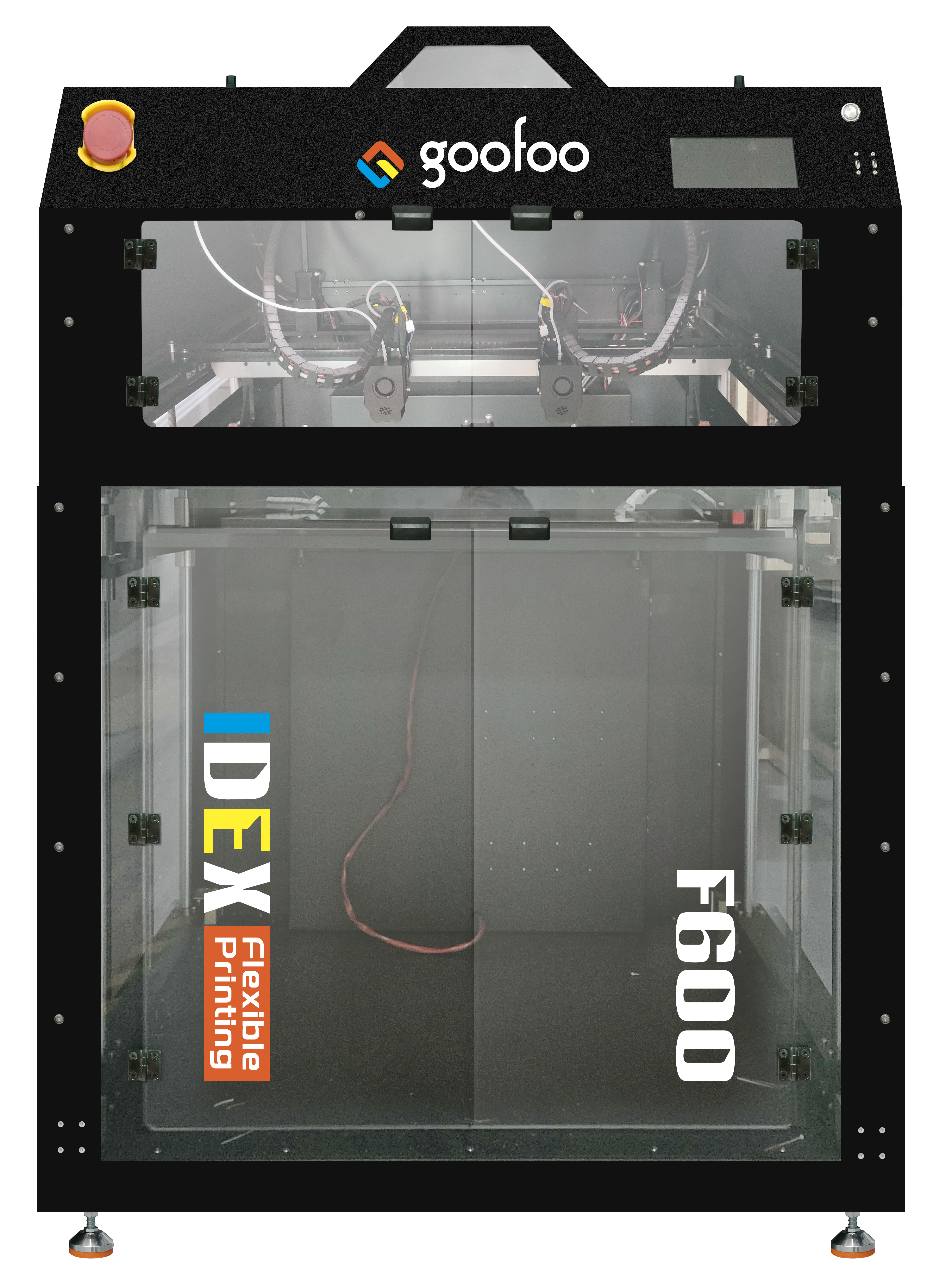
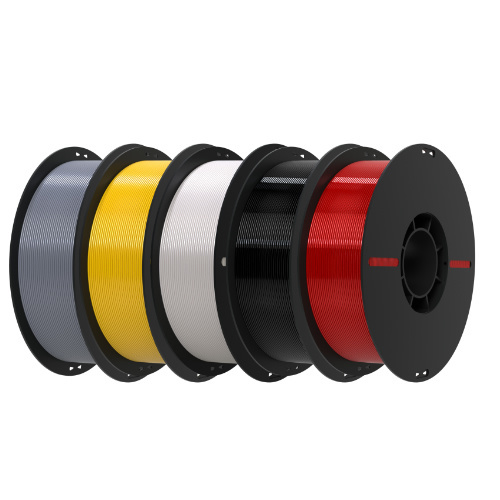
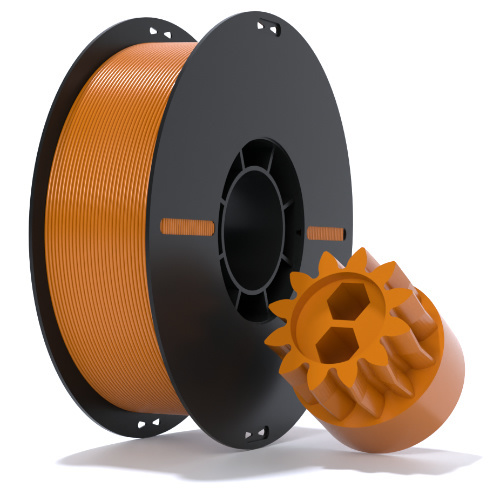
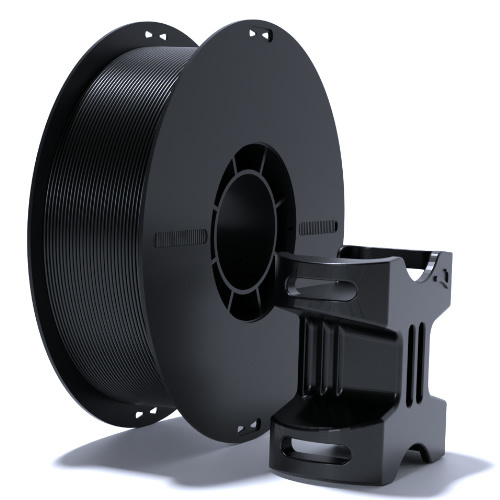
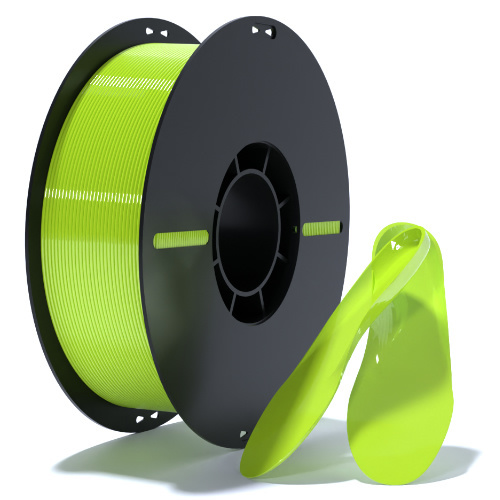
FDM printers are among the most common types, utilizing thermoplastic filaments to create objects. They are widely used in both professional and hobbyist settings due to their affordability and ease of use.
Stereolithography (SLA)
SLA printers use a liquid resin that is cured by a UV light source, allowing for high-resolution printing with fine details. These printers are often used in industries where precision is critical, such as jewelry design and prototyping.
Selective Laser Sintering (SLS)
SLS technology employs a laser to fuse powdered material, creating durable objects with complex geometries. This method is frequently utilized in aerospace and automotive sectors due to its ability to produce strong, functional parts.
Digital Light Processing (DLP)
Similar to SLA, DLP uses a light source to cure resin. However, it projects an entire layer at once rather than tracing it, resulting in faster print times. This technology is ideal for producing intricate designs quickly.
Binder Jetting
This technique uses a binder to bond powdered materials together, resulting in full-color objects. It is commonly applied in creating prototypes and for artistic applications.
Applications of 3D Printing Across Industries
3D printing technology has found applications in a wide array of fields. Here, we explore some of the most significant industries benefiting from this innovation.
3D Printing in Manufacturing and Prototyping
In the manufacturing sector, 3D printing enhances the prototyping process significantly. Companies can produce prototypes quickly and cost-effectively, allowing for faster iterations in product design. This agility reduces time-to-market and ensures that products meet consumer demands more effectively.
Additionally, **3D printing** enables **customized production** on a mass scale. Companies can create tailored products without the need for traditional tooling, leading to increased innovation and reduced waste.
Revolutionizing Healthcare with 3D Printing
The healthcare industry is experiencing a major transformation through the incorporation of 3D printing technology. Customized prosthetics and dental implants can be produced to perfectly fit patients, improving comfort and functionality.
Moreover, bioprinting is an emerging field where **3D printers** are used to create living tissues and organs. Researchers are hopeful that this technology will eventually lead to organ transplantation solutions, significantly improving patient outcomes.
3D Printing in Architecture and Construction
Architects and builders are increasingly leveraging **3D printing** to create models and even entire structures. This technology allows for intricate designs that would be challenging or cost-prohibitive using traditional methods. Some companies are even exploring the use of **3D-printed concrete** to construct homes and buildings, thereby reducing construction time and costs.
The ability to print complex architectural features opens new horizons in sustainable building design and innovative aesthetics.
Benefits of 3D Printing Technology
The advantages of adopting **3D printing technology** are compelling and numerous:
1. **Cost-Effectiveness**: By minimizing material waste and reducing labor costs, companies can achieve significant savings.
2. **Speed**: Rapid prototyping allows businesses to test and refine products quickly, accelerating innovation cycles.
3. **Customization**: The ability to produce tailored solutions fosters creativity and meets specific customer needs.
4. **Complexity**: 3D printing enables the creation of geometrically complex designs that would be impractical with traditional manufacturing techniques.
5. **Sustainability**: Enhanced material efficiency and reduced waste contribute to more sustainable manufacturing practices.
Challenges Facing the 3D Printing Industry
Despite its many benefits, the **3D printing industry** faces several challenges:
1. **Material Limitations**: While the variety of printable materials is expanding, there are still limitations regarding durability and functionality.
2. **Speed and Scalability**: For large-scale production, traditional manufacturing methods can outpace 3D printing in terms of speed.
3. **Regulatory Hurdles**: As 3D printing technology evolves, regulatory frameworks must adapt to address safety, intellectual property, and quality assurance concerns.
4. **Technical Expertise**: The complexity of operating advanced 3D printers requires skilled personnel, which can be a barrier for smaller businesses.
The Future of 3D Printing: Innovations on the Horizon
The future of **3D printing technology** appears bright, with continuous advancements on the horizon. Emerging trends include:
1. **Bioprinting**: As research progresses, bioprinting may soon enable the production of functional human tissues and organs.
2. **Multi-Material Printing**: Enhanced capabilities for printing with multiple materials will broaden design possibilities and applications.
3. **On-Demand Manufacturing**: As the technology matures, on-demand production will become more prevalent, minimizing inventory costs and waste.
4. **Sustainability Initiatives**: Innovations in eco-friendly materials and practices will further enhance the sustainability of 3D printing.
Conclusion: Embracing the Future of 3D Printing
**3D printing technology** continues to break boundaries and redefine the potential of manufacturing and design across various industries. Its versatility and innovative applications provide unparalleled opportunities for businesses, healthcare providers, and creators alike. As the technology evolves, it promises to revolutionize how we approach production and problem-solving in the modern world. Embracing the limitless potential of 3D printing is essential for anyone looking to stay ahead in today’s fast-paced, technology-driven environment.
FAQs About 3D Printing Technology
1. How much does a 3D printer cost?
The cost of a 3D printer can vary widely based on its type and capabilities, ranging from a few hundred to several thousand dollars.
2. What materials can be used in 3D printing?
Common materials include thermoplastics like PLA and ABS, resin for SLA printers, and metal powders for SLS printers.
3. Is 3D printing safe?
Generally, 3D printing is safe when proper precautions are taken, including using printers in well-ventilated areas and handling materials according to manufacturer guidelines.
4. Can 3D printers produce functional parts?
Yes, many 3D printers are capable of producing functional parts for various applications, including prototypes, tools, and even medical devices.
5. How long does it take to print an object?
Print times can vary significantly based on the size and complexity of the object, ranging from a few minutes to several hours or even days for larger projects.
3d printer machine
Recommended News
 Esperanto
 Shqiptare
 Euskara
 Zulu
Zulu
 Latinus
 Cymraeg
 தமிழ்
தமிழ்
 Slovak
 Slovak
 Afrikaans
Join us
Subscribe to get the latest news


Skype / WhatsApp: +86 592-5713513 / +86-13860126490
No.88-3, North Tongji Road, Xike County, Tong'an District, Xiamen, Fujian China
Xiamen Goofoo Technology Co., Ltd. All Rights Reserved 闽ICP备2022008070号-1 SEO 300.cn
Phone:+0086 592-5713513
Address: No.88-3, North Tongji Road, Xike County, Tong’an District, Xiamen, Fujian China
Email: sales@goofoo3d.com
We will give you feedback in time