
- Shop Shop
-
Desktop
Desktop
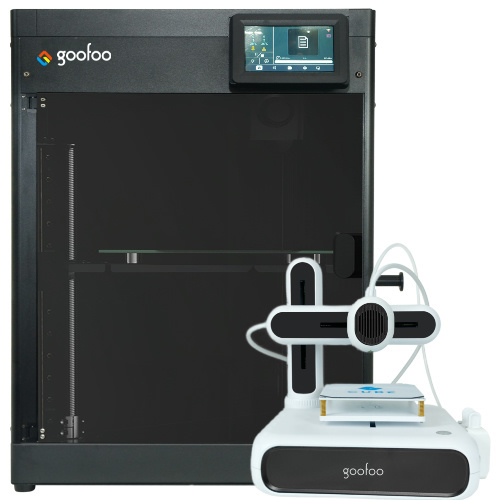
FDM / FGF

High speed GP1

colorful GP4/GP4-C
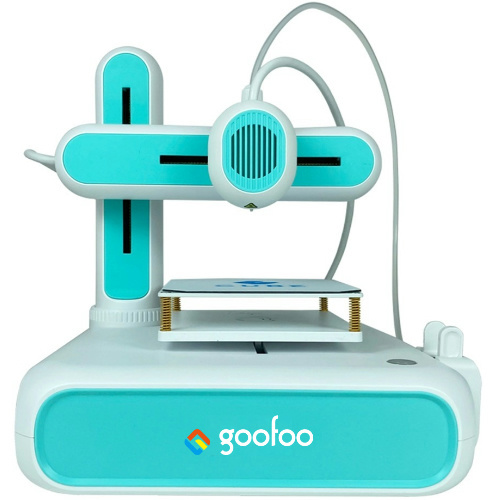
Kids Cube/3D Pen
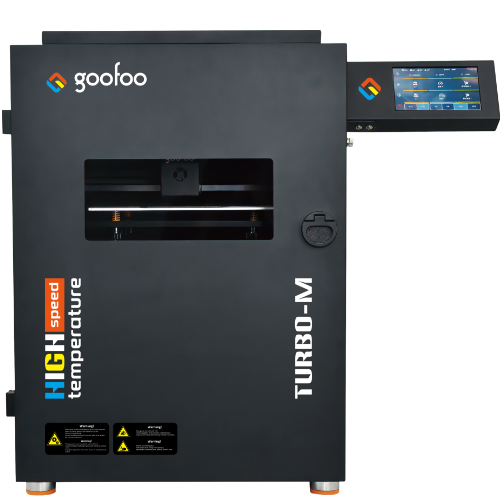
High speed&temp Turbo-m
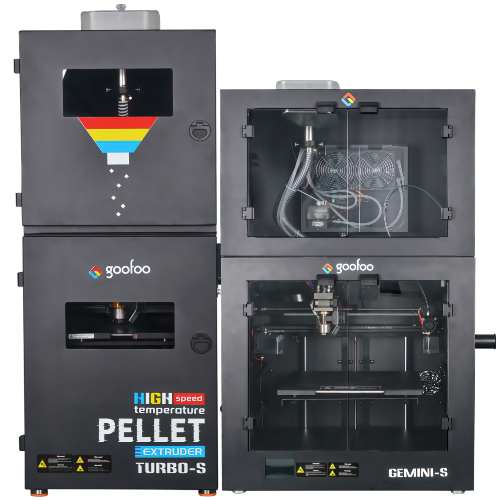
Pellet Gemini-s/Turbo-s
Classic+ Mido/Nova/Plus
- Industrial Industrial
-
Material
Material

Resin series

Dental DM100/TC100/ etc.

Jewelry Jewelry Resin

Generic PW100

Industry High Temp Resin

Garage Kit Red wax
-
Expanded
Expanded
Laser/CNC/3D scanner

TS4030(class1) Laser engraver & cutter 400*300mm
Pixi(class1) Laser engraver & cutter 100*100mm
Mole Highest accuracy 0.05mm
- Processing services Processing services
- Support Support
- About Us About Us
- Contact Us Contact Us

















Unlocking the Mysteries of 3D Printing: What Affects 3D Printer Price?
2026-05-22 03:26

Image Source: unsplash
The Magic Behind 3D Printing
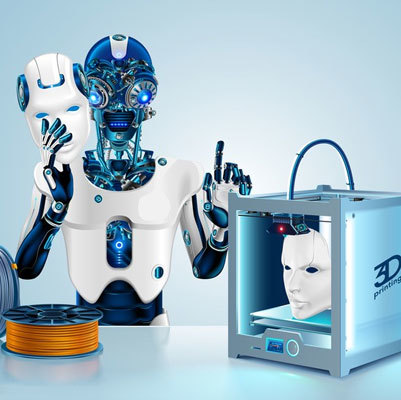
Ah, the world of 3D printing! It's like something straight out of a sci-fi movie, right? This technology allows you to transform digital designs into tangible objects, and it's doing wonders in various fields—from manufacturing to healthcare. But how does it all work? Let's dive into the nuts and bolts.
How Does a 3D Printer Work?
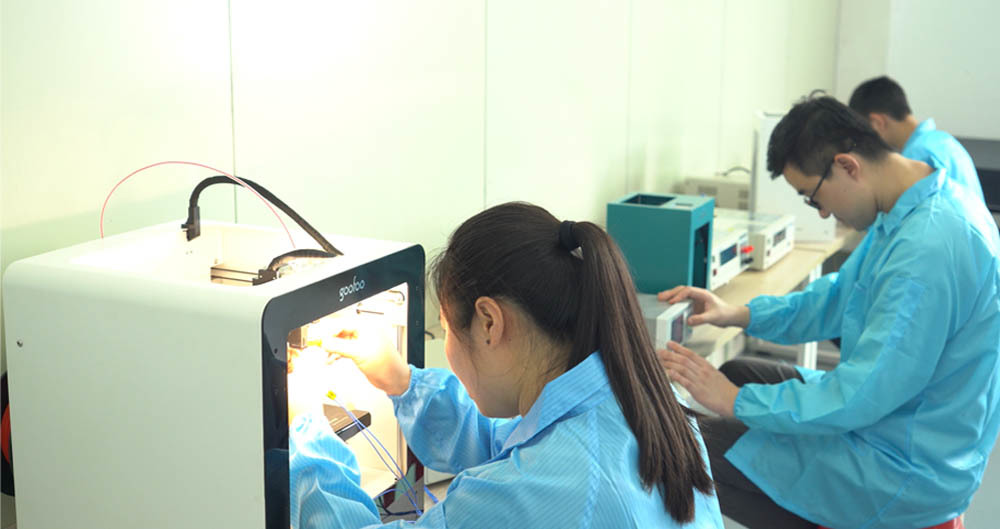
At its core, a 3D printer operates on a simple principle: layer by layer, it builds up a three-dimensional object. The process usually starts with a 3D model, created using CAD (computer-aided design) software. Once you have your design, it's sent to the printer, which uses materials like plastic or metal to create the object in real time.
Different Printing Methods
There are several methods for 3D printing, each with its own quirks:
- FDM (Fused Deposition Modeling): The most common type, where melted plastic is extruded layer by layer.
- SLA (Stereolithography): Uses UV light to cure resin into solid plastic.
- SLS (Selective Laser Sintering): A laser fuses powdered materials together.
Factors Influencing 3D Printer Price
Now, if you're thinking about jumping into the 3D printing game, you might be wondering about the 3D printer price. It's a hot topic, and for good reason! Prices can range from a few hundred bucks to several thousand. What gives?
Technology and Features
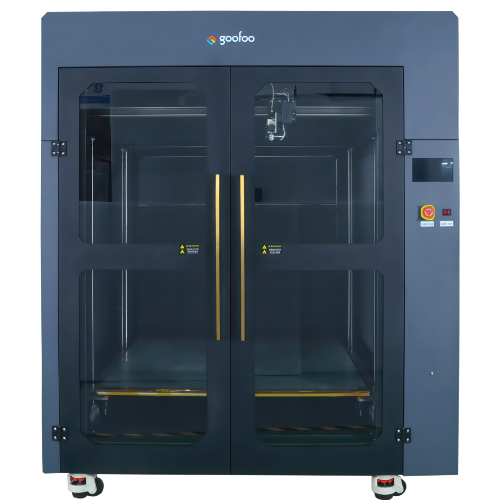
Ah, the first culprit! The type of technology used in the printer plays a massive role in its price. For instance, entry-level FDM printers are usually more affordable. However, if you're looking at high-end SLA or SLS printers, be prepared to cough up some serious cash.
Build Volume
Another factor is the build volume—the size of the objects you can create. Larger printers can handle bigger projects, which often means a higher price tag. If you're only printing small items, a compact printer might do the trick.
Material Compatibility
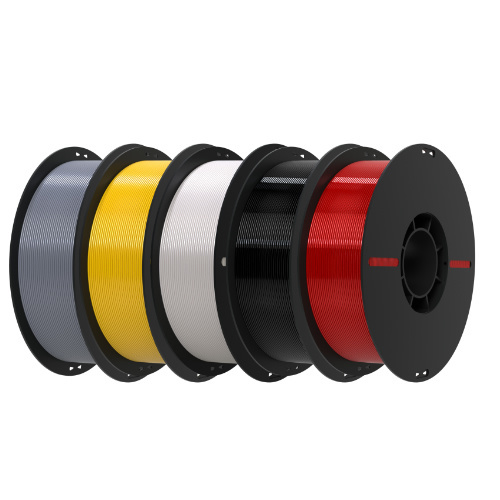
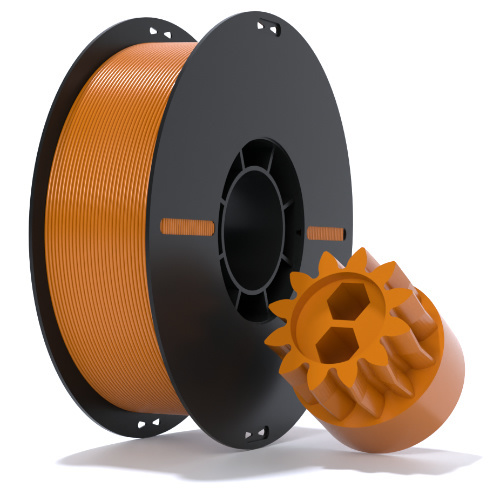
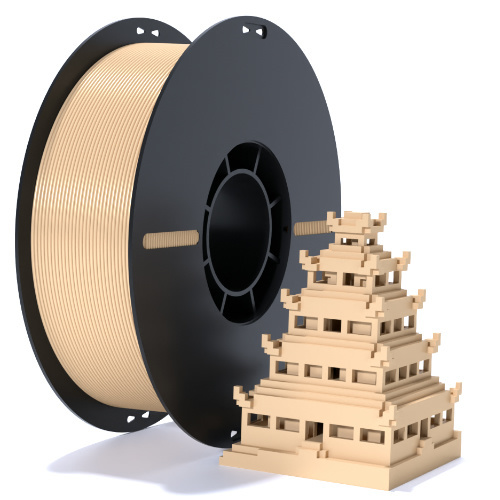
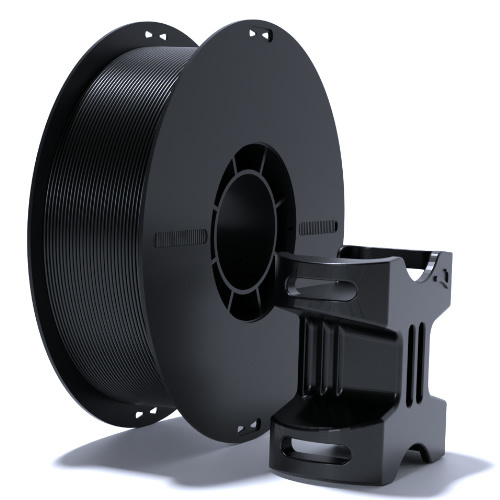
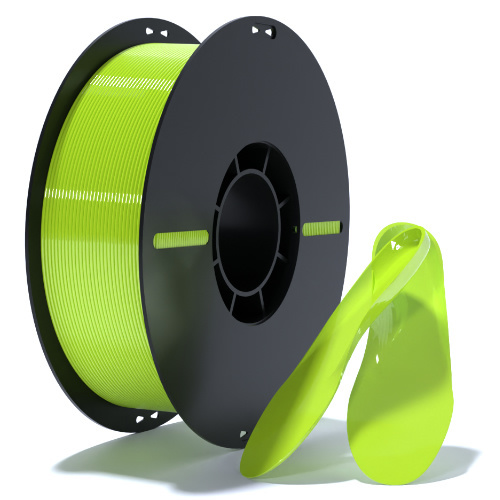
Different printers are compatible with various materials, and some materials can get pricey. If you're using premium filaments or resins, that's gonna add to your overall costs. Just keep that in mind!
Why Invest in a 3D Printer?
So, is it worth it? Well, that depends on your needs! For hobbyists, a lower-end printer may suffice. But for businesses, investing in a more expensive model could lead to massive savings in production costs over time.
Final Thoughts
Ultimately, understanding how a 3D printer works and what affects its price can help you make a more informed decision. Whether you're a DIY enthusiast or a professional, the right printer is out there for you. So gear up, do your homework, and embark on your 3D printing journey!
Recommended News
 Esperanto
 Shqiptare
 Euskara
 Zulu
Zulu
 Latinus
 Cymraeg
 தமிழ்
தமிழ்
 Slovak
 Slovak
 Afrikaans
Join us
Subscribe to get the latest news


Skype / WhatsApp: +86 592-5713513 / +86-13860126490
No.88-3, North Tongji Road, Xike County, Tong'an District, Xiamen, Fujian China
Xiamen Goofoo Technology Co., Ltd. All Rights Reserved 闽ICP备2022008070号-1 SEO 300.cn
Phone:+0086 592-5713513
Address: No.88-3, North Tongji Road, Xike County, Tong’an District, Xiamen, Fujian China
Email: sales@goofoo3d.com
We will give you feedback in time