
- Shop Shop
-
Desktop
Desktop
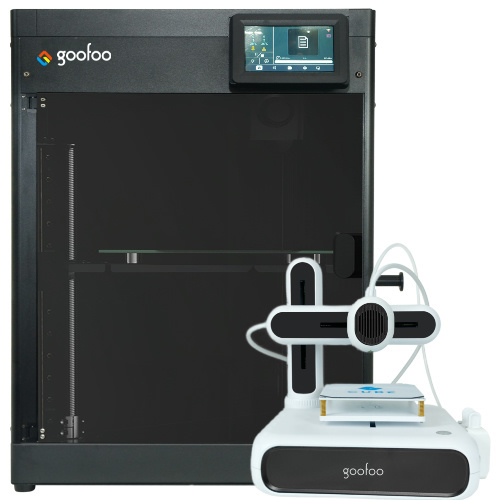
FDM / FGF

High speed GP1

colorful GP4/GP4-C
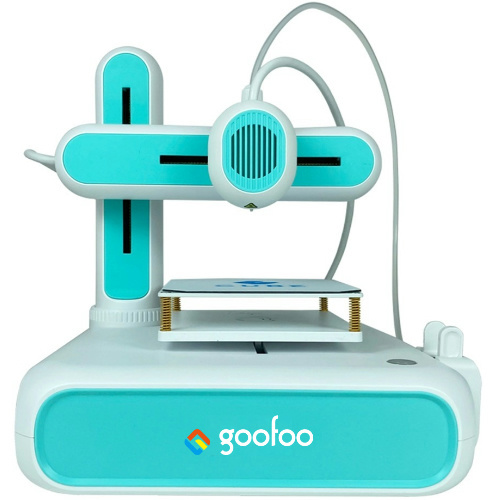
Kids Cube/3D Pen
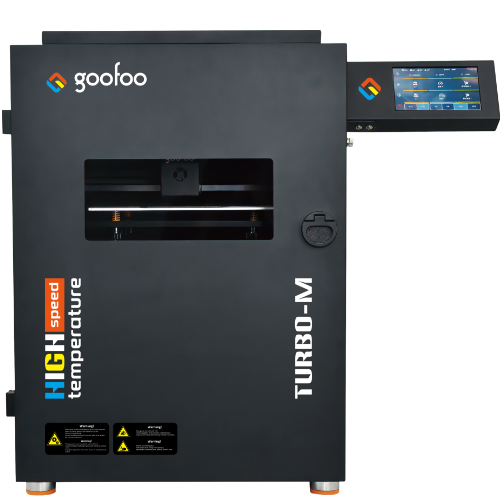
High speed&temp Turbo-m
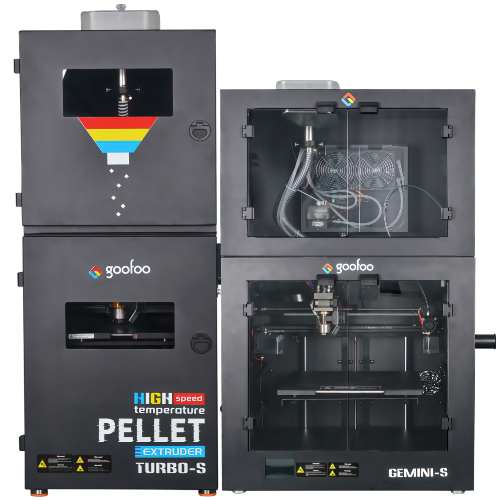
Pellet Gemini-s/Turbo-s
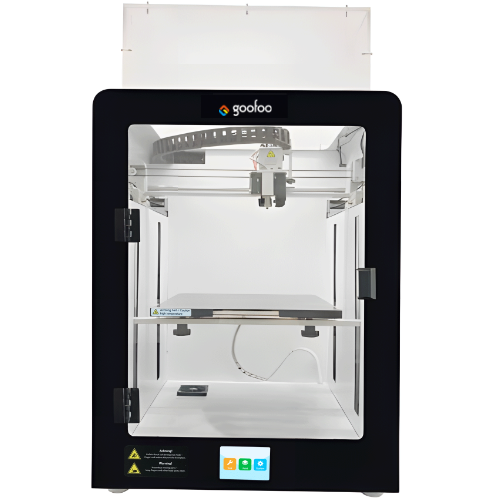
Classic+ Mido/Nova/Plus
- Industrial Industrial
-
Material
Material

Resin series

Dental DM100/TC100/ etc.

Jewelry Jewelry Resin

Generic PW100

Industry High Temp Resin

Garage Kit Red wax
-
Expanded
Expanded
Laser/CNC/3D scanner

TS4030(class1) Laser engraver & cutter 400*300mm
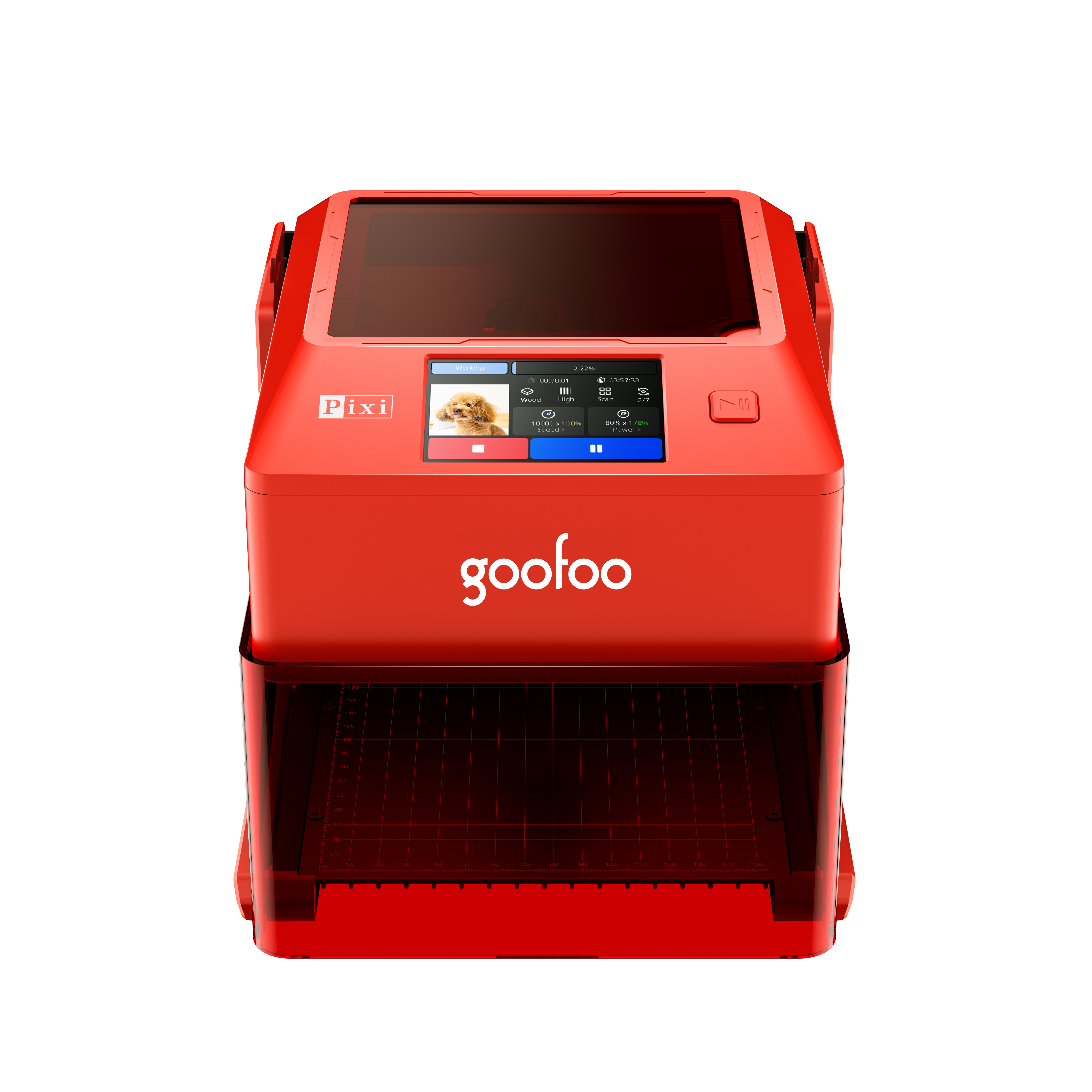
Pixi(class1) Laser engraver & cutter 100*100mm

Mole Highest accuracy 0.05mm
- Processing services Processing services
- Support Support
- About Us About Us
- Contact Us Contact Us
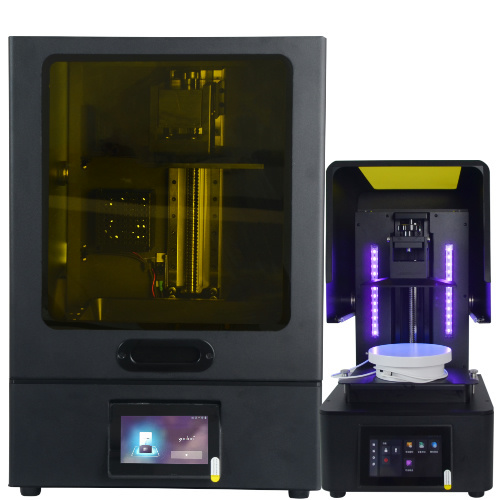


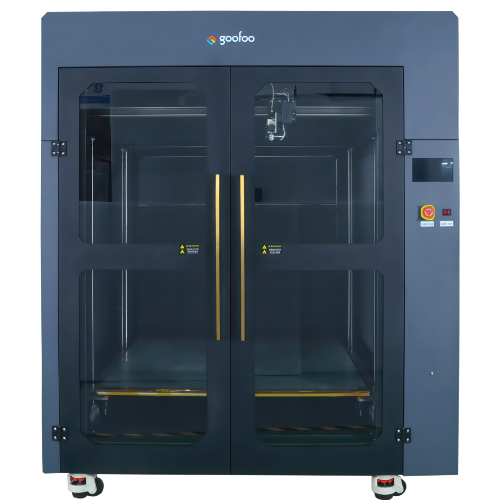














Understanding FDM 3D Printing: A Comprehensive Guide
2025-12-10 12:10
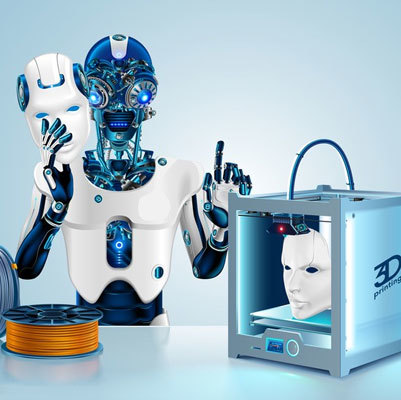
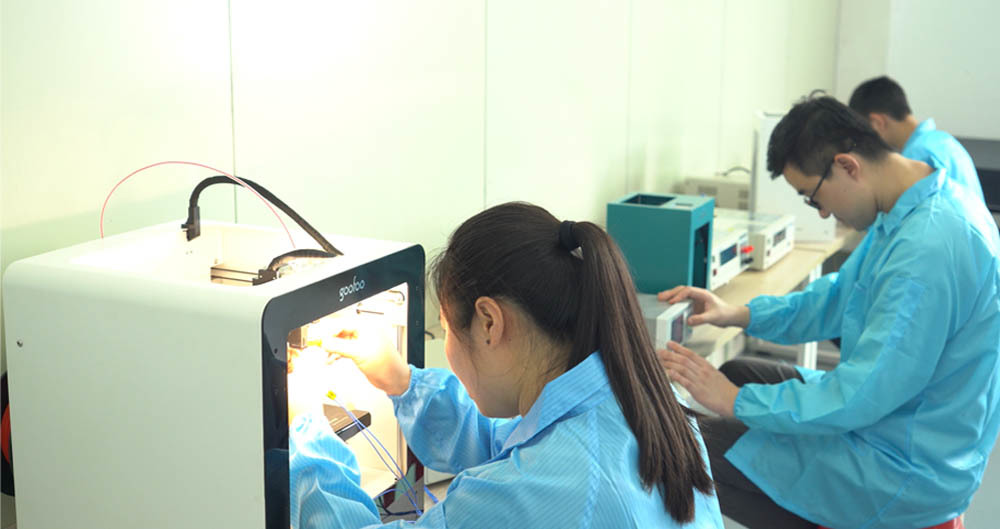
One of the key advantages of FDM is its accessibility. FDM printers are generally easier to operate and maintain compared to other 3D printing technologies, such as Stereolithography (SLA) or Selective Laser Sintering (SLS). This simplicity makes FDM popular among hobbyists and educational institutions, as well as professionals seeking a reliable 3D printing solution.
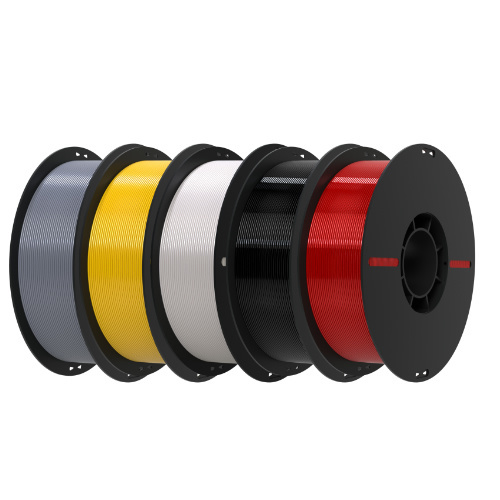
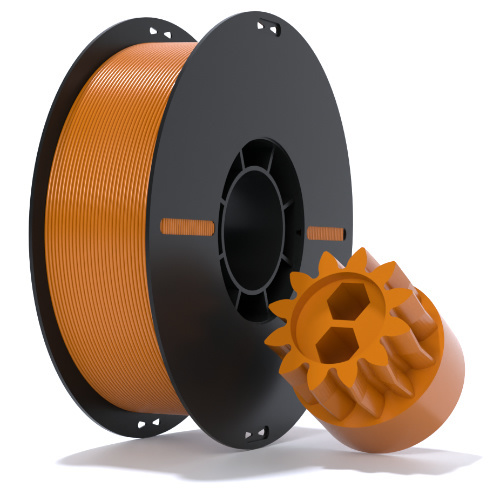
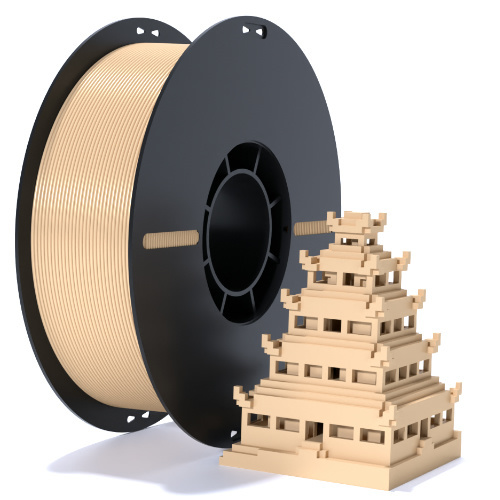
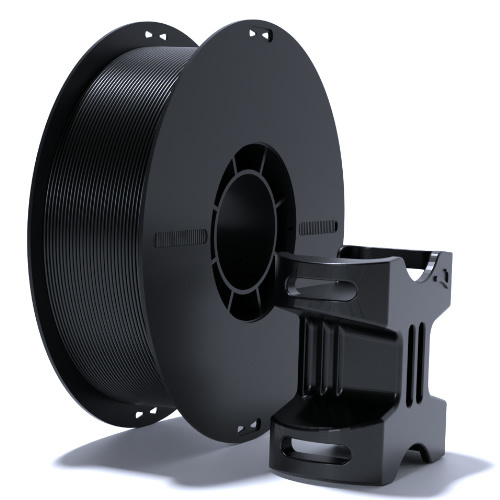
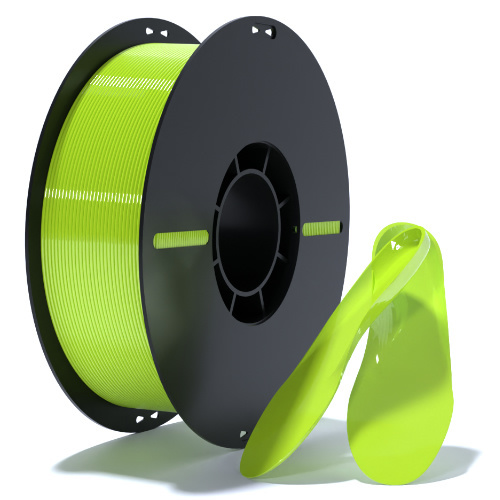
Materials used in FDM printing typically include a variety of thermoplastics, such as PLA (Polylactic Acid) and ABS (Acrylonitrile Butadiene Styrene). PLA is favored for its ease of use and environmental friendliness, while ABS is known for its strength and impact resistance. There are also specialty filaments available, including PETG (Polyethylene Terephthalate Glycol-modified) and flexible materials, allowing for a wider range of applications.
The FDM process begins with the design of a 3D model, created using computer-aided design (CAD) software. Once the model is ready, it is sliced into individual layers using slicing software. This software generates the necessary G-code that instructs the printer on how to create each layer, controlling the movement of the print head and the temperature of the nozzle.
When it comes to print quality, several factors can affect the outcome, such as layer height, print speed, and nozzle temperature. A lower layer height typically results in a smoother finish but increases print time. Conversely, a higher print speed may reduce detail but allows for faster production. Thus, finding the right balance is essential for achieving optimal results.
FDM printing also has numerous applications across various sectors. In the automotive industry, it is used for prototyping and creating end-use parts. In the medical field, FDM can produce customized prosthetics and anatomical models for surgical planning. Additionally, it plays a significant role in educational settings, enabling students to engage with design and engineering concepts hands-on.
In summary, FDM 3D printing is a versatile and accessible technology that continues to evolve. Understanding its principles, advantages, and applications can help individuals and businesses leverage this technology effectively, whether for hobbyist projects, educational purposes, or professional endeavors. As the field of 3D printing expands, staying informed about advancements in FDM can provide valuable insights into its potential and future developments.
3d printer fdm
Recommended News
 Esperanto
 Shqiptare
 Euskara
 Zulu
Zulu
 Latinus
 Cymraeg
 தமிழ்
தமிழ்
 Slovak
 Slovak
 Afrikaans
Join us
Subscribe to get the latest news


Skype / WhatsApp: +86 592-5713513 / +86-13860126490
No.88-3, North Tongji Road, Xike County, Tong'an District, Xiamen, Fujian China
Xiamen Goofoo Technology Co., Ltd. All Rights Reserved 闽ICP备2022008070号-1 SEO 300.cn
Phone:+0086 592-5713513
Address: No.88-3, North Tongji Road, Xike County, Tong’an District, Xiamen, Fujian China
Email: sales@goofoo3d.com
We will give you feedback in time