
- Shop Shop
-
Desktop
Desktop
FDM / FGF

High speed GP1

colorful GP4/GP4-C
Kids Cube/3D Pen
High speed&temp Turbo-m
Pellet Gemini-s/Turbo-s
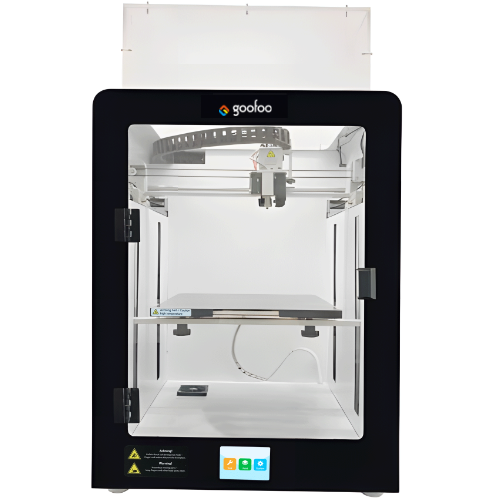
Classic+ Mido/Nova/Plus
- Industrial Industrial
-
Material
Material

Resin series

Dental DM100/TC100/ etc.

Jewelry Jewelry Resin

Generic PW100

Industry High Temp Resin

Garage Kit Red wax
-
Expanded
Expanded
Laser/CNC/3D scanner

TS4030(class1) Laser engraver & cutter 400*300mm
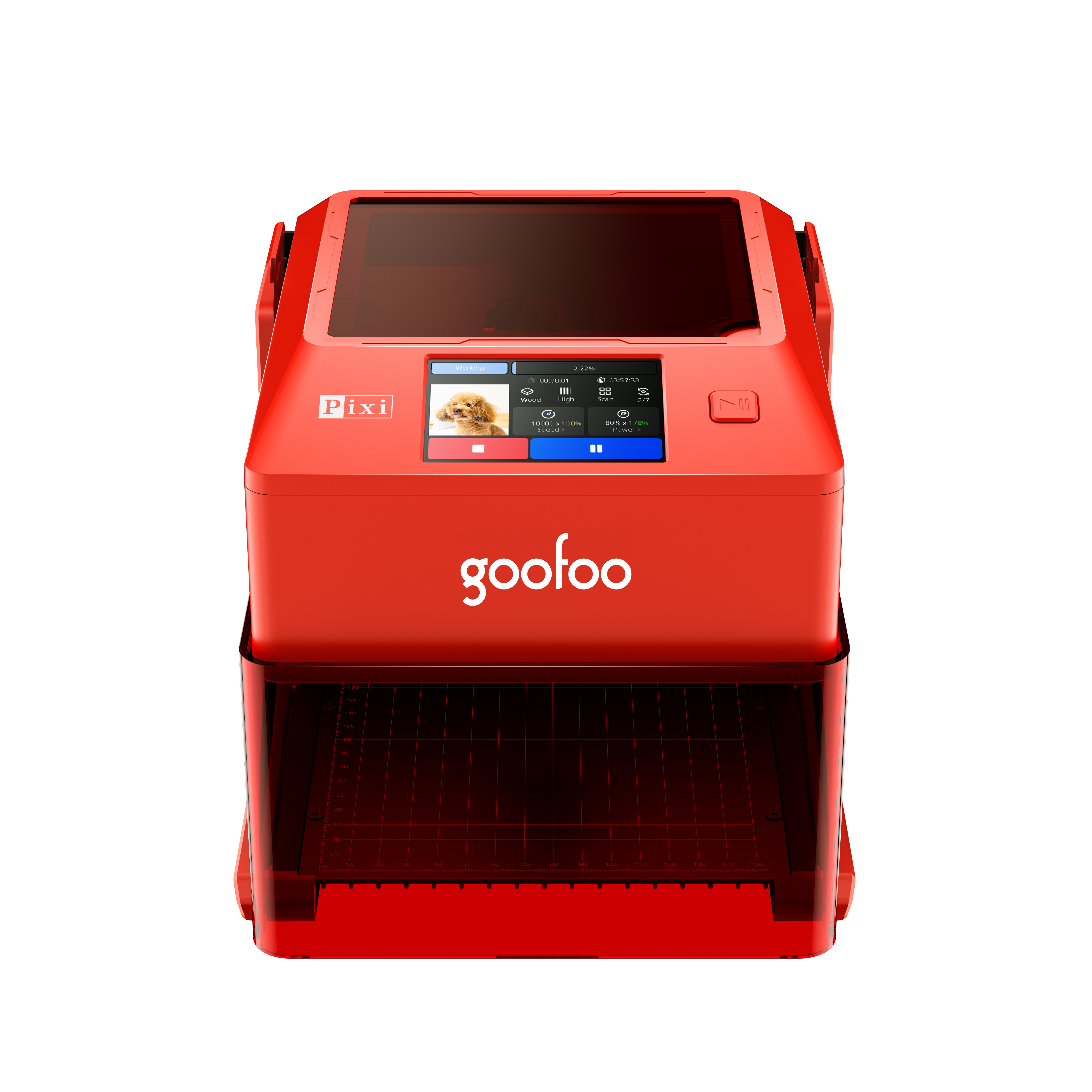
Pixi(class1) Laser engraver & cutter 100*100mm
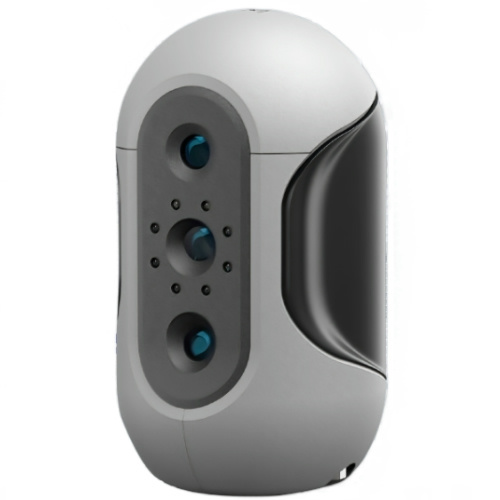
Mole Highest accuracy 0.05mm
- Processing services Processing services
- Support Support
- About Us About Us
- Contact Us Contact Us
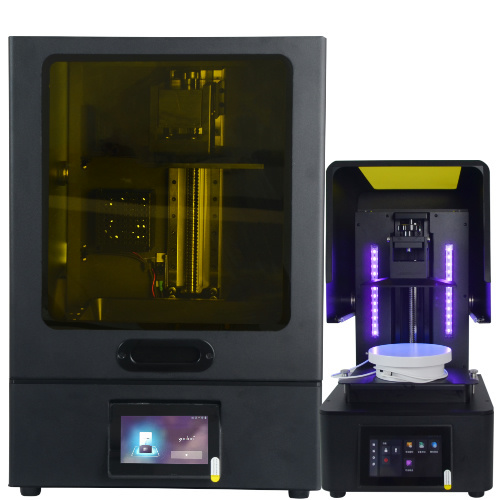


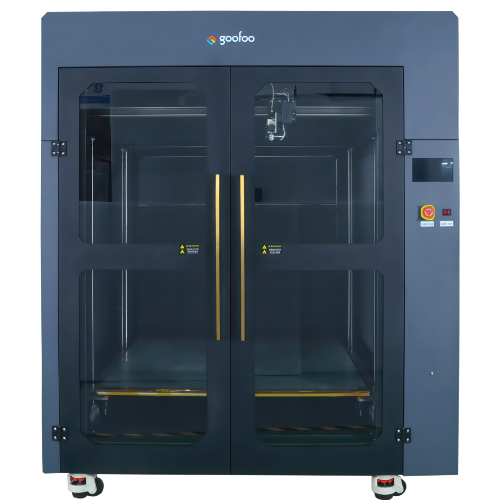


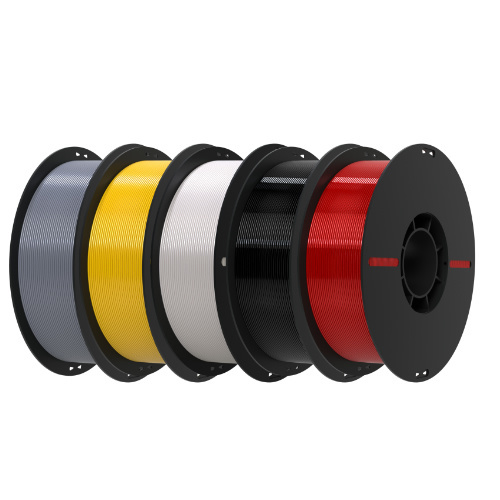
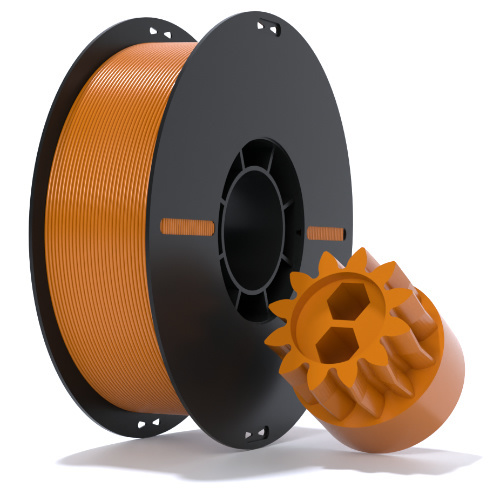
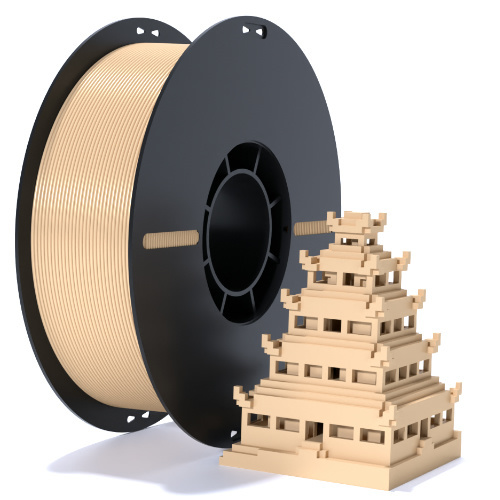












Creating the Future: How 3D Printer Design is Reshaping Industries
2025-12-06 12:30
Creating the Future: How 3D Printer Design is Reshaping Industries
Table of Contents
- 1. Introduction to 3D Printing Technology
- 2. A Brief History of 3D Printing
- 3. How 3D Printers Work: The Basics
- 4. Industries Impacted by 3D Printing
- 4.1 Manufacturing and Prototyping
- 4.2 Healthcare Innovations
- 4.3 Construction Advancements
- 4.4 Aerospace and Automotive Solutions
- 4.5 Art and Design Revolution
- 5. The Sustainability Aspect of 3D Printing
- 6. The Future of 3D Printing Technology
- 7. Challenges and Limitations of 3D Printing
- 8. Conclusion
- 9. Frequently Asked Questions
1. Introduction to 3D Printing Technology
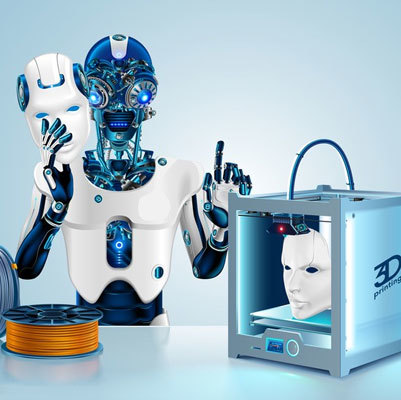
3D printing, also known as additive manufacturing, is not just a technological advancement; it’s a paradigm shift that is fundamentally altering how we produce, design, and think about physical objects. The potential of **3D printer design** extends far beyond simple prototyping; it’s reshaping entire industries by offering innovative solutions that enhance efficiency, reduce waste, and allow for unprecedented levels of customization. As we delve into the intricacies of this technology, we will explore how its design is making waves across various sectors.
2. A Brief History of 3D Printing
The journey of **3D printing** began in the 1980s. The first commercial 3D printer was developed by Chuck Hull, who introduced stereolithography - a technique that uses ultraviolet light to solidify liquid resin layer by layer. This marked the inception of a technology that has since evolved dramatically. Over the years, various methods, such as fused deposition modeling (FDM) and selective laser sintering (SLS), were developed, each contributing to the versatility and efficiency of **3D printing**. Understanding this history is crucial to appreciating the technology's current capabilities and potential.
3. How 3D Printers Work: The Basics
At its core, 3D printing involves creating three-dimensional objects from digital files. The process typically follows these steps:
1. **Designing a 3D Model**: It begins with a digital design, often created using CAD software.
2. **Slicing the Model**: The 3D model is sliced into layers using specialized software, creating a set of instructions for the printer.
3. **Printing**: The 3D printer constructs the object layer by layer, using materials like plastic, metal, or resin, depending on the technology employed.
4. **Post-Processing**: After printing, the object may require additional finishing touches, such as smoothing, painting, or assembling.
Understanding this process illuminates the innovative design aspects of 3D printers that promote efficiency and creativity.
4. Industries Impacted by 3D Printing
3D printing technology transcends traditional manufacturing, impacting various sectors significantly. Below, we explore some of the key industries reshaped by **3D printer design**.
4.1 Manufacturing and Prototyping
In manufacturing, **3D printing** enables rapid prototyping, allowing companies to create physical models quickly and affordably. This speeds up the design process and facilitates testing and iteration. Businesses can produce complex parts that were previously impossible or prohibitively expensive to manufacture using traditional methods.
4.2 Healthcare Innovations
The healthcare sector has seen transformative changes due to 3D printing. Customized prosthetics, dental implants, and even bioprinted tissues are becoming a reality. These innovations not only improve patient outcomes but also reduce costs and lead times, showcasing the power of **3D printer design** in life-saving applications.
4.3 Construction Advancements
The construction industry is experimenting with 3D printing to build structures more efficiently and sustainably. 3D-printed homes can be constructed in a fraction of the time and at a reduced cost compared to traditional building methods. This technology addresses housing shortages and promotes environmentally friendly practices.
4.4 Aerospace and Automotive Solutions
In aerospace and automotive sectors, **3D printing** is revolutionizing the production of lightweight, complex components. Manufacturers can create parts that reduce weight, enhance performance, and lower fuel consumption. This not only improves product efficiency but also supports the industry’s push towards sustainability.
4.5 Art and Design Revolution
The art and design fields have embraced **3D printing** for its ability to bring imaginative concepts to life. Artists and designers can create intricate artworks and bespoke items that challenge traditional boundaries. This technology provides a platform for experimentation, leading to innovative and unique creations.
5. The Sustainability Aspect of 3D Printing
Sustainability is a critical concern in modern manufacturing practices, and **3D printing** offers a path towards reducing environmental impact. By minimizing material waste and enabling local production, this technology supports sustainable practices. Additionally, innovations in biodegradable materials and recycling processes are further enhancing the eco-friendliness of 3D printing.
6. The Future of 3D Printing Technology
Looking ahead, the future of **3D printing** is bright. With advancements in materials science, printer capabilities, and software, the possibilities are virtually limitless. We anticipate more widespread adoption across industries, further innovations in bioprinting, and enhanced customization options. As technology continues to evolve, so will the ways we leverage **3D printing** for practical and creative solutions.
7. Challenges and Limitations of 3D Printing
Despite its advantages, **3D printing** is not without challenges. Issues such as material limitations, printing speed, and quality control can impede its widespread adoption. Additionally, intellectual property concerns and regulatory hurdles pose significant challenges that need addressing to ensure the technology's sustainable growth.
8. Conclusion
In summary, **3D printer design** is not merely a technological advancement; it is a catalyst for transformation across multiple industries. From manufacturing to healthcare, and from construction to art, the applications of 3D printing are revolutionizing how we create and produce. As we continue to explore its potential and overcome existing challenges, we can expect **3D printing** to play an increasingly vital role in shaping the future.
9. Frequently Asked Questions
What are the main types of 3D printing technologies?
The main types include Fused Deposition Modeling (FDM), Stereolithography (SLA), and Selective Laser Sintering (SLS), each with unique applications and advantages.
How does 3D printing benefit small businesses?
Small businesses can utilize 3D printing for rapid prototyping, reducing costs associated with traditional manufacturing, and enabling customization, thus allowing them to compete more effectively.
Can 3D printing help with environmental sustainability?
Yes, 3D printing can reduce material waste and enable local production, contributing to a more sustainable manufacturing process.
What materials are commonly used in 3D printing?
Common materials include plastics (like PLA and ABS), metals, ceramics, and even bio-materials for medical applications.
Is 3D printing suitable for mass production?
While traditionally used for prototyping and small batches, advancements in technology are making it increasingly viable for mass production, especially for complex, customized parts.
In crafting this comprehensive exploration of **3D printer design**, we aim to provide valuable insights into how this technology is reshaping industries, emphasizing its significance, potential, and future.
3d printer design
Recommended News
 Esperanto
 Shqiptare
 Euskara
 Zulu
Zulu
 Latinus
 Cymraeg
 தமிழ்
தமிழ்
 Slovak
 Slovak
 Afrikaans
Join us
Subscribe to get the latest news


Skype / WhatsApp: +86 592-5713513 / +86-13860126490
No.88-3, North Tongji Road, Xike County, Tong'an District, Xiamen, Fujian China
Xiamen Goofoo Technology Co., Ltd. All Rights Reserved 闽ICP备2022008070号-1 SEO 300.cn
Phone:+0086 592-5713513
Address: No.88-3, North Tongji Road, Xike County, Tong’an District, Xiamen, Fujian China
Email: sales@goofoo3d.com
We will give you feedback in time