
- Shop Shop
-
Desktop
Desktop
FDM / FGF

High speed GP1

colorful GP4/GP4-C
Kids Cube/3D Pen
High speed&temp Turbo-m
Pellet Gemini-s/Turbo-s
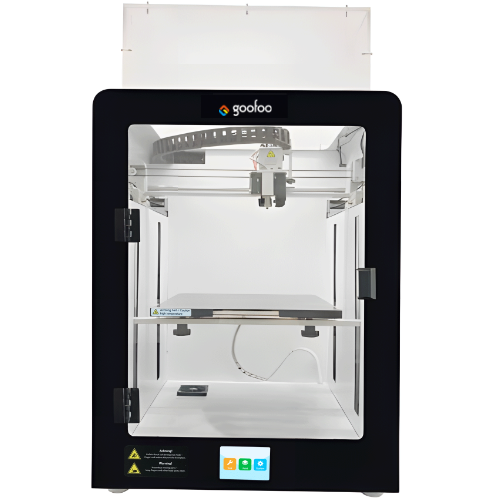
Classic+ Mido/Nova/Plus
- Industrial Industrial
-
Material
Material

Resin series

Dental DM100/TC100/ etc.

Jewelry Jewelry Resin

Generic PW100

Industry High Temp Resin

Garage Kit Red wax
-
Expanded
Expanded
Laser/CNC/3D scanner

TS4030(class1) Laser engraver & cutter 400*300mm
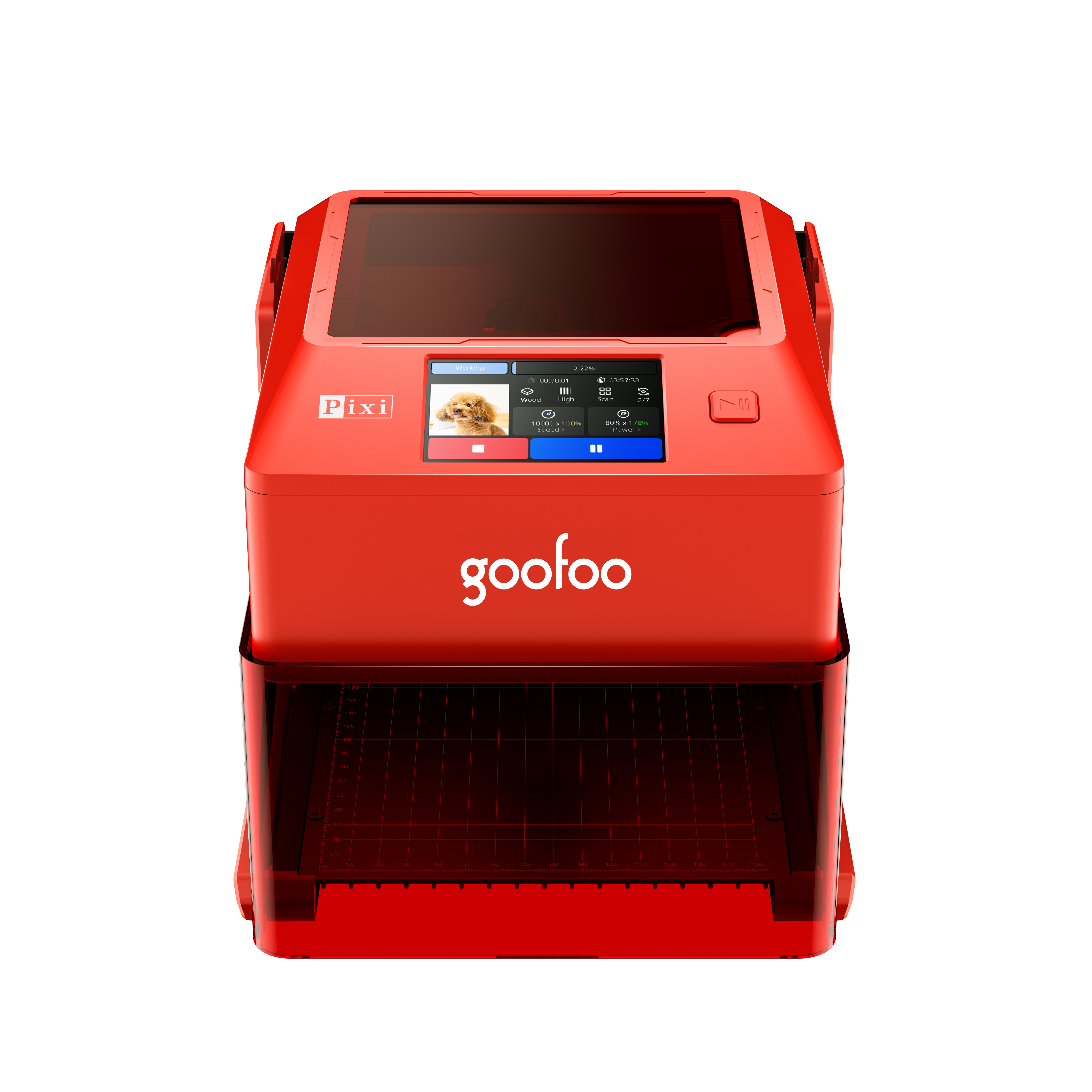
Pixi(class1) Laser engraver & cutter 100*100mm
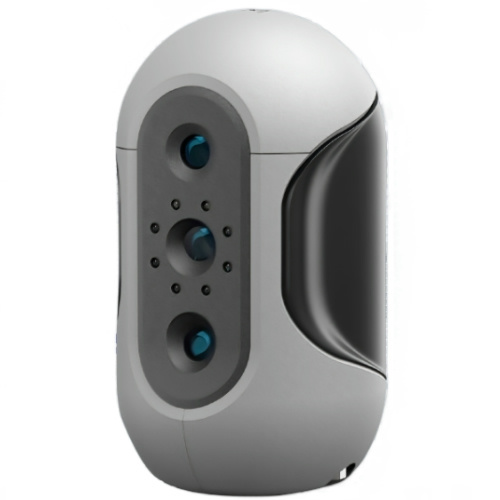
Mole Highest accuracy 0.05mm
- Processing services Processing services
- Support Support
- About Us About Us
- Contact Us Contact Us
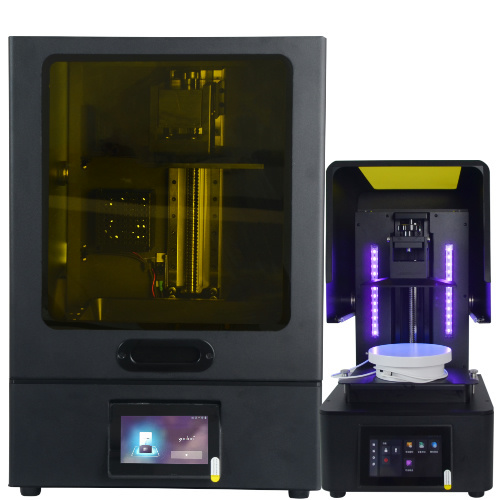

















Everything You Need to Know About 3D Printer Files
2024-01-26 11:20
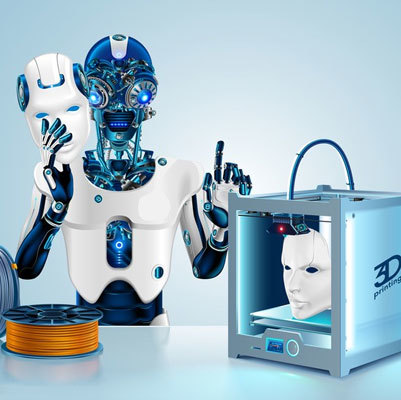
In the realm of computer and digital products, there exists a vast array of innovative technologies that continue to revolutionize various industries. One such technology is 3D printing, which has gained immense popularity in recent years. To fully comprehend the potential of 3D printing, it is essential to understand 3D printer files – the digital blueprints that bring these physical creations to life. In this article, we will delve into the world of 3D printer files, their significance, and how they contribute to the ever-evolving landscape of computer and digital products.
Understanding 3D Printer Files:
When it comes to 3D printing, the process begins with a digital design file, commonly referred to as a 3D printer file. These files serve as a blueprint or instruction set for the 3D printer, guiding it in creating the desired object layer by layer. The most widely used format for 3D printer files is STL (Standard Tessellation Language), known for its compatibility with various slicing software and 3D printers.
Types of 3D Printer Files:
There are several types of 3D printer files available, each serving a specific purpose. The most common ones include:
1. Object Files (OBJ): OBJ files contain information about the geometry of an object, including its shape and texture. They are widely used in 3D modeling software and can be converted into printable formats.
2. CAD Files: Computer-Aided Design (CAD) files are highly versatile and widely used in the engineering and manufacturing industries. They provide intricate details about the design, dimensions, and specifications of an object.
3. G-code Files: G-code is a programming language that controls the movements of the 3D printer. G-code files contain instructions such as nozzle position, speed, and temperature, enabling the printer to accurately replicate the digital design.
Importance of 3D Printer Files:
3D printer files play a crucial role in the 3D printing process. They allow individuals and industries to bring their creative ideas to life, enabling the production of complex and customized objects. These files offer the flexibility to modify designs, experiment with different materials, and create prototypes without the need for expensive tooling or manufacturing processes.
Accessing 3D Printer Files:
With the rapid growth of the 3D printing industry, there are numerous platforms and online repositories where users can access a wide range of 3D printer files. Websites like Thingiverse, MyMiniFactory, and Cults 3D offer an extensive library of downloadable files, covering a vast array of objects and categories. Additionally, many designers and enthusiasts share their creations on these platforms, fostering a vibrant and collaborative community.
Conclusion:
In the world of computer and digital products, 3D printing has emerged as a game-changing technology. The availability of 3D printer files has made it easier than ever to transform digital designs into physical objects. By understanding the different types of 3D printer files and their significance, individuals and industries can unlock the full potential of 3D printing, revolutionizing manufacturing, design, and innovation across various sectors. Embrace the power of 3D printer files and embark on a journey of limitless possibilities.
3d printer files
Recommended News
 Esperanto
 Shqiptare
 Euskara
 Zulu
Zulu
 Latinus
 Cymraeg
 தமிழ்
தமிழ்
 Slovak
 Slovak
 Afrikaans
Join us
Subscribe to get the latest news


Skype / WhatsApp: +86 592-5713513 / +86-13860126490
No.88-3, North Tongji Road, Xike County, Tong'an District, Xiamen, Fujian China
Xiamen Goofoo Technology Co., Ltd. All Rights Reserved 闽ICP备2022008070号-1 SEO 300.cn
Phone:+0086 592-5713513
Address: No.88-3, North Tongji Road, Xike County, Tong’an District, Xiamen, Fujian China
Email: sales@goofoo3d.com
We will give you feedback in time