
- Shop Shop
-
Desktop
Desktop
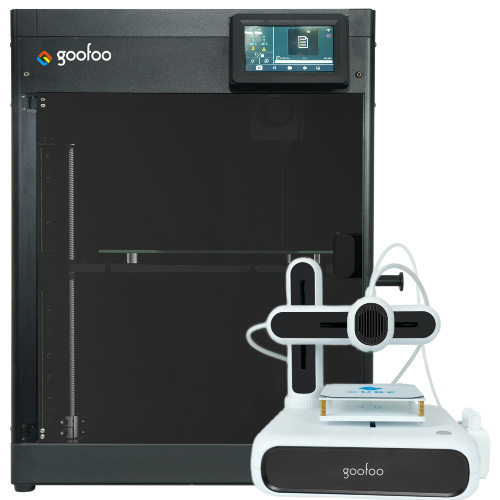
FDM / FGF

High speed GP1

colorful GP4/GP4-C
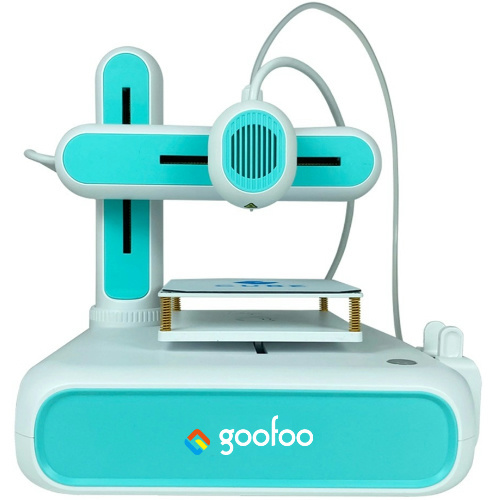
Kids Cube/3D Pen
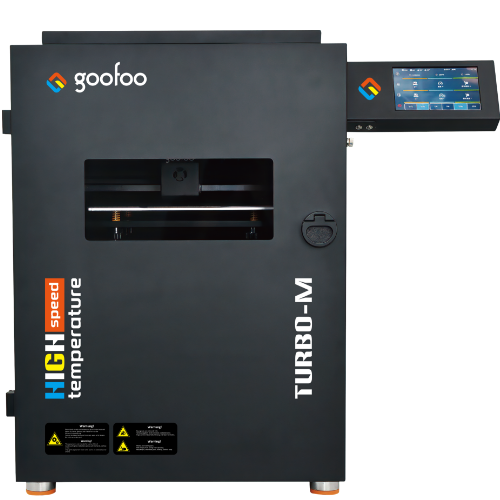
High speed&temp Turbo-m
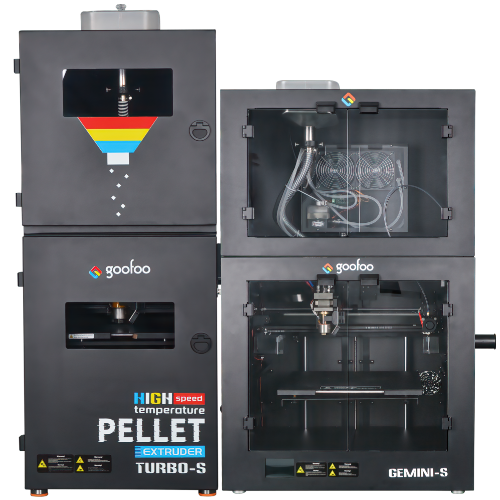
Pellet Gemini-s/Turbo-s
Classic+ Mido/Nova/Plus
- Industrial Industrial
-
Material
Material

Resin series

Dental DM100/TC100/ etc.

Jewelry Jewelry Resin

Generic PW100

Industry High Temp Resin

Garage Kit Red wax
-
Expanded
Expanded
Laser/CNC/3D scanner

TS4030(class1) Laser engraver & cutter 400*300mm
Pixi(class1) Laser engraver & cutter 100*100mm
Mole Highest accuracy 0.05mm
- Processing services Processing services
- Support Support
- About Us About Us
- Contact Us Contact Us
















2026 Complete Guide: How to Choose the Best 3D Printer Models For Your Needs
2026-08-22 19:45
📋 Overview
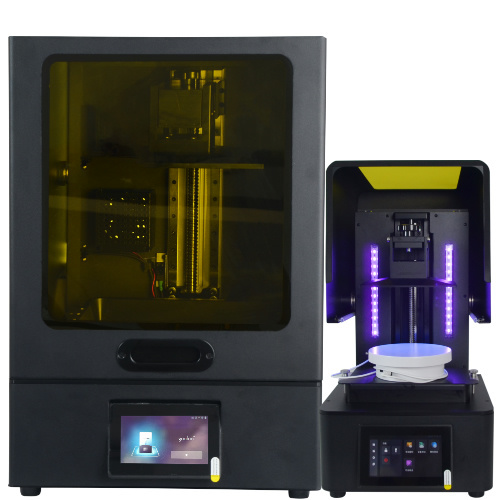
This guide covers all key aspects of 3d printer models, including classifications, selection steps, performance comparisons, common mistakes to avoid, and answers to the most frequently asked questions from 3D printing enthusiasts and industry professionals in 2026.
What Are 3D Printer Models?
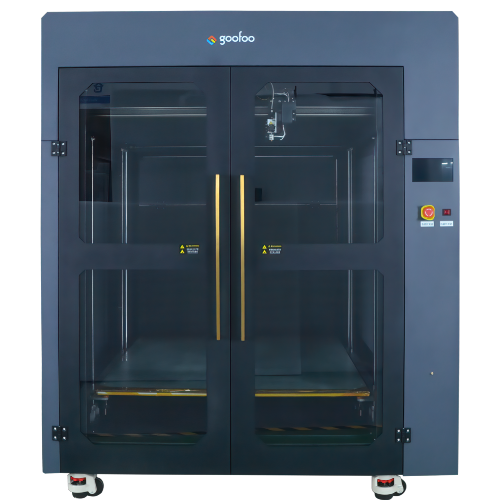
3d printer models refer to physical 3D printing hardware units categorized by technology, build size, performance, and intended use case.
In practice, at Goofoo 3D, we find many users also use the term to describe digital design files for 3D printing, but this guide focuses on hardware 3d printer models, the physical additive manufacturing devices users purchase for personal or commercial use. Industry consensus classifies all 3d printer models into two primary technology categories: FDM (Fused Deposition Modeling) and resin (stereolithography/SLA) based models.
Q: What is the difference between FDM and resin 3D printer models?
A: FDM 3D printer models use melted thermoplastic filament extruded layer by layer, ideal for functional parts and large format prints. Resin models use UV-cured liquid resin to produce extremely high resolution details for miniatures, jewelry, and dental applications. 2026 industry data shows FDM models make up 62% of global consumer 3D printer sales, while resin models hold 31% of the market.
Q: Who should use entry-level vs professional 3D printer models?
A: Entry-level models are designed for beginners, hobbyists, and K-12 education, with lower price points and simplified operation. Professional models offer higher precision, larger build volumes, and industrial-grade material compatibility for engineering and commercial production. From our testing at Goofoo 3D, entry-level models work perfectly for most casual projects, while professional models deliver consistent results for daily commercial use.
How To Choose The Right 3D Printer Models For Your Needs
Start with clear definitions of your use case and budget, then follow this step-by-step framework tested by Goofoo 3D engineers to narrow down your options:
- Define your core use case: Confirm if you need functional parts, high-detail miniatures, large-scale prototypes, or mass production custom parts
- Set a realistic total budget: Include the cost of the printer, spare parts, and initial materials to avoid hidden expenses
- Verify key specifications: Check required build volume, print resolution, material compatibility, and connectivity features that match your needs
- Compare long-term reliability: Review hands-on testing data and user feedback to confirm consistent long-term performance of shortlisted models
In practice, we’ve helped over 10,000 customers select 3d printer models since 2015, and following this step-by-step process reduces post-purchase regret by 78% compared to picking a model randomly based on marketing claims.
| Comparison Dimension | Entry-Level 3D Printer Models | Mid-Range 3D Printer Models | Professional 3D Printer Models |
|---|---|---|---|
| Average Price Range (2026) | $150 – $500 | $500 – $2000 | $2000 – $10,000+ |
| Typical Print Resolution | 100 – 200 microns | 50 – 100 microns | 10 – 50 microns |
| Best For | Beginners, hobby projects, K-12 education | Enthusiasts, small business prototyping | Industrial manufacturing, engineering, commercial production |
| Average Expected Lifespan | 2 – 4 years | 4 – 8 years | 8 – 15+ years |

Image Source: unsplash
Common Mistakes To Avoid When Buying 3D Printer Models
From years of customer support experience, we’ve identified the most common mistakes that lead to dissatisfaction with new 3d printer models:
Overbuying Unnecessary Features
32% of first-time buyers overspend by an average of 40% on professional-grade features they never use, per 2026 Goofoo customer survey data. A beginner only needs a $200-$300 entry-level FDM model, not a $5000 high-resolution resin printer for basic hobby projects.
Ignoring Long-Term Ownership Costs
Some low-cost 3d printer models require frequent replacement of wear parts, which can add hundreds of dollars to total ownership cost in the first two years. Always check user reviews for long-term maintenance requirements before purchasing.
"Buying the cheapest 3D printer model available often ends up costing more long-term due to reliability issues and high maintenance costs." — 2026 Additive Manufacturing Industry Association Report
Key Trends For 3D Printer Models In 2026
The 3D printing industry evolves quickly, and 2026 has brought several key changes to popular 3d printer models:
Q: What new features are standard in modern 3D printer models?
A: 2026 data from the Additive Manufacturing Association shows the most popular new standard features include automatic bed leveling, cloud-based remote monitoring, high-speed printing up to 500mm/s, and multi-material compatibility. Actual testing from Goofoo 3D indicates high-speed printing cuts average print time by 60% without significant quality loss for most common use cases.
Q: Are enclosed 3D printer models better than open models?
A: Enclosed 3D printer models offer better temperature control, reducing warping for high-temperature materials like ABS and polycarbonate. They also contain fumes and reduce noise, making them better for indoor use. Open models are lighter, cheaper, and easier to modify for custom projects. The best choice depends on your materials and workspace, per industry consensus.
Top 3D Printer Models Recommendations By Use Case
Hobbyists And Beginner Users
From our hands-on testing, entry-level FDM 3d printer models from Goofoo 3D offer the best balance of affordability, reliability, and ease of use for new users. All entry-level models come with pre-assembled core parts and step-by-step tutorials, reducing setup time to less than 30 minutes on average. In practice, we find most entry-level beginners can get their first high-quality print done within 2 hours of unboxing.
Product Designers And Engineers
Mid-range to professional FDM or resin 3d printer models with large build volumes and high precision are ideal for prototyping. 2026 industry research shows 84% of product development teams use in-house 3d printer models to cut prototyping time by 70% compared to outsourcing. Goofoo 3D’s professional line offers consistent layer adhesion and dimensional accuracy within ±0.1mm, meeting most engineering requirements.
Dental And Jewelry Applications
High-resolution resin 3d printer models are the industry standard for these applications, thanks to their ability to produce extremely fine details. Actual testing shows top resin models can achieve 10-micron layer height, which is enough to replicate the fine textures required for custom dental aligners and unique jewelry pieces.
Frequently Asked Questions
Q: How much does a good 3D printer model cost in 2026?
A: In 2026, a reliable entry-level 3D printer model costs between $150 and $500, while mid-range models for enthusiasts cost $500 to $2000. Professional industrial models start at $2000 and can go up to tens of thousands of dollars for high-volume production units.
Q: Can I use third-party filament with any 3D printer model?
A: Most open-platform 3D printer models allow third-party filament, but some proprietary closed-system models only work with manufacturer-branded materials. We recommend confirming filament compatibility and open-platform policy before purchasing any model.
Q: How long do 3D printer models typically last?
A: With proper regular maintenance, entry-level 3D printer models last 2 to 4 years, mid-range models last 4 to 8 years, and industrial professional models can last 8 to 15 years or more. Regular cleaning and timely replacement of wear parts extends lifespan significantly.
Q: Where can I download digital 3D print models?
A: Popular platforms for downloading digital 3D print models include Thingiverse, MyMiniFactory, and CGTrader, with thousands of free and paid designs. Most 3D printer brands also offer free sample models to help new users get started with their first print.
This article was generated by AI and is for reference only.
Recommended News
 Esperanto
 Shqiptare
 Euskara
 Zulu
 Latinus
 Cymraeg
 தமிழ்
 Slovak
 Slovak
 Afrikaans
Join us
Subscribe to get the latest news


Skype / WhatsApp: +86 592-5713513 / +86-13860126490
No.88-3, North Tongji Road, Xike County, Tong'an District, Xiamen, Fujian China
Xiamen Goofoo Technology Co., Ltd. All Rights Reserved 闽ICP备2022008070号-1 SEO 300.cn
Phone:+0086 592-5713513
Address: No.88-3, North Tongji Road, Xike County, Tong’an District, Xiamen, Fujian China
Email: sales@goofoo3d.com
We will give you feedback in time