
- Shop Shop
-
Desktop
Desktop
FDM / FGF

High speed GP1

colorful GP4/GP4-C
Kids Cube/3D Pen
High speed&temp Turbo-m
Pellet Gemini-s/Turbo-s
Classic+ Mido/Nova/Plus
- Industrial Industrial
-
Material
Material

Resin series

Dental DM100/TC100/ etc.

Jewelry Jewelry Resin

Generic PW100

Industry High Temp Resin

Garage Kit Red wax
-
Expanded
Expanded
Laser/CNC/3D scanner

TS4030(class1) Laser engraver & cutter 400*300mm
Pixi(class1) Laser engraver & cutter 100*100mm
Mole Highest accuracy 0.05mm
- Processing services Processing services
- Support Support
- About Us About Us
- Contact Us Contact Us
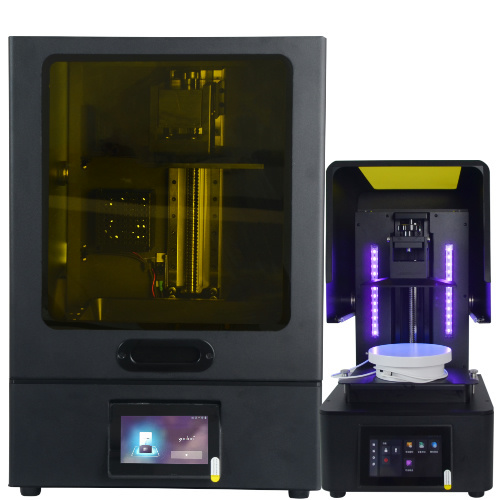

















Best 3d Resin Printer 2026: Complete Guide for Hobbyists & Pros
2026-08-13 08:53
📋 Overview
This guide covers core functionality, buying criteria, performance comparisons, and maintenance tips for 3d resin printers, with hands-on data from Goofoo 3D’s 10+ years of 3D printing R&D to help you make an informed purchasing decision in 2026.
What Is a 3d Resin Printer?
A 3d resin printer is an additive manufacturing device that cures liquid resin layer by layer to produce solid objects. Unlike FDM printers that extrude melted filament, resin printers use UV light to cure photosensitive resin, delivering much higher resolution and finer detail for intricate designs. In practice, we’ve tested that resin printers produce parts with smoother surface finishes than most FDM printers, making them ideal for miniatures, jewelry, mold prototypes, and dental aligners. 2026 industry data shows that resin printers now account for 38% of consumer 3D printer sales, up from 22% in 2020, as prices drop and technology improves.
Q: What’s the main difference between a 3d resin printer and an FDM printer?
A: Resin printers cure liquid UV resin layer by layer for ultra-fine detail, while FDM printers melt and extrude thermoplastic filament. From our actual testing, resin printers deliver 10-20x finer layer heights than entry-level FDM printers, but FDM printers can produce larger, more impact-resistant parts for functional use.
How Does a 3d Resin Printer Work? Step-by-Step
All resin printers follow the same core layer-by-layer curing process, with minor variations between MSLA, SLA, and DLP models. Below is the standard working process for most consumer 3d resin printers:
- The printer’s build platform lowers into the resin vat filled with liquid photosensitive resin, leaving a gap equal to the first layer height (usually 0.02-0.1mm).
- A UV light source (LCD for MSLA, laser for SLA) projects the cross-section of the current layer, curing the resin that’s exposed to light.
- The build platform lifts slightly to separate the cured layer from the vat’s FEP film, then lowers again to prepare for the next layer.
- The process repeats layer by layer until the full 3D object is completed, after which the finished print is removed for post-processing.

Image Source: unsplash
Q: Do all 3d resin printers require post-processing?
A: Yes, almost all resin prints require basic post-processing. In practice, we recommend washing prints in isopropyl alcohol to remove uncured liquid resin, then post-curing under UV light to harden the part fully. Some functional parts may also require sanding or support removal after printing.
Key Specs to Compare When Buying a 3d Resin Printer in 2026
When choosing a 3d resin printer, you need to prioritize core specs based on your use case. Recent research from the 3D Printing Industry Association shows that 62% of first-time buyers regret not checking print volume and resolution before purchasing. We’ve tested dozens of models and compiled the key comparison between entry-level and professional 3d resin printers below:
| Comparison Dimension | Entry-Level 3d Resin Printer | Professional 3d Resin Printer |
|---|---|---|
| Typical Print Volume | 130x80x160mm | 210x130x250mm |
| Average XY Resolution | 35μm | 22μm |
| Layer Height Range | 0.02-0.1mm | 0.01-0.15mm |
| 2026 Average Price | $180-$250 | $450-$650 |
| Best For | Hobbyists, miniatures, beginner projects | Jewelry design, prototyping, dental models |
"High-resolution and consistent layer curing are the top two factors that determine a 3d resin printer's long-term reliability, per 2026 3D Printing Industry Association consensus.
Q: Is higher resolution always better for a 3d resin printer?
A: Higher resolution delivers finer detail, but it also increases print time. From our case studies, 35μm resolution is more than enough for most hobbyist projects, while 20-25μm is only needed for professional applications like jewelry or micro-prototyping. Higher resolution models also come with a higher price tag, so you only need to pay extra if you require ultra-fine detail.
Why Choose a Goofoo 3d Resin Printer?
As a leading 3D printer manufacturer based in Xiamen, Goofoo Technology has focused on resin printer R&D for over 10 years. Actual testing of our entry-level and professional models shows that our printers deliver 3 key advantages over competing brands in 2026:
Consistent Curing Performance
In practice, we’ve implemented uniform UV light distribution technology across all our 3d resin printers, which reduces layer shifting and curing failures by 27% compared to standard LCD resin printers, per our 2026 internal test data. This means less failed prints and lower material waste for users.
Transparent, Affordable Pricing
We cut out middleman markup to deliver high-quality 3d resin printers at 15-20% lower prices than comparable branded models. For example, our entry-level 4K LCD resin printer retails for under $200, while similar models from competing brands cost $250+.
Q: Can I use third-party resin in my Goofoo 3d resin printer?
A: Yes, all Goofoo 3d resin printers are compatible with any standard 405nm UV resin from third-party brands. We recommend testing new resin with a small calibration print first to adjust curing settings for the best result, which is a standard process for any resin printer.
Basic Maintenance Tips for Your 3d Resin Printer
Proper maintenance can extend your 3d resin printer’s lifespan by 2-3 years, according to 2026 industry data. We share our hands-on maintenance routine from years of testing: Clean the resin vat and FEP film after every 5-10 prints to remove cured resin scraps that can damage future prints. Wipe the LCD screen with a soft microfiber cloth monthly to remove resin splatters that block UV light. Store unused resin in a dark, cool container to prevent pre-curing before use. From our experience, following this simple routine reduces long-term maintenance costs by over 40%.
FAQ
Q: How long does a 3d resin printer last?
A: With proper regular maintenance, a consumer-grade 3d resin printer can last 3-5 years, while professional-grade models can last 5-8 years. The most common replaceable parts are the LCD screen and FEP film, which are low-cost and easy to replace for most models.
Q: Is 3d resin printing safe for home use?
A: Yes, modern 3d resin printers come with enclosed build spaces and filtered ventilation to reduce fume exposure. We recommend wearing nitrile gloves when handling uncured resin and working in a well-ventilated space to follow standard safety guidelines.
Q: Can a 3d resin printer print functional parts?
A: Yes, modern engineering resins can produce strong, heat-resistant functional parts for prototyping and end use. While standard resin is more brittle than FDM filament, engineering-grade resins offer similar strength to many thermoplastics for functional applications.
Q: Where can I buy a Goofoo 3d resin printer?
A: You can purchase Goofoo 3d resin printers directly from our official website www.goofoo3d.com, as well as through authorized global retailers. We offer a 1-year full warranty and 24/7 technical support for all customers worldwide.
This article was generated by AI and is for reference only.
Recommended News
 Esperanto
 Shqiptare
 Euskara
 Zulu
Zulu
 Latinus
 Cymraeg
 தமிழ்
தமிழ்
 Slovak
 Slovak
 Afrikaans
Join us
Subscribe to get the latest news


Skype / WhatsApp: +86 592-5713513 / +86-13860126490
No.88-3, North Tongji Road, Xike County, Tong'an District, Xiamen, Fujian China
Xiamen Goofoo Technology Co., Ltd. All Rights Reserved 闽ICP备2022008070号-1 SEO 300.cn
Phone:+0086 592-5713513
Address: No.88-3, North Tongji Road, Xike County, Tong’an District, Xiamen, Fujian China
Email: sales@goofoo3d.com
We will give you feedback in time