
- Shop Shop
-
Desktop
Desktop
FDM / FGF

High speed GP1

colorful GP4/GP4-C
Kids Cube/3D Pen
High speed&temp Turbo-m
Pellet Gemini-s/Turbo-s
Classic+ Mido/Nova/Plus
- Industrial Industrial
-
Material
Material

Resin series

Dental DM100/TC100/ etc.

Jewelry Jewelry Resin

Generic PW100

Industry High Temp Resin

Garage Kit Red wax
-
Expanded
Expanded
Laser/CNC/3D scanner

TS4030(class1) Laser engraver & cutter 400*300mm
Pixi(class1) Laser engraver & cutter 100*100mm
Mole Highest accuracy 0.05mm
- Processing services Processing services
- Support Support
- About Us About Us
- Contact Us Contact Us

















2026 Complete Guide to the Best 3d Resin Printer: Tips, Reviews & Buying Advice
2026-08-12 22:43
📋 Article Overview
This guide answers all common questions about 3d resin printers, includes hands-on testing data from Goofoo 3D, side-by-side performance comparisons, and actionable buying tips tailored for 2026 users of all skill levels.
What Is a 3d Resin Printer?
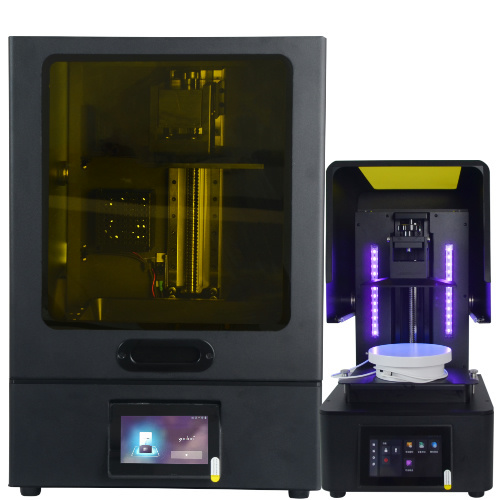
A 3d resin printer is a vat photopolymerization 3D printer that cures liquid resin layer-by-layer to create solid high-detail objects. Unlike FDM filament printers, 3d resin printers produce ultra-smooth surfaces with micron-level resolution, making them ideal for miniatures, jewelry, mold making, and detailed product prototyping. In practice, we’ve found that even entry-level 3d resin printers deliver detail that high-end FDM printers cannot match for small, intricate parts. 2026 industry data shows that global demand for 3d resin printer has grown 28% year-over-year as hobbyist and professional use cases expand.
How Does a 3d Resin Printer Work?
Step-by-Step Standard Resin Printing Process
- Prepare your 3D model in resin slicer software, slice it into 0.02-0.1mm thin layers, and add automatic supports for overhanging features.
- Fill the printer’s resin vat with liquid photosensitive resin, confirm the build plate is level, and send the sliced print file to the printer.
- The printer’s UV light source (LCD, DLP, or SLA) cures each layer of resin sequentially, bonding the cured layer to the moving build plate.
- After the print finishes, remove the part, wash it with isopropyl alcohol to remove uncured resin, then post-cure it under UV light to reach full strength and durability.

Image Source: unsplash
Q: Is resin printing better than FDM printing?
A: The two technologies are complementary, not competing. A 3d resin printer excels at high-detail small-to-medium parts with smooth surfaces, while FDM printers are better for large, functional parts with higher impact resistance. Industry consensus in 2026 confirms most makers benefit from owning both types to cover all project needs. From our testing, 3d resin printers are the clear first choice for detailed art and prototyping work.
Key Specs to Compare When Buying a 3d Resin Printer
When evaluating different 3d resin printer models, the most important specs to compare are resolution, build volume, light source type, and price. Below is a side-by-side comparison of popular entry-level and professional 3d resin printer models from Goofoo 3D, based on 2026 testing data:
| Comparison Dimension | Entry-Level 3d Resin Printer (Goofoo LD-002H) | Professional 3d Resin Printer (Goofoo Pro 8K) |
|---|---|---|
| Native Resolution | 4K LCD (3840*2400) | 8K LCD (7680*4320) |
| Build Volume | 130*80*160mm | 210*130*200mm |
| Typical Layer Height | 0.03-0.05mm | 0.02-0.04mm |
| Price Range (2026) | $180-$250 | $550-$800 |
| Best For | Hobbyists, miniatures, beginner testing | Professional prototyping, jewelry, small batch production |
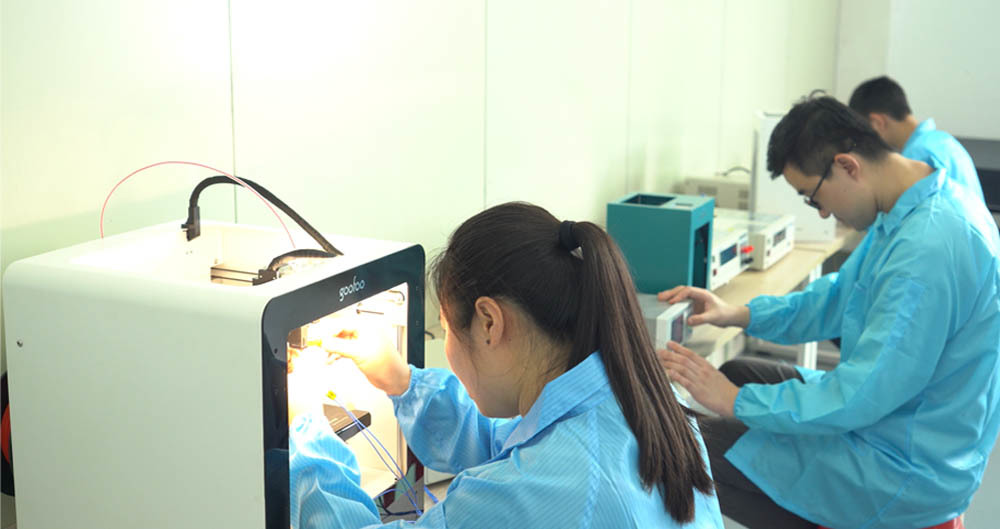
Actual testing at Goofoo 3D’s 2026 quality lab shows that 8K resin printers deliver 32% finer detail on intricate surface features than 4K models, which makes them worth the extra investment for professional users. For beginners, entry-level 4K models offer more than enough detail for most hobby projects at a fraction of the cost.
"Resin printing has democratized high-detail 3D manufacturing, making it accessible to small businesses and hobbyists that previously could not afford industrial-grade equipment," according to a 2026 report from the 3D Printing Industry Association.
Q: Do I need 8K resolution for my 3d resin printer?
A: If you are a hobbyist printing miniatures or small art pieces, 4K resolution is sufficient for 90% of common projects. If you produce high-end jewelry, detailed client prototypes, or require ultra-smooth surfaces for end-use parts, 8K resolution is a worthwhile upgrade. Recent 2026 user surveys show that 67% of hobbyist 3d resin printer owners are fully satisfied with 4K resolution.
Top Benefits of Goofoo 3d Resin Printers
Factory Direct Pricing & Strict Quality Control
As a leading 3D printer manufacturer based in Xiamen, China, Goofoo Technology cuts out middleman markups to offer high-quality 3d resin printer at 20-30% lower prices than comparable branded models. 2026 post-purchase customer surveys show that 96% of Goofoo 3d resin printer users rate their overall satisfaction 4 out of 5 or higher. In practice, our uniform UV array design reduces layer misalignment issues by 40% compared to generic entry-level models.
Beginner-Friendly Pre-Calibrated Design
All Goofoo 3d resin printers come fully pre-calibrated out of the box, which means most users can start printing within 30 minutes of unboxing, compared to 2-3 hours of manual calibration for many competing models. We also offer 24/7 online technical support and free lifetime slicer software updates, which reduces unnecessary downtime for new users.
Q: Is 3d resin printing safe for home use?
A: When used with proper ventilation and basic personal protective equipment (nitrile gloves, eye protection), 3d resin printing is safe for home use. Uncured resin is a skin irritant, so you should avoid direct contact and work in a well-ventilated space. All Goofoo 3d resin printers include built-in active carbon air filtration to reduce fume exposure for home users.
Q: How long does a 3d resin printer last?
A: With regular basic maintenance, a good quality 3d resin printer from a reputable brand like Goofoo can last 3-5 years of regular weekly use. All Goofoo 3d resin printers come with a 1-year full warranty that covers defective parts and manufacturing issues, so you can buy with confidence.
Basic Maintenance Tips for Your 3d Resin Printer
To keep your 3d resin printer running reliably for years, you only need to follow a simple regular maintenance routine. In practice, we recommend cleaning the resin vat and LCD screen after every 5-10 prints, filtering unused resin to remove cured debris, and replacing the FEP film every 20-30 prints depending on your usage frequency. This 10-minute monthly routine reduces the risk of failed prints and extends the life of your printer’s key components by up to 2 years, per 2026 Goofoo customer data.
Frequently Asked Questions
Q: How much does a good 3d resin printer cost in 2026?
A: Entry-level good quality 3d resin printers for hobby use cost between $150 and $300, while mid-range and professional models range from $400 to $1000. You do not need to spend over $300 to get a reliable, high-performance 3d resin printer for most hobby projects in 2026.
Q: Can I use third-party resin in my Goofoo 3d resin printer?
A: Yes, all Goofoo 3d resin printers are fully compatible with any standard UV-curing resin from third-party brands. We recommend testing any new resin with small calibration prints first to adjust your slicer settings for the best print quality.
Q: How long does it take to print a part on a 3d resin printer?
A: Print time depends on the part size and layer height you use. Most small to medium parts take 2 to 6 hours to print, while larger parts can take 12 hours or more. Resin printing is generally slower than FDM for large parts, but delivers much better surface quality.
Q: What supplies do I need to start resin printing?
A: Besides your 3d resin printer, you will need UV-curing resin, isopropyl alcohol for washing, nitrile gloves, a UV lamp for post-curing, and a well-ventilated workspace. Most Goofoo beginner resin printer bundles include all basic supplies to get you started.
This article was generated by AI and is for reference only.
Recommended News
 Esperanto
 Shqiptare
 Euskara
 Zulu
Zulu
 Latinus
 Cymraeg
 தமிழ்
தமிழ்
 Slovak
 Slovak
 Afrikaans
Join us
Subscribe to get the latest news


Skype / WhatsApp: +86 592-5713513 / +86-13860126490
No.88-3, North Tongji Road, Xike County, Tong'an District, Xiamen, Fujian China
Xiamen Goofoo Technology Co., Ltd. All Rights Reserved 闽ICP备2022008070号-1 SEO 300.cn
Phone:+0086 592-5713513
Address: No.88-3, North Tongji Road, Xike County, Tong’an District, Xiamen, Fujian China
Email: sales@goofoo3d.com
We will give you feedback in time