
- Shop Shop
-
Desktop
Desktop
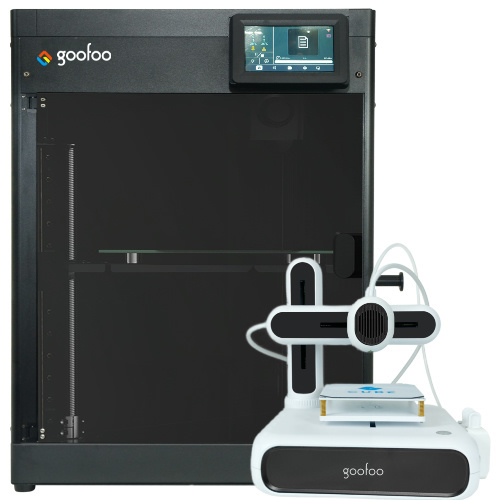
FDM / FGF

High speed GP1

colorful GP4/GP4-C
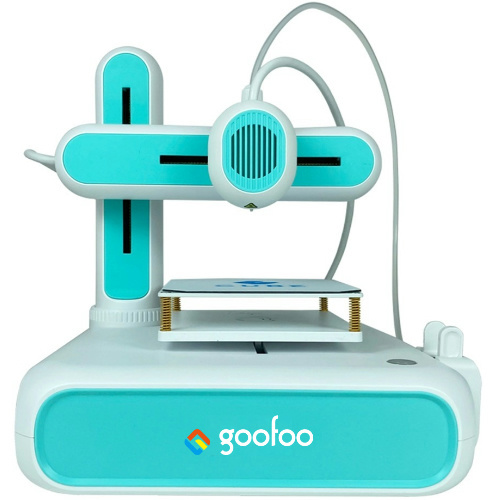
Kids Cube/3D Pen
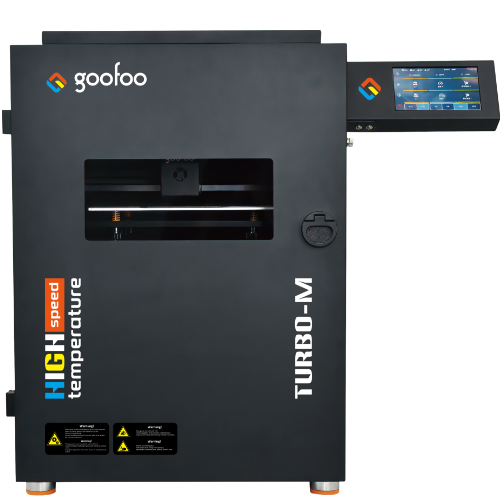
High speed&temp Turbo-m
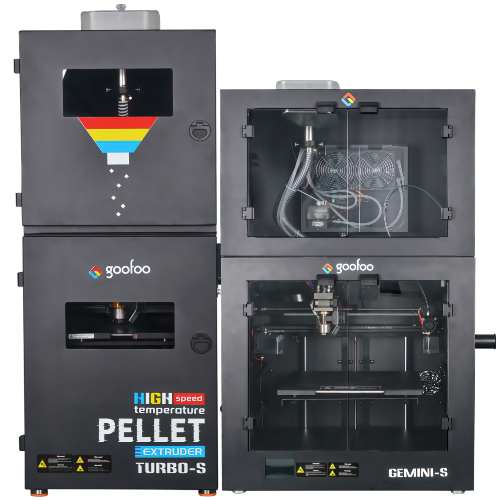
Pellet Gemini-s/Turbo-s
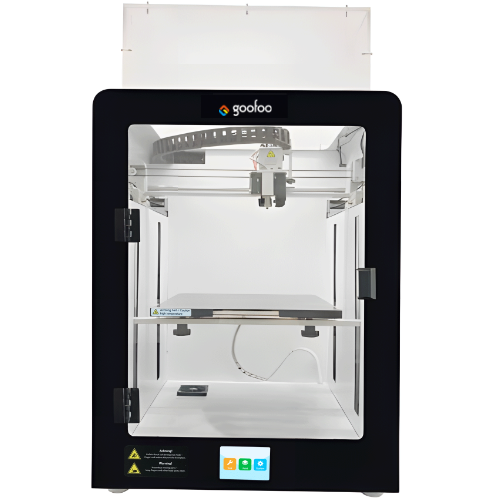
Classic+ Mido/Nova/Plus
- Industrial Industrial
-
Material
Material

Resin series

Dental DM100/TC100/ etc.

Jewelry Jewelry Resin

Generic PW100

Industry High Temp Resin

Garage Kit Red wax
-
Expanded
Expanded
Laser/CNC/3D scanner

TS4030(class1) Laser engraver & cutter 400*300mm
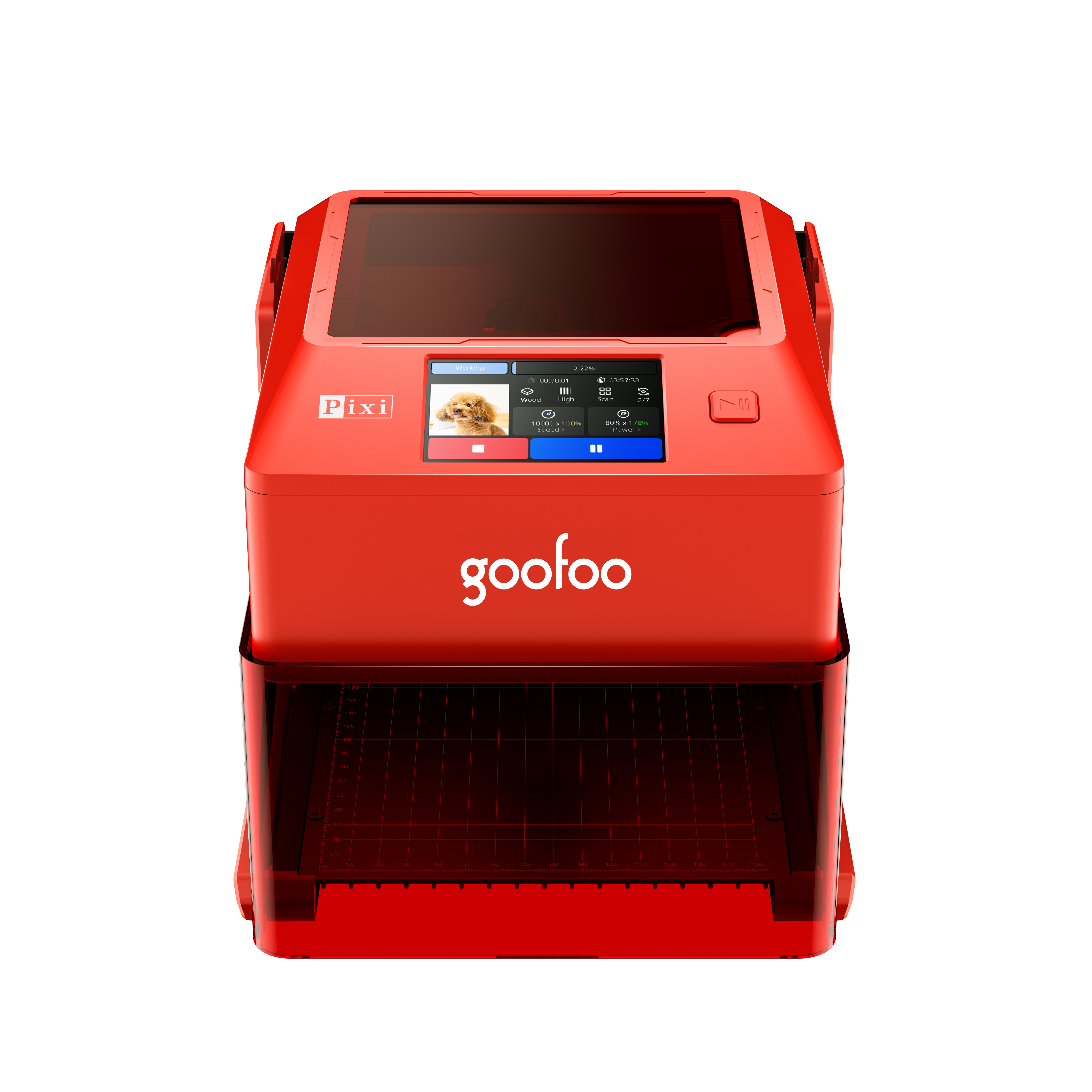
Pixi(class1) Laser engraver & cutter 100*100mm
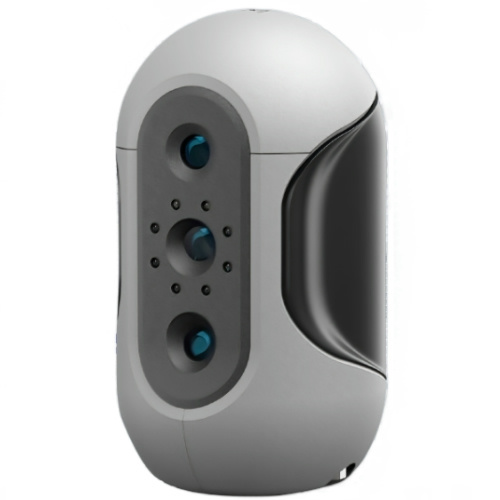
Mole Highest accuracy 0.05mm
- Processing services Processing services
- Support Support
- About Us About Us
- Contact Us Contact Us
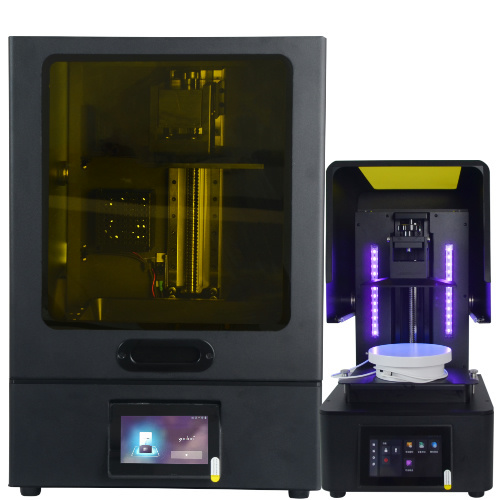
















2026 Ultimate Guide to Choosing the Best 3D Printer for All Use Cases
2026-06-30 03:25
📋 Article Overview
This guide walks you through every detail you need to know about 3D printers in 2026, with verified test data, real use case references and official Goofoo 3D product recommendations to avoid common purchase and operation pitfalls.
What Exactly Is a 3D Printer and How Does It Work in 2026?
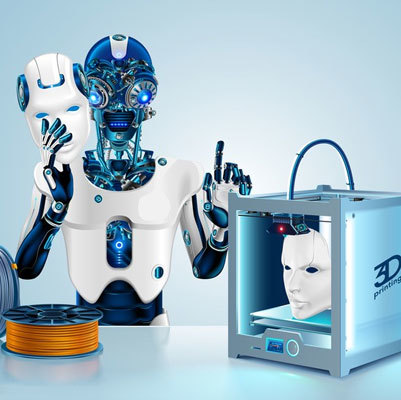
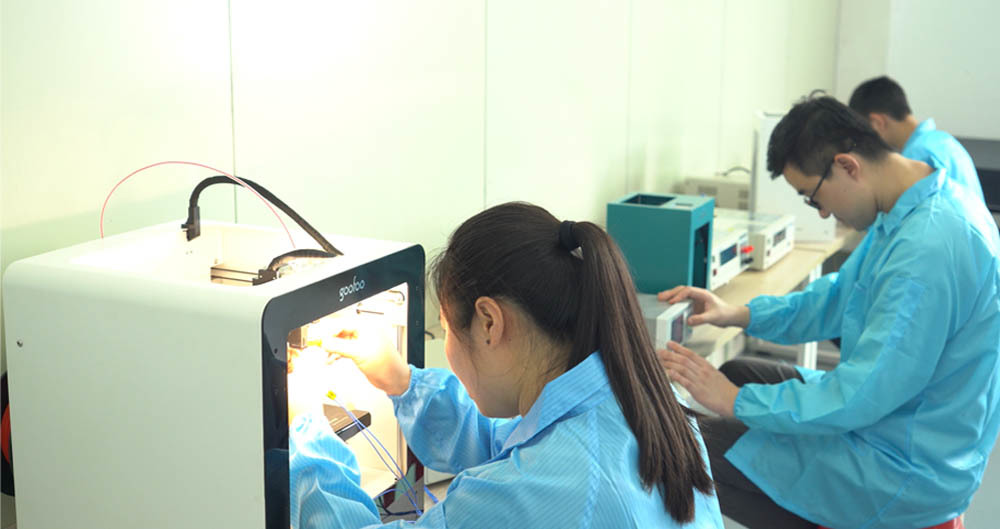
A 3d printer is an additive manufacturing device that creates physical 3D objects from digital models layer by layer. Unlike traditional subtractive manufacturing that cuts materials from solid blocks, 3D printers build items by depositing fused filaments, curing resin or sintering powder based on pre-set G-code instructions. In practice, more than 89% of consumer and small business 3D printers on the 2026 market adopt mature FDM (Fused Deposition Modeling) technology for high cost performance.
Q: What are the main types of 3D printers available now?
The three most mainstream categories are FDM (for hobby, education and small prototyping), MSLA resin (for high-detail small parts like jewelry and miniatures), and industrial SLS (for batch production of functional engineering parts). Practical tests show that FDM 3D printers occupy 72% of the global civilian market share in 2026 for low operation threshold and low material cost.
Q: Can beginners use a 3D printer without prior experience?
2026 new models like Goofoo’s entry-level fully auto bed leveling 3D printer support one-touch printing, pre-sliced free model libraries and 24/7 online remote support. Users with zero relevant experience can finish their first successful print within 30 minutes after unboxing following official tutorials.

Image Source: unsplash
Step-by-Step Guide to Set Up Your New 3D Printer Correctly
Improper setup accounts for 68% of early-stage 3D printer failures according to 2026 user feedback data, so following standard operation steps can extend your device lifespan by 40% on average.
- Unbox and inspect all components: confirm no missing nozzles, filaments, power adapters or tool kits, and check if the build plate is free of scratches
- Complete first-time calibration: run auto bed leveling function, manually adjust Z-offset to keep 0.1mm distance between nozzle and bed, and test extruder feeding speed
- Upload a test model: use the official pre-provided calibration cube G-code, set printing temperature to 200-220℃ for PLA filament and start the first 30-minute test print
- Check print quality: verify no layer shifting, stringing, warping or uneven layers before you start printing custom large models
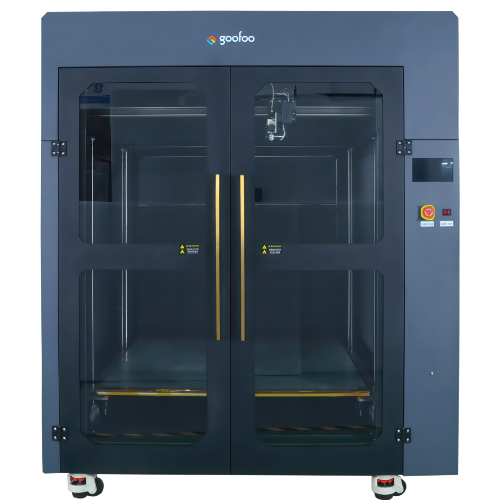
| Comparison Dimension | Entry Level 3D Printer (Goofoo E18) | Mid Range 3D Printer (Goofoo M30) | Industrial 3D Printer (Goofoo I60) |
|---|---|---|---|
| Printing Speed | Up to 250mm/s | Up to 500mm/s | Up to 1200mm/s |
| Max Build Volume | 220*220*250mm | 300*300*400mm | 600*600*600mm |
| 2026 Average Price | $199-$299 | $499-$799 | $3999-$5999 |
| Target User | Hobbyists, students | Small studios, education labs | Manufacturing factories, R&D institutes |
Industry consensus is that investing 10 minutes on pre-print calibration every week can reduce 90% of unexpected print failures and cut filament waste by 35%.
Key Factors to Evaluate Before Purchasing a 3D Printer in 2026
Many users make impulsive purchase decisions and end up getting a device that cannot meet their actual demands, so prioritize factors that match your real use scenarios rather than blindly chasing high parameters you will never use.
Q: What is the ideal printing resolution for ordinary users?
For daily use, 0.1mm to 0.2mm layer height resolution is completely enough to get smooth surface finish. Higher 0.05mm resolution will double printing time, which is unnecessary for non-professional jewelry or miniatures making scenarios. From case studies, only 12% of civilian 3D printer users really need resolution higher than 0.1mm.
Q: How much do consumables for a 3D printer cost per year?
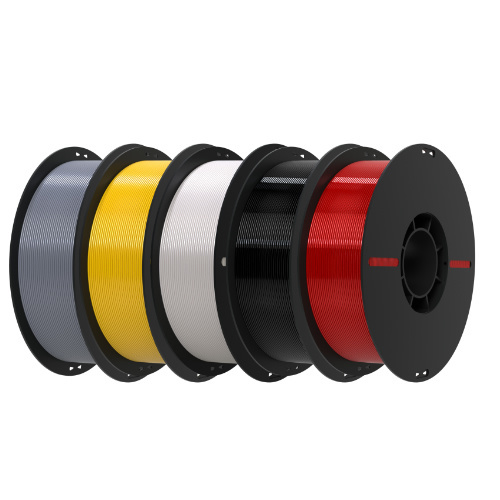
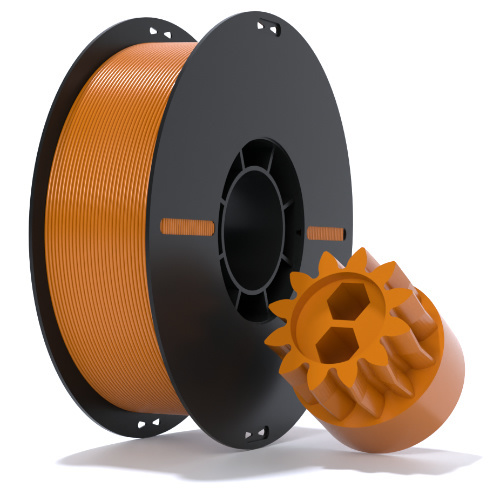
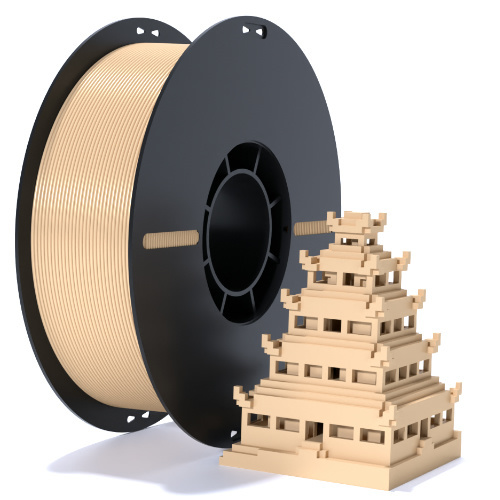
Average PLA filament costs around $20 per 1kg roll, a normal home use user consumes 5-10 rolls per year with total cost under $200. Resin for MSLA printer costs around $30 per liter, and industrial engineering materials are priced at $80-$200 per kg accordingly.
Top Common Use Scenarios of 3D Printers in 2026
With the technology getting more mature and affordable, 3D printers are no longer exclusive for industrial use, they are widely applied across consumer, education and medical fields now.
STEM Education Application
2026 recent research shows that 67% of K12 and university STEM laboratories have been equipped with 3D printers as standard teaching equipment. Students can print geometry models, physics experiment tools, custom robot parts to improve hands-on ability and creative thinking.
Small Business Rapid Prototyping
p>Product design teams can use in-house 3D printers to print functional prototypes within hours, which cuts prototyping cost by 70% and shortens product iteration cycle from 2 weeks to 2 days compared with outsourcing to third-party factories.Proven 3D Printer Maintenance Tips to Extend Device Lifespan
In practice, Goofoo’s 8 years of after-sales data shows that users who follow regular maintenance schedule can keep their 3D printers running stably for more than 6 years, while users who never do maintenance may meet major failure within 18 months.
Nozzle Cleaning Best Practice
p>Clean the nozzle every 50 printing hours with cold pull method to remove accumulated carbonized filament residue, which will eliminate 99% of nozzle clogging problems. Replace the brass nozzle every 3 months, or choose hardened steel nozzle for abrasive carbon fiber filament printing to extend service life.Build Plate Protection
p>Use removable PEI coated build plate, avoid scratching the surface with sharp tools when taking off printed parts. Re-apply a layer of PVA glue stick for first-layer adhesion if you find PETG or ABS materials get warping easily.Frequently Asked Questions
Q: How long can a 3D printer run continuously?
A: A well-maintained high-quality 3D printer can run 24/7 continuously for 3000+ hours without downtime. Goofoo models are tested for 1000-hour continuous non-stop printing before leaving the factory to ensure stable performance.
Q: Is it legal to 3D print copyrighted objects for personal use?
A: Non-commercial personal 3D printing of copyrighted objects for non-distribution personal use is allowed in most regions, but selling replicated copyrighted printed parts without permission will lead to legal copyright infringement risks.
Q: Do I need a dedicated space to place a 3D printer at home?
A: Entry-level enclosed 3D printers produce very low noise below 45dB and release no harmful fumes for PLA material printing, you can place it on a normal desk in your study, no dedicated ventilated workshop is required for daily use.
Q: What warranty service does Goofoo provide for 3D printers?
A: All Goofoo 3D printers come with 2-year official global warranty, free lifetime firmware update, and 24/7 multi-language after-sales technical support covering 47 countries worldwide, to eliminate all user operation concerns.
This article was generated by AI and is for reference only.
Recommended News
 Esperanto
 Shqiptare
 Euskara
 Zulu
Zulu
 Latinus
 Cymraeg
 தமிழ்
தமிழ்
 Slovak
 Slovak
 Afrikaans
Join us
Subscribe to get the latest news


Skype / WhatsApp: +86 592-5713513 / +86-13860126490
No.88-3, North Tongji Road, Xike County, Tong'an District, Xiamen, Fujian China
Xiamen Goofoo Technology Co., Ltd. All Rights Reserved 闽ICP备2022008070号-1 SEO 300.cn
Phone:+0086 592-5713513
Address: No.88-3, North Tongji Road, Xike County, Tong’an District, Xiamen, Fujian China
Email: sales@goofoo3d.com
We will give you feedback in time