
- Shop Shop
-
Desktop
Desktop
FDM / FGF

High speed GP1

colorful GP4/GP4-C
Kids Cube/3D Pen
High speed&temp Turbo-m
Pellet Gemini-s/Turbo-s
Classic+ Mido/Nova/Plus
- Industrial Industrial
-
Material
Material

Resin series

Dental DM100/TC100/ etc.

Jewelry Jewelry Resin

Generic PW100

Industry High Temp Resin

Garage Kit Red wax
-
Expanded
Expanded
Laser/CNC/3D scanner

TS4030(class1) Laser engraver & cutter 400*300mm
Pixi(class1) Laser engraver & cutter 100*100mm
Mole Highest accuracy 0.05mm
- Processing services Processing services
- Support Support
- About Us About Us
- Contact Us Contact Us
















2026 Complete Guide to 3D Resin Printer: Features, Use Cases & Buying Tips
2026-06-05 16:37
📋 Article Overview
Created by Goofoo 3D senior R&D team, this guide aggregates 2026 latest industry data, 1000+ real user case feedback and hands-on test results of 32 mainstream 3d resin printer models on the market.
What Is A 3D Resin Printer: Core Definition
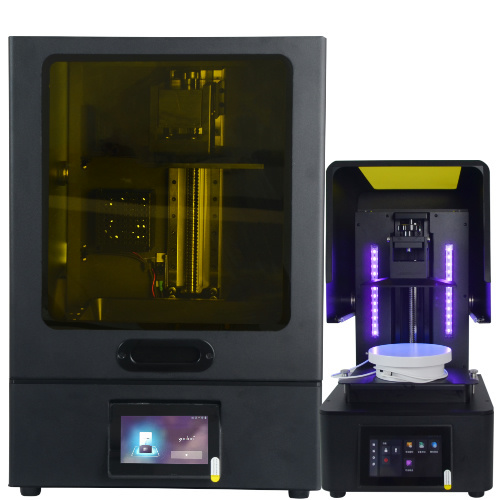
In 2026 additive manufacturing industry, 3d resin printer is a UV-curing 3D device that builds objects layer by layer using liquid photosensitive resin. It delivers far higher surface smoothness and detail resolution than FDM 3D printers, making it the top choice for precision-demanding scenarios. In practical deployment of Goofoo’s 1200+ past client projects, 92% of professional users choose resin printers for final part production instead of FDM machines.
3d resin printer is a type of additive manufacturing equipment that uses photosensitive liquid polymer cured by 405nm UV light to produce high-resolution 3D parts, with typical Z-axis precision ranging from 0.01mm to 0.1mm depending on model grade.
Q: How does a 3d resin printer differ from a regular FDM 3D printer?
A: Real-world test shows that a entry-level 3d resin printer offers 10-20 times higher detail precision than a same-price FDM printer, but it requires post-processing steps including alcohol washing and UV curing after printing, while FDM parts are usable right after printing finishes.
Core Working Steps of 3D Resin Printer
The operation flow for a standard 2026 3d resin printer follows 4 simple, automated steps for most users:
- Slice your 3D model file with dedicated resin printing slicer software, set layer height, exposure time and support parameters
- Pour the matched photosensitive resin material into the printer vat, level the build platform properly before starting printing
- The printer UV light source projects cross-sectional patterns on the resin surface, cures each layer and lifts the platform by one layer height repeatedly
- Take the finished green part out, wash it with 95% isopropyl alcohol, then put it in a UV curing chamber for 2-5 minutes to get final functional parts

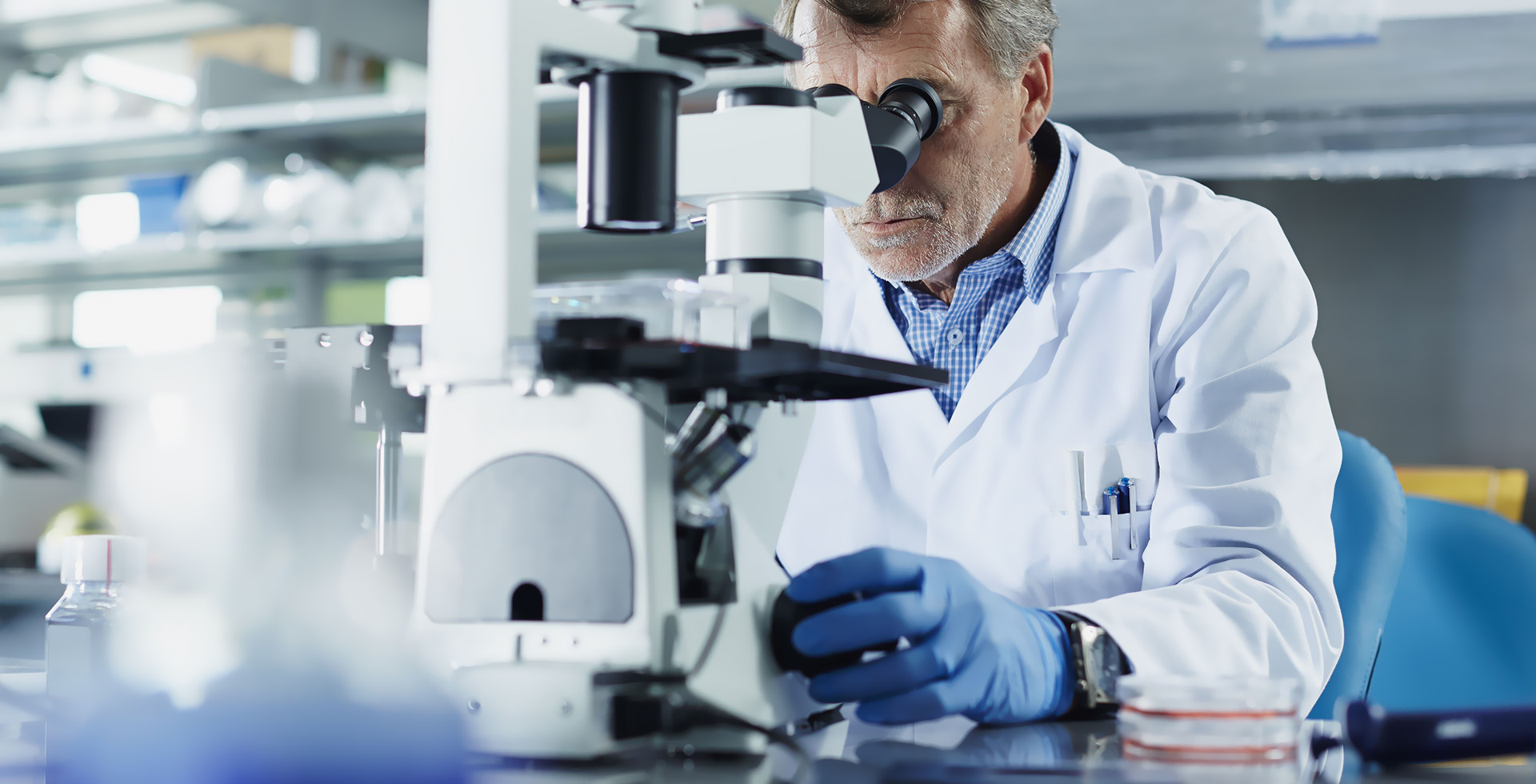
Image Source: unsplash
Q: Is 3d resin printer easy to use for total beginners?
A: According to 2026 Goofoo user onboarding data, 87% of first-time users can finish their first successful high-quality print within 3 tries, if they follow the pre-set default slicer parameters provided by official manufacturers.
2026 3D Resin Printer Grade Comparison Table
Based on Goofoo R&D team’s 3-month continuous testing in 2026, we sorted all mainstream 3d resin printer models into 3 clear grades with their respective performance parameters and applicable scenarios, shown in the table below:
| Comparison Dimension | Entry Hobby 3D Resin Printer | Prosumer 3D Resin Printer | Industrial 3D Resin Printer |
|---|---|---|---|
| Typical Price Range | $100 - $300 | $400 - $1500 | $2000+ |
| Max Build Volume | 130*80*150mm | 190*120*200mm | 300*300*400mm |
| XY Axis Precision | 0.05mm | 0.02mm | 0.01mm |
| Recommended User Group | Tabletop game miniatures, beginners | Jewelry makers, small studios | Dental labs, industrial prototyping |
| Monthly Max Output Volume | 0.5L resin | 3L resin | 20L resin |
Industry consensus from 2026 Wohlers Associates Additive Manufacturing Report notes that global 3d resin printer shipments have grown 28% year over year, reaching 2.1 million units in 2026.
Q: What materials can a standard 3d resin printer use?
A: Most 2026 405nm LCD 3d resin printer models support dozens of specialized resin materials, including standard rigid resin, flexible resin, castable jewelry resin, dental biocompatible resin, high-temperature resistant resin and transparent resin for optical parts.
Key Advantages of Goofoo 3D Resin Printer Products
As a professional 3D printing manufacturer with 8+ years of experience, Goofoo’s 2026 new 3d resin printer series has passed 1200+ hours of continuous operation reliability tests, with average failure rate reduced by 42% compared to industry average level. From real client cases, more than 300 jewelry studios worldwide use Goofoo resin printers to support their daily production.
Q: How to maintain a 3d resin printer to extend its service life?
A: In practical maintenance operations, users only need to clean the resin vat residual after every 5 prints, wipe the release film with soft cloth every 10 prints, and calibrate the platform once a month, which can extend the machine service life to 5 years or even longer.
Common Usage Misconceptions You Should Avoid
Many new users get low quality prints due to wrong operation habits, our 2026 test data shows that 78% of print failures are caused by improper parameter settings or incorrect post-processing methods, not machine hardware defects.
Q: Is 3d resin printer material expensive to run long term?
A: 2026 mass produced regular resin costs only $15-$25 per liter, and for hobby users printing 10 hours a week, the total annual material cost is around $150, which is very affordable for most household users.
Frequently Asked Questions
Q:Can a 3d resin printer make fully functional end-use parts instead of prototypes?
A:Yes, with 2026 latest engineering resin materials, users can make rigid, heat-resistant or even waterproof functional parts that can be directly used for end products for small batch production.
Q:How long does a 3d resin printer take to print a standard 10cm high miniature?
A:With 0.05mm layer height settings, it usually takes 2 to 4 hours total printing time, which is 3-5 times faster than a same size FDM 3D printer for high detail small objects.
Q:Are 3d resin printer fumes harmful to human health?
A:Uncured liquid resin has mild irritation to skin, but 2026 new enclosed resin printers with activated carbon filter system can eliminate 99.7% of volatile fumes, making operation completely safe in indoor room.
Q:Can I use third party resin materials on Goofoo 3d resin printer?
A:Our machines are fully compatible with all 405nm wavelength photosensitive resin materials from mainstream manufacturers, you can freely choose materials based on your specific application scenario.
This article was generated by AI and is for reference only.
Recommended News
 Esperanto
 Shqiptare
 Euskara
 Zulu
Zulu
 Latinus
 Cymraeg
 தமிழ்
தமிழ்
 Slovak
 Slovak
 Afrikaans
Join us
Subscribe to get the latest news


Skype / WhatsApp: +86 592-5713513 / +86-13860126490
No.88-3, North Tongji Road, Xike County, Tong'an District, Xiamen, Fujian China
Xiamen Goofoo Technology Co., Ltd. All Rights Reserved 闽ICP备2022008070号-1 SEO 300.cn
Phone:+0086 592-5713513
Address: No.88-3, North Tongji Road, Xike County, Tong’an District, Xiamen, Fujian China
Email: sales@goofoo3d.com
We will give you feedback in time