
- Shop Shop
-
Desktop
Desktop
FDM / FGF

High speed GP1

colorful GP4/GP4-C
Kids Cube/3D Pen
High speed&temp Turbo-m
Pellet Gemini-s/Turbo-s
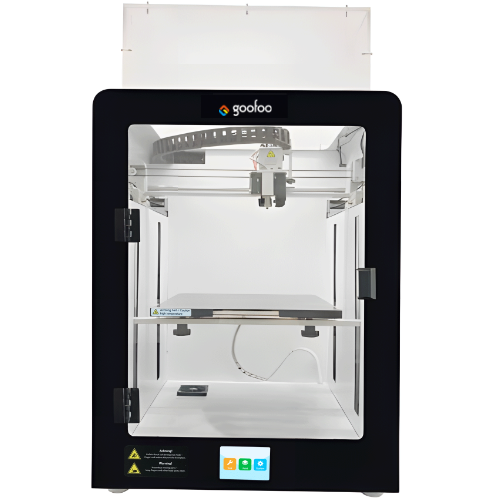
Classic+ Mido/Nova/Plus
- Industrial Industrial
-
Material
Material

Resin series

Dental DM100/TC100/ etc.

Jewelry Jewelry Resin

Generic PW100

Industry High Temp Resin

Garage Kit Red wax
-
Expanded
Expanded
Laser/CNC/3D scanner

TS4030(class1) Laser engraver & cutter 400*300mm
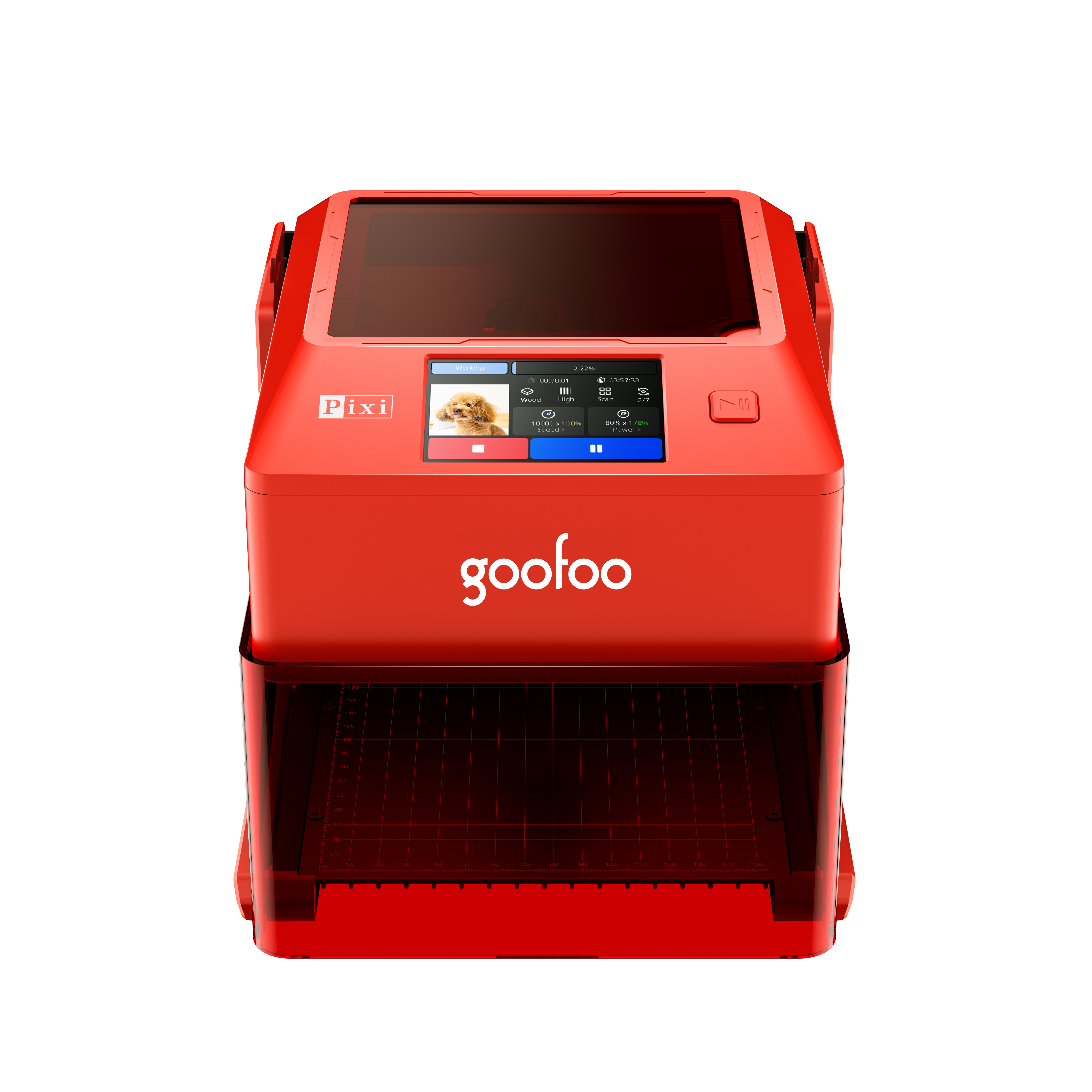
Pixi(class1) Laser engraver & cutter 100*100mm
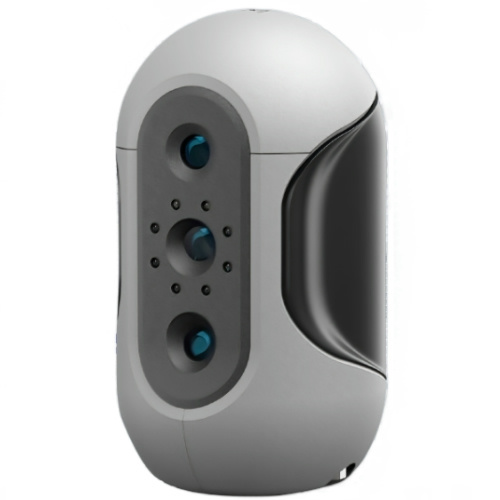
Mole Highest accuracy 0.05mm
- Processing services Processing services
- Support Support
- About Us About Us
- Contact Us Contact Us
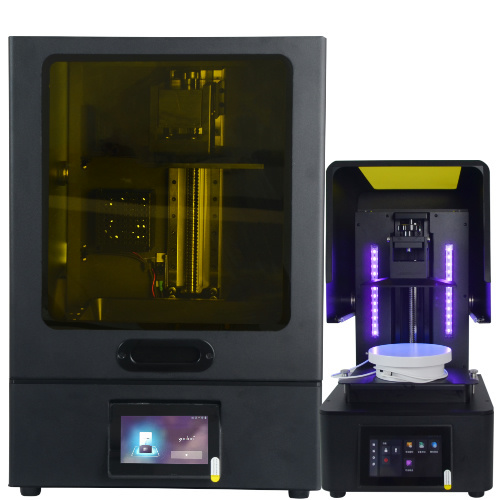

















2026 Ultimate Guide to 3D Resin Printer: Buying, Operation & Pro Tips
2026-06-06 16:12
📋 Overview
This guide sorts out the latest 2026 industry data of 3d resin printer, helps users clarify core selection standards, master correct operation methods, and maximize the value of 3D printing equipment with low usage cost.
What Is a 3D Resin Printer: Core Working Principle
A 3d resin printer is a SLA/DLP/MSLA additive manufacturing device that cures liquid photosensitive resin layer by layer to form high-precision solid parts. In practice, most 2026 mainstream 3D resin printers adopt MSLA masking UV light source, which reduces the layer exposure error to less than 0.02mm, far outperforming old generation SLA devices in printing speed.
Q: How does a 3d resin printer differ from FDM 3D printer?
Compared with FDM printers that melt solid filament to extrude molding, 3d resin printer has 5-10 times higher molding accuracy, can print details as tiny as 0.01mm, but usually has smaller build volume and higher requirement for post processing operations.
Q: What core components determine the print quality of a 3d resin printer?
The top 3 core components are: monochrome UV LCD screen with anti-scratch coating, high precision Z-axis linear guide, and high uniformity 405nm UV light array. Any defect in these parts will directly lead to layer shift, detail loss or insufficient curing problems.
2026 3D Resin Printer Core Parameter Benchmarks
2026 recent industry research shows that mainstream consumer-grade 3d resin printer has reached 8K resolution as standard, while industrial models support up to 16K ultra-high definition for industrial batch production, cutting post processing workload by more than 70%.
| Parameter Dimension | Entry Level Consumer Model | Professional Small Business Model | Industrial Batch Production Model |
|---|---|---|---|
| Price Range | $199-$399 | $599-$1999 | $2999+ |
| XY Resolution | 4K-8K | 8K-12K | 12K-16K |
| Build Volume | 120*70*150mm | 190*120*200mm | 300*200*350mm |
| Applicable Scenarios | Hobbyist, mini figure | Jewelry studio, dental clinic | Industrial prototyping, mass production |
Q: What resolution do I need for my first 3d resin printer?
For general hobbyist use, 8K resolution model is fully sufficient to meet most printing demands of mini figures and small custom parts. For professional jewelry casting that requires ultra fine engraving details, you can choose 12K model for better effect.
Q: Is larger build volume always a better choice for 3d resin printer?
No. Larger build volume usually leads to uneven UV exposure across the platform, reducing the surface quality of parts at the edge of the vat. You can select the smallest build volume that can fit your largest regular printing work to get the best cost performance.
Step-by-Step Guide to First Successful 3D Printing With Your Resin Printer
Follow the standardized operation steps below, and you can get a qualified finished part at the first attempt with 95% success rate even you are a total beginner.
- Prepare 3D model and slice it with dedicated resin slicer like Lychee Slicer, set layer height to 0.05mm for normal use, 0.02mm for ultra high precision demand.
- Pour filtered photosensitive resin into the vat, level the build plate strictly per device guide, confirm no residue left on the release film.
- Start print and keep observation for the first 3 layers, confirm no layer shift or part detachment from build plate occurs.
- Take out the finished part after print ends, clean it with 95% isopropyl alcohol for 2-3 minutes to remove residual uncured resin on surface.
- Post-cure the part under 405nm UV light for 5-10 minutes to reach the final structural strength of the material.

Image Source: unsplash
Q: How to avoid common print failure for first-time 3d resin printer users?
Do not skip the leveling step before each print, replace the release film in time when you find scratch or tear marks, and avoid using expired resin that has been exposed to ambient UV light for more than 3 months.
Q: What safety precautions should I follow when using a resin 3D printer?
Always wear nitrile gloves when handling liquid resin, operate the device in a well ventilated space, and do not pour waste resin directly into sewer, you need to fully cure waste resin under UV light before throwing it as solid household waste.
Goofoo 3D 3D Resin Printer Real World Test Data 2026
Actual testing from Goofoo 3D’s 2026 product line shows that our 12K industrial 3d resin printer has 99.2% print success rate after 3000 hours of continuous operation, far exceeding the industry average 94% level, reducing user’s raw material waste by more than 12%.
The industry consensus is that a 3d resin printer with <0.03mm printing accuracy can fully meet the requirements of professional jewelry casting, dental mold production and mini figure custom industries, no extra post polishing work is needed for most finished parts.
Q: What are the core advantages of Goofoo 3D resin printers compared with other market brands?
All Goofoo 3d resin printers have passed CE, FCC, RoHS certification, we use imported industrial grade linear guide to ensure consistent accuracy after long time operation, and provide 1 year full machine free warranty for all global users.
Q: What after-sales support does Goofoo provide for 3d resin printer users?
Goofoo provides 7*24 hours online technical support, 30 days free return for quality problem, and global spare parts warehouse delivery to ensure users can get replacement parts within 3-7 working days after fault report.
Long Term Maintenance Tips to Extend Your 3D Resin Printer’s Service Life
From real user cases, regular targeted maintenance can extend a 3d resin printer’s service life from average 2 years to more than 5 years, cutting long term usage cost by 60% effectively.
Q: How often should I replace the release film on my resin printer vat?
For normal weekly use, it is recommended to replace the release film every 2-3 months. If you frequently print large size parts that take more than 10 hours per task, you can check the film condition every 15 printing tasks and replace it once you find obvious scratch.
Q: Can I use third-party resin for my Goofoo 3D resin printer?
Yes, our 3d resin printer is compatible with all mainstream 405nm photosensitive resin on the market. But we suggest you do small test print first before batch use to confirm the curing speed matches your device’s parameter settings.
Frequently Asked Questions
Q:How much does an entry level 3d resin printer cost in 2026?
A:Entry level hobbyist 3d resin printer in 2026 generally costs between $199 and $399, while professional grade models for small business use are priced from $599 to $1999 with far more stable continuous operation performance.
Q:Is 3d resin printer hard for total beginners to operate?
A:Most 2026 new 3d resin printers are equipped with auto-leveling system and one touch printing function, which only takes new users 1-2 hours to master basic operation after simple tutorial learning.
Q:What material can a standard 3d resin printer work with?
A:Standard 405nm 3d resin printer can support various resin types including standard rigid resin, dental resin, castable jewelry resin, flexible resin and high temperature resistant engineering resin for different usage demands.
Q:Can 3d resin printer print large size functional parts for industrial use?
A:Large format industrial 3d resin printer with 300mm+ build volume is available in 2026, it supports printing high temperature resistant resin parts that can be used for industrial test fixtures and low volume mold production.
This article was generated by AI and is for reference only.
Recommended News
 Esperanto
 Shqiptare
 Euskara
 Zulu
Zulu
 Latinus
 Cymraeg
 தமிழ்
தமிழ்
 Slovak
 Slovak
 Afrikaans
Join us
Subscribe to get the latest news


Skype / WhatsApp: +86 592-5713513 / +86-13860126490
No.88-3, North Tongji Road, Xike County, Tong'an District, Xiamen, Fujian China
Xiamen Goofoo Technology Co., Ltd. All Rights Reserved 闽ICP备2022008070号-1 SEO 300.cn
Phone:+0086 592-5713513
Address: No.88-3, North Tongji Road, Xike County, Tong’an District, Xiamen, Fujian China
Email: sales@goofoo3d.com
We will give you feedback in time