
- Shop Shop
-
Desktop
Desktop
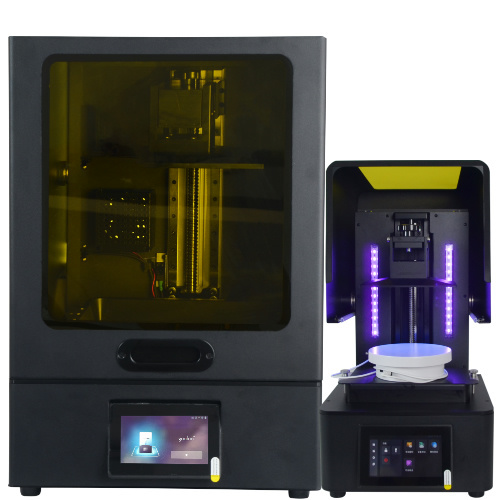
MSLA series
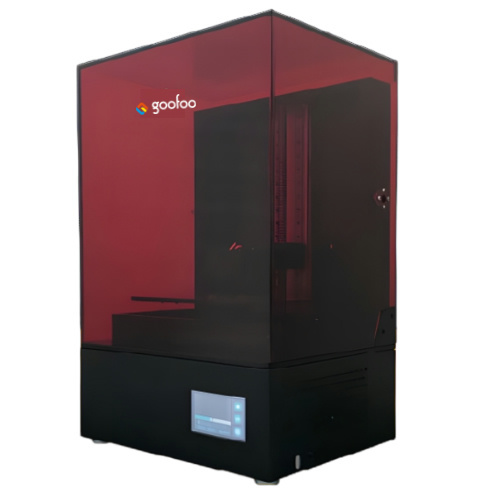
High accuracy Lens-s pro
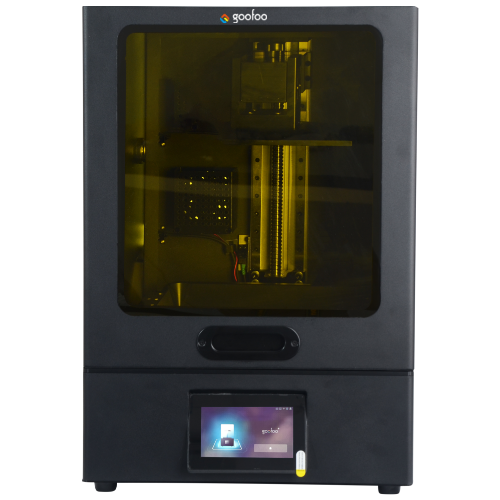
Large build volume Lens-m pro
- Industrial Industrial
-
Material
Material

Resin series

Dental DM100/TC100/ etc.

Jewelry Jewelry Resin

Generic PW100

Industry High Temp Resin

Garage Kit Red wax
-
Expanded
Expanded
Laser Engraver/CNC
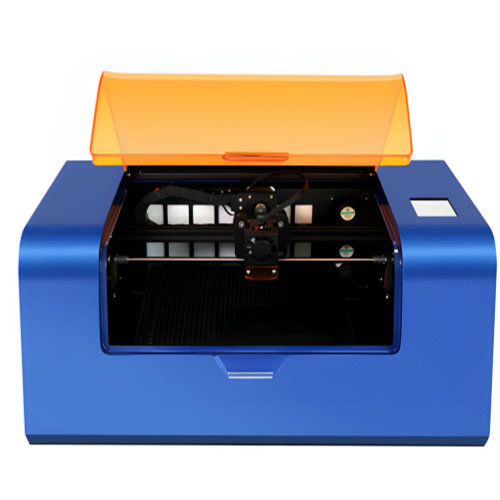
TS3(class1) Laser engraver & cutter 200*300mm
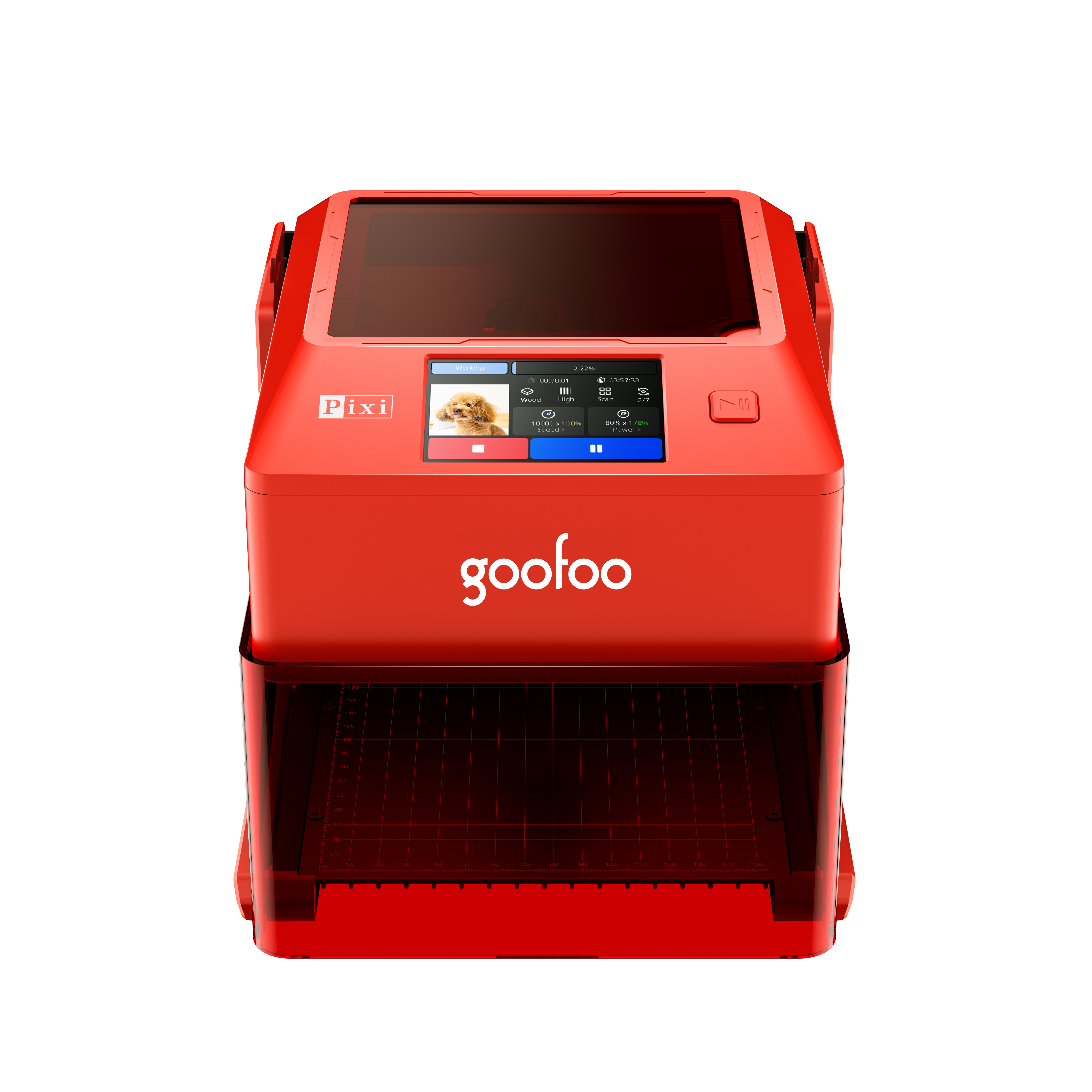
Pixi(class1) Laser engraver & cutter 100*100mm
3D scanner
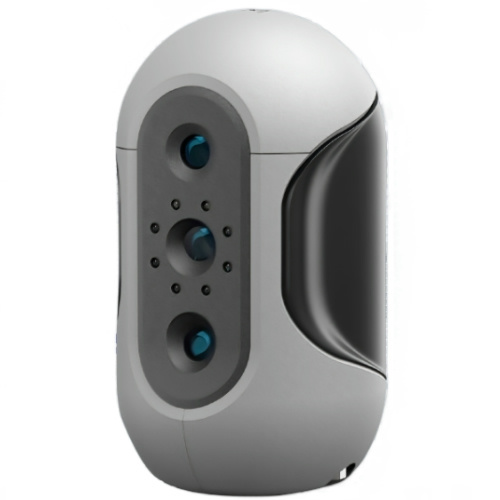
Mole Highest accuracy 0.05mm
- Industries & Applications Industries & Applications
- Support Support
- About Us About Us
- Contact Us Contact Us
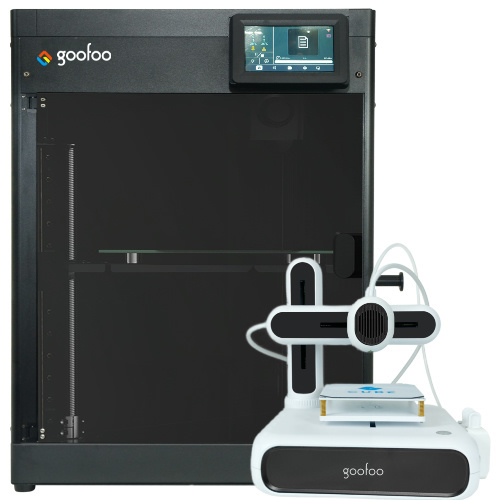


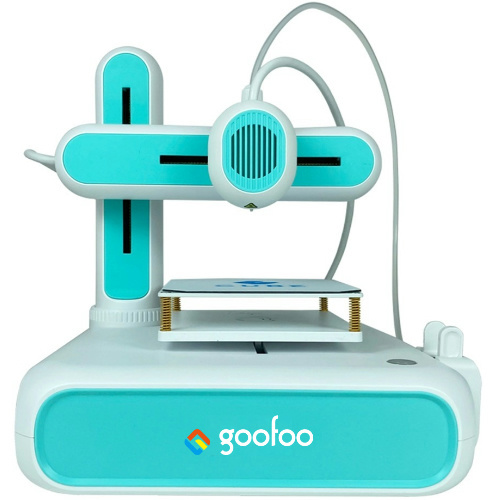
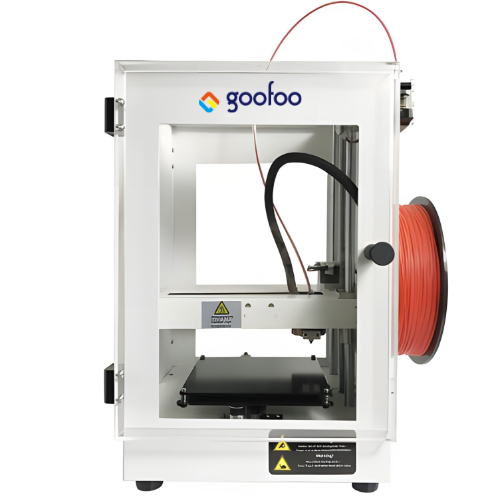
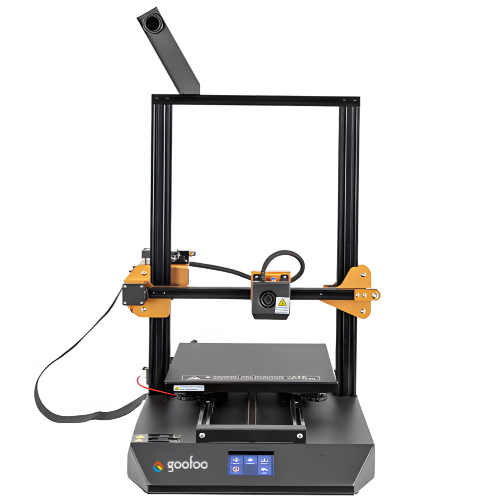
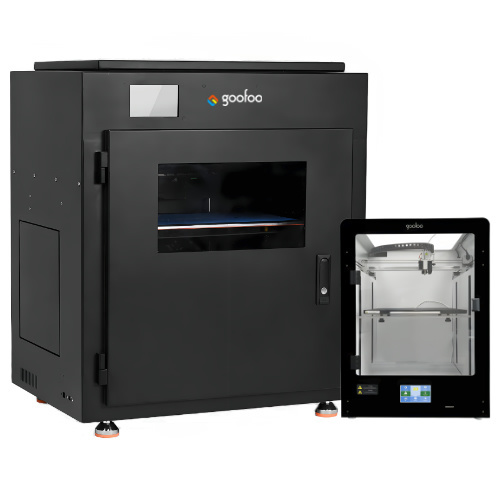
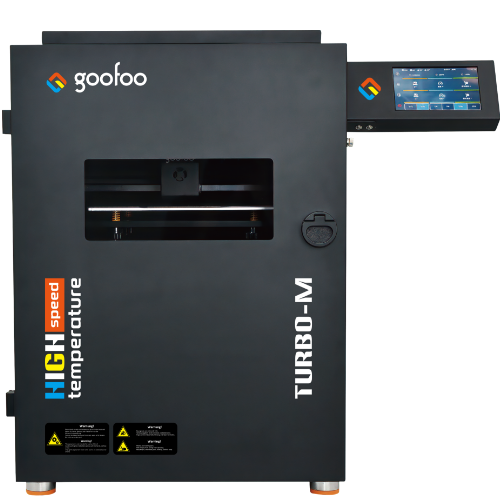
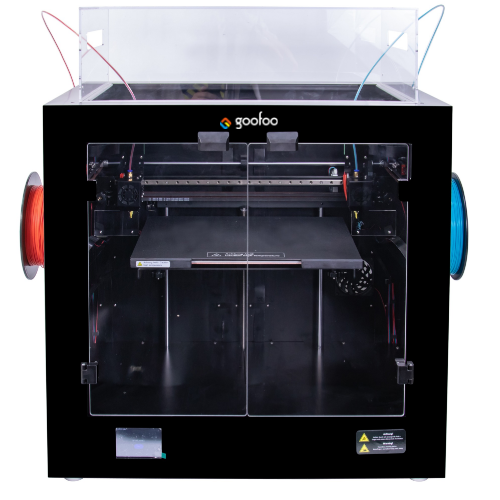
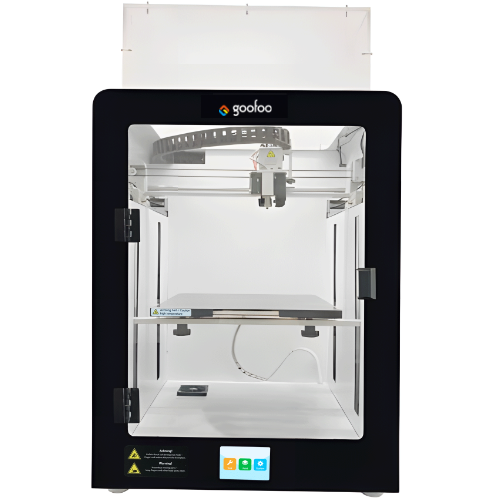
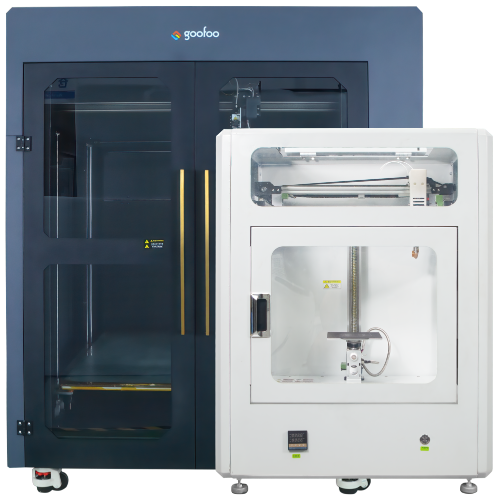
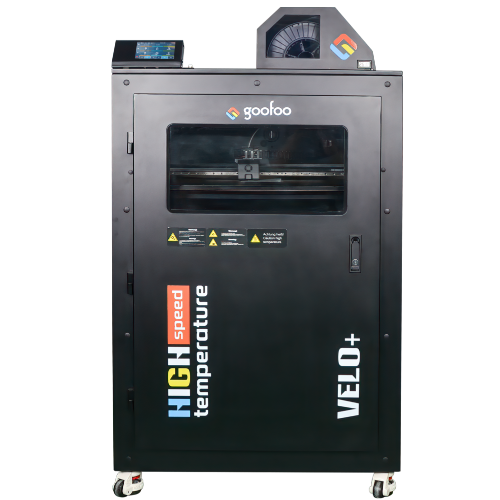
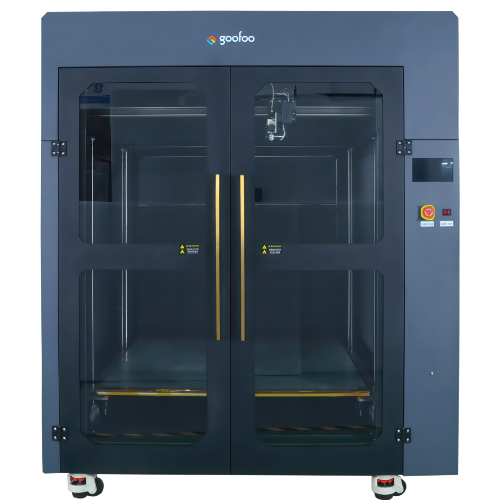
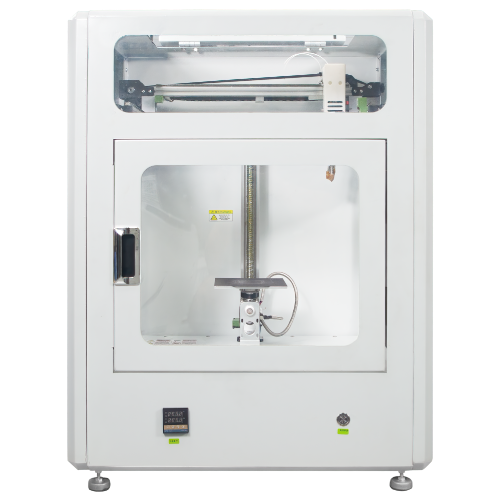
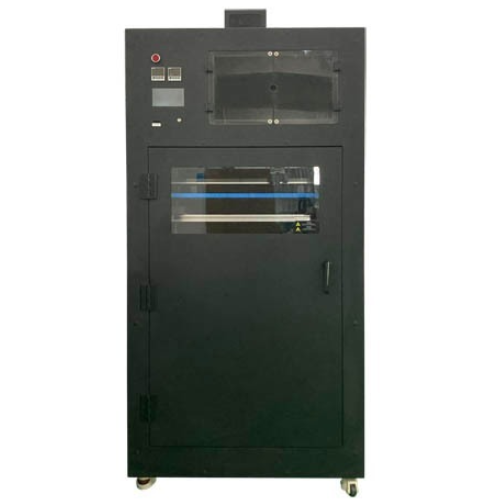
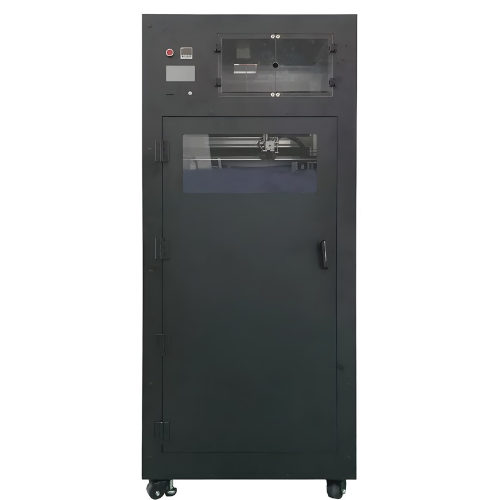
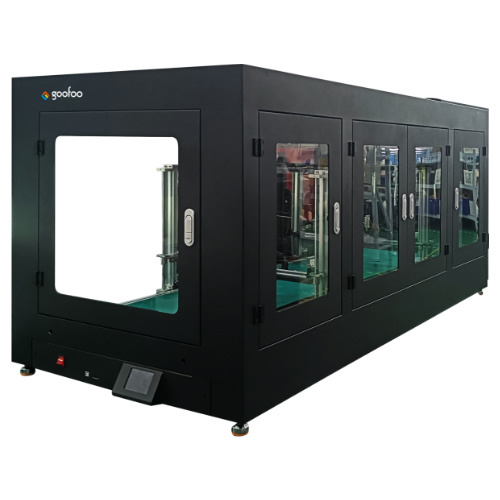
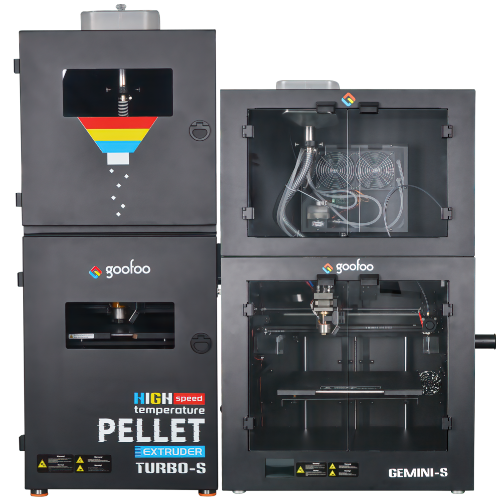
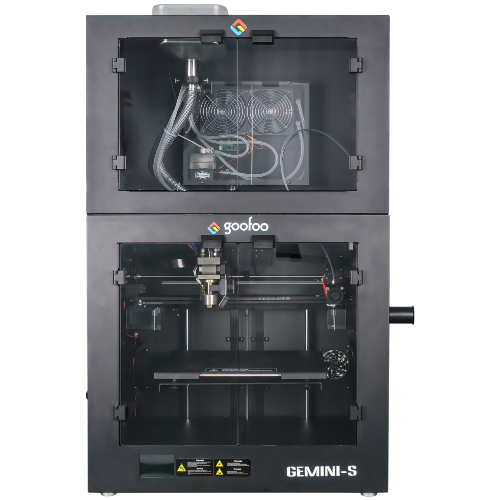
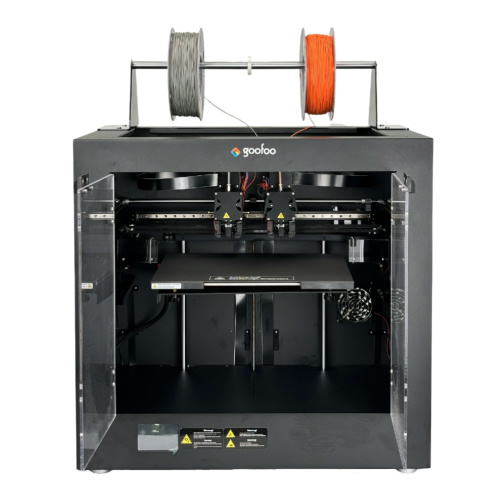
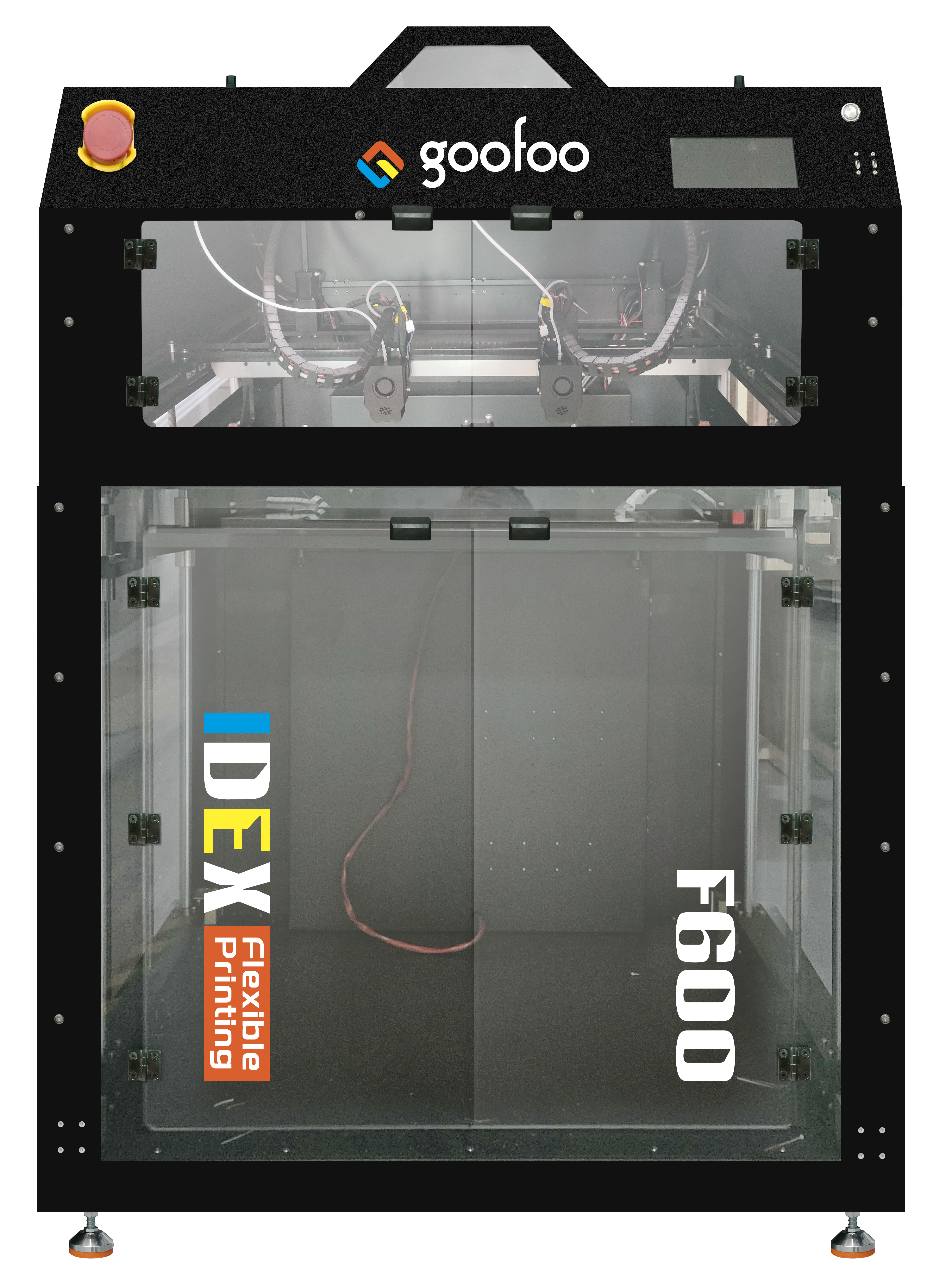
















Unlocking the Potential of 3D Printer Machines: Revolutionizing Creativity and Innovation
2025-02-03 13:00
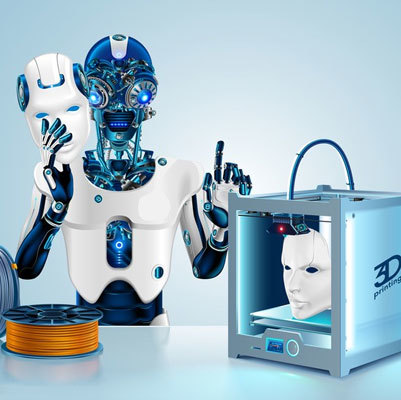
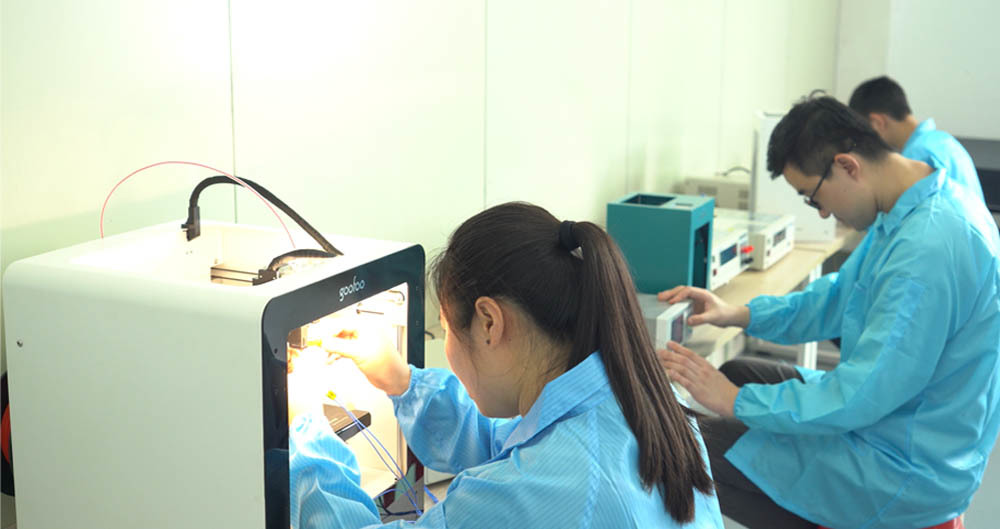
3D printer machines represent a groundbreaking advancement in technology, allowing users to create three-dimensional objects from digital models. This process, known as additive manufacturing, involves layering materials—such as plastic, metal, or resin—until the desired shape is formed. The versatility of 3D printing has led to its adoption across various industries, including healthcare, automotive, aerospace, and art, showcasing its potential to revolutionize how products are designed and manufactured.
One of the most significant advantages of 3D printer machines is their ability to produce complex geometries that would be difficult or impossible to achieve with traditional manufacturing methods. This capability opens up new horizons for designers and engineers, enabling them to create intricate prototypes swiftly and at a lower cost. For instance, in the medical field, 3D printing is being utilized to produce custom prosthetics and implants tailored to the unique anatomy of patients, enhancing both comfort and functionality.
In addition to customization, 3D printer machines promote sustainability in production practices. By using only the necessary materials to create an object, waste is significantly reduced. This aligns with global efforts to develop more sustainable manufacturing processes. Moreover, 3D printing can utilize recycled materials, further minimizing environmental impact while generating new products.
Another compelling aspect of 3D printing technology is its impact on the supply chain. Traditional manufacturing often involves lengthy lead times and significant inventory costs. With a 3D printer machine, companies can produce parts on-demand, thus reducing the need for large inventories and enabling more agile responses to market demands. This efficiency can lead to shorter product development cycles and increased competitiveness in the marketplace.
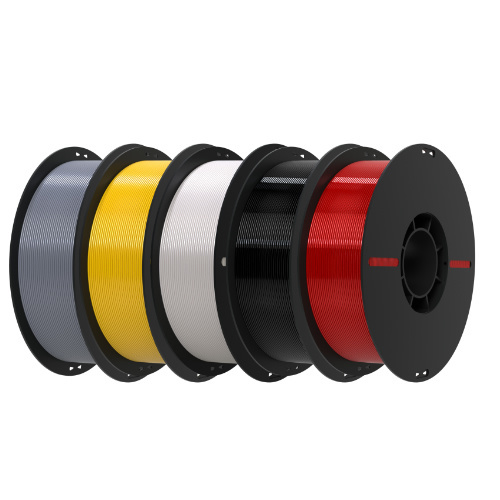
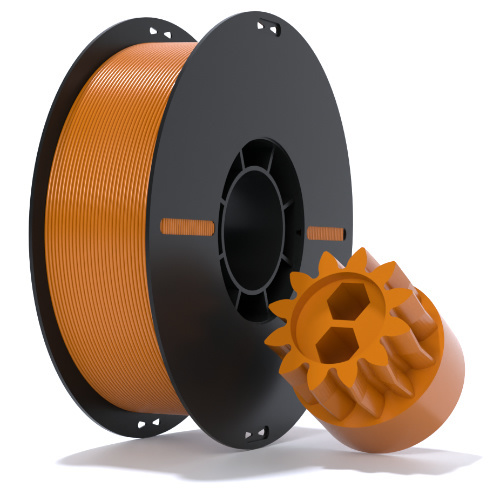
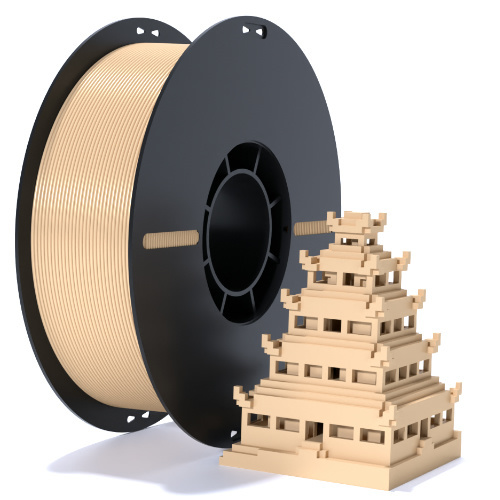
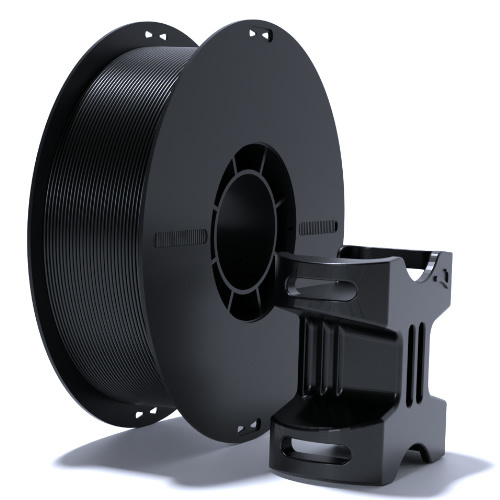
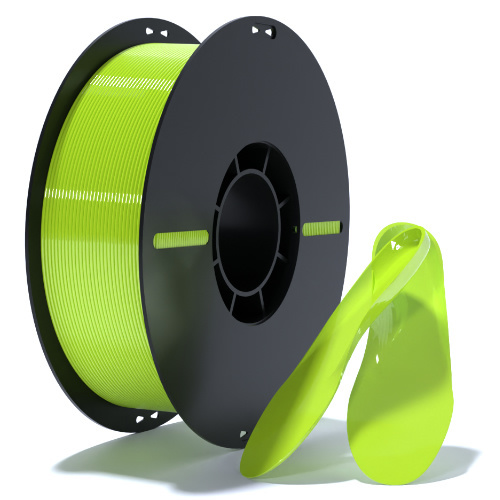
As 3D printing technology continues to evolve, so does the range of materials that can be used. Innovations in filament technology have introduced options like flexible, biodegradable, and even metal-based materials, broadening the applications of 3D printing. This adaptability empowers industries to explore new possibilities and push the boundaries of design.
For individuals interested in exploring this technology, 3D printer machines have become more accessible than ever. A growing number of online resources, communities, and tutorials are available for beginners, making it easier to learn about the fundamentals of 3D modeling and printing. Whether you're an artist looking to bring your creations to life or an engineer aiming to prototype your designs, the world of 3D printing offers endless opportunities for creativity and innovation.
In summary, 3D printer machines are not just a trend; they represent a significant shift in how we conceptualize and create objects. With their ability to foster customization, enhance sustainability, streamline supply chains, and inspire creativity, 3D printers are poised to be a game changer in multiple sectors, paving the way for a future where imagination and technology collide.
3d printer machine
Recommended News
 Esperanto
 Shqiptare
 Euskara
 Zulu
Zulu
 Latinus
 Cymraeg
 தமிழ்
தமிழ்
 Slovak
 Slovak
 Afrikaans
Join us
Subscribe to get the latest news


Skype / WhatsApp: +86 592-5713513 / +86-13860126490
No.88-3, North Tongji Road, Xike County, Tong'an District, Xiamen, Fujian China
Xiamen Goofoo Technology Co., Ltd. All Rights Reserved 闽ICP备2022008070号-1 SEO 300.cn
Phone:+0086 592-5713513
Address: No.88-3, North Tongji Road, Xike County, Tong’an District, Xiamen, Fujian China
Email: sales@goofoo3d.com
We will give you feedback in time