
- Shop Shop
-
Desktop
Desktop
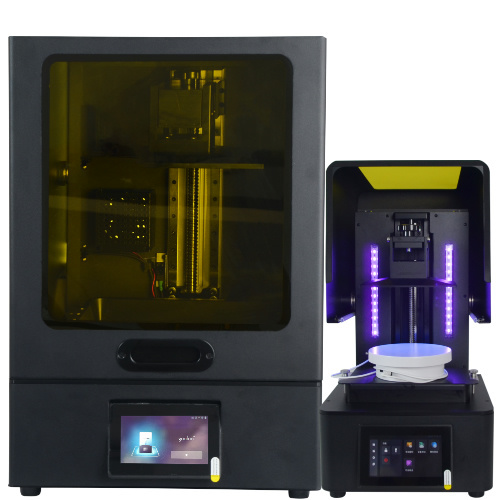
MSLA series
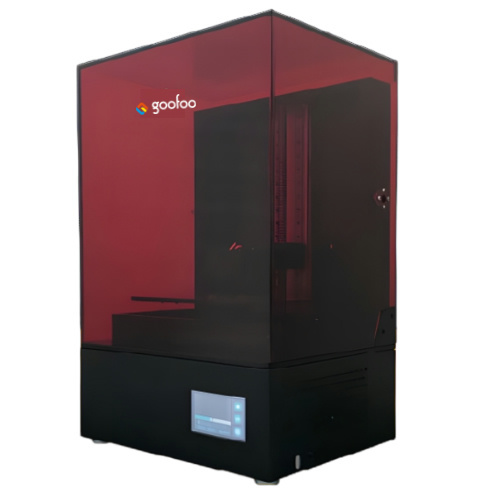
High accuracy Lens-s pro
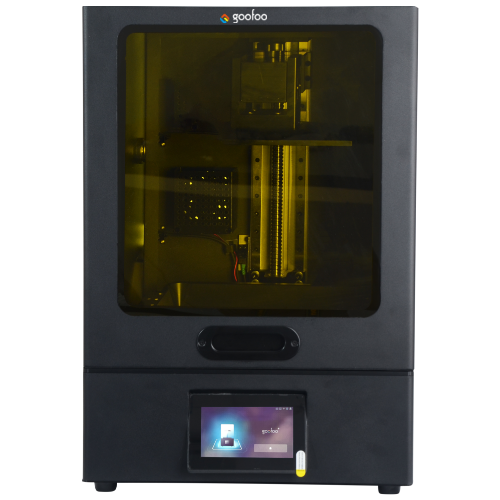
Large build volume Lens-m pro
- Industrial Industrial
-
Material
Material

Resin series

Dental DM100/TC100/ etc.

Jewelry Jewelry Resin

Generic PW100

Industry High Temp Resin

Garage Kit Red wax
-
Expanded
Expanded
Laser Engraver/CNC
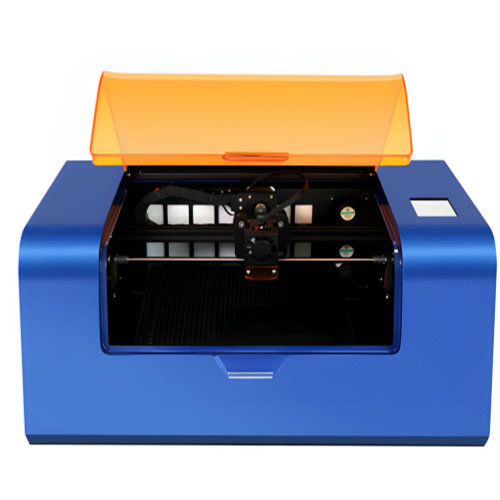
TS3(class1) Laser engraver & cutter 200*300mm
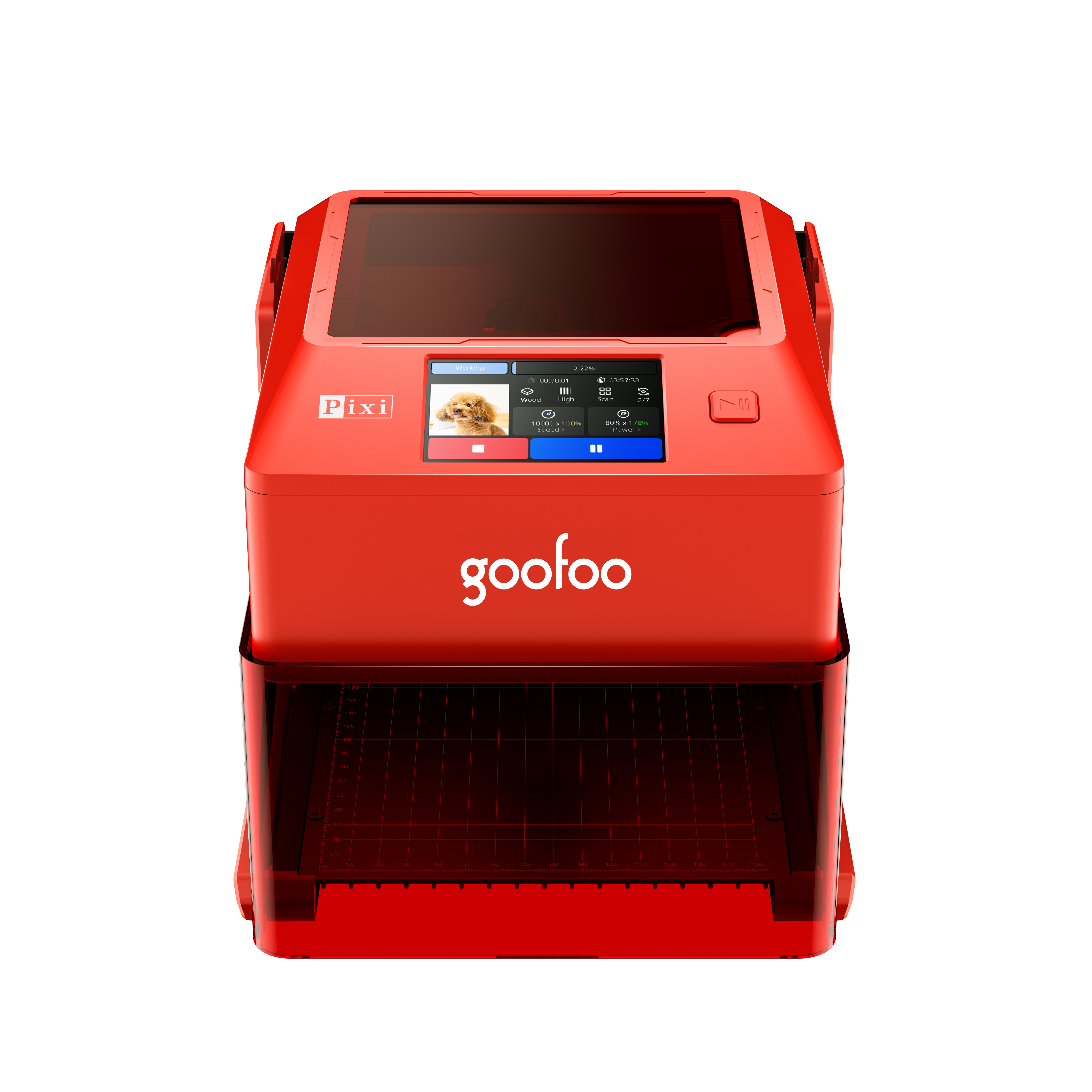
Pixi(class1) Laser engraver & cutter 100*100mm
3D scanner

Mole Highest accuracy 0.05mm
- Industries & Applications Industries & Applications
- Support Support
- About Us About Us
- Contact Us Contact Us
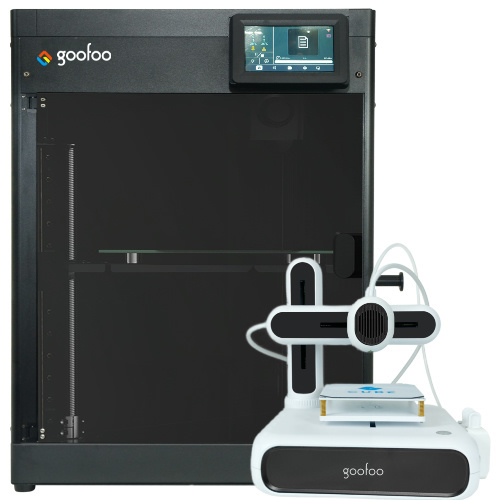


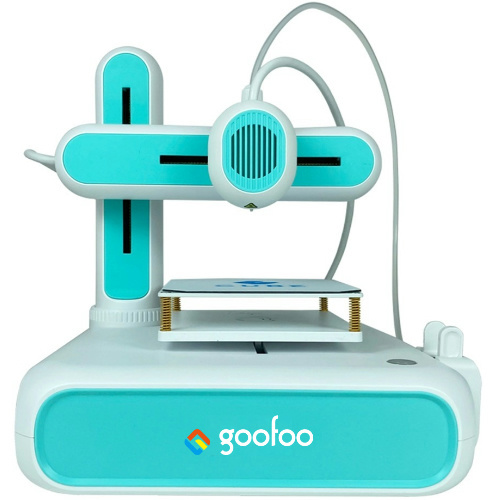
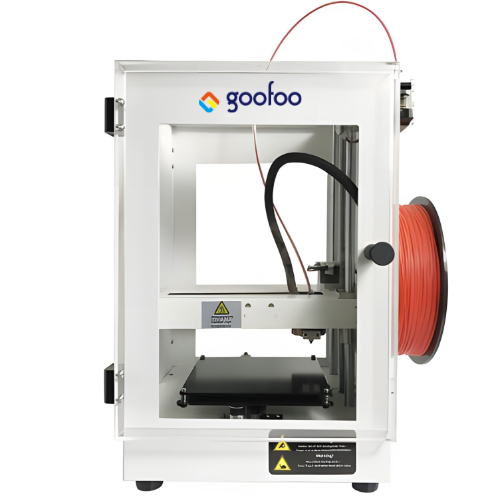
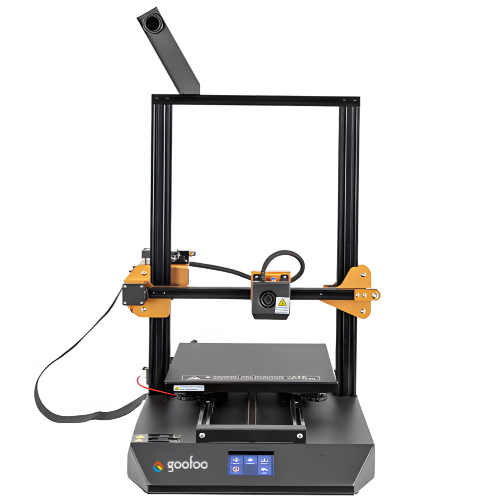
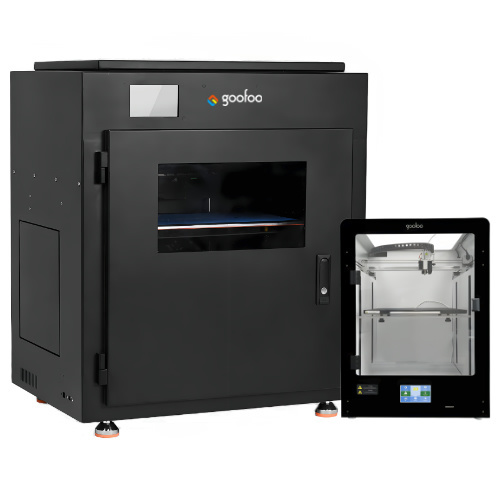
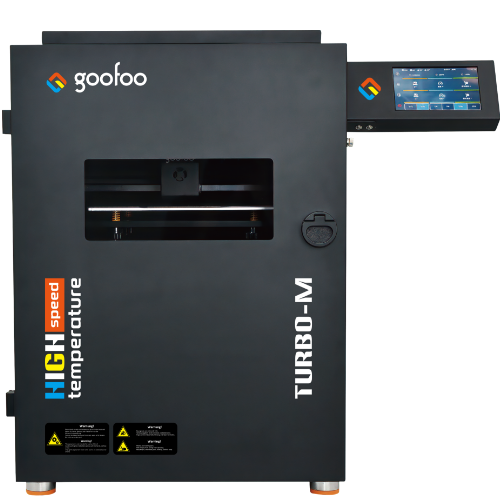
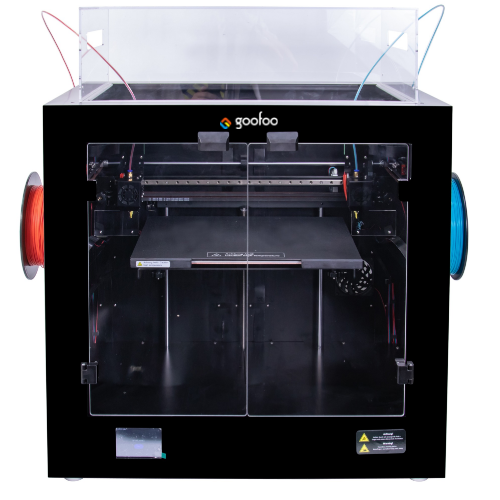
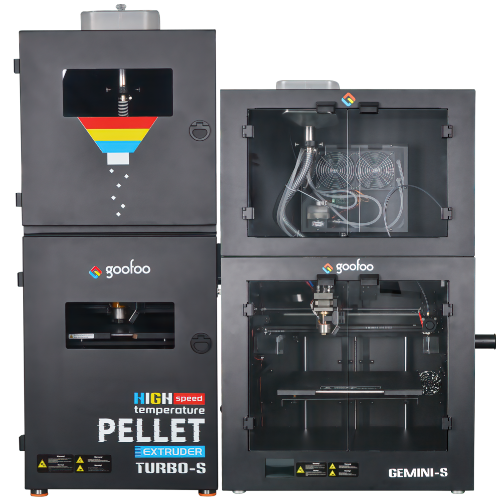
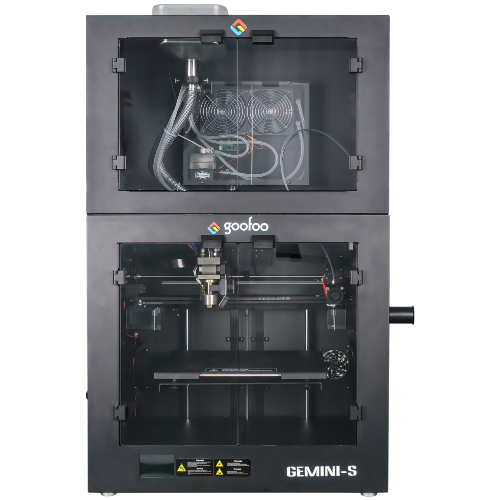
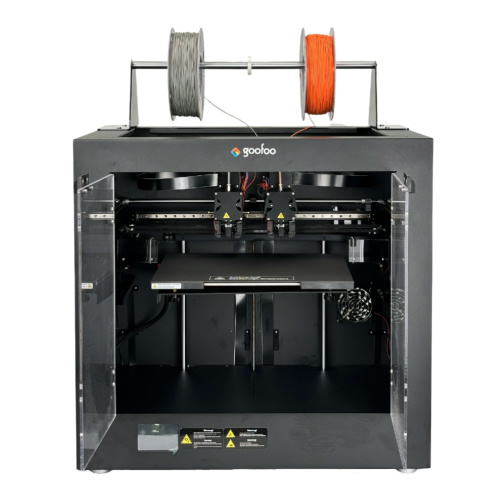
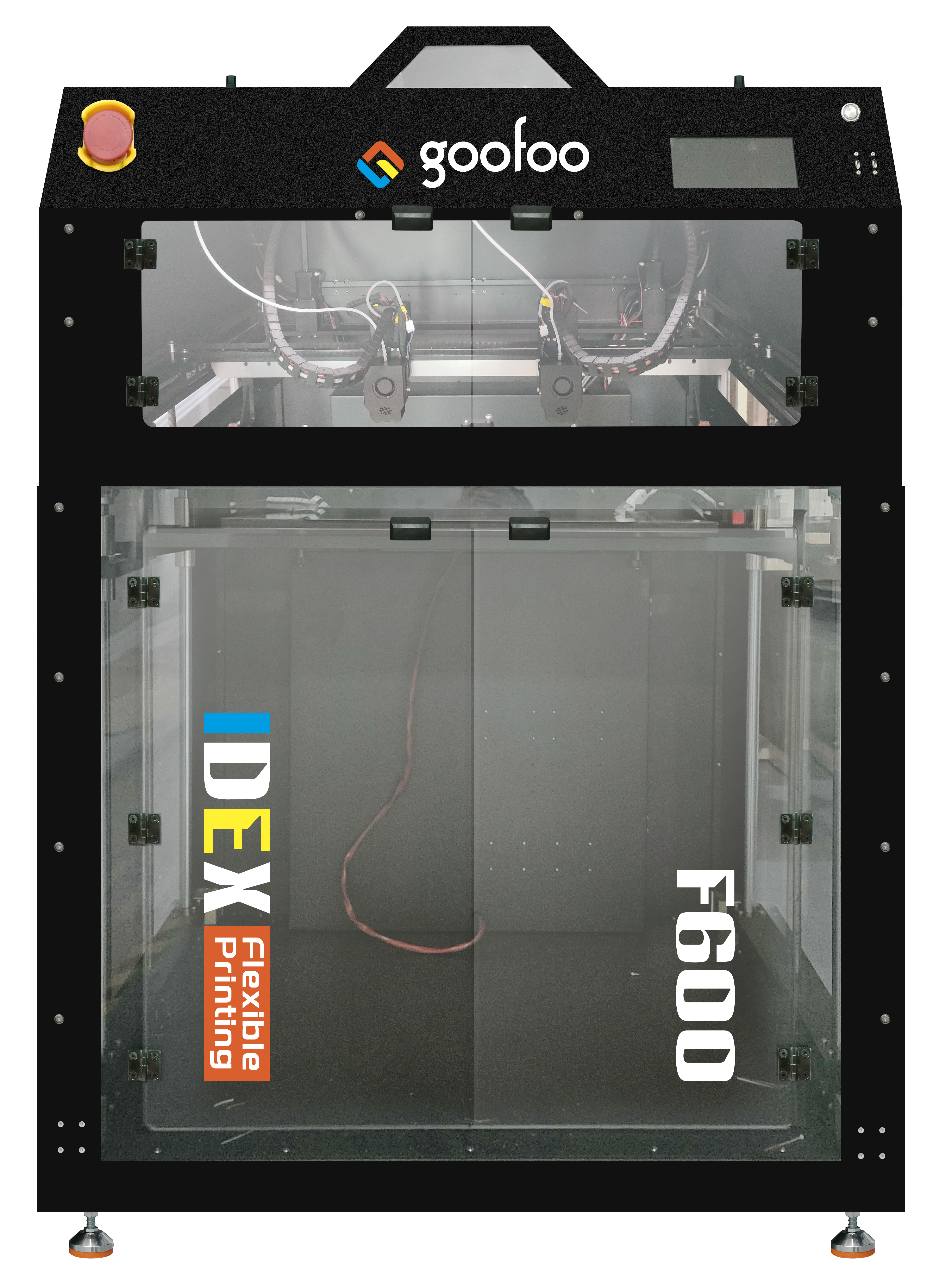

















Unleashing the Power of 3D Printing Technology: Transforming Industries and Revolutionizing Creation
2025-02-08 13:00
Unleashing the Power of 3D Printing Technology
Table of Contents
- 1. Introduction to 3D Printing Technology
- 2. A Brief History of 3D Printing
- 3. How 3D Printing Works: The Science Behind the Magic
- 4. Diverse Applications of 3D Printing Technology
- 5. Benefits of 3D Printing Technology
- 6. Challenges Facing 3D Printing Technology
- 7. The Future of 3D Printing Technology
- 8. Conclusion
- 9. Frequently Asked Questions
1. Introduction to 3D Printing Technology
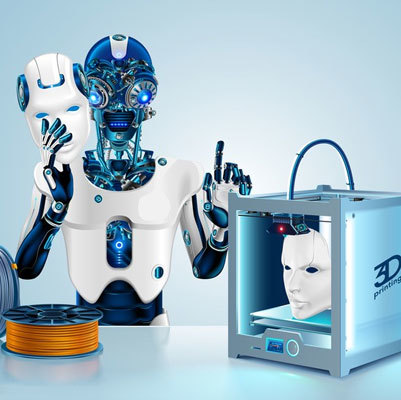
3D printing technology, also known as additive manufacturing, represents one of the most innovative advancements in the realm of digital fabrication. It allows for the creation of three-dimensional objects directly from digital files, enabling a new level of customization and efficiency in production processes. From prototyping to final products, 3D printing is profoundly influencing various sectors, making it a pivotal tool in contemporary manufacturing and design.
2. A Brief History of 3D Printing
The origins of 3D printing date back to the early 1980s when Chuck Hull developed the first stereolithography (SLA) machine. This technology paved the way for what we now recognize as 3D printing. Over the decades, various processes emerged, including fused deposition modeling (FDM) and selective laser sintering (SLS), expanding the possibilities of materials and applications. By the 2010s, the technology began to gain widespread attention, with advancements in affordability and accessibility, leading to a surge in hobbyist and industrial use.
3. How 3D Printing Works: The Science Behind the Magic
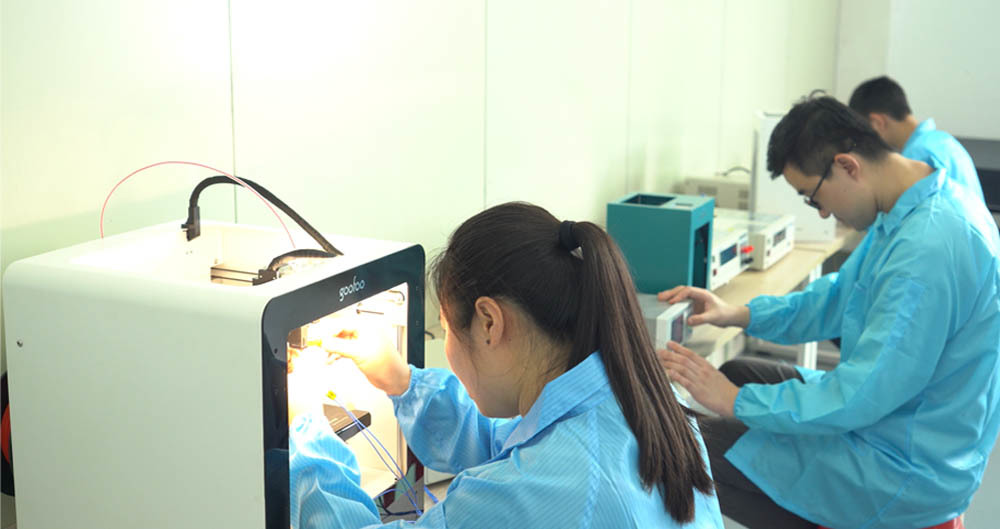
3D printing operates through a series of steps that transform digital designs into tangible objects. The process begins with a 3D model, created using computer-aided design (CAD) software. This model is then sliced into thin horizontal layers using slicing software. The printer builds the object layer by layer, depositing material in precise locations according to the digital blueprint.
There are several types of 3D printing technologies, including:
3D Printing Processes
Stereolithography (SLA)
SLA employs a UV laser to cure liquid resin into solid plastic. This method is known for producing high-resolution parts with intricate details.
Fused Deposition Modeling (FDM)
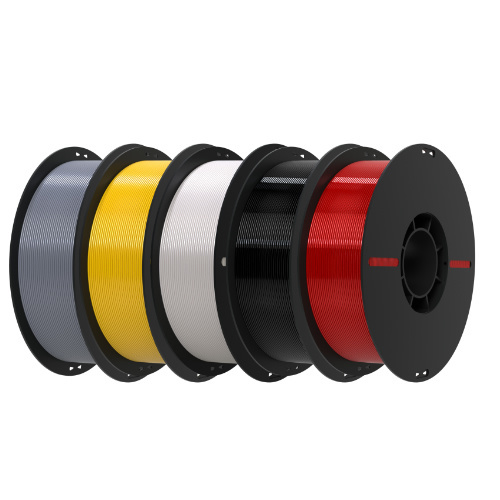
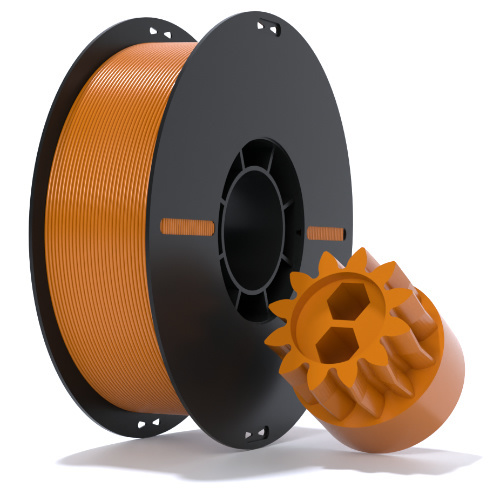
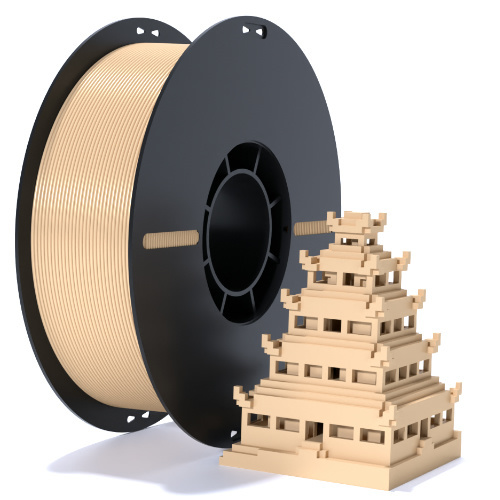
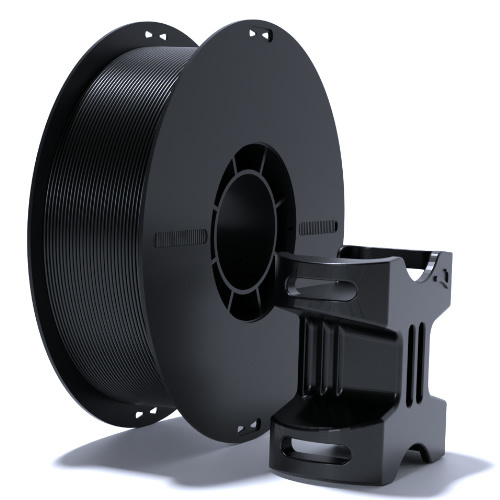
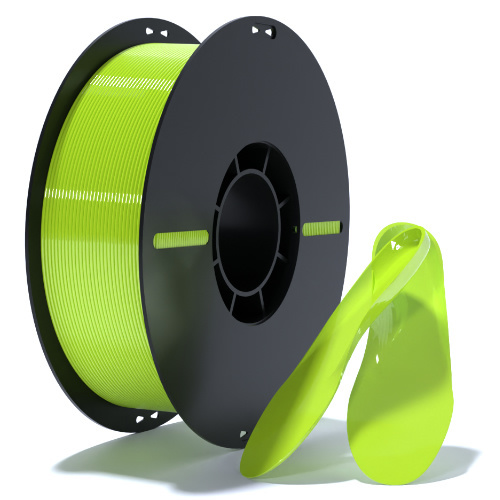
FDM works by extruding melted thermoplastic filament through a nozzle, which then cools and solidifies to form layers. It is one of the most common and accessible 3D printing methods.
Selective Laser Sintering (SLS)
SLS utilizes a laser to fuse powdered material, creating a solid structure. This technique is ideal for producing durable and complex parts.
4. Diverse Applications of 3D Printing Technology
The versatility of 3D printing technology allows it to permeate various industries, each harnessing its potential to streamline processes and enhance product development.
4.1 3D Printing in Manufacturing
In the manufacturing sector, 3D printing is revolutionizing traditional methods. It enables rapid prototyping, reduces waste, and allows for the production of complex geometries that would be challenging to achieve with conventional manufacturing techniques. Companies can quickly iterate designs, leading to faster time-to-market for new products.
4.2 Impact on Healthcare
The healthcare industry has seen significant advancements due to 3D printing. From custom prosthetics to bioprinting tissues and organs, the technology is enhancing patient care and surgical planning. Surgeons can use 3D-printed models of patients' anatomy to rehearse procedures, improving outcomes and reducing risks.
4.3 Transforming Education with 3D Printing
In educational settings, 3D printing offers hands-on learning opportunities. Students can design, create, and modify objects, fostering creativity and problem-solving skills. Schools and universities are increasingly integrating 3D printing into their curricula, preparing students for future careers in technology and engineering.
4.4 3D Printing in Aerospace Industry
The aerospace industry benefits greatly from 3D printing by reducing the weight of components and improving fuel efficiency. Parts can be produced on-demand, minimizing inventory costs and lead times. Major aerospace companies are investing heavily in additive manufacturing, recognizing its potential for innovation and cost savings.
5. Benefits of 3D Printing Technology
The advantages of 3D printing technology are numerous and impactful. Here are some of the key benefits:
- **Customization:** 3D printing allows for the creation of tailored solutions to meet specific customer needs, enhancing product appeal and functionality.
- **Cost-Effectiveness:** By reducing material waste and minimizing the need for tooling, 3D printing can lower production costs significantly.
- **Speed:** The ability to rapidly prototype and produce parts accelerates product development cycles and time-to-market.
- **Complexity and Design Freedom:** Designers can explore intricate shapes and structures that would be impractical or impossible with traditional manufacturing methods.
- **Sustainability:** 3D printing minimizes waste and enables the use of eco-friendly materials, contributing to more sustainable manufacturing practices.
6. Challenges Facing 3D Printing Technology
Despite its many benefits, 3D printing technology is not without challenges. Some of the primary obstacles include:
- **Material Limitations:** While the range of materials available for 3D printing is expanding, it still lags behind traditional manufacturing in terms of material properties and performance.
- **Speed of Production:** Although 3D printing allows for rapid prototyping, mass production can still be slower compared to conventional methods.
- **Intellectual Property Concerns:** The ease of copying digital designs raises legal and ethical issues regarding intellectual property rights.
- **Quality Control:** Ensuring consistent quality in 3D-printed parts can be challenging, requiring robust quality assurance processes.
7. The Future of 3D Printing Technology
The future of 3D printing technology is promising, with continuous advancements on the horizon. Emerging trends include:
- **Integration with AI and Machine Learning:** These technologies can optimize the design process and improve the efficiency of 3D printing operations.
- **Materials Innovation:** Researchers are developing new materials that enhance the strength, flexibility, and functionality of 3D-printed parts.
- **Mass Customization:** As 3D printing becomes more widespread, industries will increasingly adopt mass customization strategies, allowing for personalized products at scale.
- **Bioprinting:** The future of healthcare may involve the creation of functional human tissues and organs, revolutionizing transplantation and regenerative medicine.
8. Conclusion
3D printing technology is undeniably reshaping the landscape of industries, empowering creativity, and enhancing efficiency. From revolutionizing manufacturing processes to significantly impacting healthcare and education, its applications are vast and varied. As the technology evolves, we can anticipate even more innovative uses and solutions that will address current challenges and unlock new possibilities. Embracing 3D printing is not just an option; it is imperative for businesses seeking to stay competitive in an ever-changing market.
9. Frequently Asked Questions
What materials can be used for 3D printing?
3D printing can utilize various materials, including plastics (such as PLA and ABS), metals (like titanium and aluminum), ceramics, and even biological materials for medical applications.
Is 3D printing environmentally friendly?
3D printing reduces material waste and allows for the use of sustainable materials, making it more environmentally friendly than traditional manufacturing methods. However, the environmental impact depends on the materials used and energy consumption.
How has 3D printing impacted the job market?
As 3D printing technology advances, it creates new job opportunities in design, engineering, and manufacturing. However, it may also disrupt traditional jobs in manufacturing sectors that rely on conventional methods.
Can 3D printing be used for large-scale production?
While 3D printing is ideal for prototyping and small batch production, advancements are being made to enable larger-scale production more efficiently. Companies are exploring ways to optimize processes for mass production.
What industries are adopting 3D printing technology?
3D printing is being adopted across various industries, including manufacturing, healthcare, aerospace, education, automotive, and even fashion, showcasing its versatility and wide-ranging applications.
pla 3d printer
Recommended News
 Esperanto
 Shqiptare
 Euskara
 Zulu
Zulu
 Latinus
 Cymraeg
 தமிழ்
தமிழ்
 Slovak
 Slovak
 Afrikaans
Join us
Subscribe to get the latest news


Skype / WhatsApp: +86 592-5713513 / +86-13860126490
No.88-3, North Tongji Road, Xike County, Tong'an District, Xiamen, Fujian China
Xiamen Goofoo Technology Co., Ltd. All Rights Reserved 闽ICP备2022008070号-1 SEO 300.cn
Phone:+0086 592-5713513
Address: No.88-3, North Tongji Road, Xike County, Tong’an District, Xiamen, Fujian China
Email: sales@goofoo3d.com
We will give you feedback in time