
- Shop Shop
-
Desktop
Desktop
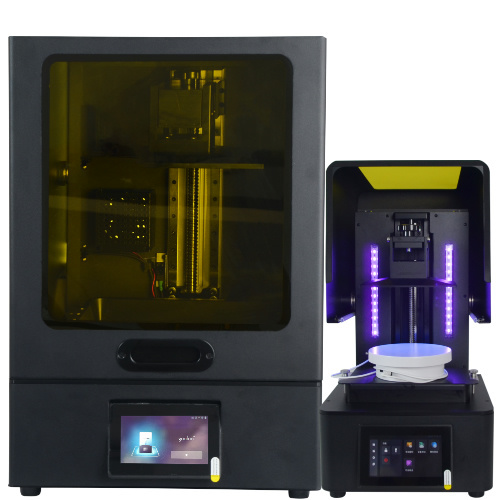
MSLA series
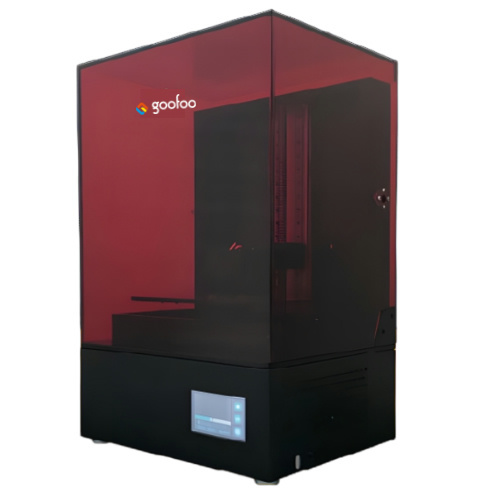
High accuracy Lens-s pro
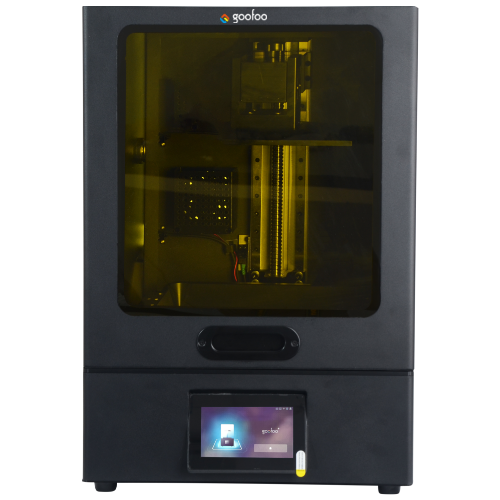
Large build volume Lens-m pro
- Industrial Industrial
-
Material
Material

Resin series

Dental DM100/TC100/ etc.

Jewelry Jewelry Resin

Generic PW100

Industry High Temp Resin

Garage Kit Red wax
-
Expanded
Expanded
Laser Engraver/CNC
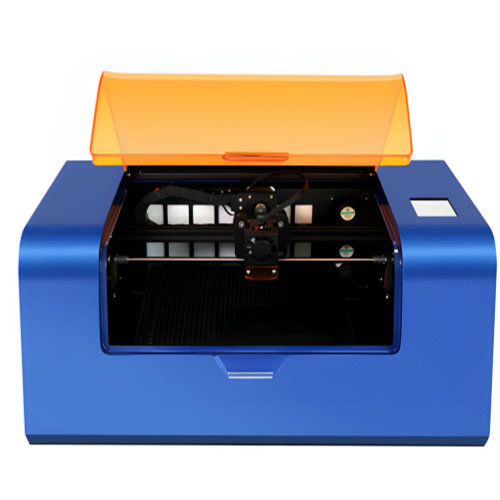
TS3(class1) Laser engraver & cutter 200*300mm
Pixi(class1) Laser engraver & cutter 100*100mm
3D scanner
Mole Highest accuracy 0.05mm
- Industries & Applications Industries & Applications
- Support Support
- About Us About Us
- Contact Us Contact Us















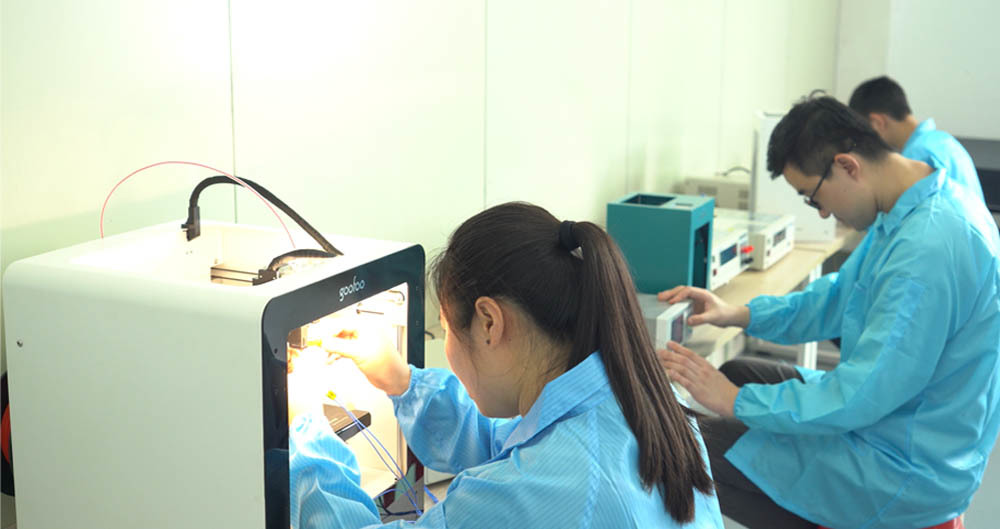




Understanding the Role of 3D Printer Software in Modern Manufacturing
2024-12-23 11:20
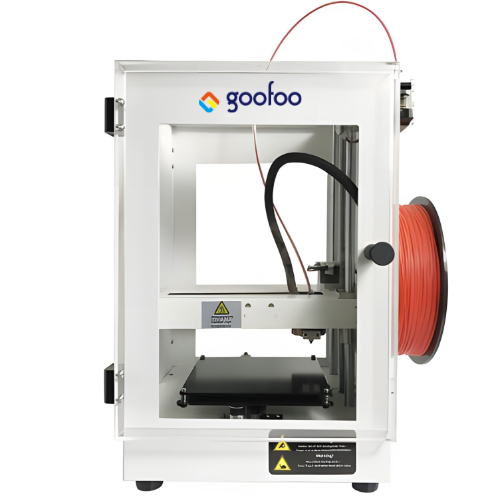
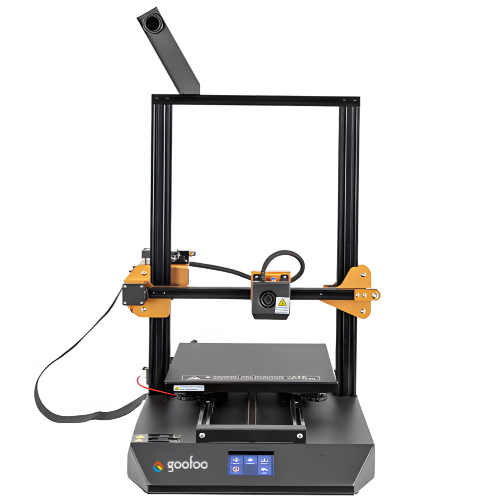
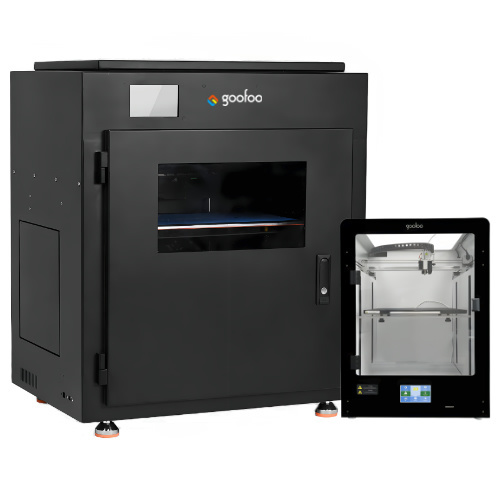
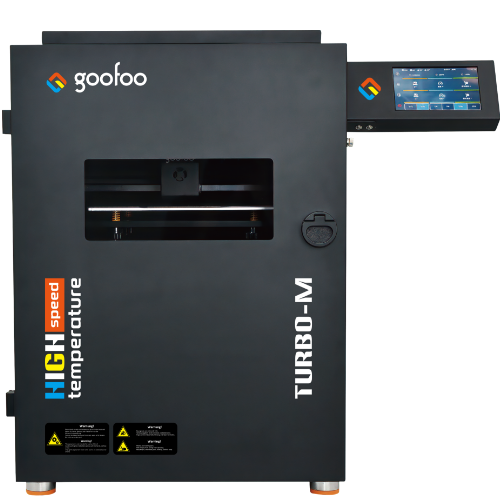
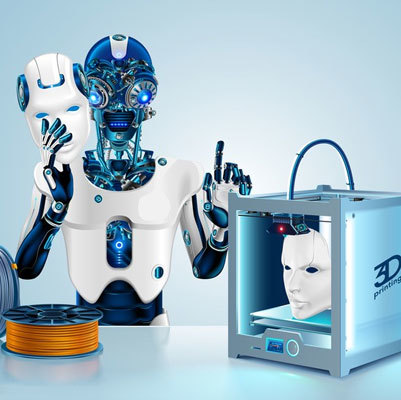
In the rapidly evolving field of digital manufacturing, 3D printer software plays a crucial role in turning digital designs into tangible objects. This specialized software is responsible for preparing 3D models for printing, managing printer settings, and ensuring the final product meets specifications. Understanding the capabilities of 3D printer software is vital for professionals looking to leverage this technology effectively.
At its core, 3D printer software is designed to interpret 3D models created in CAD (Computer-Aided Design) programs. It converts these models into a format that 3D printers can understand, typically using slicing algorithms. The slicing process involves breaking down the 3D model into hundreds or thousands of horizontal layers and generating the necessary G-code, which guides the printer on how to construct each layer accurately.
One of the significant advantages of 3D printer software is its ability to optimize print settings. Users can adjust parameters such as layer height, print speed, and infill density to achieve desired results, whether that be speed, strength, or surface finish. Advanced software may also offer features like support generation for overhangs and infill patterns to enhance structural integrity. This level of customization ensures that the final product meets specific requirements for various applications, from prototyping to end-use production.
Moreover, many 3D printer software solutions provide built-in tools for error detection and correction. These features help identify potential issues, such as non-manifold edges or intersecting geometries, before the printing process begins, saving time and material. This capability is particularly important in professional settings where precision is paramount.
In addition to functionality, 3D printer software often supports collaborative features that facilitate teamwork. Cloud-based platforms allow multiple users to access and modify designs in real-time, streamlining the workflow and fostering innovation. This collaborative environment is especially beneficial in industries where rapid prototyping and iteration are critical.
Furthermore, as 3D printing technology continues to advance, software developers are increasingly integrating artificial intelligence and machine learning into their solutions. These innovations can automate routine tasks, predict printing outcomes, and even suggest design improvements based on historical data. Such advancements not only enhance productivity but also empower users to focus on creativity and design rather than troubleshooting.
In conclusion, 3D printer software is an indispensable component of modern manufacturing that significantly influences the efficiency, quality, and creativity of 3D printing processes. By understanding its functionalities and leveraging its capabilities, professionals can unlock the full potential of 3D printing technology, driving innovation and achieving superior results across various applications. For anyone involved in digital manufacturing, a solid grasp of 3D printer software is essential for staying competitive in this dynamic landscape.
3d printer software
Recommended News
 Esperanto
 Shqiptare
 Euskara
 Zulu
Zulu
 Latinus
 Cymraeg
 தமிழ்
தமிழ்
 Slovak
 Slovak
 Afrikaans
Join us
Subscribe to get the latest news


Skype / WhatsApp: +86 592-5713513 / +86-13860126490
No.88-3, North Tongji Road, Xike County, Tong'an District, Xiamen, Fujian China
Xiamen Goofoo Technology Co., Ltd. All Rights Reserved 闽ICP备2022008070号-1 SEO 300.cn
Phone:+0086 592-5713513
Address: No.88-3, North Tongji Road, Xike County, Tong’an District, Xiamen, Fujian China
Email: sales@goofoo3d.com
We will give you feedback in time